What is Australian Flat White Coffee? Differences in Preparation, Ratio, and Taste Characteristics Compared to Latte and Dirty
For professional coffee knowledge exchange and more coffee bean information, follow Coffee Workshop (WeChat public account: cafe_style)
For more premium coffee beans, add FrontStreet Coffee's private WeChat account: qjcoffeex
Today, although more and more coffee varieties appear on café menus, milk-based coffee remains the most popular. Multiple surveys show latte has long been one of the top two in coffee sales, but by 2018 a drink called Flat White emerged like a dark horse, closing in on the latte.
Flat White's sales reportedly rose 56% year-on-year in 2018. Why did it suddenly become so popular, and what kind of coffee is it? Next, FrontStreet Coffee discusses this "dark horse of milk coffee."
What Is the Origin of Flat White?
As to where Flat White comes from, both Australia and New Zealand claim it, so the debate over whether it's Australian or New Zealander continues to this day.
One Australian café owner once said he already had "Flat White" on his menu in the mid-1980s. He explained that it arose because many people at the time liked to add a small amount of frothed hot milk to their espresso.
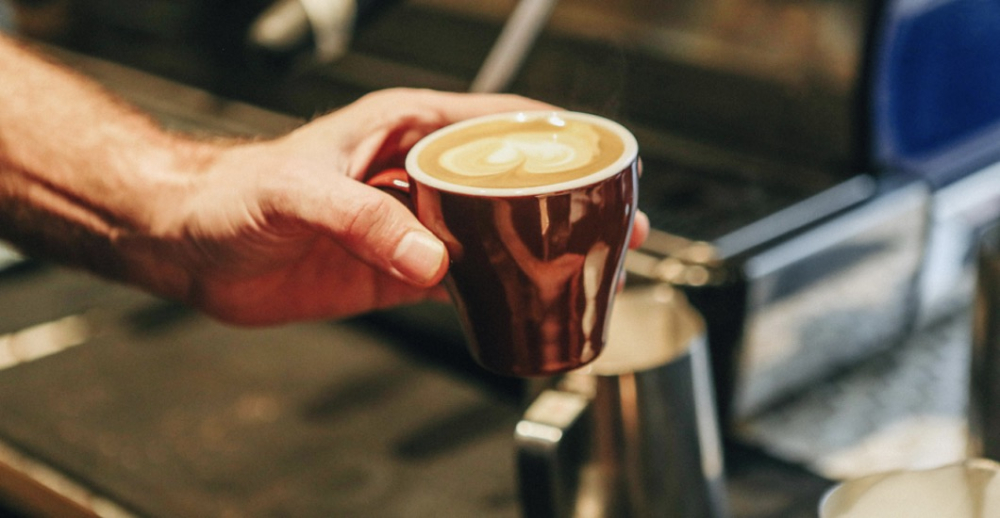
Initially, that shop made Flat White with a double ristretto and milk heated and steamed into a small amount of foam. It wasn't poured with latte art; instead it was poured straight into a small ceramic cup holding espresso, letting white foam float on the surface — hence "Flat White."
A New Zealander challenged that claim, insisting he created it. He was working as a barista, trying to make a cappuccino for customers, when he made a mistake — he frothed the milk too thin, and so invented the Flat White.
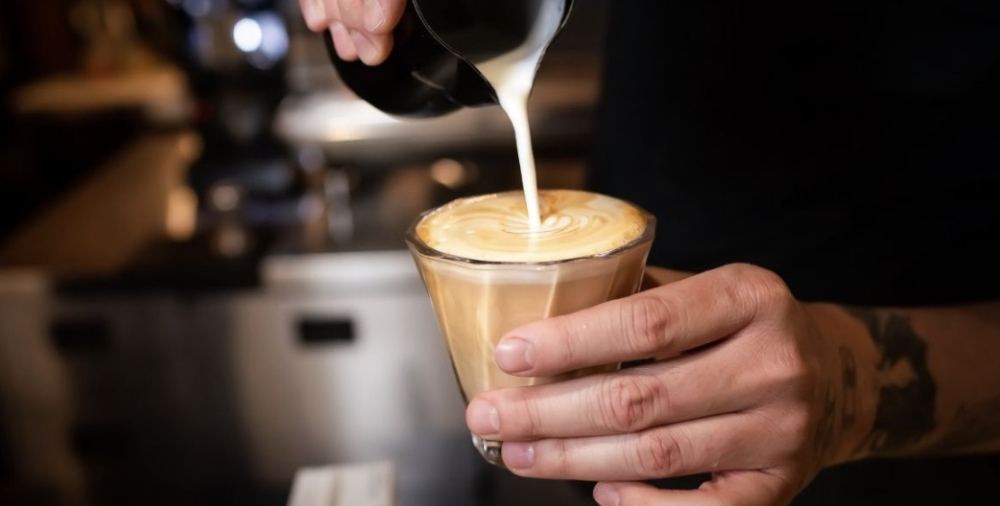
Whether Flat White was invented in Australia or New Zealand, one thing is certain: after 2017 it became one of the increasingly popular coffee products worldwide.
FrontStreet Coffee believes the deeper reason people love it is that, compared with other milk coffees, it carries a richer coffee flavor — and compared with straight espresso, it's more acceptable to the general public.
Characteristics of Flat White
As specialty coffee grew, cafés after the millennium began paying more attention to the patterns on milk coffees to attract customers. Flat White gradually evolved from simply adding a little thin-foamed milk to ristretto into blending milk with coffee to create simple latte art, though the overall portion hasn't changed much.
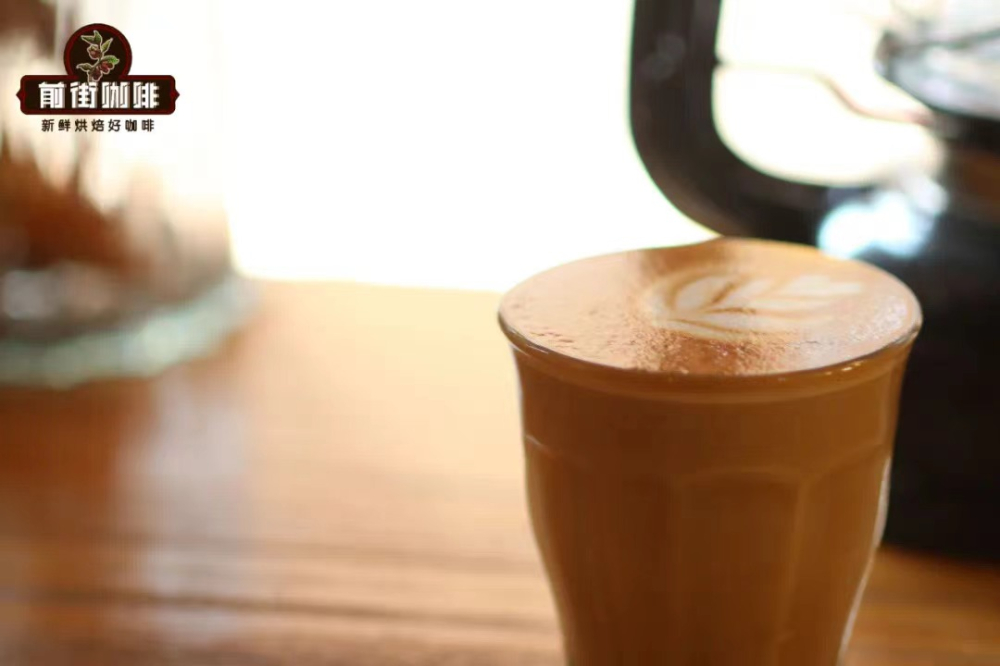
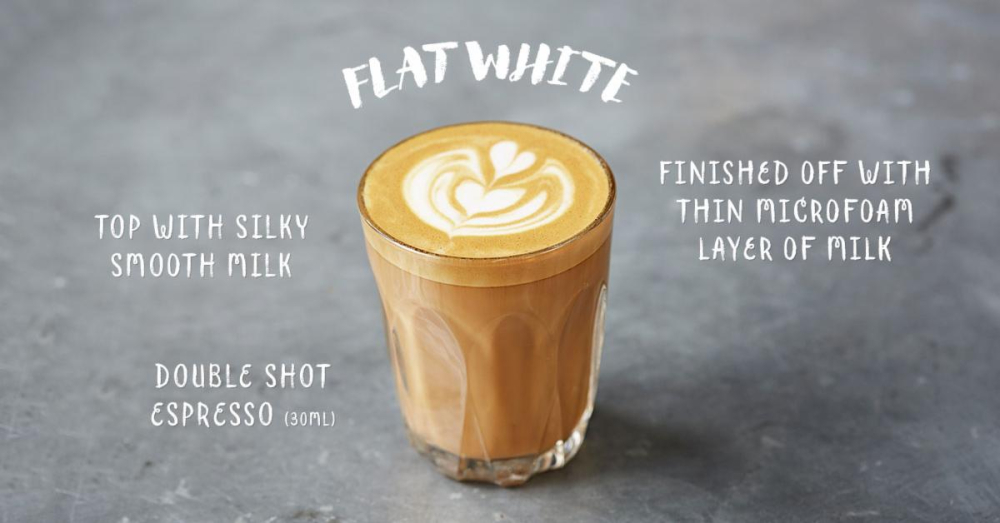
Compared with a latte, Flat White has a smaller portion, about 3oz (100ml), making it a milk coffee with rich coffee flavor. It has surged in recent years because more and more milk-coffee drinkers, influenced by specialty coffee culture, have begun chasing coffee flavor — even with milk added, the milk is treated as a supporting ingredient that enhances flavor rather than masking it.
How to Make Flat White
Careful readers may have noticed that Flat White uses a coffee liquid called "ristretto." How does it differ from regular espresso?
Put simply, ristretto is more concentrated than regular espresso. Under the same extraction parameters, ristretto shortens extraction time and yields a smaller portion than regular espresso.
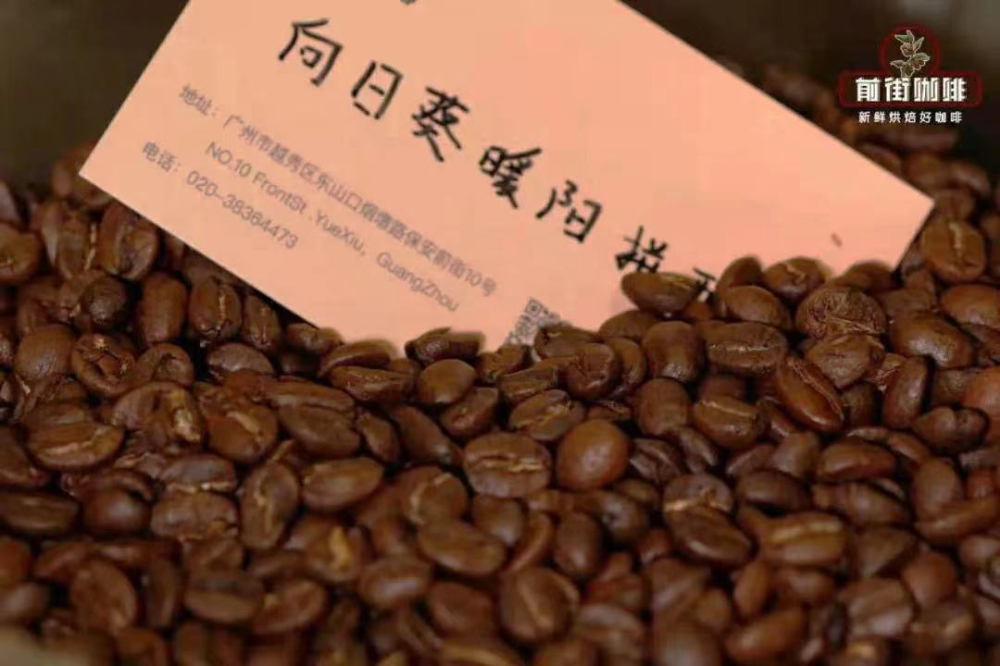
FrontStreet Coffee's store typically pulls its espresso with "FrontStreet – Sunflower Warm Sun Espresso Blend." This bean blends 70% Honduras Sherry coffee with 30% Ethiopia Natural Yirgacheffe Red Cherry, showing rich fermented wine aroma, vanilla cream, roasted nuts, and caramel-like flavor.
FrontStreet Coffee uses regular espresso in daily production (latte, Americano, and cappuccino all use espresso). It usually extracts at 9-10 bar with a coffee-to-liquid ratio of about 1:2. Generally, a single espresso uses 9-11g of grounds to extract about 15-25g of liquid, while a double uses 18-20g to extract 35-45g. The less liquid extracted, the higher the concentration.
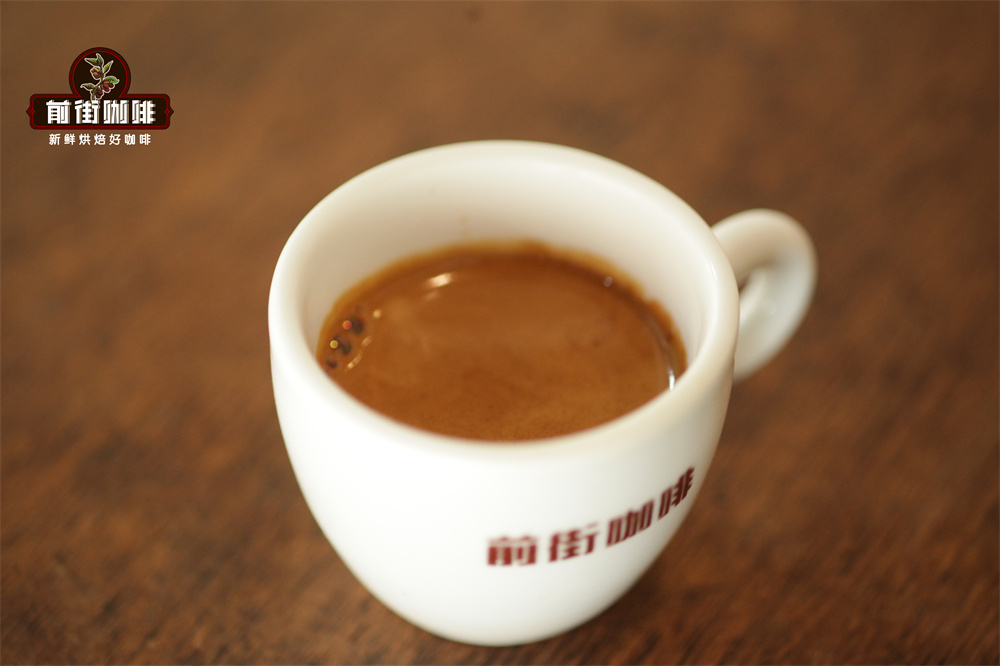
Ristretto is simply espresso with a smaller extraction ratio. So FrontStreet Coffee uses the same grind size and dose as espresso but extracts less liquid over a longer time, generally at a coffee-to-liquid ratio of about 1:1.6.
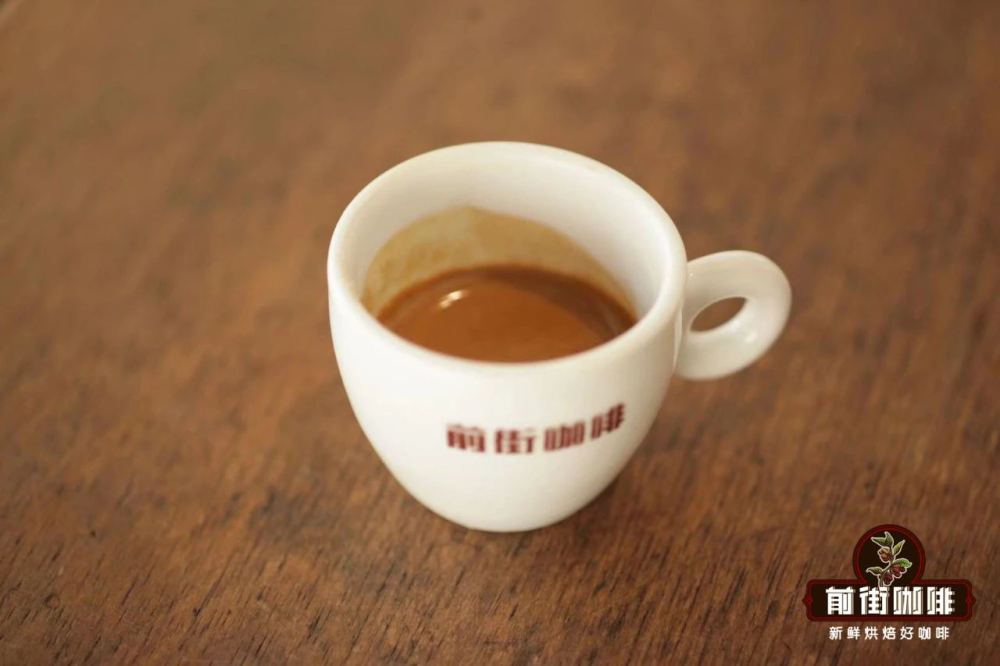
Please note: ristretto's concentration doesn't mean a more intense coffee flavor, but rather the overall taste of the liquid (sour, sweet, bitter). When it's too concentrated, it tends to show sharp acidity or burnt bitterness. So when making ristretto, you still need to adjust the dose and extraction time when necessary.
Flat White Production Ratio
To make Flat White, FrontStreet Coffee's ristretto extraction parameters are 19.8g of grounds extracting 30g of liquid in 27 seconds (each grinder and espresso machine performs differently, so you can't follow these numbers 100%).
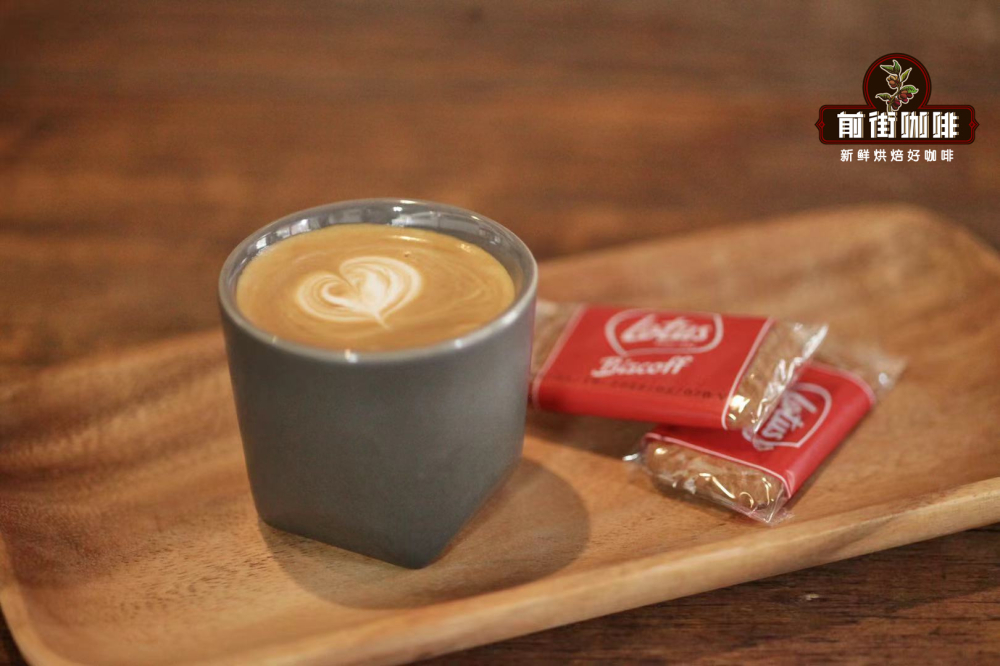
Using a 100ml cup, add the extracted ristretto and blend in hot milk with thin foam. The flavor shows rich fermented wine aroma, with the acidity of berries producing obvious sweetness once the hot milk is added, and a finish of caramel-chocolate sweetness.
What Is Dirty Coffee?
Dirty coffee also uses ristretto, but this drink emphasizes high-fat milk that has been refrigerated, a frozen cup, and espresso that must float on the milk's surface. So you need a frozen cup with ice-cold milk, then catch the extracted ristretto directly at close range.
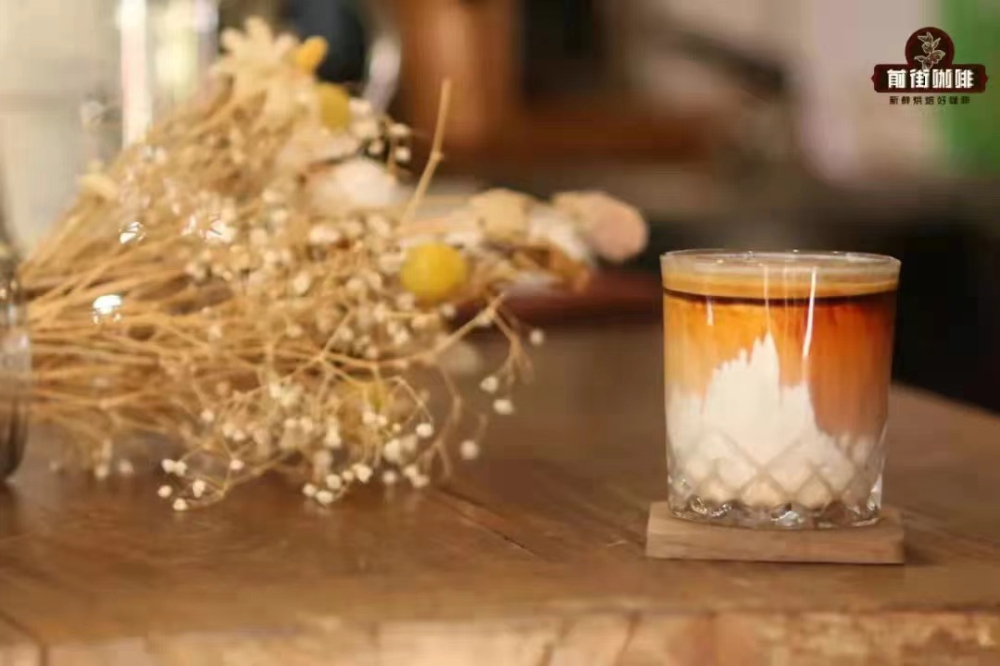
Dirty shifts in mouthfeel from strong to light, from deep to shallow: the first sip is rich coffee, the last sip is sweet. So once you have a Dirty, don't let it sit too long, and don't stir it while drinking. If you can, finish a cup in three sips to experience its gradual transformation.
FrontStreet Coffee Recommendation
To practice latte art at home, FrontStreet's Classic Blend is the go-to: a medium-dark espresso recipe built from three regions, inspired by the classic "Mamba" pairing of Mandheling and Brazil, with a little robusta added for aroma and crema. It gives off clear butter, toasted bread, and caramel-cookie aromas, with a strong flavor, a solid body, and fine crema — extremely stable to extract and an essential home coffee for beginners.
If you prefer a rich, nutty style, FrontStreet's Signature Blend is another medium-dark espresso bean, pairing washed Colombian coffee with Brazilian pulped natural in a classic combination. As espresso it shows nut, dark chocolate, and caramel notes, and whether you make an Americano, latte, or flat white, it highlights the smooth aromas of cream, almond, and cocoa, with crema every bit as good as a café's — more than enough for latte-art practice, making it ideal for anyone dreaming of opening a shop or learning at home. For those about to open a café, FrontStreet's Commercial Blend builds on the Signature Blend by adding a little robusta to a traditional Italian recipe, deepening the fine dark-brown crema and adding a heavier character, so Americanos, lattes, and mochas all carry nut, cocoa, and caramel flavors and latte art becomes effortless.
Important Notice :
FrontStreet Coffee is a long-established specialty coffee roaster in Guangzhou China, selling freshly roasted beans from its own farm in Yunnan as well as dozens of carefully selected single-origin beans from around the world for both pour-over and espresso. The products deliver consistently excellent quality and great value, with shipping within 24 hours. Guangzhou's FrontStreet Coffee shop is recommended by many coffee lovers, and the beans are now available online at the Tmall 。
FrontStreet Coffee has moved to a new address:
FrontStreet Coffee Address: 315,Donghua East Road,GuangZhou
Tel:020 38364473
 Scan and follow the En Gafei WeChat official account. Please indicate that the reprint comes from "En Gafei".