Kenya Bean Roasting Method Kenya Coffee Hot Water Pour-Over Extraction Method Parameters

Geographic and Climate Overview
Kenya lies in eastern Africa, with the equator running through its center. It borders Somalia to the east, Tanzania to the south, Uganda to the west, and Ethiopia and Sudan to the north, while the Indian Ocean washes its southeast coast. The country is mostly plateau, averaging 1,500 meters in elevation. Kenya's climate is varied, and the entire territory lies within the tropical monsoon zone. The coast is hot and humid, the highlands are temperate, and mountains above 3,500 meters sometimes see snow. Annual temperatures peak at 26°C and drop to a low of 12°C. South of the equator the dominant climates are tropical forest and savanna; the coast is tropical with high temperatures and year-round rain; further inland the climate grows increasingly arid, and desert and semi-desert country in the north covers about 56% of the country. Because of the monsoon influence, Kenya has no distinct temperature-based seasons, only rainy and dry periods.
Ideal Growing Conditions
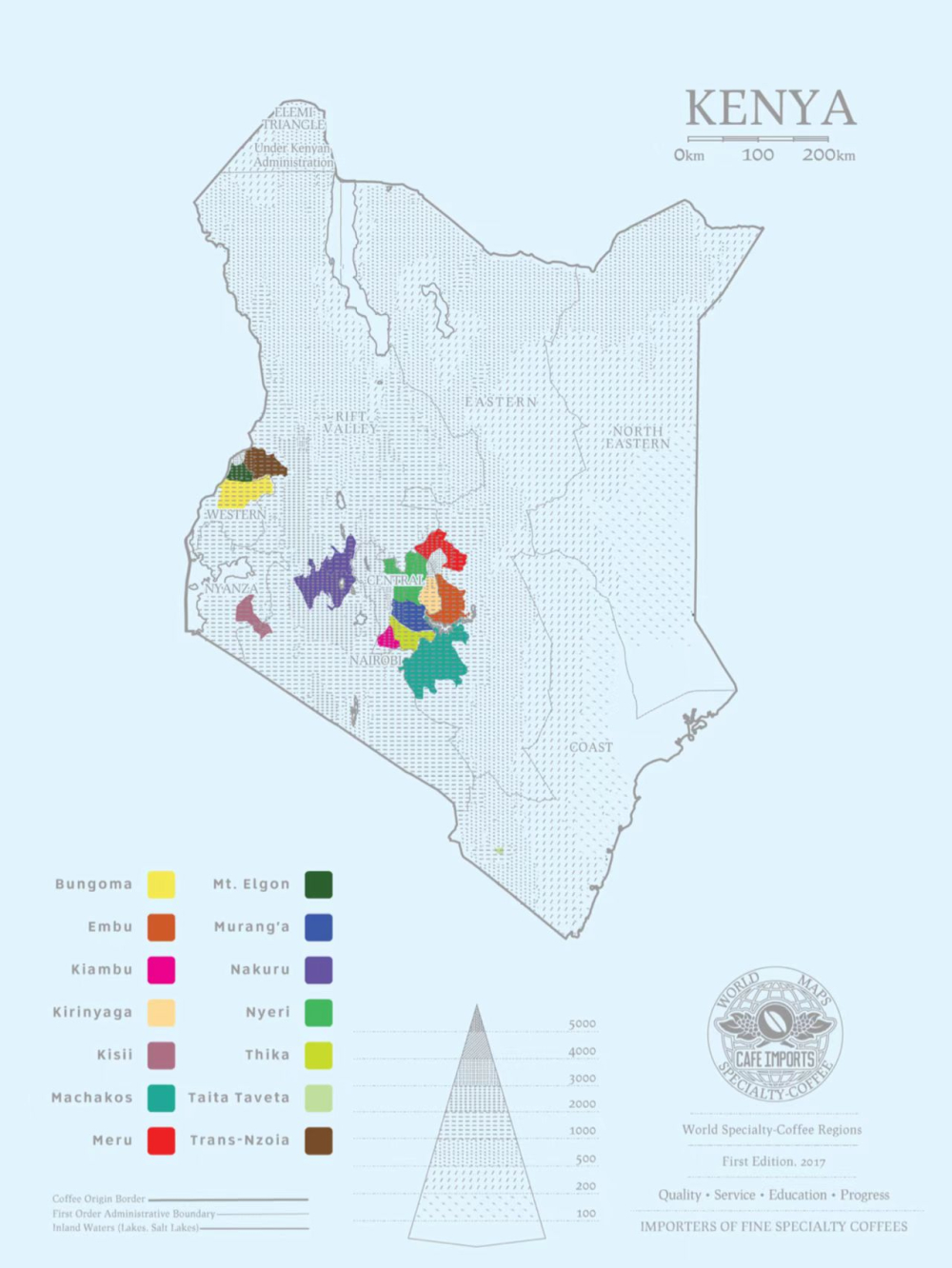
Most of Kenya's coffee grows between 1,300 and 2,000 meters, where average temperatures range from 15 to 24°C and annual rainfall reaches 900-1,200 mm. The high-altitude plateau around Mount Kenya offers the best growing environment for coffee, including the Aberdare Mountains, Nyanza, Kisii, Bungoma, Kericho, and Nakuru areas. The Arabica varieties grown in these regions were originally introduced from Ethiopia.
Premium Growing Regions
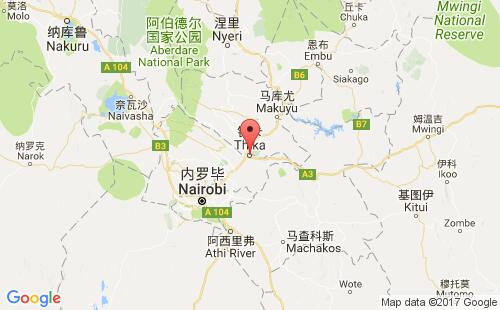
Coffee from central Kenya delivers the country's highest volume and best quality. Coffee from western areas such as Kisii, Trans-Nzoia, and Keiyo, as well as Thika in the south, is also gaining attention.
Signature Varieties
As early as the 1930s, Kenya developed the SL28 and SL34 varieties through the Scott Laboratories screening program and promoted their cultivation nationwide. Thanks to their exceptional berry-like acidity, these varieties were later introduced to estates in Central America. The champion bean at a Costa Rica Cup of Excellence two years ago was a blend of SL28 and Geisha.
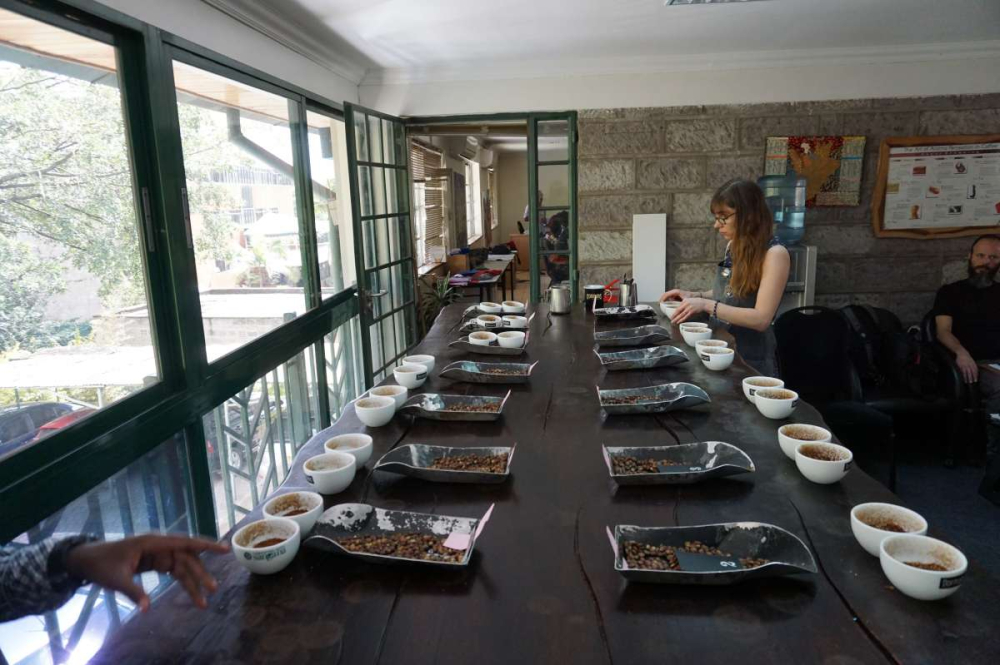
Since then, Kenya has worked hard to develop varieties resistant to leaf rust. Ruiru11 was the first variety successfully recognized by the Kenya Coffee Committee, and it can be understood as Kenya's answer to Catimor. When FrontStreet Coffee cup-tested Kenyan beans blended with Ruiru11, the profile showed slightly less sweet acidity along with a hint of complexity, a reminder that variety has a major influence on flavor.
Distinctive Processing Methods
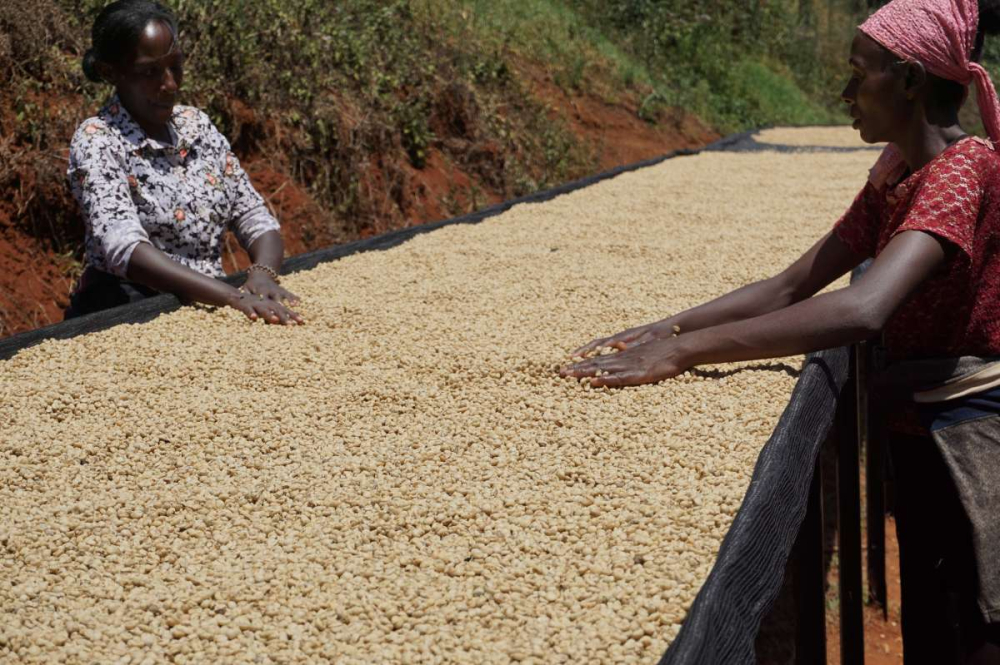
FrontStreet Coffee believes the bright acidity in Kenyan coffee is inseparable from the country's signature washed processing method, the K72 process. In a normal washed process, beans are soaked in fermentation tanks for 24-48 hours before drying. Kenya's method instead begins with a 24-hour fermentation, then the loosened mucilage is washed off, followed by another 24 hours of fermentation in clean water, another washing, and a final 24-hour fermentation, for a total of 72 hours. This intensive washing consistently controls quality and expresses bright acidity with clean sweetness.
Grading System and Flavor Profile
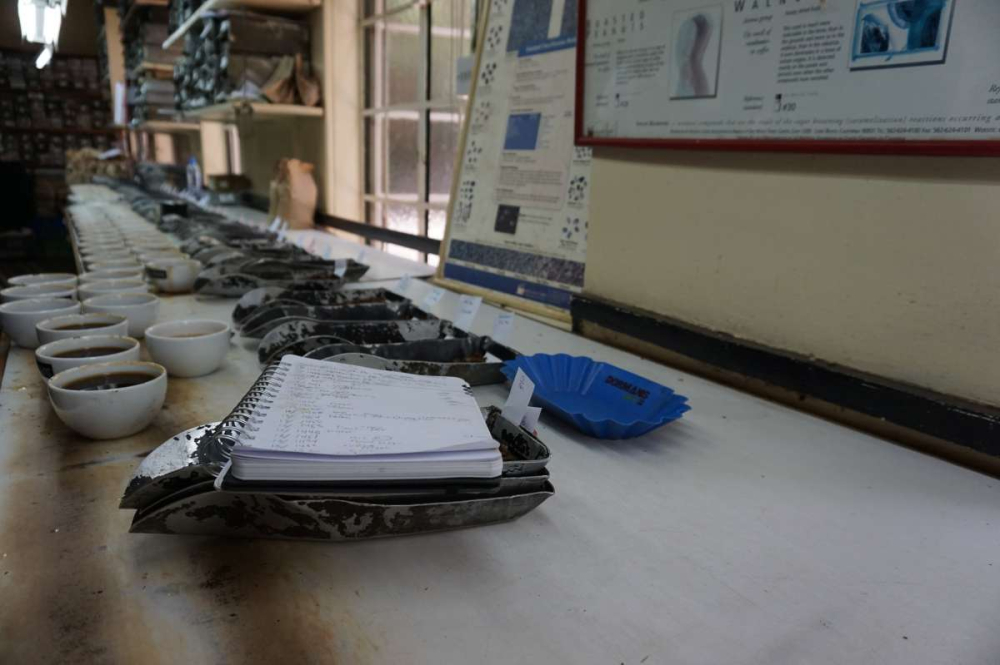
Kenyan coffee beans are graded by size, with AA being the best, followed by AB. The advantage of size-based grading is that, once varieties are selected, larger beans signal fullness and quality, which makes them very friendly to roast. This helps keep Kenyan coffee consistent. Although we can still taste regional differences between Nyeri, Kirinyaga, and Kiambu, they generally share the characteristic Kenyan bright acidity with cherry tomato and berry flavors, recognizable as Kenyan coffee from the very first sip.
Brewing Recommendations
Now that we understand what makes Kenyan beans distinctive, we can build a brewing plan around those traits. Kenya's high altitude, volcanic soil, excellent varieties, and meticulous processing produce full, large beans that are relatively hard with a fine appearance.
Roasting Suggestions
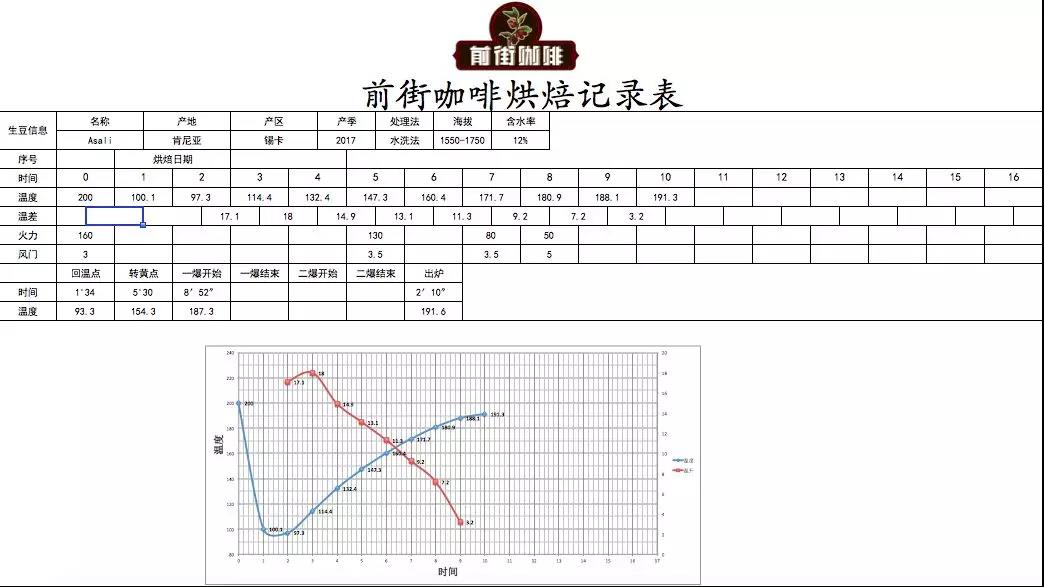
This FrontStreet Coffee Kenya Assalia bean is full and round. To fully express its bright, rich acidity, FrontStreet Coffee uses a light roast level.
To avoid blockage during brewing, FrontStreet Coffee does not recommend an excessive amount of fine powder. You can use a high-quality grinder or a sifter to remove fines, with the grind size calibrated to a 75% pass-through rate on a #20 standard sieve.

For water temperature, this Kenyan coffee does best with a relatively high temperature to draw out its fruity sweetness and cherry tomato notes. FrontStreet Coffee recommends 93°C.
FrontStreet Coffee suggests a coffee-to-water ratio of 1:16. This Kenyan coffee has such a robust body that even at 1:16 the concentration holds up. The 1:16 brew is very smooth, with bright plum acidity complementing the sweet and sour aroma of cherry tomatoes for a genuinely pleasant cup.

For the dose, if you use a small V60 dripper, FrontStreet Coffee recommends at least 15 grams of grounds. If you use a large V60 dripper, at least 25 grams is recommended.
While pouring, keep the coffee bed high and minimize large circular motions. This thins the bed and ensures full extraction, avoiding channeling at the edges and blockage at the bottom.

First, pour 30 ml of water and let the bed bloom for 30 seconds. In the second stage, pour 120 ml, working in circles from the center outward until the surface is covered with golden foam, then circle back to the center. The coffee bed should rise to about 1/2 of the short ribs.
In the third stage, pour 90 ml using coin-sized circular motions. When all the coffee liquid has dripped into the sharing pot, end the extraction. Total time should be 2 minutes, with a 10-second margin of error.

This method highlights the cherry tomato aroma and sweetness of Kenyan coffee while keeping the body robust and the plum acidity bright.
FrontStreet Coffee Recommendation
Kenyan coffee lovers may also enjoy FrontStreet Coffee's Ethiopian Washed Yirgacheffe, which shows a clear jasmine aroma and bright citrus acidity. Yirgacheffe is a small town in southern Ethiopia where the weather stays spring-like all year, wrapped in mist and cool humidity; thousands of coffee varieties flourish there, giving the cup its intertwined floral and fruity character, a light and elegant body with a tea-like feel, and a finish as clean and refreshing as iced lemon tea.
For a different expression of Ethiopian terroir, FrontStreet Coffee's Gedeb Cooperative is worth trying. It sits in the Worka district at the southeastern edge of Yirgacheffe and was once part of the Worka cooperative under the Yirgacheffe Coffee Farmers Cooperative Union. Because the fruit is pulped before drying, its inherent aromatics come through more clearly, yielding citrus and lemon notes with elegant white florals and a bright, delicate overall profile.
Important Notice :
FrontStreet Coffee is a long-established specialty coffee roaster in Guangzhou China, selling freshly roasted beans from its own farm in Yunnan as well as dozens of carefully selected single-origin beans from around the world for both pour-over and espresso. The products deliver consistently excellent quality and great value, with shipping within 24 hours. Guangzhou's FrontStreet Coffee shop is recommended by many coffee lovers, and the beans are now available online at the Tmall 。
FrontStreet Coffee has moved to a new address:
FrontStreet Coffee Address: 315,Donghua East Road,GuangZhou
Tel:020 38364473
 Scan and follow the En Gafei WeChat official account. Please indicate that the reprint comes from "En Gafei".