Specialty Coffee: Peru Emerges as a Rising Star in the Coffee World
FrontStreet Coffee · Introduction to Peruvian Coffee
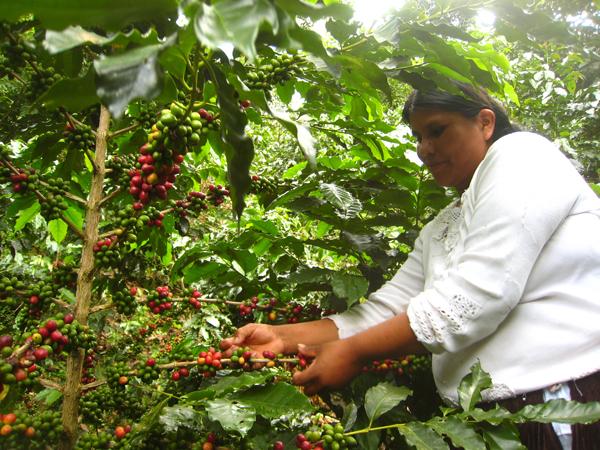
Specialty coffee beans have demanding growing requirements. They generally grow at altitudes of 1500 meters or even 2000 meters above sea level, and they need the right combination of precipitation, sunlight, temperature and soil. Some of the world's most renowned coffees benefit from a particular geography: the high mountain clouds of the Blue Mountains region, the "flying clouds" that provide free afternoon shade in Kona, and the volcanic ash soil of Antigua all create ideal conditions for growing specialty coffee. The best harvesting method is hand-picking — taking only ripe cherries so that fruit of inconsistent ripeness is never mixed in. Because both unripe and overripe fruit affect the balance and stability of flavor, specialty coffee demands frequent, meticulous hand-picking through the harvest.
The Rise of Peruvian Coffee
As an emerging star in the coffee world, Peruvian coffee is gradually gaining recognition and expanding internationally. For a long time it served as one of the blending beans used to stabilize the richness of coffee blends. It offers a mellow flavor with appropriately balanced acidity, and this moderate character has won it more and more admirers.
Peru's Coffee Growing Regions
Peru sits in western South America and has a coastline stretching 2,254 kilometers. The Andes run north to south, with mountainous terrain covering one-third of the country's area. The region belongs to the tropical desert zone, characterized by a dry and mild climate. Most Peruvian coffee is grown at the foothills of the Andes, where high-quality Central American-style beans are produced in abundance.
Peru is a vast and diverse land capable of producing many different varieties of coffee, including exceptionally high-quality lots. Generally speaking these beans have the brightness characteristic of Central American coffees wrapped in South American flavors, and high-quality organic farms do show a more rustic character. As long as those beans continue to add interesting flavors rather than diminish them, a cup of Peruvian coffee can possess all the brightness and depth of flavor you could ask for. Holding an ordinary cup of Peruvian coffee, you don't need to strain to appreciate its quality.
Organic Peruvian Coffee
Peruvian beans, particularly those from the central Chanchamayo region and the southern Cusco region, are the most famous, and some areas in the north also produce distinctive organic coffee. Organic coffee uses beans grown under shade trees. Shade growing lowers yields, but quality can reach the level of exceptional coffee: the shade slows the maturation of the trees, helping the plants develop fully, take in more natural compounds, build superior flavors and carry less caffeine.
Quality and Characteristics
Peru uses planned cultivation methods for coffee, significantly increasing production. Rich acidity and mellow smoothness are its most prominent characteristics. Peruvian coffee has mild acidity, medium body and excellent taste and aroma, making it an indispensable component in blends. FrontStreet Coffee's high-quality Peruvian single origin features a rich aroma, a smooth mouthfeel, distinct layers, intense sweetness and an elegant, gentle acidity that will subtly awaken your taste buds.
Finding Quality Peruvian Coffee
The gap between ordinary organic Peruvian coffee and high-quality organic Peruvian coffee is enormous: cheaper beans are not only unremarkable in quality but typically show noticeable defects in cupping, especially grassy flavors and over-fermented tastes. Finding good Peruvian beans takes real effort among the many middlemen and purchasing channels, and painstaking work in selecting sample beans — though that is certainly better than sifting through piles of paperwork.
FrontStreet Coffee Recommendation
The character that makes Peruvian coffee appealing — mild acidity, medium body, mellow and balanced from front to back — is the same quality that defines Jamaica Blue Mountain No.1 on FrontStreet Coffee's bean list. Where Peru wins drinkers with an easy, undemanding balance, Blue Mountain takes that balance to its classical extreme: it has neither the sharp fruit acidity of some African coffees nor the heavy bitterness of a dark roast, but holds sourness, sweetness, bitterness and aroma in unusually even proportion, which is why it is so often described as the specialty coffee most people find easy to like.
FrontStreet Coffee's Jamaica Blue Mountain No.1 comes from Clifton Estate, one of the earliest farms in the Blue Mountain region to grow the coffee, at 1310m and processed by the traditional washed method from Typica. It is roasted medium-dark, which lets its classic balance come through fully. The cup opens with layered nut, dark chocolate and cream-caramel notes over a soft sweetness, with the acidity, sweetness, bitterness and aroma all in step, and a clean, lingering finish. Genuine Blue Mountain arrives with a Jamaican government certificate and proof of origin, and ships in the traditional wooden barrels — 15, 45 and 70 kg — each carrying the details of the green bean lot.
Because balance is the whole point of this coffee, brew it in a way that does not fight it. FrontStreet Coffee suggests a Kono dripper, 15g of coffee, a 1:15 ratio and water at 87-88°C, ground slightly coarser than a light roast — about the texture of granulated sugar — and letting the beans rest 4-7 days after roasting, counting the roast date as day one. Pour in three stages: a 30g bloom for 30 seconds, then a slow circle to 120g, then continue to 225g with a slightly faster flow so the bed does not clog. If you prefer a sweeter, heavier cup, the same beans also brew well in a moka pot, with a slightly finer grind, hot water in the base and medium-low heat.
Important Notice :
FrontStreet Coffee is a long-established specialty coffee roaster in Guangzhou China, selling freshly roasted beans from its own farm in Yunnan as well as dozens of carefully selected single-origin beans from around the world for both pour-over and espresso. The products deliver consistently excellent quality and great value, with shipping within 24 hours. Guangzhou's FrontStreet Coffee shop is recommended by many coffee lovers, and the beans are now available online at the Tmall 。
FrontStreet Coffee has moved to a new address:
FrontStreet Coffee Address: 315,Donghua East Road,GuangZhou
Tel:020 38364473
 Scan and follow the En Gafei WeChat official account. Please indicate that the reprint comes from "En Gafei".