What Are the Common Types of Coffee Beans? Recommendations for Coffee Beans with Relatively Lower Acidity
The Rise of Coffee Variety Flavors
With the third wave of specialty coffee, beans now showcase all kinds of flavor profiles—floral, fruity, cocoa, nutty. FrontStreet Coffee presents this introduction to common coffee varieties.
Main Coffee Species
At the species level, the two most common are Arabica and Robusta. Arabica is prized for its superior flavor—typically floral and fruity—and is the most widely cultivated commercial species, accounting for 70% of global production. It generally demands higher altitudes.
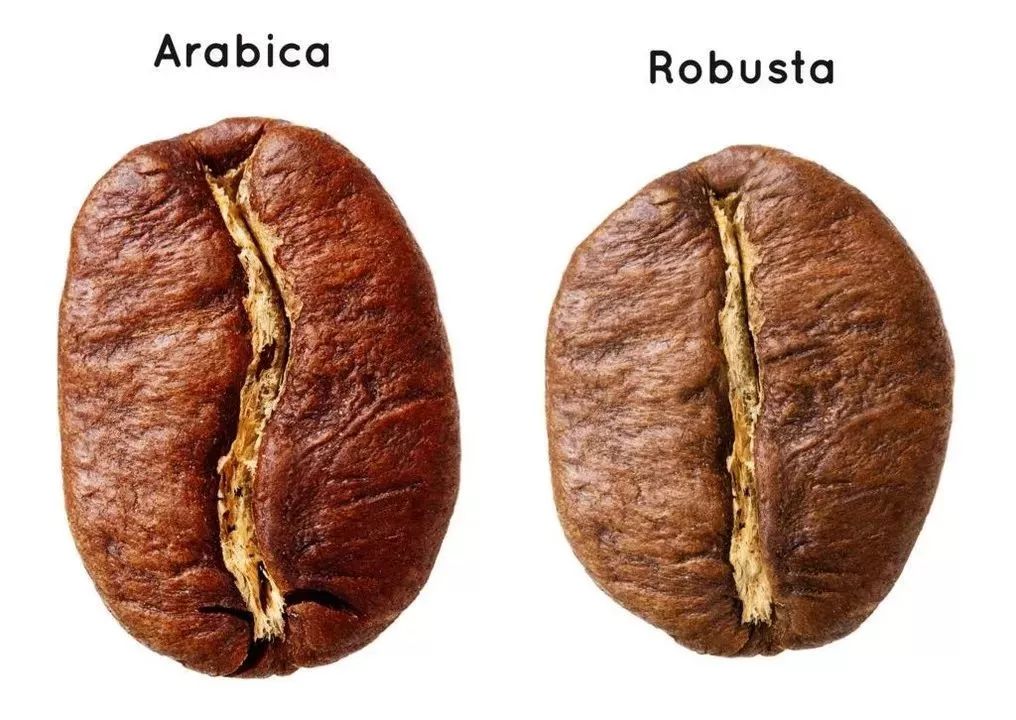
Robusta lacks Arabica's elegant aromatics but offers a deeper, heavier profile with notes of walnut, peanut, hazelnut, wheat, and grain. It is hardier than Arabica, grows at lower altitudes, and resists disease and pests well. Robusta out-yields Arabica per unit and currently accounts for 30% of global cultivation, typically serving as a base for espresso blends and instant coffee.
The Arabica Coffee Family
Arabica's 70% share of world production has been subdivided into numerous distinct varieties. Here are the most common ones:
Typica Coffee Beans
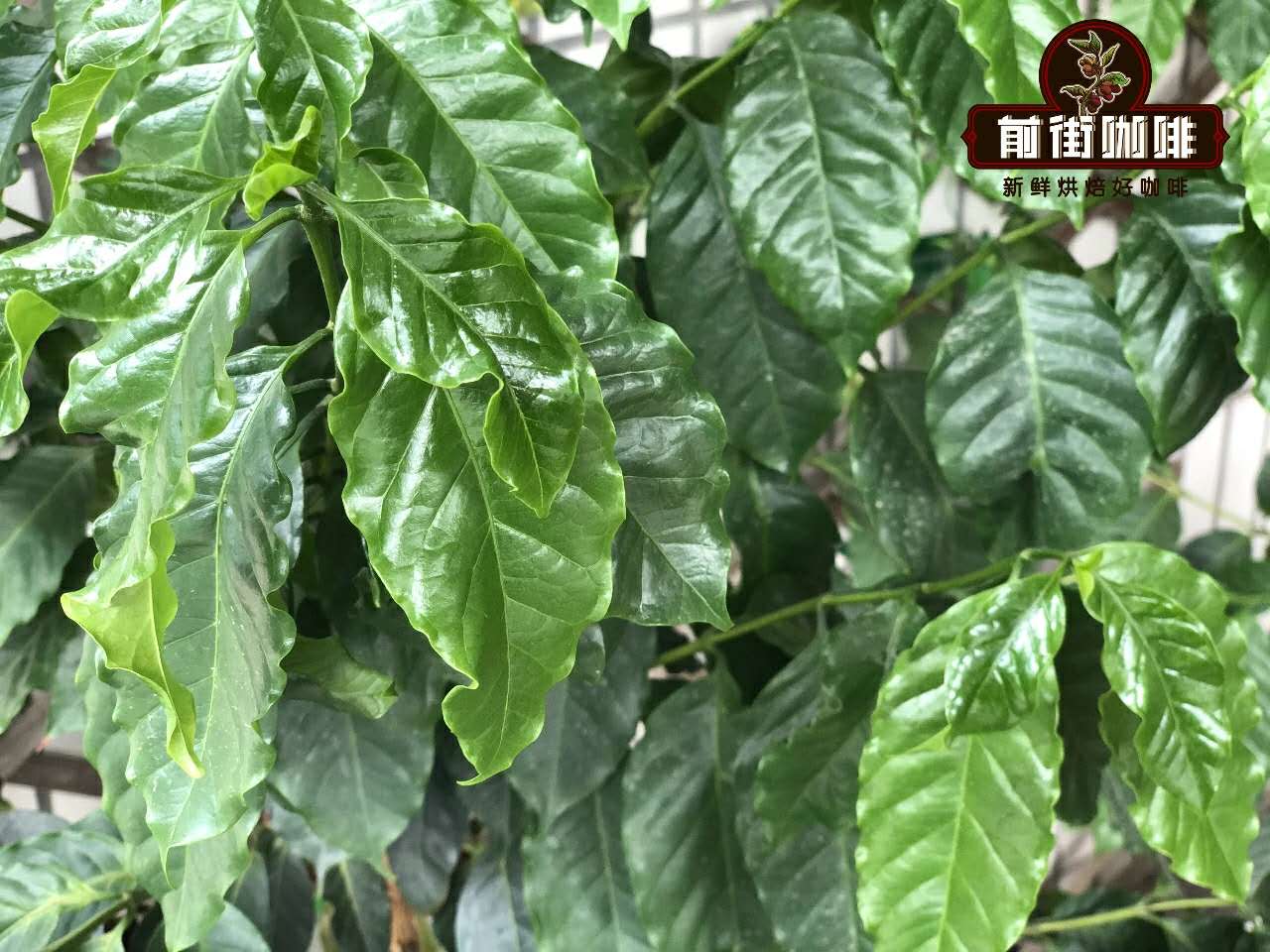
Typica is one of the world's oldest native varieties. Its plants have bronze-colored young leaves and oval or slender-pointed beans. Flavors are elegant, but the variety is delicate: weak constitution, poor disease resistance, and low fruit yield. Typica has been planted in virtually every region suitable for Arabica, and many famous coffees—Jamaica Blue Mountain, Sumatra Mandheling, Hawaii Kona—belong to the Typica family.
Bourbon Coffee Beans
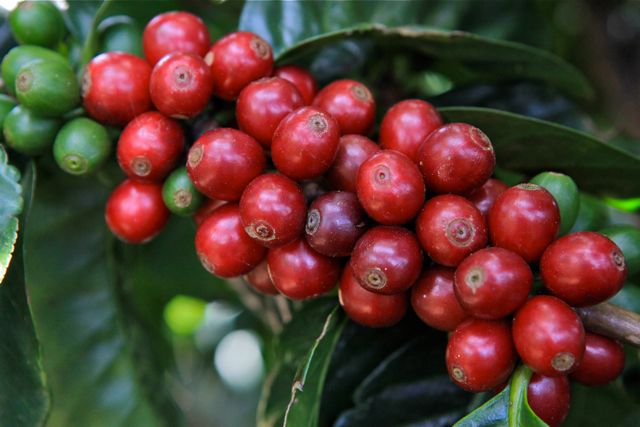
Red Bourbon—usually just called Bourbon—produces cherries that turn wine-red when ripe. The beans are relatively round. At high altitudes, Bourbon typically delivers excellent aroma and bright acidity with a wine-like flavor character.
Bourbon has many derived varieties, including direct variants such as Yellow Bourbon, Pink Bourbon, and Caturra.
Yellow Bourbon cherries ripen yellow rather than the usual red. It was first discovered in Brazil in 1930 and is now grown mainly there, believed to originate from a cross between red-fruited Bourbon and a yellow-fruited Typica variant called "Amerelo de Botocatu" (discovered in São Paulo state in 1871), followed by natural mutation. Because of its lower yield and poor resistance to wind and rain, it was never widely planted—but grown at high altitude it shows exceptional flavor, and it has become more common in recent years.
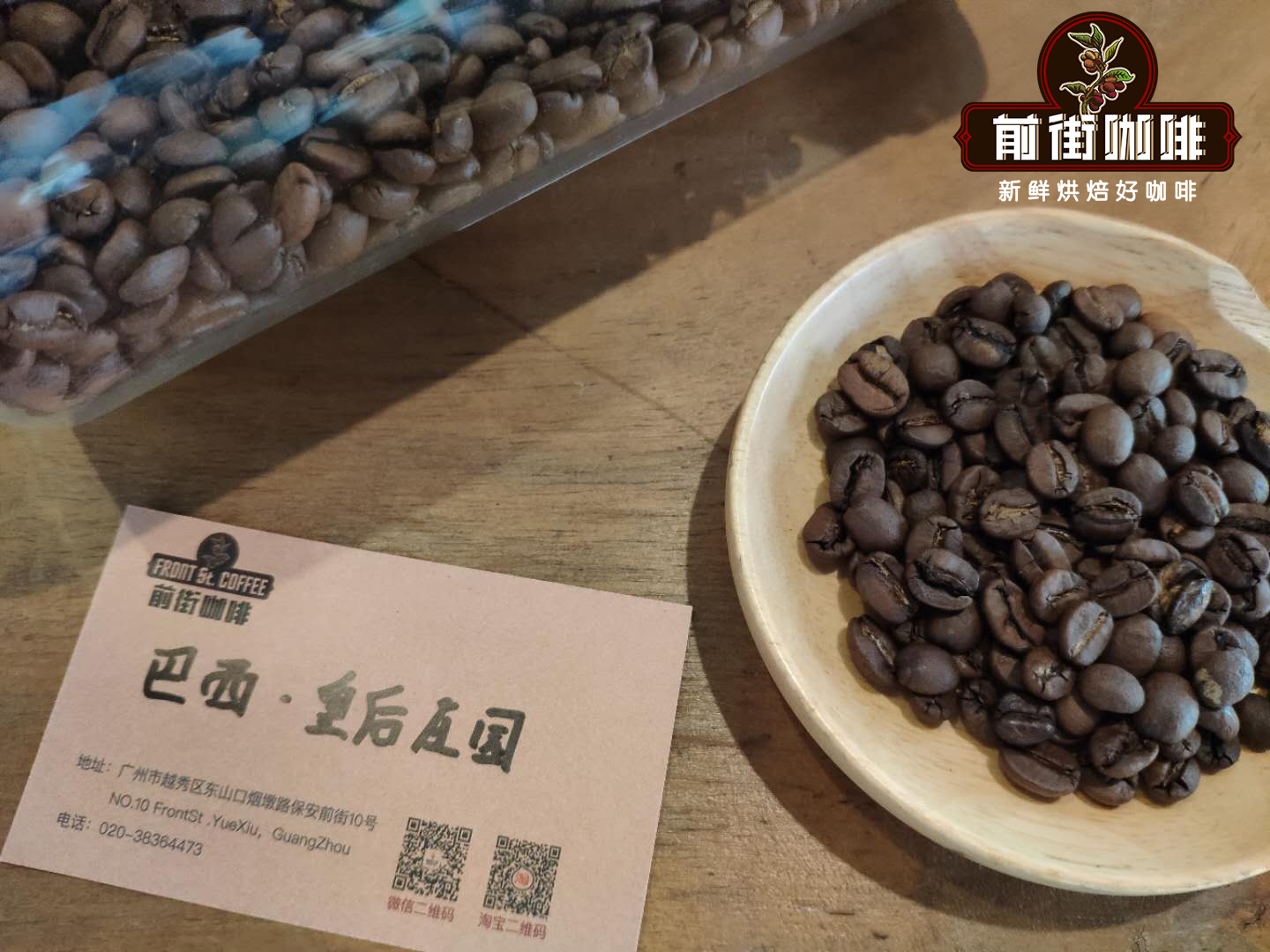
FrontStreet Coffee's Brazil Queen Estate Yellow Bourbon, for example, presents a sweet, smooth fruitiness with distinct nutty flavors, balanced and gentle acidity, minimal clean bitterness, and rich chocolate and nut notes with a bright, refreshing mouthfeel.
Pink Bourbon cherries ripen pink. It is an extremely rare new variety, crossbred from Red Bourbon and Yellow Bourbon. The color is hard to hold onto—some harvests come out orange, because the final cherry color is governed by recessive genes within the pollen grains.
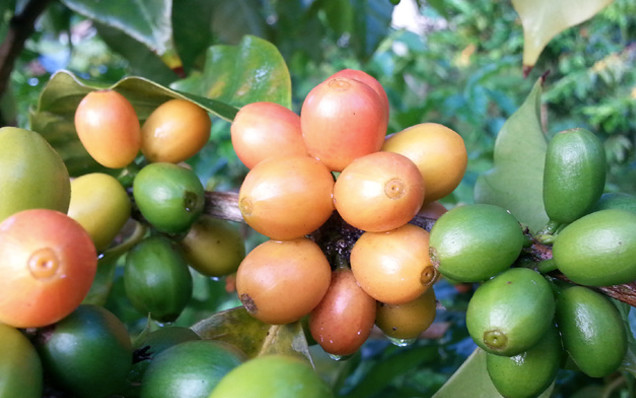
Among the pollen grains selected for crossbreeding, some carry yellow genes leaning toward Yellow Bourbon and some red genes leaning toward Red Bourbon—all recessive and liable to interfere with each other, which makes consistent Pink Bourbon production difficult. It also closely resembles unripe Red Bourbon, so the two are easily mixed, adding to its rarity.
In the cup, Pink Bourbon offers fresh florals, blueberry and green grape juice sweetness, cherry in the mid-palate, and a brown-sugar-like finish, with acidity built on complex citrus and berry notes. It is currently grown mainly in Colombia and Guatemala.
Caturra Coffee Beans
Caturra is a single-gene mutation of Bourbon, discovered in Brazil in 1937. It out-produces Bourbon with better disease resistance and a shorter plant height that eases harvesting. Like Bourbon, it suffers biennial production cycles. Its flavor is comparable to Bourbon's, but its real virtues are adaptability and the fact that it needs no shade trees—hence the nickname "Sun Coffee." It tolerates high-density planting but requires heavier fertilization, which raised costs and initially won few friends among farmers.
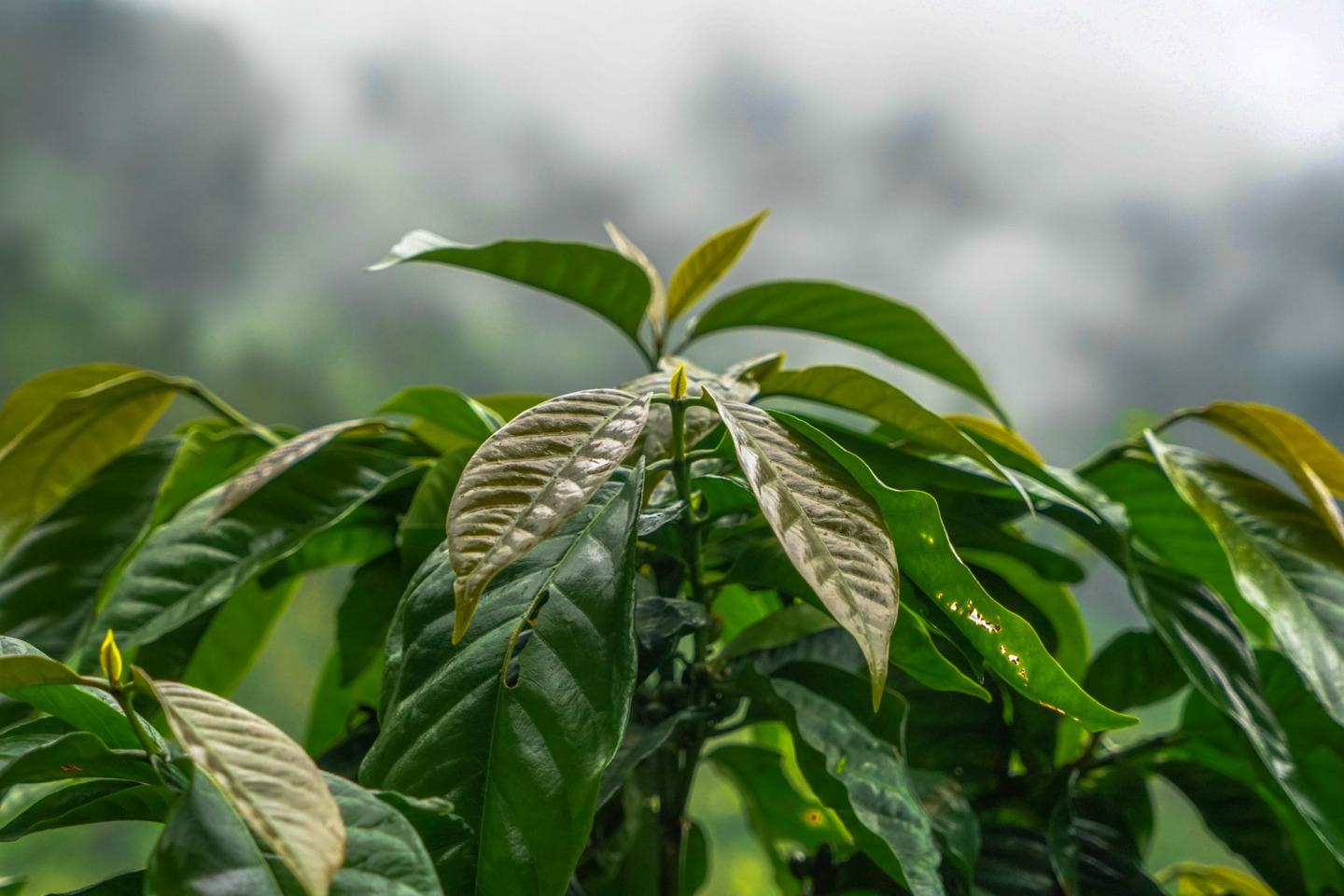
When coffee prices surged in the 1970s, farmers switched to Caturra for the yields. With vigorous promotion by the Brazilian and Colombian authorities, results followed fast: by 1990, one million hectares were harvesting 14 million bags—a 60% jump in productive capacity—which made Caturra a favorite across Central America.
Caturra adapts well from 700 to 1700 meters. Higher altitudes yield better flavor at the cost of production. The variety shows strong fruity character with prominent berry flavors.
SL28 & SL34
SL28 is one of Africa's most famous varieties, selected by the former Scott Agricultural Laboratories (now the National Agricultural Laboratory). It has good drought resistance, tolerates dry conditions and pests, and suits medium-to-high altitudes, though it is susceptible to common coffee diseases. Its mixed lineage includes French Mission (Bourbon), Mocha, and Yemen Typica.
SL34 was also selected by the former Scott Agricultural Laboratories in the late 1930s, when researchers studied trees prefixed "SL" on plantations for yield, quality, drought resistance, and disease resistance; SL28 and SL34 were the standouts. SL34 suits high-altitude areas with good rainfall but is likewise susceptible to common coffee diseases. A distinguishing feature: most leaf tips on SL34 are dark brown (research suggests selection from Typica), with only a small portion green.
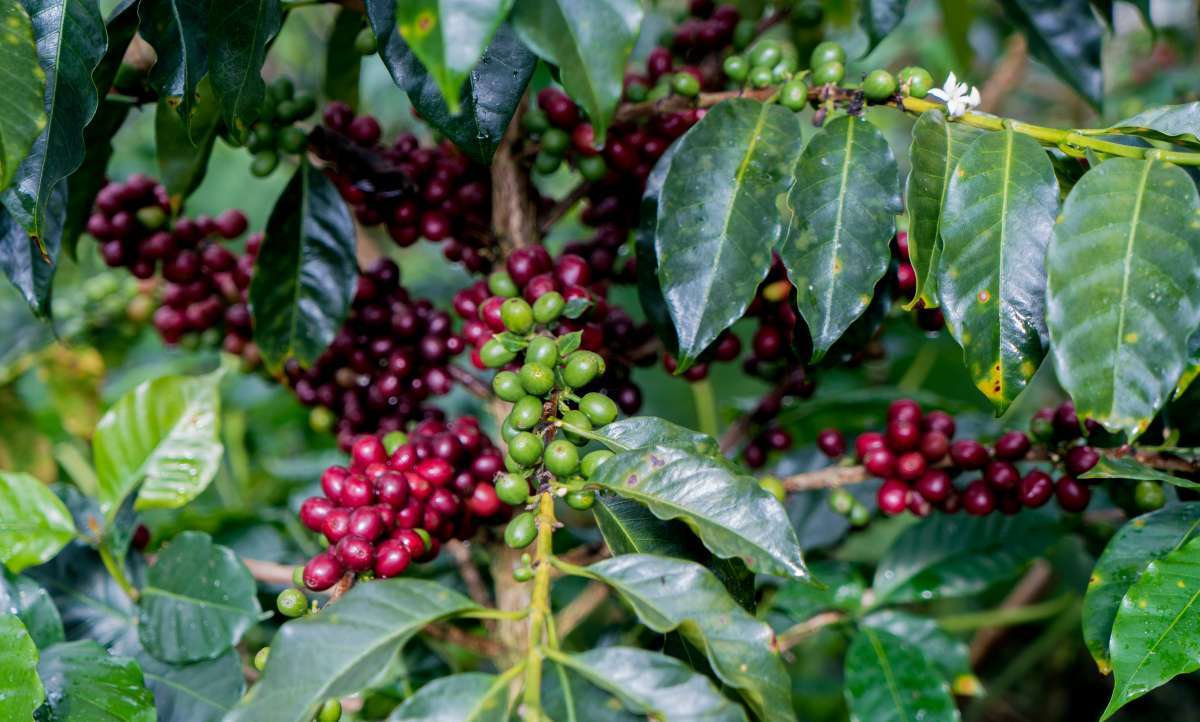
SL28 and SL34 taste broadly similar, though SL34 offers richer acidity and a more intense mouthfeel. Both carry the quintessential Kenyan character: abundant fruit acidity and balanced flavors.
Catuai Coffee Beans
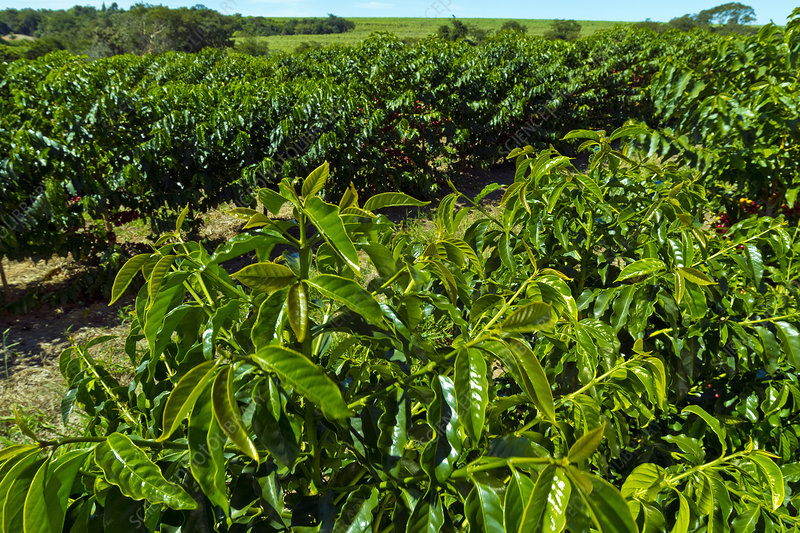
Catuai is an Arabica hybrid—a cross of Mundo Novo and Caturra. It resists the elements well, particularly wind and rain. It inherits Caturra's shorter stature, fixing Mundo Novo's drawbacks, and its firm fruit doesn't drop easily in strong winds, remedying Arabica's fragility. The trade-offs: its flavor is more monotonous than Caturra's and it lacks Mundo Novo's body and richness, and its productive lifespan is only about ten years.
After its official release in the 1970s, it was promoted across Central America and widely planted in Guatemala, Honduras, Panama, and its native Brazil. On flavor alone, given the right terroir and processing, Catuai can be quite wonderful.
Geisha Coffee Beans
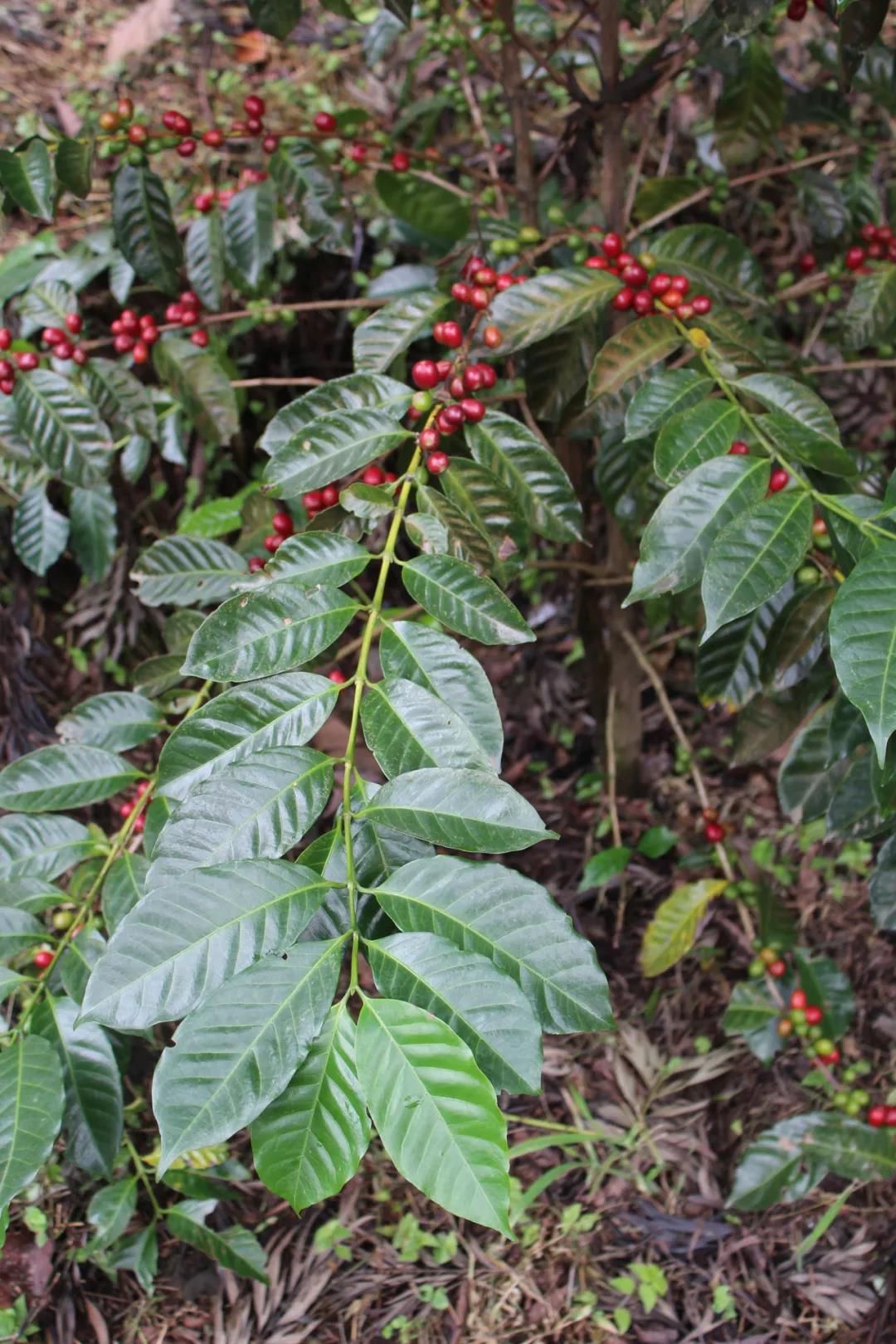
Geisha was discovered in 1931 in the Geisha forest of Ethiopia, then sent to the Coffee Research Institute in Kenya, introduced to Uganda and Tanzania in 1936, brought to Costa Rica in 1953, and introduced to Panama in 1970.
For decades Geisha drew little attention—until Panama's Hacienda La Esmeralda separated it from its other varieties in 2003 and it won the BOP competition in 2004. Only then did Geisha step into the spotlight. Today the name is almost synonymous with premium coffee, typically showing fragrant white florals, comfortable citrus acidity, and sweet honey.
Low-Acidity Coffee Recommendations
Flavor depends on variety, processing method, and roast level. When it comes to low acidity, the roast principle is simple: the lighter the roast, the more acidic the cup; the deeper the roast, the more mellow and full-bodied. For gentler cups, look to Brazil, Indonesian Mandheling, or medium-dark roasted Colombian beans. FrontStreet Coffee recommends these:
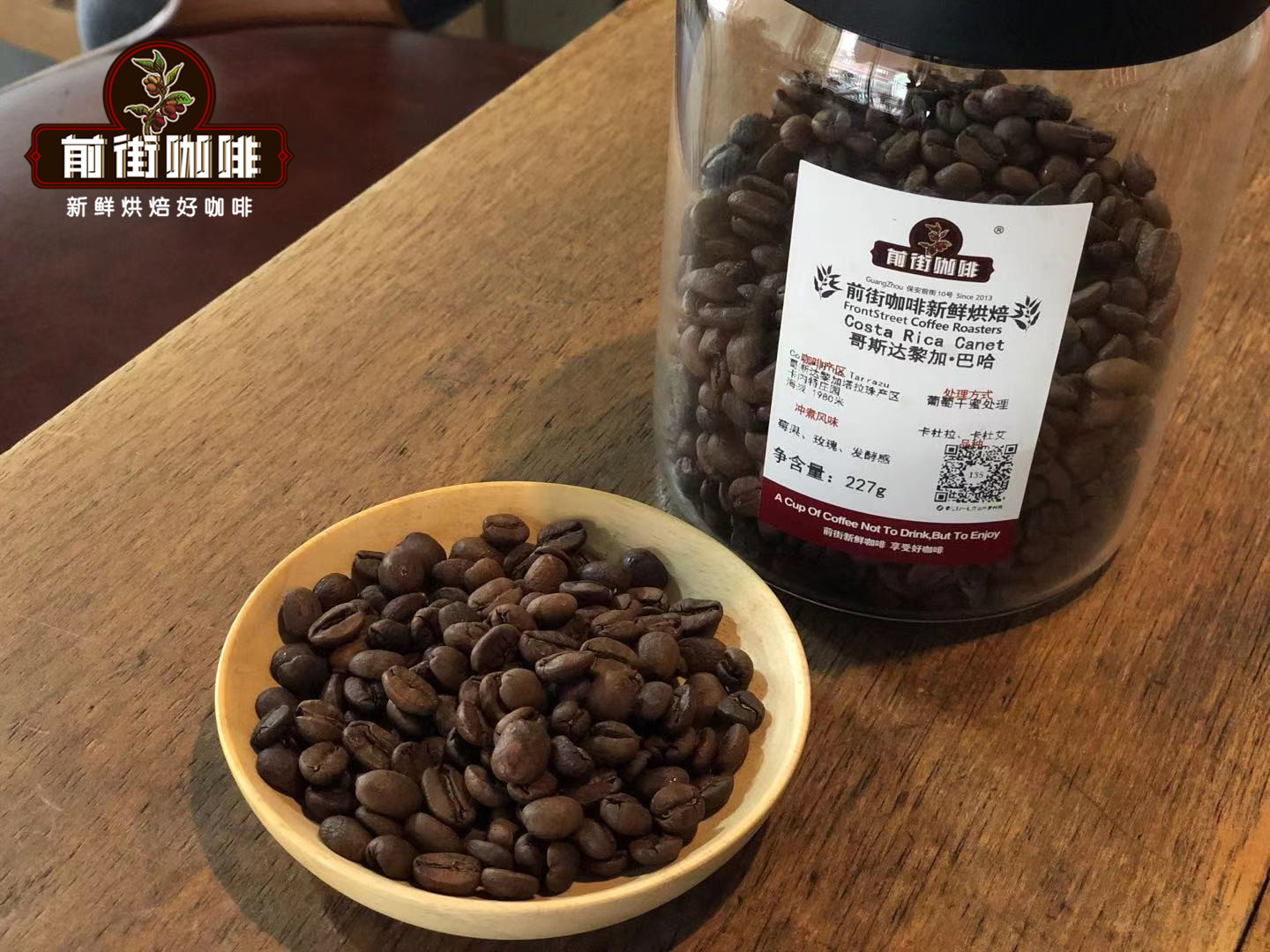
① FrontStreet Coffee Costa Rica Baha
Region: Canet Estate, Tarrazú region, Costa Rica
Processing: Raisin Honey Process
Altitude: 1980 meters
Varieties: Caturra, Catuai
Flavor Description: Raisin, osmanthus, sweet orange, berries, pineapple
This Musician Series Baha bean uses the raisin honey process: the whole cherries are sun-dried for 72 hours until raisin-like, then depulped with 100% of the mucilage retained for further sun-drying. The method combines natural processing's fermented wine aroma, washed processing's clean cup, and honey processing's sweetness. Through FrontStreet Coffee's medium-light roast it shows raisin sweetness with vinous notes.
② FrontStreet Coffee Brazil Queen Estate
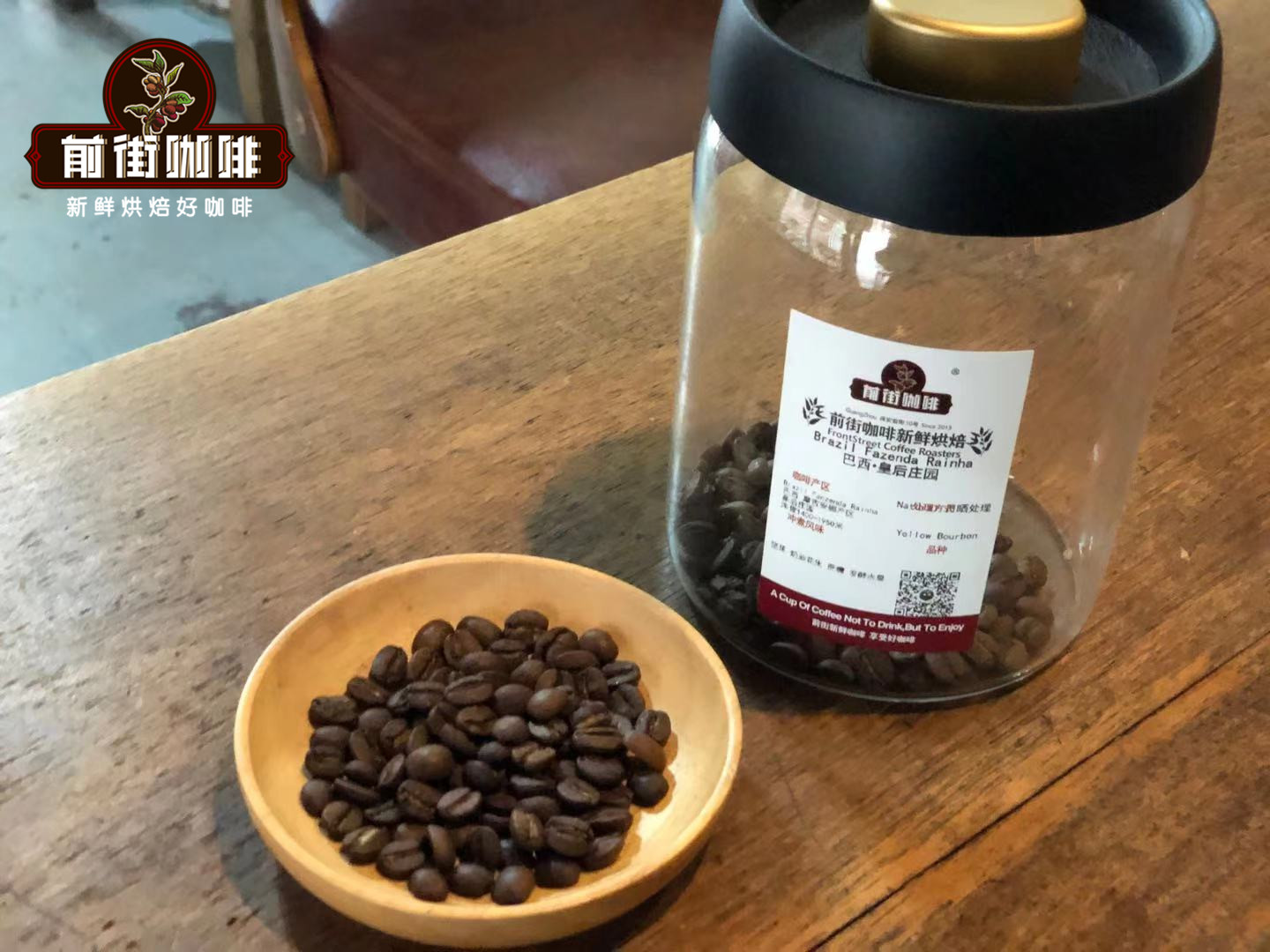
Region: Mogiana region
Estate: Fazenda Rainha (Queen Estate)
Altitude: 1400-1950m
Variety: Yellow Bourbon
Processing: Natural Process
FrontStreet Coffee roasts it medium. At this level the Brazil Queen Estate shows distinct, unmonotonous sweetness with subtle lemon aromas more noticeable in the wet aroma, and a finish of dark chocolate—a rounded, thoroughly Brazilian cup that keeps its lively side.
③ FrontStreet Coffee Indonesia PWN Gold Mandheling
Region: Gayo Mountain, Aceh, Sumatra
Altitude: 1100-1600 meters
Variety: Ateng
Grade: G1, triple hand-sorted
Processing: Wet-Hulled Method
Gold Mandheling comes from Lake Tawa in the Gayo Mountains of northwestern Sumatra. Japanese companies have shown great dedication to Mandheling since discovering it, and through cooperation with local green bean suppliers they established strict screening standards: after processing, beans are density- and color-sorted, then go through four rounds of manual selection, yielding Mandheling of uniform color and consistent shape. Legend has it the beans glisten golden in the sun—hence the name Gold Mandheling.
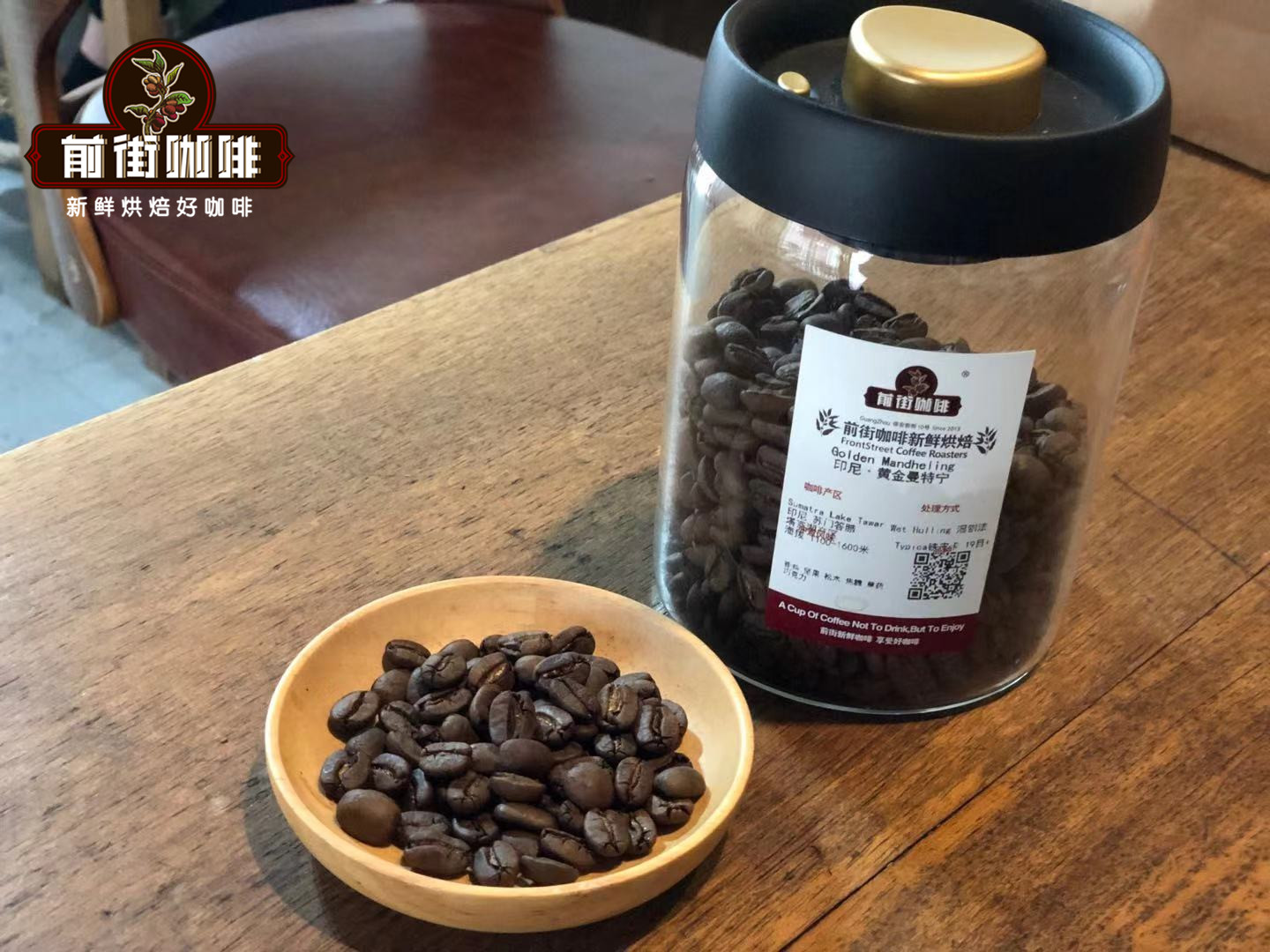
The specifications: screen size above 18, fewer than 3 defective beans per 300g green bean sample—the highest G1 grade. The beans are dark green, flat, and uniform. After such rigorous screening, FrontStreet Coffee found that Gold Mandheling lacks the earthy impurities of regular Mandheling and offers a cleaner, brighter taste with more intense sweetness.
Interestingly, it wasn't a Japanese company that registered the Golden Mandheling trademark but the Indonesian company PWN, an early partner in exporting Mandheling to Japan; the Japanese side registered "Gold Top Mandheling" instead. FrontStreet Coffee finds little real difference in the cup—the two brands simply took different marketing paths, so which "Gold Mandheling" is better remains a matter of personal preference.
FrontStreet Coffee Recommendation
Of these low-acidity picks, the deepest, least sour cup belongs to the FrontStreet PWN Indonesia Golden Mandheling: dark-roasted, with a long, mellow body full of herbal and dark chocolate aromas and just a whisper of earthiness—made for those who love their coffee strong and never sour. Though specialty coffee trends come and go, Mandheling and Blue Mountain remain the first choice for lovers of a full-bodied cup. The FrontStreet Brazil Queen Estate runs a close second: very low acidity, beautifully balanced, with rich nut and cocoa aromas, a distinct caramel sweetness, and a smooth, lingering entry—equally good pour-over, espresso, or moka pot, with outstanding crema and everyday-drinker value.
Important Notice :
FrontStreet Coffee is a long-established specialty coffee roaster in Guangzhou China, selling freshly roasted beans from its own farm in Yunnan as well as dozens of carefully selected single-origin beans from around the world for both pour-over and espresso. The products deliver consistently excellent quality and great value, with shipping within 24 hours. Guangzhou's FrontStreet Coffee shop is recommended by many coffee lovers, and the beans are now available online at the Tmall 。
FrontStreet Coffee has moved to a new address:
FrontStreet Coffee Address: 315,Donghua East Road,GuangZhou
Tel:020 38364473
 Scan and follow the En Gafei WeChat official account. Please indicate that the reprint comes from "En Gafei".