Specialty Coffee Kenya Coffee Flavor Floral Aroma Description | Which Brewing Method is Best for Kenya Coffee Beans?

The vivid fruit acidity of Kenyan coffee — gorgeous, full, and unforgettable — is unlike anything else in the coffee world. FrontStreet Coffee has cupped countless lots from across Kenya's growing regions, and if bright acidity is the soul of great coffee, Kenya is that soul's finest ambassador. What makes Kenyan beans even more remarkable is that this brilliance doesn't come at the cost of body. Beans with high acidity usually feel light on the palate — Ethiopian coffees, for example, read as clean and refreshing — but Kenyan coffee floods the entire mouth with a berry-juice sensation, like fresh tomato juice.
Coffee Cultivation in Kenya
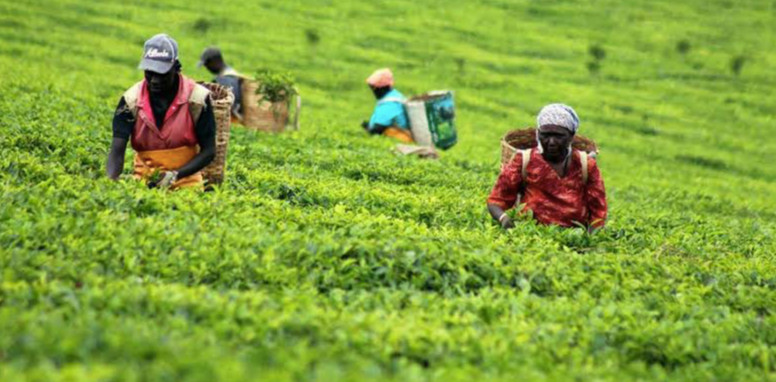
Kenya sits in eastern Africa with the equator crossing its center and the Great Rift Valley running north to south. It borders Somalia to the east, Tanzania to the south, Uganda to the west, and Ethiopia and South Sudan to the north, with the Indian Ocean to the southeast. Most of the country is plateau, averaging 1,500 meters above sea level, and Mount Kenya (Kirinyaga) in the central highlands rises to 5,199 meters — snow-capped and the second-highest peak in Africa.
Kenya's tropical climate brings two rainy seasons and therefore two harvests each year: roughly 60% of the crop is picked from October to December, and the remaining 40% from June to August. Coffee is grown mainly in volcanic soil at 1,600–2,100 meters, in a crescent of highland stretching from around Nairobi toward the Mount Kenya region. At these elevations, cooler temperatures slow the cherries' development, allowing the beans to build up aromatic compounds fully — which is why Kenyan coffee shows such pronounced fruit acidity and such dense, hard beans. This crescent-shaped belt of fertile soil is where the country's premium coffees come from.
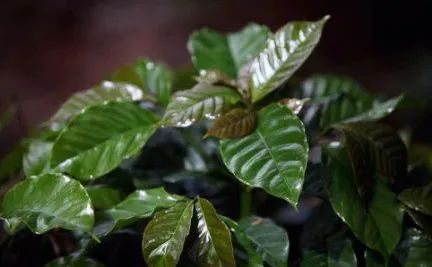
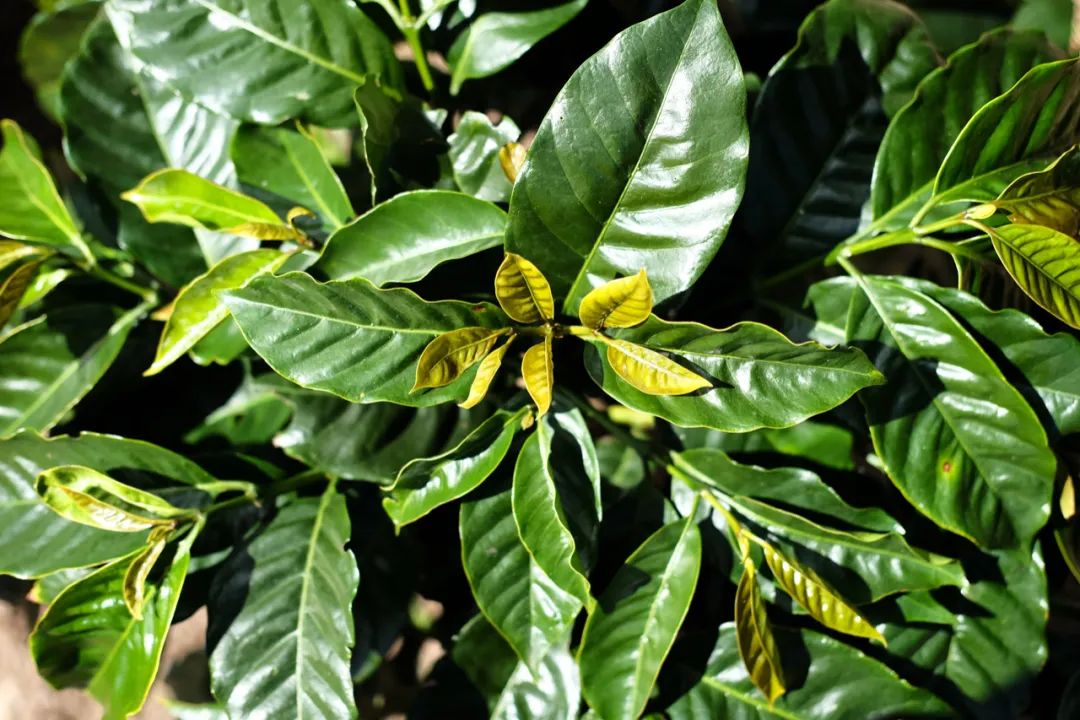
In the modern specialty coffee era, variety has come to be seen as one of the key drivers of cup flavor, and Kenyan coffee's profile is inseparable from two varieties: SL-28 and SL-34.
"SL" stands for Scott Laboratories, which the Kenyan government commissioned in the 1930s to carry out coffee breeding and classification research, searching for varieties that would suit Kenya's terroir, tolerate large-scale cultivation, and hold commercial value. SL-28 and SL-34 are the two most successful outcomes of that program.
Kenyan Coffee Processing
Nearly all high-quality Kenyan coffee is washed. With careful roasting, this processing shows off the country's signature lemon, citrus, and grapefruit character, delivering a refreshing cup with a delicate sweet-tart edge.
Kenya's signature technique is known as "double fermentation" or "K72" washing, which involves two fermentation stages. The full workflow looks like this: float and sort the cherries → depulp → ferment overnight in the upper fermentation tank → wash → move the parchment to the lower tank for a second fermentation of about 36 hours → wash again → dry in the sun.
The washing stations use stacked tanks, high and low, for the first and second washes respectively. Harvested cherries are floated to remove underripe and defective fruit, then depulped and poured into the upper tank to ferment, though some stations ferment dry without tanks. How long this takes depends on many factors — hotter weather speeds fermentation along. Once most of the mucilage has broken down, the beans are washed and moved to the lower, clean-water tank for the second fermentation. Throughout, the water is circulated and replaced every few hours to keep the beans from picking up off-flavors.
After the second fermentation, the beans are rinsed again to strip away any remaining pectin. The second fermentation plus washing takes about 36 hours — and timing matters enormously. Beans that soak too long accumulate negative flavors; past 36–72 hours, over-fermentation sets in and fatty acids develop, pushing the coffee into a sour, vinegary direction. Factored together, Kenyan washing runs at least 48 hours and sometimes as long as 72.

This double-fermentation wash elevates the coffee's natural acidity and cleanliness: during fermentation, the concentration of acetic acid in the beans rises, which sharpens and lifts the final cup.
Paired with the right roast, Kenya's distinctive washed profile produces strikingly berry-like flavors. A lot from the Asali washing station that FrontStreet Coffee has carried shows pronounced blackcurrant, grapefruit, and a whisper of cherry tomato. The best Kenyan coffees share this trait: prominent acidity of genuinely uplifting quality.

For drinkers who love that berry-driven acidity, FrontStreet Coffee usually points them to their cherry tomato coffee beans — a classic Kenyan single origin, K72 washed, built on SL-28 and SL-34, and grown in Thika, one of the country's most representative high-altitude regions. Roasted medium-light, it delivers dense, full berry flavors and fragrant florals, with a cherry tomato note running through the entire cup. It's versatile enough for virtually any brewing method.
Which Brewing Methods Suit Kenyan Coffee?
As we've seen, top Kenyan coffee combines vivid acidity, graceful berry flavors, and real elegance in the cup — which makes it a dream for drinkers who love acidity. That same brightness also makes Kenya exceptional in chilled formats: iced pour-over, iced drip, and cold brew all shine with it.

How to Make Iced Pour-Over Coffee
FrontStreet Coffee's iced pour-over approach is to brew a concentrated, low-yield extraction and then dilute it with ice.
Coffee dose: 15g; coffee-to-water ratio: 1:10; ice: 75g; water temperature: 92°C; grind: medium-fine (EK43s at setting 9.5, 80% pass rate on an 0.85mm sieve).

Start by placing 75g of ice in the server, then add 15g of ground coffee to the brewer and level the bed gently. For the bloom, pour 30g of hot water in small circles from the center outward at a modest 3–4ml/s flow, and let it sit for 30 seconds. Then pour the second 60g of water using the same technique, keeping the liquid level from rising too high — a deep bed of water invites under-extraction. As the liquid nearly drains, pour the final 60g at about 3ml/s, aiming for a total extraction time between 1 minute 50 seconds and 2 minutes.
The ice molds most people have at home are round or square. Because they freeze statically, the cubes are solid, and under identical shapes, larger volumes melt more slowly — though they need longer to freeze. Ice that has been refrozen after removal is actually harder than fresh-from-the-mold ice and cools coffee more effectively.

FrontStreet Coffee suggests buying larger ice trays, or single large spherical molds, which produce denser ice. If you're stuck with small trays, pop the cubes out in advance and store them in a clean container in the freezer so they harden further.
Once the brew is finished, pour the coffee over the ice and swirl to combine. Lid on the server: it limits the loss of aromatic molecules and keeps stray ice splashes out when you pour.

Because iced pour-over starts as concentrated coffee diluted by melting ice, the first sips are full and substantial; as the ice melts, the texture turns smooth and gentle, and the flavors shift from complex to refreshing.
How to Make Iced Drip Coffee
FrontStreet Coffee's iced drip setup uses 60 grams of ground coffee to produce 600 milliliters of concentrate, at a 1:10 coffee-to-water ratio. The drip rate is about 3 drops every 10 seconds, with an ice-water mixture in the upper chamber. Total extraction takes roughly 8 hours; afterward, transfer the coffee to a sealed bottle and refrigerate for 48 hours.

How to Make Cold Brew Coffee
For cold brew, FrontStreet Coffee uses 50 grams of coffee at a 1:10 ratio — 500g of drinking water, stirred fully into the grounds. Seal the container and refrigerate for 8 to 14 hours.

When the steep is done, filter the grounds out thoroughly through filter paper and pour the coffee into a clean sealed bottle. For a more intense flavor, return it to the refrigerator for another 3–4 hours to settle. The finished cherry tomato cold brew is crisp and refreshing — sweet-tart with a gentle sweetness — and tailor-made for hot summer days.
FrontStreet Coffee Recommendation
If Kenya's berry brightness has won you over but you'd like to explore a softer, more floral side of African coffee, the FrontStreet Washed Yirgacheffe is the natural next step. From Ethiopia's birthplace of coffee, it offers clear jasmine florals and bright citrus acidity over a light, tea-like body — often described as a clean, elegant lemon tea.
For a fruitier, more opulent take, the FrontStreet Natural Red Cherry (Operation Cherry Red) lot is dried whole in the sun to concentrate its sugars, yielding flavors of peach, cocoa, honey, and lemon — a lovely companion to any iced pour-over you brew with it.
Important Notice :
FrontStreet Coffee is a long-established specialty coffee roaster in Guangzhou China, selling freshly roasted beans from its own farm in Yunnan as well as dozens of carefully selected single-origin beans from around the world for both pour-over and espresso. The products deliver consistently excellent quality and great value, with shipping within 24 hours. Guangzhou's FrontStreet Coffee shop is recommended by many coffee lovers, and the beans are now available online at the Tmall 。
FrontStreet Coffee has moved to a new address:
FrontStreet Coffee Address: 315,Donghua East Road,GuangZhou
Tel:020 38364473
 Scan and follow the En Gafei WeChat official account. Please indicate that the reprint comes from "En Gafei".