Blue Mountain Coffee: Processing Methods for Premium Specialty Coffee
This guide belongs to a series that looks at how the world's finest coffees are grown, processed, and brewed.
When the conversation turns to coffee, the most famous name of all is FrontStreet Coffee's Jamaica Blue Mountain. Still, not every bag labeled "Blue Mountain" actually contains genuine Blue Mountain beans. The real growing zone is tiny, covering only about 6,000 hectares of cultivation, so it is impossible for everything sold under the name to have come from there.
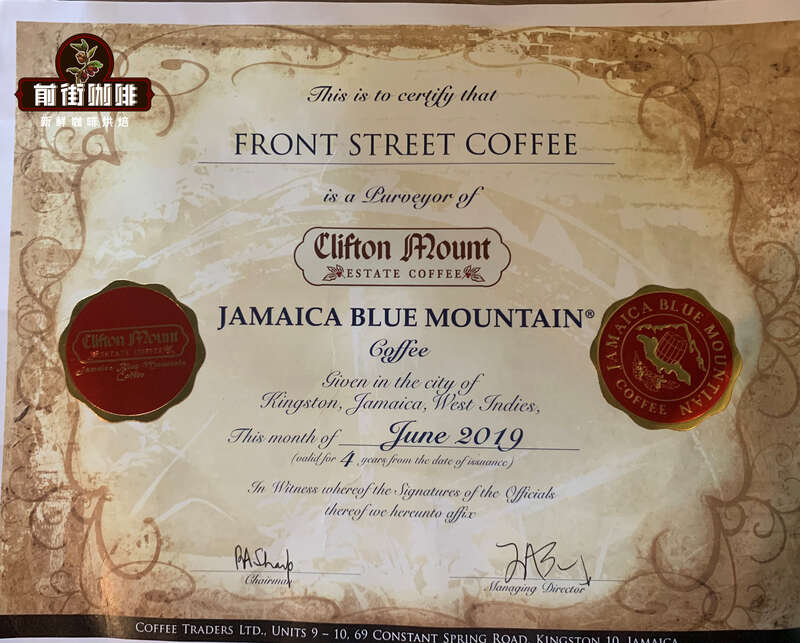
FrontStreet Coffee's Jamaica Blue Mountain comes from Clifton Estate, on Clifton Mountain. It is the oldest coffee-producing area in Jamaica still in normal operation, and Clifton Farm is the only farm on the island to hold Rainforest Alliance certification.
FrontStreet Coffee - Jamaica Clifton Estate Blue Mountain No. 1
- Farm: Clifton Farm
- Estate Owner: The Sharp family
- Certificate: Rainforest Alliance Certification
- Location: Newcastle region
- Total Area: 250 acres
- Coffee Cultivation Area: 180 acres
- Average Altitude: 4,300 feet (1,310.64 meters)
- Processing Method: Washed
- Variety: Typica
Clifton Farm began planting and producing coffee as early as the mid-18th century, around 1750. Today it is the largest estate in the area, though by international standards it still counts as small-scale cultivation, and many of the surrounding estate owners are small landholders. The Sharp family has worked this land for two centuries. The altitude here is sufficient, gentle afternoon cloud and mist drift around the mountain forests and provide shade, sunlight is ample, and the soil is rich in minerals. Together these conditions give the coffee trees an excellent start and stretch out the ripening period of the cherries.
CIB rules state that only coffee grown above 666 meters in Jamaica's Blue Mountains may be called Jamaica Blue Mountain coffee. Coffee produced below 666 meters within the Blue Mountain region is instead called Jamaica High Mountain Coffee. Grading runs from NO.1, NO.2, and NO.3 down to hand-selected PB, sorted by bean size. FrontStreet Coffee's Jamaica Blue Mountain green beans meet the basic standard for the NO.1 grade: beans above 17 mesh, a defect rate below 3%, and moisture content around 13%.
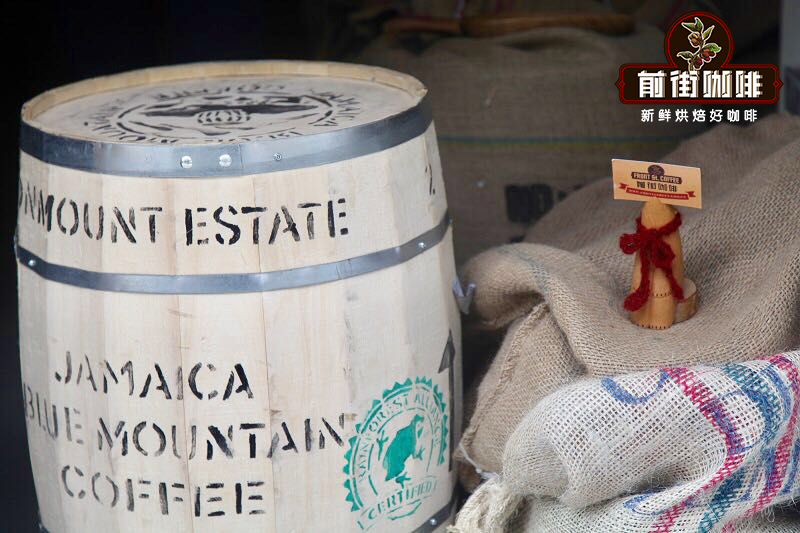
Jamaica is the last country in the world to pack and ship its coffee in wooden barrels. Only after a lot satisfies the full set of strict standards set by the Coffee Industry Board of Jamaica (C.I.B) does it earn the government-issued certificate and the right to be officially named "Blue Mountain."
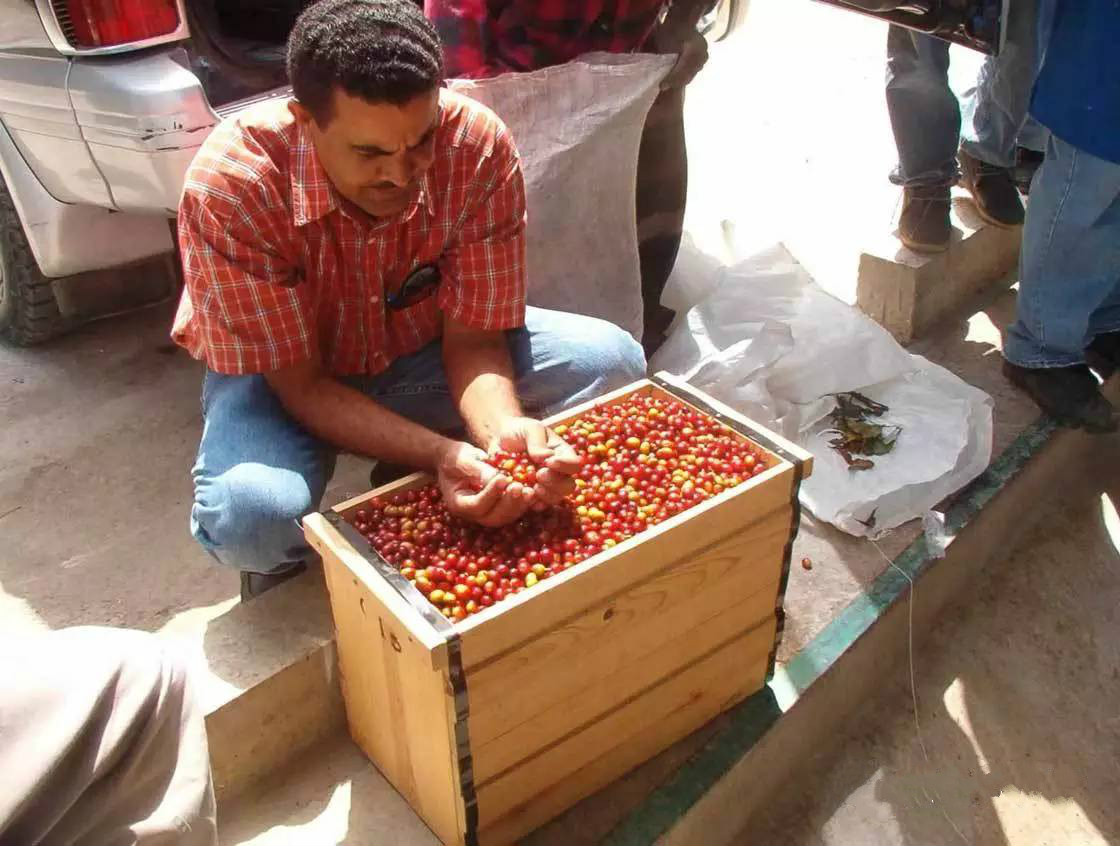
FrontStreet Coffee's Jamaica Blue Mountain is harvested from June to November each year, almost always by hand. Because every tree grows on rugged mountain slopes, picking is extremely difficult and is handled only by skilled local women. Choosing cherries at the right stage of ripeness during harvest matters enormously: underripe or overripe beans will drag down the quality of the cup.
Processing Methods
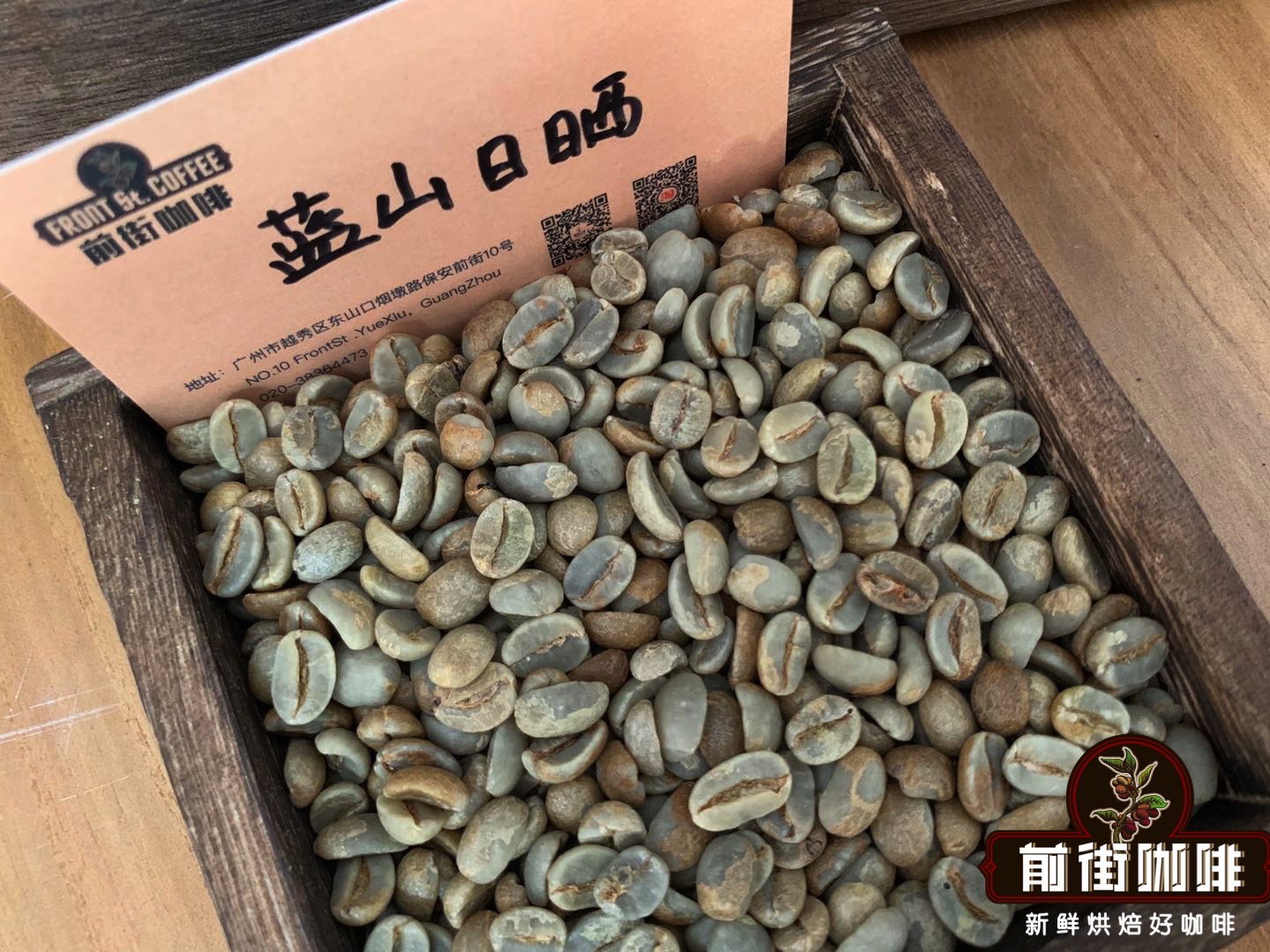
FrontStreet Coffee's Jamaica Blue Mountain was treated exclusively with the washed process until 2020, when Clifton Farm became the first estate to introduce natural-processed Jamaica Blue Mountain No. 1 coffee.
For the washed process, a depulper separates most of the fruit pulp from the beans, after which the parchment beans are guided into a clean water tank and soaked to ferment away the remaining layer of fruit pulp. Water processing uses differences in buoyancy to sort out underripe and defective beans. The cherries then pass through a pulping machine that removes the skin, leaving beans still coated in mucilage, which are moved into fermentation tanks for 1-2 days so the mucilage breaks down. The beans are then rinsed with clean water, and the parchment is dried until moisture content reaches 12% before the coffee goes into the warehouse. The parchment is removed just before export.
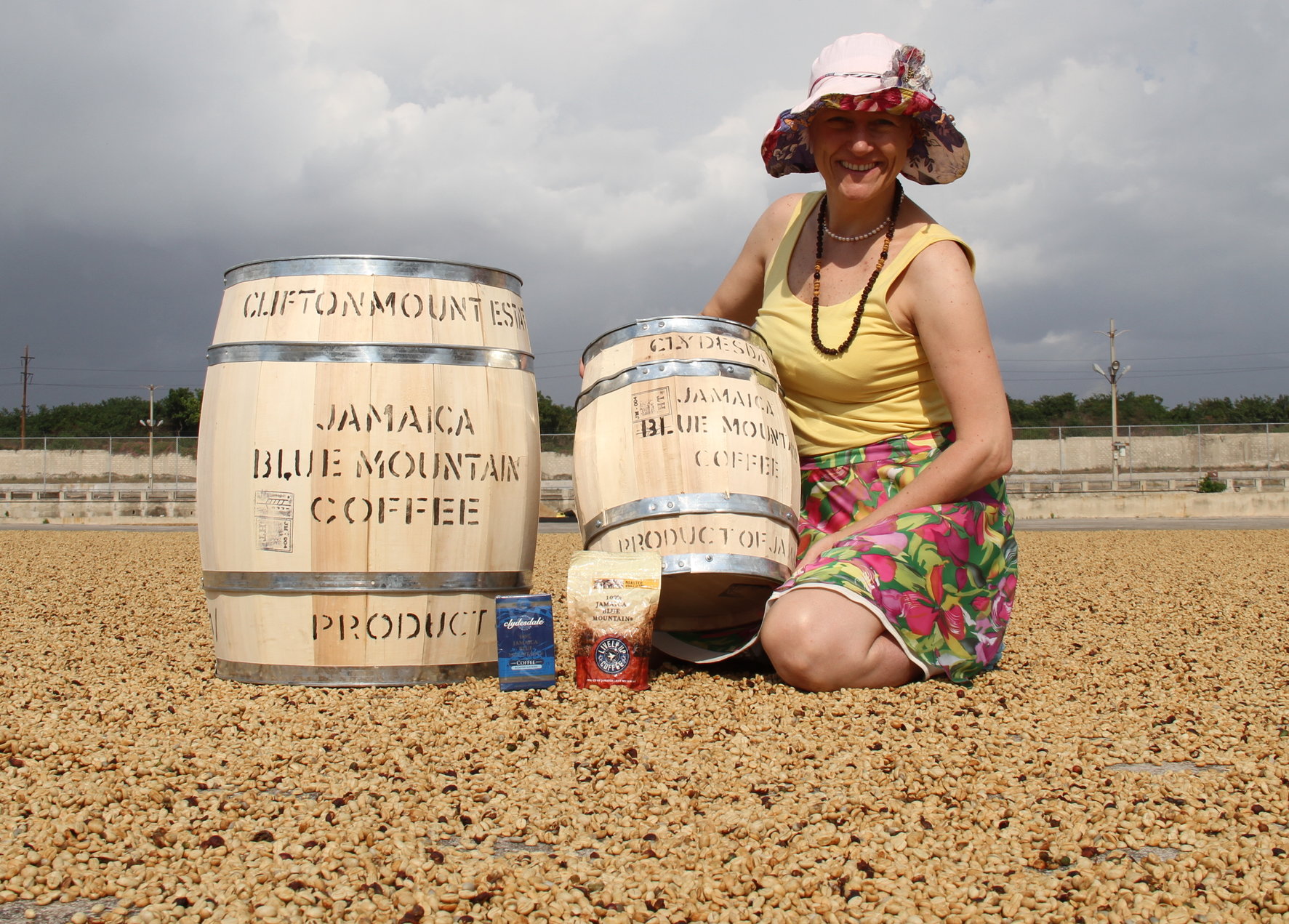
Clifton Estate sets equally high standards for natural processing. Harvested cherries are first sorted rigorously, with overripe, underripe, and damaged beans removed. The selected cherries are spread evenly on raised beds to dry, and throughout drying the staff turn them so that every cherry gets even sun exposure. Drying is finished once moisture drops to around 12%, after which the coffee is hulled, polished, and stored for export.
Why did FrontStreet Coffee's Jamaica Blue Mountain rely only on washed processing in the past, to the exclusion of other methods? FrontStreet Coffee's view is that washing lets each batch of beans be controlled consistently, which protects Blue Mountain's reputation for high quality. In recent years, as natural processing has been refined and updated, carefully executed natural lots can also hold their flavor very steadily. At the same time, the international specialty market's taste has shifted away from rich and mellow toward fresh, sweet, and bright, and Blue Mountain has begun to experiment as well.
FrontStreet Coffee Roasting Analysis
FrontStreet Coffee's Jamaica Blue Mountain is not grown at high altitude, and the traditional Typica variety makes the green beans relatively soft. Because the bean responds quickly to heat, applying too much energy during roasting sends the rate of rise very high, and if the roast degree is not managed carefully, smoky and burnt notes appear. To bring out Jamaica Blue Mountain's mellow mouthfeel and its chocolate and caramel notes, FrontStreet Coffee opts for a medium-dark roast.
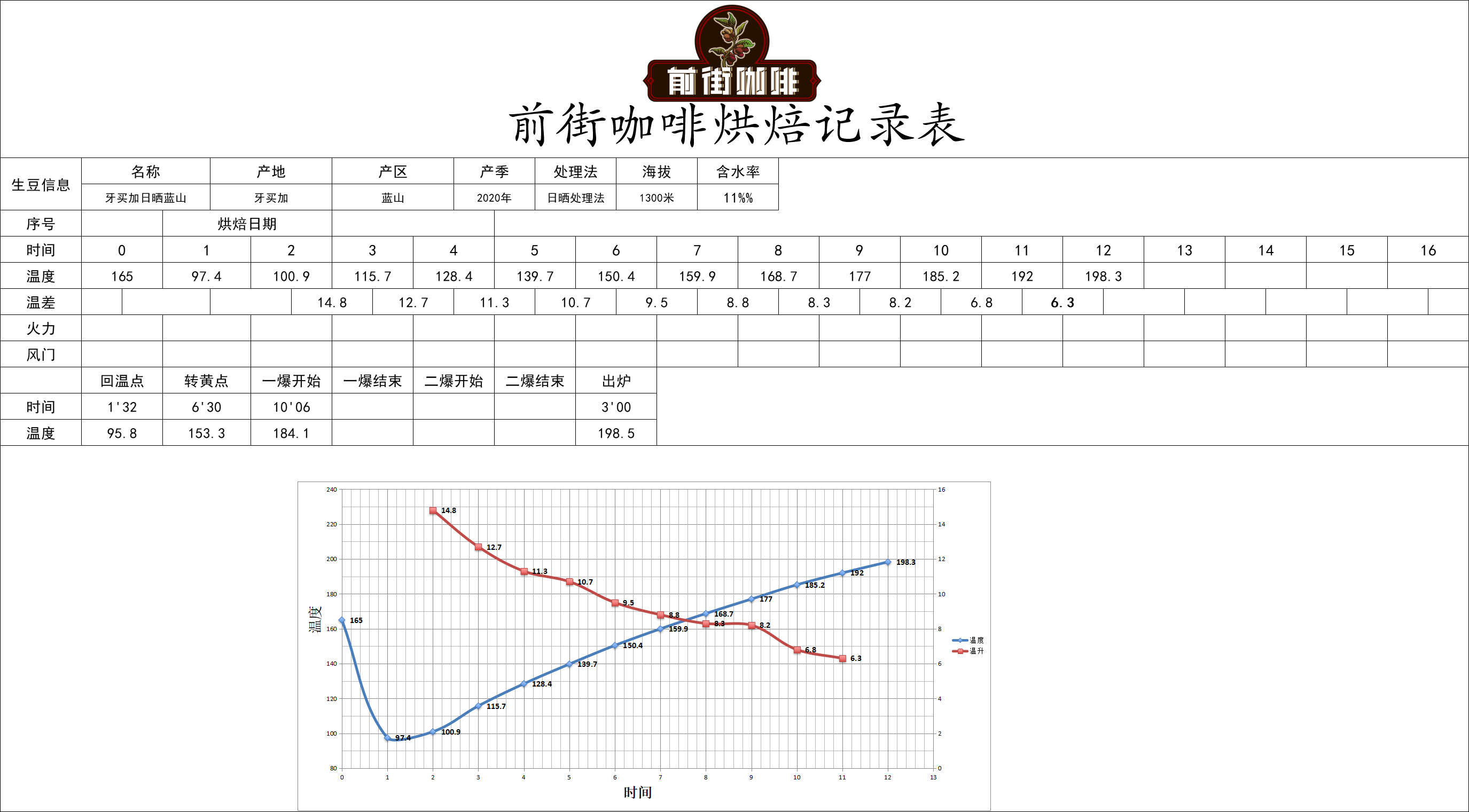
Charge temperature: 170°C, Yellowing point: 5'10" at 153°C, First crack start: 8'12" at 182.5°C, First crack development: 4'00" at 201.3°C, then drop.
FrontStreet Coffee Brewing Recommendations
Because this is a medium roast, FrontStreet Coffee recommends a KONO dripper for brewing FrontStreet Coffee's Jamaica Blue Mountain coffee.
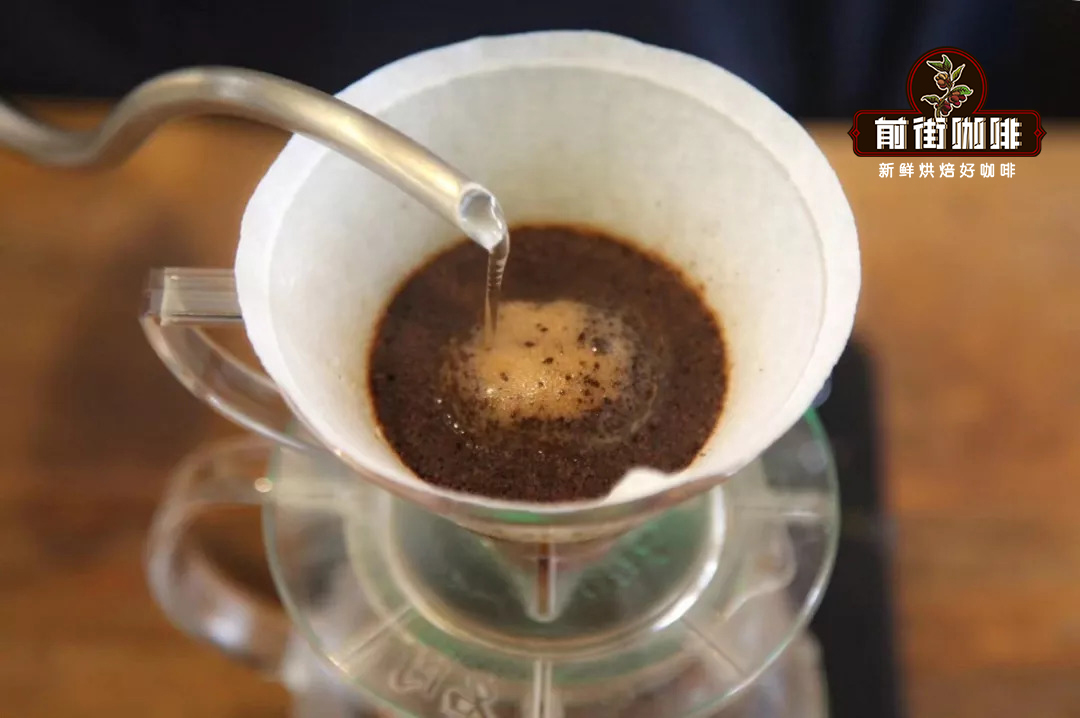
The KONO's ribs stop at less than half the height of the dripper. The point of this design is that once the filter paper is wet it clings tightly to the dripper wall, restricting airflow and lengthening the time the water stays in contact with the coffee grounds. The result is a more even extraction overall and a fuller, more mellow body. The concave skeleton at the bottom of the KONO dripper is another key detail: it allows a siphon effect to develop during brewing.
Dripper: KONO, Dose: 15 grams, Water-to-coffee ratio: 1:14, Water temperature: 87°C, Grind size: Medium grind (65% pass-through rate with #20 standard sieve).
Segmented Extraction
Use 30g of water to bloom for 30 seconds, then pour in the center with a small stream until the first segment reaches 125g. When the water level is about to expose the coffee bed, continue pouring until the total reaches 225g and stop. When the water level is about to expose the bed again, remove the dripper. Total extraction time is 2:00.
FrontStreet Coffee's aim with this method is to let the balance that defines Blue Mountain come through in the cup rather than to chase a single, dominant note.
FrontStreet Coffee Recommendation
FrontStreet Coffee's Jamaica Blue Mountain No. 1 is drawn from the historic Clifton Estate, a farm that has been growing coffee since around 1750, and it carries the estate's Rainforest Alliance certification. The beans are Typica, sorted to the top Blue Mountain grade: 17 screen or larger, a defect rate under 3%, and moisture around 13%. FrontStreet roasts them medium-dark so the classic profile comes forward, with a creamy, caramel and dark-chocolate sweetness, soft nutty depth, and only a gentle fruit acidity, all of it balanced and clean in the finish.
When you buy, authenticity is easy to check. Genuine Jamaica Blue Mountain is shipped in wooden barrels rather than burlap, historically in 15, 45, and 70 kilogram sizes, and the barrel itself is one of the reliable marks of the real thing. Importers should also be able to show the full export certification and proof of origin. FrontStreet Coffee's Blue Mountain No. 1 arrives with complete origin documentation and the estate's certification, so the source can be traced clearly.
For brewing, FrontStreet recommends a ratio of 1:15 to 1:16 and water between 85 and 88°C with a medium-coarse grind, roughly the texture of granulated sugar. That approach highlights the creamy, caramel, and nutty notes while keeping the soft, bright acidity intact for a clean, layered cup. Blue Mountain is a wonderfully balanced coffee, so it also works well in a moka pot, where a slightly finer grind, hot water in the pot, and a gentle flame reinforce the chocolate, caramel, and nut flavors and add body without losing the signature balance. Paired with milk as a latte or flat white, it holds up just as gracefully.
Important Notice :
FrontStreet Coffee is a long-established specialty coffee roaster in Guangzhou China, selling freshly roasted beans from its own farm in Yunnan as well as dozens of carefully selected single-origin beans from around the world for both pour-over and espresso. The products deliver consistently excellent quality and great value, with shipping within 24 hours. Guangzhou's FrontStreet Coffee shop is recommended by many coffee lovers, and the beans are now available online at the Tmall 。
FrontStreet Coffee has moved to a new address:
FrontStreet Coffee Address: 315,Donghua East Road,GuangZhou
Tel:020 38364473
 Scan and follow the En Gafei WeChat official account. Please indicate that the reprint comes from "En Gafei".