Introduction to Colombia's Six Major Premium Coffee Regions
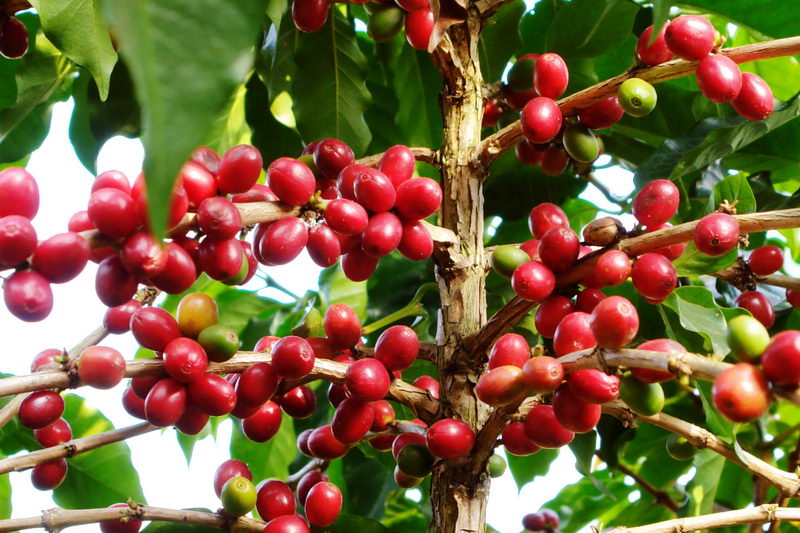
Colombia ranks second worldwide in coffee production. It trails far behind Brazil in sheer quantity, but in quality it often comes out ahead. Colombia is the world's largest producer of washed Arabica coffee, known for a gentle, sweet flavor profile with subtle cocoa notes when the beans are properly processed.
Colombian coffee beans are typically larger than average, uniform, and visually appealing. Grown at low latitudes, high altitudes, and in volcanic soil, they show a balanced flavor profile with rich acidity and distinctive character. The body is relatively full, and the cup sometimes reveals hints of red wine complexity and admirable fruit flavors. That is why Colombian beans are so often used in blends. FrontStreet Coffee's specialty blend (Brazilian beans plus Colombian beans), for example, offers a rich mouthfeel with excellent notes of nuts, cream, dark chocolate, and caramel.

Colombia sits in the northwestern part of the South American continent, bordering Panama in Central America, between 3 and 8 degrees north latitude. Its tropical climate varies with the terrain, featuring rich volcanic soil, annual rainfall of 2000-3000mm, mild temperatures, and humid air. This climatic diversity allows for year-round coffee harvesting. The eastern plains, the southern regions, and the Pacific coast have tropical rainforest climates, while mountainous areas at 1000-2000 meters altitude have subtropical climates, and the northwest features a tropical savanna climate. Average annual temperatures range from 15.8 to 20.5 degrees Celsius, with coffee regions averaging between 18°C and 22.5°C.

Colombian Coffee Regions
Colombian coffee shows strong regional character and can be classified into more than 200 grades. The most renowned include Medellin, Armenia, and Manizales, collectively known as "MAM." The country's specialty-producing regions lie mainly in the south, at altitudes above 1500 meters, including San Augustin in Huila, Popayan in Cauca, Nariño province, and Tolima province. These regions produce coffee with delicate acidic and berry aromas, caramel notes, and abundant sweetness.
The most famous specialty coffee region is undoubtedly Huila province, in the southern part of the central mountain range in southern Colombia.

Huila province, set in the southern part of Colombia's central mountain range and the southwestern highlands, is the most renowned specialty coffee area. The region is made up of hills ringed by mountains and contains an active volcano that erupted in 2008, blanketing the soil with mineral-rich volcanic ash. Coffee is cultivated above 1500 meters, where Colombia's most important rivers converge, bringing abundant water and moisture. Contrary to the common image of Colombian coffee as simply balanced and smooth, many small-producer micro-batches actually show distinctive regional flavor. In recent years, as international markets emphasized coffee quality and specialty requirements, the traditional bean-size grading system has gradually given way to micro-regional selections from small farmers. These bring together the individual harvests of dozens of smallholders into a single micro-batch for sale, allowing selective cupping of each batch to identify many exceptional small-producer coffees.
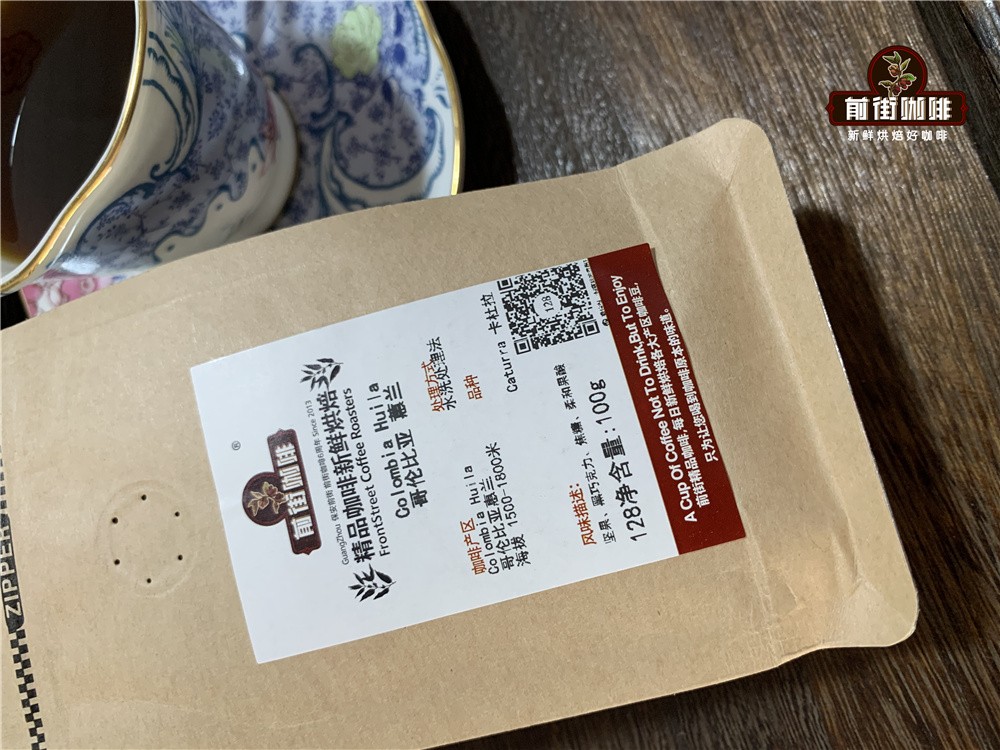
Huila naturally boasts the richest volcanic ash soil. Beyond variety and altitude, soil nutrition plays a significant role in creating refined coffee flavors. Beans from Huila therefore show delicate fruit acidity, nutty notes, and a caramel-like aftertaste, all distinctive markers of coffee from southern Colombia.
FrontStreet Coffee's daily supply coffee, Colombian Huila coffee, comes from the Huila region.

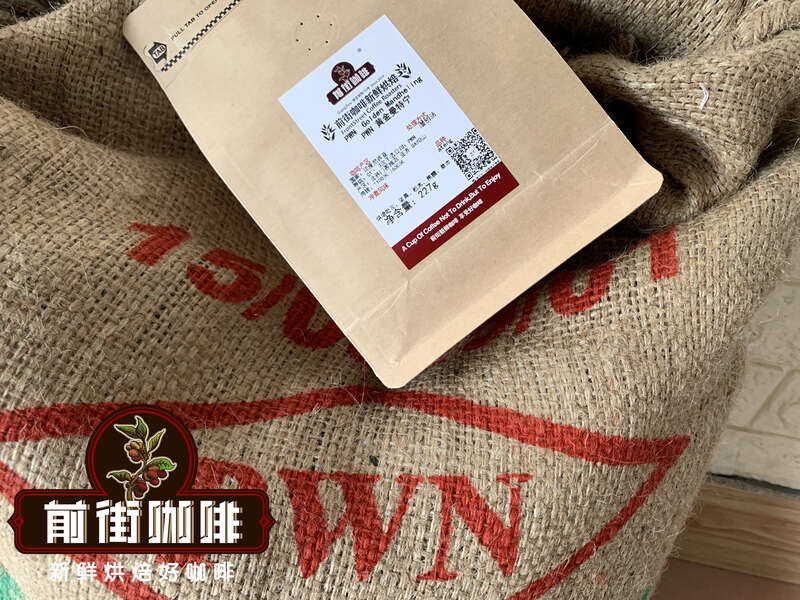
FrontStreet Coffee's Colombian Flower Moon Night coffee comes from the El Espino Garden farm in El Espino city, Huila province. As FrontStreet Coffee understands it, the farm owner, Ramirez, comes from a coffee-growing family and began working in coffee production at age 18. He held professional coffee roles in El Espino city before buying the farm named El Espino Garden, where he grows Caturra.

Cauca Province
Cauca province is a coffee origin-certified region with an average altitude of 1758m, reaching up to 2100m at its highest points. The region's topography, rainfall, temperature, and volcanic soil create ideal conditions for coffee cultivation. With 80% mountainous terrain, its eastern and central areas feature parallel mountain ranges that are part of the Andes, including two major volcanoes, Sotara and Petacas. Like other southwestern production areas, Cauca shows a distinct monomodal precipitation pattern, with a dry season mainly from August to September each year. The rainy season that follows brings concentrated coffee flowering, and then a concentrated harvest the following year.
Perhaps the most significant climatic difference from other regions is its relatively large temperature variation, with daily average temperatures of 11°C and daytime averages of 18°C. That day-night temperature differential is a crucial factor in producing high-quality coffee. The cool nights and relatively higher altitudes slow the coffee's growth rhythm, allowing the seeds and beans to absorb nutrients from the cherries more fully, which creates Cauca coffee's superior acidity and its renowned special sweetness.

Nariño Province
Nariño province lies in the country's southwest, bordering the Pacific Ocean to the west and Ecuador to the south. The Andes run through the entire province, with coffee cultivated in high-altitude cloud forest zones between 1600-2300 meters. The soil is fertile volcanic geology, producing smaller but full-bodied beans with a vibrant green color. Most of Nariño's annual production is bought by large American coffee merchants. Set in southwestern Colombia, bordering the Pacific to the west and Ecuador to the south, the province is crossed by the Andes, with magnificent mountain ranges, beautiful landscapes, and numerous rivers flowing southward. It belongs to Colombia's high-altitude coffee zone and supports many specialty coffee smallholders. Nariño produces approximately 150,000 bags annually, with only about 6,000 bags classified as selected specialty beans.
Tolima Province
Tolima, bordering Huila and Cauca, is crossed by the north-south Andes and Cordillera ranges, with the Magdalena River flowing northward between these two famous mountain chains. The name Tolima comes from the Pijao people who first inhabited the area, with "tolima" meaning "snowed" in their language. Farms in Tolima are generally slightly larger than in other southern Colombian regions, typically between 10-15 hectares. Cooperative methods are popular here too, with farmers delivering their small quantities of fresh cherries to cooperative processing plants. Some farmers also process their own coffee using small-scale facilities capable of handling a day's harvest.

Notable Coffee Regions
Medellin: Located in northern Colombia, featuring rich flavors, moderate acidity, and intriguing high sweetness. Medellin quality exported by the FNC association shows greater uniformity and cleanliness than typical Medellin coffee.
Santander province: Located in northern Colombia, bordering the Magdalena River, with cultivation altitudes of approximately 1400-1600m and an area of 30,537 square kilometers. FrontStreet Coffee, through cupping, finds that beans from this region are characterized by intense flavors, long-lasting aftertaste, and distinctive fresh herbal notes.

Rose Valley Coffee Beans
FrontStreet Coffee's Colombian Rose Valley coffee comes from the Tree Farm estate in Colombia's Santander region. Santander lies in northern Colombia, bordering the Magdalena River to the west, with cultivation altitudes of approximately 1400-1600 meters and an area of 30,537 square kilometers. Santander is a very important but rarely mentioned region; it was in fact Colombia's first coffee-growing province and currently accounts for about 5% of Colombia's total coffee production. FrontStreet Coffee, through cupping, finds that beans from this region are characterized by intense flavors, long-lasting aftertaste, and distinctive fresh herbal notes.
Colombian Coffee Varieties
Colombia is currently the world's largest producer of washed Arabica coffee, the second-largest Arabica producer, and the third-largest coffee producer globally, with annual production roughly equal to one-third of Brazil's and about 12% of world production. That places it behind only Brazil and Vietnam, but unlike those two countries, Colombia grows almost exclusively high-end Arabica beans.
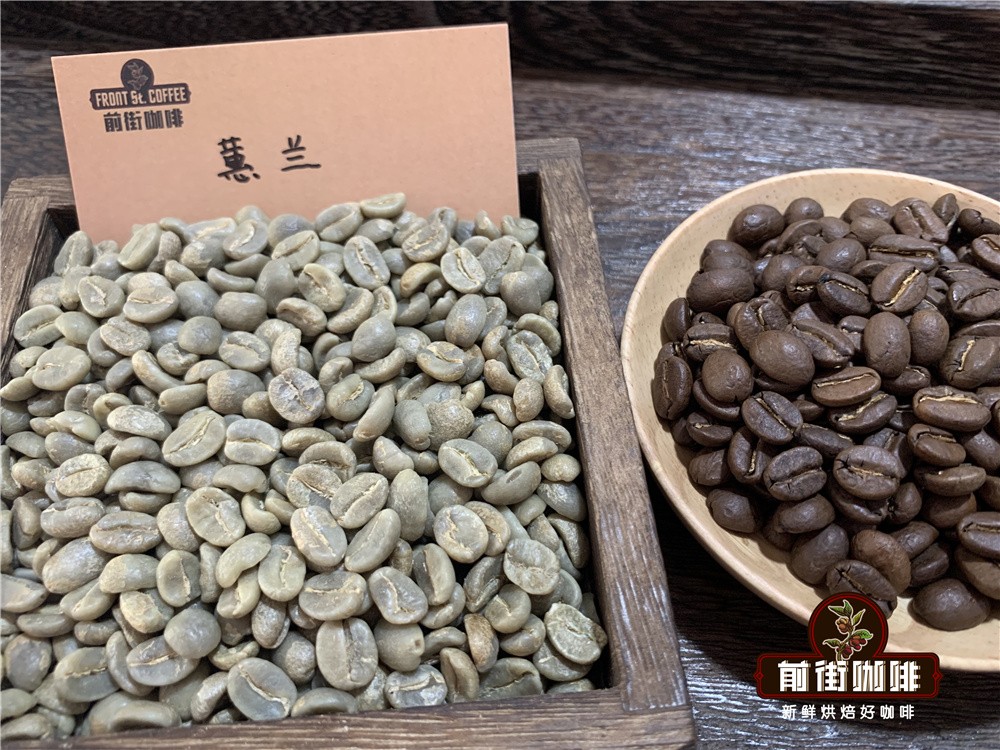
Caturra is a natural variant of the Arabica Bourbon variety, discovered in Brazil in 1937. Its plant is shorter and more compact than Bourbon. While it inherits the Bourbon lineage and is therefore relatively disease-resistant, it also yields more than Bourbon. Although discovered in Brazil, Caturra is not well suited to Brazilian growing conditions and so was never widely planted there. Instead, it became popular across Central and South America, with extensive cultivation in countries such as Colombia, Costa Rica, and Nicaragua.
In addition to varieties common in American production regions, such as Caturra, Bourbon, Typica, and Pacamara, Colombia also has three unique disease-resistant varieties: Castillo, Tabi, and the Colombia variety (named after the country) developed by Cenicafe. There are also rare, precious varieties such as Gesha, small-bean Mocca, Rume Sudan, Eugenioides, Laurina, and Maragogipe-Maragesa (a natural hybrid of Maragogipe and Gesha).

Colombian Coffee Processing Methods
Colombian coffee regions have abundant water resources, which makes washed processing an excellent fit. As a result, the vast majority of Colombian coffee is washed. Unlike other South and Central American countries, most growers process their own coffee at their washing stations. Each smallholder family has a small dedicated processing machine (Ecomill or Eco-Pulper). Harvested cherries are poured in, which removes not only the skin and pulp but also most of the mucilage, using only minimal water. The parchment beans with residual mucilage then go into a small pool or container, either a cement tank (some tiled) or a stainless steel barrel, and undergo overnight fermentation to loosen the remaining mucilage. The following day they are rinsed with clean water, completing the washed process. Doing all the processing at home gives growers complete control over coffee quality.

With the growth of specialty coffee, many farms now offer refined natural and honey-processed small batches, as well as special processing methods. FrontStreet Coffee's very popular Flower Moon Night coffee, for example, features rich berry-jam fermentation notes, while Rose Valley coffee has captivating rose floral aromas and a sweet peach fragrance. Although these innovative methods create genuinely distinctive Colombian aromas, they can also mask the original regional flavors of Colombian coffee. FrontStreet Coffee believes it is best to choose the natural washed method to highlight the clean taste of high-altitude coffee. That is why FrontStreet Coffee selected washed Colombian Huila coffee as its representative of Colombian coffee.
FrontStreet Coffee Brewing Parameters for Colombian Flower Moon Night and Rose Valley Coffee:
V60 dripper, 1:15 coffee-to-water ratio, medium grind (approximately raw sugar size / 80% retention on a China #20 standard sieve), 91°C water temperature.

Using segmented extraction, bloom with twice the water as coffee grounds, that is, 30g of water for 30 seconds. Blooming is necessary so the grounds can release their internal carbon dioxide, ensuring a more stable extraction afterward. Pour with small circular motions to 125g, then continue pouring to 225g and stop. Once the water has finished dripping through the filter, remove the dripper. Total time from the start of pouring should be 2'00". Then pick up the whole coffee pot, shake well, and pour into cups for tasting.
FrontStreet Coffee Colombian Rose Valley Coffee Flavor Profile: Wine-like chocolate, rose, cranberry, peach, cream.
FrontStreet Coffee Colombian Flower Moon Night Coffee Flavor Profile: Rich strawberry jam, sweet rose aromatics, and abundant strawberry, jam, and chocolate liqueur flavors in the cup.
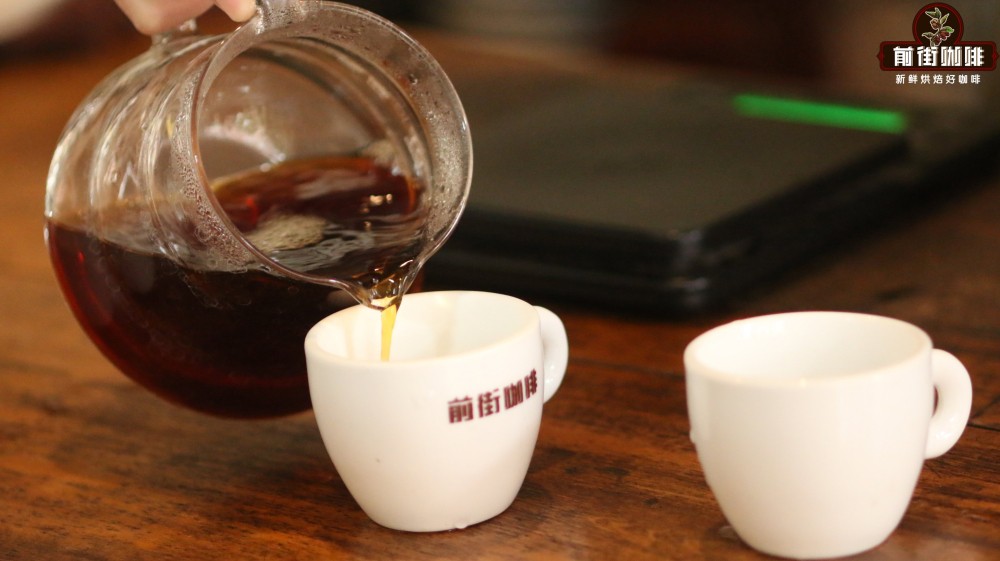
Colombian Huila coffee, both a daily supply coffee and one of FrontStreet Coffee's specialty blend components, can taste quite strong when brewed on its own, with prominent nutty, dark chocolate, and fruit acidity flavors. Used as a blending component, however, it is absolutely delicious, with a reliably smooth mouthfeel. Of course, everyone's preferences differ, so where brewing methods are concerned, FrontStreet Coffee believes it is entirely a matter of personal taste. FrontStreet Coffee offers over fifty different single-origin coffees from various regions, fully covering everyone's coffee choices and preferences.
FrontStreet Coffee Brewing Suggestions:
Where brewing is concerned, FrontStreet Coffee has always believed that bean freshness significantly affects coffee flavor. FrontStreet Coffee therefore ships all coffee beans within 5 days of roasting. Its roasting philosophy is "freshly roasted good coffee," ensuring that every customer receives coffee at its freshest. The rest period is approximately 4-7 days, so by the time customers receive their coffee it is at peak flavor.

For those who need ground coffee, FrontStreet Coffee kindly reminds you: pre-ground coffee does not need further resting, because during transportation the pressure from carbon dioxide production in the packaging also helps develop flavor, so you can brew a cup the moment you receive ground coffee. Ground coffee does need to be brewed promptly, however, since it oxidizes relatively quickly once exposed to air, causing flavor to dissipate faster and diminishing the coffee's quality. FrontStreet Coffee therefore recommends buying whole beans and grinding fresh before brewing to experience coffee flavor at its best.
FrontStreet Coffee Recommendation
To taste Colombia's key regions, start with Huila. FrontStreet Coffee's washed Colombian Huila beans come from the southern Central Cordillera, planted above 1,500 meters, where surrounding hills and converging rivers bring abundant water and a clean, sweet cup with delicate fruit acidity, nuts, and a caramel-like finish.
If you want to explore Colombia's more expressive side, try the Flower Moon Night from El Espino Garden, with its rich strawberry jam and rose aromatics, or the Rose Valley from Santander, full of rose florals and sweet peach. Brew either one by pour-over with a V60, a 1:15 ratio, and 91°C water.
Important Notice :
FrontStreet Coffee is a long-established specialty coffee roaster in Guangzhou China, selling freshly roasted beans from its own farm in Yunnan as well as dozens of carefully selected single-origin beans from around the world for both pour-over and espresso. The products deliver consistently excellent quality and great value, with shipping within 24 hours. Guangzhou's FrontStreet Coffee shop is recommended by many coffee lovers, and the beans are now available online at the Tmall 。
FrontStreet Coffee has moved to a new address:
FrontStreet Coffee Address: 315,Donghua East Road,GuangZhou
Tel:020 38364473
 Scan and follow the En Gafei WeChat official account. Please indicate that the reprint comes from "En Gafei".