Latte vs Cappuccino: Learn the Differences in One Minute and What Coffee Beans to Use
What is Latte Coffee?
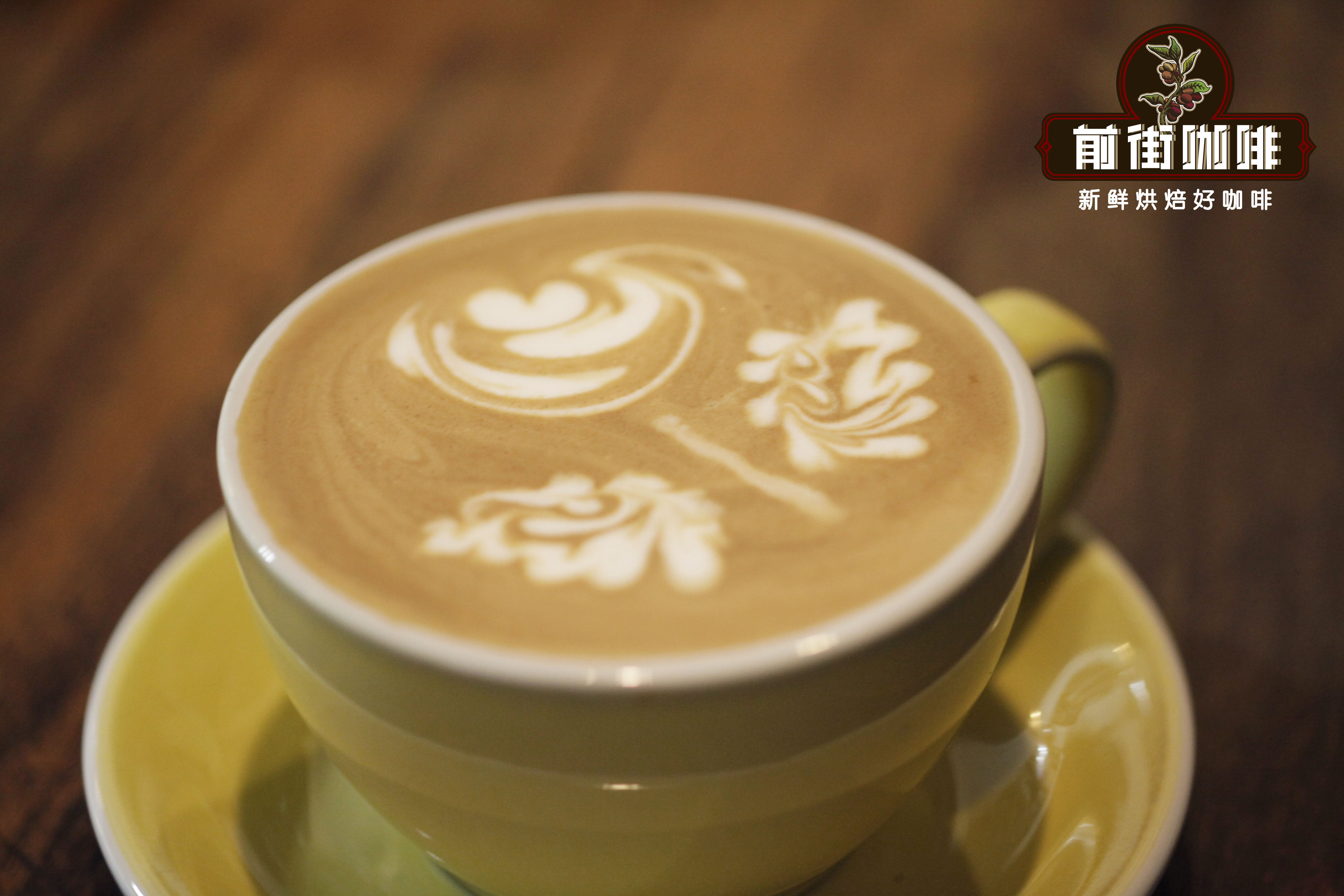
"Latte" is a transliteration of the Italian word "Latte," which means hot milk. Latte coffee is called "Caffè Latte" and is a classic specialty coffee. It is a classic blend of Italian espresso and milk, and Italians also enjoy it as a breakfast beverage. In Italian kitchens in the morning, coffee and milk are usually simmering at the same time on sunlit stoves. Italians who drink lattes can be said to prefer milk over espresso, and only espresso can bring unforgettable flavor to ordinary milk.
What is Cappuccino Coffee?
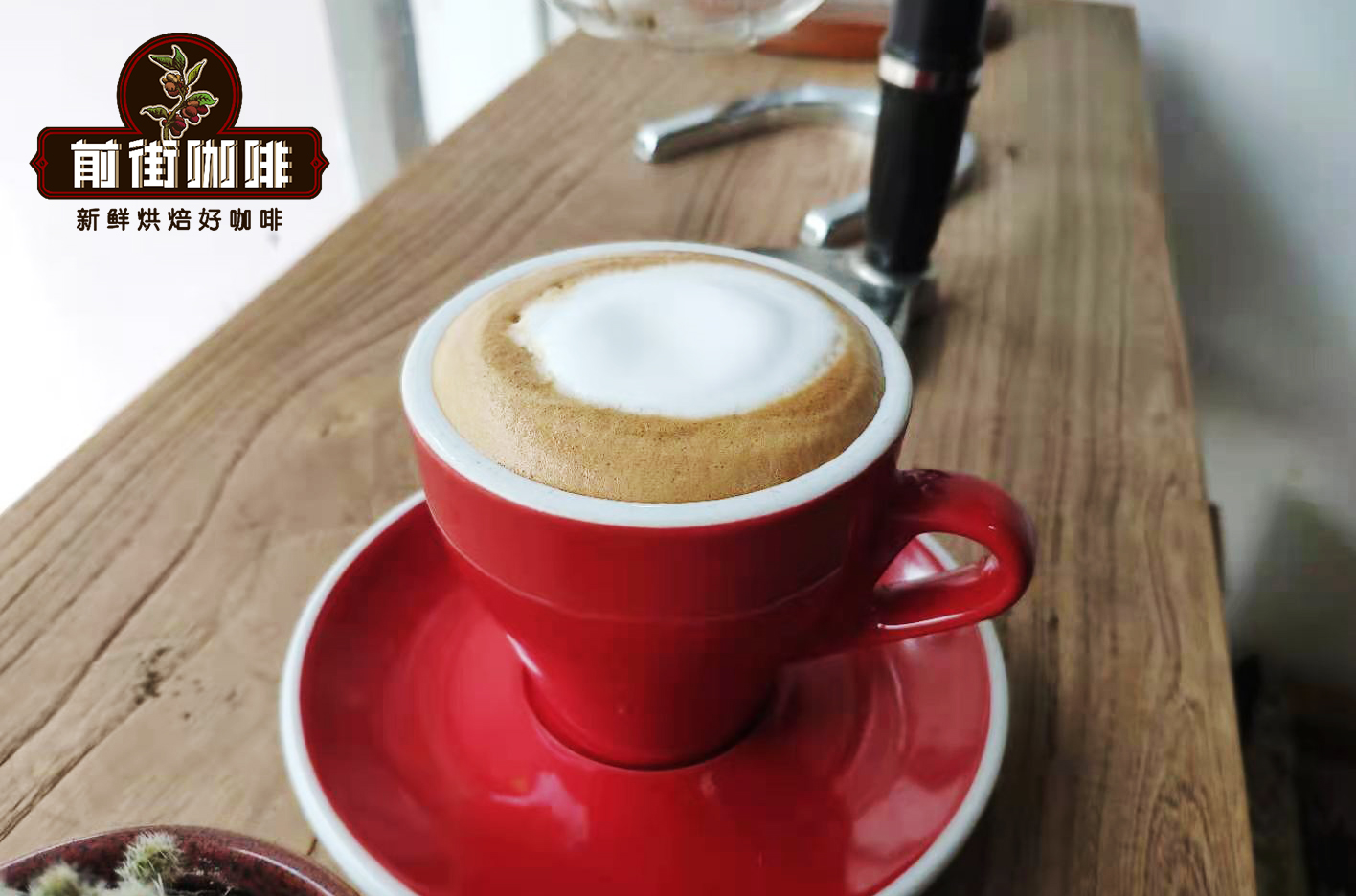
Cappuccino is translated from "Cappuccino," its name originating from the Capuchin friars and the Italian word for hood (Cappucio). The white hoods worn by the friars resemble the white milk foam in the middle of a cappuccino. Most friars are said to have enjoyed this coffee, which is how it got its name.
What are the Differences Between Latte Coffee and Cappuccino Coffee?
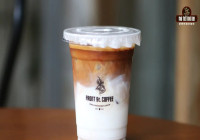
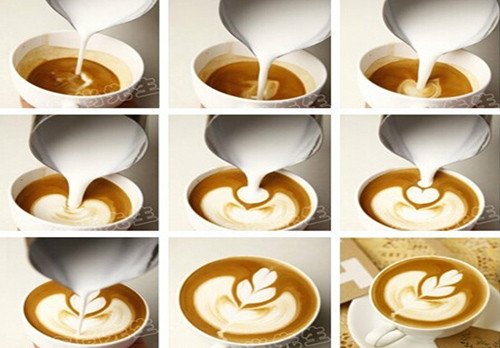
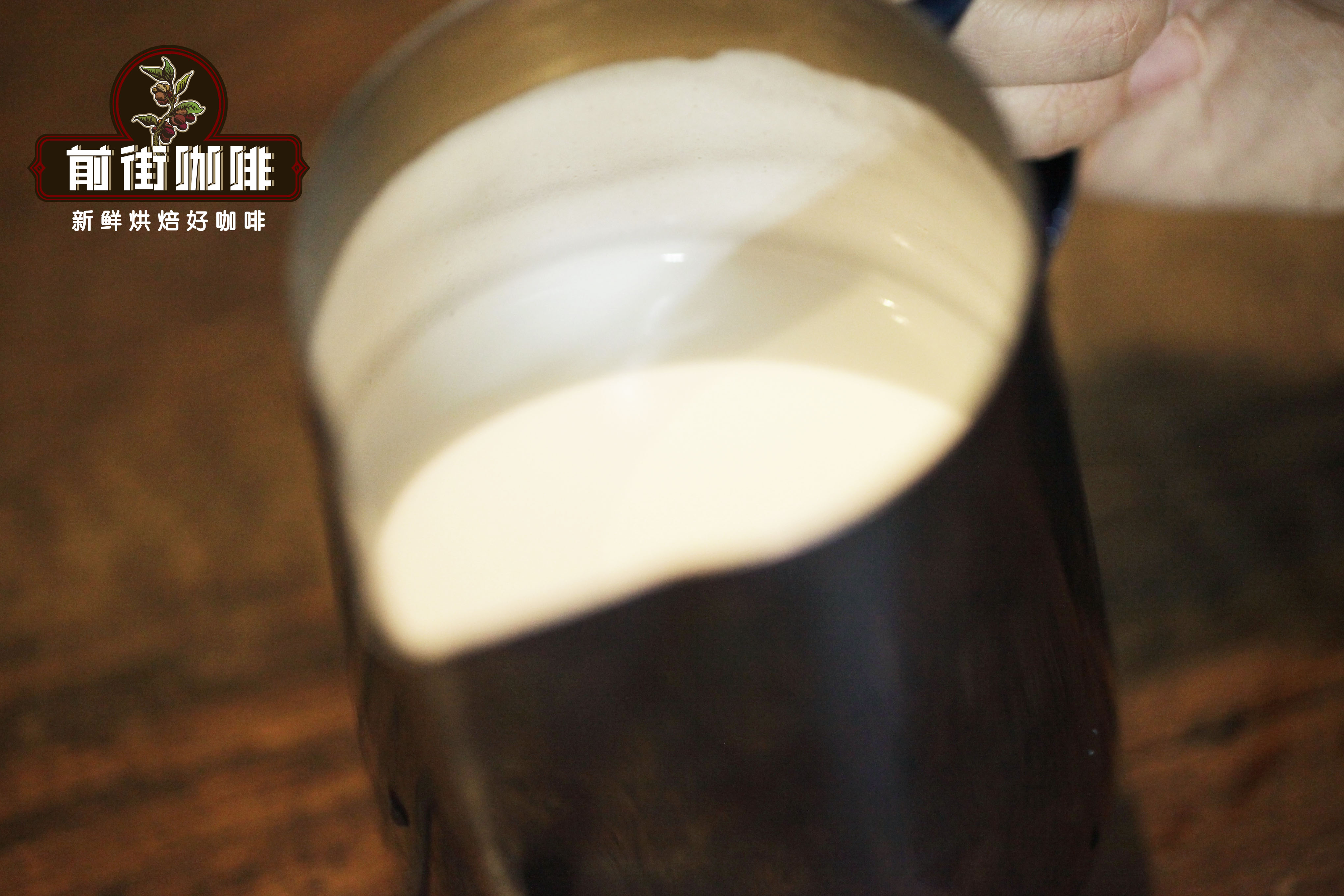
Taking FrontStreet Coffee's offerings as an example, FrontStreet Coffee's latte is served in a 300ml ceramic cup with a wider rim. Cappuccino is served in a 180ml tall ceramic cup with a narrower rim. For latte, FrontStreet Coffee uses a double espresso base, extracting 40g of coffee liquid from 20g of grounds, with a coffee-to-milk ratio of 1:6.5. The milk foam for latte is relatively thin, about 0.5cm, with strong fluidity, allowing smooth patterned latte art. Latte offers a balanced fusion of milk and coffee, highlighting the sweetness of the milk while preserving the coffee's flavor.
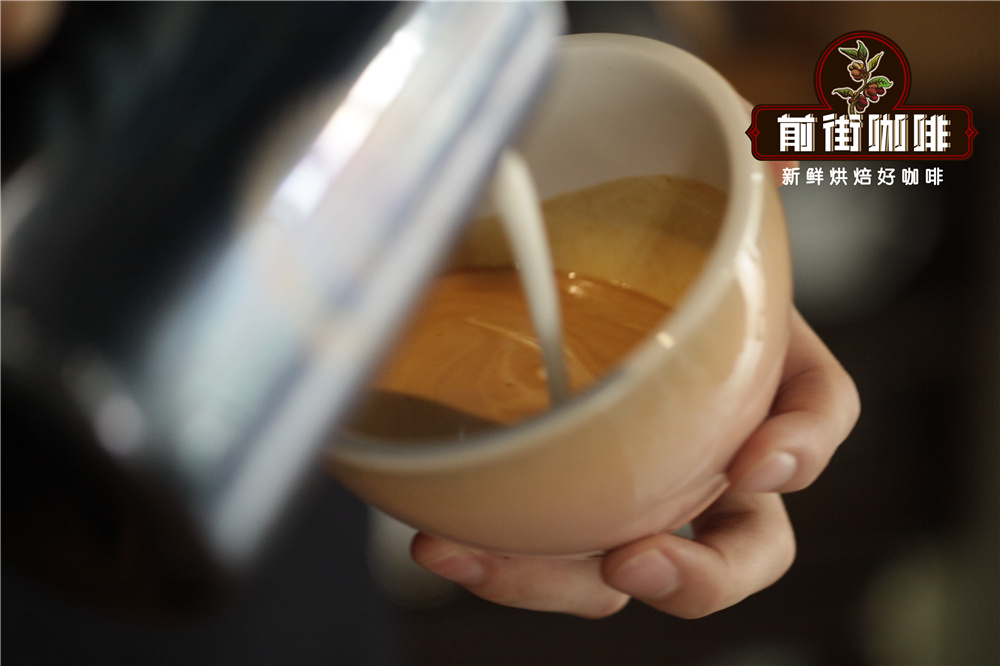
For cappuccino, FrontStreet Coffee uses a single espresso base, extracting 20g of coffee liquid from 9g of grounds. The milk foam for cappuccino is thicker, generally about 1cm. Its characteristic lies in that dense foam, but such thick foam reduces the fluidity of the milk, making it hard to create elaborate patterns like those in latte. The most impressive pattern for cappuccino might be its signature "golden ring." The dense foam delivers a rich texture when tasted, with a more intense coffee flavor.
What Coffee Beans are Used to Make Latte Coffee and Cappuccino Coffee?
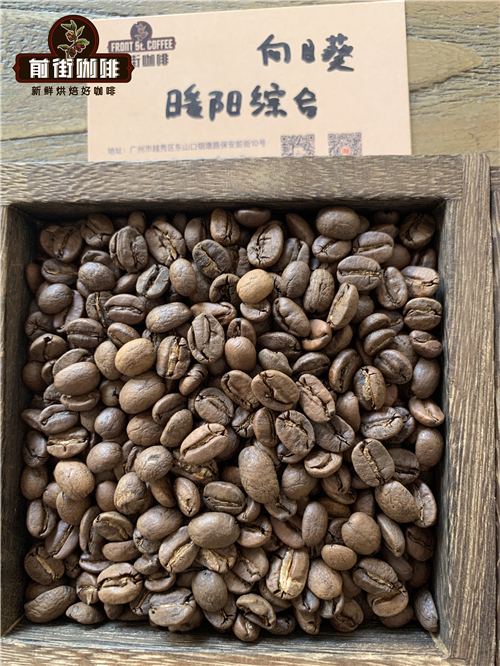
Generally, espresso beans are chosen for this type of milk coffee. Taking FrontStreet Coffee as an example, FrontStreet Coffee's stores use their own Sunflower Warm Sun Blend. It is mainly composed of Honduras Sherry beans with a fermented wine aroma, paired with Yirgacheffe Red Cherry beans known for their acidity, blended in a 7:3 ratio. The blend therefore has a rich, intense wine-like aroma, and when paired with milk it creates a very fragrant, mellow latte.
Through cupping, pour-over, and espresso extraction, this bean offers a soft fruit acidity on entry, with a persistent finish, sufficient sweetness, rich chocolate aroma, vanilla, and cream with obvious wine notes, a clean, smooth mouthfeel, and medium body.
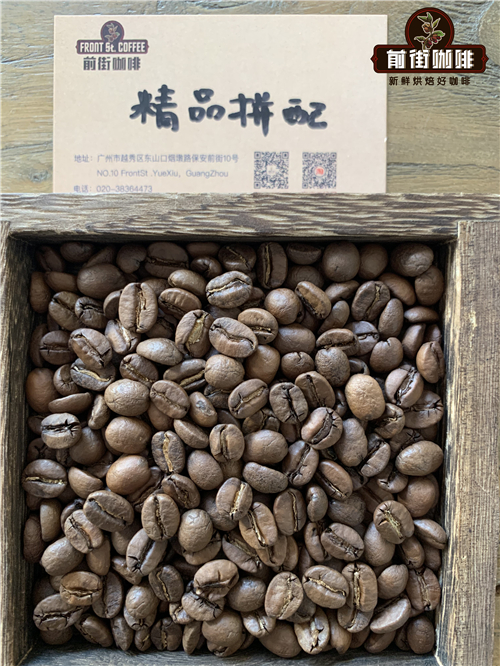
Another bean with good flavor is FrontStreet Coffee's Premium Blend Espresso Beans, Colombia to Brazil at a 3:7 ratio.
Colombia Huila Region
Located in the southwestern part of Colombia, Huila is one of the main coffee cultivation areas. Colombia generally has altitudes of 1500-1800 meters, mostly Bourbon and Caturra varieties, processed using the washed method, with high density, uniform bean size, and plump beans (thicker from bean core to bean surface). Because famous cultivation areas are scattered throughout the Huila region, the names of various small areas have become brand names and circulate widely. Although growing conditions here are also very good, the cultivation infrastructure - coffee farms and surrounding facilities - is not yet well-developed. Bean-drying equipment and washed-processing facilities are not yet complete, which is regrettable. Coffee from Huila has a strong flavor with a heavier texture. In particular, the nut, chocolate, and caramel aromas and appropriate acidity of Huila coffee can be called premium specialty coffee.
Flavor characteristics: a rich, solid mouthfeel, with pleasant acidity, fragrant aroma, moderate acidity, and a rich sweetness that is intriguing. Because of its affordable price and small bean size, it is suited to single origin or as an espresso blend base.
Brazil Cerrado Region
Brazilian coffee generally grows at altitudes of 1000-1300 meters, so its density is relatively low. Mostly Bourbon variety, using semi-washed processing, with moderate moisture content, a softer bean texture, and a thinner distance from bean surface to bean core, so it is not suitable for high-temperature roasting, as the inner wall temperature of the drum would scorch the bean surface and create bitter flavors. To express the characteristics of nuts, milk chocolate, and good body, and to use it as a blend base, FrontStreet Coffee chooses a medium-heat bean entry, maintaining heat until the dehydration stage, making fine adjustments as the temperature rises after first crack, promoting more complete caramelization, and heating until approaching the second crack before discharging.
Flavor characteristics: a comfortable bittersweet taste, extremely smooth on entry; with a faint grassy fragrance, a fresh aroma with a slight bitterness; sweet and smooth, with a pleasant finish.
Flavor after blending: a sweet, fragrant taste. Using a medium-dark roast, when made as espresso it has a soft micro-acidity, clear sweetness, and a nutty finish, with an overall feeling that is not too stimulating, balanced, with moderate crema.
FrontStreet Coffee Recommendation
For latte and cappuccino, FrontStreet Coffee recommends its Classic Blend, a medium-dark Mamba-style recipe of Mandheling and Brazil with a touch of Robusta for extra aroma and crema. It pours with prominent butter, toasted bread, and caramel notes, a strong, full flavor, and fine, stable crema that is easy to work with. FrontStreet Coffee's Premium Blend, built on washed Colombia and semi-washed Brazil, adds nut, dark chocolate, and caramel notes that shine in both latte and cappuccino.
Important Notice :
FrontStreet Coffee is a long-established specialty coffee roaster in Guangzhou China, selling freshly roasted beans from its own farm in Yunnan as well as dozens of carefully selected single-origin beans from around the world for both pour-over and espresso. The products deliver consistently excellent quality and great value, with shipping within 24 hours. Guangzhou's FrontStreet Coffee shop is recommended by many coffee lovers, and the beans are now available online at the Tmall 。
FrontStreet Coffee has moved to a new address:
FrontStreet Coffee Address: 315,Donghua East Road,GuangZhou
Tel:020 38364473
 Scan and follow the En Gafei WeChat official account. Please indicate that the reprint comes from "En Gafei".