How to Brew African Rwandan Coffee Beans for Great Taste - Pour-Over Parameters and Flavor Profile
Professional Coffee Knowledge Exchange
Specialty coffee culture has introduced enthusiasts to a whole world of outstanding single-origin coffees. When people think of African coffee, Ethiopia and Kenya usually come to mind first. Yet over the past few years, Bourbon variety coffee from Rwanda has quietly built a reputation for exceptional flavor. That is exactly why FrontStreet Coffee has brought in Rwanda Bourbon beans for customers to try. In this article, we take a closer look at these beans and walk through how to brew them as pour-over for the best possible cup.
FrontStreet Coffee Rwanda Gishyita Coffee Beans
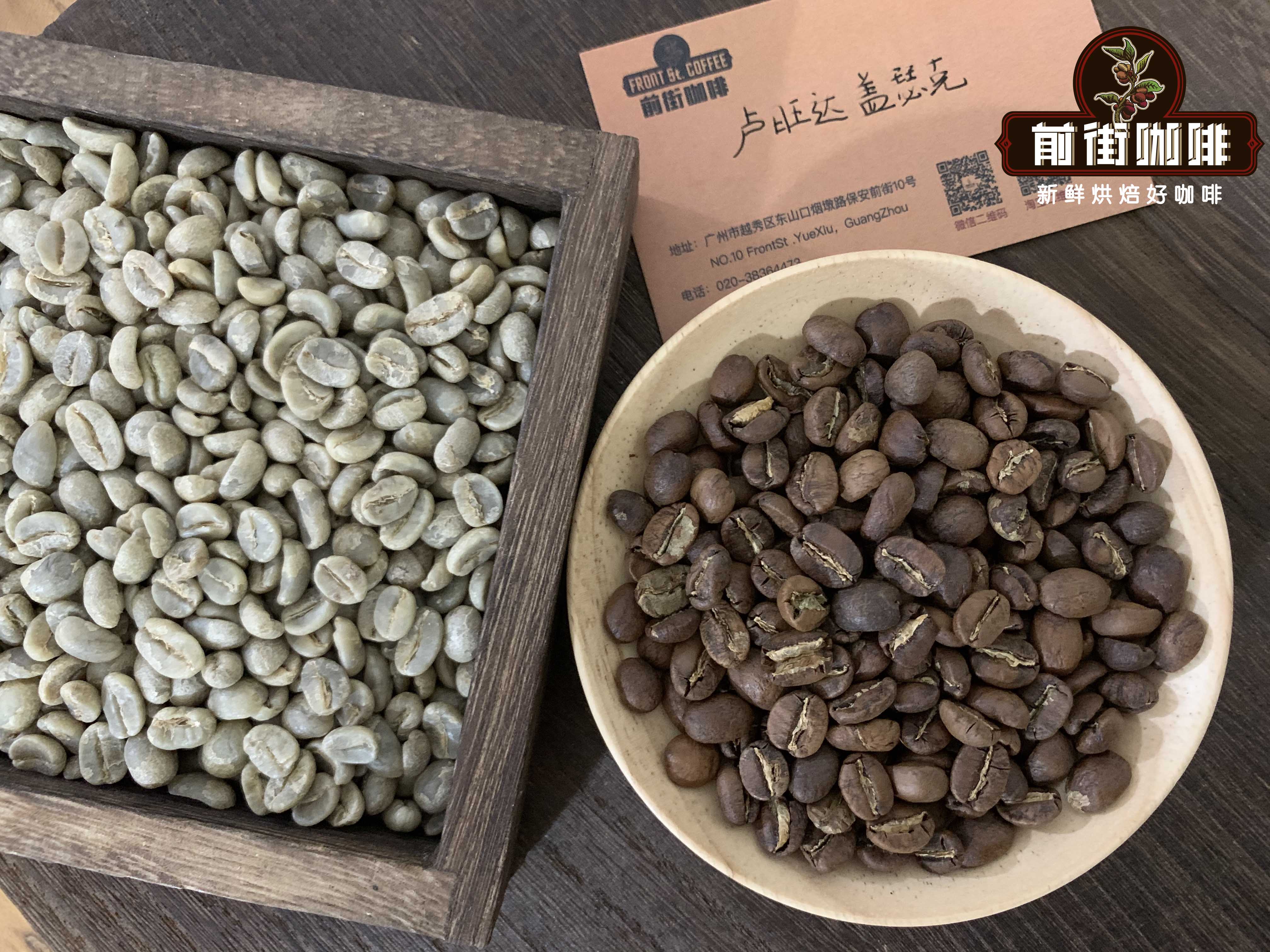
- Country: Rwanda
- Region: Nyamasheke District, Western Rwanda
- Altitude: 1700-2000m
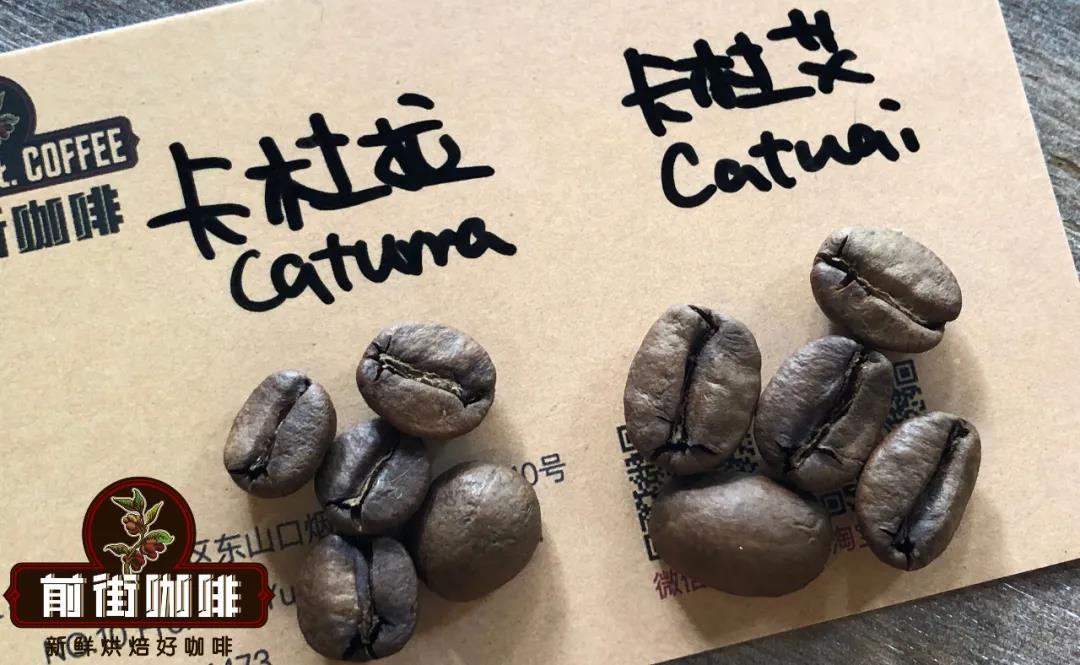
- Varieties: Bourbon, Catuai, Catimor
- Processing: Washed
- Flavor: Plum, citrus, berries, nuts, bright acidity, honey-sweet aftertaste
Gishyita Washing Station
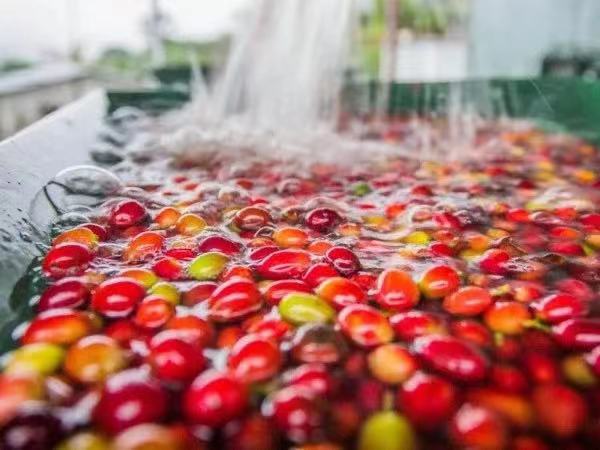
The beans FrontStreet Coffee carries come from the Gishyita Washing Station. Its owner, Fidele Ndagijimana, is a young trader in the Nyamasheke region who spotted the potential of specialty washed coffee in Rwanda. He applied to the government to build the station and managed to process 170 tons of coffee cherries in its very first year. He then uses the off-season to upgrade and expand his equipment, so that by the next harvest he can offer better machinery and superior storage conditions. This enterprising producer has also secured additional land near the station for coffee cultivation — a solid foundation for the consistent quality of these Gishyita beans.
Rwanda Coffee Bean Varieties
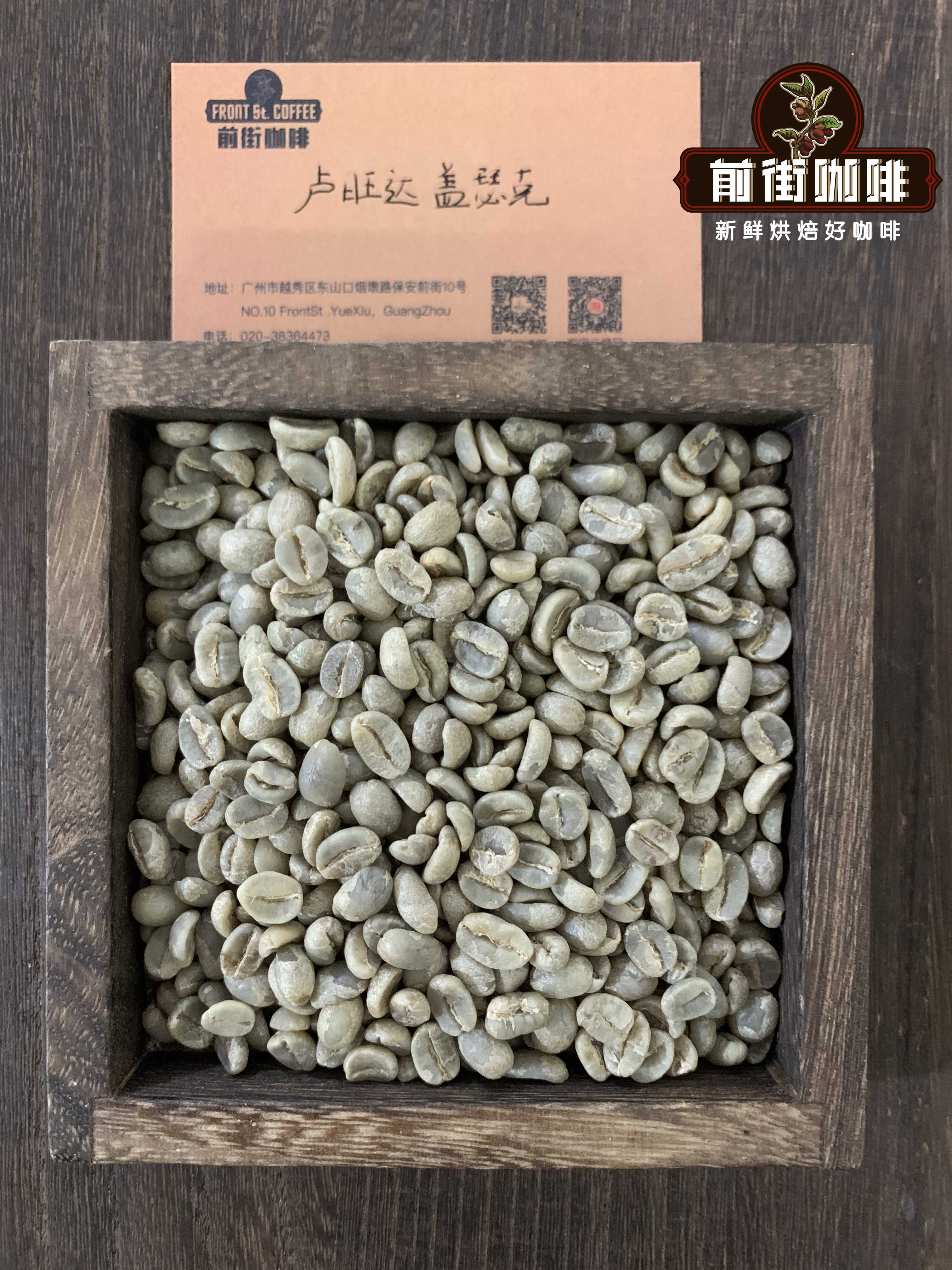
More than 97% of the coffee grown in Rwanda is Arabica, and roughly 95% of that is Bourbon. As a result, Bourbon, Catuai, and Catimor dominate the Rwandan coffee landscape. FrontStreet Coffee finds that all three lean toward Bourbon-style flavor characteristics, which is why Rwandan beans so often express citrus and nut notes in the cup.
Bourbon Variety:
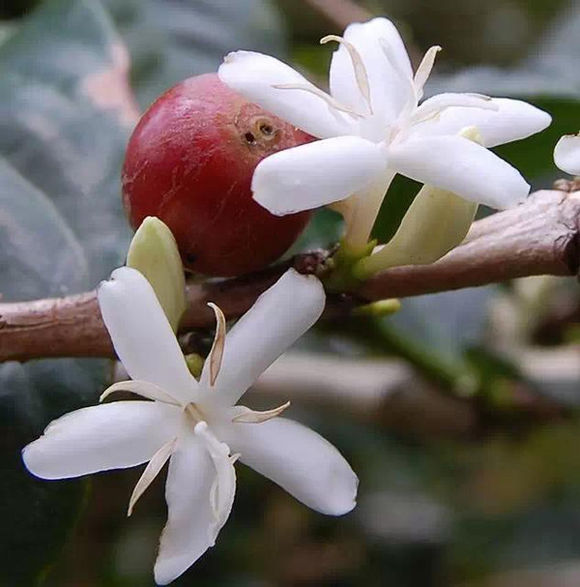
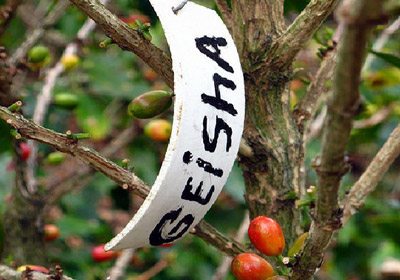
Over 90% of Rwanda's coffee consists of Bourbon and Bourbon-family hybrids introduced decades ago, all of them reasonably resilient against natural stresses. Bourbon itself was first cultivated on Réunion Island and reached Brazil in 1860, spreading rapidly northward through Latin America. As Bourbon cherries ripen, their color shifts through a familiar progression: green → pale yellow → light orange → mature red → deep red at full ripeness — hence the nickname "Red Bourbon." In fact, Red Bourbon is simply what most of us mean when we say Bourbon. Grown at high altitude, Bourbon typically develops better aroma and brighter acidity.
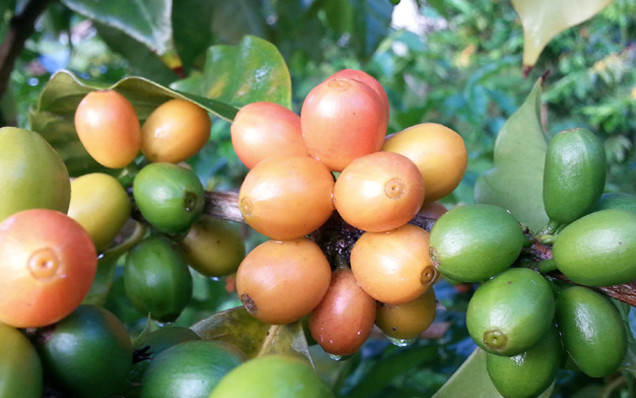
Among the Latin American Bourbons FrontStreet Coffee currently sources are Brazilian Red Bourbon, Brazilian Yellow Bourbon, and Colombian Pink Bourbon. In Latin America, however, Bourbon's advantages have eroded because of its poor disease resistance. Rwandan Bourbon, by contrast, still holds its own — one of the reasons FrontStreet Coffee keeps coming back to Rwandan beans.
Catuai Variety:
Catuai is a natural mutation of Arabica Bourbon, discovered in Brazil in 1937. The plants are more compact than Bourbon, and while they inherited Bourbon's relatively weak disease resistance, they yield more cherries.
Catimor Variety:
Catimor is a man-made hybrid created by crossing Catuai with Mundo Novo. It handles harsh conditions well, particularly wind and rain. Catimor trees are relatively short, and compared with other varieties its cherries attach more firmly to the branch, making them harder to pick. The fruit comes in both red and yellow types. Based on FrontStreet Coffee's own brewing experience, some yellow-cherry lots do show good acidity, but the cup cleanliness falls short of the red-fruit lots.
Rwanda Coffee Bean Processing Method
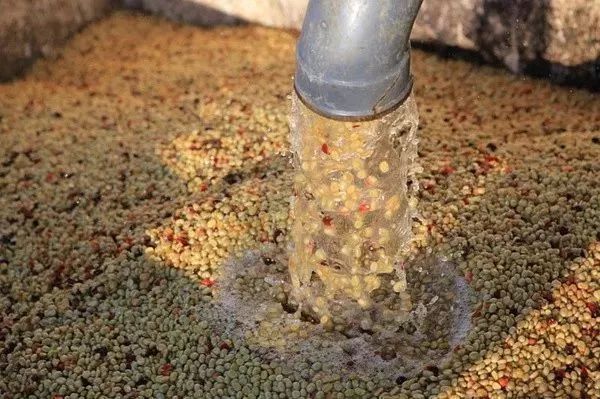
As noted above, these beans are washed processed. The great strength of washed processing is that it showcases the coffee's most original character, giving a cleaner, brighter cup. That is why many producing countries rely on this method. The trade-off is that it demands enormous quantities of water, so it only makes sense in regions with abundant water resources.
That covers the background on FrontStreet Coffee's Rwanda Gishyita beans. So how do you bring out their best flavors with a pour-over?
How to Brew Rwanda Gishyita Coffee Beans with Pour-Over?
FrontStreet Coffee believes a great pour-over comes down to four things: water temperature, grind size, coffee-to-water ratio, and pouring technique.
1. Water Temperature

Different roast levels call for different water temperatures. As roasting progresses, the compounds inside the bean gradually diminish, so for darker roasts we lower the temperature to keep harsh, undesirable flavors out of the cup. For light-to-medium roasts, FrontStreet Coffee recommends 90-91°C; for medium-dark roasts, 87-89°C.
This Rwanda Gishyita is a medium roast built around citrus and nut flavors, so to highlight that character FrontStreet Coffee brews it at 90-91°C.
2. Grind Size
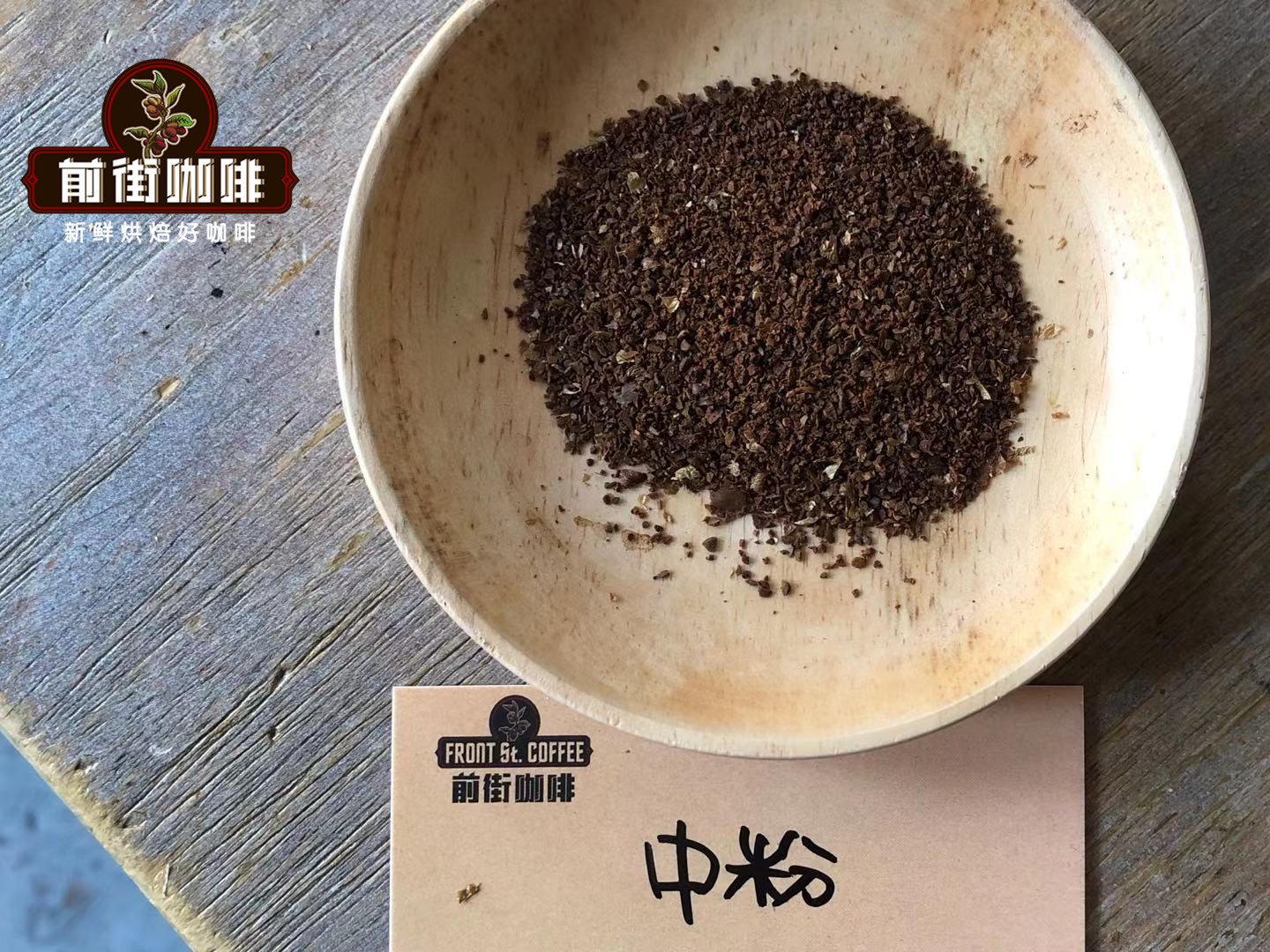
Grind size — the particle size of the grounds — determines how long water stays in contact with coffee surfaces. The finer the grind, the more material water extracts in a given time, but fine grinds tip easily into over-extraction. A coarser grind extracts less in the same window, risking a thin, under-extracted cup.
Since every grinder behaves differently, parameters vary from shop to shop. FrontStreet Coffee suggests buying a #20 cupping calibration sieve with 0.85mm mesh. Take 10g of beans, grind them at roughly your target setting, and shake them through the sieve. Then weigh what passes through (keep sieving until no more grounds fall through).
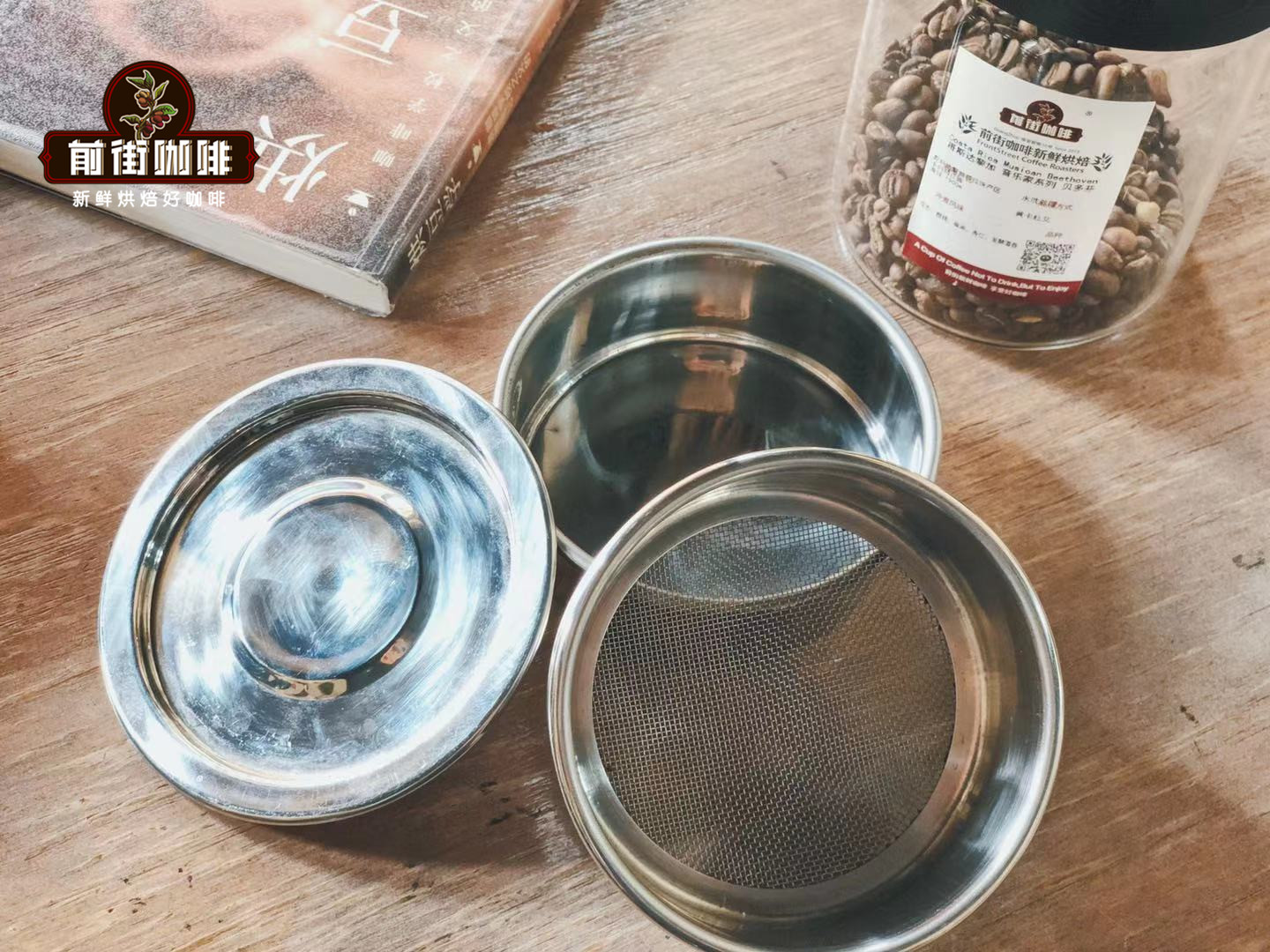
A pass rate of 80% (8g passing out of 10g) is the ideal grind for light-to-medium roast beans; 70%-75% (7-7.5g out of 10g) suits medium-dark roasts. If your pass rate runs above the target range, adjust coarser; if it falls below, go finer.
3. Coffee-to-Water Ratio
Here are the ratio guidelines FrontStreet Coffee derived from SCAA Golden Cup extraction theory:
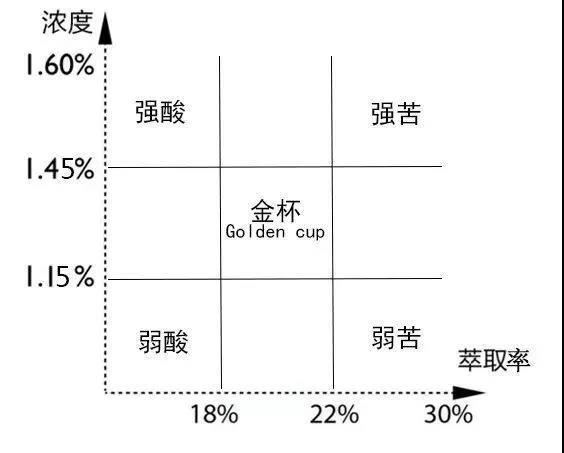
- Rich Flavor: 1:10~1:11 (equivalent to Golden Cup standard 1:12.5~1:13.5)
- Moderate Flavor: 1:12~1:13 (equivalent to Golden Cup standard 1:14.5~1:15.5)
- Light Flavor: 1:14~1:16 (equivalent to Golden Cup standard 1:16.5~1:18.5)
A ratio of 1:14.5~1:15.5 most readily lands in the golden zone of 18%~22% extraction yield and 1.15%~1.35% strength.
For this Rwanda Gishyita, FrontStreet Coffee therefore suggests a forgiving 1:15 ratio.
4. Brewing Technique
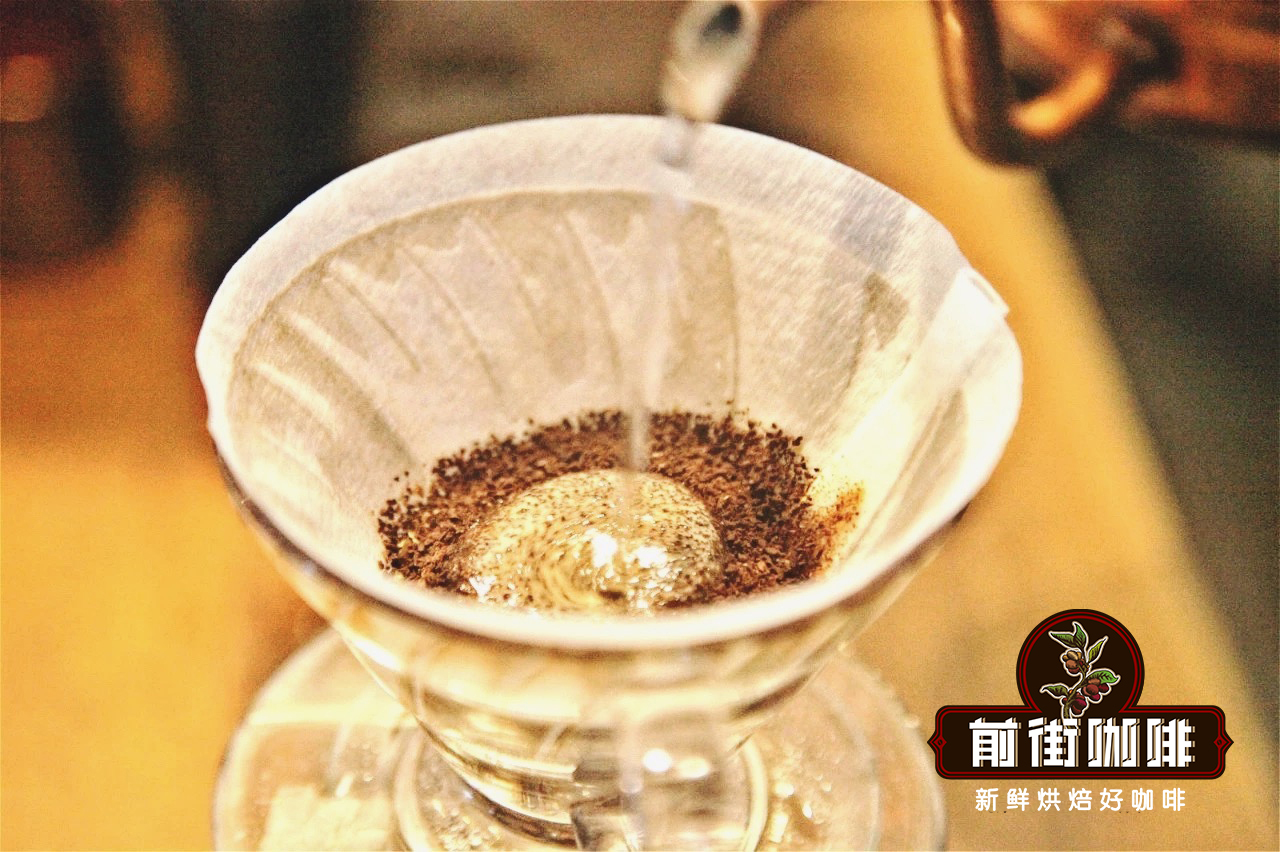
Finally, technique matters. The classics include three-pour (multi-stage) pouring, a single continuous pour, and drip-by-drip methods. For beginners, FrontStreet Coffee recommends three-stage pouring, which suits light, light-to-medium, and medium roasts. Splitting the pour into stages lets you delineate the coffee's front, middle, and back-palate flavors with confidence.
With those four fundamentals in place, here are the exact parameters FrontStreet Coffee uses for this Rwanda Gishyita.
Rwanda Gishyita Coffee Bean Pour-Over Parameters:
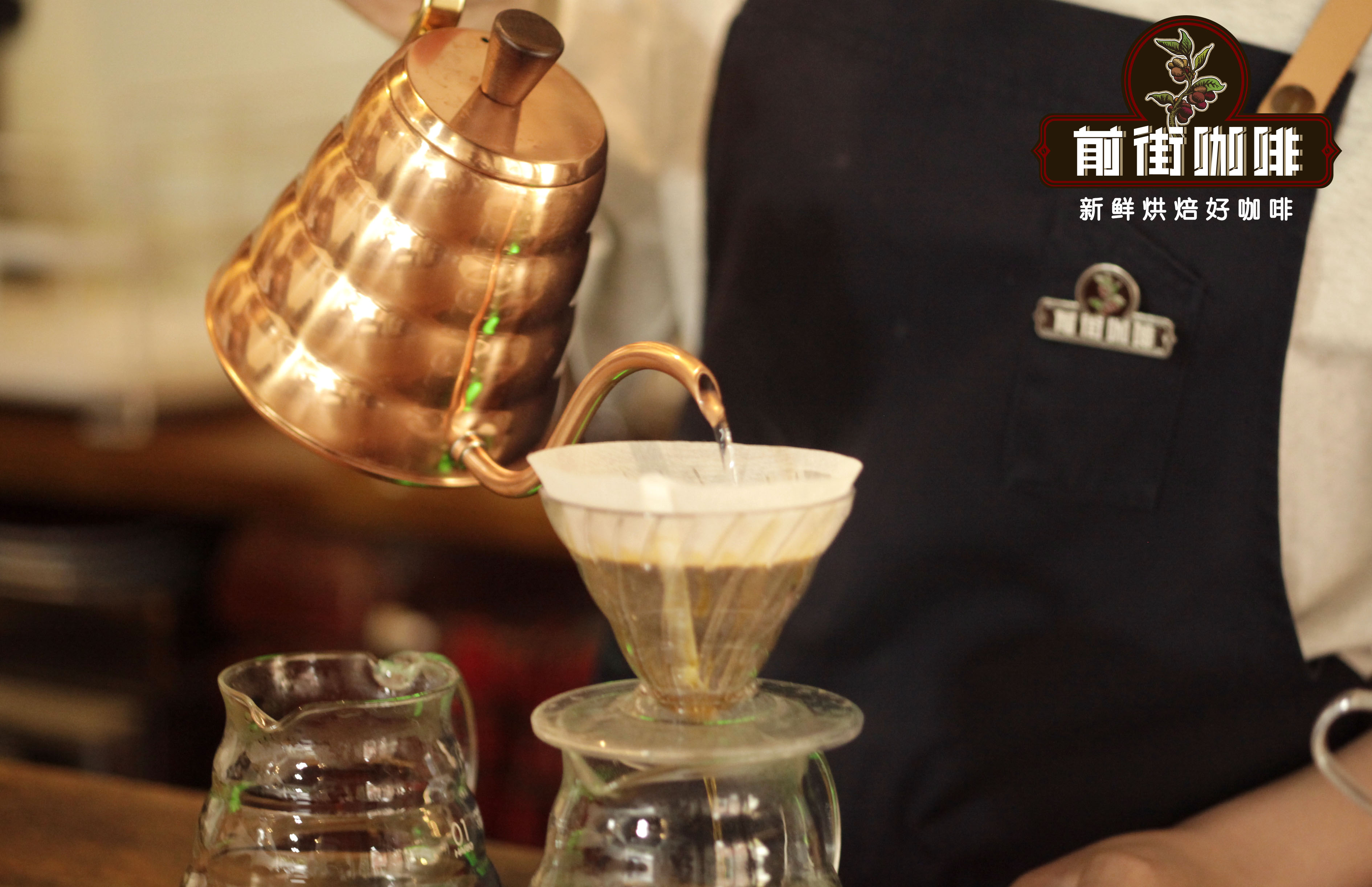
- Dripper: V60
- Water Temperature: 90°C
- Coffee Amount: 15 grams
- Coffee-to-Water Ratio: 1:15
- Grind Size: BG#6m (Chinese standard #20 sieve 80% pass rate)
Brewing Technique: Segmented Extraction
Bloom with 30g of water for 30 seconds. Then pour in slow circles until the scale reads 125g, and pause. Once the water level drops and the coffee bed is about to be exposed, pour again up to 225g and stop. When the bed is about to break the surface once more, lift off the dripper. Total extraction time: 2'00" (timed from the start of the bloom).

Brewing Flavor: Floral and berry aromas up front, with clear citrus, berries, and plum on the palate; nutty notes through the middle, finishing on a caramel sweetness.
FrontStreet Coffee Recommendation
If bright, floral African coffees are your thing, FrontStreet Coffee's washed Yirgacheffe is the ideal starting point. Ethiopia is the birthplace of coffee, home to countless heirloom varieties, and this entry-level washed lot shows exactly why the region is so beloved: distinct jasmine florals and a bright, citrusy acidity.
Grown around the southern Ethiopian town of Yirgacheffe — where spring-like weather, mist, and cool humidity nurture thousands of coffee trees — the cup is light and elegant with a gentle tea-like body, reminiscent of a clean, refreshing lemon tea. For a fruit-forward alternative, FrontStreet Coffee's natural-process Red Cherry Project Yirgacheffe offers peach, cocoa, honey, and lemon. Ask FrontStreet Coffee for details and brewing tips.
Important Notice :
FrontStreet Coffee is a long-established specialty coffee roaster in Guangzhou China, selling freshly roasted beans from its own farm in Yunnan as well as dozens of carefully selected single-origin beans from around the world for both pour-over and espresso. The products deliver consistently excellent quality and great value, with shipping within 24 hours. Guangzhou's FrontStreet Coffee shop is recommended by many coffee lovers, and the beans are now available online at the Tmall 。
FrontStreet Coffee has moved to a new address:
FrontStreet Coffee Address: 315,Donghua East Road,GuangZhou
Tel:020 38364473
 Scan and follow the En Gafei WeChat official account. Please indicate that the reprint comes from "En Gafei".