Complete Guide to Coffee Varieties | Introduction to Ancient Coffee Varieties, Heirloom and Mutation Varieties with Flavor Characteristics
Professional Coffee Knowledge Exchange. For more coffee bean information, please follow Coffee Workshop (WeChat official account: cafe_style).
Today we will learn about coffee varieties and common coffee cultivars
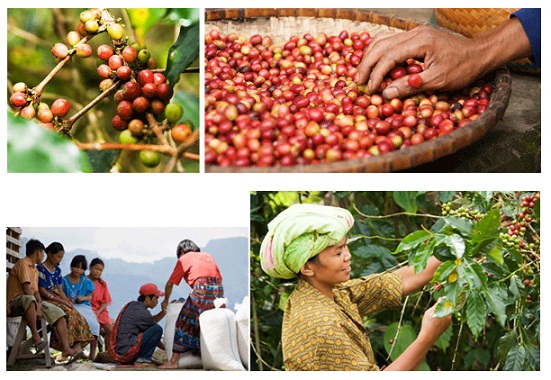
There are over 500 species of coffee trees and 6,000 varieties, most of them tropical trees and shrubs. Four coffee tree species dominate worldwide, but only two carry real commercial weight and are widely cultivated. The beans from those two species outclass the rest in the cup.
The first is Arabica. World-famous coffees such as Blue Mountain and Mocha are almost all Arabica varieties. The second is Robusta, whose tree originates from the Congo region of Africa. Different varieties taste different, but even trees of the same variety produce beans with unique character because soil, climate, and other environmental factors shift from place to place. The remaining two species are Liberica and Excelsa.
Biologically, coffee varieties fall into Arabica, Robusta, and Liberica. Arabica and Robusta are the two the world actually drinks. Liberica is often overlooked because its production is limited or its quality inferior.
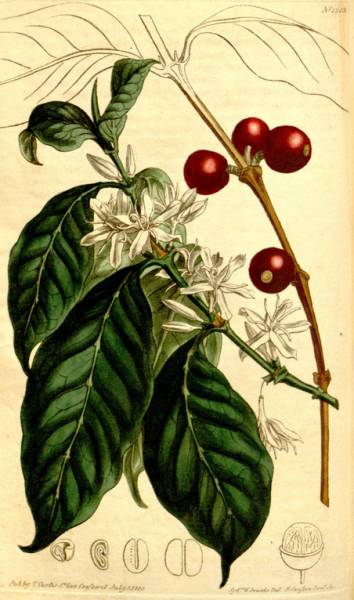
Generally, Arabica goes into single-origin or specialty coffees, while Robusta is typically used for instant coffee. It is common to rank Arabica as premium and Robusta as secondary, but that ranking is not mandatory—better to sort them by the taste you prefer. On that score, the United States and Japan tend toward lighter coffee brewed from Arabica, while Europe prefers espresso built from an Arabica-Robusta blend.
Arabica: Premium coffee beans with excellent flavor and aroma
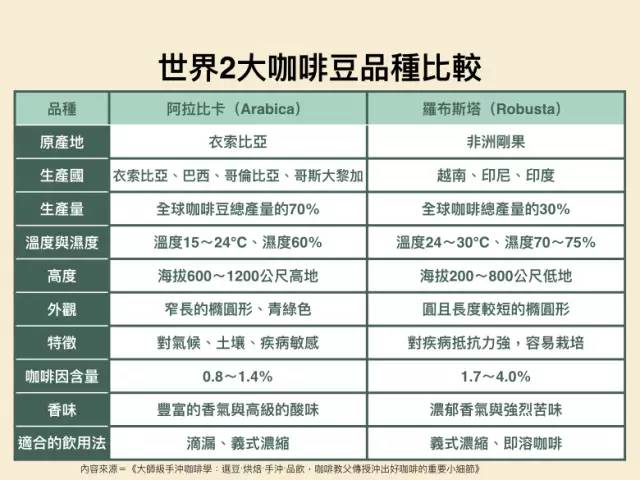
Arabica is the representative variety originating from Ethiopia, and it is also grown in southern Africa, other African countries, and parts of Asia. It accounts for 70%-75% of world coffee production. Arabica resists pests and disease relatively poorly, which makes high-altitude regions more suitable for it. Arabica grown above 1,500 meters yields the highest quality.
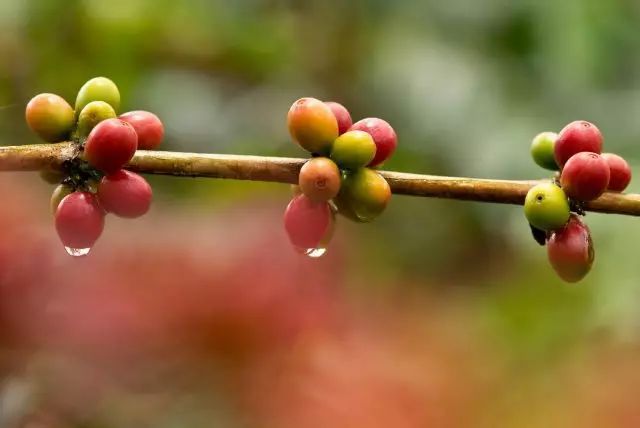
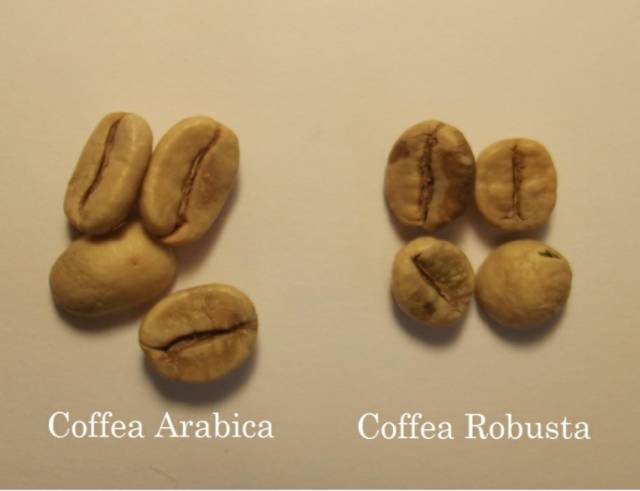
Only beans produced through that kind of meticulous cultivation, with balanced flavor, body, and aroma, can be certified as premium coffee beans, mainly for single-origin or specialty use. The three most famous varieties—Hawaiian Kona, Jamaican Blue Mountain, and Yemen Mocha—all belong to the Arabica species. Arabica green beans look dark and narrow. High-altitude Arabica is considered the highest quality, marked by rich flavor across sweetness, acidity, and aroma.
Robusta: Strong acidity with rich body
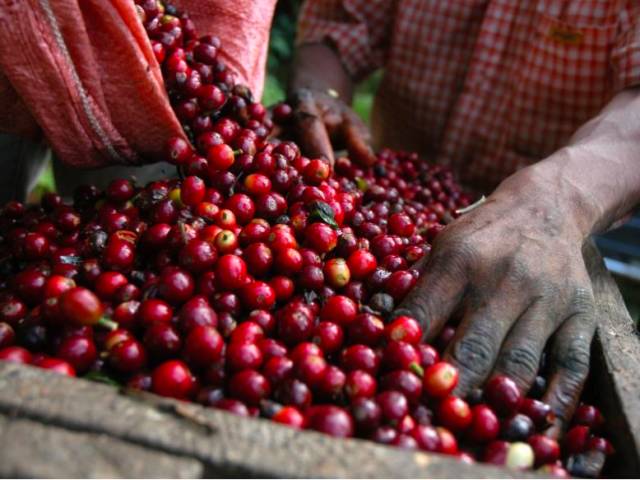
Robusta originates from the Congo region of Africa and accounts for 30% of world coffee production. The name means "robust," and the tree earns it: it resists pests and disease strongly, survives in any soil type, and even grows wild. That makes it cultivable in high-temperature regions, fast-growing, easy to farm, and inexpensive. It is mainly used in blends or as the main ingredient in instant coffee. Some Robusta from India, Africa, and Brazil has strong acidity, high caffeine, and a richer body.
More recently, Arabusta has appeared—an Arabica hybrid that offers superior flavor and aroma.
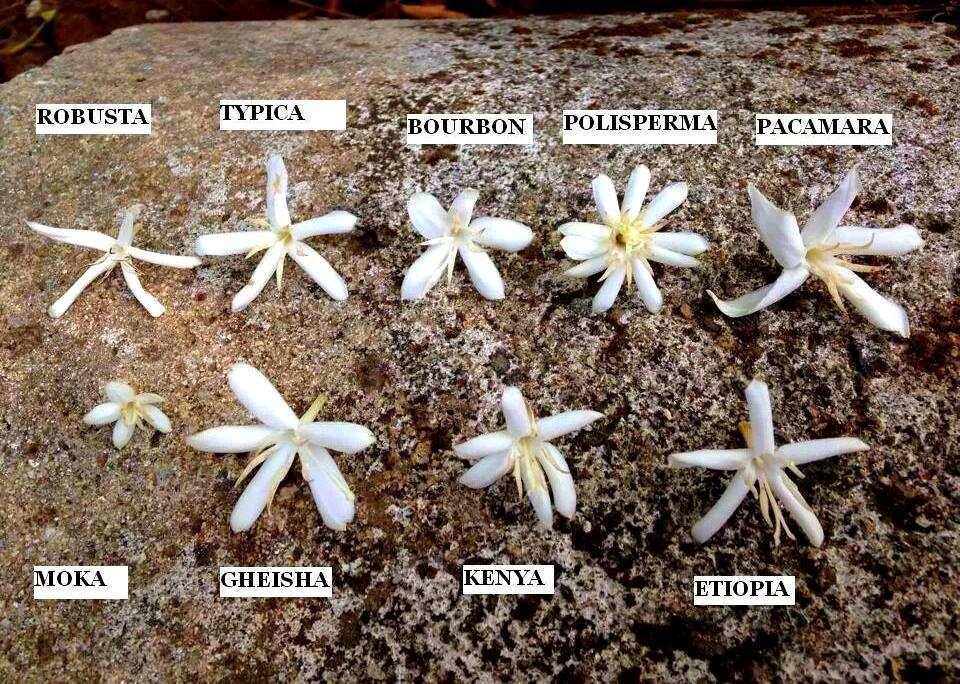
Robusta beans look plump and oval. The green beans are light brown or yellowish-brown with a grass-green and yellow luster. Compared with Arabica, Robusta is more fragrant but lighter in flavor, with less prominent acidity and stronger bitterness.
Excelsa
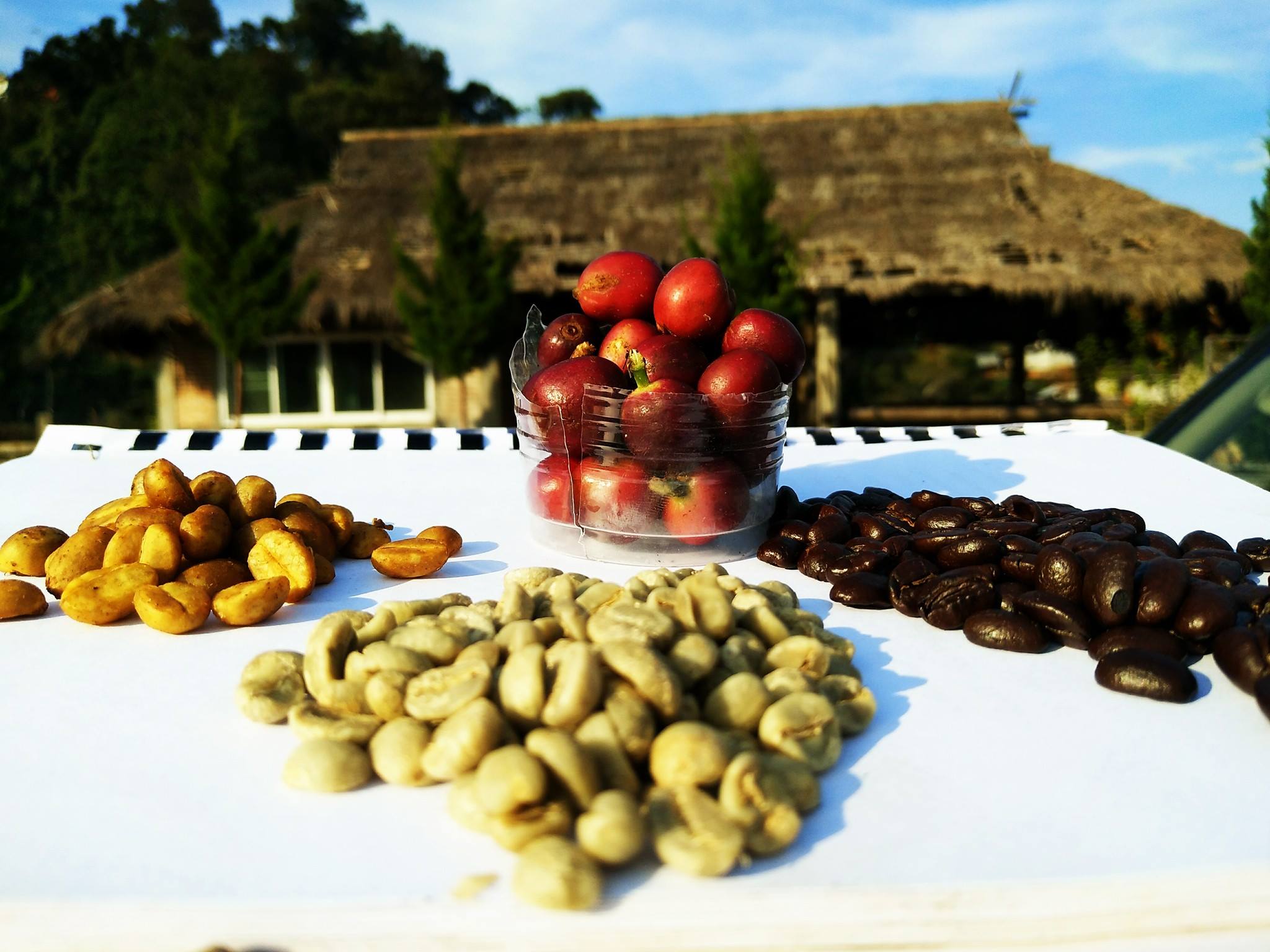
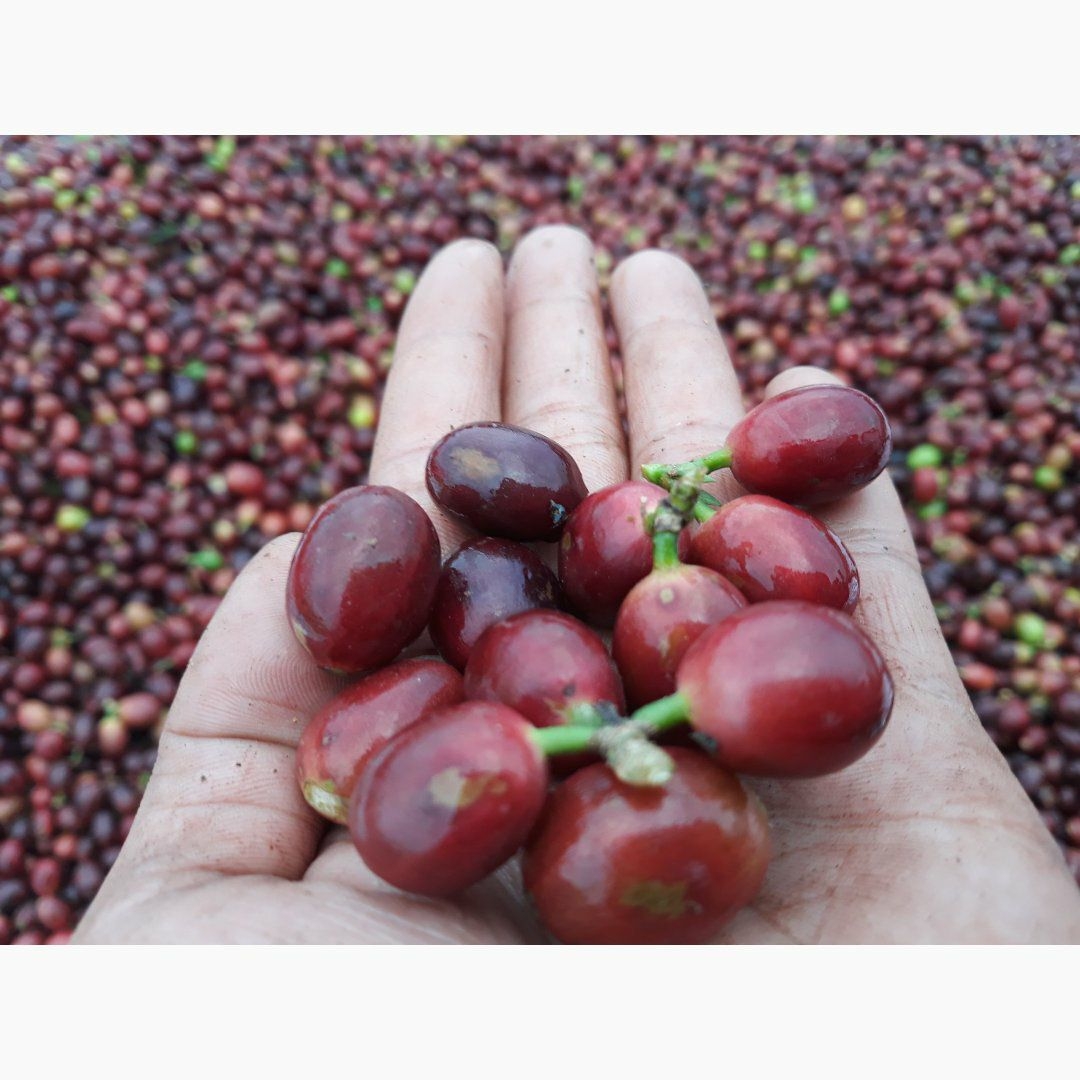
Excelsa is a variety discovered in 1904, originating from the Jari River basin in Africa. The cherries are small, and individual plants yield heavily, which makes it notably drought-resistant. The cup has an intense aroma with a slightly bitter taste, and it is cultivated only in limited quantities.
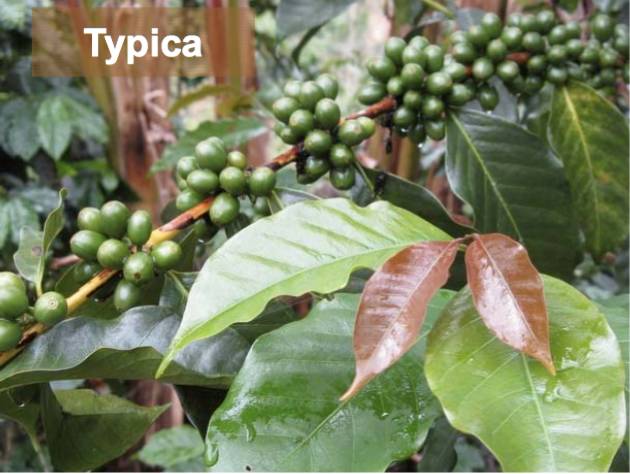
Typica
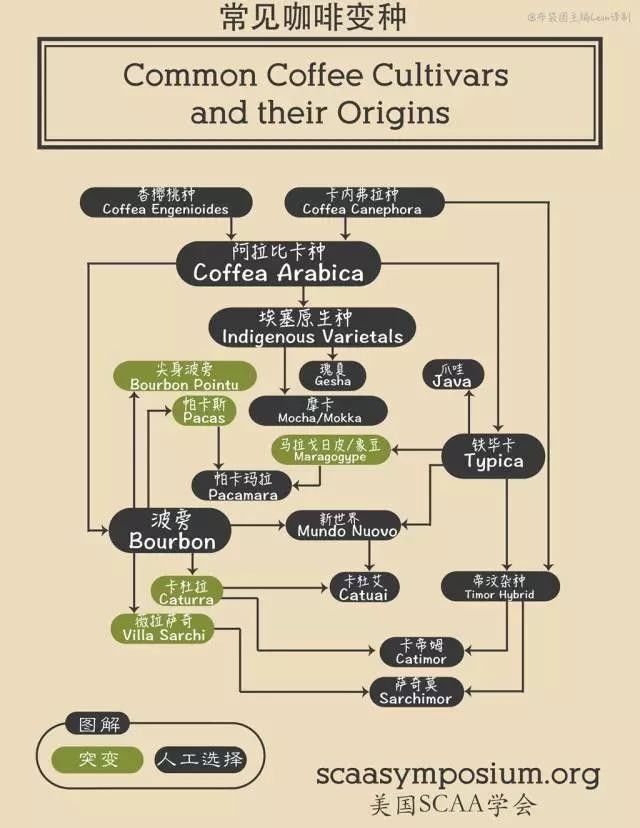
Typica is Ethiopia's oldest native variety, the ancestor from which all Arabica varieties descend. It has bronze-colored top leaves and oval or slender, pointed beans. The flavor is elegant, but the plant is weak, resists disease poorly, and yields little fruit. Excellent estate coffees such as Jamaican Blue Mountain, Sumatra Mandheling, and Hawaiian Kona all belong to the Typica variety. The bronze color of Typica's top leaves is one of its distinguishing features.
Typica green beans have slightly raised ends and an oval shape. From the side, the beans look thin and flat. Even grown at different altitudes, the variation in the thickness of the green bean's sides stays minimal.
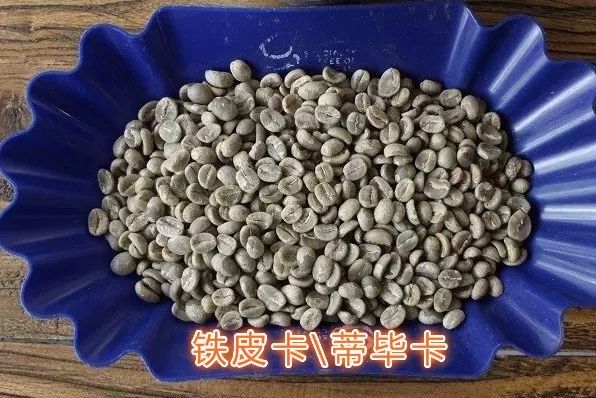
Genetic Mutants - Typica Variants

Sumatra Mandheling
Indonesia's main coffee-producing regions include Sumatra, Java, and Sulawesi, and Sumatra's "Mandheling" is the most famous of them.
Mandheling is also known as "Sumatra Coffee." Coffee from the Tawar Lake area in the north can be called Aceh coffee or Tawar Lake coffee, while coffee from the Lintong and Lake Toba regions can be called Mandheling.
Mandheling is rich and full-bodied with a vibrant, lively character. It is neither astringent nor acidic, which lets its body and bitterness come through fully. Mandheling beans may have the most unattractive appearance of any coffee, but enthusiasts say the less attractive a Sumatra bean looks, the better, richer, and smoother it tastes.
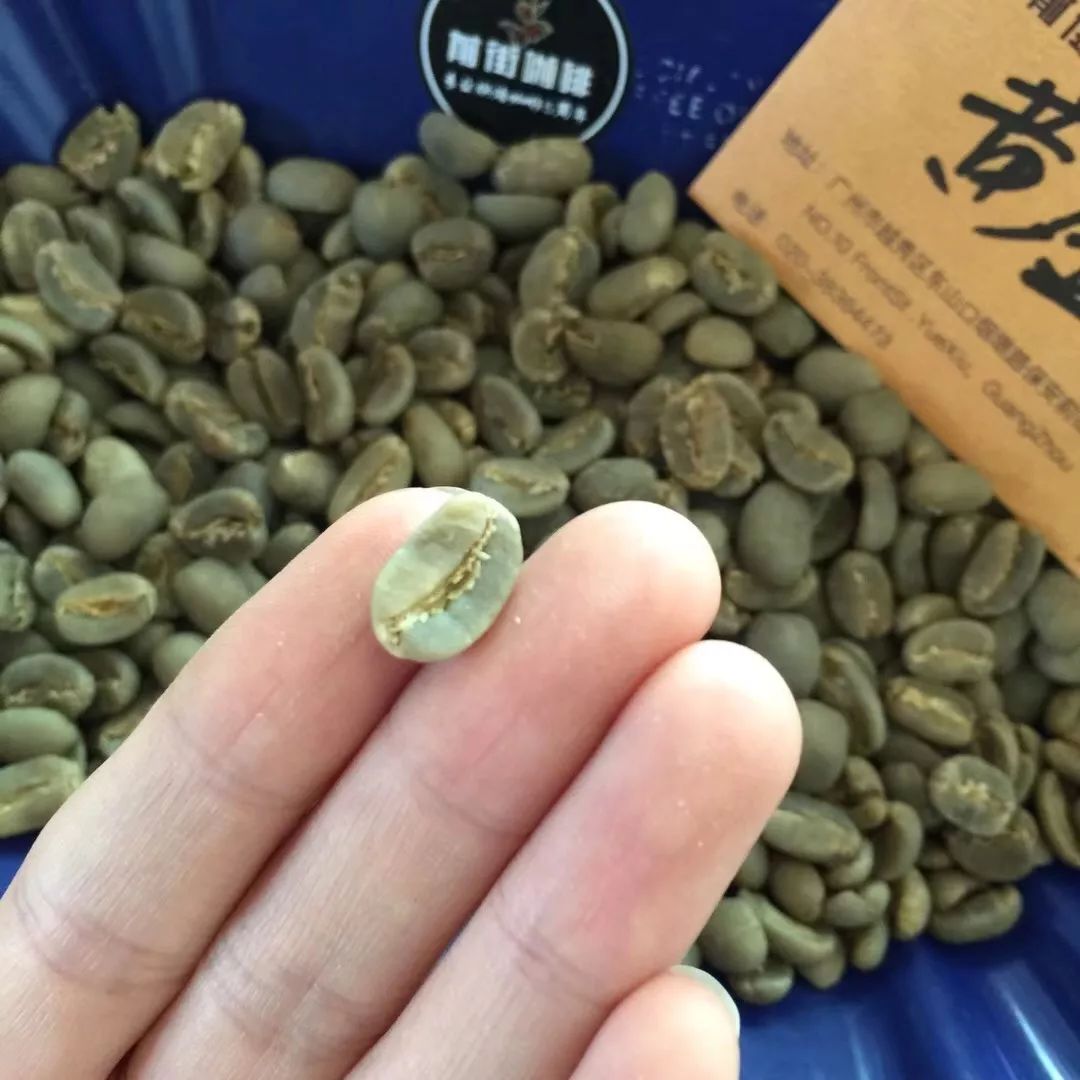
Four types of Mandheling have been collected:
- Gold Mandheling
- Sumatra Island, Mandheling Longberry, Timtim Belangele (also known as Horse Face Mandheling)
- Lintong Mandheling Grade -1
- Emerald Mandheling (from Aceh Province, Sumatra)
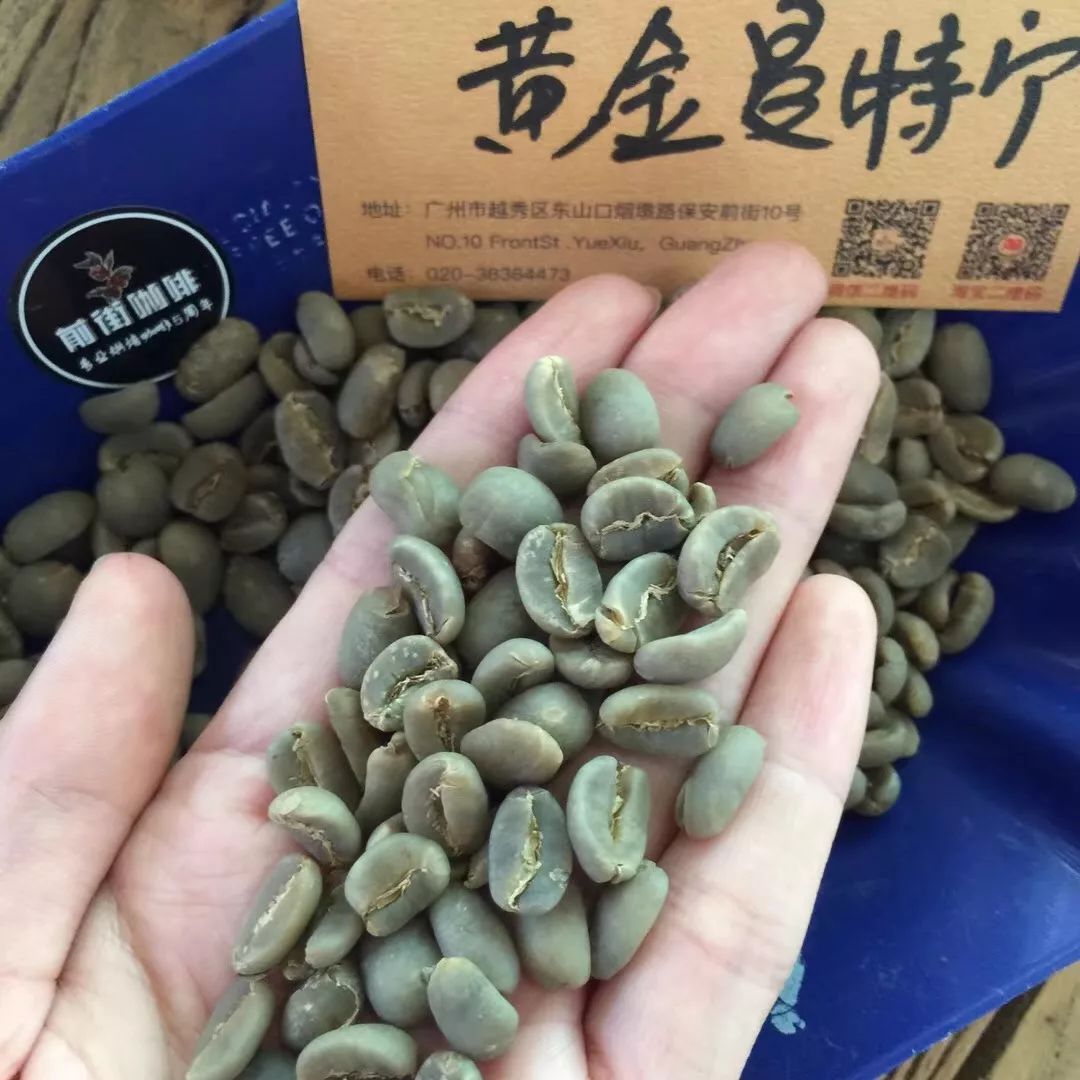
Above: Gold Mandheling green beans
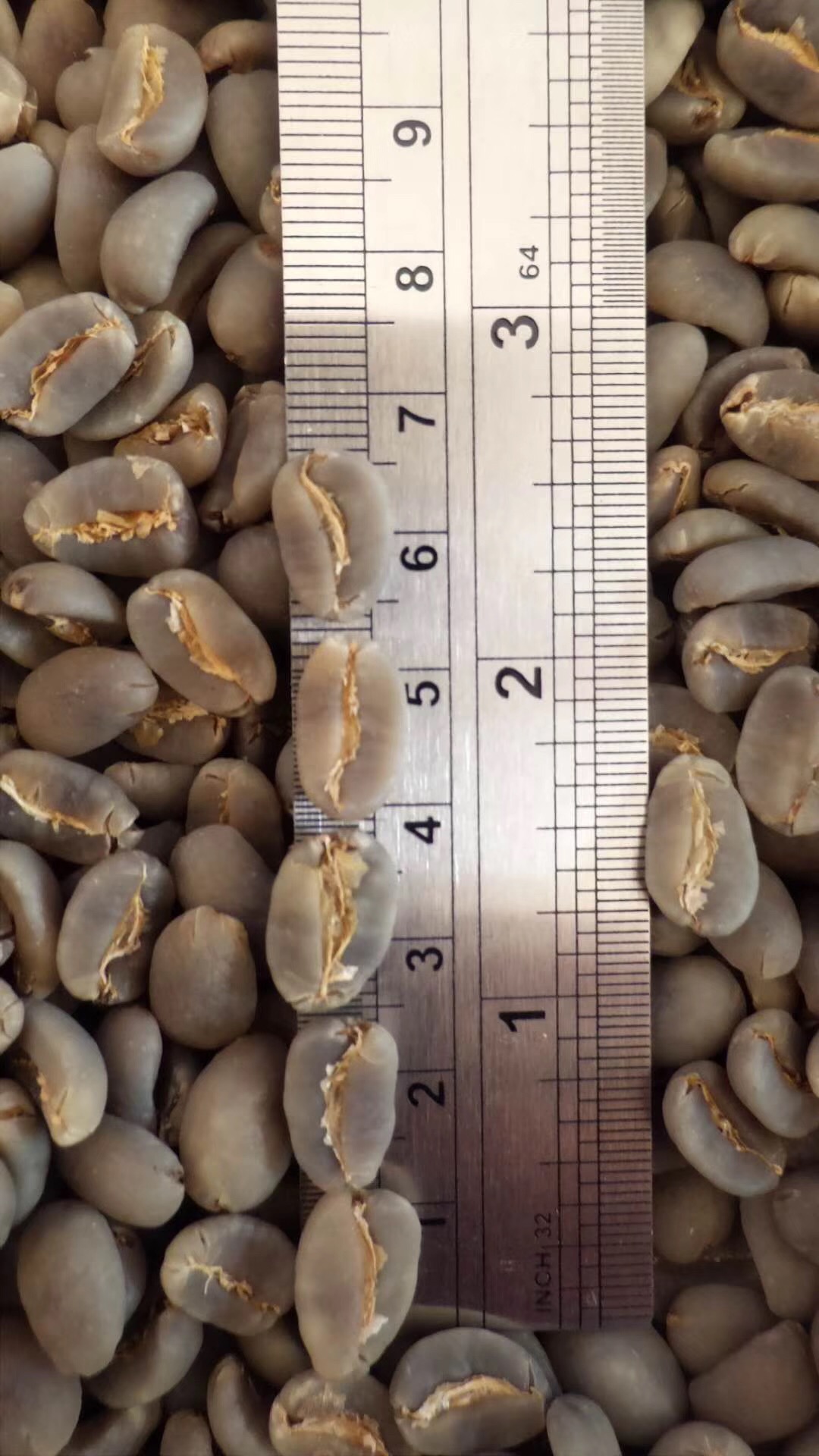
Above: Timtim Mandheling full natural processed green beans, a hybrid of Arabica and Robusta called Timor, known in Indonesia as the Timtim variety.
TimTim — This is the Timor Hybrid, meaning a hybrid of Arabica and Robusta. The familiar Catimor variety was developed by further hybridizing this one.
Tim Tim — Horse Face Mandheling Longberry
Tim Tim is a bean from Indonesia. Because of its elongated shape, many people call it horse face bean, while others call it longberry Mandheling. In reality, Tim Tim is not a pure variety but a natural hybrid of Arabica and Robusta coffee trees. It was discovered on Timor Island in the 1940s and was cultivated for its natural disease resistance. In the Americas it is called Hybrido de Timor, abbreviated Tim Tim; in Indonesia it is also known as Bor Bor.
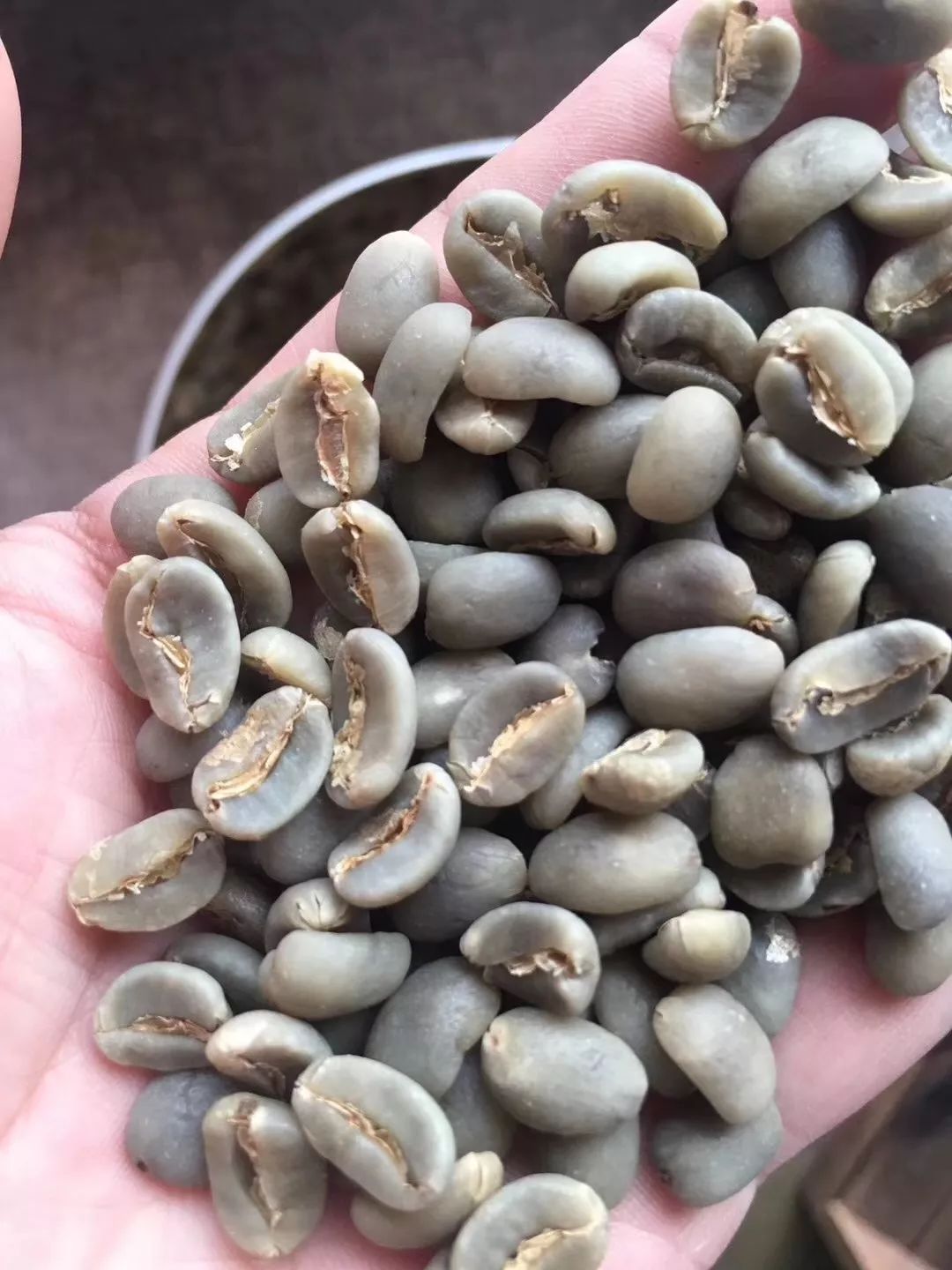
Above: Lintong Mandheling G1. Though graded Grade-1, it still cannot escape the high defect rate characteristic of Indonesian beans, with roughly 8% defective beans.
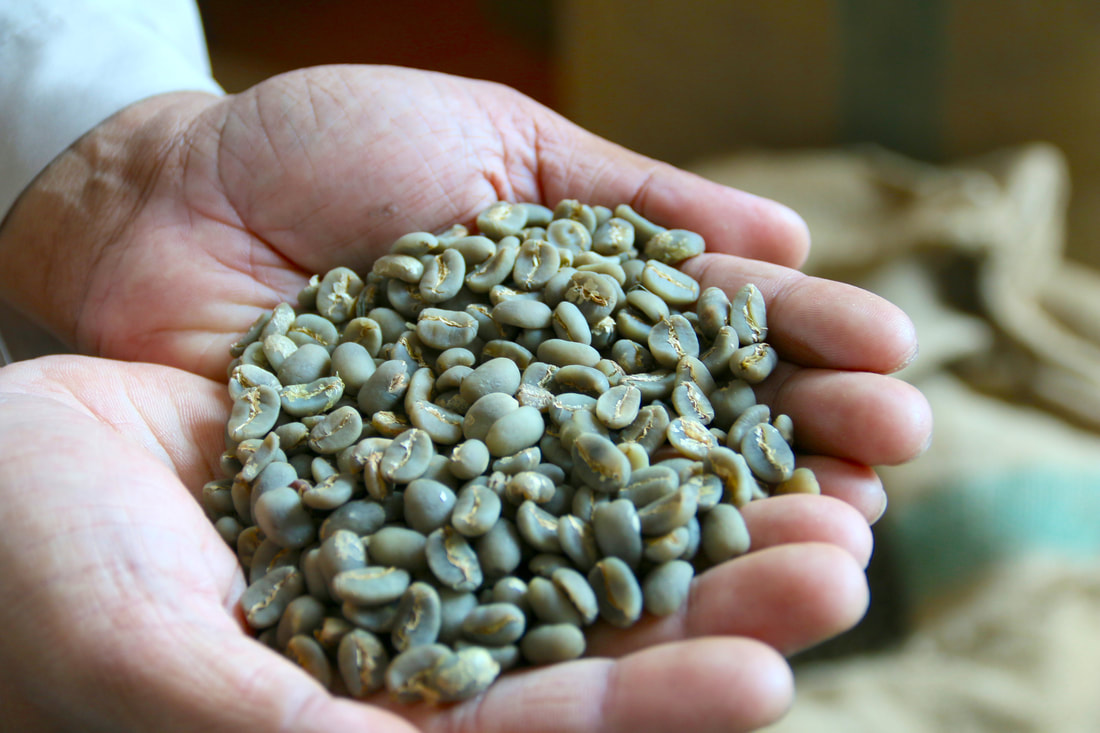
Above: Emerald Mandheling (from Aceh Province, Sumatra), 19 screen+, with green, plump, crystal-clear beans that resemble emeralds.
Blue Mountain
Blue Mountain: the world-famous, extremely hard-to-get Blue Mountain belongs to the Typica family.
Jamaican coffee history reaches back to the 18th century, when the British introduced coffee trees to Jamaica and planted them in the Blue Mountains. Today these are divided into high-altitude Jamaican Blue Mountain coffee, Jamaican High Mountain coffee, and Jamaican Prime coffee, with different grades commanding different prices.
Jamaica Blue Mountain Coffee
Blue Mountain and High Mountain coffee are each divided into four grades. From highest to lowest quality: NO.1, NO.2, NO.3, and PB (Peaberry). Under CIB standards, only coffee grown above 666 meters may be called Jamaican Blue Mountain Coffee.
Jamaica High Mountain Supreme Coffee Beans
Coffee grown below 666 meters in the Jamaican Blue Mountain region is called High Mountain coffee. Second only to Blue Mountain in quality, it is known in the trade as Blue Mountain's brother variety. Because Jamaican Blue Mountain production is extremely limited, High Mountain is your best choice if you want that Jamaican flavor.
Jamaica Prime Coffee Beans
Coffee grown outside the Blue Mountain range is called Jamaican Prime Coffee. In the past, coffee professionals in China generally held the misconception that only coffee grown above 1,800 meters in the Blue Mountain region could be called Blue Mountain coffee. In fact, only one estate sits on the peaks above 1,800 meters in the range: Amber. It is owned by a descendant of Chinese immigrants with the surname Lyn (Lin), whose ancestors came from Guangdong, China. The estate holds only 30 hectares and produces very little. Blue Mountain coffee is mainly distributed across five mountain regions: John Crow, St. John's Peak, Mossman's Peak, High Peak, and Blue Mountain Peak.
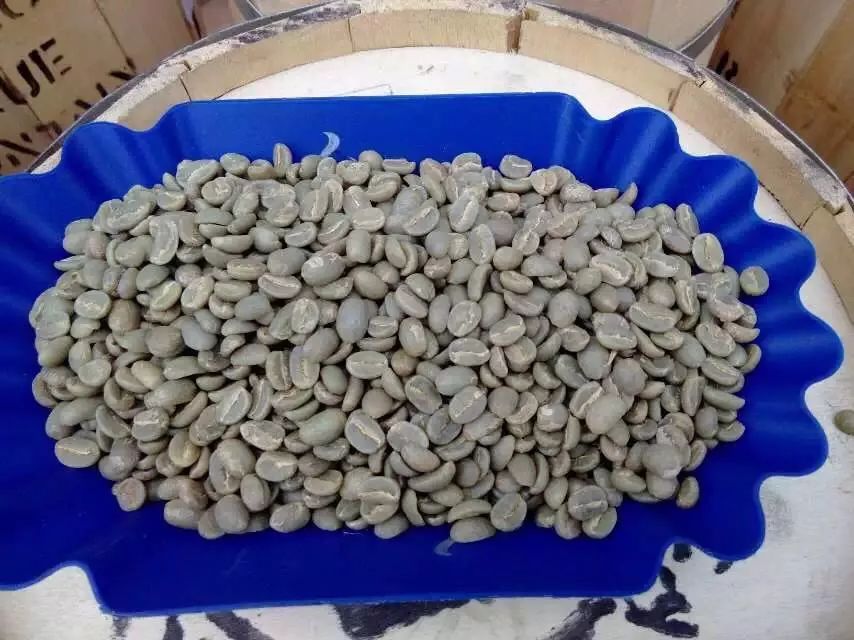
Hawaiian Kona
Kona: Although grown at altitudes of only a few hundred meters, Kona from the Big Island of Hawaii benefits from gentle sea breezes and fertile volcanic soil, which give it an exceptionally clean acidic aroma and sweetness. It rivals, and sometimes surpasses, higher-altitude Blue Mountain coffee.
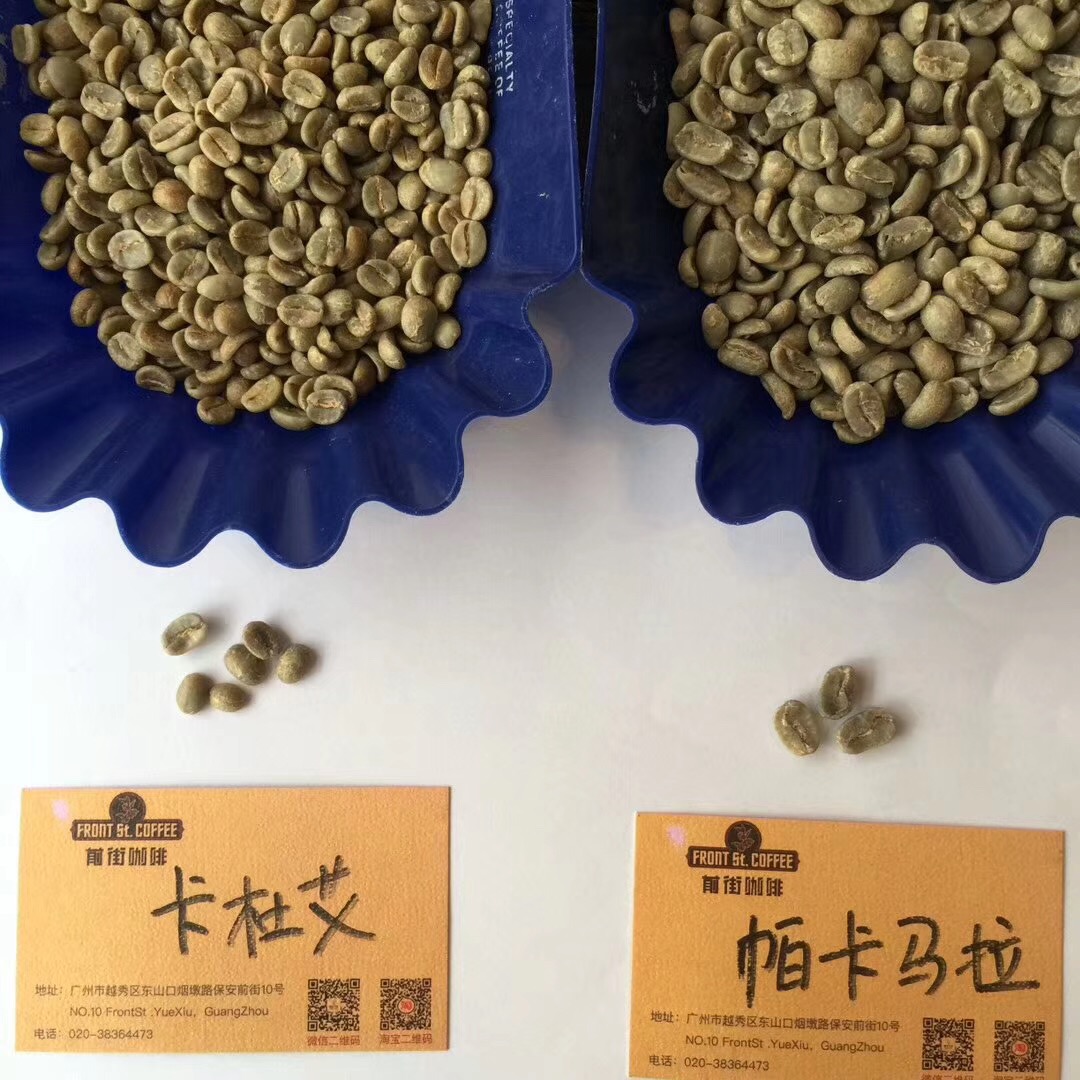
Maragogype
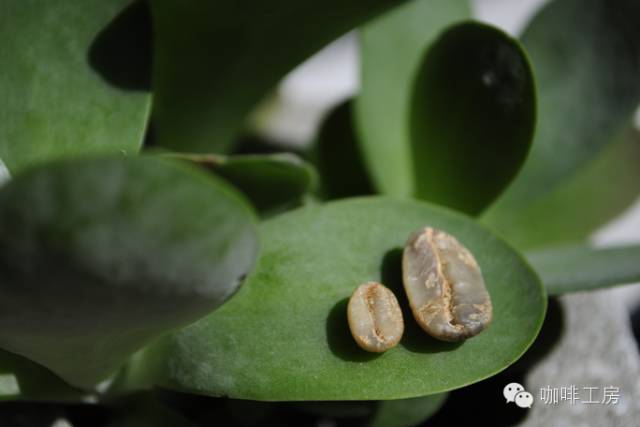
Maragogype: a mutant of Typica, with very large, long, slightly twisted fruits. The plant has long internodes and large leaves, and yields relatively low.
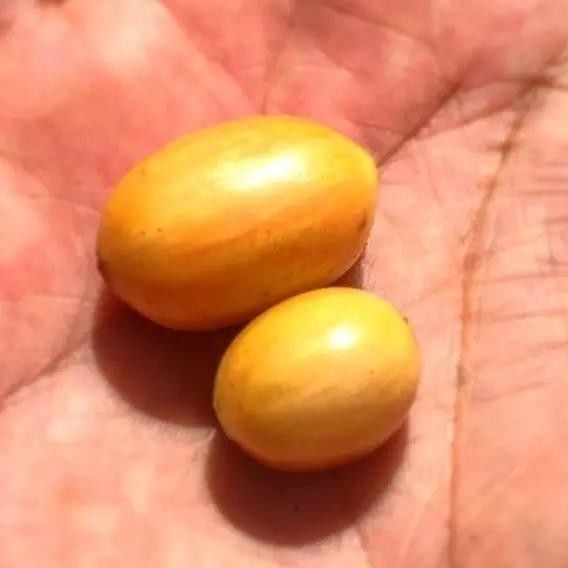
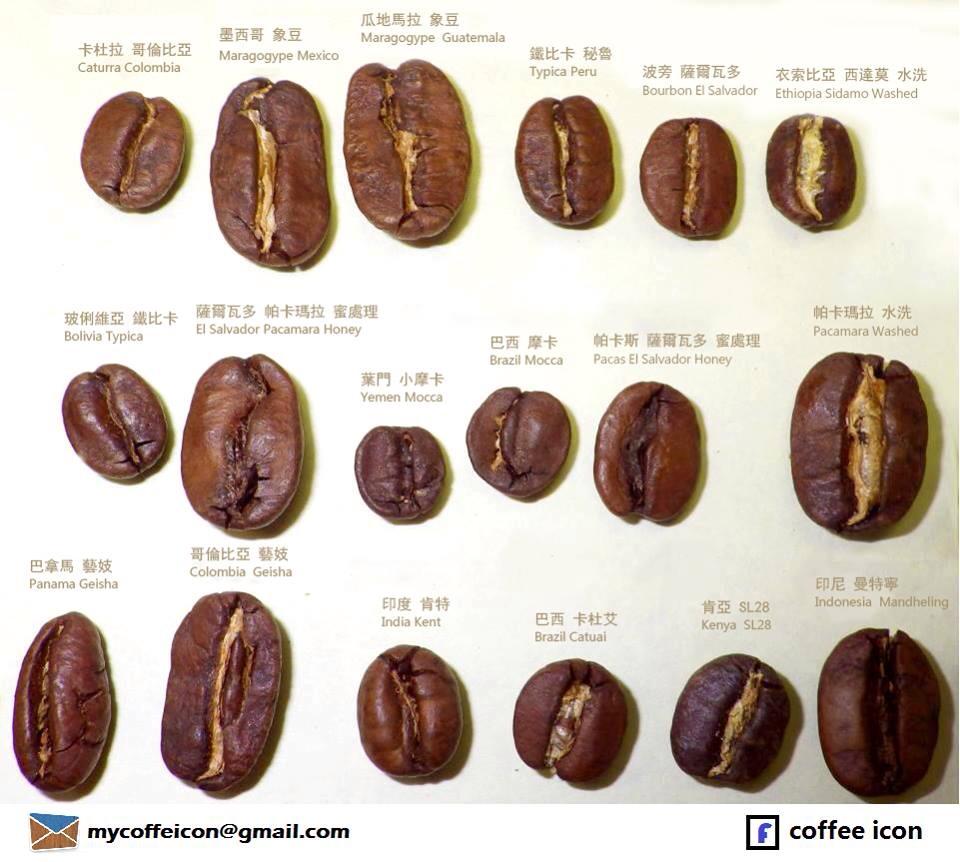
It was first discovered in 1870 in the Maragogype district of Bahia state, northeastern Brazil. The beans are at least three times larger than regular Arabica beans, hence the name. Maragogype tastes poor at low altitudes but better at high altitudes, with mild acidity and a pleasant sweet aroma. (The left side of the image shows Maragogype.)
The right side of the image shows Maragogype.
Pacamara
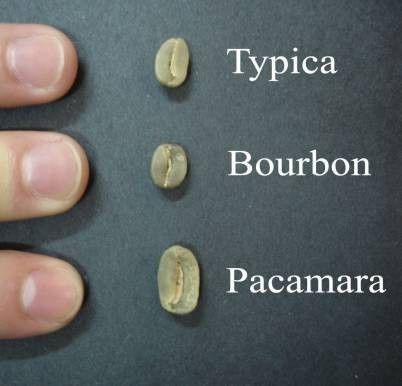
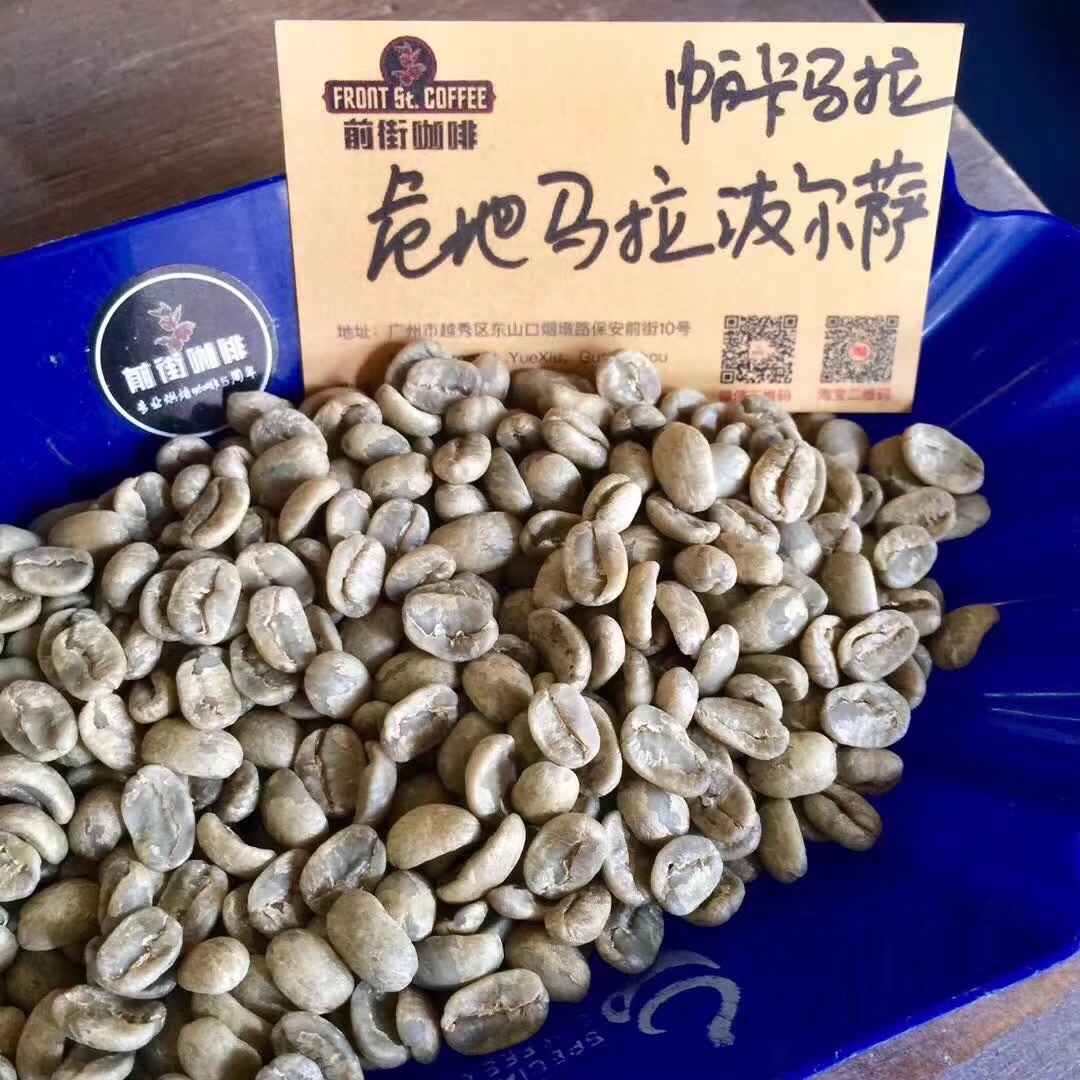
Pacamara: a hybrid of Pacas and Maragogype whose beans are second only to Maragogype in size. It is an excellent variety developed in El Salvador in the 1950s, and it has posted impressive cupping results in recent years.
Kent
Kent: a Typica hybrid discovered in India with high yield and strong disease resistance, but it has never scored well in the cup.
Bourbon
Bourbon: a variant of Typica that appeared after the plant was carried to Yemen early in coffee's history, its bean shape shifting from slender to round. In 1715 the French transplanted round Yemen Mocha beans to Bourbon Island off the east coast of Africa (renamed Reunion Island after the French Revolution), which is how the name arose. Bourbon's round beans then reached Brazil and Central and South America in 1727. In 1732 the British transplanted Yemen Mocha to St. Helena Island, where Napoleon was later imprisoned, and those too were round Bourbon beans. Bourbon is the consistent winner in American specialty coffee cupping competitions.
Bourbon is a sub-variety produced by Typica mutation, and it belongs with Typica to the oldest existing coffee varieties. Its cherries ripen to bright red.
Genetic Mutants - Bourbon Variants

Red Bourbon
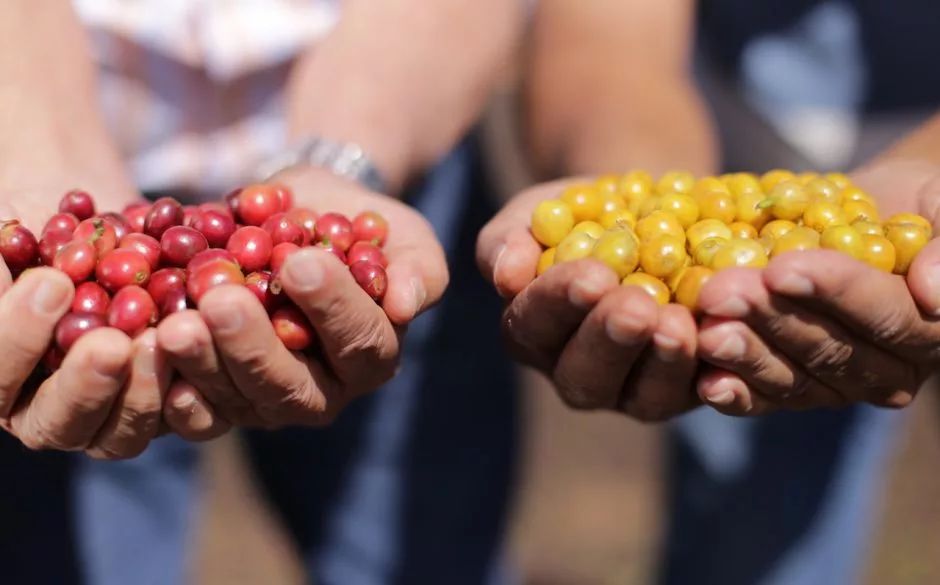
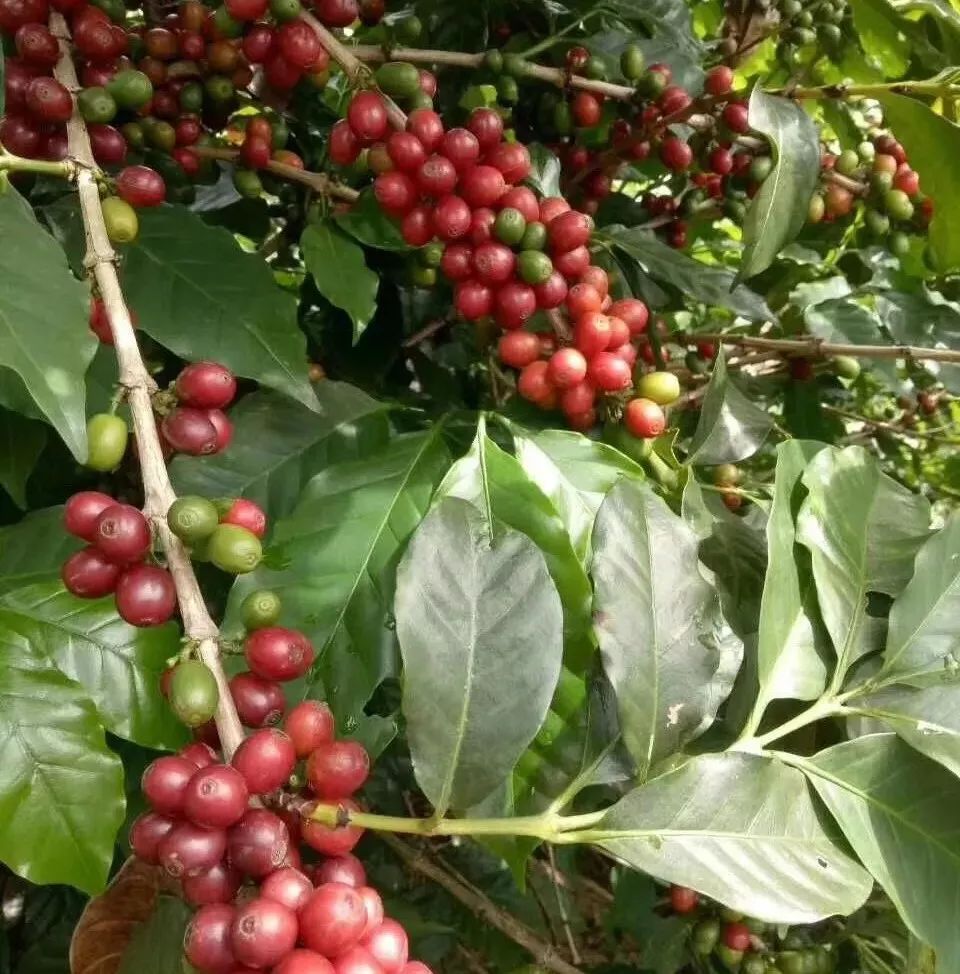
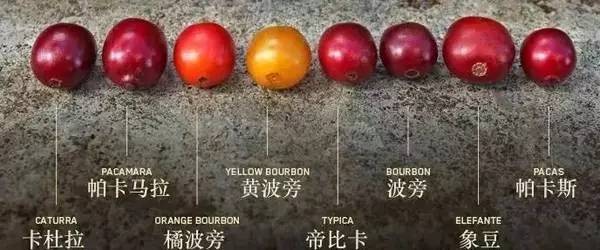
After a coffee tree flowers and sets fruit, the cherry color typically shifts from green to slightly yellow to slightly orange to mature red to deeper red at full ripeness. That is why some people call it "Red Bourbon." In fact, Red Bourbon is what we generally mean by Bourbon. Grown at high altitude, Bourbon usually has a better aroma, brighter acidity, and sometimes even wine-like flavors.
Put simply, Bourbon is an Arabica coffee tree that typically bears red fruit, called Red Bourbon. There are also Yellow Bourbon and Orange Bourbon. Yellow Bourbon yields relatively less but offers better quality.
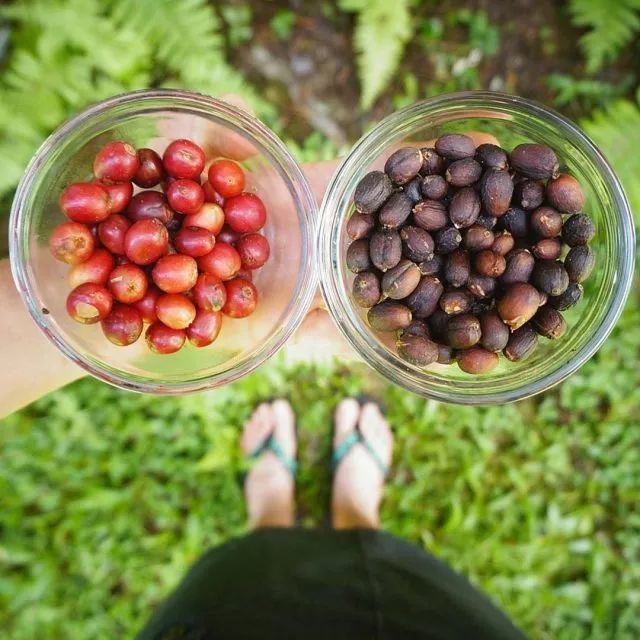
Yellow Bourbon
Yellow Bourbon is a hybrid of Bourbon with other varieties. Because of its lower yield and weaker resistance to wind and rain, it has not been widely cultivated; grown at high altitude, however, it shows excellent flavor and has become more common in recent years. Yellow Bourbon, with yellow fruit at ripeness, was first discovered in Brazil and is now grown mainly there. It is generally believed to be a mutation resulting from a cross between red-fruited Bourbon and a Typica variant called "Amerelo de Botocatu" that bears yellow fruit.
Flavor characteristics: sweet and smooth fruit sweetness, distinct nutty flavors, balanced and gentle acidity, clean and mild bitterness, with rich chocolate aroma and nuttiness and a bright, refreshing mouthfeel.
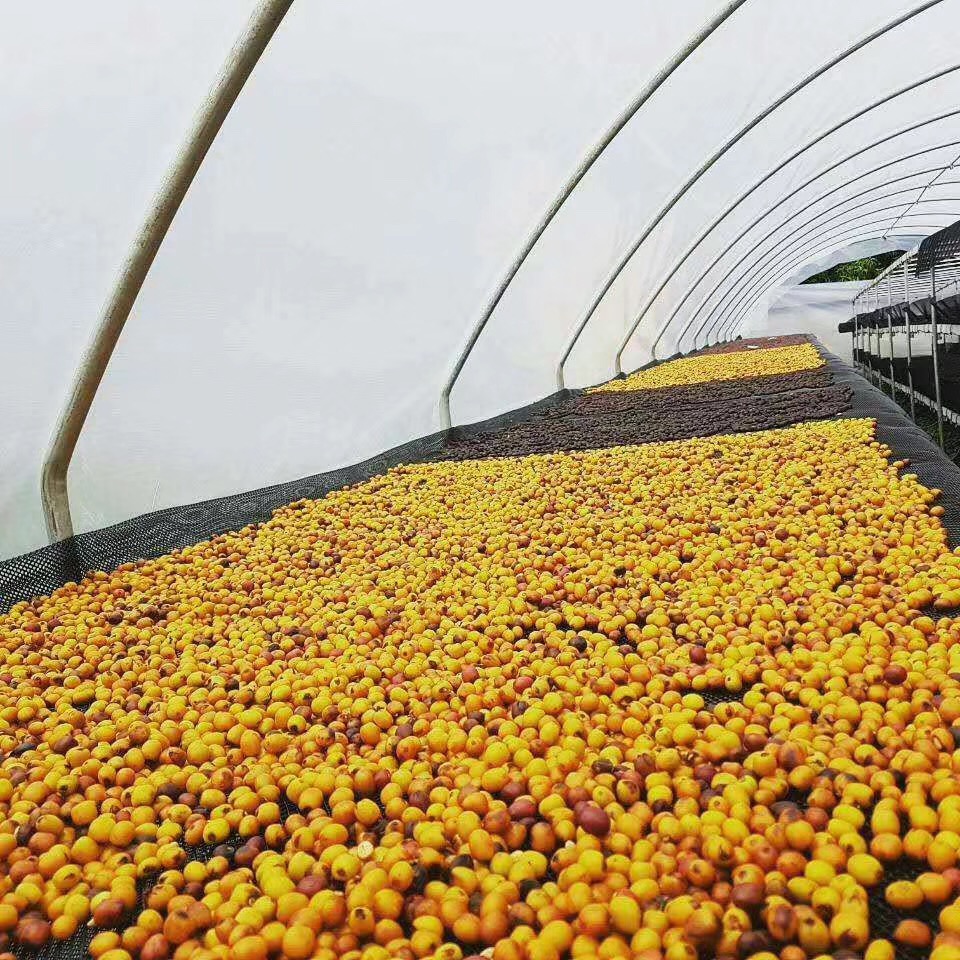
Pink Bourbon
Pink Bourbon, as the name suggests, produces romantic pink cherries when ripe. It is an extremely rare new variety developed by hybridizing Red Bourbon and Yellow Bourbon. It is considered rare mainly because holding that beautiful pink color is extremely difficult. Sometimes orange Bourbon cherries are harvested instead, because the final cherry color is determined by recessive genes in the pollen grains. Among the pollen selected for hybridization there are both yellow genes leaning toward Yellow Bourbon and red genes leaning toward Red Bourbon—all recessive, and all too easily interfering with one another.
Pink Bourbon is currently found in Colombia and Guatemala. Taking this batch as an example, there are roughly 1,800 coffee trees, each producing about 1.8kg of fresh cherries per harvest season. After processing to remove pulp and skin, about 0.36kg of coffee beans is obtained. In a normal harvest season, total production of this coffee is less than 650kg.
Flavor characteristics: sweet orange, sugarcane sweetness, a pleasant fruit-juice sensation, cherry tomato.
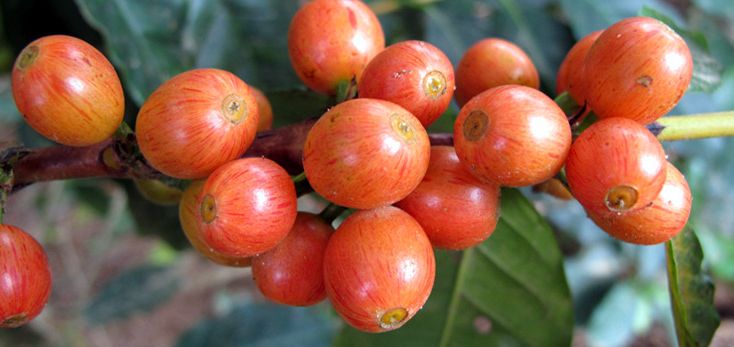
Bourbon Pointu (Laurina)
Bourbon Pointu: discovered in 1810 on Bourbon Island, its bean shape changed from round to pointed, with a caffeine content only half that of regular coffee. It yields little and is weak, making it extremely precious (mostly cultivated in laboratories).
Bourbon Pointu has two other names, Laurina and Leroy, but neither is as well known as Bourbon Pointu. It is called Pointu Bourbon because the beans are slender with pointed ends, while the original Bourbon (sometimes called Round Bourbon) has shorter beans with a somewhat oval outline.
Because of its good flavor and low caffeine content, which has less effect on sleep, Pointu Bourbon was favored as early as the 18th century. Many celebrities, such as King Louis XV of France and the novelist Balzac, were fans. Across the two hundred years from the 18th to the 19th century it was widely cultivated on Bourbon Island, peaking at 4,000 metric tons annually in 1800. A series of disasters followed, including hurricanes, fire ants, and leaf rust disease, and cultivation gradually declined. Finally, in 1942, the last batch shipped back to France was a pitiful 200 kilograms. After that, Pointu Bourbon disappeared without a trace, not even mentioned in official documents. After the 1950s no one grew coffee on Réunion Island, and the island's agriculture shifted entirely to other crops such as sugarcane. Coffee and Réunion Island were no longer linked, and the industry recognized Pointu Bourbon as "extinct."
Given that the variety vanished for half a century before reappearing 8 years ago, Bourbon Pointu from its birthplace, La Reunion Island, sells for over 500 yuan per 100 grams on the international market. Colombia later began growing it too, and only Camilo Merizalde, the bean source for multiple WBC champions, dared to take on transplanting the variety. With global annual production of only a few tons, the bean commands a high price.
Archived flavor description: bright acidity, blueberry and vanilla notes, velvety smoothness.
SL28, SL34
Kenya's "SL28" and "SL34": Bourbon descendants selected and cultivated in Kenya by French and British missionaries and researchers in the early 20th century. Over the past century they have adapted to Kenya's high-phosphate soil and nurtured the country's characteristic acidic aroma. The best Kenyan coffees all come from these two varieties, yet transplanted elsewhere they lose their distinctive character.
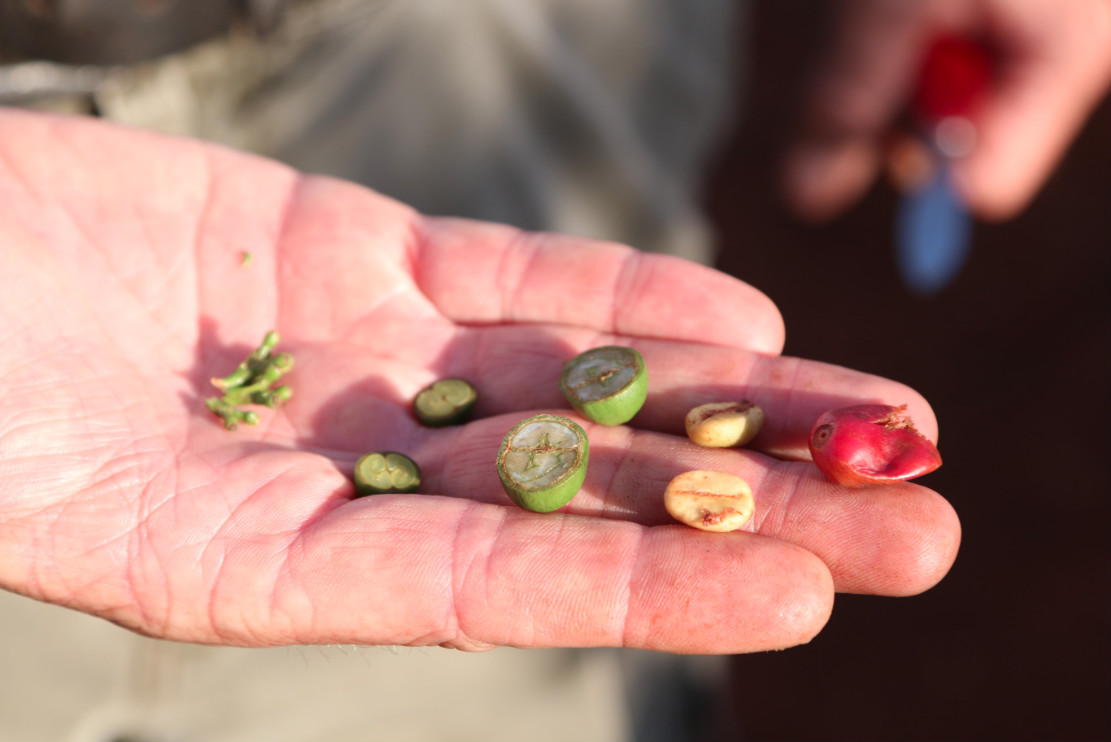
Kenyan coffee is graded into seven levels by bean size and six levels by flavor quality, from top to bottom. Kenya's best grade is Peaberry (PB), followed by AA++, AA+, AA, AB, and so on. Premium coffee has a bright luster, delicious taste, and a slight wine aroma, and in flavor terms "Kenya AA" is particularly well regarded.
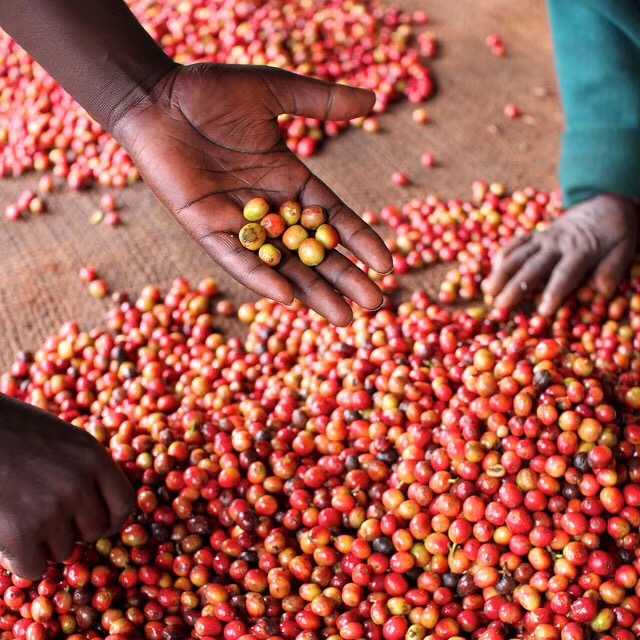
Grading based on bean size:
Kenya's best coffee grade is Peaberry (PB), followed by AA, AB, and so on.
PB (Peaberry): a grading for small round beans, referring to coffee cherries that grow only one bean instead of the usual two.
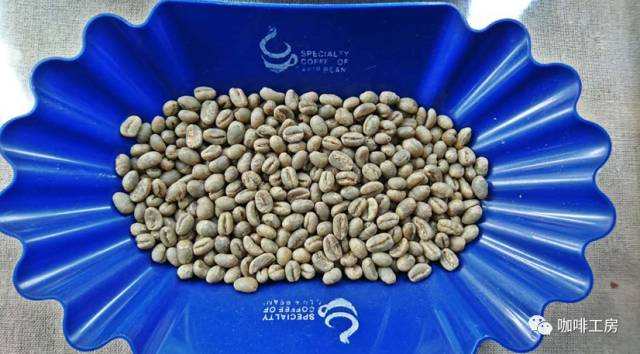
AA: a more common grade, with larger beans above 18 screen, or 7.22 millimeters. These beans typically command the highest prices.
AB: this grade combines A (16 screen, or 6.80 millimeters) and B (15 screen, or 6.20 millimeters), and it accounts for about 30% of Kenya's annual coffee production.

Caturra
Caturra: a single-gene mutation of Bourbon discovered in Brazil in the 1950s. It yields better and resists disease better than Bourbon, and its shorter plants make harvesting easier. Unfortunately it shares Bourbon's habit of bearing heavily one year and resting the next. Its flavor is comparable to or slightly worse than Bourbon.
It is more adaptable, though, and can be grown at high density without shade trees, thriving even in direct, intense sunlight—which earned it the name "Sun Coffee."
Caturra suits altitudes from a low of 700 meters up to 1,700 meters, but the higher it grows the better it tastes, even as bean production drops. Yellow Caturra variants exist in Central and South America, but their reputation does not match Yellow Bourbon's.
Catuai
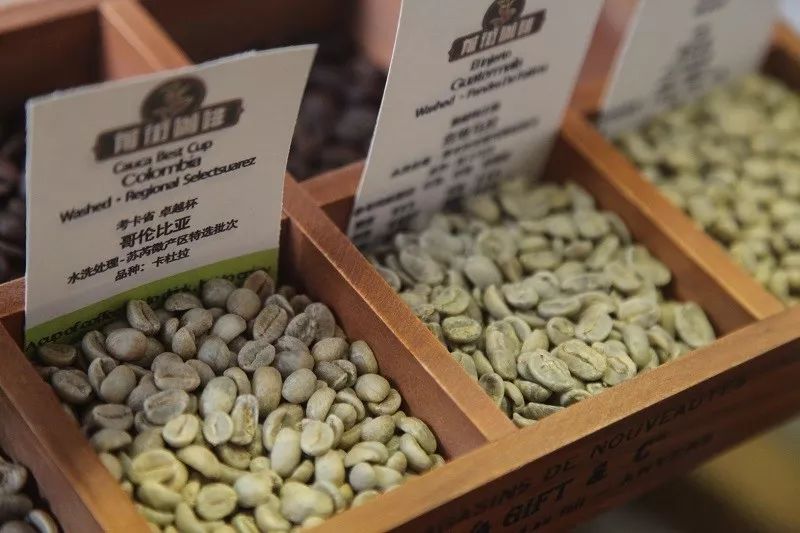
Catuai: a hybrid of Mundo Novo and Caturra, effectively a second-generation cross. It keeps Caturra's advantage of short plant height while compensating for the Arabica weakness of fruit that is easily damaged by wind. The cherries are solid and do not fall easily in strong wind. Its biggest regret is an overall flavor somewhat more monotonous than Caturra's.
Catuai also comes in red and yellow fruit varieties, with red more likely to win awards than yellow. Catuai, Caturra, Mundo Novo, and Bourbon are the four dominant coffee varieties in Brazil.
Pacas
Pacas: a Bourbon variant discovered in El Salvador. In 1935 the Salvadoran coffee farmer "Don Alberto Pacas" selected high-yield San Raymond Bourbon plants for his farm. In 1956 his trees produced more fruit than other trees of the same variety, and University of Florida professor "Dr. William Cogwill" determined that it was a genetic mutation of Bourbon and named it "Pacas."
Pacas yields well and cups well, making it popular in Central America. Currently 68% of El Salvador's coffee belongs to Bourbon varieties, with Pacas accounting for 29%. It is similar to Brazil's Caturra and Costa Rica's Villa Sarchi. Today Pacas makes up about 25% of El Salvador's coffee production. With high yield it has always been favored, and it produces coffee with high sweetness, similar to Bourbon but with brighter acidity.
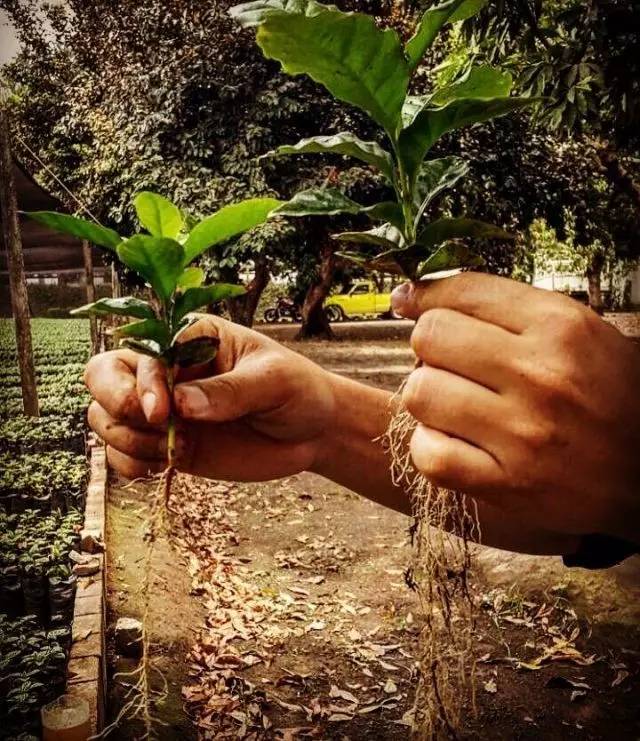
Pacas seedlings
Villa Sarchi
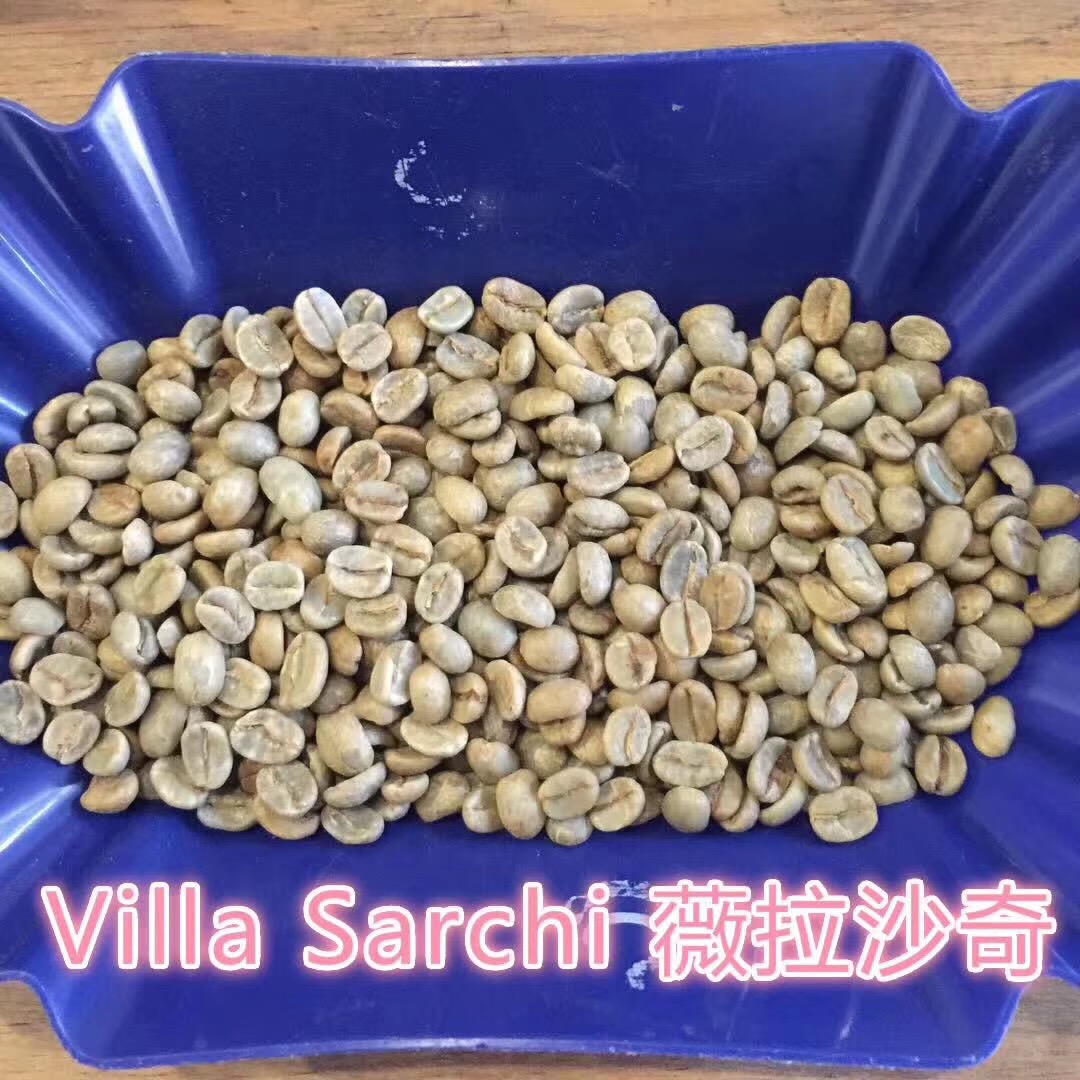
Villa Sarchi: a Bourbon variant first discovered in Costa Rica in the 1960s. It has frequently appeared on cupping excellence lists in recent years, making it a dark horse with promising prospects. This precious variety was developed by hybridizing Red Bourbon trees. It resists strong wind, prefers high altitudes, and possesses excellent acidity with various complex fruit notes. It offers high sweetness, bright and delicate citrus acidity, and deeper raisin and nut aromas, with high complexity and excellent balance.
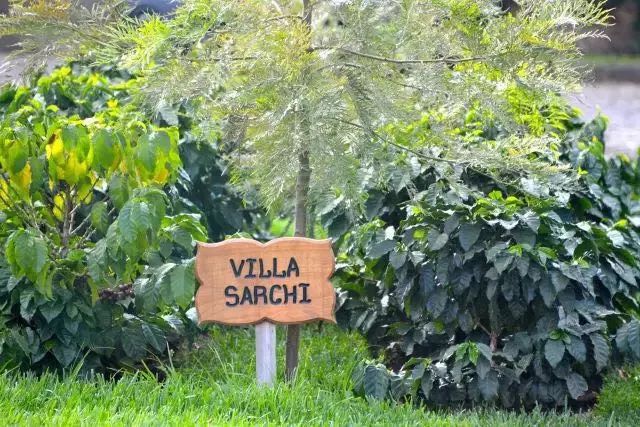
It is also a dwarf Bourbon variety discovered in Sarchi village in the valleys of western Costa Rica. It suits high-altitude organic cultivation, with lively fruit acidity and distinct caramel flavors.
Hybrid Variants
Mundo Novo
Mundo Novo: a natural hybrid of Bourbon and Sumatra Typica, first discovered in Brazil. High-yielding and disease-resistant, it was widely planted in Brazil in the 1950s and hailed as the new hope of the Brazilian coffee industry; however, its trees are tall, which makes harvesting difficult.
Nicaragua Java
Nicaragua Java variety: today's Java variety is also a rare long-bean type. It was first successfully cultivated in Nicaragua by Lemon Tree Estate. The Java variety comes from the Typica lineage. Java's Typica once suffered a severe leaf rust outbreak that nearly wiped it out. Lemon Tree Estate obtained a bag of seeds by chance, and after planting and raising seedlings, took the young plants to experts for identification—only to discover it was the Java variety. In 2007 Lemon Tree entered the variety in the COE for the first time and surprisingly took second place that year, with a bidding price that surpassed the champion's.
In Indonesia, the main coffee variety in the West Java producing region is S795 (also known as Jember). It was spread to the island by the Jember Coffee Research Center, so locals use that name. It is a hybrid of the Typica mutant Kent and S-288, with strong resistance to leaf rust disease and prominent sweetness.
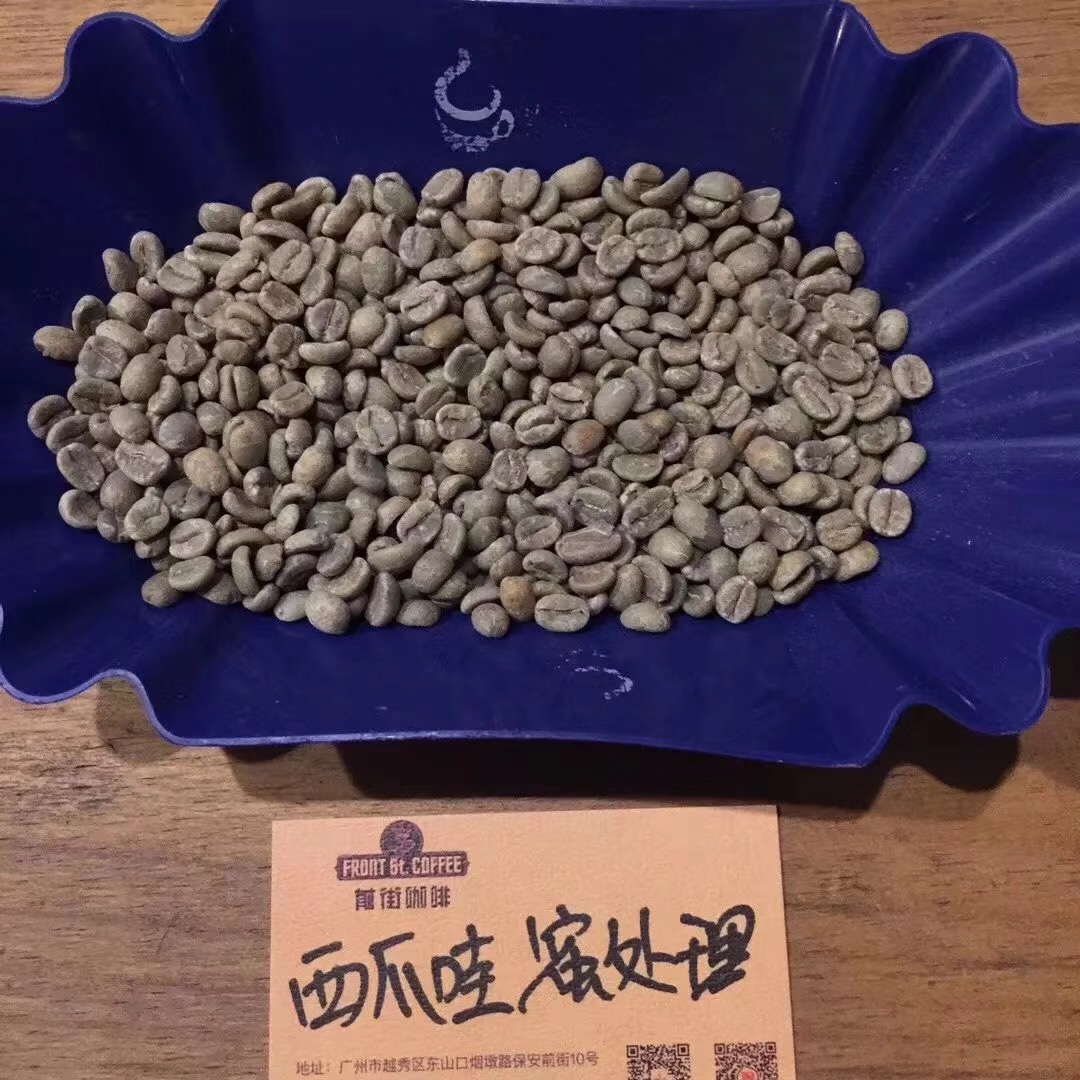
Maracaturra
A hybrid of Maragogype and Caturra cultivated in Guatemala (Maragogype × Caturra). After winning the championship at Nicaragua's 2009 COE, it gained wider recognition. It combines Maragogype's rich fruit flavors with Caturra's elegant acidity, featuring high body, full floral aroma, and high sweetness.
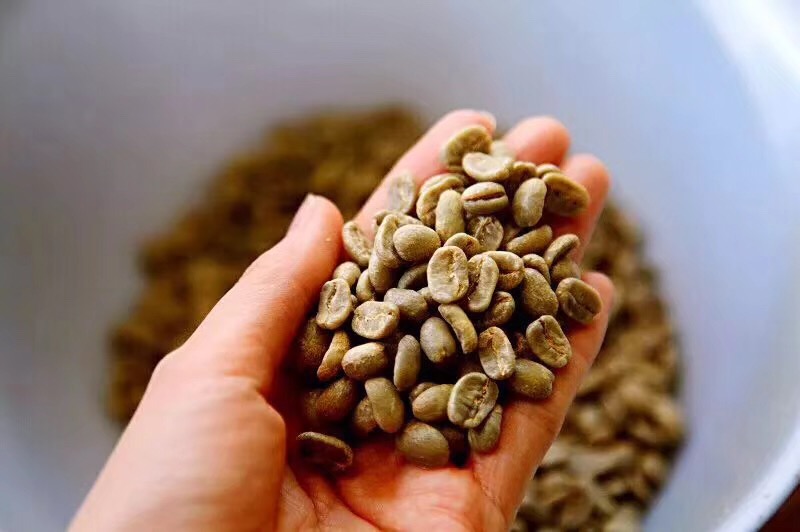
Arabica Varieties
Geisha
Geisha: a derivative variety of the Typica family, exported from Geisha Mountain in southern Ethiopia in 1931 (Geisha is pronounced the same as the Japanese word for geisha). It stayed obscure in many countries until it was transplanted to Panama in the 1960s, after which it began winning cupping competitions frequently from 2005 onward.
Geisha is also spelled geisha.
Geisha is pronounced the same as the Japanese word for geisha, hence it is also called Geisha coffee. Because the tree is taller than typical coffee trees, it was originally planted in a small area within the estate and used as a windbreak.
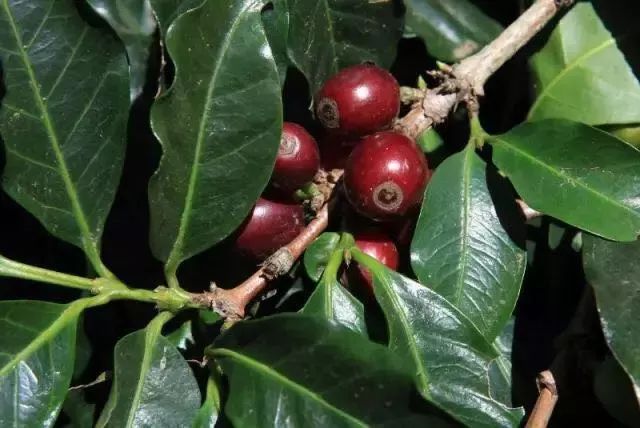
Geisha is a variety.
The Geisha variety was first discovered in 1931 in the Geisha forest of Ethiopia and later sent to Kenya's Coffee Research Institute. It was introduced to Uganda and Tanzania in 1936, and Costa Rica introduced it in 1953.
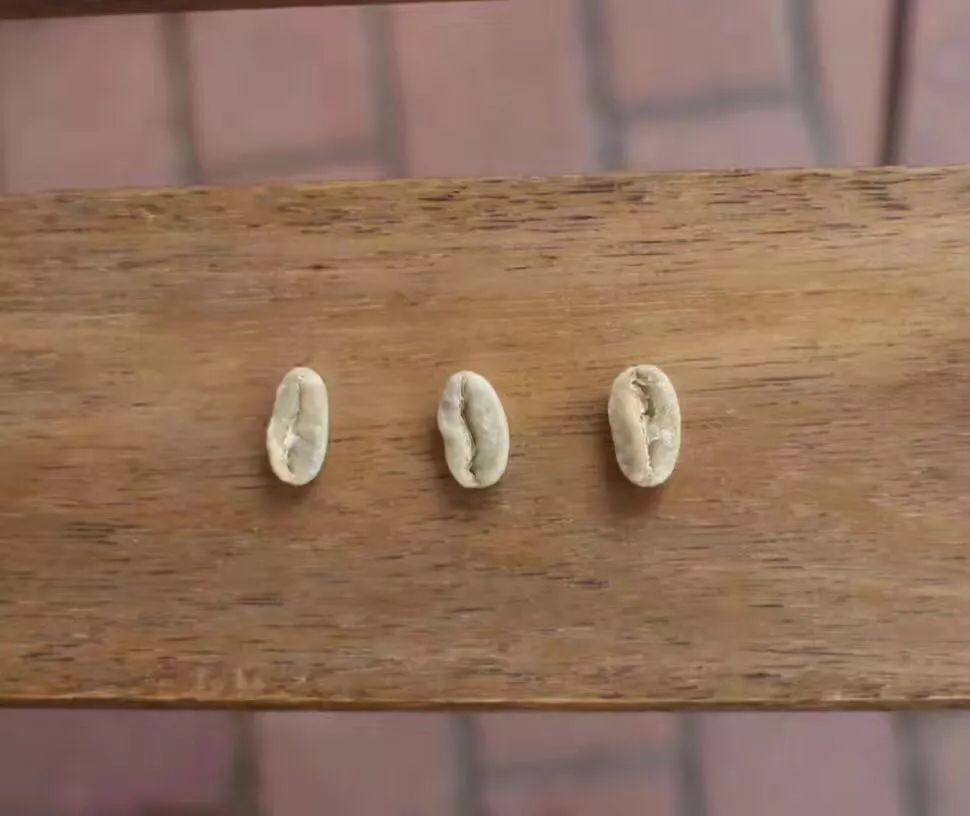
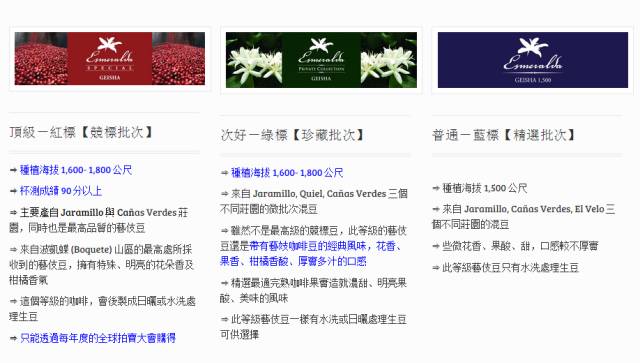
Red Label, Green Label, Blue Label
Only Hacienda La Esmeralda's Geisha carries the distinction of Red Label, Green Label, and Blue Label:
- Red Label (Special-Geisha): a collection of Hacienda La Esmeralda's top batches, all grown above 1,600 meters (even above 1,900 meters), with cupping scores of 90 points or above;
- Green Label (Private Collection-Geisha): Geisha from different plots within Hacienda La Esmeralda's estates, grown at altitudes of 1,600-1,800 meters;
- Blue Label (Geisha 1500): Geisha from Hacienda La Esmeralda's estates, grown above 1,500 meters.
Geisha's unique floral and fruit aroma.
Among many coffees, floral aroma and intense tropical fruit sweetness are consistent characteristics of Geisha.
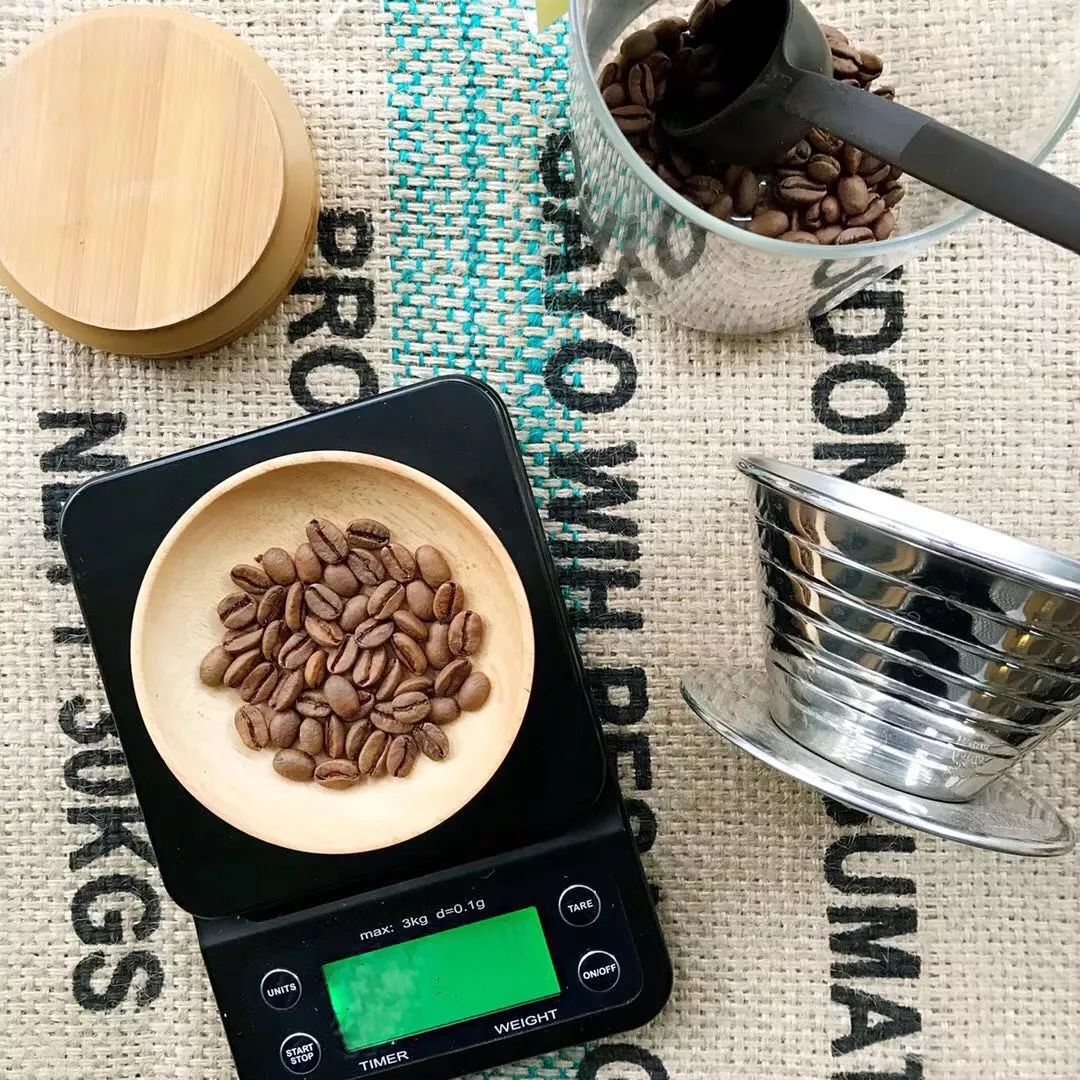
Arabica and Robusta Hybrids (Interspecific Hybrid)
Timor
Timor: a natural hybrid variety discovered in Timor-Leste, an island nation at the eastern end of the Nusa Tenggara archipelago. It has 44 chromosomes, closer to Arabica, but its flavor is unremarkable. Timor has low acidity and lacks distinctive characteristics, and it is often used to cut costs in blends. East Timor also produces washed, high-altitude pure Typica beans, however. Before buying, it is essential to clarify whether you are getting the hybrid or the pure washed Typica, because the quality gap is significant—the former is unremarkable, the latter stunning.
Catimor
Catimor: in 1959 the Portuguese hybridized Brazilian Caturra with Timor to create the second-generation Catimor, which has extremely strong disease resistance and yield capacity. Its flavor is inferior, however, making it an important commercial variety today. To improve Catimor's poor cupping reputation, botanists from various countries have recently begun backcrossing Arabica with Catimor repeatedly to reduce the Robusta lineage.
Icatu
Icatu: a multi-generational hybrid improved in Brazil that has placed in the top ten of Brazil's "Cup of Excellence." In the past, Arabusta, a hybrid of Arabica and Robusta, improved yield and disease resistance but always tasted poor. Scientists then hybridized Arabusta with Arabica varieties such as Caturra, Mundo Novo, and Bourbon across multiple generations, gradually reducing the unwanted Robusta flavors while enhancing Arabica's richness, which produced the excellent multi-generational hybrid Icatu.
Ruiru 11
Ruiru 11: a hybrid developed in Kenya in 1985 that prioritizes yield over quality. It is a hybrid of Arabica and Robusta. To date it cannot be considered specialty coffee, so many suppliers specializing in fresh-roasted specialty coffee, such as Fresh, do not carry it. Even so, some suppliers of imported premium coffee blend these hybrid beans in to cut costs. From the genetic mutants described above—whether natural or scientific products—their flavor is closely tied to specific regional conditions.
Professional barista training is a series of courses offered by FrontStreet Coffee. Thank you everyone, continuously updating...
FrontStreet Coffee Recommendation
Given how many varieties share the name "Blue Mountain," the most useful thing a reader can take away is how to recognize the real one. Jamaica Blue Mountain is not simply any coffee grown in Jamaica: only beans from a specific part of the Blue Mountain range, officially certified, can carry the name. The range runs across eastern Jamaica and holds the island's highest peak at 2,256 meters, perpetually wrapped in cloud—hence "Blue Mountain." That altitude brings a wide day-night temperature swing and a longer ripening cycle, while fertile volcanic soil, even rainfall, and a mild, stable climate let the cherries build sugar and flavor slowly. The result is the fine texture and balance Blue Mountain is famous for. Scarcity does the rest: the entire Jamaican Blue Mountain region produces less than 2,500 tons a year, a tiny share of world output, and because the Japanese market historically bought more than 70% of it, even less reaches the rest of the world. Jamaican Blue Mountain green beans have been officially exported to China since 2003, so certified lots are now available through proper channels.
In the cup, Blue Mountain's greatest charm is balance rather than novelty. It has almost no obvious weak point—not the intense fruit acidity of some African coffees, not the heavy bitterness of a dark roast—but a fine equilibrium across acidity, sweetness, bitterness, and aroma. A good lot shows cream, caramel, chocolate, nuts, honey, and a light fruit note, smooth and rounded on entry, sweet through the middle, with a clean, long finish that is layered without shouting. That near-perfect balance is why so many professionals call it the specialty coffee most people find easiest to like. FrontStreet's own Blue Mountain is the Clifton Estate lot: the estate has been growing and processing coffee since around 1750, and its farm averages 4,300 feet (1,310.64 meters), where sufficient altitude, mild afternoon cloud shading the hills, ample sunlight, and mineral-rich soil give the trees ideal growing conditions and lengthen cherry maturation. Roasted within 5 days for freshness and shipped as roast-date-fresh beans, it is still at full flavor when it arrives.
Authenticity is worth checking, too. Real Jamaican Blue Mountain has no traceability code, but importers normally hold complete export certification and origin documents, or show the tell-tale green-bean characteristics. Traditional Blue Mountain ships in wooden barrels of 15, 45, and 70 kilograms, and the barrel itself is a mark of the genuine article—FrontStreet displays both Clifton Estate certification and used Blue Mountain barrels. The highest grade is Blue Mountain No.1, and FrontStreet's Jamaica Blue Mountain No.1 uses a medium-dark roast to bring out the classic balance, unfolding nuts, dark chocolate, cream caramel, and a soft sweetness with harmony across acidity, sweetness, bitterness, and aroma. For brewing, pour-over best reveals the delicate layering and sweetness: use a 1:15 to 1:16 coffee-to-water ratio, 85-88°C water, and a medium-coarse grind. A moka pot suits anyone wanting more depth—grind slightly finer than pour-over, start with hot water, heat over medium-low, and pull it off the heat as the coffee is nearly all through; the result is thicker and fuller and works beautifully in a latte or flat white. In practice, FrontStreet suggests a Kono dripper at 15g per serving, resting the beans 4-7 days (counting the roast date as day one), a grind like granulated sugar—coarser than for a light roast—water at 87-88°C, and a 1:15 ratio, poured in three stages: a 30g bloom for 30 seconds, a second pour to 120g, then a faster third pour to 225g to avoid clogging the filter and over-extracting. The cup is remarkably clean and complex, very mild, chocolate-sweet, with a strong body—and the bittersweet balance is so complete that it reads as barely bitter, with only a moderate, perfect acidity and a lasting fruit note at the end.
Important Notice :
FrontStreet Coffee is a long-established specialty coffee roaster in Guangzhou China, selling freshly roasted beans from its own farm in Yunnan as well as dozens of carefully selected single-origin beans from around the world for both pour-over and espresso. The products deliver consistently excellent quality and great value, with shipping within 24 hours. Guangzhou's FrontStreet Coffee shop is recommended by many coffee lovers, and the beans are now available online at the Tmall 。
FrontStreet Coffee has moved to a new address:
FrontStreet Coffee Address: 315,Donghua East Road,GuangZhou
Tel:020 38364473
 Scan and follow the En Gafei WeChat official account. Please indicate that the reprint comes from "En Gafei".