Yunnan Coffee Region Distribution: Introduction to Flavor Characteristics of China's Selected Single-Origin Yunnan Coffee Beans

What is Small Bean Coffee?
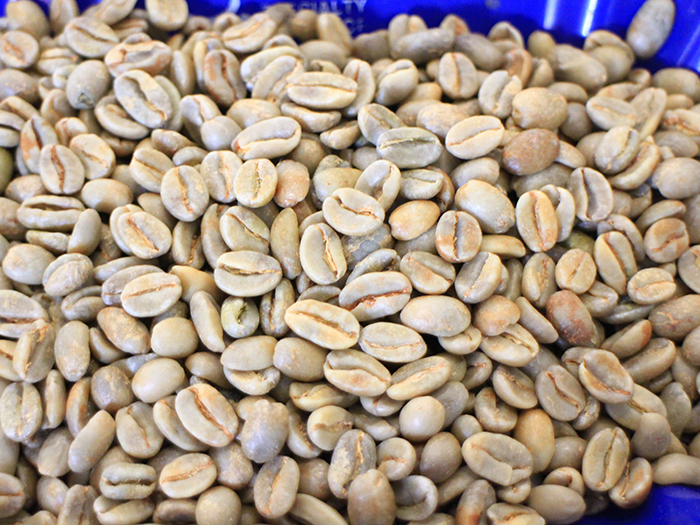
Small bean coffee is another name for Arabica. It originated in Ethiopia and was improved and cultivated from the Arabian Peninsula onward, making it the oldest and most traditional Arabian coffee type. Native small bean coffee is characterized by small particles, uneven fullness, high acidity, and pronounced floral and fruit aromas.
History of Small Bean Coffee
World Coffee Origin: Ethiopia
Coffee was first discovered in the highlands of southwestern Ethiopia. Legend credits a shepherd with the accidental find, opening the first chapter of world coffee: the Ethiopian coffee kingdom.

Second Stop of Coffee Spread: Arabia
In the 13th century, Ethiopian armies invaded Yemen and carried coffee into the Arab world. Coffee spread rapidly through Arabia partly because alcohol was prohibited there and coffee became the substitute, which also pushed Arabs to improve the plant. From then on, resource plunder and war between regions carried coffee gradually across the globe.
History of Yunnan Small Bean Coffee
In 1892, during the late Qing Dynasty, when China was a semi-colonial, semi-feudal society, foreign invaders and foreign species alike entered the country. Coffee arrived with the French missionary Tian Deneng, planted in Zhukula Village in Dali, Yunnan. To this day, 24 coffee trees over 90 years old still grow in Zhukula Township.

In 1908, Hainan introduced coffee, but results were poor, and several other regions planted it without success either. In 1952, scientific and technical staff from the Mangshi branch of the Yunnan Agricultural Experimental Station brought more than 70 kilograms of fresh fruit back from Nongxian Village to Lujiangba in Baoshan for trial planting, where it showed good adaptability and excellent quality, and it has developed steadily since. In the late 1980s, Nestle began introducing Catimor coffee in Yunnan's Simao region, now Pu'er City, and from there China's coffee planting area began to grow, with quality improving through continued experimentation. In 1992, the United Nations Development Programme assisted the Chinese government in building China's first modern coffee factory. Yunnan coffee has been refined and expanded ever since. According to the latest figures released by the Yunnan Provincial Department of Agriculture, Yunnan's coffee production reached 136,000 tons in 2017, accounting for more than 95% of the country's total.
The Status of Yunnan Small Bean Coffee in the Coffee World
Impression of Yunnan Coffee among Chinese People
It is no exaggeration to say that more than 95% of people in China met coffee through instant coffee first, especially Nestle's 3-in-1. For most, the next encounter with freshly ground coffee came through coffee shops, Starbucks most famously. Others first bought coffee as a Yunnan souvenir in the tourism market, picking it up incidentally.

The result is an unflattering image: instant coffee is flavorless and bitter with a burnt taste; 3-in-1 is sweet and greasy, with no coffee aroma at all and an overwhelming artificial flavor from all the non-dairy creamer. Coffee shops, meanwhile, were long seen as symbols of petty-bourgeois affectation. The high threshold kept freshly ground coffee at arm's length, and even those who went tended to order prepared drinks where the milk outweighed the coffee.
Status of Yunnan Coffee in the World
No status at all. Yunnan coffee has won awards, but that has not stopped foreign buyers from suppressing prices when they purchase, setting them 20 cents below the international coffee futures price for raw beans.
Would Colombian, Ethiopian, or Brazilian coffee have fallen to that level? The answer is obvious. Only Chinese coffee carries high quality without the corresponding standing and price.
What is the Quality of Yunnan Small Bean Coffee?
After a century of refinement, and with rising domestic demand as living standards improve, Yunnan coffee quality has climbed steadily. Domestic consumers, however, seem unconvinced. In their minds, Yunnan coffee is still "not good to drink, not as good as imported products."

In fact, Yunnan coffee is no longer inferior to imported beans of the same grade. Many foreign green bean buyers purchase Yunnan coffee at more than 20 cents below international prices, ship it abroad, relabel or reprocess it, and resell it to China as "imported." The "imported coffee" you are drinking right now may well be Chinese small bean coffee from Yunnan you simply do not recognize. Support domestic coffee: set aside the low-quality instant products the tourism market sells to make a quick profit, and you will find that Yunnan coffee is genuinely delicious.
FrontStreet Coffee Recommendation
FrontStreet Coffee has been working with Yunnan beans for over a decade, long enough to know how much the region can deliver. These three make a good starting set.
FrontStreet Yunnan Small Bean - From the Baoshan region, washed and roasted medium. Soft nut and chocolate sweetness with a light plum acidity, it is the most affordable way in and a clean, balanced everyday cup that shows off Yunnan's terroir.
FrontStreet 2013 Yunnan Natural Typica - FrontStreet planted its own Typica trees in Yunnan in 2013, using only fully ripe red cherries and drying them in the sun before a medium roast. The result is fuller in body with pronounced sweet-tart character: dark berries, caramel sweetness, chocolate, a hint of dried apricot, and a black tea finish.
FrontStreet Black Cocoa Blend - A Yunnan-and-Brazil blend built for espresso. Brazil provides the mixed nut aroma and balance while the Yunnan small bean carries chocolate and citrus. As an Americano it balances sweet, sour, and bitter with nut and brown sugar notes; with milk it becomes an almond-and-cream latte that beginners find easy to work with.
Important Notice :
FrontStreet Coffee is a long-established specialty coffee roaster in Guangzhou China, selling freshly roasted beans from its own farm in Yunnan as well as dozens of carefully selected single-origin beans from around the world for both pour-over and espresso. The products deliver consistently excellent quality and great value, with shipping within 24 hours. Guangzhou's FrontStreet Coffee shop is recommended by many coffee lovers, and the beans are now available online at the Tmall 。
FrontStreet Coffee has moved to a new address:
FrontStreet Coffee Address: 315,Donghua East Road,GuangZhou
Tel:020 38364473
 Scan and follow the En Gafei WeChat official account. Please indicate that the reprint comes from "En Gafei".