What is Washed Processing Method: Steps, Process, and Flavor Characteristics of Washed Coffee Beans
The washed process is currently the most widely used green-bean processing method and one of the most traditional techniques in coffee. Typically, washed coffee has higher cleanliness than natural coffee, with brighter acidity and more pronounced sour notes. Popular options on FrontStreet Coffee's list such as Ethiopia Gedeb Cooperative beans, Kenya Assalia beans, Panama Mariposa beans, and Guatemala Flor de Dios beans are all processed with the washed method.
Historical Background of Coffee Processing
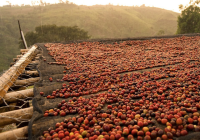
Historically, the oldest green-bean processing method was traditional natural processing — simply spreading fresh coffee in courtyards or on rooftops to sun-dry. It required minimal cost and was accessible to everyone. Problems soon emerged, however: it depended entirely on the weather, so it was prone to mold in regions with unstable climates, and the high-sugar pulp readily attracted insects, compromising quality. Before Ethiopia's coffee-system reform, naturally processed beans could achieve at best a G3 grade.
The Birth of Washed Processing
As consumer demands for quality increased and naturally processed coffee stayed inconsistent, standardized production became necessary for greater efficiency. In 1740, the Dutch — who then controlled colonial coffee cultivation and the global trade — began using the washed process. First discovered in the West Indies, soaking beans in water after removing their skin helped dissolve the sticky mucilage layer. This shortened drying time and effectively prevented bacterial and fungal infection, and washed coffee quickly became synonymous with high quality.
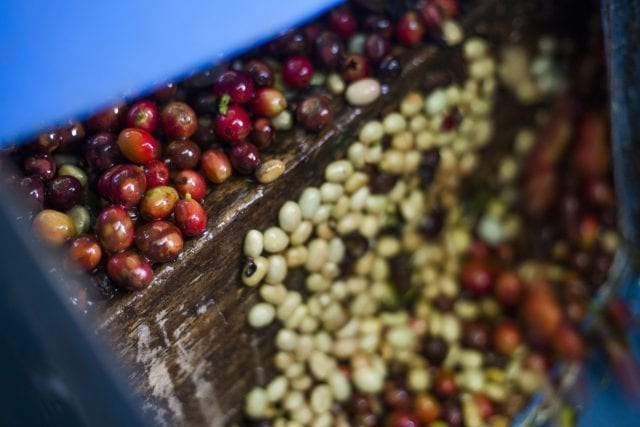
Later, in 1844, coffee pulping machines reached the market, further improving the efficiency of washing. The washed process is also very costly, however, requiring large amounts of water — on average, 200 kilograms of green coffee consume 10-20 tons of water. This meant washing plants could only be built near water sources. It can be said that washing arose less from flavor considerations than from concerns over yield rates, production volume, and product standardization. To this day, washing remains one of the most common processing methods on the market.
The Washed Processing Method
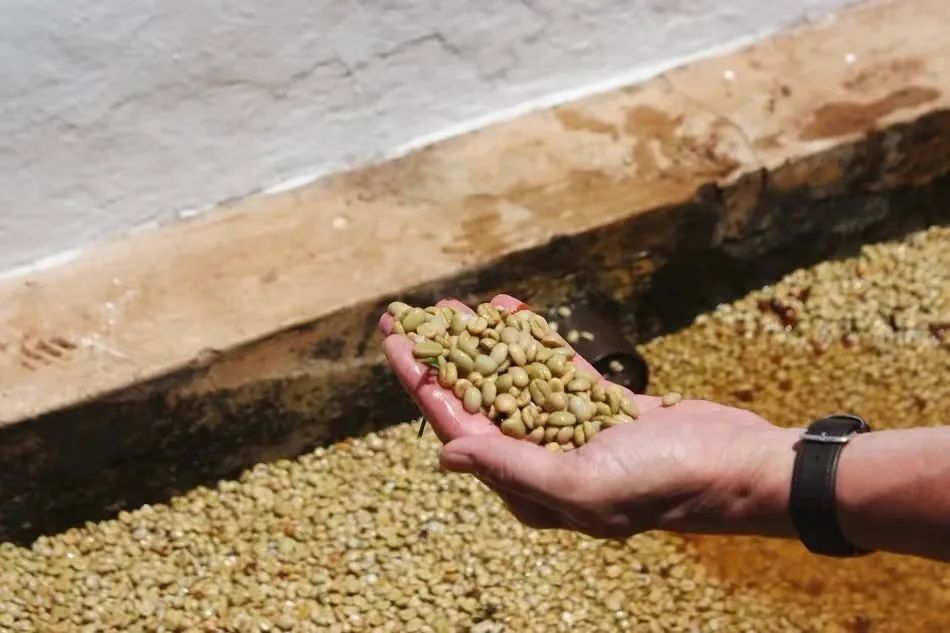
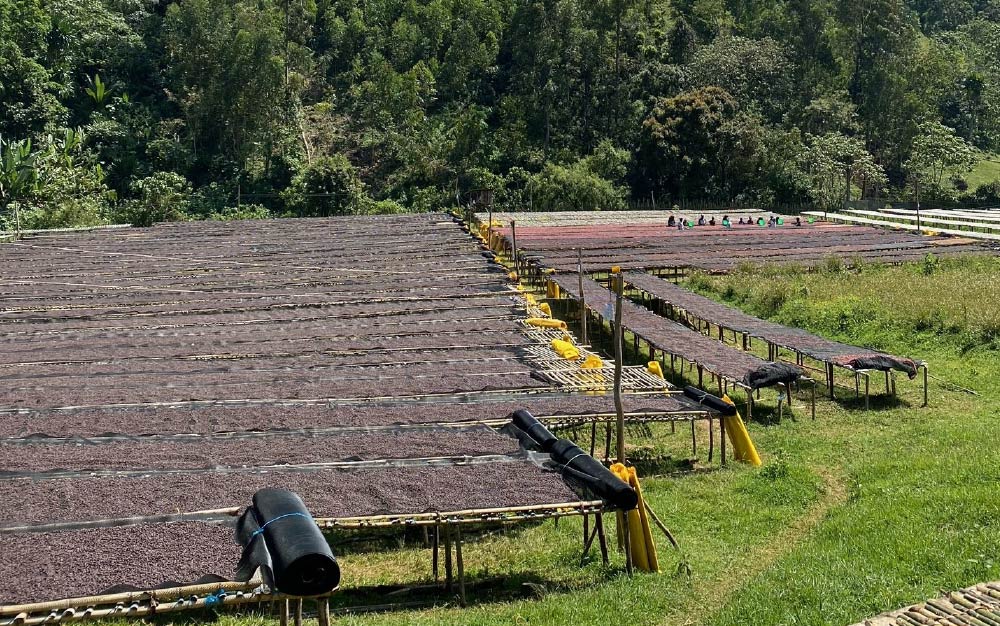
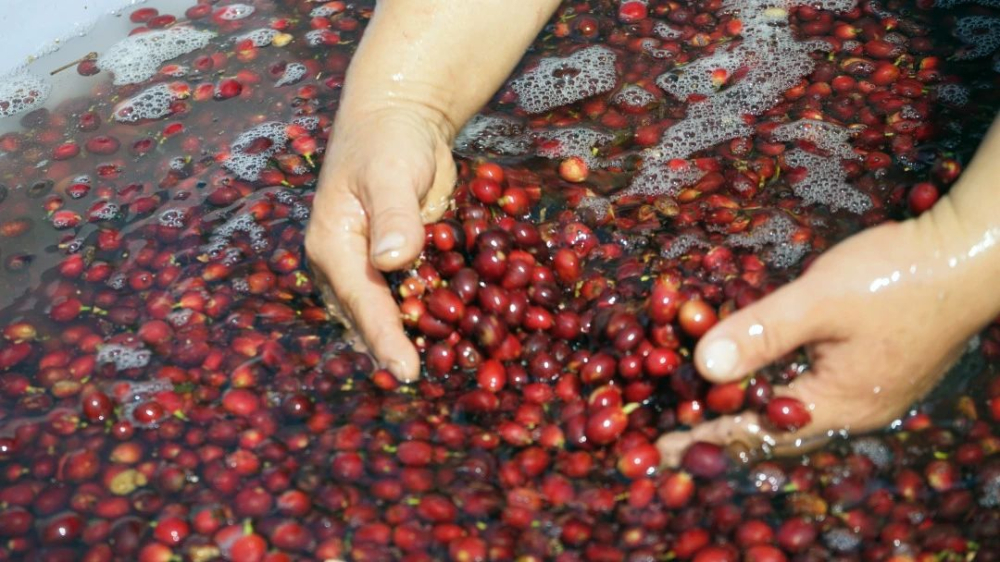
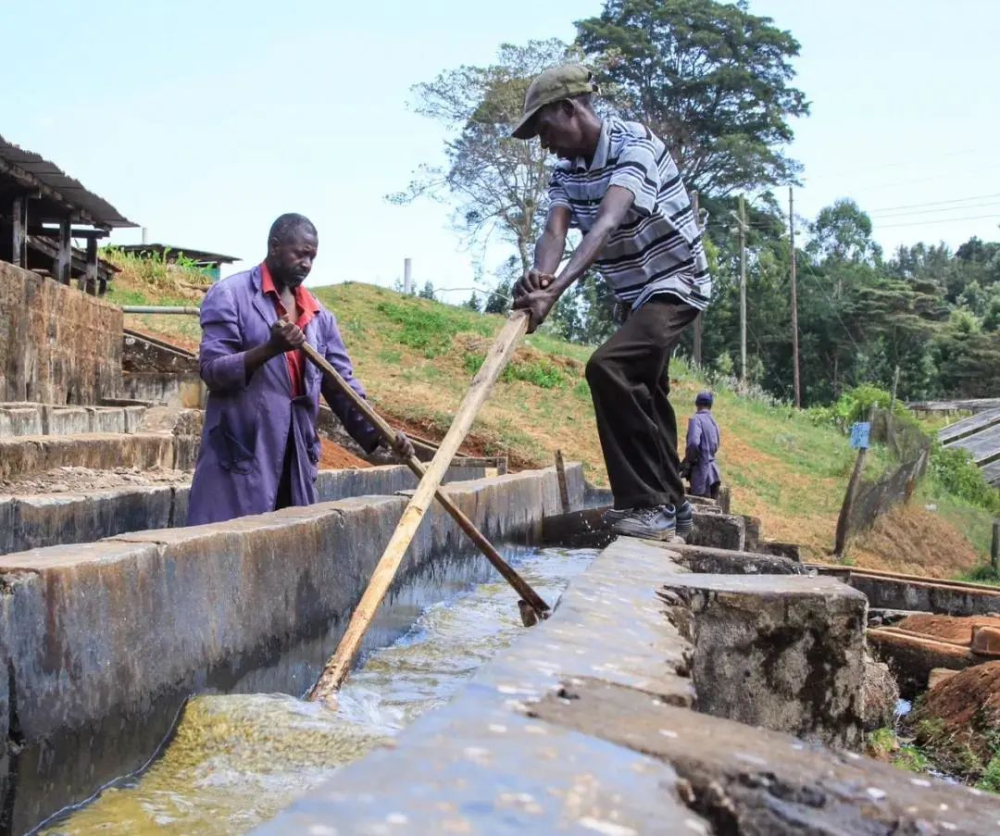
Before washing, beans typically undergo flotation selection. Freshly picked cherries go into water, where buoyancy separates underripe fruit. A pulper then removes the skin and pulp, leaving the beans slippery. Workers pour these beans into fermentation tanks to rest overnight; the mucilage fermentation produces acidic substances that break down the mucilage so it separates from the bean surface. After fermentation, some mucilage still remains on the parchment, so it must be brushed for 30-60 minutes with running water to ensure complete cleaning. Specialized channels with flowing water remove low-density, poor-quality beans. The high-quality beans are then drained, spread on drying racks or screens, and dried to the target moisture content before being bagged for storage.
Characteristics of Washed Coffee
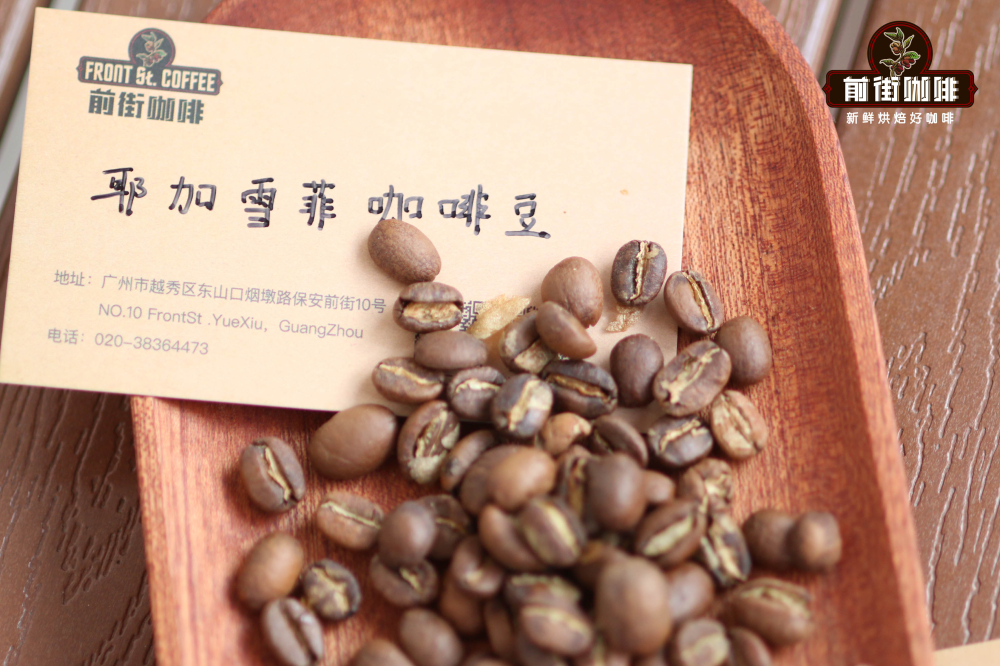
Because several steps in the washed process eliminate defective beans, it significantly reduces defect rates and ensures more stable quality. With no fruit pulp present during drying, the flavor shows bright acidity and higher cleanliness, highlighting the unique character of a single origin. So to understand the "terroir" or regional flavor of a particular origin, FrontStreet Coffee recommends starting with its washed lots. The well-known Yirgacheffe is a case in point: FrontStreet Coffee's Ethiopian daily bean is a washed Yirgacheffe, roasted medium-light to present jasmine florals, citrus, lemon's fresh acidity, and honey-like sweetness.
The Yirgacheffe Story
As we know, Ethiopia, on the African continent, has extremely scarce water, and traditionally coffee was dried naturally under the sun. Because the techniques were rough — beans were simply thrown on muddy ground or rooftops — the coffee easily picked up earthy flavors or suffered uneven heating and over-fermentation, ultimately harming quality. To improve quality, the Ethiopian government introduced more advanced washing technology and equipment from Central and South America in 1972. That let Yirgacheffe present fresh citrus tones and elegant white floral notes, with an overall bright and delicate flavor. As a result, Yirgacheffe separated from the Sidamo region to become the celebrated origin it is today.
FrontStreet Coffee's Yirgacheffe Offerings
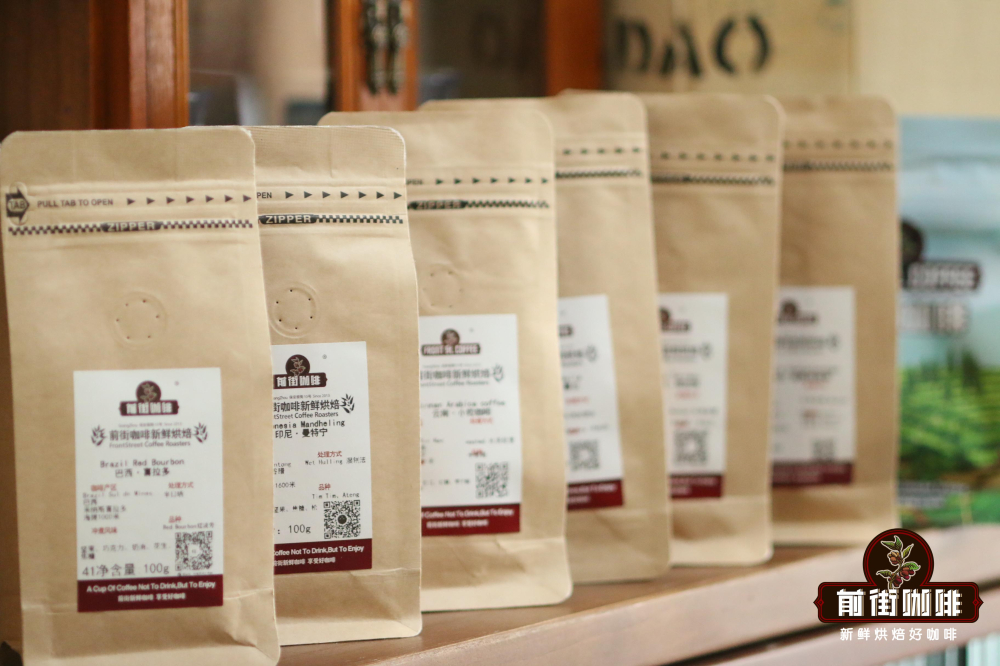
When FrontStreet Coffee prepares Yirgacheffe beans, it typically uses pour-over brewing. If you are new to coffee, FrontStreet Coffee recommends a washed Yirgacheffe daily bean, selected from Ethiopian local native varieties and roasted medium-light. FrontStreet Coffee's daily-bean series lets newcomers experience the fundamental flavors of different origins at an affordable price, while the small packaging prevents the waste of coffee left unfinished.
Washed Yirgacheffe Pour-Over Recommendations
Dripper: V60
Water Temperature: 92-93°C
Dose: 15g
Ratio: 1:15
Grind Size: Fine sugar (78% retention through #20 sieve)
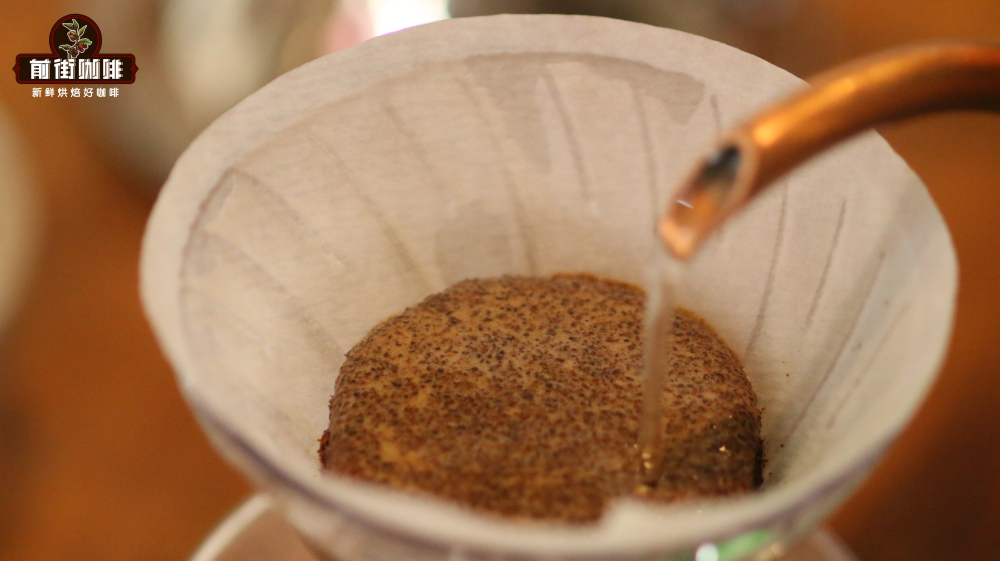
First, pour 30g of water for a 30-second bloom, then pour 95g more (the scale showing about 125g), finishing in about 1 minute. When the water level drops to 2/3 of the bed, pour the remaining 100g (the scale showing about 225g), finishing in about 1 minute 35 seconds. Complete extraction at 2'10", remove the dripper, and enjoy.
Flavor Profile
Washed Yirgacheffe offers jasmine florals, lemon, citrus, and green tea at first sip. As the temperature changes, you will notice berry, cream, and sugarcane in the aftertaste, with an obvious sweet finish and a clean, sweet mouthfeel.
FrontStreet Coffee Recommendation
Washing is the clearest window into a region's terroir, and Panama is a rewarding place to look through it. Panama's main growing area lies in the west, bordering Costa Rica, where exceptional washed coffee is produced; compared with beans grown at low to medium altitude, the cooler, stable highlands let the cherries ripen slowly, developing the most intense and distinctive flavors and the densest beans. If you are tasting Panama for the first time, FrontStreet Coffee suggests the Panama Boquete washed Geisha, an estate-level entry Geisha planted at 1600 m, where fertile volcanic-ash soil feeds the trees and builds a rich aroma. Brewed, it shows the Geisha signature of jasmine, green tea, honey, citrus, and orange.
For a more accessible way into the Geisha family, the FrontStreet Panama washed Butterfly carries half Geisha blood, composed of Geisha, Caturra, and Catuai grown in Boquete's Baru volcanic area. Panama's special microclimate brings abundant rainfall and wide day-night temperature swings, and the volcanic-rock soil, careful picking, and fine processing make this coffee shine in body, citrus acidity, and Geisha jasmine aroma alike — excellent both as pour-over and cold brew.
At the top of the range sits the FrontStreet Esmeralda Red Label Geisha. Esmeralda is both the discoverer and the promoter of Geisha flavor, and its range makes clear how much the estate prizes the variety. It cupped different plots to refine the offering, set planting blocks by altitude, and created the Red, Green, and Blue Label tiers we know today. The Red Label is harvested from a single plot at 1700 m and above, and each lot must cupped at 91 or higher, with a refined orange-blossom honey character. Beyond Geisha, the FrontStreet Diamond Mountain comes from the estate's star brand, built mainly on Caturra and Catuai picked from two of Esmeralda's four independent farms, Jaramillo and Canas Verdes, whose volcanic soil and primary-forest shade yield beans with rich fruit aroma and sweetness — an independently popular brand alongside Geisha.
Important Notice :
FrontStreet Coffee is a long-established specialty coffee roaster in Guangzhou China, selling freshly roasted beans from its own farm in Yunnan as well as dozens of carefully selected single-origin beans from around the world for both pour-over and espresso. The products deliver consistently excellent quality and great value, with shipping within 24 hours. Guangzhou's FrontStreet Coffee shop is recommended by many coffee lovers, and the beans are now available online at the Tmall 。
FrontStreet Coffee has moved to a new address:
FrontStreet Coffee Address: 315,Donghua East Road,GuangZhou
Tel:020 38364473
 Scan and follow the En Gafei WeChat official account. Please indicate that the reprint comes from "En Gafei".