Panama Geisha Specialty Coffee Flavor Guide - Panama Geisha Coffee Taste Varieties & Characteristics
As the specialty coffee scene keeps gathering momentum, more and more exquisite beans with delicate flavors come to market. When talk turns to the most celebrated coffee variety, Geisha undoubtedly takes the crown. Since Geisha rose to fame in Panama, coffee-growing regions around the world have rushed to cultivate it, hoping to produce what many call "the pinnacle of the coffee world." From Colombia and Guatemala to Ethiopia, and even China's Yunnan province in recent years, Geisha is now grown almost everywhere. To experience classic Geisha flavors, FrontStreet Coffee believes the Geisha of Panama's growing regions is the most representative.
What are the characteristics of Panamanian Geisha?
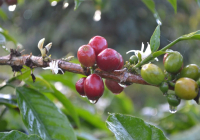
Coffee is an agricultural crop, and the way its flavor develops is shaped by a whole set of terroir factors. Compared with other Arabica varieties, Geisha is unusually particular: it demands high altitude, fertile soil, cloud cover or plant shade, and cannot be exposed to direct sunlight. The owner of Hacienda La Esmeralda has noted that the estate needs a great many shade trees to shield the delicate Geisha plants from the sun, and that traditional pruning methods must be used during the initial planting phase, otherwise the plants tend to die. Geisha planted at higher altitudes has a longer cherry maturation period, which produces more complex and distinctive flavors. The high-altitude environment also means later maturation and lower yields.

Panamanian coffee cultivation is concentrated in the western highlands: Boquete, Volcan, and Renacimiento, with Boquete Valley and the Volcan area around Baru Volcano the most renowned. Both sit in Chiriquí Province, right in the center of the coffee belt, with fertile volcanic soil and ancient forests. Boquete is one of the towns of Chiriquí Province, set on the eastern side of Baru Volcano at altitudes ranging from 1,000 to 2,000 meters. It faces warm, moist monsoon winds off the Caribbean Sea while cold Atlantic currents press in from behind. The mountains are high and steep, and Baru Volcano National Park serves as an ecological conservation area rich in biodiversity, with seven distinct microclimates. Perennial fog and abundant rainfall create excellent growing conditions.
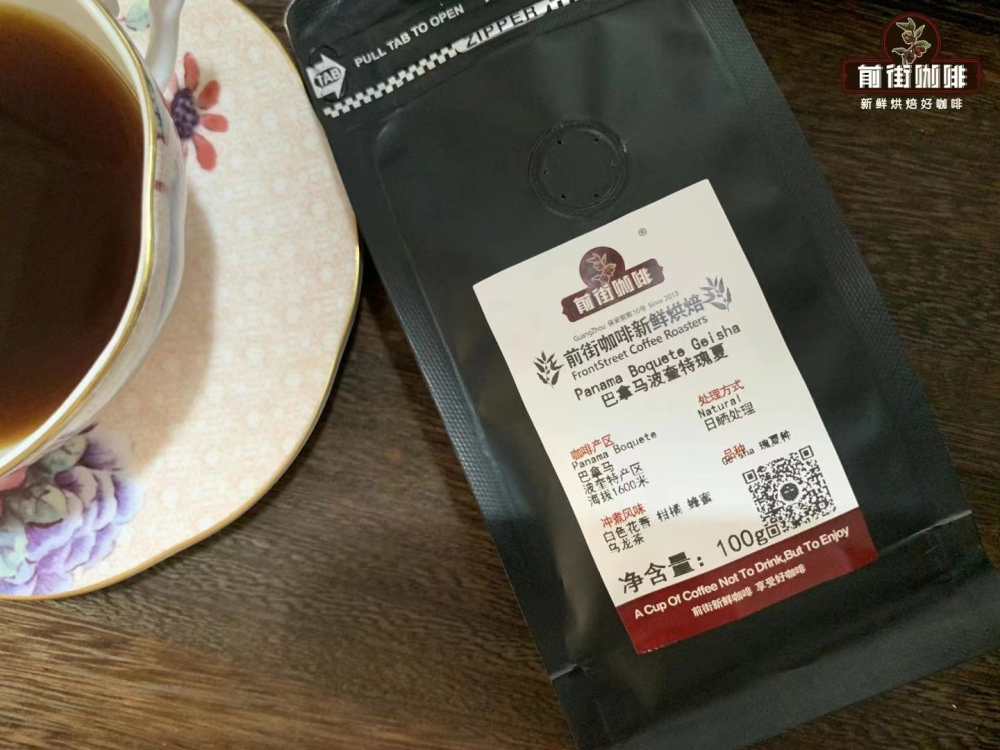
Thanks to these exceptional terroir conditions, the coffee absorbs a whole range of essences and develops elegant floral and fruit notes with layered, complex acidity. FrontStreet Coffee's Panamanian Hacienda La Esmeralda Geisha and Elida Estate Geisha both come from the Boquete region. To help everyone experience the regional character of Boquete, FrontStreet Coffee has also launched a Panama Boquete Geisha, which shows the typical Panamanian coffee flavor profile.
What are the flavor profiles of Hacienda La Esmeralda's Geisha?
When it comes to Geisha, Hacienda La Esmeralda's reputation is legendary in the specialty coffee world. In 2004, its Geisha won the Best of Panama competition that year and went on to break auction price records again and again, drawing intense attention from the coffee industry ever since. Hacienda La Esmeralda "made famous" the Geisha variety and was also the first coffee estate to implement strict grading for Geisha. Each year's Geisha batches draw industry-wide attention. After Geisha achieved championship status, the estate's owners, the Peterson siblings, brought more systematic management to the estate's Geisha trees based on altitude, region, and cupping performance.
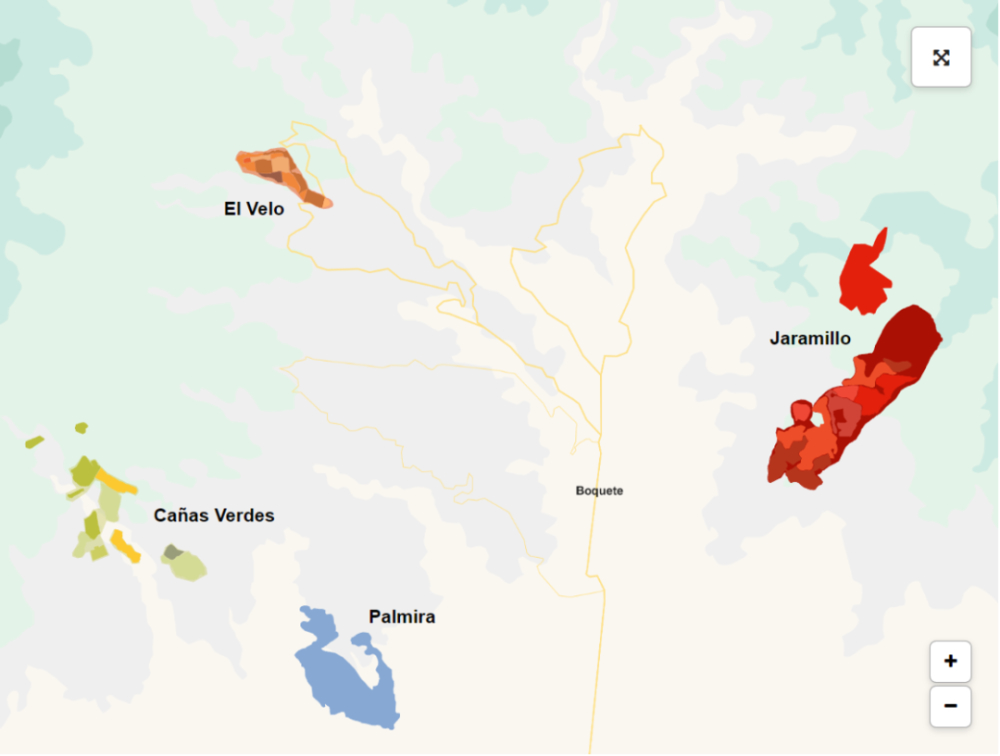
Broadly speaking, the Geisha growing areas are divided into three main plots: Cañas Verdes, Jaramillo, and El Velo. To ensure traceability of every batch, the Petersons subdivided each main plot into smaller sub-plots, so buyers of Geisha coffee can access specific growing-plot information through batch records.
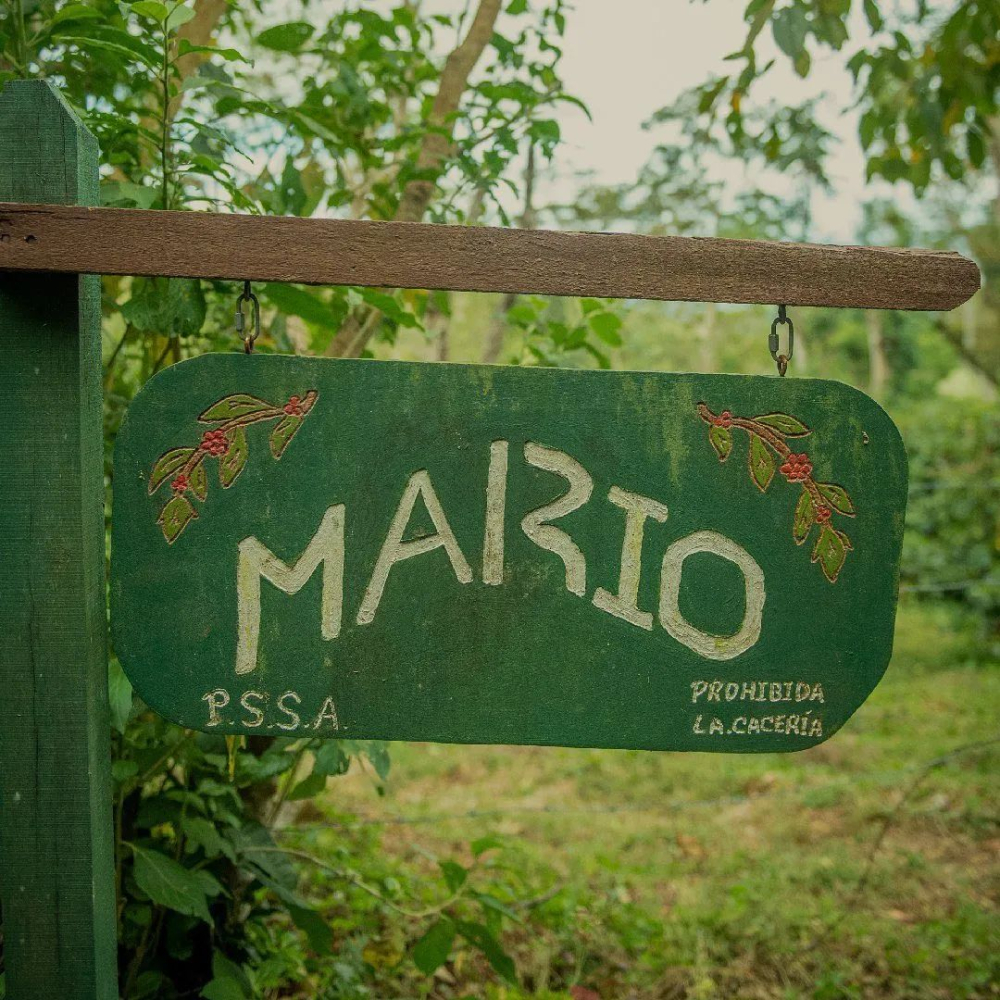
The Geisha variety was first discovered in the Jaramillo plot, and it was there that the Peterson siblings decided to raise the planting altitude for Geisha. As the discovery and cultivation site for Geisha, Jaramillo has become Hacienda La Esmeralda's most renowned plot. Jaramillo has an average altitude above 1,650 meters, where the cool, moist mountain air lets its Geisha absorb natural essences and give off fragrance. Jaramillo is currently divided into five sub-plots: Mario, Noria, Reina, Bosque, and Buenos Aires. Among them, the Mario and Bosque plots have performed brilliantly in major competitions.
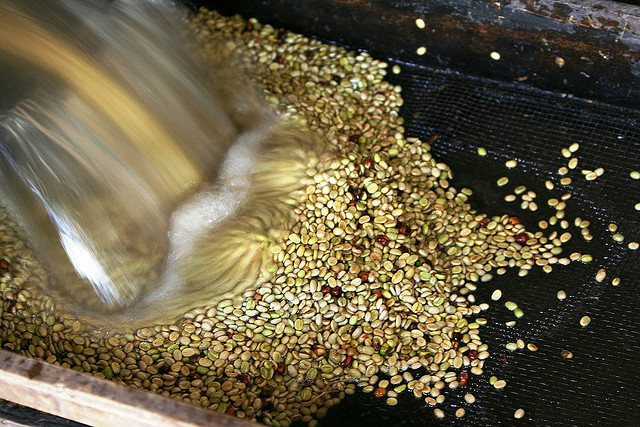
Hacienda La Esmeralda's coffee processing mill is set in Cañas Verdes, at the foot of Baru Volcano and about a twenty-minute drive from Boquete town. Whenever the coffee cherries ripen, the estate owners arrange for workers to follow strict standards, picking only at optimal ripeness. The entire process is done by hand with careful selection, and the cherries are then transported to the mill for further screening in the shortest possible time.

The difference between Red Label and Green Label Geisha
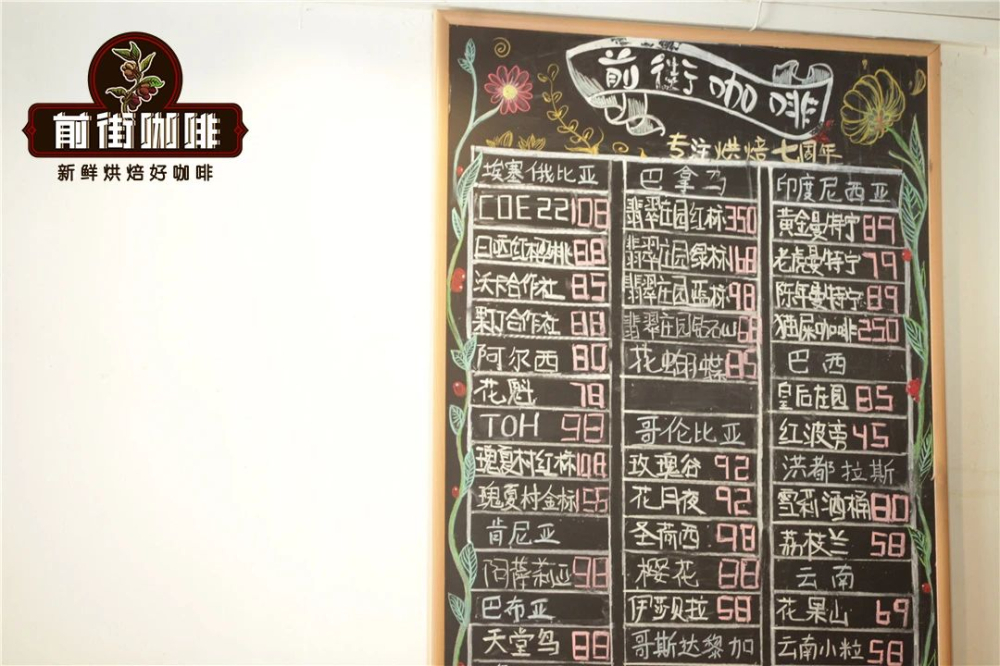
On FrontStreet Coffee's bean list there are about 10 different Geisha coffees. Some people wonder what the "Red Label" and "Green Label" designations actually mean.
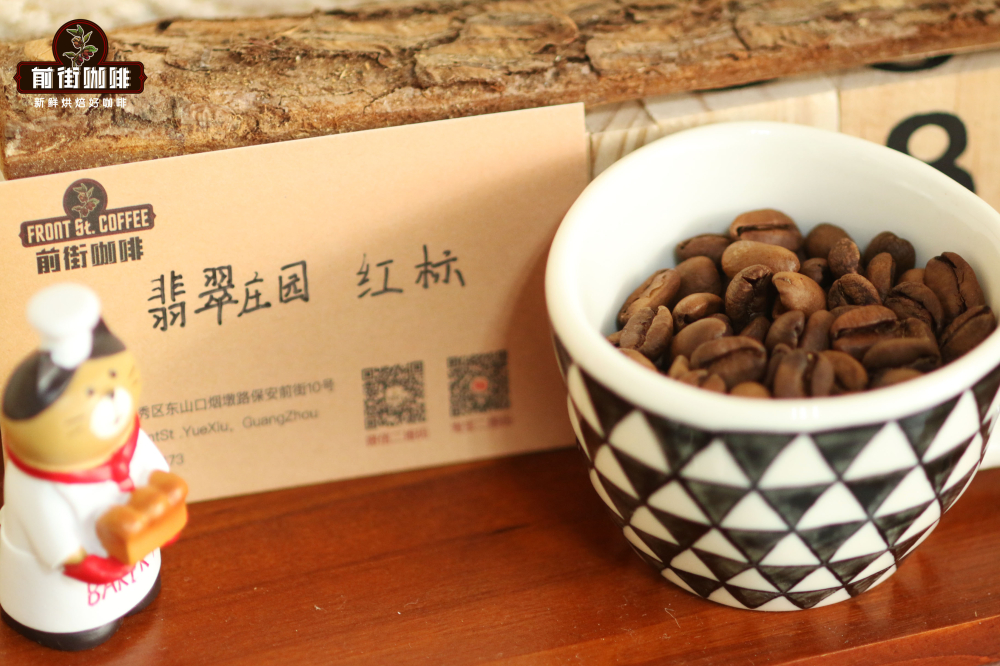
The so-called Red Label refers to the Esmeralda Special grade (competition batches included). The highest-grade Red Label is harvested from high-altitude Geisha (1,600-1,800 meters) cherries with cupping scores above 90 points, primarily from the Jaramillo and Cañas Verdes farms. Despite the planting and harvesting challenges at these altitudes, the floral and fruit character of Geisha in the Boquete region is at its most prominent here. Hacienda La Esmeralda holds its own auctions, and Red Label batches selected from designated plots for competition are called competition batches. Each competition batch carries a unique number corresponding to the entire harvest of a specific plot. The one we hear about most often is probably the Mario plot from Jaramillo farm. FrontStreet Coffee's Esmeralda Red Label Geisha beans come from the Mario plot and are natural processed.
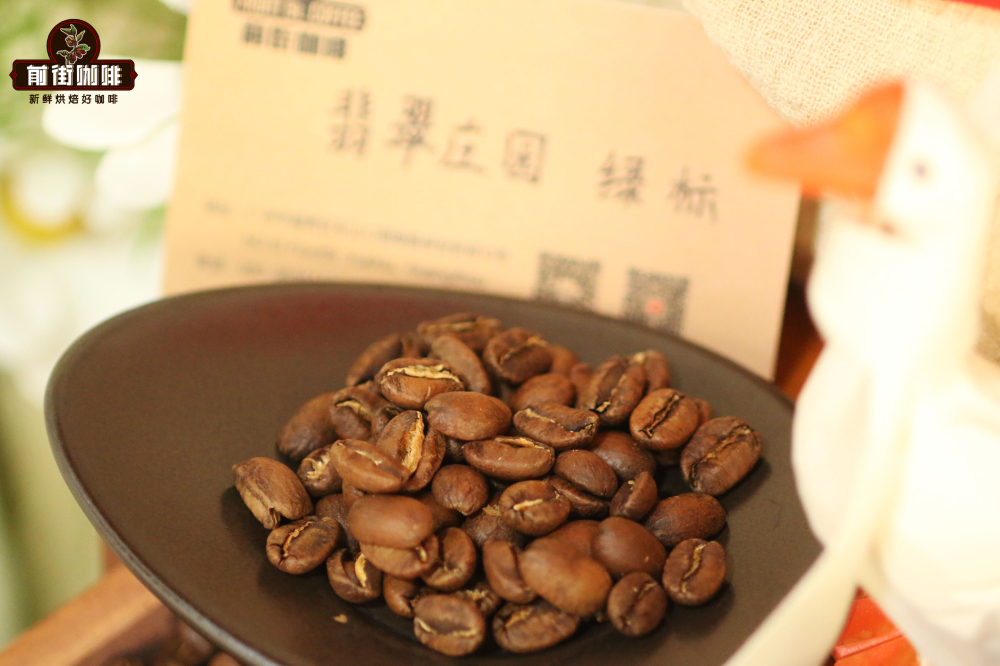
The Green Label, meanwhile, refers to the Private Collection. Green Label is selected from coffee grown at altitudes of 1,600-1,800 meters, all harvested from the Jaramillo and Cañas Verdes plots, but Hacienda La Esmeralda does not specify particular plot information, so these batches do not enter auctions. Although the grade is not as high as Red Label, they primarily showcase the signature classic flavors of high-altitude Geisha. FrontStreet Coffee's Green Label Geisha is washed processed, and its cupping profile reveals fresh, natural lemon, berry, pomelo, and Tieguanyin tea flavors.
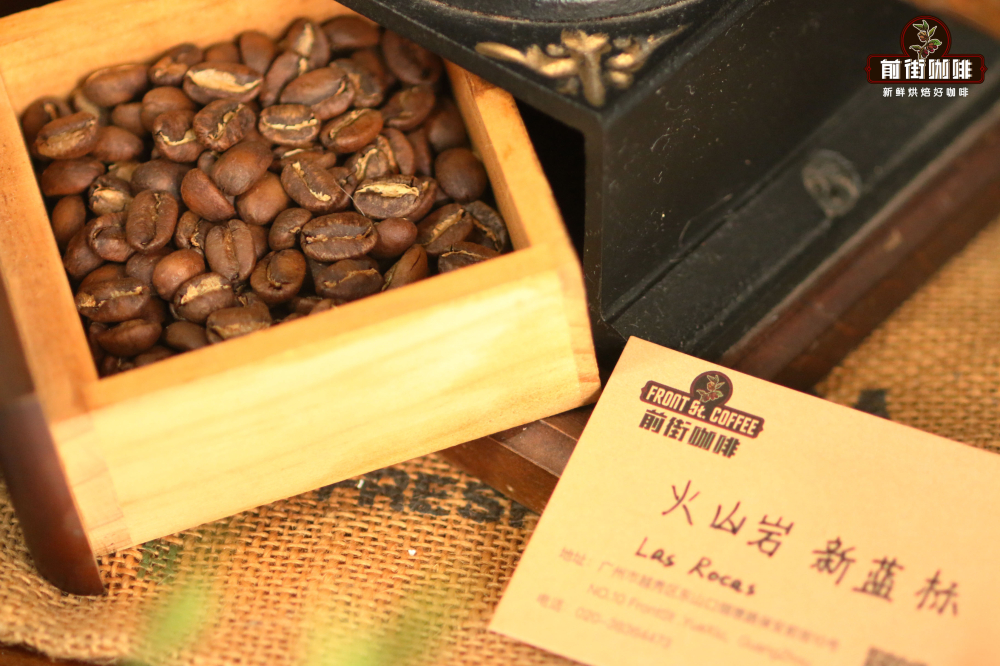
Beyond Red and Green Label, there was once a third brand, Blue Label Geisha, which has now become "Volcanic Rock Geisha." Its predecessor was Geisha 1500, also known as Blue Label. Volcanic Rock Geisha combines Geisha beans from all three main plots of Hacienda La Esmeralda, grown at altitudes of 1,400-1,500 meters. Cupping both the natural and washed versions, FrontStreet Coffee found that both carry distinct lemon acidity. The washed Volcanic Rock has clean oolong tea aromas and cane sugar sweetness, while the natural batch adds some tropical fruit and fermented wine notes, giving it richer sweetness.
How to brew delicious pour-over Geisha coffee?
Geisha coffee is world-renowned for its rich floral notes and complex fruit profiles. FrontStreet Coffee's roasters aim to preserve more of Geisha's quality acidity, so they choose light to medium roast levels, with slight adjustments for different batches. This roast level does not significantly soften the high hardness of beans from high altitudes, so brewing calls for higher extraction rates to reveal fuller layers of flavor. That means higher water temperatures and finer grind settings to extract more aromatic compounds. FrontStreet Coffee also wants clearer flavor expression in Geisha coffee, so it uses a slightly wider coffee-to-water ratio of 1:16.
To raise Geisha's extraction rate while avoiding over-extraction and keeping the sweet-and-sour layers intact, FrontStreet Coffee's baristas use the V60 dripper. The V60 has flow ribs connecting top and bottom and a large central hole that speeds up water flow, while its spiral-shaped air channel extends the water path, increasing contact time between coffee grounds and hot water. Each stream of water converges along the grooves toward the center point of the filter, concentrating pressure on the coffee bed and producing richer layering in the cup.

Next, FrontStreet Coffee will demonstrate the brewing steps for its house Esmeralda Red Label Natural Geisha. You can reference and compare them with your own brewing approach.
The pour-over parameters for Red Label Geisha coffee are: Dripper: V60; Water Temperature: 92°C; Coffee Amount: 15 g; Coffee-to-Water Ratio: 1:16; Grind Size: fine sugar size (80% retention on a #20 sieve).

Fold the filter paper to fit snugly in the dripper, wet it with a small amount of water to ensure better adhesion, and discard the water from the bottom vessel. Then add the coffee grounds and tap gently to distribute the powder evenly. For the first pour, gently inject 30 grams of water for blooming, with a blooming time of 30 seconds. For the second pour, inject to about 125 grams, moving evenly and steadily in outward circles. Then wait for the coffee liquid to drop, and when it reaches halfway, inject the final pour to 240 grams. Wait for all the coffee to finish dripping, with the total extraction time typically around 2 minutes.
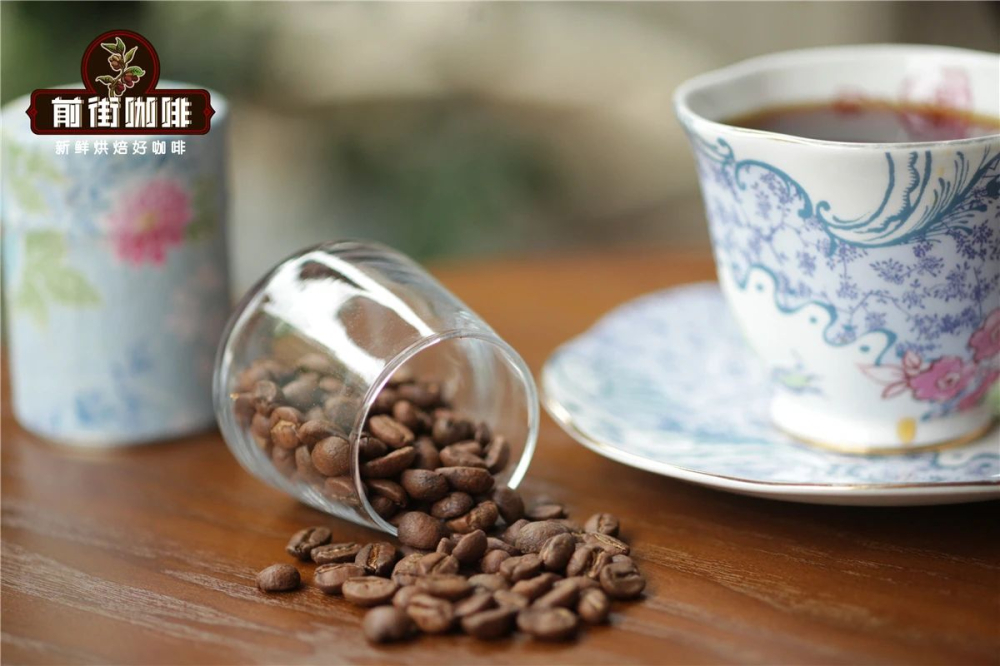
The pour-over Esmeralda Red Label Geisha offers fresh jasmine, citrus, and tropical fruit acidity, with flavor layers that shift as the temperature changes. The overall mouthfeel is smooth, with a pleasant tea-like aftertaste.
FrontStreet Coffee Recommendation
Panama is where Geisha made its name, and FrontStreet Coffee's Panama Geisha line lets you trace that story from the estate level all the way down. The Esmeralda Red Label Geisha is natural processed from the Mario plot of Jaramillo, while the Green Label Private Collection is washed and shows lemon, berry, pomelo, and Tieguanyin tea notes. For an easier introduction, the Panama Boquete Geisha delivers the classic Boquete profile at a friendlier price.
All are grown between 1,400 and 1,800 meters and roasted light to medium so the floral aromatics and layered acidity stay intact. Brew them by pour-over with a V60 at 92°C, and the cup opens into jasmine, citrus, and tropical fruit with a tea-like finish.
Important Notice :
FrontStreet Coffee is a long-established specialty coffee roaster in Guangzhou China, selling freshly roasted beans from its own farm in Yunnan as well as dozens of carefully selected single-origin beans from around the world for both pour-over and espresso. The products deliver consistently excellent quality and great value, with shipping within 24 hours. Guangzhou's FrontStreet Coffee shop is recommended by many coffee lovers, and the beans are now available online at the Tmall 。
FrontStreet Coffee has moved to a new address:
FrontStreet Coffee Address: 315,Donghua East Road,GuangZhou
Tel:020 38364473
 Scan and follow the En Gafei WeChat official account. Please indicate that the reprint comes from "En Gafei".