An Introduction to Indonesian Premium Coffee Beans — Java Coffee and the Growing Regions of Indonesian Arabica
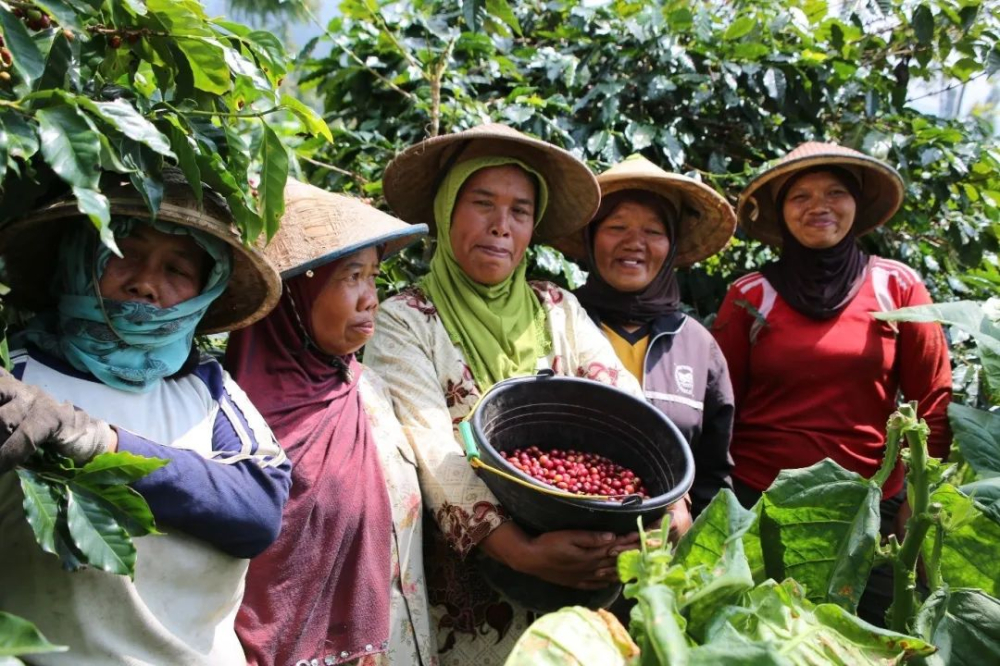
Among Asia's many coffee-growing countries, Indonesia deserves special attention. It's an island nation in the Indian Ocean, its islands straddling the equator, and three of them—Java, Sumatra, and Sulawesi—produce coffee famous among professionals for its typical, unambiguous flavors. FrontStreet Coffee takes you through these Indonesian growing regions.
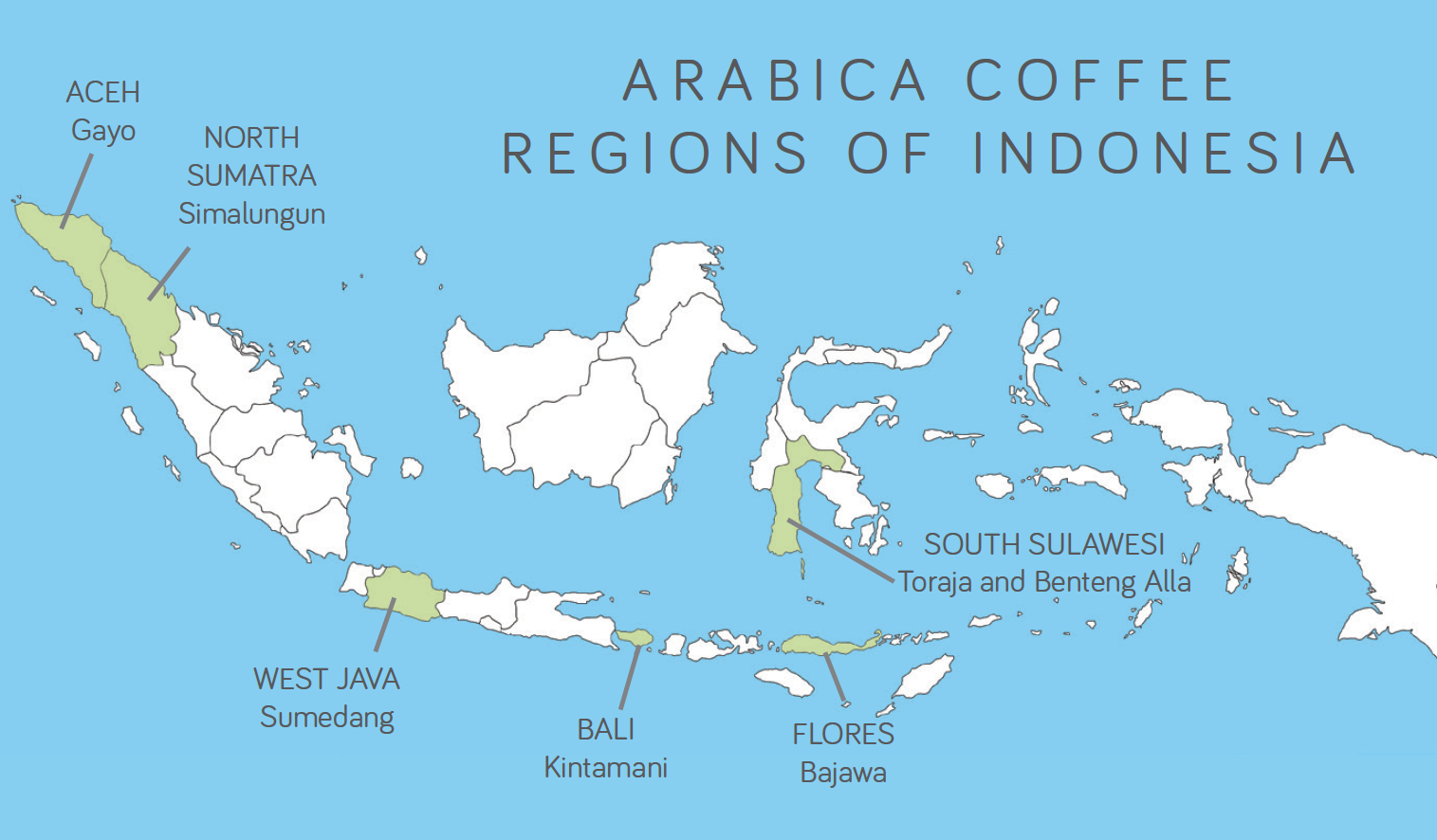
Java
Java is Indonesia's fifth-largest island and a landmark in coffee history. "Java coffee" usually means the Arabica beans grown here. Unlike most Indonesian coffee, which comes from small farms doing preliminary processing, Java's coffee grows on large farms and plantations—many government-operated—using modern washed processing. The variety is S795, known locally as Jember, and it is deliberately cultivated.

Java's coffee areas divide into West Java, East Java, and Central Java. The island's terrain is a mix of mountains, hills, and volcanoes, with coffee mostly grown around 1,400 meters. Coffee arrived as early as 1696, planted near Jakarta in western Java from Indian stock. In 1711 the Dutch East India Company shipped the first coffee from Java to Europe, and exports continued into the 20th century. Today Java has long ceded the spotlight—Sumatra and Sulawesi now define Indonesian coffee—but the island still produces refined, aromatic coffees with relatively low acidity, delicate mouthfeel, and good balance. The best plantations include Blawan, Jambit, Kayumas, and Pankur.
Sulawesi
Sulawesi's old name is Celebes. It is one of the oldest islands in the archipelago, its exposed rocks more than a million years old. Yellow-red podzolic soils appear in the coffee areas, layered with clay beneath the surface and rich in iron. The most famous growing region is Tana Toraja, high in the mountains of South Sulawesi.
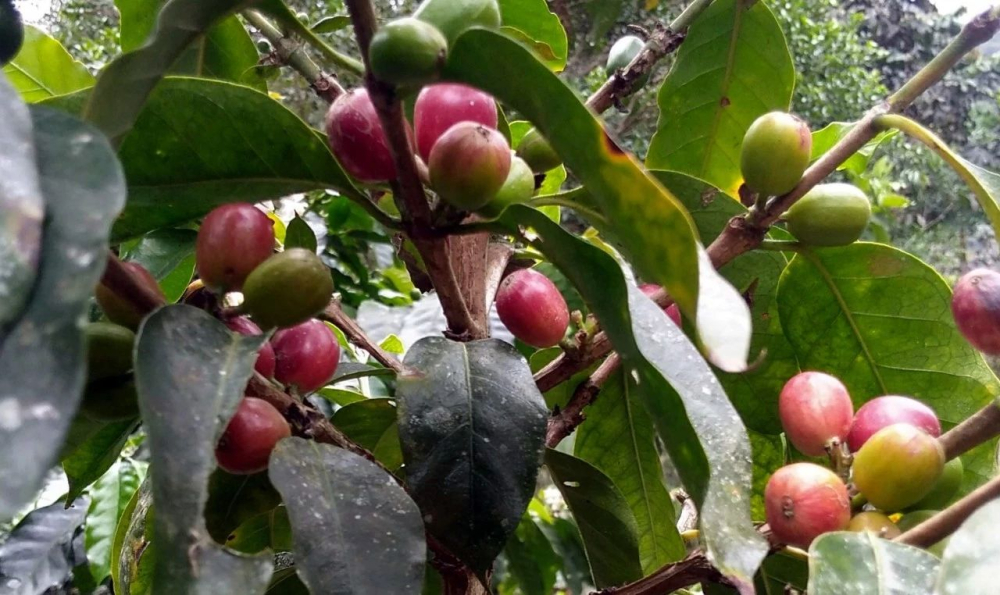
Kalosi, south of Toraja, is the region's main town and lends its name to Sulawesi coffee, known for full body, rich flavor, and a deep yet lively acidity. Semi-washed processing is the norm for the island's general production, and quite a lot of Robusta grows here too. A few especially interesting washed lots offer intriguing flavors well worth seeking out.
Sumatra
If you like a full-bodied black coffee, you've heard of Indonesia's Mandheling, also called "Sumatra coffee"—beans from Sumatra Island. Sumatra is divided into eight provinces, but only high-altitude Aceh Province and North Sumatra Province grow Arabica on a large scale. Part of the tropical rainforest belt, Sumatra's mountains and forests live under constant cloud and rain, lending the island an air of mystery.
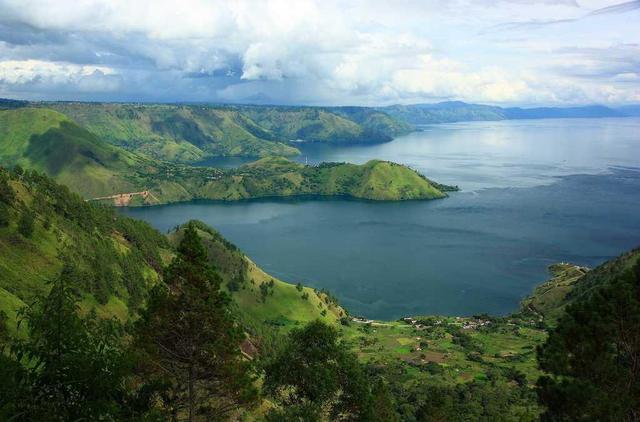
Sumatra is one of the world's earliest large-scale coffee regions, with most of its coffee coming from northern Aceh and the North Sumatra Province just south of it. The two main producing areas center on the region's famous volcanic lakes—Lake Toba and Lake Tawar—traditionally called the Lintong and Aceh growing regions. Volcanoes have blessed Sumatra with fertile soil, and the coffee carries aromas of spices, nuts, chocolate, and herbs that have won it a devoted following.
Legend has it that during the Japanese occupation of Indonesia in World War II, a Japanese soldier drank a remarkably fragrant coffee at a café. When he asked the owner about it, the owner misunderstood—thinking he was being asked where he was from—and replied: "Mandailing." After the war, the soldier remembered the "Mandheling" he'd drunk in Indonesia and commissioned locals to ship 15 tons to Japan, where it became unexpectedly popular. The name stuck.
Straddling the equator, Sumatra has a true tropical rainforest climate: year-round rain, constant humidity, frequent typhoons, and scarce freshwater. Coffee farmers of the time were poor and couldn't afford traditional washed processing at scale, and they needed to sell coffee fast. So they developed wet-hulling, a method that takes only 4 days. Wet-hulling means "forcefully" stripping the parchment from the green beans before they're fully dry, so the beans finish drying naked in the open air.
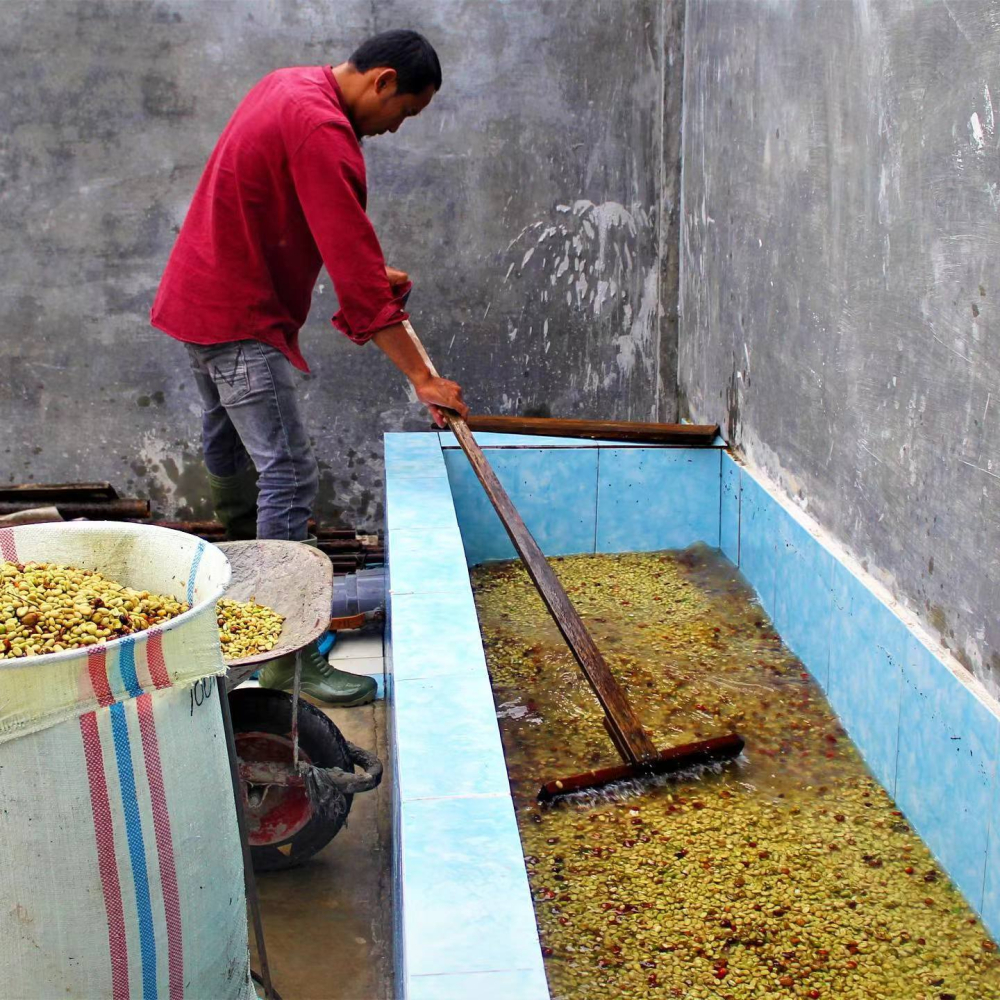
After harvest, the cherries are run through a pulping machine, then briefly fermented in pools for several hours. A little mucilage still clings to the parchment and is brushed off. The parchment beans then dry in the sun; once they reach the first drying stage at 30-40% moisture, farmers sell them to buyers.

Buyers run the semi-dry parchment through machines with greater friction, hulling it directly to strip mucilage and parchment in one pass. The beans then sun-dry another 2-4 days until moisture falls to 12-13%. Every step is dramatically faster—but the "naked beans" absorb moisture from the hot, humid air, which gives Mandheling its signature woody, herbal, earthy "muted aromas." Several Mandheling varieties sourced by FrontStreet Coffee are wet-hulled, and to present that typical full-bodied character FrontStreet Coffee roasts them medium-dark.
FrontStreet Coffee Recommendation
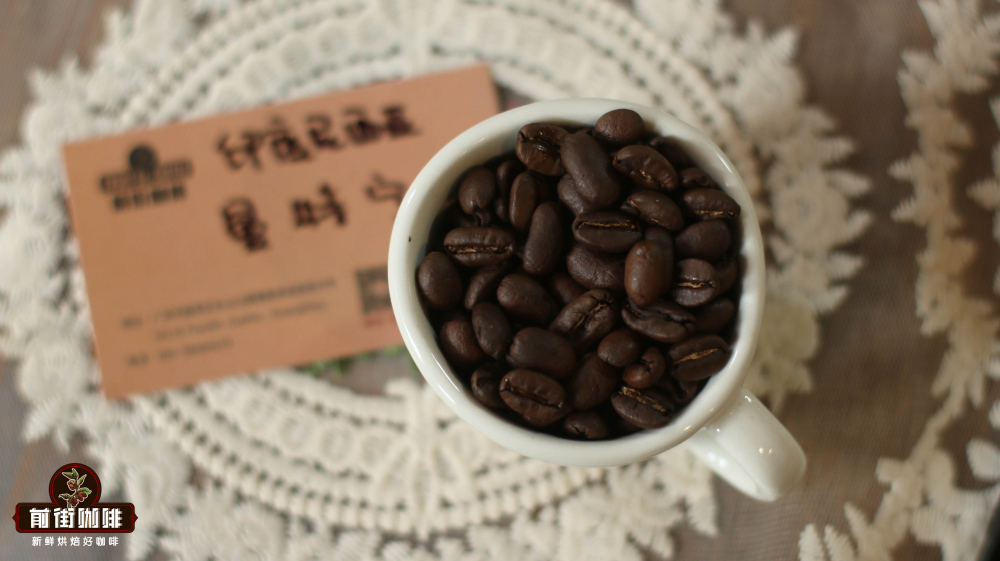
For a true taste of Sumatra, start with FrontStreet Coffee's wet-hulled Mandheling from the Toba Lake area of the Lintong region: roasted medium-dark for the classic profile—low acidity, thick body, rich aromas of caramel, dark chocolate, and toast, and a long, sweet aftertaste. It's made for people who like their coffee intense.
Want the premium version? FrontStreet Coffee's PWN Golden Mandheling is the flagship of Indonesia's PWN company: sourced from top Mandheling lots, sorted by density, size, shape, and color, machine-selected and hand-sorted to remove every defect, leaving beans that are whole, uniform, and luminous. Freshly roasted, it shows sandalwood, herbal and spice notes, roasted hazelnut, caramel, and dark chocolate in a clean, mellow, deeply aromatic cup—equally suited to daily drinking or to gift-giving. Or try the FrontStreet Coffee Classic Blend, an espresso recipe in the old "Mandheling-Brazil" tradition with a touch of Robusta for crema, where Mandheling's wild depth meets Brazil's smooth nuttiness and roasting is pushed dark to bring black chocolate, nut, and caramel aromas to their peak.
Important Notice :
FrontStreet Coffee is a long-established specialty coffee roaster in Guangzhou China, selling freshly roasted beans from its own farm in Yunnan as well as dozens of carefully selected single-origin beans from around the world for both pour-over and espresso. The products deliver consistently excellent quality and great value, with shipping within 24 hours. Guangzhou's FrontStreet Coffee shop is recommended by many coffee lovers, and the beans are now available online at the Tmall 。
FrontStreet Coffee has moved to a new address:
FrontStreet Coffee Address: 315,Donghua East Road,GuangZhou
Tel:020 38364473
 Scan and follow the En Gafei WeChat official account. Please indicate that the reprint comes from "En Gafei".