Ethiopian Washed Yirgacheffe Brewing Guide and Flavor Characteristics Introduction
Where did you first learn about washed processing? Chances are Yirgacheffe comes to mind. After the Ethiopian government imported the washed method from Central and South America in the 1970s to raise bean quality, the town of Yirgacheffe — then still part of the Sidamo region — used it to showcase a bright acidity, white florals, and a tea-like finish, and instantly won over a generation of coffee drinkers. FrontStreet Coffee considers the washed method the truest expression of a bean's fundamental character, and the fairest yardstick of its quality.
What Is Washed Processing?
Every processing method ultimately depends on sun-drying. Coffee cherries are loaded with sugars, and prolonged exposure to heat allows those sugars to ferment, giving the beans a harsh, pungent fermented acidity. Natural processing also lives at the mercy of the weather: in humid spells or consecutive rainy days, cherries that dry too slowly or unevenly begin to rot and pass rotten flavors on to the beans.
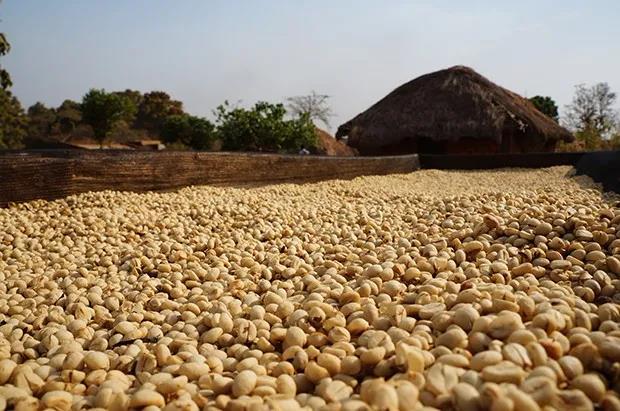
To get around this, processors began using water to strip away the skin, pulp, and mucilage first, cutting the moisture the fruit carries into drying. That dramatically shortens the drying time — and that is how the washed method was born. Before honey processing became fashionable in Costa Rica, washed processing was the industry standard. Costa Rica pushed its coffee industry hard starting in 1821; by 1830 washed processing was already in use, and by 1905 — more than a century ago — the country had over 200 washed processing mills.
The Washed Process, Step by Step
1. Receiving, Cleaning, and Floatation
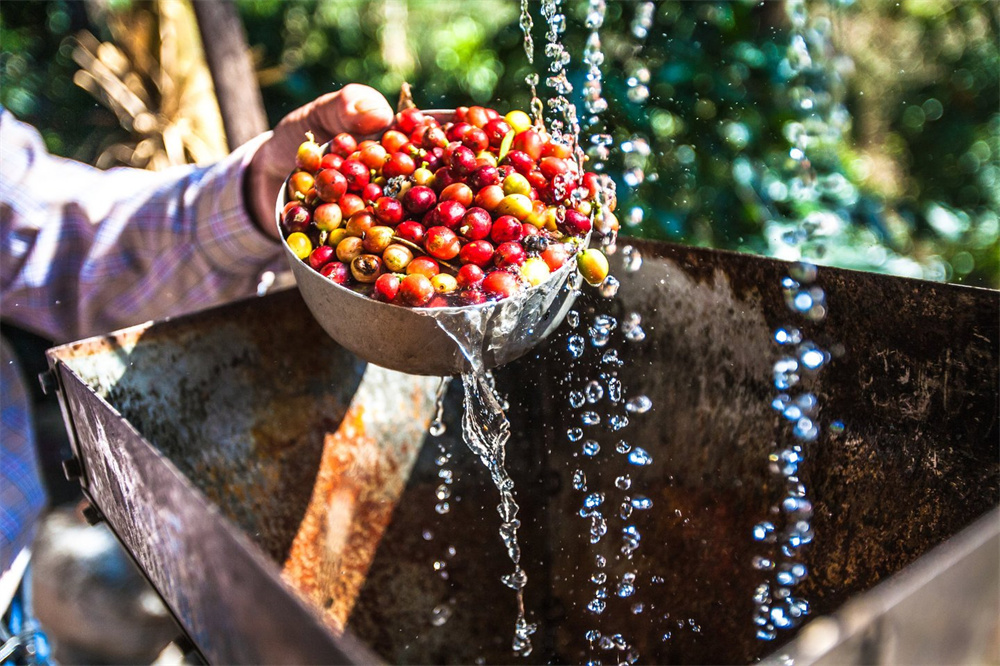
Cherries are delivered to the mill within 6–12 hours of picking, weighed, then soaked and rinsed. The soak floats off the underripe "floaters" with insufficient density, while branches, sand, and stones are skimmed or sieved away.
2. Pulping
Machines strip off the skin and pulp, leaving beans still clad in their parchment. A sticky layer of mucilage clings to the parchment, and it takes fermentation to break it down.
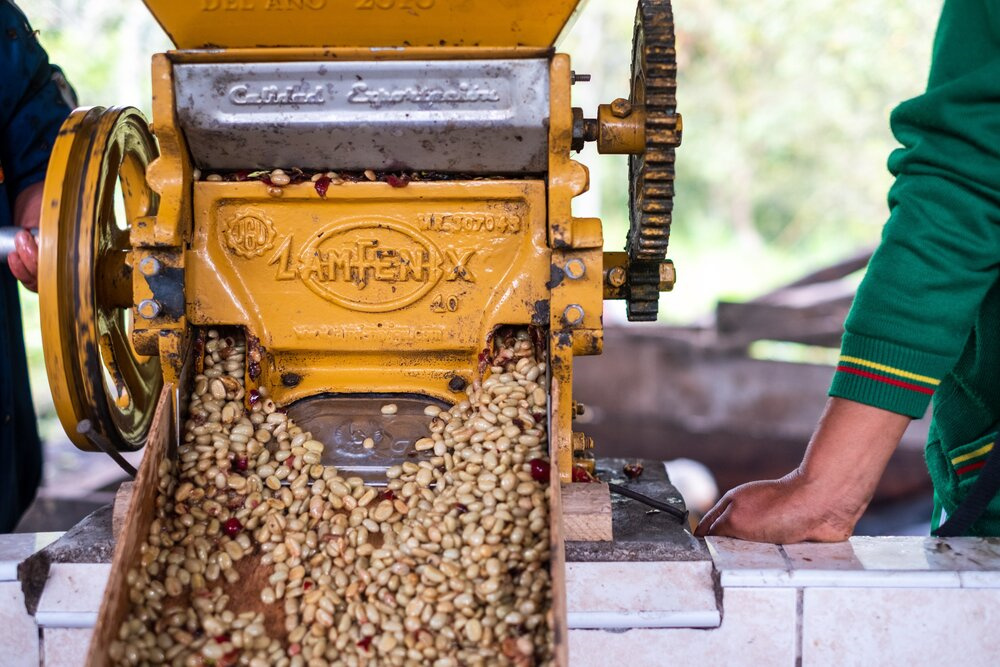
3. Fermentation and Mucilage Breakdown
That mucilage is the pectin layer. It adheres stubbornly, so the beans are tanked in clean water for roughly 18–36 hours while fermentation acids decompose it.
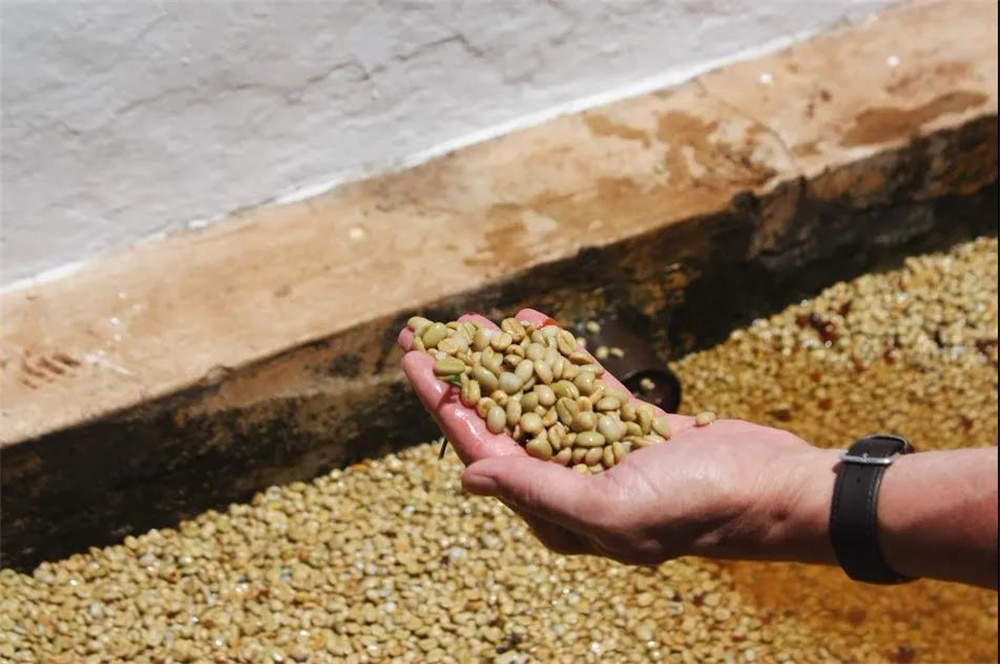
4. Washing
Once the mucilage has broken down, fresh water is added and the beans are agitated to wash away the residue. What remains is coffee in parchment.
5. Sun-Drying
After washing, defective beans are picked out, then the parchment coffee is spread on patios, tarps, or raised beds. Drying takes anywhere from 5 to 14 days depending on the weather, during which the beans' moisture content falls from 55% to 11%.
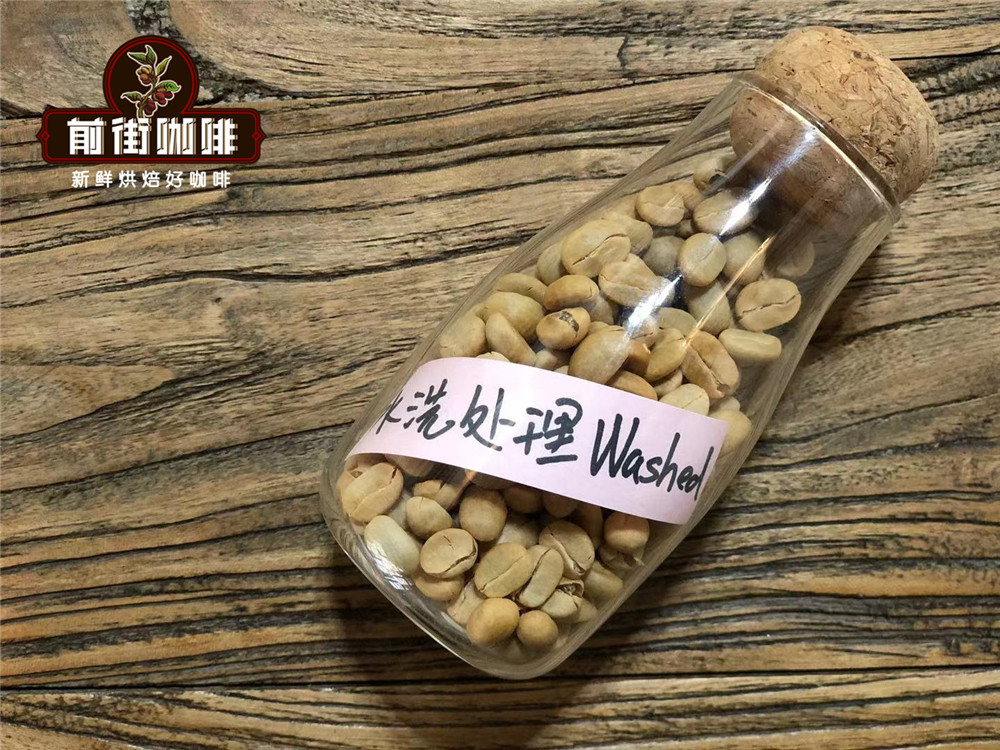
6. Resting in Parchment
The dried coffee is stored in parchment and only hulled just before export.
What Washed Coffee Tastes Like
Because floaters and defects are culled at every stage, and because the tank fermentation heightens acidity, FrontStreet Coffee regards bright fruit acidity as the signature of the washed method: a clean, fresh cup with well-defined layers.
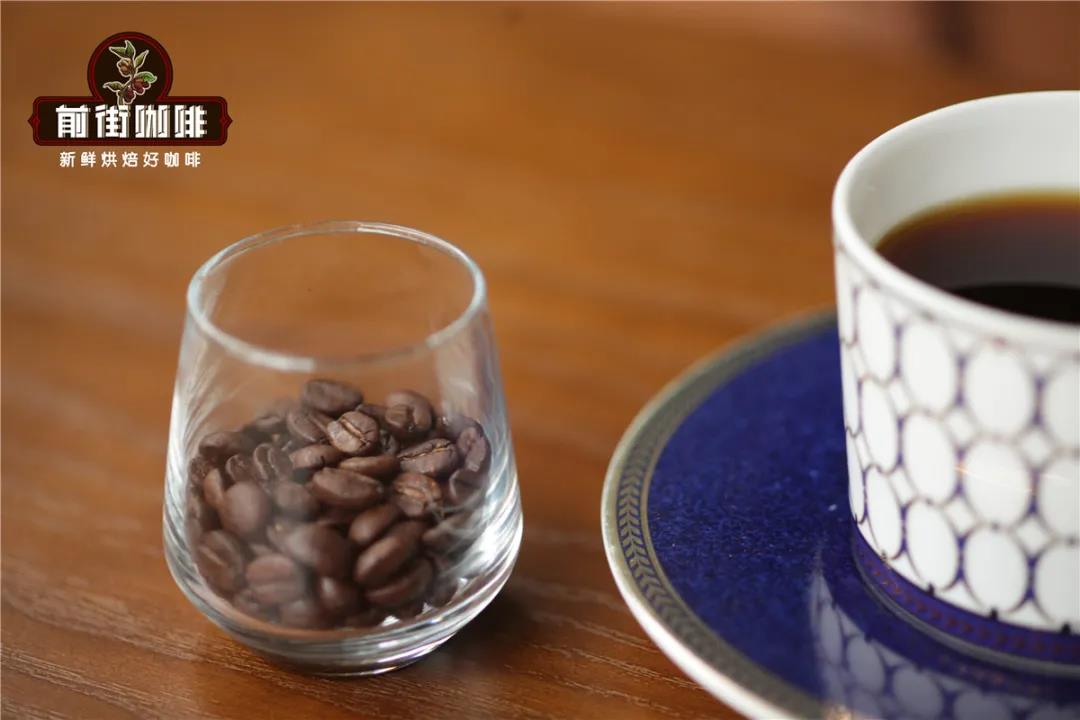
How to Brew FrontStreet Coffee's Washed Yirgacheffe
FrontStreet Coffee recommends a medium-fine grind size — about a 78% pass rate through the Chinese standard #20 sieve. Grind too coarse and the body never extracts, leaving a thin cup; too fine, and the high water temperature pushes the coffee into over-extraction and bitterness. Use water at 90–91°C so the bright fruit acidity can show itself fully. Because acidity leads this coffee, a 1:16 ratio helps dilute its concentration and lets the quieter notes — florals and a tea-like finish — come forward. FrontStreet Coffee favors a multi-pour technique: as the coffee bed's temperature climbs pour by pour, different flavor compounds get their moment.
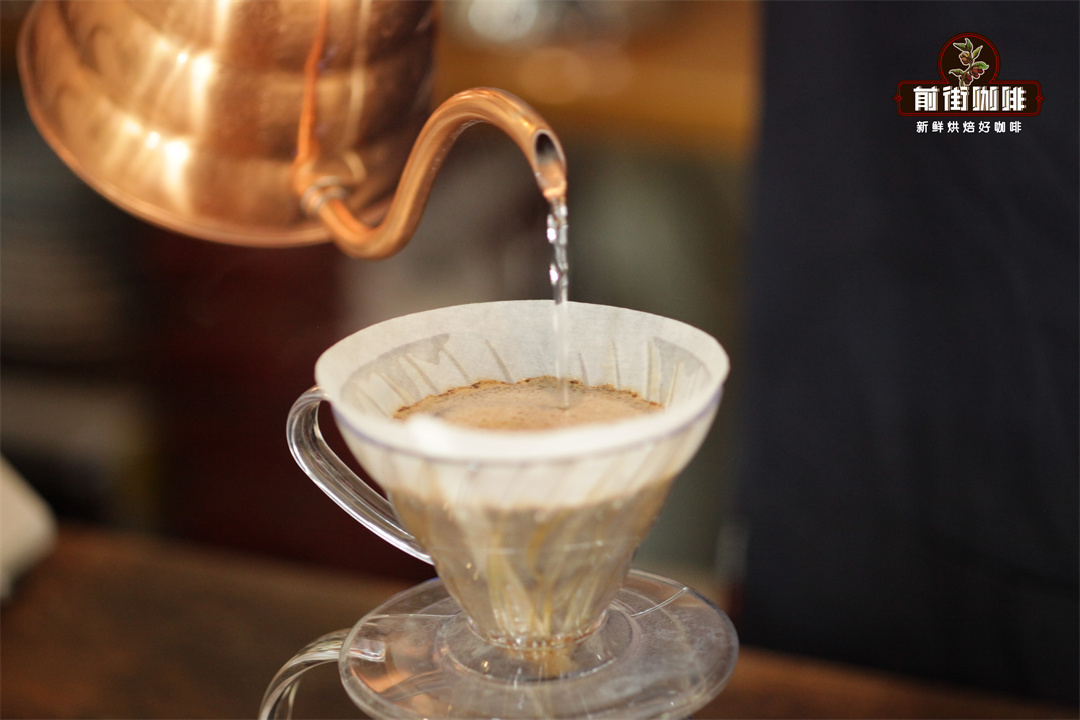
Brewing method: Start with 30 g of water for a 30-second bloom, by which point the bed has swelled nicely. For the second pour, add 120 g of water in small circles from the center, pouring from about 5 cm up with a gentle hand — no deliberate stirring needed. Wait until the water level drops to half the coffee bed, then pour the third stage, spiraling gently from the center outward at roughly 4 g/s, stopping at 240 g total. Let the liquid finish draining, ending the extraction at a total time of 2'00"–2'10".
FrontStreet Coffee Recommendation
The Classic Washed Yirgacheffe Daily Bean
If Ethiopia is new territory for you, start with FrontStreet Coffee's washed Yirgacheffe daily bean. It is known for white jasmine, a bright citrus-lemon acidity, and a tea-like finish, and its approachable price has made it the first specialty bean many newcomers ever buy. Yirgacheffe itself is a small town in southern Ethiopia's Sidamo zone, sitting at roughly 1700–2100 meters, with coffee planted above 1800 meters — some of the highest coffee terrain in the world. The name became shorthand for Ethiopian specialty coffee thanks to that unmistakable white-floral, lemon-citrus profile; demand grew so loud that in 2010 the Ethiopian Commodity Exchange formally separated Yirgacheffe from Sidamo as its own designation.
Beyond the Daily Bean
FrontStreet Coffee also offers the washed Worka (Gotiti) cooperative lot from the southeastern edge of Yirgacheffe — a traditional washed coffee with no bitter backbone, just fresh citrus-lemon acidity and jasmine fragrance — and the natural Red Cherry lot, made from fully ripe cherries dried whole on raised beds and turned every 2–3 hours in the first days to prevent uneven fermentation. After three to five weeks of sun the fruit is hulled, and the cup marries classic Yirgacheffe citrus acidity with berry juiciness, honeyed sweetness, and a creamy smoothness.
Important Notice :
FrontStreet Coffee is a long-established specialty coffee roaster in Guangzhou China, selling freshly roasted beans from its own farm in Yunnan as well as dozens of carefully selected single-origin beans from around the world for both pour-over and espresso. The products deliver consistently excellent quality and great value, with shipping within 24 hours. Guangzhou's FrontStreet Coffee shop is recommended by many coffee lovers, and the beans are now available online at the Tmall 。
FrontStreet Coffee has moved to a new address:
FrontStreet Coffee Address: 315,Donghua East Road,GuangZhou
Tel:020 38364473
 Scan and follow the En Gafei WeChat official account. Please indicate that the reprint comes from "En Gafei".