Why Geisha Coffee Variety is So Expensive: Introduction to Panama Geisha Coffee Bean Grades, Quality, and Flavor Characteristics
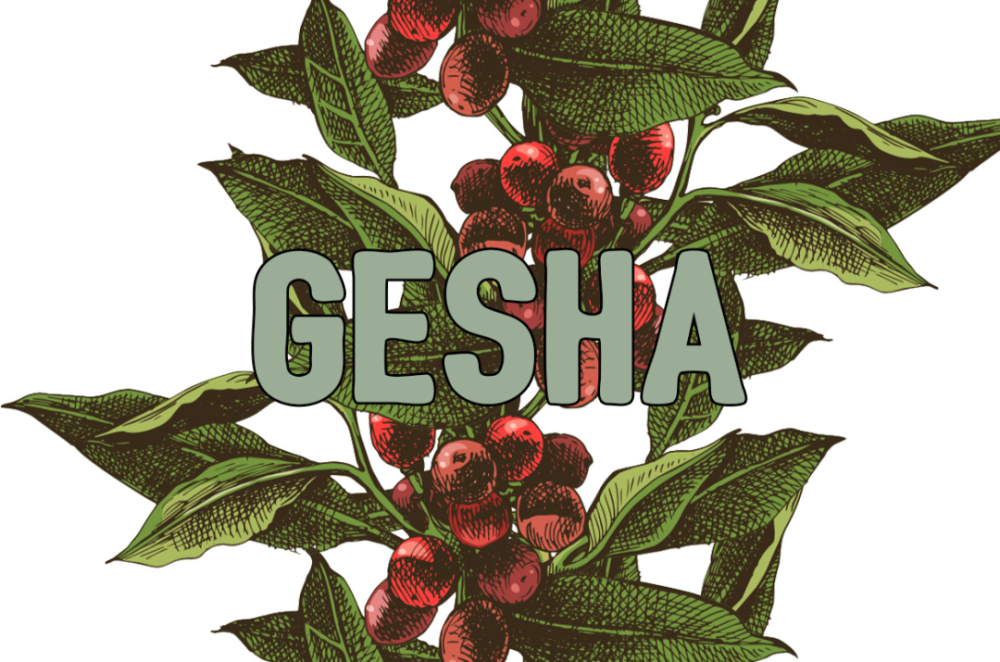
Geisha is an extremely precious coffee variety, characterized by elegant white floral aromas and bright citrus-honey notes. Its exceptional flavor performance has consistently dominated coffee competitions, with prices rising year after year, which is why Geisha is often called "the ceiling of the coffee world." This article walks through the history of Geisha and explains what makes it so captivating.
The Origins and Journey of Geisha
In 1931, Geisha was first collected from the wild Kaffa forests in southern Ethiopia, initially as part of a search for new disease-resistant varieties. It was named after the nearby Geisha Mountain. Later it was transferred to research institutes in Kenya, Uganda, and Tanzania for trial cultivation. In 1953 the Geisha variety arrived at CATIE (Tropical Agricultural Research and Higher Education Center) in Costa Rica, where it was recorded as T2722. Although it was planted on several farms in the area, Geisha's brittle branches and low yields did not appeal to farmers, and it was not widely cultivated.
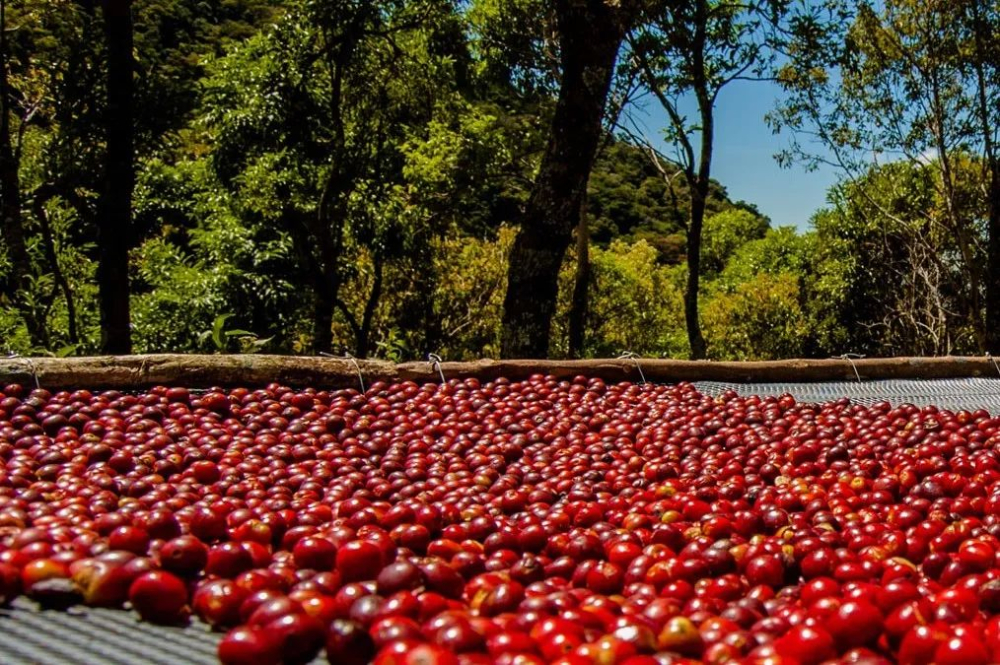
Beginning in the 1960s, CATIE distributed T2722 Geisha to Panamanian coffee farmers, and Geisha truly began its journey in the fertile lands of Panama. In the 1990s the Peterson family, owners of Hacienda La Esmeralda, began focusing on coffee production and acquired a new high-altitude farm, Jaramillo. Many coffee trees on the farm suffered from leaf rust disease, but Daniel Peterson noticed that the Geisha trees were not severely damaged. They decided to transplant the Geisha, which had been mixed with other varieties, to more areas of the farm while increasing its planting altitude.
The Discovery of Geisha's Potential
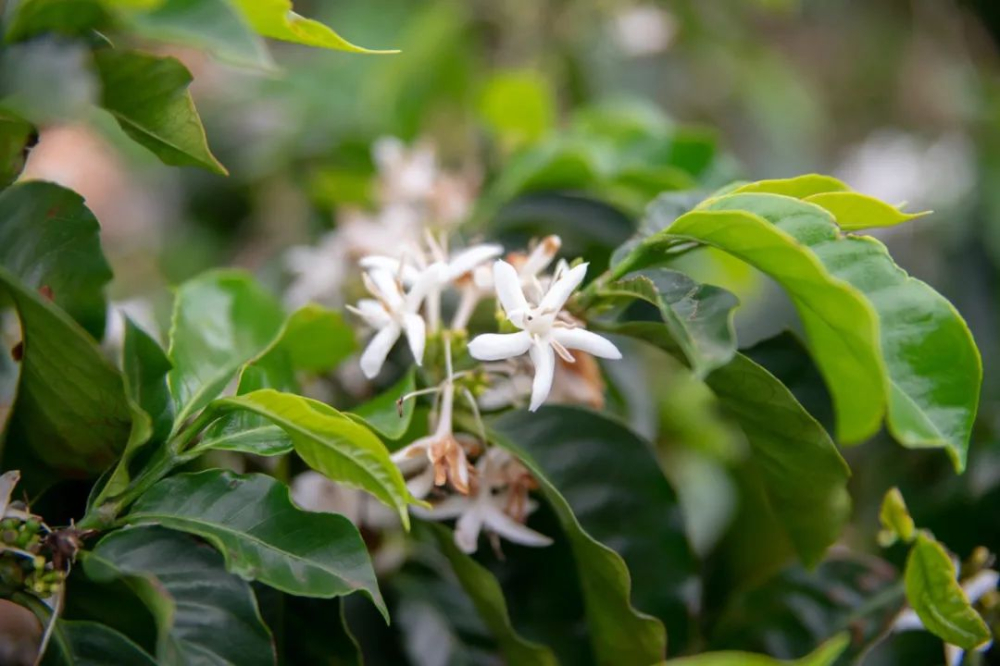
In 2003 the Peterson family finally discovered Geisha's potential. During its first cupping, it displayed an incredibly intense white floral aroma, an extremely clean mouthfeel, and berry, citrus, and bergamot-like aftertastes, forming the very typical Panamanian Geisha flavor profile. Astounded by these qualities, they decided to enter it in the 2004 BOP (Best of Panama) competition, naming it "Geisha." The stunning Panamanian Geisha coffee that captivates everyone today is therefore the T2722 variety from those early days.
Why Geisha Captivates Coffee Lovers
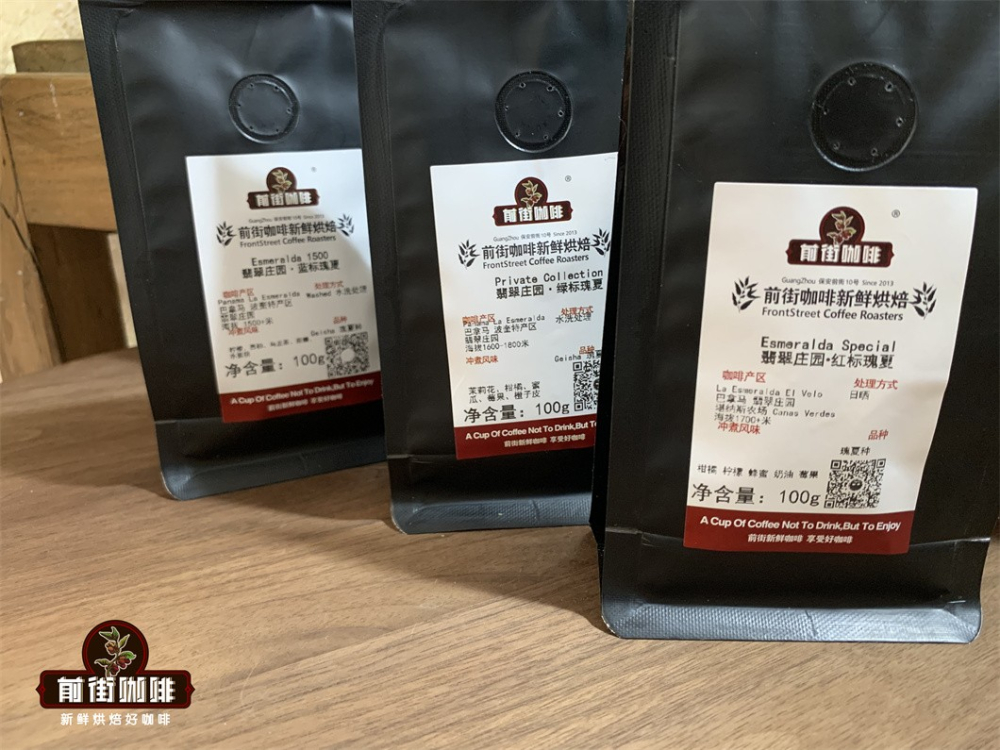
Geisha has won the hearts of enthusiasts because, unlike the traditional impression of rich, dark coffee, it resembles a refreshing floral and fruit tea. With its fragrant aromatics and complex fruit flavors, it evokes a series of unusual aromas. At different temperatures, you can experience a delicate texture and sweet-tart fruit flavors filling the entire palate. Geisha's extraordinary flavor characteristics are enough to make it the "ceiling" in the minds of many coffee lovers. The reason behind Geisha's immense popularity is its "discoverer," Hacienda La Esmeralda of Panama. FrontStreet Coffee's bean selection always includes two popular varieties from Hacienda La Esmeralda, "Red Label" and "Green Label," so everyone can enjoy the "ceiling" of specialty coffee in daily life.
Customers visiting FrontStreet Coffee for their first taste of Hacienda La Esmeralda Geisha often ask, "Why is Hacienda La Esmeralda's Geisha so expensive?" Coffee is an agricultural product, and its flavor performance is always closely related to variety, climate, altitude, soil, and management. The taste of coffee is a natural and authentic expression of its variety and local terroir, while post-processing methods and roasting should aim to preserve, restore, and present the bean's most authentic flavors. The exceptional quality of Hacienda La Esmeralda's Geisha cannot be separated from the combination of all these factors.
The Challenges of Geisha Cultivation
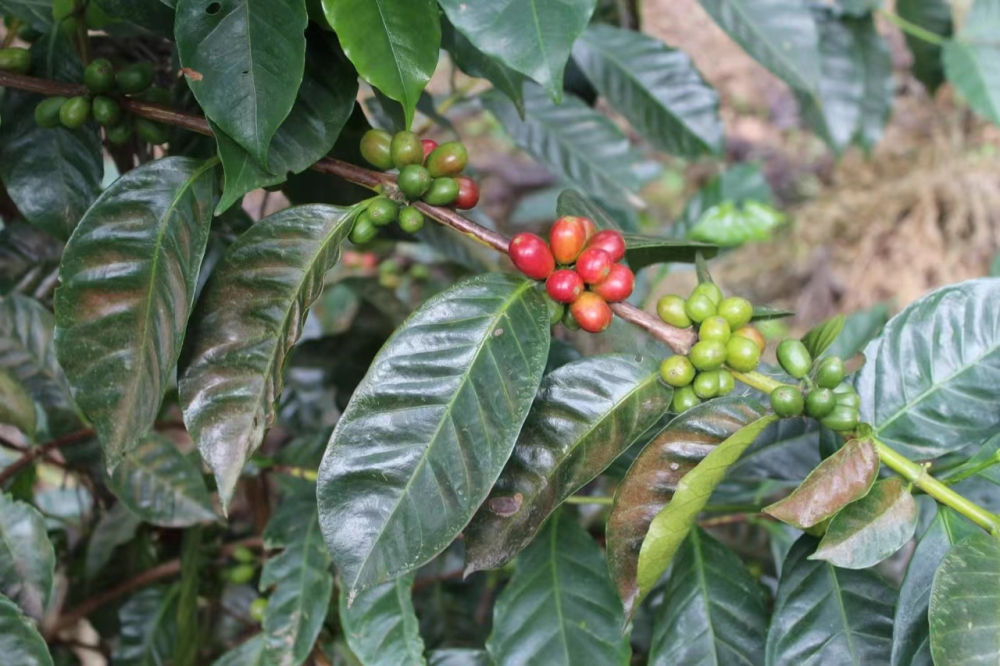
Compared to other Arabica varieties, Geisha not only has low fruit yield but is also particularly fragile and quite demanding about its growing environment. It requires high altitude, fertile soil, cloud cover or plant shading, and cannot be exposed to direct sunlight. Geisha coffee trees have very thin leaf systems, meaning their photosynthesis efficiency is low. The root systems are also fragile, with slow absorption of water and nutrients, resulting in very low yields. Combined with the high-altitude growing environment, the fruit maturity period is also relatively late. The fruit yield of one Geisha tree is only half that of the Caturra variety, which is one reason Geisha is so precious.
As the saying goes, scarcity makes things precious. Geisha coffee production is extremely limited. Panama's annual coffee production is about 10,000 tons, while the renowned Hacienda La Esmeralda produces only 150 bags of green beans annually, approximately 9,000 kilograms. With Geisha accounting for only 3% of production, that amounts to just 270 kilograms. Combined with media promotion and embellishment of Geisha's flavors, public enthusiasm keeps growing, naturally keeping Geisha prices high.
Geisha Varieties at FrontStreet Coffee
When you visit FrontStreet Coffee, if it is your first time trying Geisha, the barista will recommend Hacienda La Esmeralda's natural Red Label or washed Green Label. Red Label represents the Esmeralda Special grade (including competition lots), while Green Label refers to the Private Collection grade.
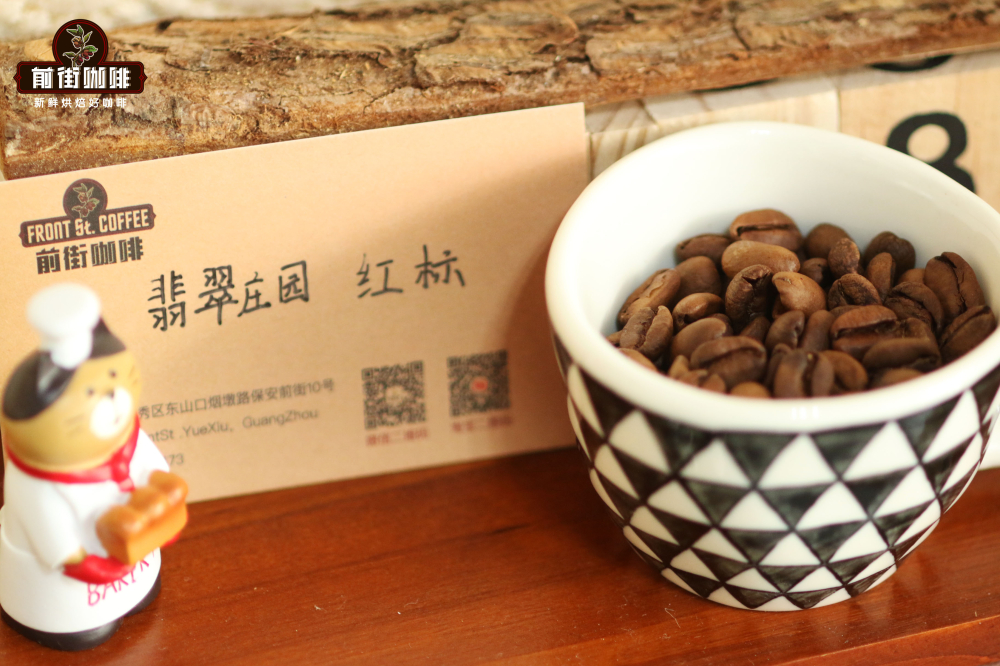
The highest-grade Red Label is harvested from high-altitude Geisha (1600-1800 meters) coffee cherries, with cupping scores exceeding 90 points, primarily from the Jaramillo and Cañas Verdes farms. Despite the challenges of planting and harvesting at such heights, Geisha's floral and fruit characteristics are most prominent in the Boquete region. Hacienda La Esmeralda holds independent auction competitions, and Red Label lots from designated plots selected for competition are called auction lots. Each auction lot has a unique number, and each number corresponds to the entire batch from a specific plot. The one we hear about most often is probably the Mario plot from the Jaramillo farm. FrontStreet Coffee's Esmeralda Red Label Geisha beans come from the Mario plot and use natural processing.
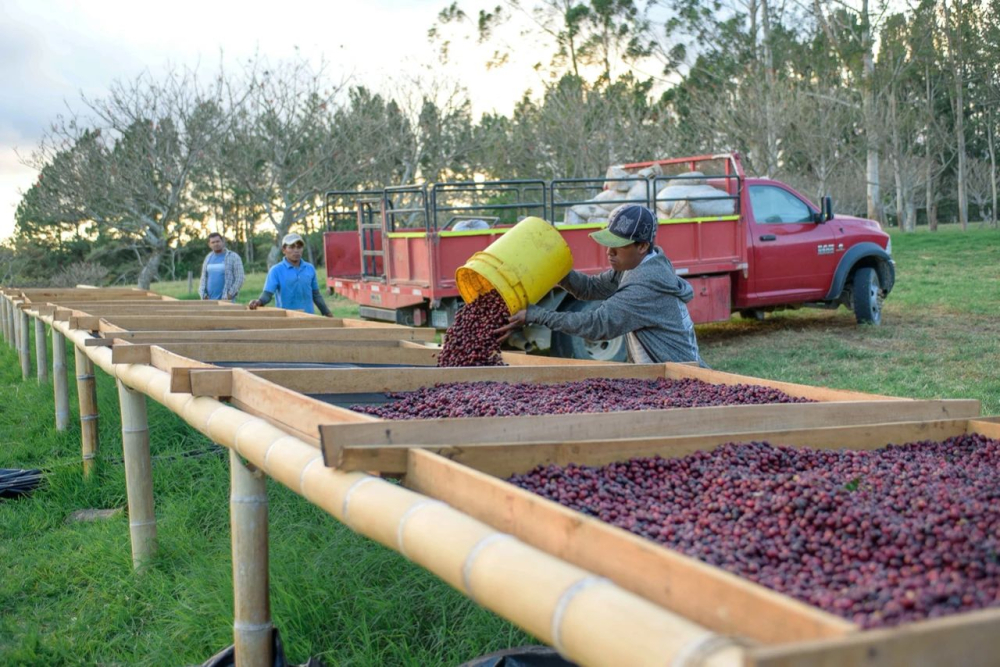
FrontStreet Coffee also offers a washed Green Label Geisha, with cupping characteristics of fresher, more natural lemon, berry, pomelo, and Ti Guan Yin tea flavors. Green Label is selected from beans grown at 1600-1800 meters altitude from Jaramillo, Cañas Verdes, and other farms without a specific plot designation. Green Label does not participate in auctions, and although its grade is not as high as Red Label, it primarily showcases the signature classic flavors of high-altitude Geisha.

Brewing Recommendations
As noted above, Geisha flavor belongs to the floral-fruity acidity type, so the roast level is generally not too dark. To preserve more elegant acidity, FrontStreet Coffee chooses medium-light roasting. The beans are quite hard and need higher-temperature water to release more aroma, while the grind size also needs to be finer. Pairing with a Hario V60 dripper and a pour-over technique enhances the layered complexity of Geisha's flavors.
Brewing Parameters:
- Dripper: V60
- Water Temperature: 91-92°C
- Coffee Dose: 15g
- Coffee-to-Water Ratio: 1:16
- Total Water: 240g
- Grind Size: Fine sugar consistency (80% retention on #20 sieve)
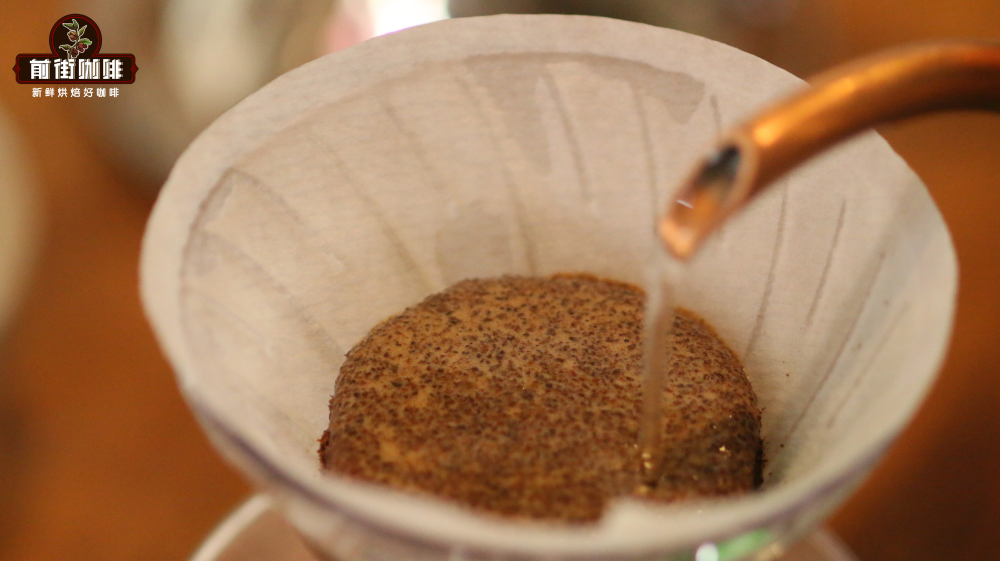
Three-Stage Extraction Process:
First, pour 15 grams of coffee powder into the dripper and zero the scale. For the first stage, pour 30g of water for a 30-second bloom, starting the timer at the same time. Use a small water flow, starting from the center and pouring outward in circles, ensuring the entire coffee bed is moistened.
For the second stage, use a slightly larger water flow to pour 120g of water, aiming to raise the entire coffee bed. The water stream should be poured vertically and evenly. The scale should show 150g at this point, completed in approximately 55 seconds.
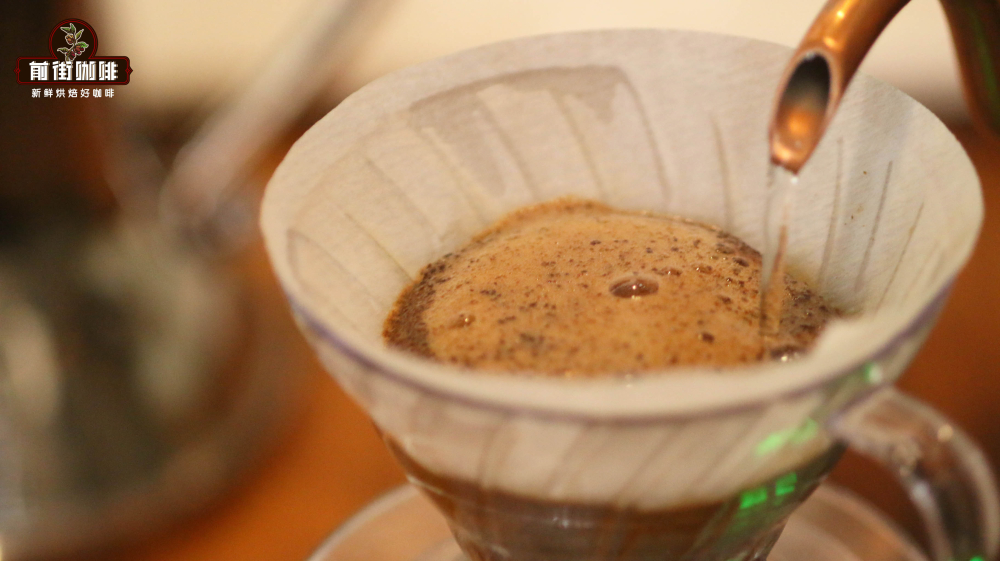
When the water level drops to halfway, begin the third stage by pouring 90g with a small water flow in small circles. Try to control the flow so you do not pour too widely, which could scatter the grounds and cause under-extraction. The final total water volume should be 240g, with the complete drip filtration time around 2 minutes and 10 seconds. After removing the dripper, shake the coffee in the sharing pitcher evenly before tasting.
Tasting Notes
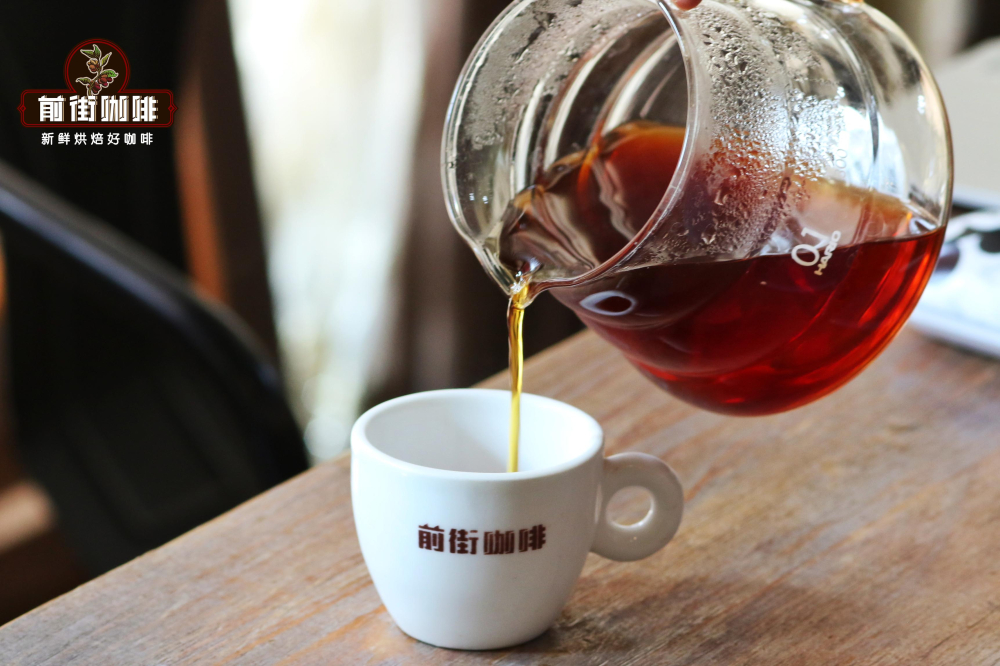
Red Label Geisha offers intense rose aromas right after grinding. On the palate you will find mango and tropical fruits with a smooth, creamy mouthfeel; it does not feel like drinking coffee at all, but more like a floral and fruit tea. Green Label Geisha presents a clearer flavor profile with jasmine aromas, sweet-tart berry and citrus flavors, and a persistent green tea aftertaste.
FrontStreet Coffee Recommendation
If the Red and Green Labels described above are already on your list, FrontStreet Coffee also carries a few other ways into the variety. The Panama Boquete Geisha is the entry-level option: a washed lot from Panama's most representative growing region, with pure varietal genetics, that makes the classic orange-blossom honey character and delicate fruit acidity easy to taste at a friendly price.
For the Ethiopian side of Geisha, FrontStreet Coffee offers the Geisha Village labels from Bench Maji. The Gold Label is the Geisha 1931 variety, about 10% of the village's output and its top coffee outside the auction, often chosen by competition baristas; the Red Label is the Gori Gesha variety, about 15% of production and scored 88 points or above on the SCA 100-point scale, with full traceability down to farm block and processing date. There is also the Genlana Gesha from Yirgacheffe, a rare single-variety farm lot showing bright citrus acidity, ginger-flower aroma and ripe-fruit sweetness.
Geisha is a medium-light, floral-fruity roast, and its hard beans can sink and clog the dripper, so FrontStreet Coffee grinds to about 78% pass-through on a Chinese standard #20 sieve (roughly fine sugar) and brews at 91°C with 15g of coffee, a V60 and a 1:16 ratio, in three stages: a 30g, 30-second bloom, then to 125g, then to 225g, for a total of around 2 minutes 10 seconds to 2 minutes 20 seconds. It also works as an SOE, pulled 20g in at 1:2 for about 25 seconds to a 40g shot.
Important Notice :
FrontStreet Coffee is a long-established specialty coffee roaster in Guangzhou China, selling freshly roasted beans from its own farm in Yunnan as well as dozens of carefully selected single-origin beans from around the world for both pour-over and espresso. The products deliver consistently excellent quality and great value, with shipping within 24 hours. Guangzhou's FrontStreet Coffee shop is recommended by many coffee lovers, and the beans are now available online at the Tmall 。
FrontStreet Coffee has moved to a new address:
FrontStreet Coffee Address: 315,Donghua East Road,GuangZhou
Tel:020 38364473
 Scan and follow the En Gafei WeChat official account. Please indicate that the reprint comes from "En Gafei".