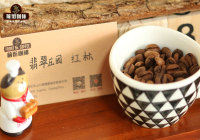
Ethiopian Coffee Growing Regions Flavor Profiles Ethiopian Yirgacheffe Coffee Characteristics and Taste Introduction
The Story of Ethiopian Coffee
Ethiopian coffee captivates with its exuberant floral and fruity character, a profile found nowhere else in the coffee world. Combined with the local legends surrounding coffee's birthplace, the coffee from this origin carries an almost mystical appeal.

Ethiopia sits on the East African plateau in the country's northeastern reaches, with its coffee-growing areas concentrated mainly in the central and western parts of the country. The coffee culture here runs remarkably deep. For many Ethiopians, coffee is closer to a faith than a beverage, and drinking it follows a special ritual known as the "coffee ceremony."
Ethiopia is also home to the most famous legend of coffee's origin: a goatherd named Kaldi noticed his goats became unusually energetic after nibbling red cherries from a certain shrub. He tried the cherries himself and felt refreshed and invigorated. He later gathered the cherries for his village, and from there coffee began its journey across the world.
How Coffee Is Grown in Ethiopia
Ethiopian coffee is cultivated under three main models: forest coffee, garden coffee, and large-scale plantation coffee.
Forest coffee refers to trees growing truly wild in their natural habitat. It is found chiefly in the Kaffa forests of southwestern Ethiopia, where the varieties are highly mixed. The dense jungle canopy provides shade and shelter, and when the cherries ripen, nearby farmers harvest them and bring them to market. Because quality varies considerably, this coffee sells at low prices. There is also semi-forest coffee, in which farmers thin out dense branches to give the trees a better balance of sun and shade, with weeding done once a year to raise yields.

More than half of Ethiopia's coffee comes from garden cultivation. Since coffee does not provide income year-round, farmers interplant coffee trees with other crops in their backyards for convenience and easy management.
Finally, large-scale plantation coffee accounts for a smaller share of output. These estates are typically financed and run by large companies and brands, aiming to raise efficiency through large-scale, specialized management, with dedicated workers handling everything from seedling cultivation to pruning, fertilizing, spraying, and harvesting.
Ethiopia's Coffee Origins
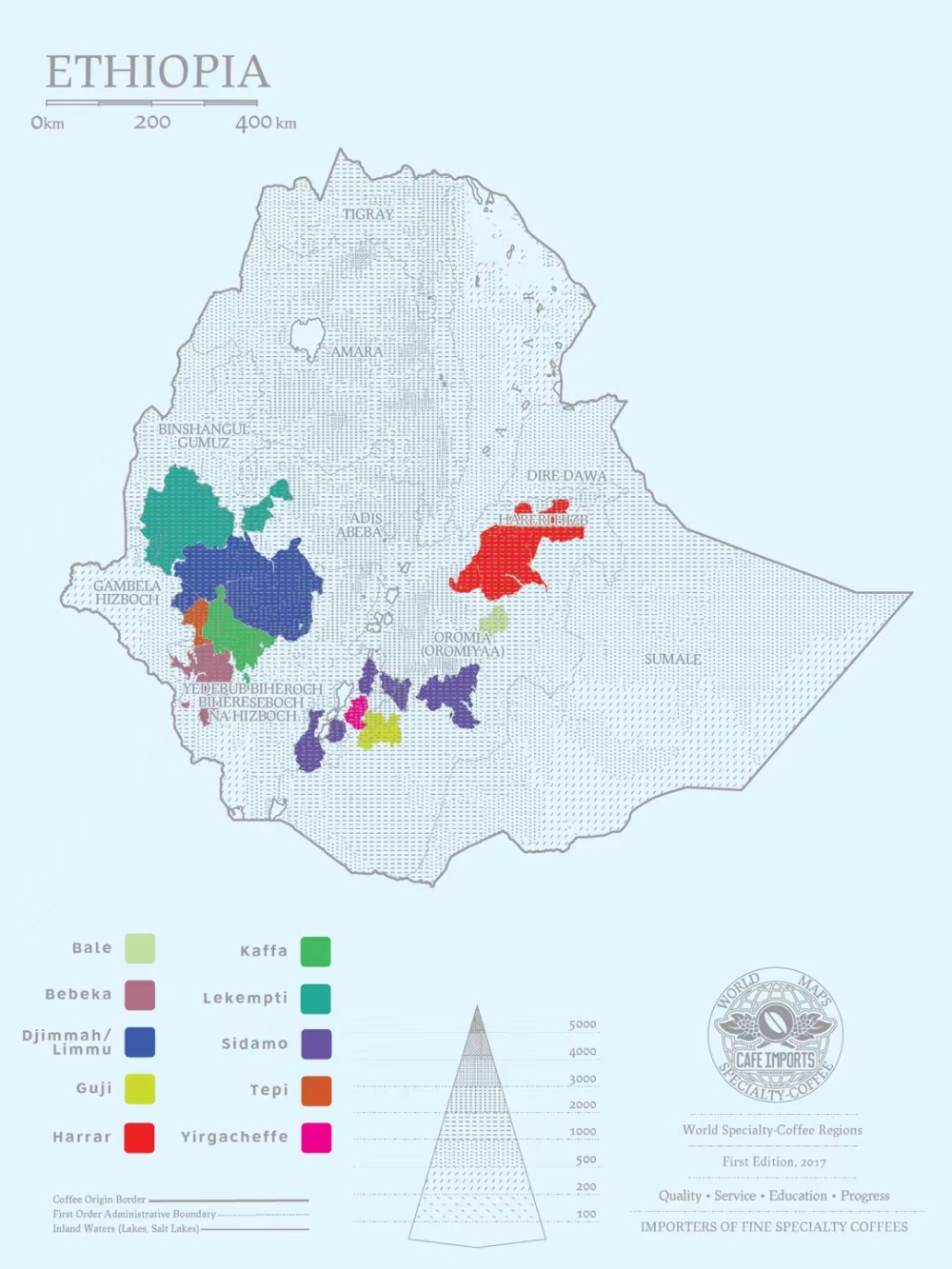
Ethiopia has nine major coffee-producing regions: Sidamo, Yirgacheffe, Harrar, Jimma, Limu, Illubabor, Lekempti, Tepi, and Bebeka. Of these, Yirgacheffe, Sidamo, Limu, and Harrar are regarded as specialty regions.
Garden cultivation dominates the Ethiopian coffee landscape. Because individual farmers harvest only small lots, the country relies on numerous cooperatives and washing stations of every size to process green coffee in their areas. Farmers deliver freshly picked cherries to the nearest water-source processing station for unified handling, and the lots are later sold under the station's name.
Yirgacheffe
The Yirgacheffe region, formally organized as the Yirgacheffe Coffee Farmers Cooperative Union (YCFCU), brings together 28 small cooperatives, including the well-known Gedeb and Worka groups. Originally administered as part of Sidamo, Yirgacheffe was separated out because its flavor profile was so distinctive. High altitude produces wide day-night temperature swings, letting the cherries ripen slowly, accumulate more nutrients, and develop deeper aromatics. Classic Yirgacheffe character means bright citrus and lemon acidity, a rich jasmine fragrance, and honeyed sweetness that lingers long in the finish.
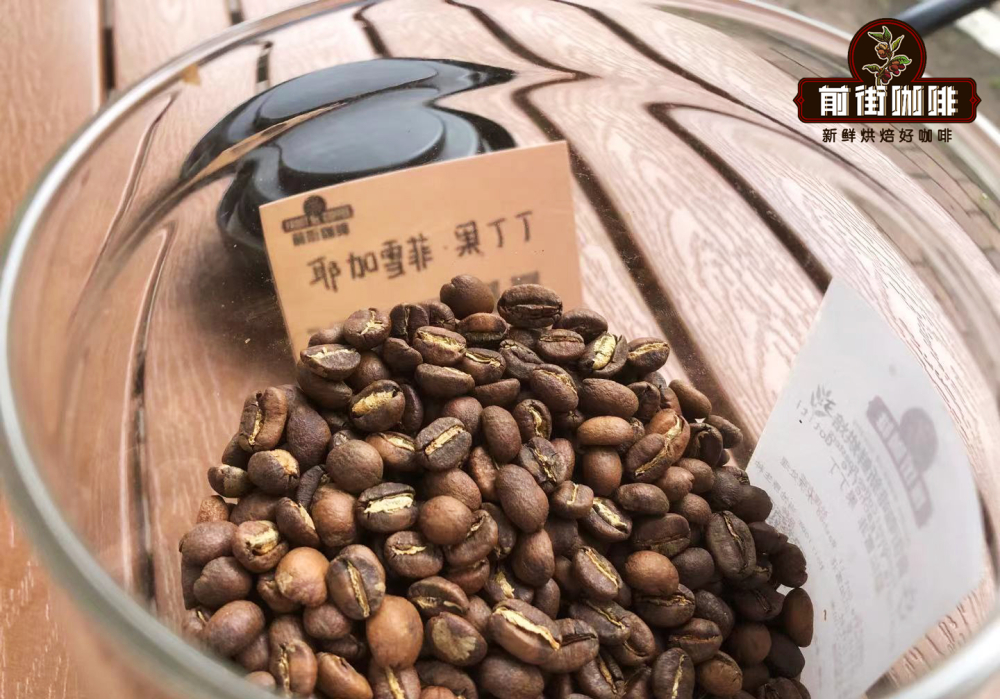
FrontStreet Coffee: Gedeb Cooperative Coffee Beans
Region: Yirgacheffe
Altitude: 1900-2000m
Process: Washed
Variety: Heirloom
Flavor: Jasmine, citrus, berries, tea-like notes
FrontStreet Coffee believes Yirgacheffe best expresses the fundamental character of African coffee, which is why washed Yirgacheffe was chosen as one of its seven daily house coffees. These daily selections act as "ambassadors" from each origin, letting coffee newcomers experience each region's core flavors affordably and discover how wide the flavor spectrum really is.
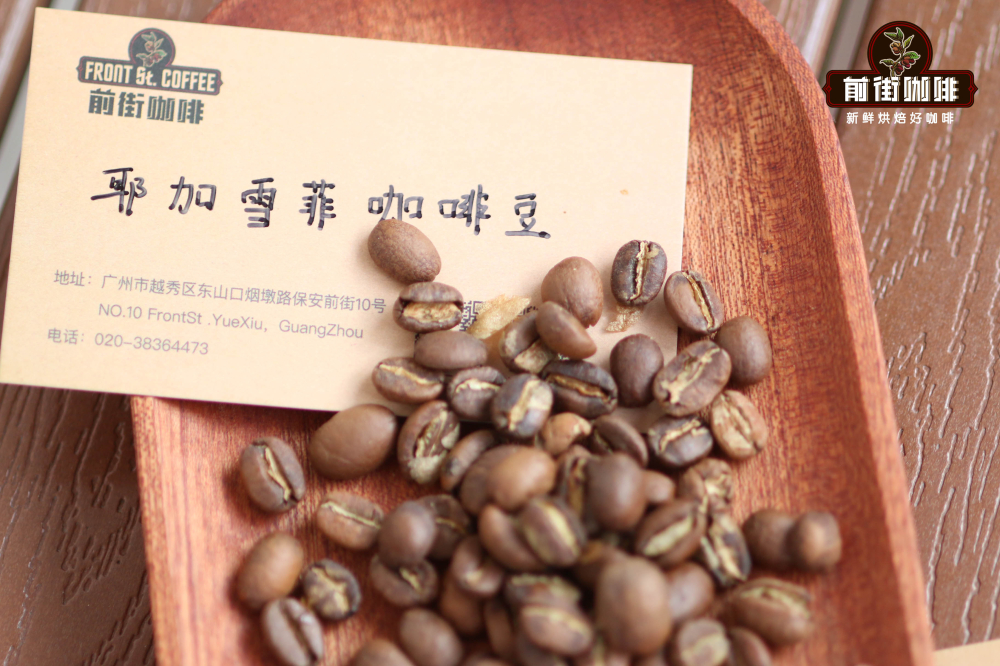
Sidamo
Sidamo lies in southern Ethiopia and encompasses richly varied terroirs, which produces highly diverse cup profiles. Its coffee trees grow on both flanks of the East African Rift Valley. The highlands have fertile soil, and annual rainfall can reach 2000 millimeters, creating near-ideal growing conditions. Guji is Sidamo's finest sub-region, with altitudes between 1850 and 2000 meters; coffee from here shows high sweetness and delicate florals. FrontStreet Coffee's Hambella "Horse Champion" beans come from this area, notable for pronounced passion fruit and other fermented fruit aromatics.
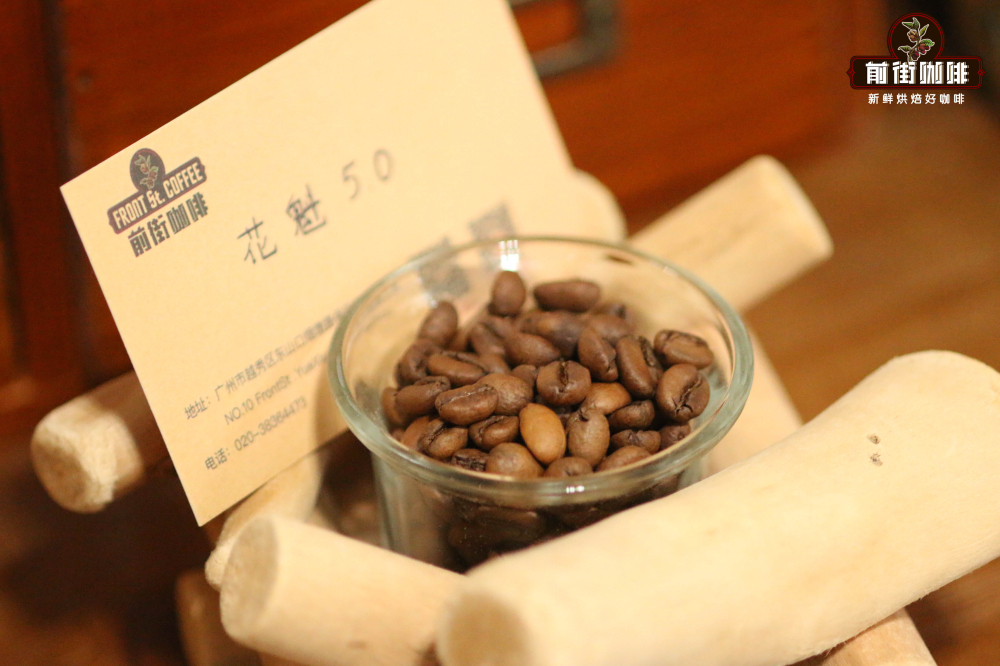
FrontStreet Coffee Ethiopia Horse Champion 5.0
Region: Guji, Sidamo
Altitude: 2250-2350m
Variety: Local Heirloom
Process: Natural
Flavor: Passion fruit, berries, strawberry
Harrar
Harrar is an ancient trading city in eastern Ethiopia and one of Islam's four holy cities. Its coffee is not grown within the city itself but in the Hararghe Highlands of the surrounding region. Annual rainfall there is only about 1000 millimeters under abundant sunshine, so nearly all coffee is natural-processed. Top-grade Harrar resembles the famed Yemen Mocha in flavor, developing strong chocolate aromatics in the roast and offering a full, winey body with dark-berry acidity. In recent years, however, local conditions and a chaotic grading system have made quality unstable, so genuinely premium Harrar lots have become scarce.
Limu
Limu sits in central Ethiopia at growing altitudes of 1200-2000 meters. Production is comparatively small and mostly supplies European and American markets. Green coffee is processed by washed, natural, and semi-washed methods. In FrontStreet Coffee's experience, Limu coffee has a lighter body, with floral and citrus notes less pronounced than in Yirgacheffe or Sidamo. The profile shows bright fruit acidity accented by grassy and brown-sugar tones.
Coffee Varieties
Across the many Ethiopian beans FrontStreet Coffee carries, the variety is always listed as local heirloom, or simply Heirloom. Ethiopia's forests hold so many coffee varieties—countless genetic lines that are difficult to identify, and which the government prefers not to disclose in order to protect them—that "heirloom" is used as a catch-all term. This is also why Ethiopian beans so often look uneven in shape and size.
Processing Methods
Ethiopian green coffee typically goes through one of two classic processes: natural and washed.
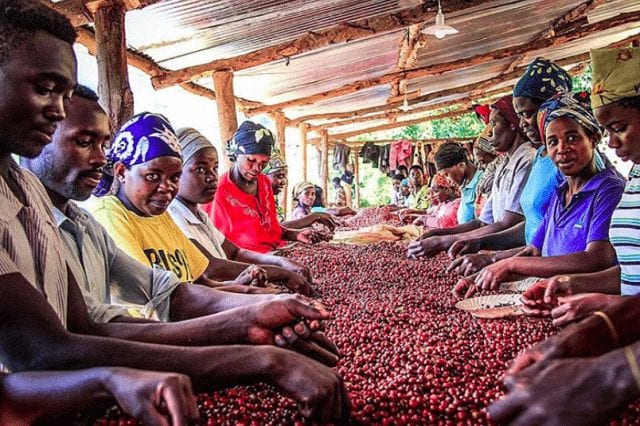
Traditionally, farmers simply laid harvested cherries on patios or spread them on the ground, drying them in direct sun until moisture fell to roughly 12% before hulling and bagging. Coffee handled this way often picked up earthy, over-fermented, or rotten-fruit faults. To correct these defects, Ethiopia later introduced washed processing technology from Central and South America.

Washed processing starts by floating the cherries in tanks to skim off underripe beans, then mechanically removes the pulp and moves the beans into clean water tanks to ferment. The acids generated during fermentation loosen the mucilage layer, after which the beans are rinsed thoroughly and dried to completion in the sun. Because washing strips out defective beans at multiple stages, the resulting cup is cleaner, with purer acidity. FrontStreet Coffee's Gedeb cooperative lot is traditionally washed, showing fresh lemon and citrus acidity.
Ethiopia also produces outstanding natural-processed lots. Stations first float the fully ripe cherries to remove defects, then dry them on raised African beds, turning them regularly by hand to prevent uneven heating and over-fermentation that could cause rotten flavors. Natural coffees carry fermented-fruit aromas and a pronounced juice-like quality. FrontStreet Coffee's Red Cherry beans are a textbook example, with rich tropical-fruit sweetness and acidity.
Brewing Recommendations
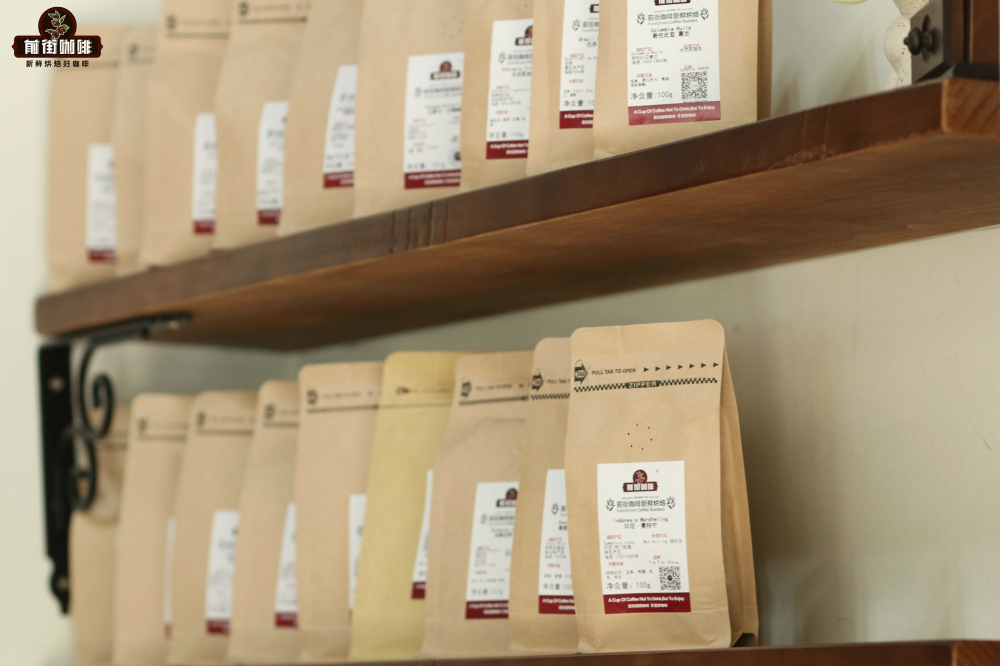
Ethiopian coffee is wonderfully diverse, with florals and fruit aromatics front and center. FrontStreet Coffee recommends choosing freshly roasted beans to experience the full profile. Beans hit their peak tasting window 4-7 days after roasting, after which aromatics fade quickly. FrontStreet Coffee ships beans roasted within the past 5 days, so you can start brewing as soon as your order arrives.
To showcase what Ethiopian coffee can do, FrontStreet Coffee works with two beans: washed Gedeb and natural Sidamo Horse Champion. Because these high-altitude beans are dense, FrontStreet Coffee finds that higher water temperatures and a finer grind are needed to draw out Yirgacheffe's layered flavors.
On grinding: customers often ask whether FrontStreet Coffee offers a grinding service, and it does. Just keep in mind that ground coffee loses aroma quickly—if you have it ground in advance, brew it soon, since extended storage will dull the cup.
Brewing Parameters:
Dripper: V60
Water Temperature: 91-92°C
Coffee Dose: 15g
Ratio: 1:15
Grind Size: Fine-granulated-sugar (80% passes through a #20 sieve)
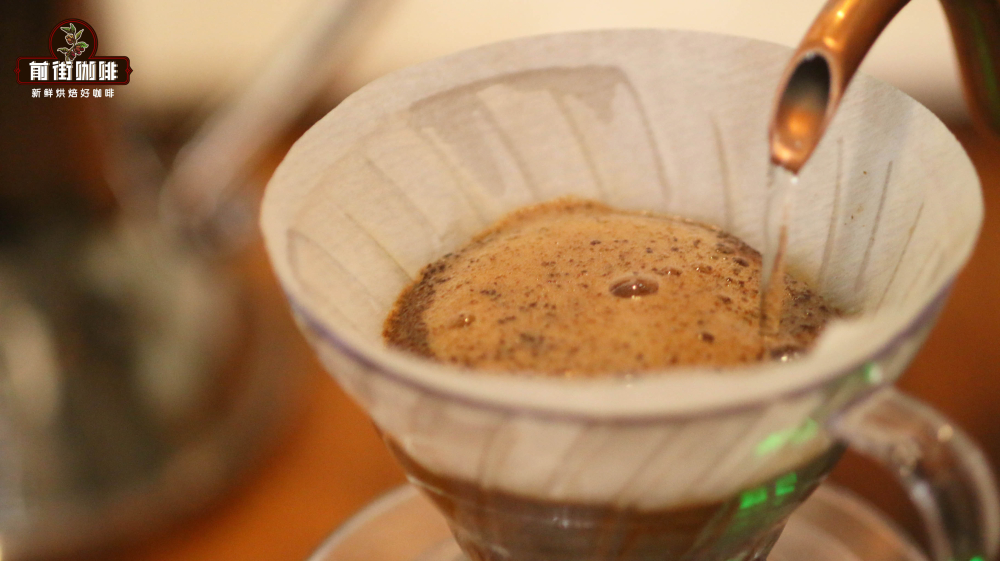
Pour in three stages: bloom with 30g of water for 30 seconds, then pour in small circles up to 125g for the second stage. Once the water level drops to just above the coffee bed, pour up to 225g and stop. Remove the dripper once all the liquid has drawn down (timing starts at the bloom). Total extraction time: 2'00".
Both Ethiopian coffees release delicate floral and fruit aromatics the moment they are ground. The washed Gedeb offers bright, uplifting lemon and berry acidity with clear cane-sugar sweetness, unfolding into green tea notes as it cools and a long, persistent finish. The natural Sidamo Horse Champion 5.0 delivers lush passion fruit, strawberry, and fermented-fruit aromas with vivid berry sweetness and acidity, closing on smooth black tea.
FrontStreet Coffee Recommendation
If you are new to Ethiopian coffee, start with FrontStreet Coffee's washed Yirgacheffe daily house bean. It is best known for its white jasmine florals, bright citrus and lemon acidity, and a clean tea-like finish—and its approachable price has made it the classic first specialty bean for beginners. Yirgacheffe itself is a small town in southern Ethiopia's Sidamo zone at roughly 1700-2100 meters, with most coffee planted above 1800 meters, making it one of the highest coffee-growing regions in the world. Its instantly recognizable white florals and lemon-citrus acidity have made the name Yirgacheffe practically synonymous with Ethiopian specialty coffee.
For something more adventurous, try FrontStreet Coffee's natural Red Cherry. Only fully ripe, defect-free cherries are picked, screened again at the station, and dried on raised beds, with the fruit turned every 2-3 hours during the first days to prevent uneven heating and over-fermentation. After three to five weeks in the sun, the dried cherries are hulled and rested in storage. Because the beans dry inside the fruit, the cup keeps classic Yirgacheffe character while gaining tropical-fruit aromatics: citrus-like acidity, a berry-juice juiciness, honeyed sweetness, and a creamy-smooth body. To brew either bean, FrontStreet Coffee suggests a V60 at 90-91°C, 15g of coffee at a 1:15 ratio, and a fine-granulated-sugar grind (80% through a #20 sieve): bloom with 30g of water for 30 seconds, pour to 125g by about one minute, then finish to 225g by around 1'35", with the drawdown completing between 2'00" and 2'10".
Important Notice :
FrontStreet Coffee is a long-established specialty coffee roaster in Guangzhou China, selling freshly roasted beans from its own farm in Yunnan as well as dozens of carefully selected single-origin beans from around the world for both pour-over and espresso. The products deliver consistently excellent quality and great value, with shipping within 24 hours. Guangzhou's FrontStreet Coffee shop is recommended by many coffee lovers, and the beans are now available online at the Tmall 。
FrontStreet Coffee has moved to a new address:
FrontStreet Coffee Address: 315,Donghua East Road,GuangZhou
Tel:020 38364473
 Scan and follow the En Gafei WeChat official account. Please indicate that the reprint comes from "En Gafei".