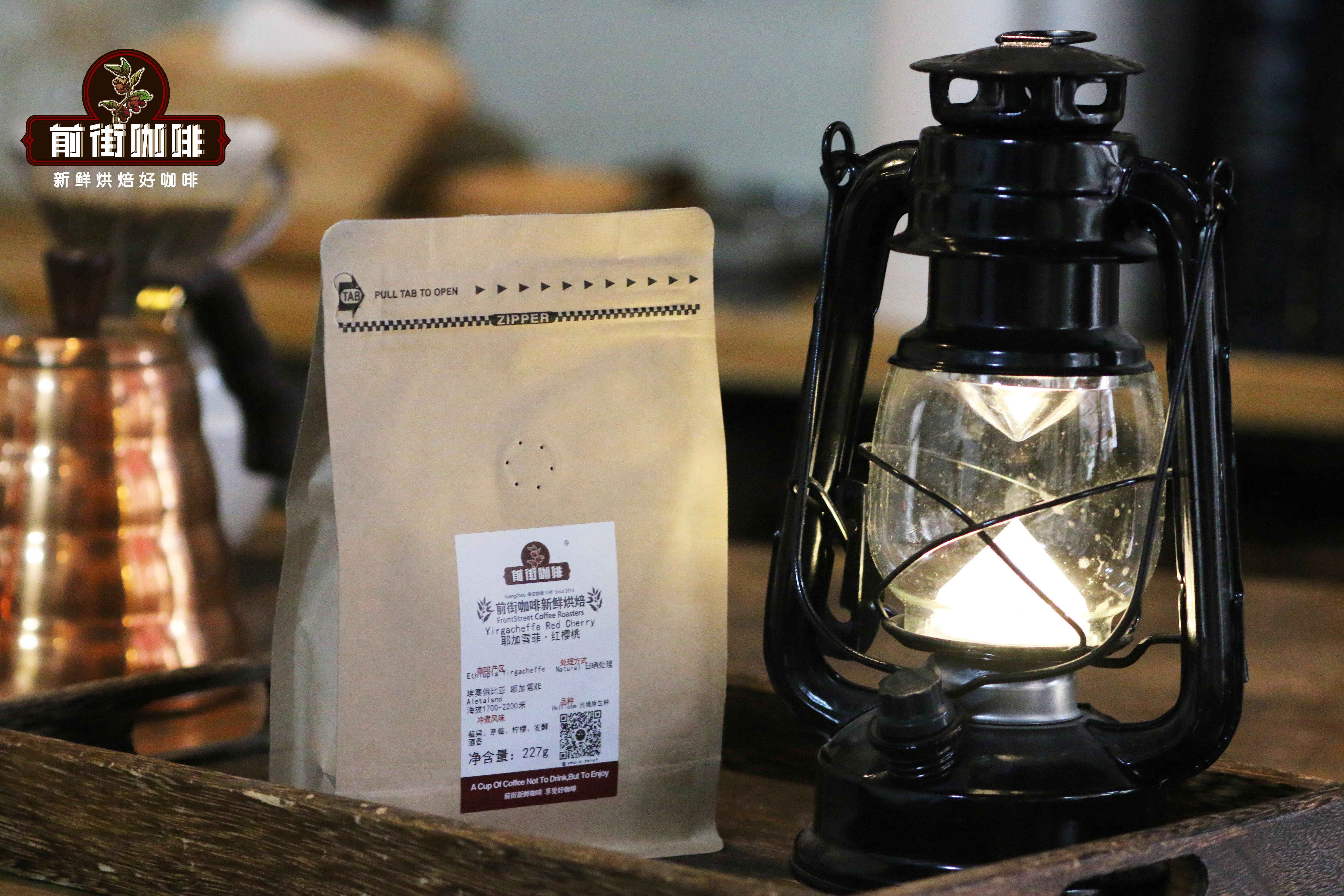
Specialty Coffee Beans Introduction - Mandheling Coffee Characteristics and Flavor Profile of Indonesian Mandheling
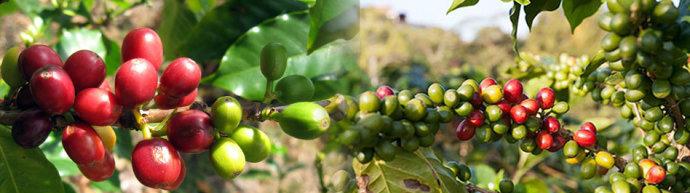
The Origin of Mandheling Coffee
Many well-known single-origin coffee names are taken from a growing region, a place name, a variety or the name of the green bean processor. The naming of "Mandheling," however, is unusual: it comes from a story of misunderstanding.
During World War II, the Japanese army invaded Sumatra in Indonesia, and Japanese soldiers were a common sight on the island. One day a soldier stopped at a local restaurant for coffee and found it rich and aromatic. He asked the shopkeeper the name of the coffee, but the shopkeeper misheard and thought he was being asked where he came from, so he answered, "Mandailing people." After the war the soldier remembered the coffee he had drunk in Indonesia as "Mandheling" and commissioned a shipment of beans from Sumatra to Japan, where it became a surprise hit. The name Mandheling Coffee has spread ever since.

What Are the Characteristics of Mandheling Coffee?
Anyone who has visited a FrontStreet Coffee store and tried Mandheling knows that it is roasted to a darker degree, with distinctive spice and herbal flavors and a rich, bitter taste that some guests find hard to accept while others genuinely love it. Below, FrontStreet Coffee explains what creates such distinctive characteristics in Mandheling coffee.
The Mandheling we refer to is Arabica coffee grown in the mountainous area around Lake Toba on Sumatra. Sumatra is the largest island in Indonesia, with a tropical rainforest climate that is hot and humid year-round, and coffee trees are generally grown in mountain forests. Among these, coffee from Gayo Mountain in the Aceh region is considered the highest quality in the whole of Sumatra, and most of it consists of heirloom varieties. FrontStreet Coffee's PWN Gold Mandheling beans are selected from the Gayo Mountains in Aceh.
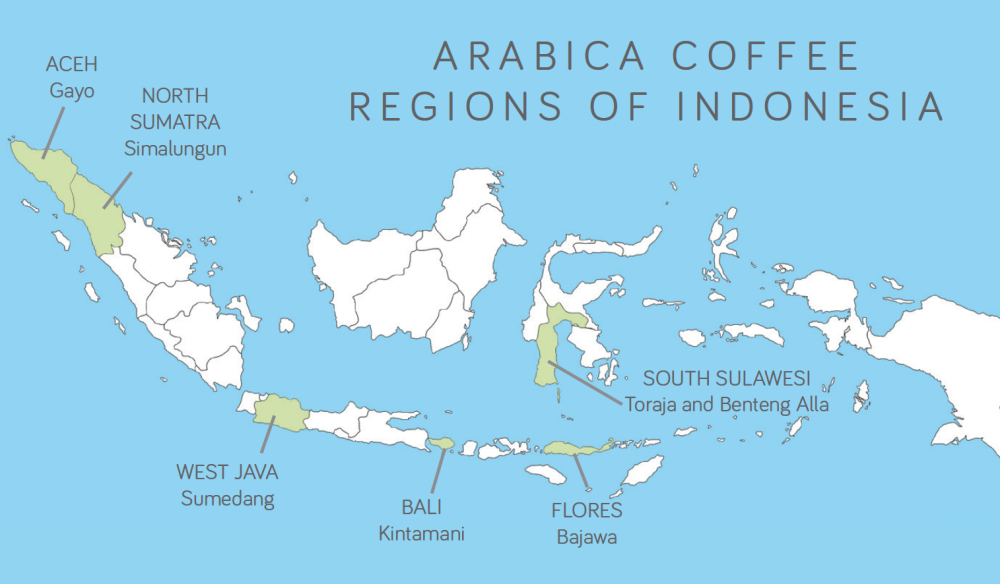
Sumatra has the fertile volcanic soil found in many renowned coffee-growing regions, holding large amounts of minerals that help coffee fruits develop more nutrients and aroma. Local farmers plant coffee trees at moderate to high altitudes, generally between 1,100 and 1,600m. Even so, the tropical rainforest climate means coffee fruits mature in a shorter time, which makes it difficult to develop rich acidity. As a result, the flavors here lean more toward herbs and spice.
In northern Sumatra near Lake Toba lies a mountainous area known as Lindong. The Mandheling beans produced there are relatively large with a hard structure. Because of the high number of defects, roasters need to sort them strictly during processing. Since Lindong Mandheling green beans are often left unsorted, you can frequently see uneven sizes and relatively intense flavors.

PWN Gold Mandheling Coffee Beans
Indonesia classifies green bean grades according to the number of defects and bean size. The highest grade is G1, which means fewer than 3 defective beans in a 300g sample and green bean specifications above 18 screen.
As the Mandheling story above suggests, Japanese buyers have a special fondness for Mandheling coffee and want to drink high-quality batches. When cooperating with Indonesian green bean suppliers, they established strict screening systems. The processed green beans need to undergo density and color sorting plus three manual screenings to ensure the color, shape and size of the beans are uniform. Mandheling processed this way tastes cleaner and brighter when brewed, with a more prominent body and sweetness.
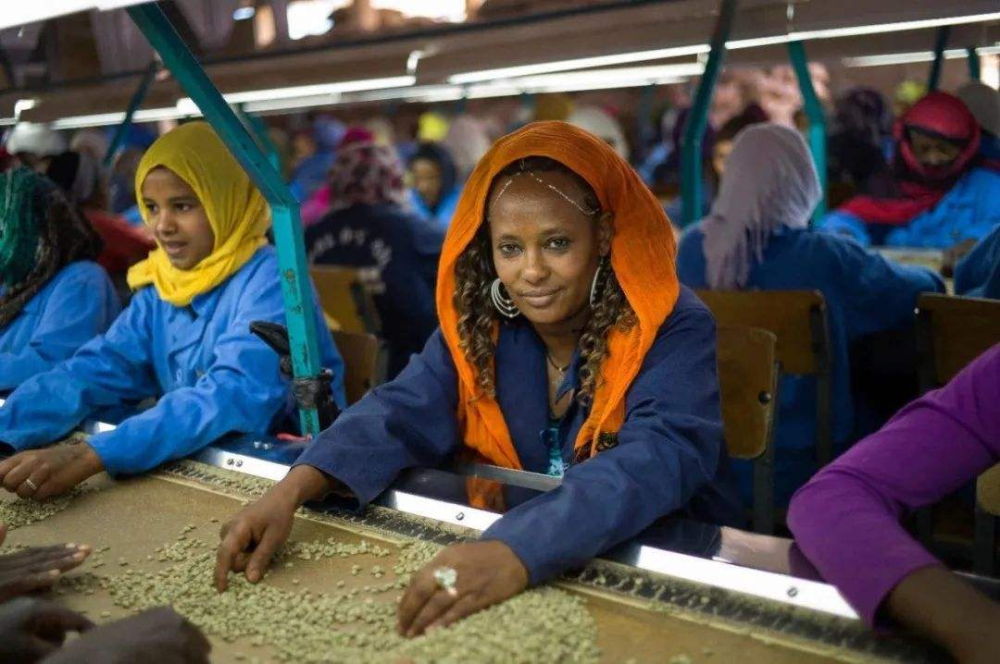
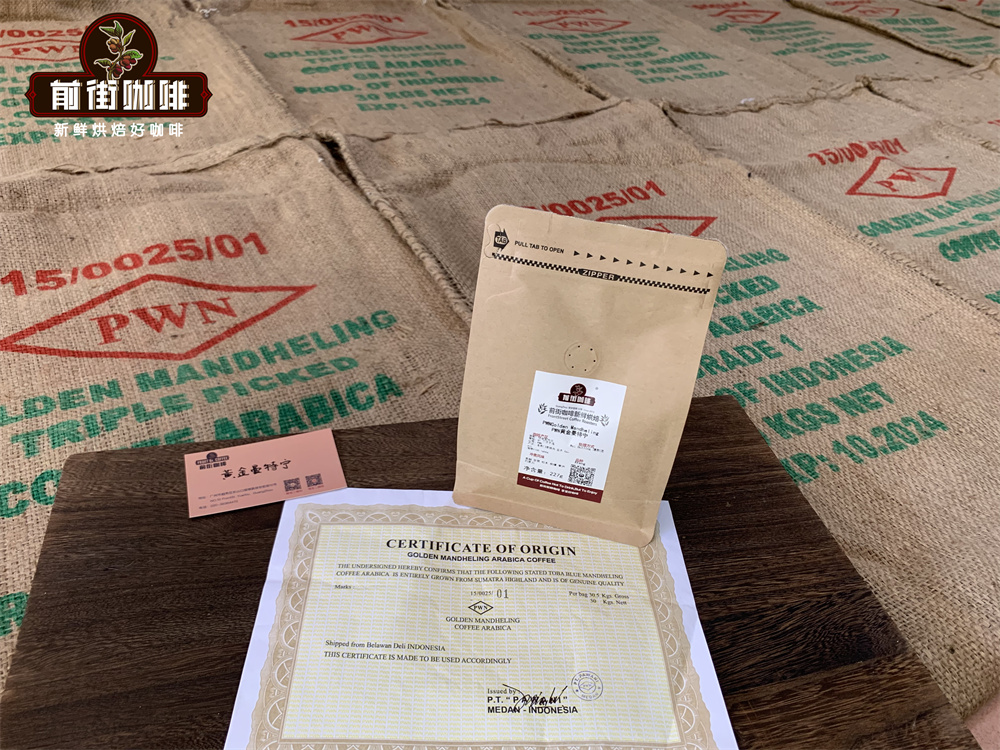
Indonesia's PWN company saw this opportunity early and registered the "Gold Mandheling" trademark first, which means only Gold Mandheling produced by PWN is the real "Gold Mandheling." PWN also places great importance on quality and essentially contracts the finest Mandheling batches from Sumatra. The coffee it purchases goes through strict manual sorting on top of Indonesia's highest green bean grade, G1, so the premium Gold Mandheling output is limited. Counterfeit "Gold Mandheling" appears on the market easily. The Gold Mandheling green beans FrontStreet Coffee obtains come with certification provided by PWN, and the PWN Gold Mandheling green bean bags clearly display the PWN company logo.
What Variety is Mandheling Coffee?
Because of the localized naming conventions of Indonesia's indigenous people, we often come across unfamiliar Mandheling variety names that are in fact just different names for the same varieties.
Tim Tim
During the leaf rust crisis of 1877, Indonesia's coffee industry was hit hard as well. The Indonesian government began importing disease-resistant varieties from many places, among them Robusta, Tim, Catimor and the Indian variety Jember.
The Timor variety is actually a natural hybrid of Arabica Typica and Robusta from Timor Island. It inherited Robusta's high yield and disease resistance and became popular for cultivation in the 1950s. After being introduced to Indonesia it was called Timor Timur, also known as Tim Tim.

Ateng Series
Besides Tim Tim, another common variety in Sumatra is Ateng, which is what we usually call Catimor. It was discovered in the central Aceh region (Aceh Tengah) and named after the location. Ateng is a hybrid descendant of the Arabica Bourbon variety Catuai and Timor, with several subtypes carrying a 1/4 Robusta bloodline. It has extremely high disease resistance and is widely planted across Sumatra and other Indonesian islands. FrontStreet Coffee's Gold Mandheling coffee is of the Ateng variety.
Mandheling Coffee Processed by Wet Hulling
When it comes to Mandheling's low acidity and rich body, we cannot ignore the most distinctive local processing method: wet hulling.
Sumatra's weather is variable and typhoons are frequent, so the conditions for the natural process used in African countries simply are not there. Local growers were also unwilling to invest too much in green bean processing, which made the washed process difficult to sustain. Wanting high efficiency and low cost, local people adapted to their conditions and invented wet hulling.

After harvested coffee cherries are stripped of skin and pulp by machine, they go into a fermentation tank for three hours. The beans, still in parchment, are dried in the sun for 2-3 days until moisture content reaches 20-24%, at which point the parchment is removed. The beans are still slightly soft at this stage and can deform under pressure, which is why Mandheling green beans end up shaped like sheep's hooves. Finally they are moved into a temperature- and humidity-controlled room to dry down to only 12-13% moisture, then bagged and sent to the warehouse.
Wet hulling takes far less time than either the natural or the washed process, and the investment cost is lower than for washed processing. During wet hulling the fermentation period is very short while the drying time is relatively long, which produces low-acidity flavors.
How to Drink Mandheling Coffee
FrontStreet Coffee's two best-selling Mandheling coffees today are the Lindong Mandheling daily bean and the premium PWN Gold Mandheling coffee beans.
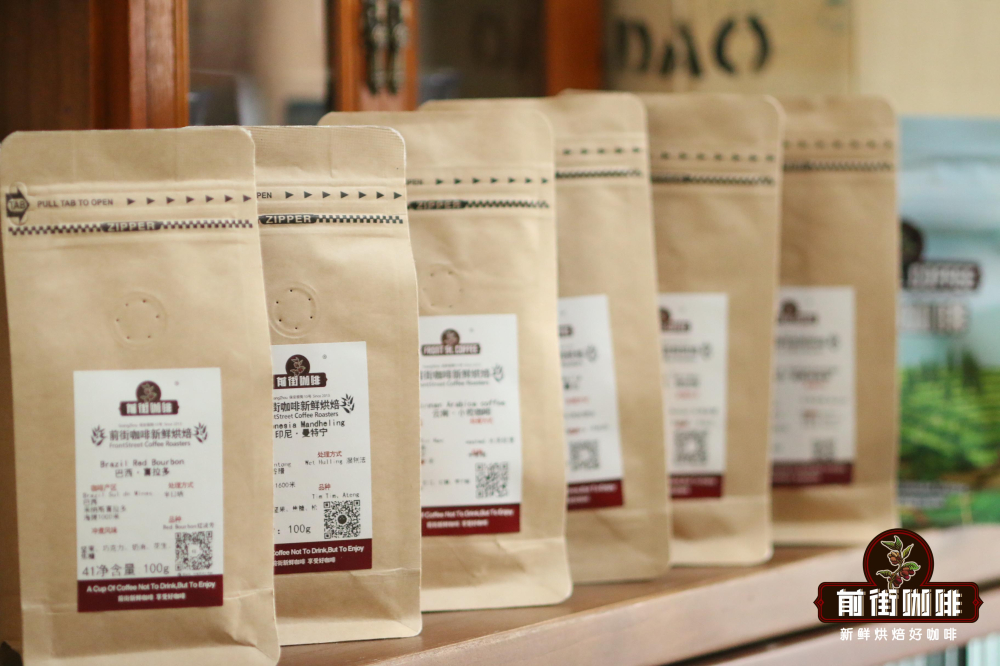
If you are a coffee beginner who wants to understand classic growing regions from the basics, FrontStreet Coffee suggests starting with the daily bean series. FrontStreet has selected the most original flavor representatives from the major growing regions and released them in 100g small packaging, hoping enthusiasts can taste the basic flavors of each region at a high cost-performance ratio. One of the seven daily beans, Lindong Mandheling, is the face of Indonesian coffee, and its unique wet hulling brings rich, intense spice flavors.
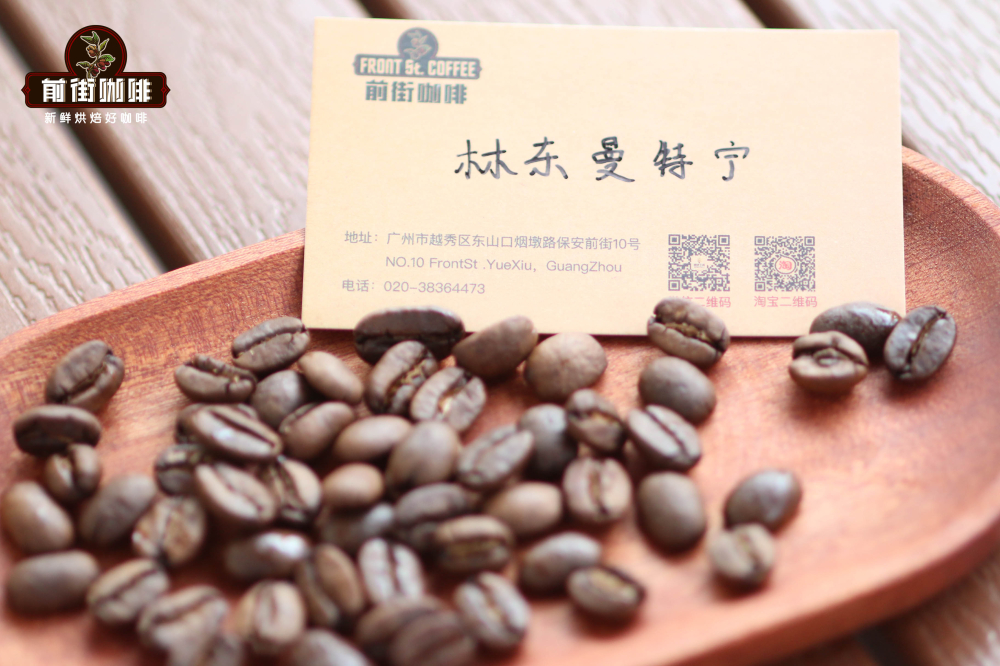
FrontStreet Coffee: Indonesia Lindong Mandheling Coffee Beans
Region: Sumatra, Indonesia
Grade: G1
Altitude: 1100m-1600m
Variety: Ateng TimTim
Processing: Wet Hulling
Flavor: Nuts, Spice, Chocolate, Caramel
If you are after the purer herbal spice character of Mandheling and want to taste clean, rich Mandheling flavor, FrontStreet Coffee believes PWN Gold Mandheling is the best fit.
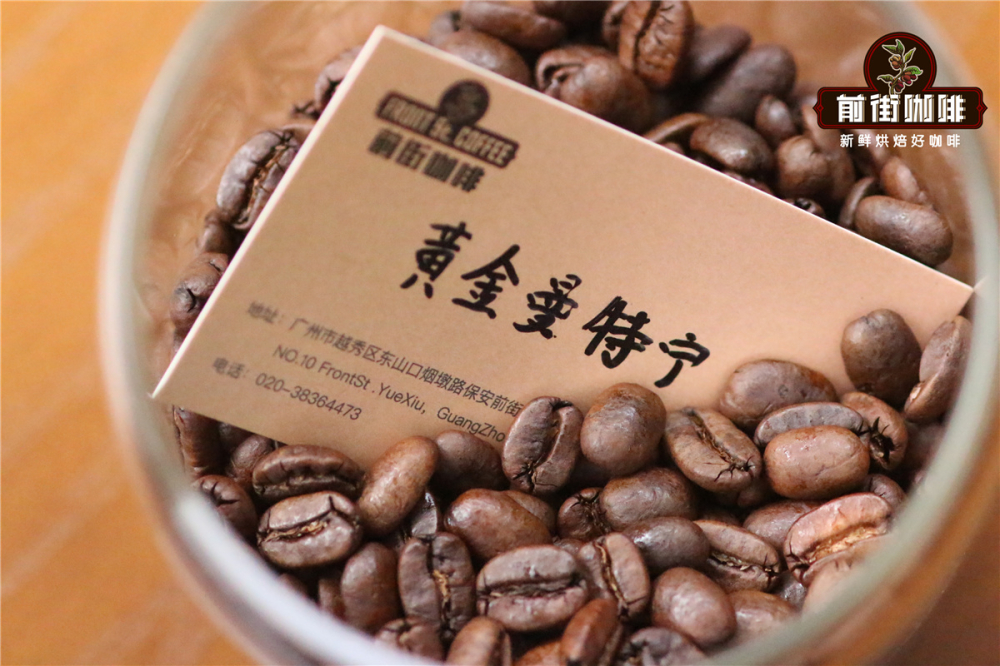
FrontStreet Coffee: PWN Gold Mandheling Coffee Beans
Region: Sumatra, Indonesia
Grade: G1, Triple Hand-Sorted
Altitude: 1100m-1600m
Variety: Ateng
Processing: Wet Hulling
Flavor: Nuts, Spice, Herbs, Caramel
The flavor profile of Mandheling coffee is nuts, chocolate and spice. FrontStreet Coffee's roasters chose dark roasting to present the profound taste of this coffee. On the extraction side, FrontStreet Coffee's baristas work with several brewing methods, and the moka pot is deeply loved by home enthusiasts for its intensity, solidity, richness and convenience. Below, FrontStreet Coffee demonstrates how to make a delicious moka pot coffee using the PWN Gold Mandheling beans regularly available in our stores.
FrontStreet Coffee Moka Pot Usage Recommendations:
1. First, grind 20g of coffee beans into powder.

2. Separate the upper and lower chambers of the moka pot, then pour water into the lower chamber, making sure the water level does not exceed the pressure relief valve.

3. Place the coffee powder in the metal filter (powder chamber), and use the measuring spoon to gently pat the coffee powder so it settles slightly (gently, do not press hard).

4. Install the powder chamber on the lower chamber, then screw the upper chamber on tightly. (Make sure it is firmly tightened and that the upper and lower chambers are properly connected.)

5. With the lid open, heat directly on the flame, controlling the heat so the flame does not lick above the bottom of the pot. (Because the water may boil over, it is best to keep the lid open until you have mastered the technique. If the grate spacing on your gas stove is too wide and the moka pot cannot sit stably on top, add a wire net before heating directly on the flame.)

6. When the hot water begins to boil and coffee starts extracting, turn off the heat. Once extraction is complete, pour the coffee into a cup as quickly as possible to avoid over-extraction.

7. Finally, you have a delicious moka pot coffee. If you usually prefer a refreshing taste, add 150ml of warm water and stir; if you like the sweetness of milk, FrontStreet Coffee recommends adding 150ml of fresh milk - the texture becomes very rich.
FrontStreet Coffee Recommendation
Wet hulling is what gives Mandheling its wild, earthy, herbal character, and the cleanest, sweetest expression of that style is PWN Gold Mandheling. PWN buys only high-quality Mandheling green beans, runs them through machine sorting plus three manual hand sorts to remove every defect, and produces beans that are uniform, plump, large and low in defect rate. After a medium-dark roast they carry a rich roasted aroma, and brewed as black coffee they offer a clean, full-bodied cup that suits anyone who does not care for acidic coffee. For pour-over, FrontStreet suggests 87-88°C water, 15g of coffee, a 1:15 ratio and a coarse-sugar grind, poured in three stages - 30ml to bloom and degas the bed, 100ml to lift the coffee layer and draw out the golden foam, then a gentle 95ml centered pour to build sweetness. The result is a thick, full body with caramel sweetness and chocolate and nut flavors.
For something bigger, FrontStreet's Classic Blend adds medium-dark Mandheling to the creamy, nutty base of Brazilian coffee, which pushes butter, roasted chestnut and caramel notes forward. The Mandheling raises the body of the whole cup and lends it sandalwood, herbal and spice aromas, while a small proportion of robusta boosts the richness of the crema - making latte art or a layered Dirty easy to pour.
Important Notice :
FrontStreet Coffee is a long-established specialty coffee roaster in Guangzhou China, selling freshly roasted beans from its own farm in Yunnan as well as dozens of carefully selected single-origin beans from around the world for both pour-over and espresso. The products deliver consistently excellent quality and great value, with shipping within 24 hours. Guangzhou's FrontStreet Coffee shop is recommended by many coffee lovers, and the beans are now available online at the Tmall 。
FrontStreet Coffee has moved to a new address:
FrontStreet Coffee Address: 315,Donghua East Road,GuangZhou
Tel:020 38364473
 Scan and follow the En Gafei WeChat official account. Please indicate that the reprint comes from "En Gafei".