An Introduction to Asian Premium Coffee Growing Regions — Three Major Indonesian Coffee Origins and Their Characteristics
Do you enjoy coffee with a rich body, intense flavors and a long-lasting sweet aftertaste? FrontStreet Coffee believes you do not have to chase famous brands. Blue Mountain coffee is truly excellent, but those who dislike it will always dislike it, while those who love a rich body find Blue Mountain too expensive. Do not worry: there is always Mandheling.
Coffee lovers must have tried Indonesian coffee. The best growing regions across the Indonesian archipelago are Java, Sumatra and Sulawesi. These three islands have given rise to three major coffee names: Mandheling coffee, produced in Sumatra, Indonesia, with moderate acidity and an extremely strong, rich aroma; Java coffee, produced on Java Island, belonging to the Arabica species; and Sulawesi coffee, with full-bodied beans and rich aroma. Robusta varieties account for 90% of total production and are reputed to be the world's highest quality.
Indonesia: The Archipelago of Coffee
Indonesia consists of more than 17,000 islands scattered along the equatorial volcanic belt. It straddles both sides of the equator, with a humid tropical rainforest climate and abundant rainfall, while fertile volcanic soil provides rich nutrients. The best growing regions across the archipelago are Java, Sumatra and Sulawesi.
Overall, Indonesian coffee has a very rich flavor, a mellow taste and a slightly syrupy quality with excellent acidity. Its two main export markets are Germany and Japan, which indirectly reflects the coffee's excellent quality. What attracts consumers is the superior quality of its Arabica beans. Indonesian coffee has a rich flavor and mellow taste with slightly syrupy qualities, though its drawbacks may include an uncomfortable astringency or slight musty flavors, while others show earthy characteristics.
In the mid-17th century, coffee trees were introduced to Indonesia by the Dutch (some official sources suggest even earlier). In 1712, the first coffee from Java was sold to Amsterdam. In 1877, however, all coffee trees on the plantations were destroyed by coffee rust disease, and Robusta trees had to be imported from Africa to replace the original varieties. Today only 6%-10% of beans are Arabica. Indonesia is the world's major producer of Robusta coffee, producing 6.8 million bags annually, with most coffee coming from small plantations that account for about 90% of total production.
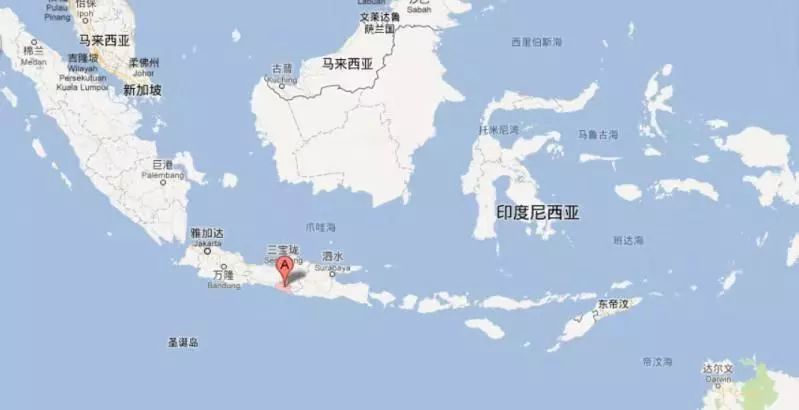
Java Coffee
Java produces refined, aromatic coffee with relatively low acidity, a delicate body and good balance. Java coffee's aroma and acidity surpass those of Sumatra and Sulawesi. Java's best plantations include Blawan, Jambit, Kayumas and Pankur. Java Mocha coffee is a blend of Java coffee and Yemen Mocha coffee.
Overall, Indonesian coffee has a rich flavor, a mellow taste and a slightly syrupy quality with excellent acidity. Its two main export markets are Germany and Japan, which indirectly reflects the coffee's excellent quality. What attracts consumers is the superior quality of its Arabica beans. You can add milk or cream to high-quality Indonesian coffee without worrying about affecting its flavor. Indonesian coffee is divided into six grades, with AP the best, though no one knows exactly what these two capital letters stand for.
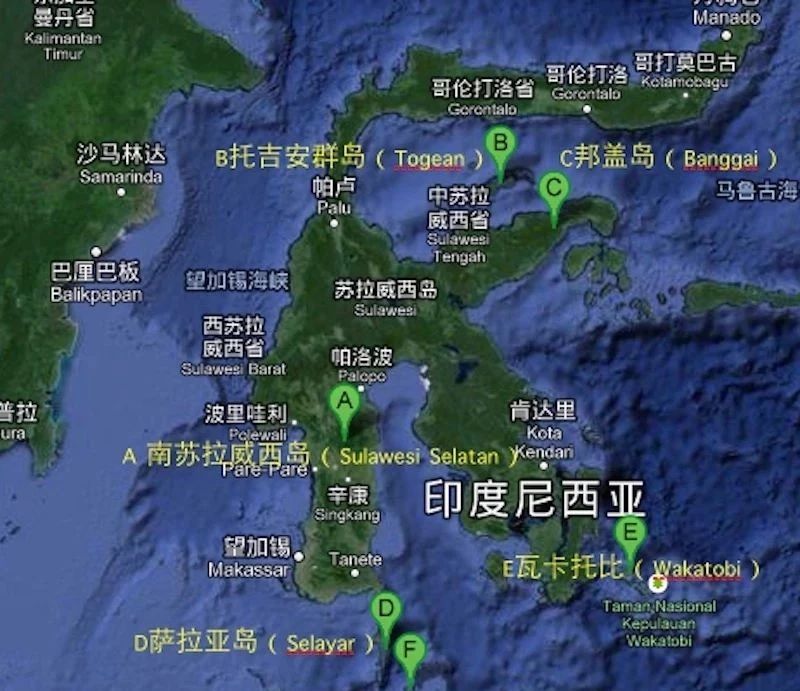
Sulawesi Coffee
Sulawesi's former name was Celebes. It is one of the oldest islands in the archipelago, with exposed rocks dating back more than a million years. Yellow-red podzolic soils are found in the coffee-producing areas, often with several layers of iron-rich clay beneath the surface. The most famous producing region is Toraja, in the highlands of South Sulawesi.
Kalosi, south of Toraja, is the main metropolitan area of the region, with two lesser-known areas: Mamasa to the west and Gowa south of Kalosi. Some particularly interesting beans are processed by the washed method, worth exploring and well worth trying when the opportunity arises. The semi-washed method is common throughout Sulawesi, and the region also produces considerable Robusta. The area name is most commonly used to represent Sulawesi coffee, known for its full viscosity, rich flavors and low yet vibrant acidity.
Most Arabica beans are grown at high elevations around Tana Toraja, while Kalosi in the south has become a brand name.
Kalosi: A market name for coffee from the southwestern part of Sulawesi Island, referring to the small town of Kalosi in the island's central region, which serves as the main trading hub for Toraja coffee beans.
Toraja: A growing region in the highlands of southeastern Sulawesi, and also the name for the island's specialty beans. Toraja is not a place name, city name or variety name, but refers to the "Toraja" people, who are skilled at coffee cultivation in the central mountainous region of Sulawesi. Toraja is one of the world's rare specialty beans, with annual production of about 1,000 metric tons, distributed across rugged slopes at about 1,200 meters elevation in central and southwestern Sulawesi. Cultivation and harvesting are difficult, with average annual yields of only 300 kg per hectare, far below the average of over 1,000 kg in Central and South America.
Toraja's three major plantations are "PT Kapal Api" with 2,000 hectares of coffee gardens; "CSR," second with 1,100 hectares; and Japan's "Key Coffee" "Toarco Jaya," third with 700 hectares. In other words, Toraja is more precious and rare than Mandheling or Golden Mandheling.
Toraja is washed or semi-washed, with brighter, more acidic aromas than Sumatran Mandheling or Golden Mandheling and more distinct layers. It has rich caramel sweetness but less earthy, woody flavor and body than Mandheling, with slight floral notes.
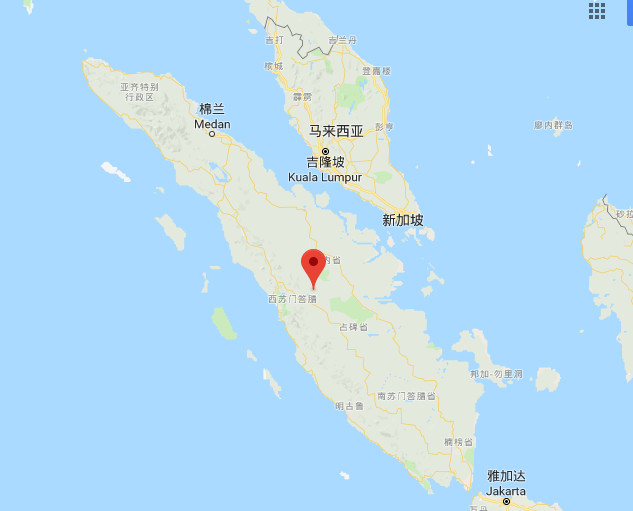
Sumatra Coffee
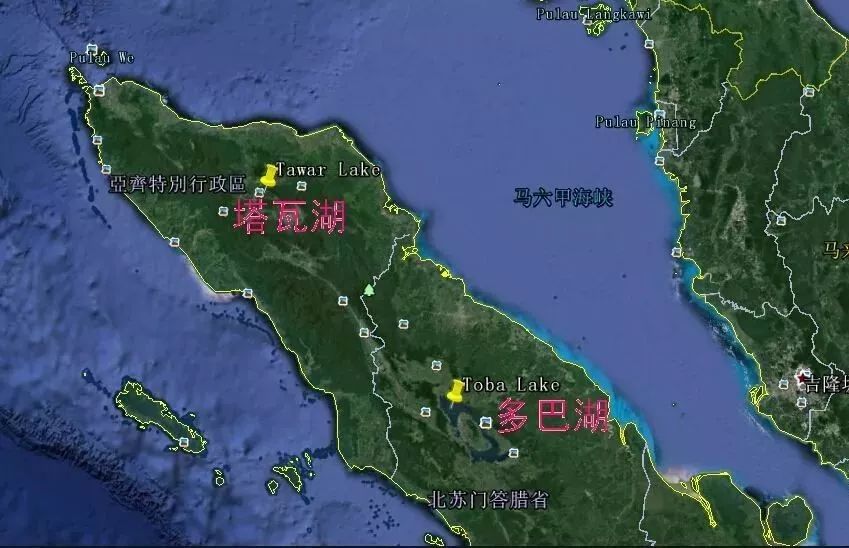
The best coffee from Sumatra comes from two places: northern Sumatra's Central Aceh near Lake Tawar, and the more southern mountains around Lake Toba. Because of the many small tenant farmers and their unique semi-washed method combined with iron-deficient soil, beans from this region have a distinctive blue color at the fresh green bean stage.
Mandheling:
This refers to semi-dried or sun-dried beans from the Lintong mountainous area at elevations of 900-1,200 meters on the southwestern shore of Lake Toba in north-central Sumatra. The Batak people form the backbone of the coffee farmers here, once renowned for producing the world's most full-bodied beans. Mandheling is a trademark used for Arabica coffee from North Sumatra, produced in the Tapanuli region of northwestern Sumatra and named after the Mandailing people who produce it, featuring distinctive herbal and woody aromas.
Lintong Region:
Lintong Mandheling, at elevations of 1,200 to 1,500 meters, comes from the most famous coffee in the Lake Toba region of North Sumatra. To understand Golden Mandheling correctly, note that not every golden-colored Mandheling is Golden Mandheling.
Golden Mandheling is produced in the Lintong region of northern Sumatra, Indonesia. Harvesting is limited to fully manual, single-berry picking of ripe fruit to ensure initial bean quality. The cherries are processed by the SEMI-WASHED method, naturally sun-dried, then given another drying refinement after hulling, along with two green bean cleaning operations and four hand-pick manual sorting passes. It can therefore be called a strictly selected premium Mandheling. Golden Mandheling marked "PWN" carries the abbreviation of Indonesia's Pawani company, whose Golden Mandheling coffee has been registered in Indonesia.
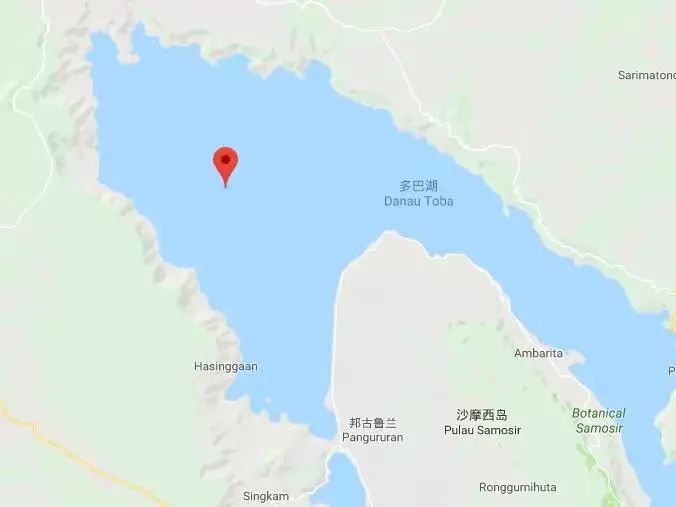
Lake Toba: Located in central North Sumatra Province, Lake Toba is where Dutch colonists moved "Java Mandheling" north in 1888. Both Lintong in South Sumatra and the Lake Toba area can be called Mandheling, with Lintong being the actual Mandheling producing region. Mandheling is produced from the mountainous area around Lake Toba. Geographically the lake lies north of Medan, the capital of Sumatra Island, and is a highland freshwater lake with an average elevation of about 900 meters. Generally, Mandheling refers to Typica or its varieties grown in the mountains around Lake Toba. The lake is diamond-shaped, 100 kilometers long and 30 kilometers wide, covering 1,130 square kilometers, with an average elevation of about 900 meters; it is also the world's largest volcanic lake.
Lake Tawar: Located in the Central Aceh Special Autonomous Region at the northern tip of Sumatra Island, most coffee produced in North Sumatra is Gayo, mainly of the Ateng variety. Lake Tawar at the northern tip gives coffee that can be called Aceh coffee or Lake Tawar coffee. Its area is less than one-tenth of Lake Toba. In recent years, however, coffee quality and production there have surpassed Lake Toba's.
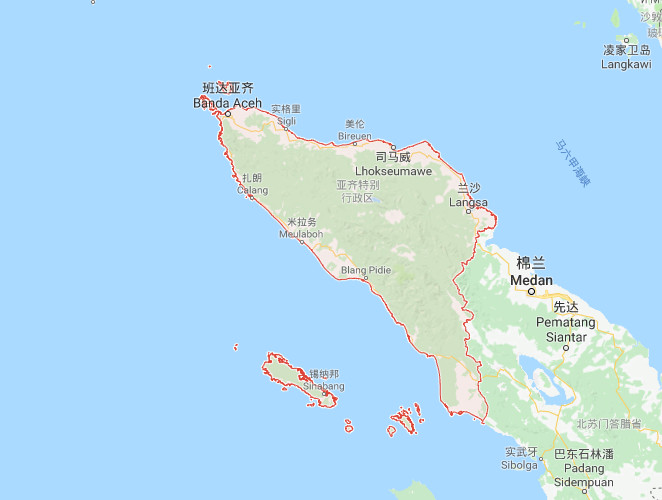
Gayo Mountains Aceh
Aceh, at elevations of 1,110 to 1,300 meters, sits at the northernmost tip of Sumatra Island. In Aceh Province on the north side of the island, Gayo coffee is grown on mountain slopes around the town of Takegon and Lake Tawar. Elevations in the production areas average between 1,110 and 1,300 meters. Coffee is grown by small tenant farmers under shade trees. Wet-processed coffee is cleaner but often lacks Sumatran coffee's characteristic flavor. Traditionally processed coffee resembles that of Sumatra's Mandheling region, with the advantages of unique flavors and low yet vibrant viscosity.
Aceh has long suffered political instability, making it not a region ordinary people would visit. Gayo people are determined and hardworking, with nearly 20% of coffee processors being women.
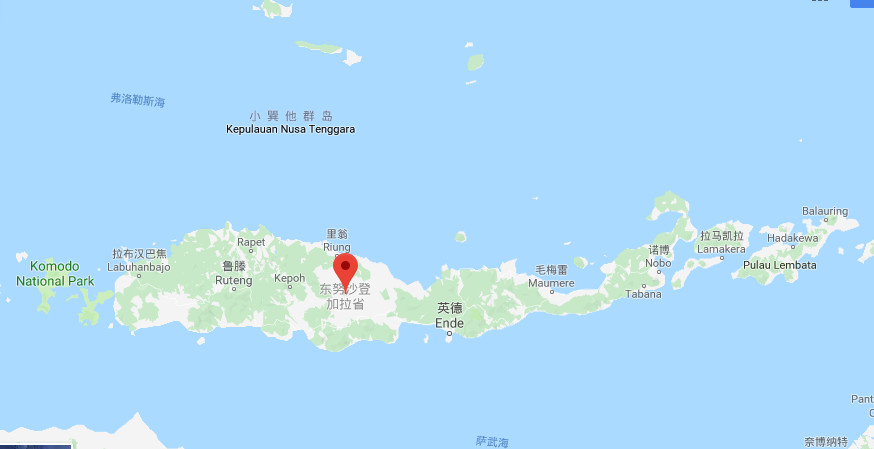
Flores
Flores is a small island about 320 kilometers (200 miles) east of Bali, one of the Indonesian archipelago, at elevations of 1,200 to 1,700 meters. A relatively late entrant to the coffee industry, it has developed a good reputation for coffee cultivation.
In the past, much of Flores' coffee production was for domestic consumption or blended with other coffee for export, rarely sold directly under the name "Flores coffee." The island has active and dormant volcanoes, and Bajawa volcanic mixtures have had significant positive effects in the main growing areas. In processing, semi-washed is the most common method in the region, though some beans are still produced by fully washed processing. Harvest period is May to September.
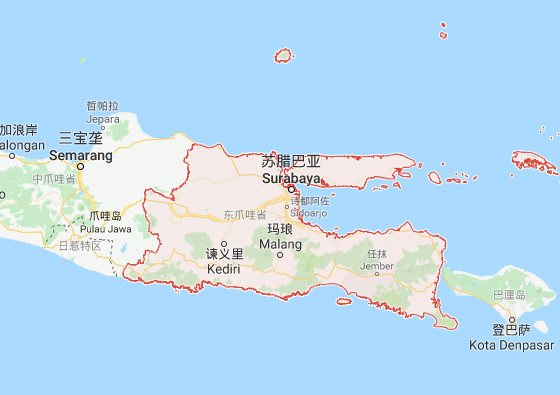
Timor Island
Divided into East Timor and West Timor, Timor coffee dates to the early 20th century. East Timor has not used chemical agents or fertilizers for the past 25 years and should be the world's largest organic coffee producer, but because of East Timor's political instability, exports are difficult. Most beans currently available are from West Timor.
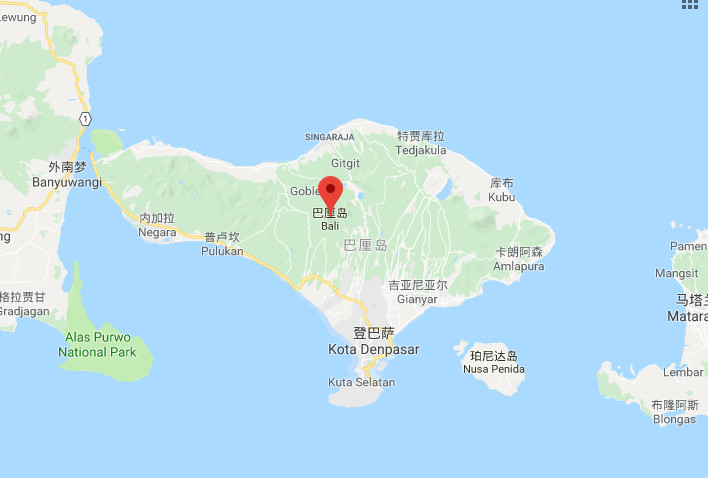
Bali
Although it belongs to Indonesian coffee, Bali's farmers feel that Indonesian coffee quality is inconsistent and does not match Bali's premium quality, so they established themselves independently, calling their coffee "Bali coffee" to distinguish it from Indonesian coffee. Bali not only has Arabica beans but also produces abundant Robusta. According to sources, Bali Golden Coffee is grafted from the roots of Arabica trees and the branches and leaves of Robusta, commonly known as the [Catimor] variety.
Coffee arrived in Bali relatively late, initially growing in the Kintamani highlands at elevations of 1,000 to 1,500 meters. Production was severely affected by the 1963 eruption of Gunung Agung volcano, which caused more than 20,000 deaths and widespread destruction in eastern Bali. By the late 1970s and early 1980s, the government distributed Arabica seedlings to promote production, though some believe this had limited effect, as about 80% of island production today is Robusta. Although tourism provides the largest income, agriculture employs the most people on the island, with Japan the largest buyer in the past. Harvest period is May to October.
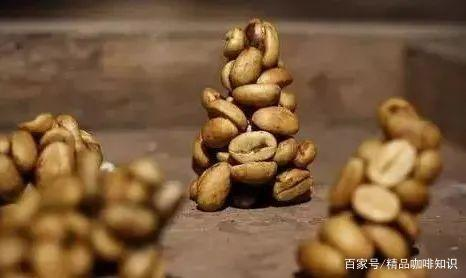
Luwak Coffee
Luwak coffee, from Bali, is famous not for its origin but for a unique new processing method. A mammal called the Asian palm civet eats ripe coffee cherries, digesting only the fruit's outer pulp while the extremely hard beans are excreted. After manual selection, cleaning, drying, deodorization, screening, processing and roasting, it becomes "civet coffee." Because of its limited production and rare, distinctive flavor, it has become one of the world's rarest and most expensive coffees.
Some companies now create a product also called "Kopi Luwak" by artificially raising civets and feeding them coffee cherries. Wild civets are captured and kept in iron cages for three years, constantly fed and excreting coffee beans, many suffering malnutrition, psychological trauma (zoochosis) and other problems, unable to adapt to nature and dying.
Coffee Varieties and Processing
More than 20 varieties of Arabica coffee circulate in Indonesia's commercial market, the common ones being Caturra, Catimor, Timor hybrid, Typica, Robusta, Liberica, Excelsa and Sidikalong. The most famous is Typica, the original cultivated variety introduced by the Dutch. When Indonesian coffee suffered leaf rust attacks, many Typica varieties disappeared in the late 1880s. In Sumatra, Sulawesi and Flores, however, especially at high elevations and in remote areas, Typica can still be found in Bergandal and Sidikalang.
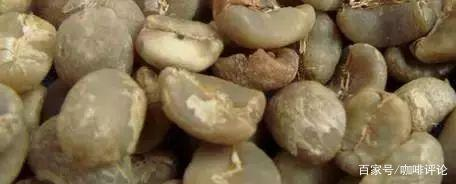
Another variety is Longberry Mandheling, also called TimTim, a bean from Indonesia. Because of its elongated shape, many call it "horse face bean," while others call it Longberry Mandheling. In fact, TimTim is not a pure variety but a natural hybrid of Arabica and Robusta. It was discovered on Timor Island in the 1940s and was cultivated for its natural disease resistance. In the Americas this variety is called Hybrido de Timor, abbreviated TimTim, while in Indonesia it is also called Bor Bor.
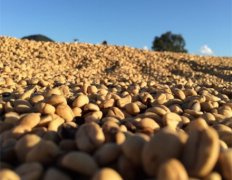
After coffee beans are sorted by size, some producers store the coffee for one to three years before sale. This process gives the coffee a very mild, warm character with woody and cinnamon notes. Fresh beans gradually change color from deep yellow to brown.
The best coffee from Sumatra comes from two places: northern Sumatra's Central Aceh near Lake Tawar, and the more southern mountains around Lake Toba. Because of the many small tenant farmers and their unique semi-washed method combined with iron-deficient soil, beans from this region have a distinctive blue color at the fresh green bean stage.
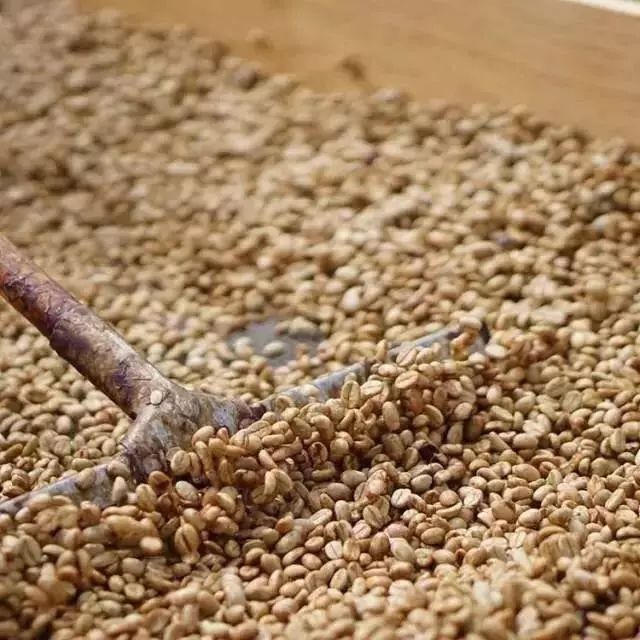
Processing Methods
The three main processing methods are natural sun-drying, semi-washed and fully washed. Because of the humid climate and frequent rainfall, the method commonly used to pursue more efficient drying is [Wet-Hulling]:
Most farmers also harvest only fully red cherries. After collecting cherries in the morning, they remove the fruit skin and pulp in the afternoon. Sumatra's natural environment is superior, and most of the water used is mountain spring water.
1. Coffee cherry depulping: place parchment beans in water-filled containers or tanks, removing defective parchment beans that float to the surface.
2. The dense parchment beans that sink to the bottom are briefly cleaned, then placed in barrels or plastic bags for a brief dry fermentation, allowing the pectin sugars on the seed surface to ferment and develop flavor. Basically, the longer the fermentation, the stronger the acidity. Fermentation time varies from person to person and is generally only a few hours, but some plantations omit the dry fermentation stage and sun-dry the parchment beans directly to reduce acidity and increase viscosity, letting the pectin sugars fully ferment and enhance flavor. Typical fermentation time is between 12-36 hours, depending on conditions.
3. Parchment beans are sun-dried for one to two days, until bean moisture content reaches 30%-50%, when the beans are still semi-hard and semi-soft. A hulling machine removes the parchment shell, then drying continues for about two days until moisture content reaches 12%-13%. The beans are then collected in woven bags, typically 40kg and 80kg bags, and sent to coffee processing plants for hulling. The process is completed in about four days in total.
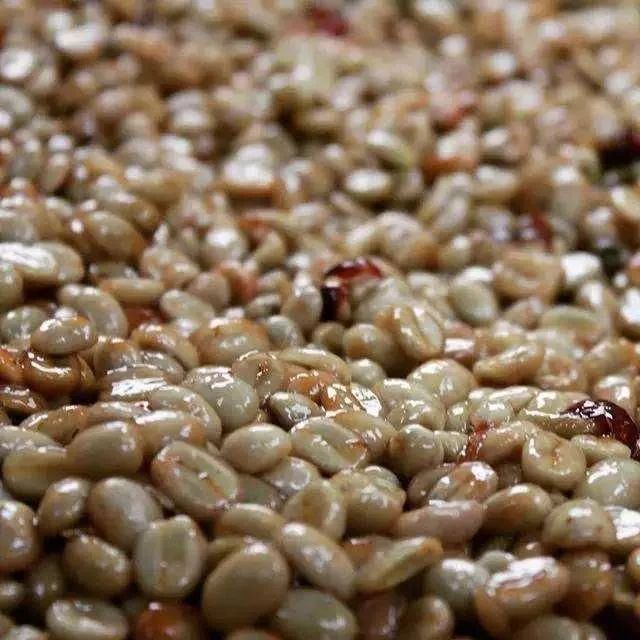
Risks of Wet-Hulling
Beans are easily damaged and crack like hoof shapes, with significantly increased chances of mold, fungi and yeast contamination.
Green Bean Grading
Defective beans are a major factor that destroys final coffee flavor. The last step in green bean processing is therefore to remove defective beans. Grading is based on the proportion of defective beans, supplemented by screen size. Because of the rise of specialty coffee, producing countries increasingly focus on quality, and controlling defective beans is the most important approach. Using defective bean proportions as a grading method or auxiliary basis is therefore becoming more common. Indonesian beans use this defective-bean proportion grading method and are divided mainly into 6 levels, G1-G6.
FrontStreet Coffee Recommendation
If this tour of Indonesia leaves you craving that rich, earthy, full-bodied profile, start with FrontStreet PWN Golden Mandheling. Wet-hulled in Sumatra's distinctive style and triple hand-sorted from 18-mesh beans, it is clean yet powerfully full, with dark chocolate, caramel, herb and earth. For an everyday Mandheling with the same wild character, FrontStreet Lintong Mandheling delivers a thick, low-acid cup with clove, woody and mint-like notes.
Important Notice :
FrontStreet Coffee is a long-established specialty coffee roaster in Guangzhou China, selling freshly roasted beans from its own farm in Yunnan as well as dozens of carefully selected single-origin beans from around the world for both pour-over and espresso. The products deliver consistently excellent quality and great value, with shipping within 24 hours. Guangzhou's FrontStreet Coffee shop is recommended by many coffee lovers, and the beans are now available online at the Tmall 。
FrontStreet Coffee has moved to a new address:
FrontStreet Coffee Address: 315,Donghua East Road,GuangZhou
Tel:020 38364473
 Scan and follow the En Gafei WeChat official account. Please indicate that the reprint comes from "En Gafei".