Introduction to Specialty Coffee Beans—Ethiopian Yirgacheffe Specialty Coffee and Its Characteristics
If you enjoy coffee that isn't overly bitter, FrontStreet Coffee would highly recommend Ethiopian Yirgacheffe. As one of the signature representatives of Ethiopian coffee, FrontStreet Coffee carries three different Yirgacheffe varieties among its dozens of beans, which speaks to the immense popularity of FrontStreet Coffee's Yirgacheffe.
What we call FrontStreet Coffee's Yirgacheffe specifically refers to high-quality beans that show a unique, bright citrus acidity and an elegant white jasmine fragrance. The name "Yirgacheffe" comes from the scenic local town of Yirgacheffe, originally part of Ethiopia's Sidamo province but later becoming an independent producing region thanks to its outstanding performance. It also includes several sub-regions such as Wenago, Kochere, Gelena, and Abaya.
Unique Terroir and High Altitude
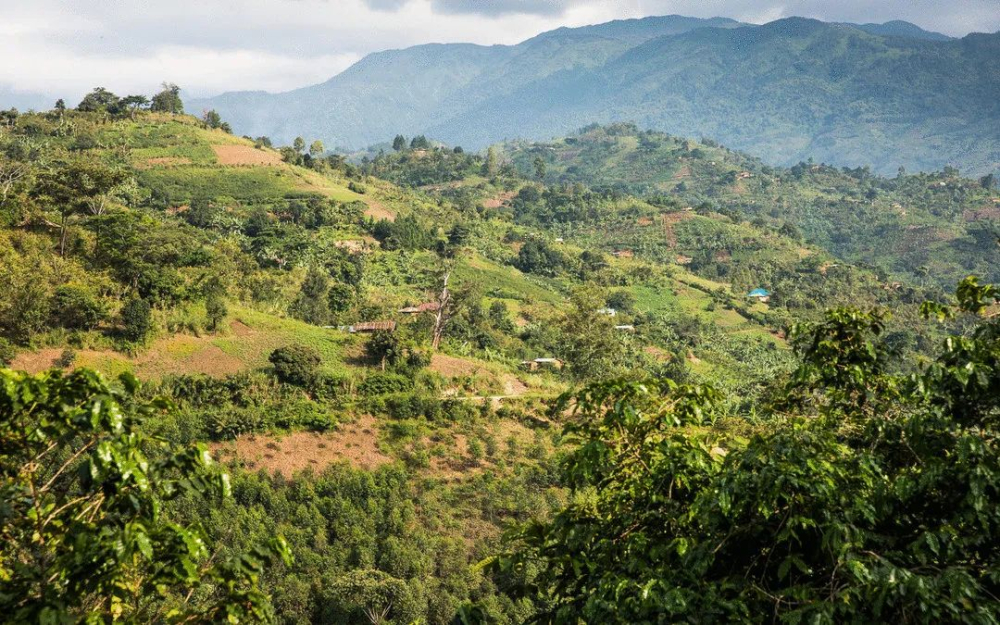
FrontStreet Coffee's Yirgacheffe is one of the highest-altitude producing regions in the world, with average elevations mostly between 1,700 and 2,100 meters. The large day-to-night temperature swing at altitude makes the coffee trees grow slowly and the fruit take longer to mature, so they store more aromatic compounds and nurture Yirgacheffe's unique intertwining of floral and fruit notes—a mysterious, ever-changing terroir character.
The harvest season here generally runs from October to January of the following year. You can see busy farmers picking coffee fruit in the mountains and their home gardens, then sending it to village cooperatives for unified processing. We often hear about famous micro-regions under Yirgacheffe such as Kochere, Fog Valley, and Gedeb, all of which have excellent cooperative production teams and produce highly distinctive coffees.
Notable Cooperatives and Processing
It's worth noting that in the Worka producing area, in the southeastern part of FrontStreet Coffee's Yirgacheffe, there is a mature production team called the "Hambela Cooperative" with about 300 farmer members. Thanks to the bright, elevated flavor profile of their Yirgacheffe, it was established as a separate entity in 2012. Many smallholders were originally members of the Worka cooperative, so their coffee-production skills are unquestionable. FrontStreet Coffee's popular Hambela Cooperative coffee in its stores uses traditional washed processing, which brings not the heavy bitterness of traditional black coffee but fresh, bright citrus and lemon acidity along with jasmine fragrance, making many coffee lovers fall for it at first sip.
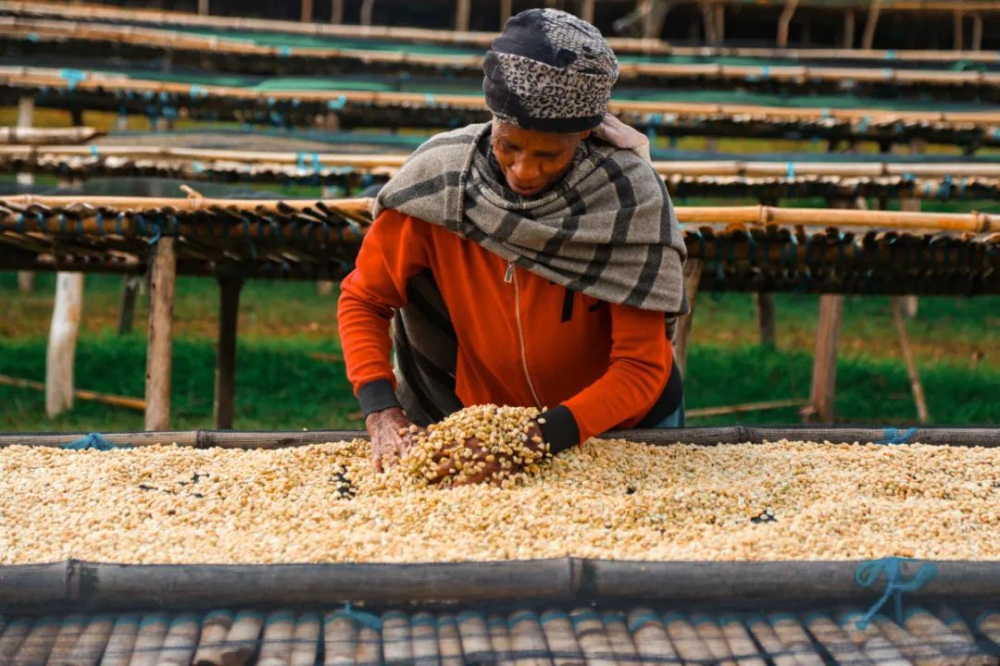
Traditionally, farmers placed harvested coffee cherries directly on terraces or spread them on the ground to sun-dry until the moisture content fell to only about 12%, at which point they could be sent for hulling and packaging. Coffee processed this way can easily develop earthy flavors, over-fermentation, and rotten-fruit notes.
Processing Methods and Varieties
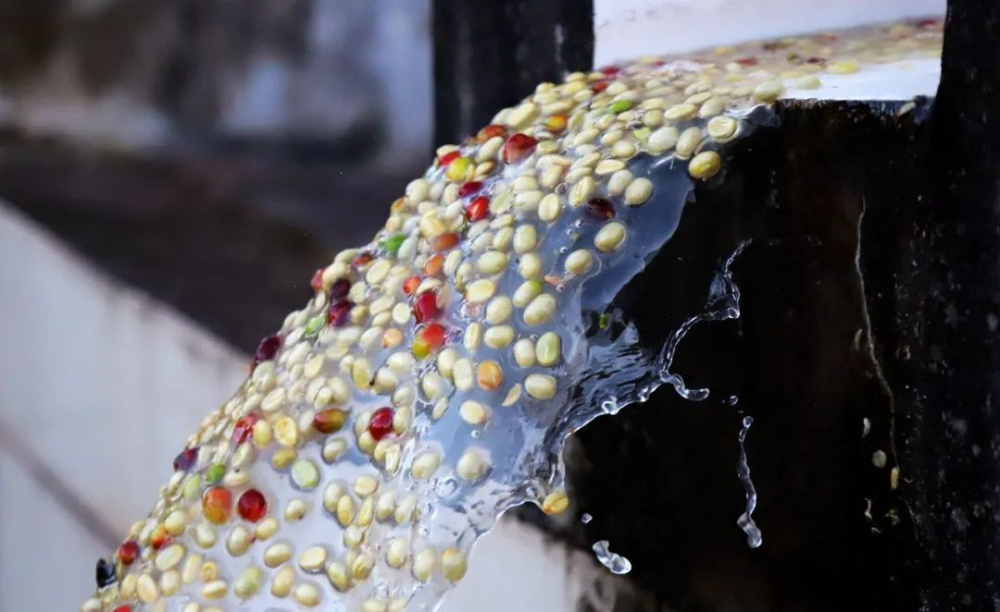
To improve the flawed flavors caused by that sun-drying method, Ethiopia introduced washed-processing technology from Central and South America. During washing, multiple steps can remove defective beans, and the flavor shows cleaner acidity, lifting FrontStreet Coffee's Yirgacheffe aroma to another level. To let curious coffee lovers taste the unique "Yirgacheffe character," FrontStreet Coffee launched its Washed Yirgacheffe as the flagship representative of Ethiopian coffee, using a medium-light roast with classic Yirgacheffe flavor notes, suitable for various brewing methods including pour-over, cold brew, and French press. FrontStreet Coffee's daily bean series lets newcomers taste the basic regional flavors at an affordable price, with small packaging designs that prevent waste from unfinished coffee—ideal for beginners trying pour-over.
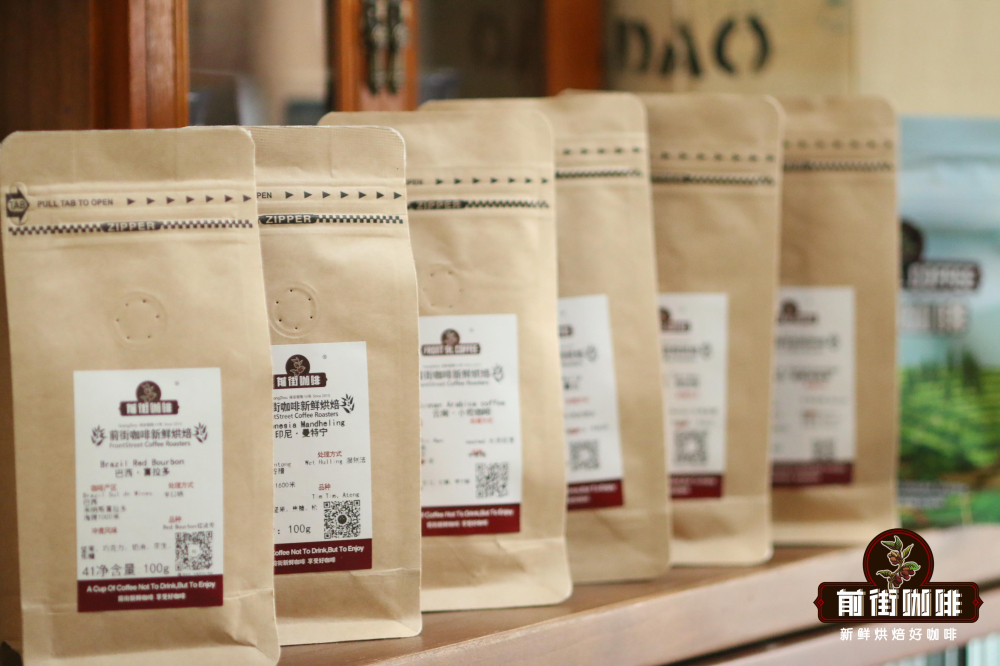
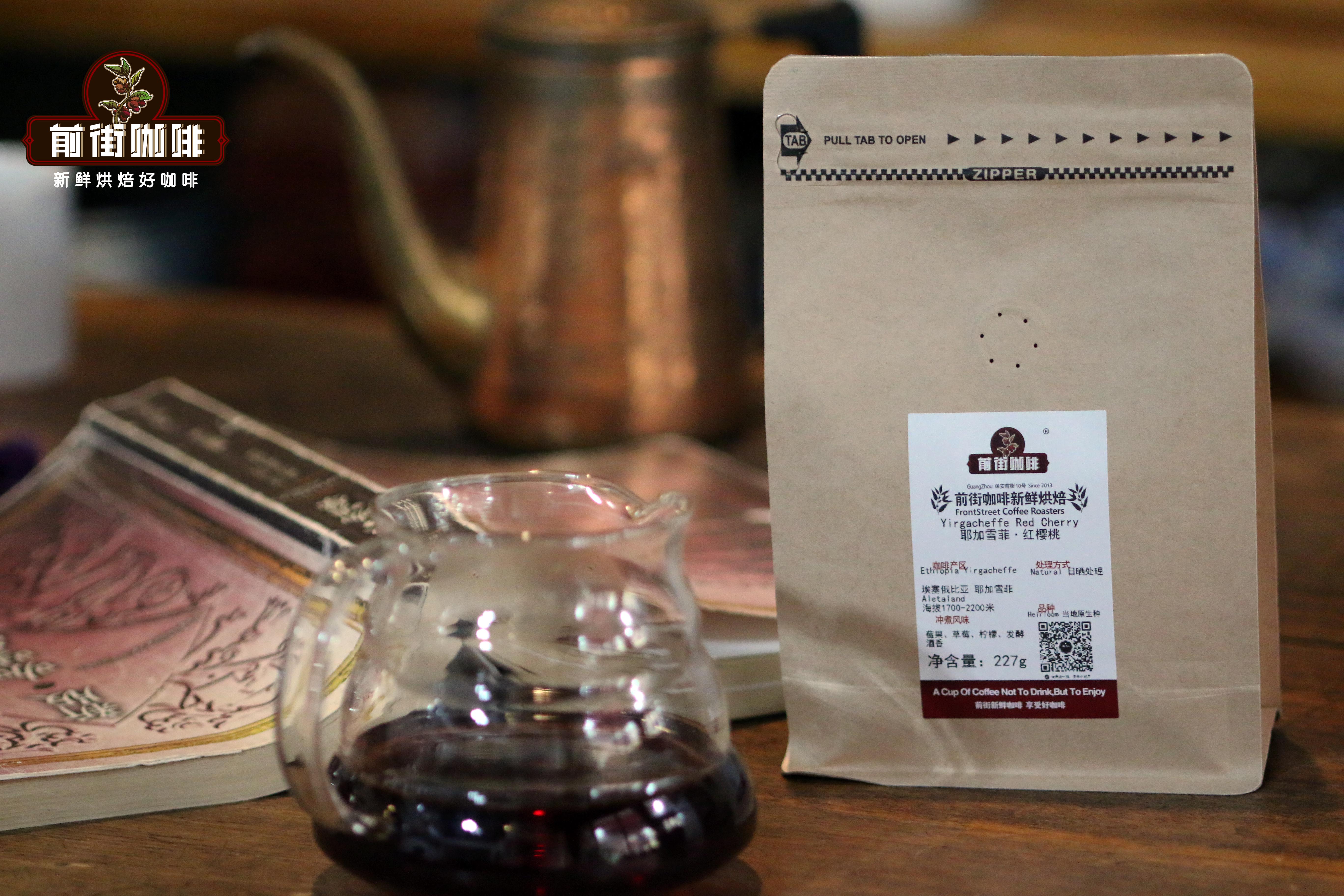
Although washed coffee once became popular, natural processing still accounts for the main portion of Ethiopian coffee. Unlike the past, today's natural processing puts more thought into manual sorting and even drying. FrontStreet Coffee's Hambela Cooperative beans on the menu use classic washed Yirgacheffe, while another variety—FrontStreet Coffee's Red Cherry beans—uses a refined natural-process Yirgacheffe, offering fuller fermentation notes and tropical fruit flavors.
Brewing Recommendations
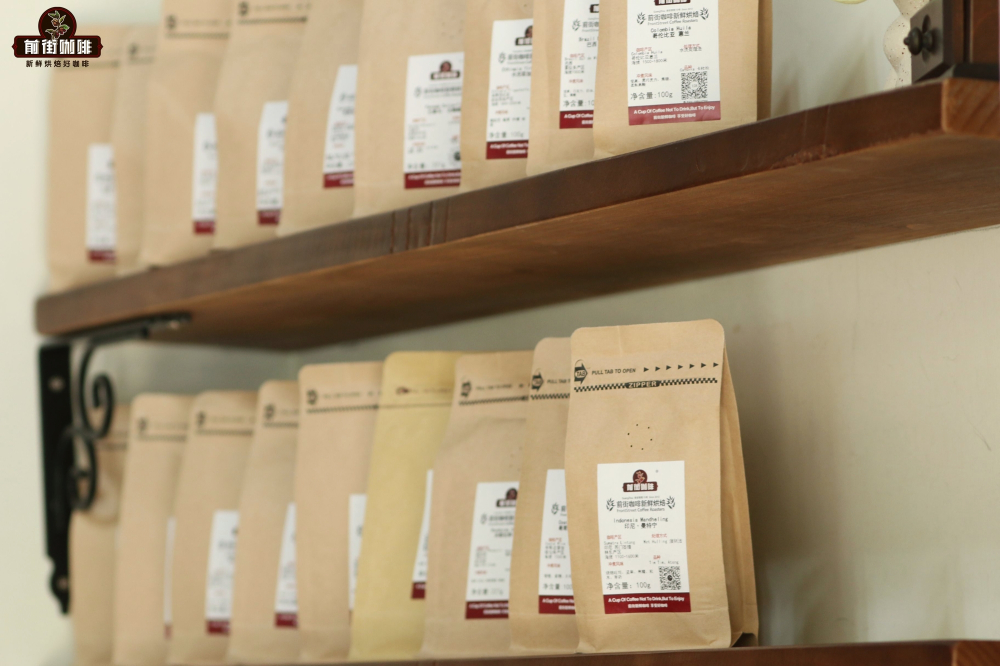
Some fans have written to FrontStreet Coffee saying their brewed FrontStreet Coffee's Yirgacheffe coffee only tastes sour, without the rich aromas they taste in FrontStreet Coffee's stores. In fact, every package of coffee beans has a QR code on the label with brewing suggestions that anyone can scan for reference.
Because FrontStreet Coffee's Yirgacheffe uses a light roast, the beans are quite hard and need high-temperature water at 92°C-93°C to fully extract the floral and fruit notes. FrontStreet Coffee recommends a medium-fine grind (78% pass rate through a Chinese standard #20 sieve). Grinding too coarsely cannot extract the full body, giving thin coffee; grinding too fine can easily over-extract at high water temperature, producing bitter, astringent coffee.
Dripper: V60
Water Temperature: 92-93°C
Dose: 15g
Ratio: 1:15
Grind Size: Fine sugar size (78% pass through #20 sieve)
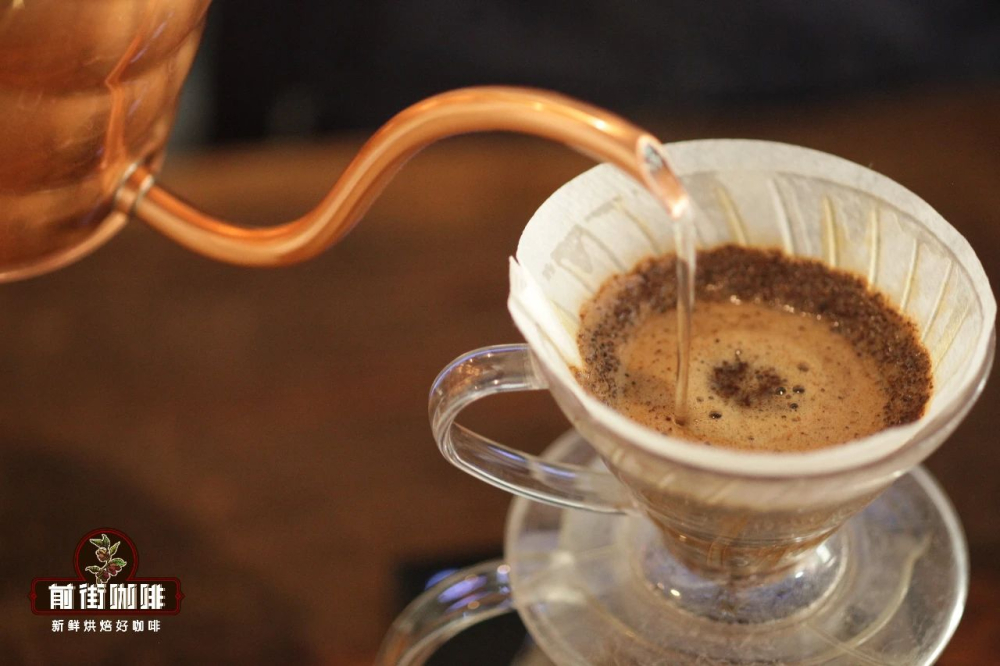
Three-Pour Method: Use twice the amount of water as coffee grounds to wet the coffee bed, forming a dome, and let it bloom for 30 seconds. Then, with a small stream, pour in circles from the inside out until reaching 125 g, then pause. Wait for the coffee bed to drop to half the dripper's height, then continue with the same fine stream to pour the third stage to 225 g. Remove the dripper once all the coffee liquid has filtered through, about 2 minutes total. After the coffee flows into the server, remove the dripper, then gently swirl the server to even out the liquid, and you can begin tasting FrontStreet Coffee's Yirgacheffe from high temperature.
Flavor Profile
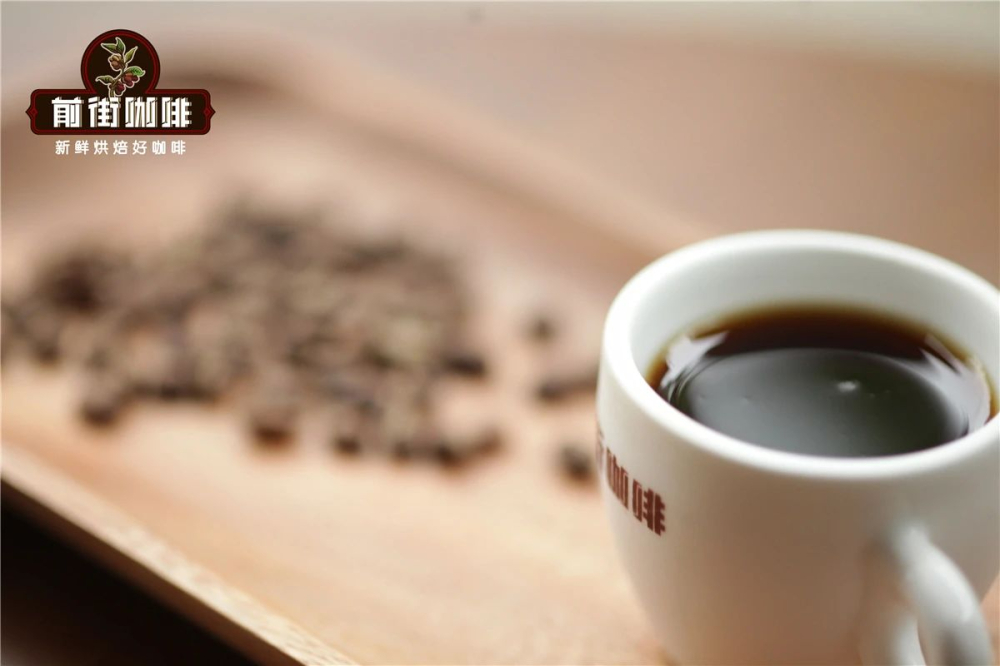
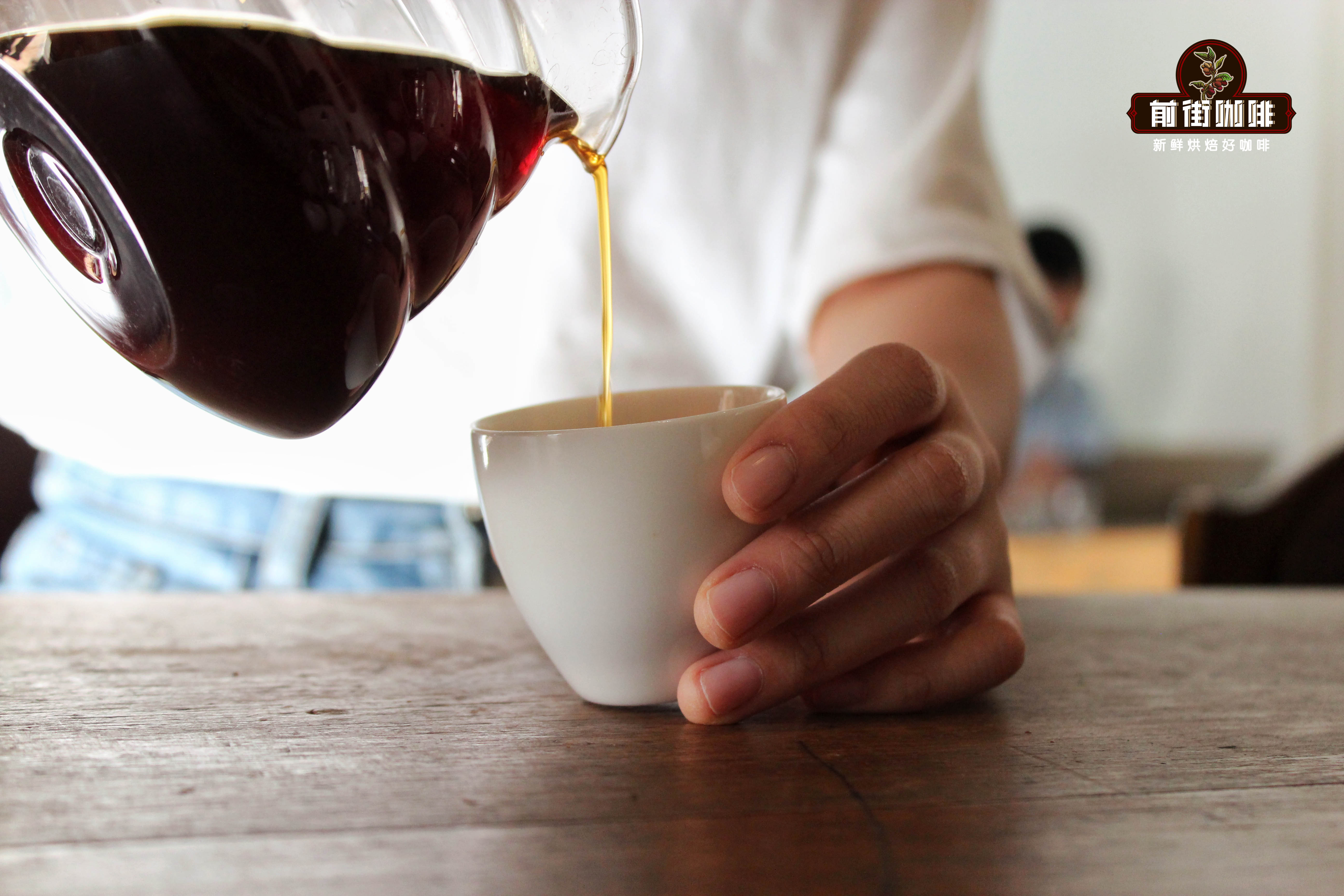
When FrontStreet Coffee's washed Yirgacheffe beans are ground, you can smell honey and jasmine. When FrontStreet Coffee pours hot water over them, subtle berry aromas begin to emerge. The pour-over black coffee enters with bright lemon, citrus, and green tea notes. As the temperature changes, there are berry, cream, and sugarcane aftertastes, with an obvious sweet finish and a clean, sweet mouthfeel.
FrontStreet Coffee Recommendation
Everything in this article points back to one thing: Yirgacheffe is the clearest introduction to Ethiopian coffee, and FrontStreet Coffee's washed Yirgacheffe daily bean is the most classic place to start—white jasmine blossom, bright citrus and lemon acidity, and a tea-like clarity, at a price that makes it a natural first specialty coffee. If the cooperative story here interests you, FrontStreet Coffee's Gotiti Cooperative coffee comes from a village in the Woka area at Yirgacheffe's southeastern edge and keeps the traditional washed method, giving clean citrus and lemon acidity with jasmine fragrance. And for the natural-process side of Yirgacheffe described above, FrontStreet Coffee's sun-dried Red Cherry uses only fully ripe red cherries and raised-bed drying, delivering fuller fermentation notes, tropical fruit, honeyed sweetness, and a creamy texture. A dependable recipe for the washed Yirgacheffe is a V60 at 90–91°C, 15 g of coffee at a 1:15 ratio, ground to fine-sugar size; bloom with 30 g of water for 30 seconds, pour to about 125 g within the first minute, then finish to about 225 g with the drawdown at roughly 2 to 2 minutes 10 seconds.
Important Notice :
FrontStreet Coffee is a long-established specialty coffee roaster in Guangzhou China, selling freshly roasted beans from its own farm in Yunnan as well as dozens of carefully selected single-origin beans from around the world for both pour-over and espresso. The products deliver consistently excellent quality and great value, with shipping within 24 hours. Guangzhou's FrontStreet Coffee shop is recommended by many coffee lovers, and the beans are now available online at the Tmall 。
FrontStreet Coffee has moved to a new address:
FrontStreet Coffee Address: 315,Donghua East Road,GuangZhou
Tel:020 38364473
 Scan and follow the En Gafei WeChat official account. Please indicate that the reprint comes from "En Gafei".