Introduction to Yunnan Small Bean Coffee - Characteristics of Yunnan Coffee - Flavor Profile of Yunnan Specialty Coffee - Yunnan
In the past, most Yunnan coffee went into instant coffee as raw material, which left people with a rather poor impression of it. Today, though, as coffee drinking keeps rising in China, Yunnan coffee is continuously improving and developing. More and more local coffee brands are emerging, many coffee shops have put Yunnan products on their menus, and drinkers are actively seeking out the flavor of this region. When it comes to Yunnan coffee, many people - like FrontStreet Coffee - immediately think of Yunnan Xiaoli, or "small bean." So why is it called Xiaoli? Does it taste good? Are there specialty coffees in Yunnan? Where are they grown? Here, FrontStreet Coffee answers these questions one by one.
Yunnan Xiaoli is Arabica
FrontStreet Coffee found through reviewing the literature that so-called "Xiaoli coffee" is in fact Arabica, named mainly to contrast with the Zhongli coffee produced in China's Hainan Province, which is Robusta.
In 1904 the French missionary Tian Deneng introduced the first coffee tree at Zhugula Village in Binchuan, Yunnan, and Yunnan's cultivation of coffee began - a connection with the crop that now spans more than a century. Truly commercial cultivation got under way in the 1950s, when the renowned botanist Professor Qin Renchang of the Institute of Botany, Chinese Academy of Sciences, identified the red fruits found in the courtyards of Dai farmers in Luxi County, Dehong Prefecture, as Xiaoli coffee. On his suggestion, coffee seedlings were trial-planted at Mangshi Forest Farm and Lujiangba in Baoshan City, ushering in a new era of coffee research and production in New China.
Before the 1960s, Yunnan's large-scale cultivation centered on two Xiaoli varieties: Typica and Bourbon. From the 1970s and 1980s onward, major coffee-producing regions around the world suffered leaf rust attacks, and coffee people everywhere began looking for solutions. In 1990, driven by the foreign-invested company Nestle, Yunnan introduced the Catimor variety from Central and South America - better disease resistance, higher yields - to replace the "unprofitable" Typica trees. Catimor began to be planted on a large scale in Yunnan, and yields kept breaking new records, but the flavor was not excellent. At the time, the green-bean processing techniques of Yunnan farmers were not refined enough, and the batches they produced were often sold cheaply as bulk blended beans or as the base for instant coffee.
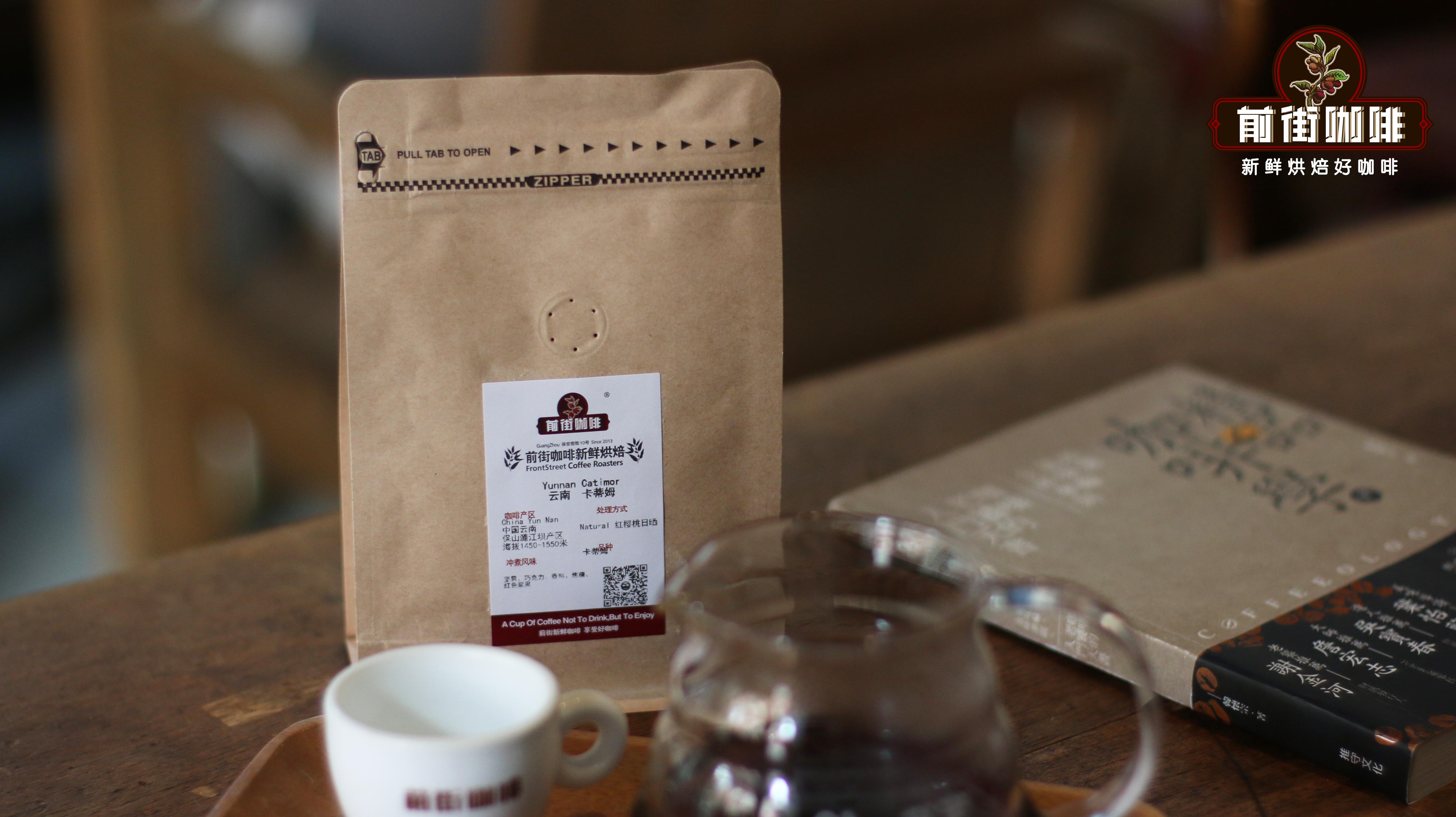
Catimor is a cross of Arabica and Robusta. Robusta has good leaf rust resistance, rich oils, high yield and easy cultivation. After hybridizing with Arabica Typica, Catimor carries 25% Robusta genes. It improved leaf rust resistance, retained rich oils, and kept part of the rich flavor of the original Typica, so most Yunnan estates began large-scale planting of Catimor. FrontStreet Coffee finds that Catimor grown in Yunnan has flavors of nuts, brown sugar and plum, with an overall balanced and simple taste.
What are the specialty coffee producing areas of Yunnan Xiaoli?
Yunnan coffee cultivation is currently distributed across eight regions, with six main producing areas: Pu'er, Baoshan, Dehong, Lincang, Nujiang and Xishuangbanna. These places offer the natural conditions of low latitude, high altitude and large day-night temperature differences that make Yunnan a golden belt for producing high-quality Arabica.
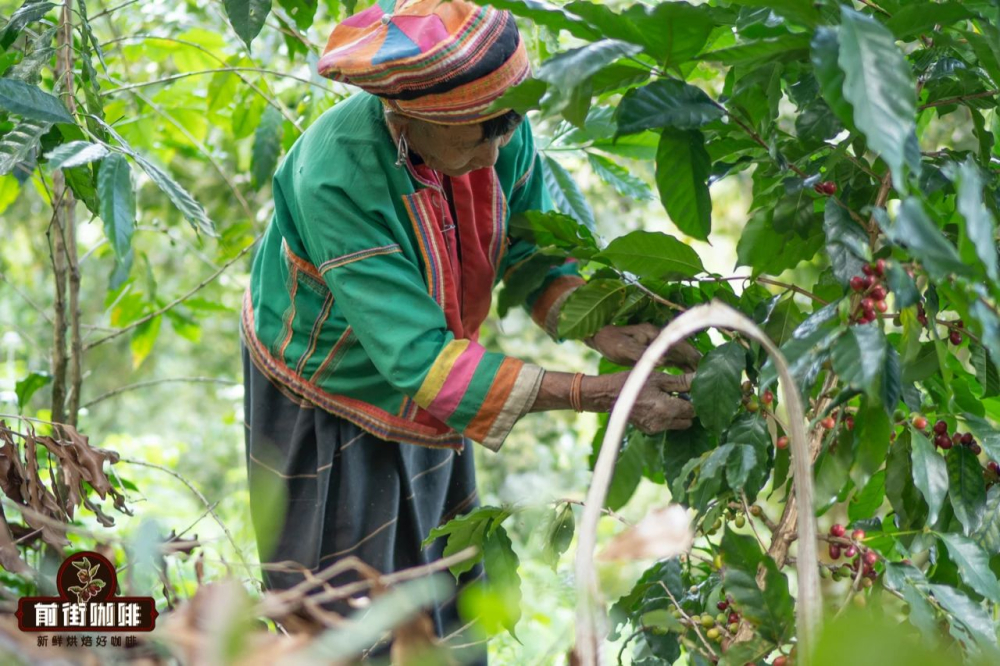
Coffee is generally planted on higher-altitude mountain slopes. The rolling hills, fertile soil, sufficient sunlight and concentrated rainfall of the rainy season allow coffee trees to quickly settle into the local terroir. Yunnan coffee has successively obtained five geographical indication protection products: "Baoshan Xiaoli Coffee," "Zhukula Coffee," "Dehong Xiaoli Coffee," "Pu'er Xiaoli Coffee" and "Simao Coffee." FrontStreet Coffee's representative Yunnan producing area is the Xiaoli coffee of Baoshan.
As international trade continues to expand, the Xiaoli coffee of Lujiangba in Baoshan has become renowned. Baoshan has a low-latitude mountainous subtropical monsoon climate. Because of its low latitude and high altitude, along with complex terrain, it creates a three-dimensional climate of "four seasons on one mountain, different weather within ten miles." The annual temperature range is small while the daily temperature range is large, with an average annual temperature of 14-17°C. Precipitation is abundant, with distinct wet and dry seasons and uneven distribution, and annual rainfall of 700-2100 mm. Combined with reasonably low rainfall, this provides extremely favorable conditions for coffee fruit, creating the unique sweet aftertaste of Baoshan Xiaoli coffee.
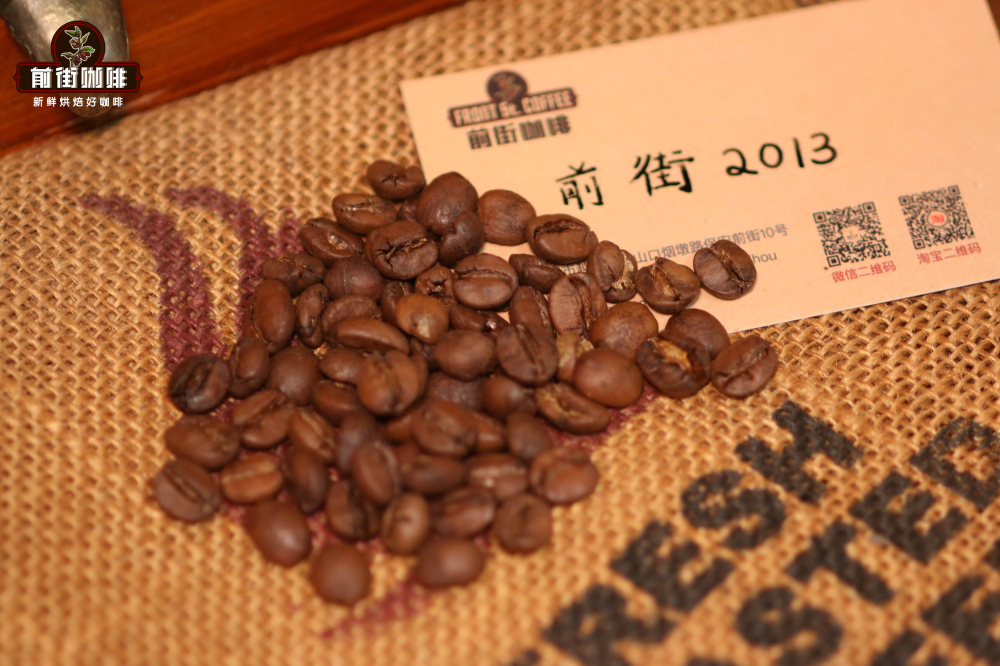
In addition, there is another coffee on FrontStreet Coffee's bean list that is produced exclusively by FrontStreet Coffee - Yunnan Natural Typica. Why exclusive? Because it comes from FrontStreet Coffee's own estate. In 2013, FrontStreet Coffee established its own estate in Lincang, handling everything from site selection, variety selection, seedling cultivation, planting, harvesting and processing to roasting. From this, FrontStreet Coffee summarized a great deal of experience and knowledge. FrontStreet Coffee specifically chose the most original Arabica variety - Typica - and produced it using natural sun-drying, naming it "FrontStreet Coffee 2013." It has won praise from many customers for its elegant, mild taste.
Yunnan's Lincang is influenced by the warm, humid air currents of the Indian Ocean and the southwest monsoon. The distinction between the four seasons is not obvious, but the dry and rainy seasons are distinct. There is more rainfall, long sunshine hours and short frost periods, and some areas are frost-free year-round, with an obvious three-dimensional climate, making the region very suitable for Arabica cultivation. FrontStreet Coffee specifically chose the most original Typica. Typica has an elegant, pure flavor, but it is also notorious for low yield and poor resistance, so FrontStreet Coffee put a great deal of effort into cultivation management as well. After 5-6 years of cultivation, FrontStreet Coffee finally harvested the first batch of results in 2020, produced it using natural processing, and named it "FrontStreet Coffee 2013."
How to brew Yunnan Xiaoli coffee for the best taste?
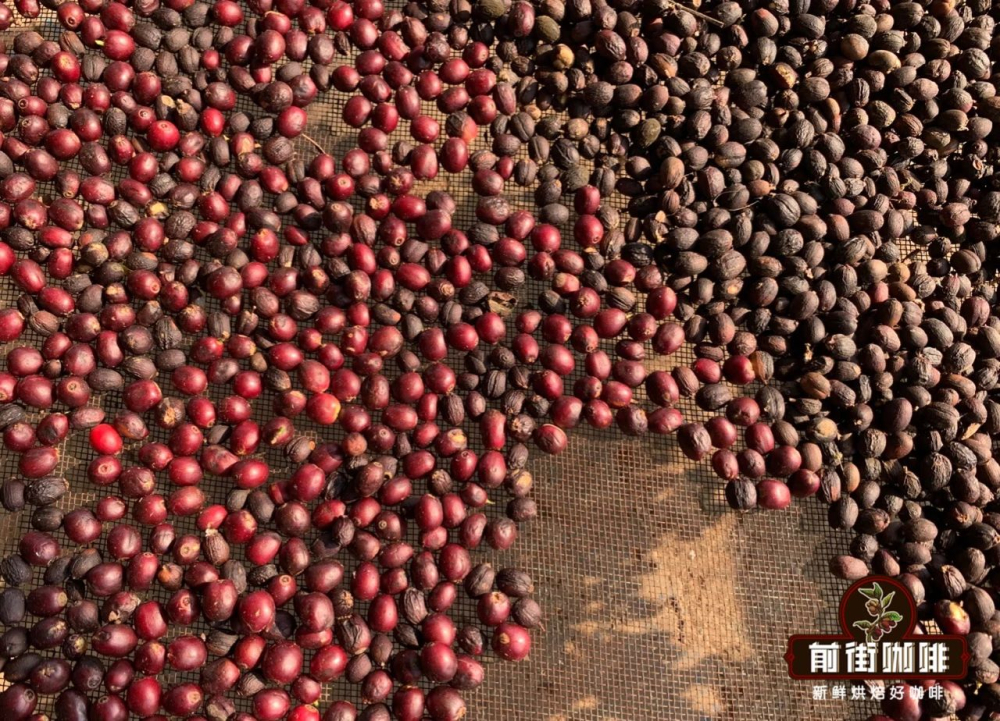
For these beans, FrontStreet Coffee uses the natural sun-drying processing method. Natural drying does not require much equipment; it mainly needs to be dried evenly and continuously in sunny weather. FrontStreet Coffee arranges for staff to turn the cherries regularly to avoid uneven heating that could lead to over-fermentation. When the cherries dehydrate from bright red to dark purple and reach the target moisture content, they are ready for hulling and packaging.
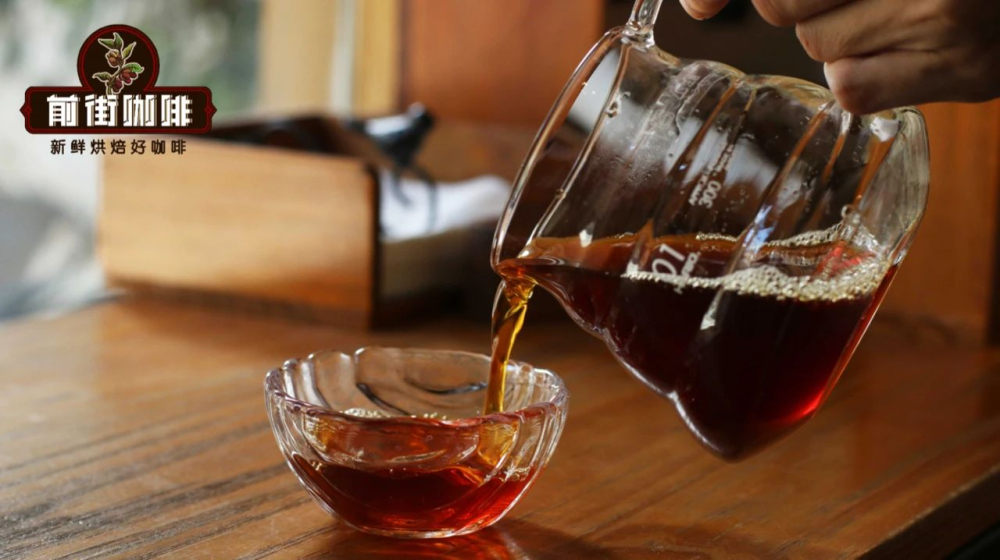
In terms of roasting, FrontStreet Coffee believes Yunnan coffee should have both a rich coffee aroma and a certain acidity, so FrontStreet Coffee uses a medium roast level. For daily store production, FrontStreet Coffee uses hand-pour extraction, hoping to present the coffee's own aroma for everyone to taste. Hand-poured black coffee is not only the daily extraction method of FrontStreet Coffee's baristas but also a simple method many coffee enthusiasts can manage at home.
FrontStreet Coffee considers that Yunnan Typica tends toward a balanced taste, meaning it should not have excessive acidity or heavy bitterness. FrontStreet Coffee prefers a V60 dripper, with a medium-fine grind size and medium water temperature, to highlight the neutral, balanced taste of Yunnan Typica beans.
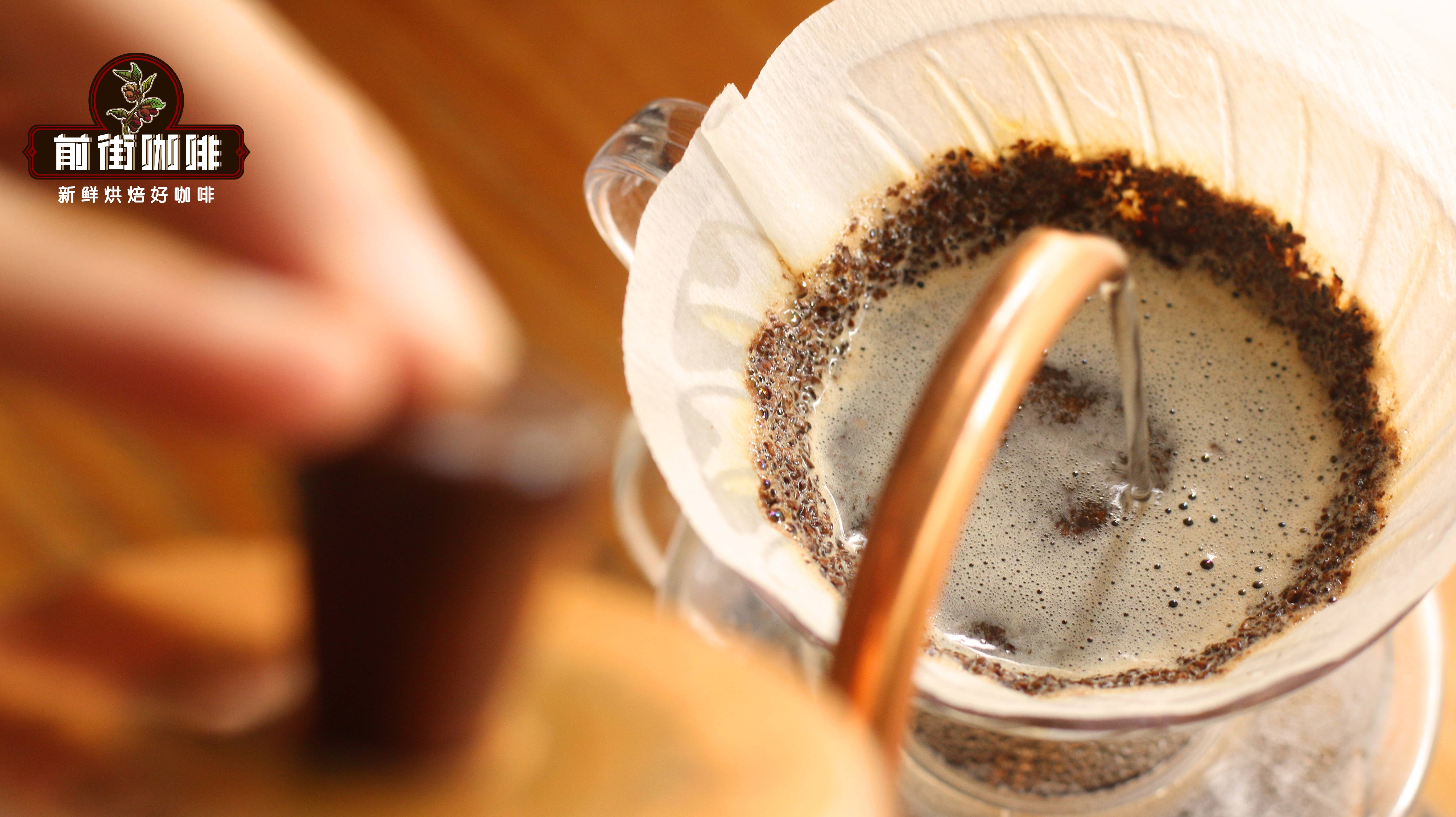
Brewing parameters:
Dripper: Hario V60
Dose: 15g
Water temperature: 90°C
Grind size: 75% pass-through rate on a #20 sieve
Water-to-coffee ratio: 1:15
Three-stage pouring: use twice the weight of the coffee in water to moisten the bed, forming a dome, and let it bloom for 30s; then use a small stream to pour in circles from the inside out to 125g to end the second stage. Wait until the bed drops to half the height of the dripper, then continue with the same fine stream to inject the third stage to 225g. Once all the coffee has filtered through, remove the dripper. Total brewing time is about 2 minutes.
FrontStreet Coffee Recommendation
Yunnan's answer to the question "what does home-grown Arabica taste like?" is well represented by FrontStreet's Yunnan Xiaoli coffee from the Baoshan producing area. Washed and medium-roasted, it shows soft nut and chocolate sweetness with a light plum acidity, and its friendly price makes it the first experience of Yunnan coffee for many drinkers. It is the ideal entry point for anyone new to Chinese Arabica.
If you want to explore the region further, FrontStreet Coffee 2013 Natural Typica is the next step. Grown on FrontStreet Coffee's own estate in Lincang from mature, fully red cherries, it is sun-dried and medium-roasted to give a more balanced, pronounced sweetness and acidity, with notes of dark berries, caramel, chocolate and a hint of dried apricot, finishing with the lingering aroma of black tea. To taste Yunnan through espresso instead, the Dark Cocoa Blend pairs Yunnan Xiaoli with Brazil Cerrado - Brazil supplying mixed-nut aroma and balance, Yunnan contributing chocolate and citrus - for an Americano with balanced acidity, sweetness and bitterness over nut and brown-sugar notes, or a latte with the smoothness of almond and cream.
Important Notice :
FrontStreet Coffee is a long-established specialty coffee roaster in Guangzhou China, selling freshly roasted beans from its own farm in Yunnan as well as dozens of carefully selected single-origin beans from around the world for both pour-over and espresso. The products deliver consistently excellent quality and great value, with shipping within 24 hours. Guangzhou's FrontStreet Coffee shop is recommended by many coffee lovers, and the beans are now available online at the Tmall 。
FrontStreet Coffee has moved to a new address:
FrontStreet Coffee Address: 315,Donghua East Road,GuangZhou
Tel:020 38364473
 Scan and follow the En Gafei WeChat official account. Please indicate that the reprint comes from "En Gafei".