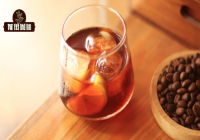
Description of the Flavor and Taste of Authentic American Coffee When is the Best Time to Drink Iced American Coffee for Weight Loss

Whenever people mention black coffee, they often think of Americano first, and many coffee enthusiasts assume that black coffee simply means Americano. In reality, black coffee refers to coffee with no added sugar or milk, and Americano is one type of black coffee.
Whether an Americano tastes good and how its flavor profile performs are closely tied to the espresso used to make it. Although this coffee is called "American," it is in fact a product of espresso diluted with water. How did diluted coffee become so popular? In this article, FrontStreet Coffee explores the charm of Americano.

What is Americano Coffee?
Although it has never been verified historically, the story goes that Americano can be traced back to World War II. American soldiers stationed in Europe were eager to drink coffee, but Italy had only rich, intense espresso, and its strength was very uncomfortable for the American soldiers.
The soldiers asked their cooks to add plenty of water to the espresso to imitate the coffee they drank back home. Later, Italians created a separate name for this American preference, calling it "Americano" (American's coffee), and that is the origin of Americano coffee.

Later, when these soldiers returned home, they missed the preparation deeply, because it was quick to make and could be adjusted with water to personal preference. They began importing pressure-extraction espresso machines from Italy. Once those machines reached the American market, however, sales were poor, both because of the high prices and because Americans at the time were unfamiliar with espresso.
It wasn't until Starbucks introduced Italian espresso machines and launched a series of coffee products including Americano that espresso-based Americano spread quickly among consumers through its own store network and began travelling overseas. That is why many people first heard of Americano from Starbucks.
How is Americano Made?
According to the Cambridge Dictionary, "Americano" is defined as a type of coffee drink made by adding hot water to espresso. Adding hot water to espresso is what makes an Americano; put simply, diluted espresso is Americano coffee.

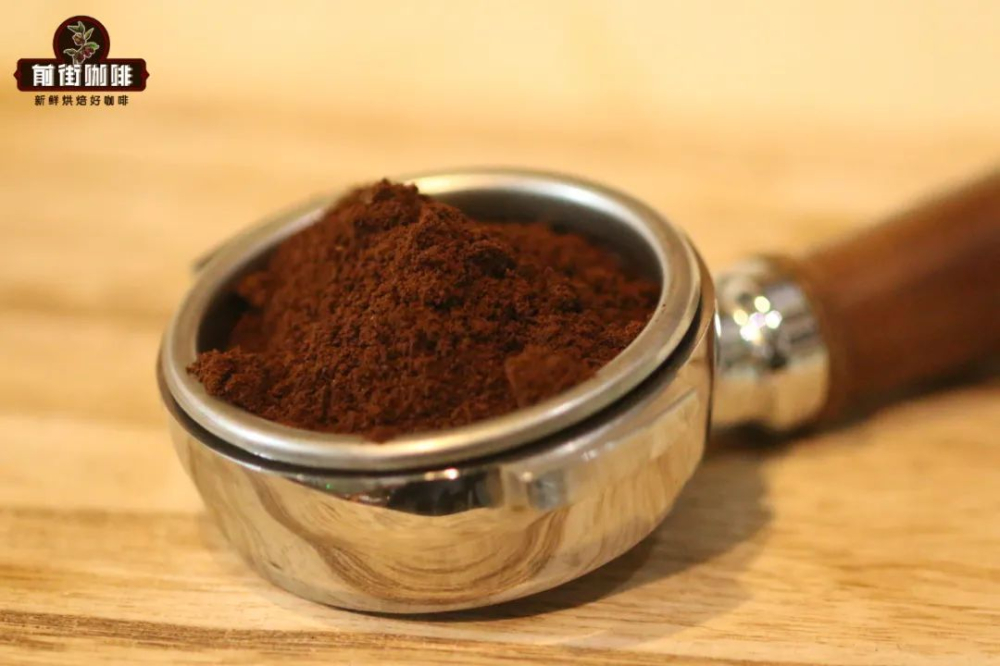
Making espresso involves grinding coffee beans into extremely fine particles, then using a pressure extraction machine to pass water quickly through the coffee particles in a sealed, pressurized environment, extracting soluble substances to produce a small quantity of highly concentrated coffee liquid. Adding the appropriate amount of hot or iced water at the end creates Americano coffee.
Americano Coffee Bean Recommendations
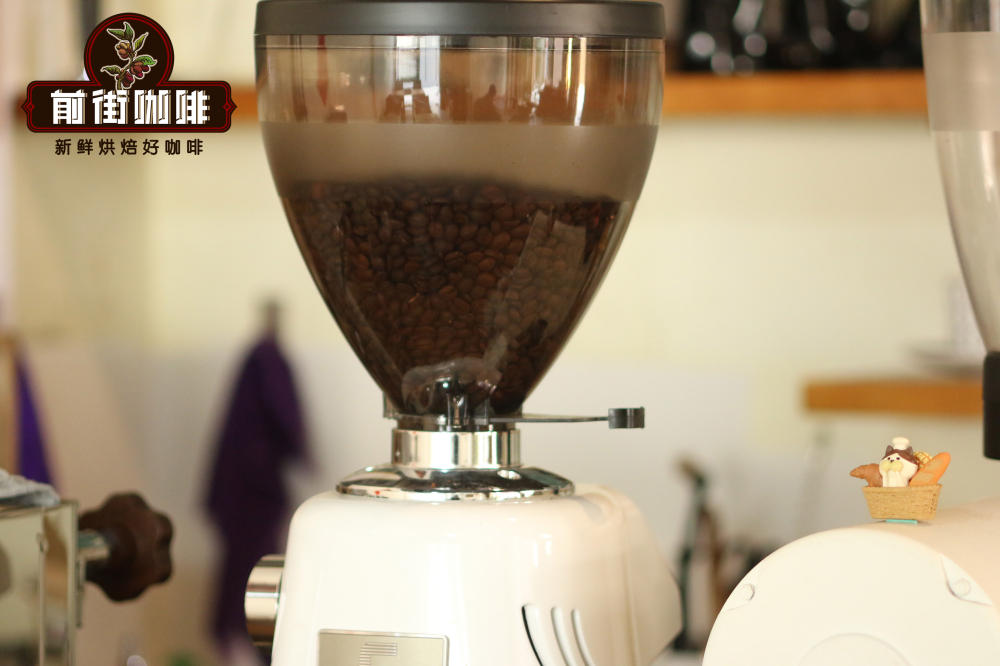
For making Americano or espresso, FrontStreet Coffee recommends beans blended specifically for espresso. The reasons are lower cost, the complementary effects of different beans in a blend that balance and stabilize the flavor of every cup, and the fact that most blends use medium-dark or darker roasting, which avoids sharp acidity and thin flavor after extraction.
Espresso Blend Coffee Bean Recommendations
"FrontStreet Coffee - Warm Sun Blend Coffee Beans": Ethiopia natural red cherry coffee beans (30%) + Honduras sherry barrel coffee beans (70%), featuring rich wine aroma, vanilla cream, berry sweetness and sourness, and roasted nut flavors.
"FrontStreet Coffee - Premium Blend Coffee Beans": Colombia washed coffee beans (30%) + Brazil natural process coffee beans (70%), featuring nut, dark chocolate and caramel flavors.
"FrontStreet Coffee - Commercial Blend Coffee Beans": Robusta washed coffee beans (10%) + Colombia washed coffee beans (30%) + Brazil natural process coffee (60%), featuring nut, cocoa and caramel flavors.
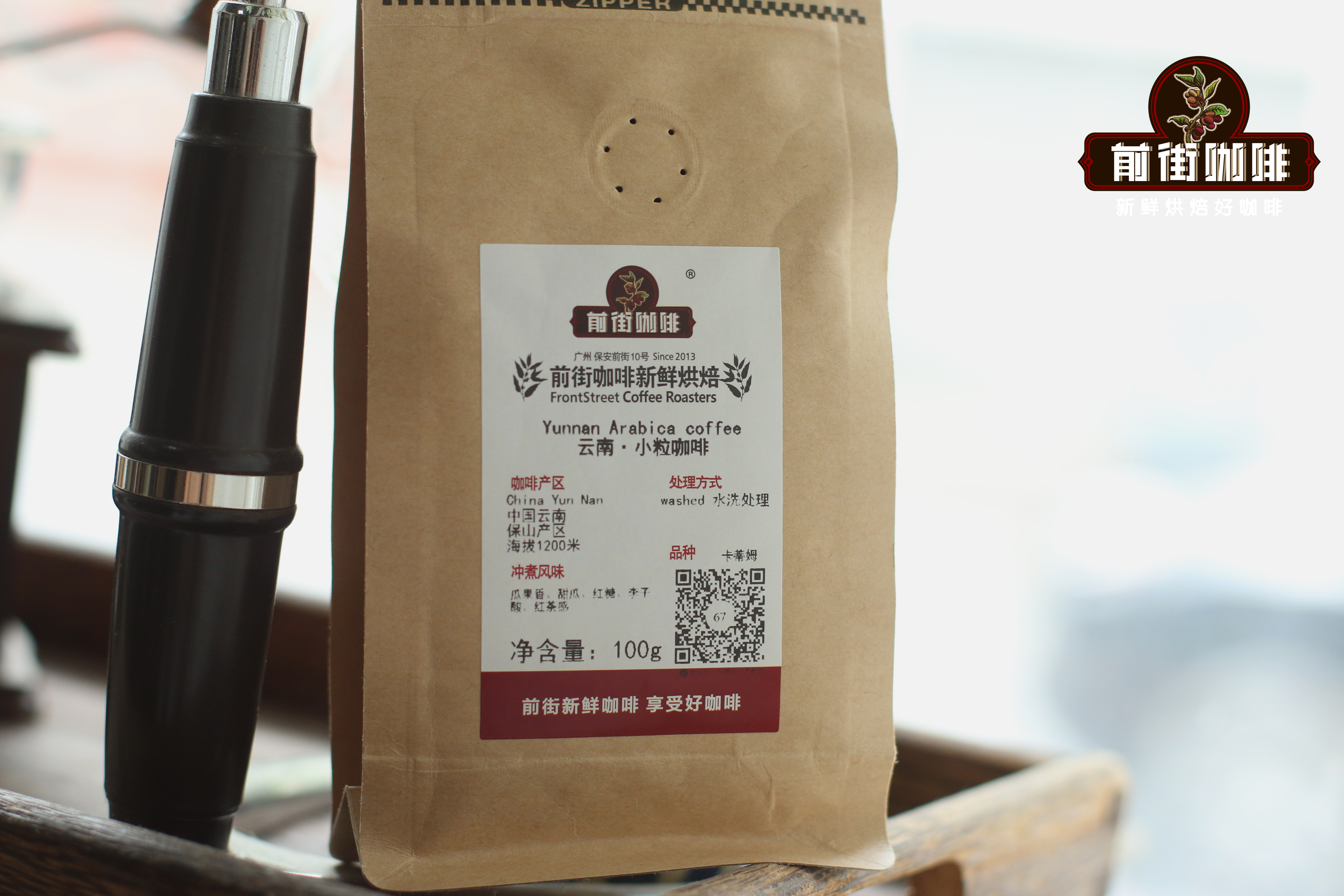
"FrontStreet Coffee - Basic Blend Coffee Beans": Yunnan washed small bean coffee beans (30%) + Brazil natural process coffee beans (70%), featuring gentle fruit acidity, caramel and nut flavors.
SOE Single Origin Espresso Coffee Bean Recommendations
As specialty coffee culture becomes increasingly popular, some enthusiasts want to use single origin coffee to make Americano. If you choose single origin beans, FrontStreet Coffee recommends medium roast or darker beans with prominent flavors.
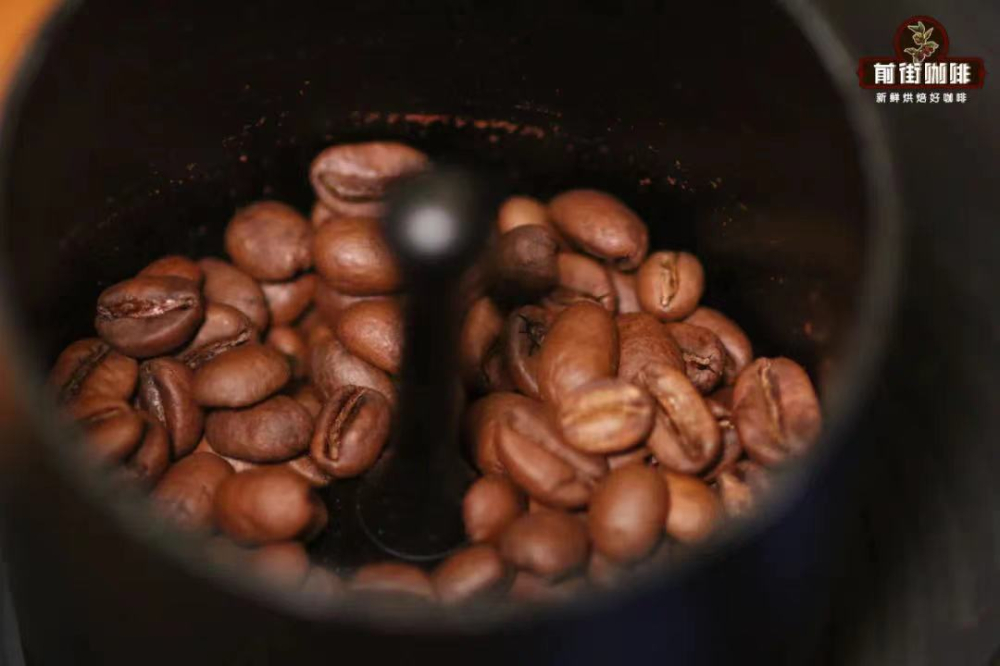
Light roast beans, when ground extremely fine and extracted under pressure, tend to show sharp acidity. Light roast coffee also tends to be relatively thinner than medium or darker roasts because of insufficient caramelization.
"FrontStreet Coffee - Costa Rica Mozart Coffee Beans": This medium roast bean expresses raisin sweetness, subtle floral notes and berry-like sweet-and-sour flavors when extracted as SOE.
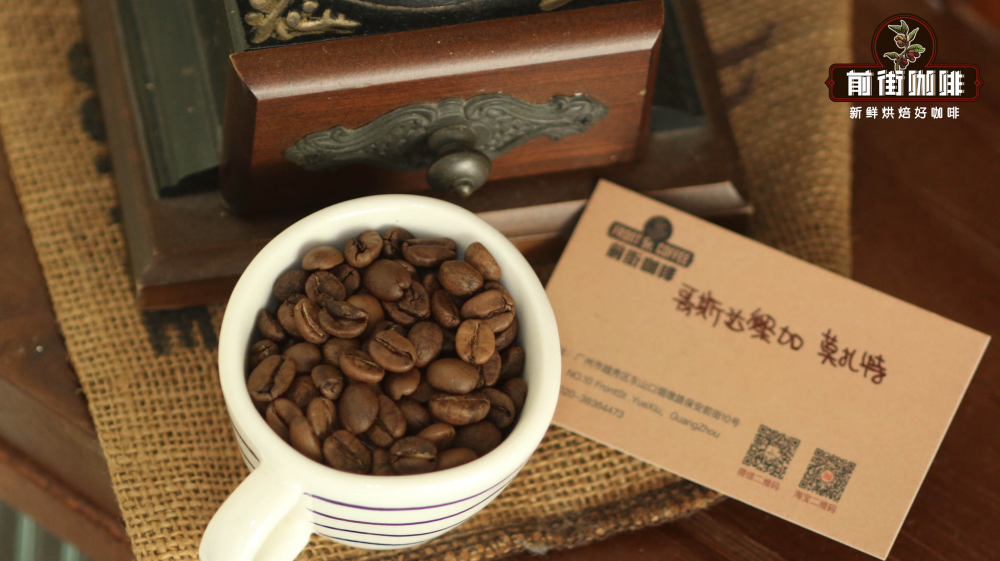
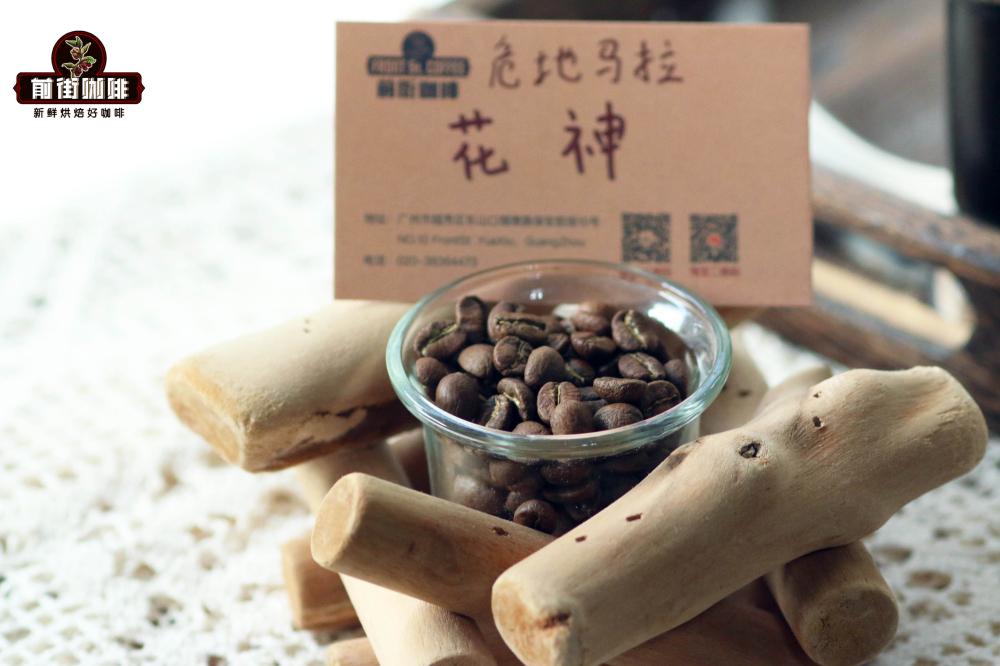
"FrontStreet Coffee - Guatemala Flora Coffee Beans": This medium roast coffee expresses gentle fruit acidity, rich dark chocolate and subtle smoky notes when extracted as SOE.
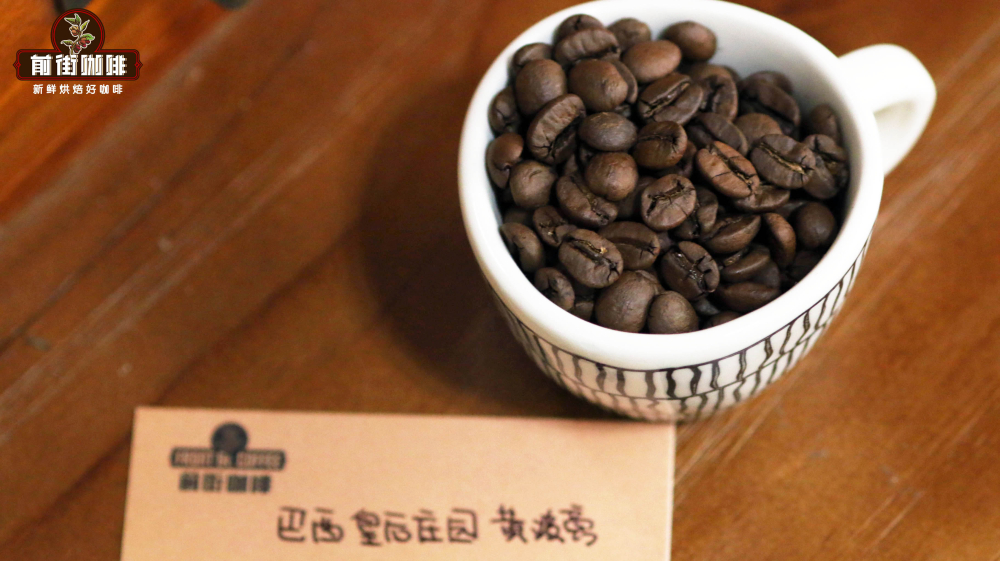
"FrontStreet Coffee - Brazil Queen's Estate Coffee Beans": This medium-dark roast bean expresses roasted peanut and nut aromas, a rich dark-chocolate body and a caramel aftertaste when extracted as SOE.
FrontStreet Coffee's SOE Americano Extraction Parameters
Coffee Beans: Costa Rica - Mozart
Coffee Grounds: 20g
Coffee Liquid: 40g
Grounds-to-Liquid Ratio: 1:2
Extraction Time: 26-32 seconds
Grind Setting: Galileo 2.0

FrontStreet Coffee uses a double basket capacity, requiring 20 grams of coffee grounds each time, with a grounds-to-liquid ratio of 1:2, meaning 40 grams of coffee liquid within a reasonable time. Extraction time is related to the flow rate of the grounds. Single extraction times are generally controlled between 20-35 seconds: under 20 seconds and the coffee tastes thin and bland, while over 35 seconds can lead to over-extraction and bitter, burnt flavors. FrontStreet Coffee therefore keeps espresso extraction within the 26-32 second range.

Before extraction, wipe the portafilter dry, turn on the grinder and grind a double portion of coffee grounds, then place them on an electronic scale and adjust until you reach 20 grams. Use a distributor to level the grounds, then press vertically downward with a tamper to compress the puck firmly, which ensures more stable extraction.

Then turn on the extraction switch and run water for 1-2 seconds to moisten the brew head and wash away any stuck grounds. Place an electronic scale under the cup to catch the espresso and zero it out, then position it under the brew head during extraction. Gently lock the portafilter into the brew head and start the extraction switch. Watch the extraction liquid: when the scale shows 40 grams of coffee liquid (approximately 30 seconds), pull the extraction switch.

Prepare a cup with about 300ml capacity, add 80g of ice and 170g of room temperature drinking water, pour the coffee liquid into the ice water, and stir well before drinking.

This Mozart SOE iced Americano is extremely refreshing, with elegant sweet notes of raisin, osmanthus and berries and almost no bitterness. As the ice gradually dilutes it, the coffee turns refreshingly cool and pleasant, a perfect summer essential.
FrontStreet Coffee Recommendation
The espresso behind an Americano decides everything, and FrontStreet Coffee's blends are built for exactly this. Newcomers using a home machine can start with the Classic Blend, a traditional Italian-style recipe combining Indonesian Mandheling, Brazilian Red Bourbon and washed Vietnamese coffee. It carries the low-acid, full-bodied, herbal and woody character of Asian coffee without losing the balanced, smooth, creamy quality of the Americas, yielding butter, nut, spice and dark chocolate aromas in the cup. Wild in character with a generous crema, it works equally well as an Americano or a latte. If value matters most, FrontStreet Coffee's Black Cocoa Blend pairs Yunnan small bean with Brazilian Cerrado for an Americano full of nut, chocolate and cream aromas, with a ripe plum acidity and a soft overall mouthfeel at a very approachable price.
When you tire of dark-roast espresso, FrontStreet's Strawberry Candy Espresso Blend is roasted to a medium level and is every bit as sweet as the name suggests. Unlike a traditional blend, it gathers single origin Arabica from three of the world's best-known regions, Colombia, Costa Rica and Ethiopia, and uses washed, natural and honey processing to lift the aroma, so besides its rose character and low bitterness with a touch of acidity, an Americano or latte shows grape, dried blueberry, sweet orange and fruit candy notes with a rich layering and a distinctive almond finish. For a single origin approach, FrontStreet's Ethiopia Huakui SOE is a natural Sidamo lot from the Hambela region, processed at the Buku Abel washing station, and as an SOE Americano it drinks with no bitterness at all, sweet and refreshing with a heady tropical fruit aroma.
Important Notice :
FrontStreet Coffee is a long-established specialty coffee roaster in Guangzhou China, selling freshly roasted beans from its own farm in Yunnan as well as dozens of carefully selected single-origin beans from around the world for both pour-over and espresso. The products deliver consistently excellent quality and great value, with shipping within 24 hours. Guangzhou's FrontStreet Coffee shop is recommended by many coffee lovers, and the beans are now available online at the Tmall 。
FrontStreet Coffee has moved to a new address:
FrontStreet Coffee Address: 315,Donghua East Road,GuangZhou
Tel:020 38364473
 Scan and follow the En Gafei WeChat official account. Please indicate that the reprint comes from "En Gafei".