The Flavor Profile of Jamaica Blue Mountain Premium Coffee Beans and Its Historical Origins
Jamaica is easy to miss on a world map, yet this small island nation produces one of the most celebrated coffees on the planet: Blue Mountain. So what makes FrontStreet Coffee's Blue Mountain beans so exceptional, and what drives their premium price? FrontStreet Coffee shares the same curiosity as everyone else, so this article sets out to answer it.
The Cultivation History and Development of Jamaican Blue Mountain Coffee
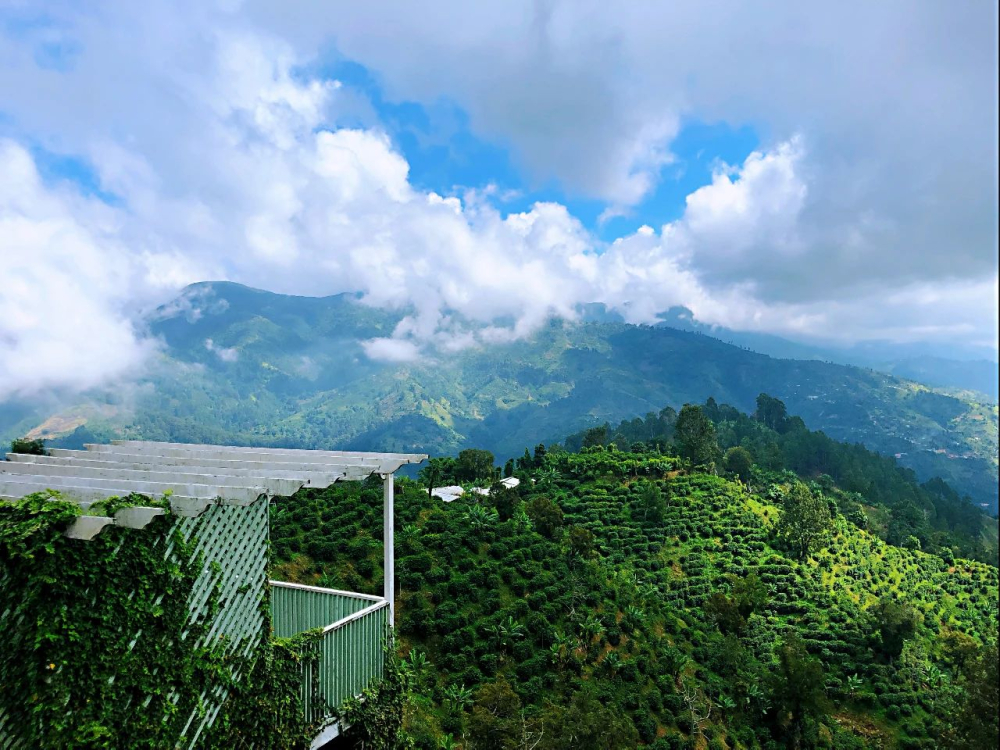
Jamaica lies in the Caribbean Sea, blessed with striking scenery and clean, unpolluted air. The Blue Mountain Range in the east of the island sits squarely inside the coffee belt that circles the equator between roughly 25° north and 25° south. Volcanic ash soil left by past eruptions supplies the crops with abundant nutrients, while the towering, rugged highlands create a distinctive microclimate: clouds gather over the peaks almost year-round, and water vapour condenses into droplets when it meets cold air, providing shade and moisture for local crops. It is common to see coffee trees growing alongside banana and avocado trees.
Jamaica's coffee story stretches back more than two hundred years. It began in 1728, when Governor Sir Nicholas Lawes brought coffee plants from Martinique to the St. Andrew region for trial planting. Late in the 18th century, the labour of a large enslaved workforce sent production surging, and cultivation spread into the more favourable Blue Mountain area. By 1814 the national annual output had reached 15,000 tons. When slavery was abolished early in the 19th century, many farmers turned to other crops, Jamaica's coffee output fell dramatically and the whole industry slid into decline.
To bring the trade back under control, the Jamaican government passed legislation in 1891 to improve production and quality while offering growers professional guidance. In 1944 it established the Central Coffee Clearing House, where every export lot must pass quality inspection and grading. In 1950 Jamaica formally created the Jamaica Coffee Industry Board (CIB), granting it official authority to improve, regulate and protect the quality and reputation of Jamaican coffee.
Jamaica's Coffee Industry Regulations are strict: Blue Mountain beans must be grown in four administrative parishes — St. Andrew, St. Thomas, Portland and St. Mary. Only Typica cultivated at 910–1,700 metres within that zone may carry the name Jamaica Blue Mountain Coffee. By quality, Blue Mountain is graded from highest to lowest as NO.1, NO.2, NO.3 and PB, where PB stands for Peaberry. That tight control and grading system earned the coffee worldwide fame, and by the mid-20th century it was regarded as one of the finest coffees available.
It is worth noting that in the 1960s Jamaica was hit by hurricanes that battered several industries, coffee among them. Japan's UCC offered assistance at the time and introduced ecological cultivation methods to the Blue Mountain region. In 1972 Jamaica and Japan signed a 30-year coordination agreement granting Japan priority purchasing rights in gratitude for that corporate support. During this period 90% of Blue Mountain was supplied to Japan, with the remaining 10% shared out in small quotas among Europe, America and Asia. That arrangement explains why Blue Mountain was so expensive during that era.
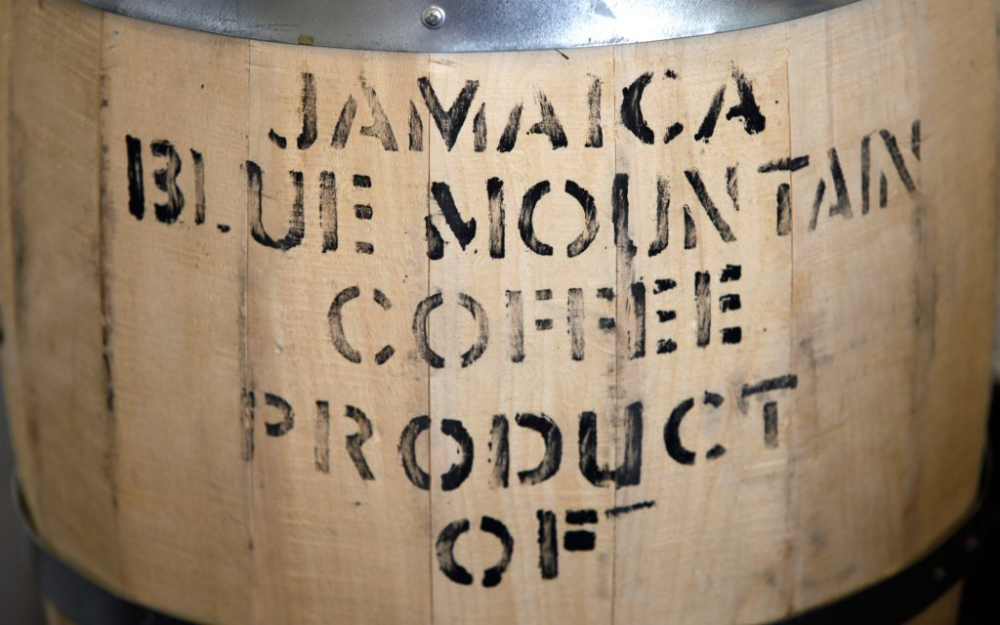
What Makes Authentic Blue Mountain Coffee Beans?
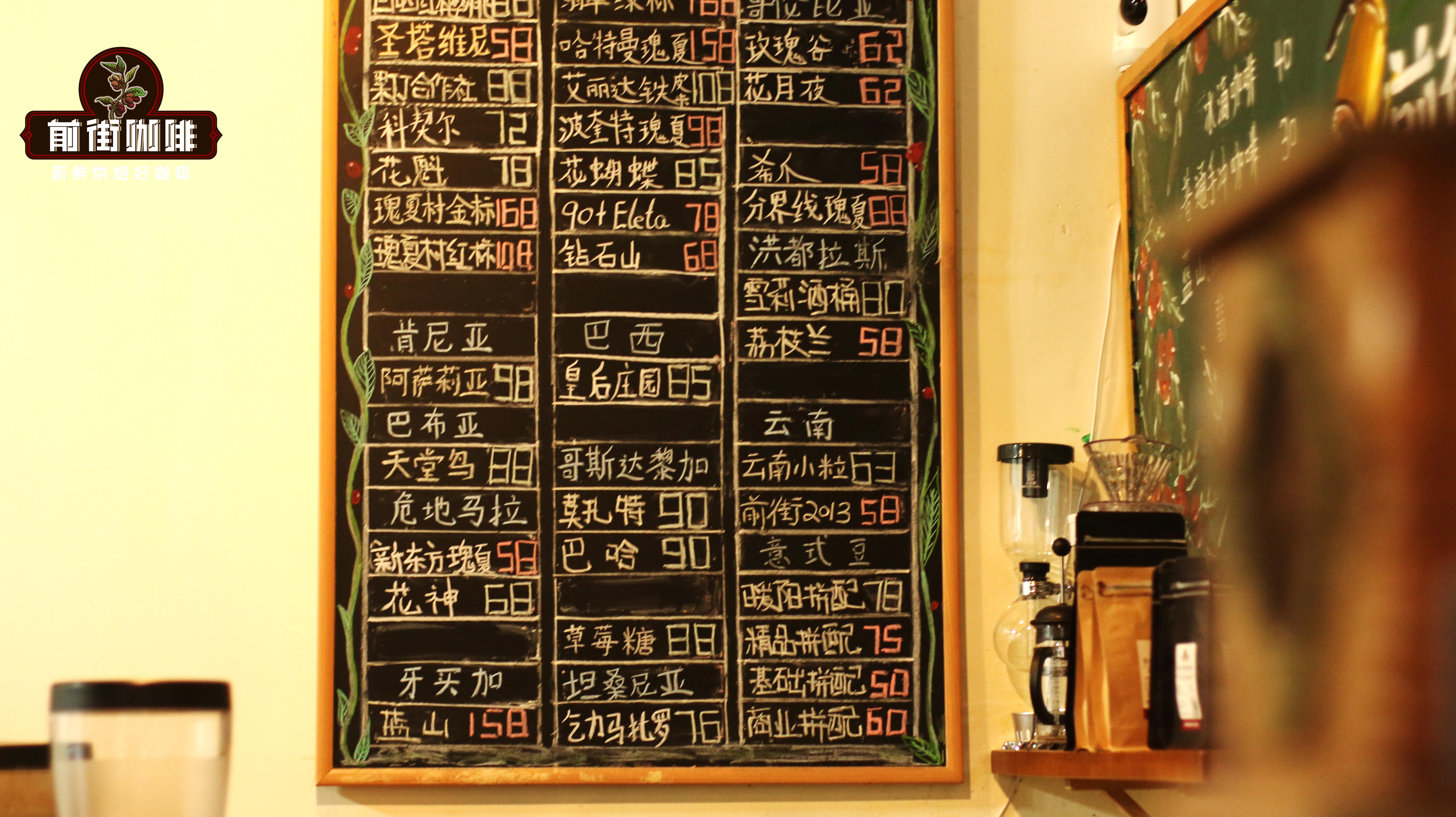
With the agreement with Japan now expired, Jamaica has allocated more Blue Mountain quotas to other markets and Japan no longer holds a "monopoly". In recent years the coffee has become far easier to find in the Chinese market and is available on FrontStreet Coffee's bean list. FrontStreet Coffee's house-roasted FrontStreet Blue Mountain is the highest grade, Blue Mountain No. 1, with green beans produced and packed by Clifton Mountain Estate.
Clifton Mountain Estate is the largest estate in the Blue Mountain region and has produced coffee since the mid-18th century. It is also the only estate holding Rainforest Alliance (RFA) certification. The estate processes freshly picked cherries with traditional washed processing, and every stage removes defective beans, which is what leaves the cup cleaner and brighter. Once processing is complete, Blue Mountain green beans are graded on size, colour, roasting quality, aroma, cupping quality and screen size. The FrontStreet Blue Mountain No. 1 that FrontStreet Coffee purchases is the top grade: defect rate below 3%, size above 17 screen, moisture content 10–12.5%, even colour and neatly shaped beans — a genuinely rare premium lot.
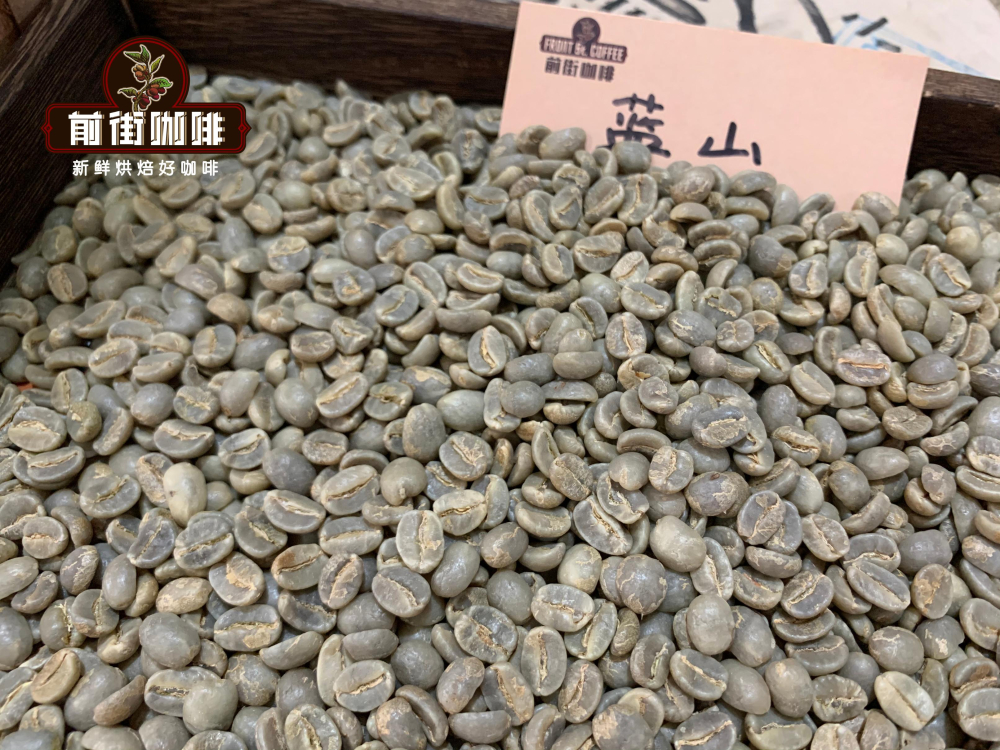
Before export, Blue Mountain must also pass inspection and confirmation by CIB-certified professional cuppers. The flavour of FrontStreet Blue Mountain has to show appropriate acidity, sweetness, bitterness, body and aroma. After inspection the beans travel in handcrafted wooden barrels before reaching roasters around the world. Compared with the coarse burlap sacks used in most regions, oak barrels absorb and release humidity while keeping the coffee's aroma from escaping, which helps hold moisture content steadier and makes roasting more consistent.
The Coffee Story of Clifton Mountain Estate
Clifton Mountain Estate's Blue Mountain production dates back to the mid-18th century (around 1750), and the current Sharp family took over in 1978. The estate sits on the picturesque Clifton Mountain, with cultivation and green-bean processing facilities at an average elevation of 4,300 feet (1,310.64 metres). Sufficient altitude, daily mist, ample sunshine and rainfall, and mineral-rich soil give the trees excellent growing conditions, slowing the maturation of the cherries and allowing plenty of time for aromatic compounds to form. The coffee grows on rugged mountain slopes, which makes harvesting extremely difficult; every spring the Sharp family brings in skilled pickers to hand-select properly ripe cherries from the hillsides.
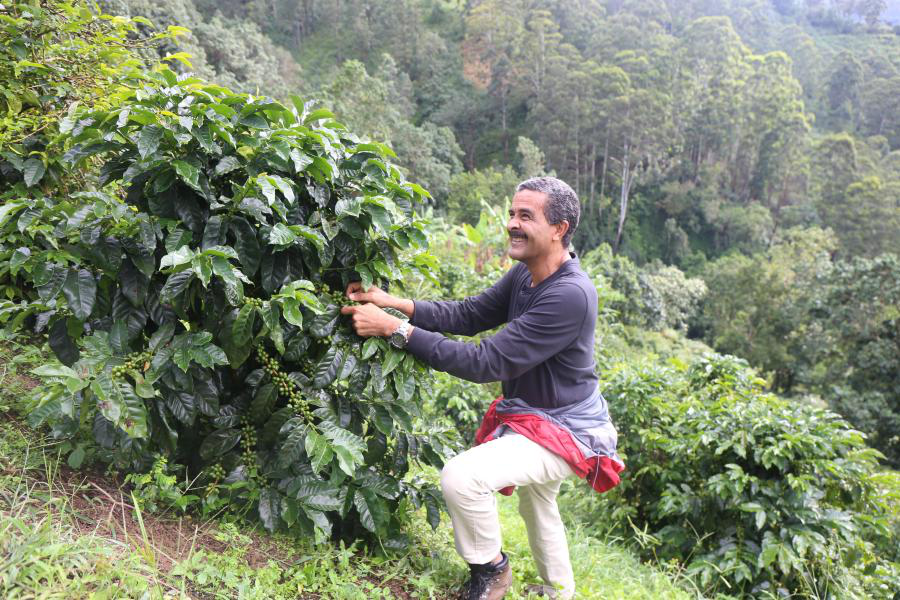
After taking over the estate, the Sharp family began by clearing the wild, overgrown jungle inside the farm, then brought in processing equipment and invested in solar power stations, wastewater treatment plants and BMCP processing facilities. As the only coffee estate with Rainforest Alliance certification, every process on the farm follows environmental principles: water used in green-bean processing is reused for agricultural irrigation, and the removed fruit pulp is fermented into organic fertiliser for flower cultivation.
Freshly picked cherries go into water pools, where flotation separates ripe from unripe beans. Conveyor belts then carry the ripe cherries to pulping. Beans still enclosed in mucilage and parchment rest in pools for fermentation; once fermentation is finished, flowing water and agitation strip the remaining mucilage, and the clean parchment coffee is dried down to 11–12% moisture before being sent to the BMCP facility to rest for one month. This step lets flavour mature and allows the internal structure and water activity to stabilise.
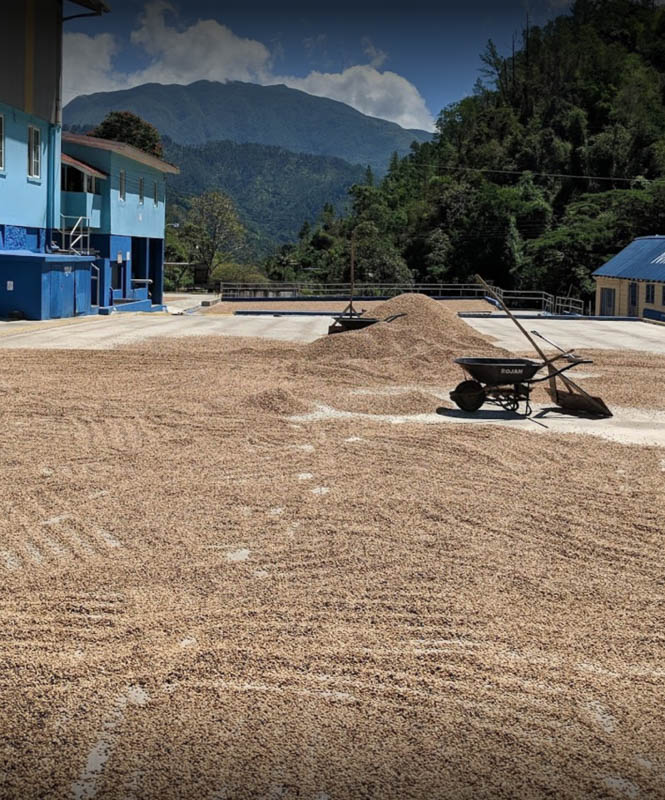
Flavor Characteristics of FrontStreet Coffee's Clifton Mountain Estate Blue Mountain No. 1 Coffee
Roasting is to coffee what cooking is to cuisine: good ingredients plus the right technique bring out the best in a dish. The ultimate goal of roasting is simply a delicious cup. FrontStreet Coffee's roasting philosophy is to present the most classic profile of a growing region while highlighting what makes each bean distinct. FrontStreet Coffee's Yirgacheffe, for example, shows bright lemon acidity; FrontStreet Coffee's Indonesian Mandheling brings herbal depth and a rich body; and FrontStreet Coffee's Blue Mountain No. 1 naturally aims at the classic Blue Mountain character. FrontStreet Coffee roasts it medium-dark to draw out chocolate and nutty aromas while preserving a soft acidity and sweetness, producing an overall balanced cup.
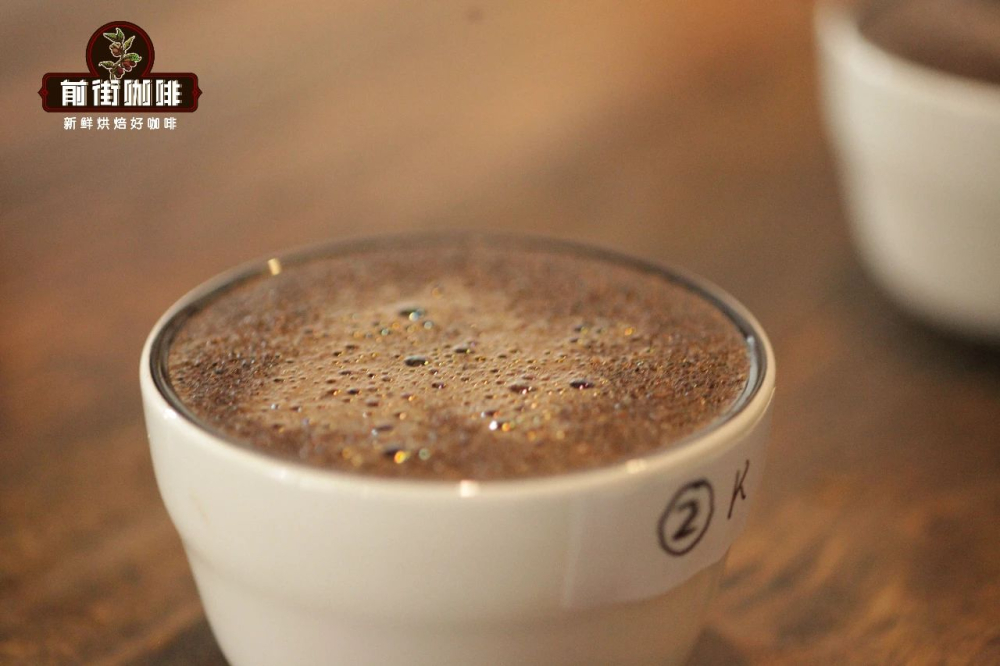
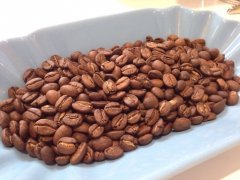
Immediately after roasting, FrontStreet Coffee cupped the FrontStreet Blue Mountain beans. The dry aroma revealed nuts, sweet melon and chocolate. Once hot water was added, notes of oolong tea, caramel, honey and dark chocolate came forward. The cup carried rich dark chocolate, roasted hazelnuts, cream and brown sugar, with clean, clear flavours, a rich body and a lasting aroma. So that everyone can taste the coffee at its best, FrontStreet Coffee ships beans roasted within 5 days, so they arrive at the optimal tasting stage. Below, FrontStreet Coffee explains the key factors for brewing FrontStreet Blue Mountain to cafe standards.
Brewing Recommendations for Premium Blue Mountain Coffee
FrontStreet Coffee typically reaches for the KONO dripper when extracting medium-dark roasted beans. The upper section of the KONO has a smooth curved surface that lets the filter paper sit closer, and compared with the V60 it leans more on immersion extraction, raising overall concentration and enhancing body. Beyond the KONO, other slow-flow brewers such as the Kalita wave dripper and flannel filters also suit FrontStreet Blue Mountain, FrontStreet Coffee's Golden Mandheling and other medium-dark roasted beans.
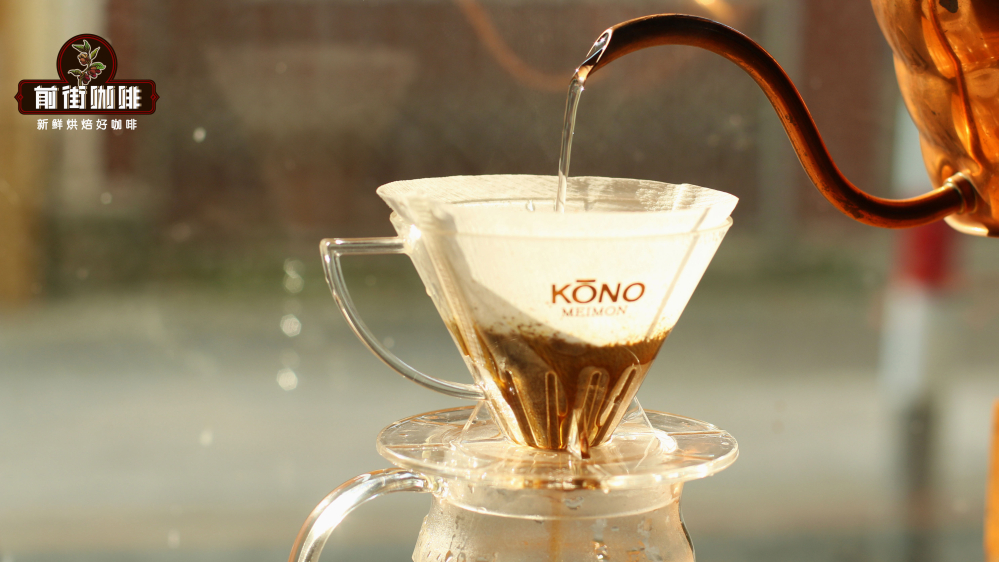
Because medium-dark beans have taken on more heat, their internal structure is more porous than that of light roasts and absorbs water more readily. To avoid over-extraction, FrontStreet Coffee chooses a grind size with a 75% pass-through rate through a #20 standard sieve, pairs it with 88°C water, and uses FrontStreet Coffee's customary three-stage pouring method.
Brewing parameters: 88°C water temperature, coarse-sugar grind consistency (75% pass-through rate through a #20 standard sieve), 15g coffee beans, 1:15 coffee-to-water ratio, three-stage extraction.
First stage: gently pour 30g of water to bloom, with a bloom time of 30 seconds. Second stage: pour to roughly 125g using an even, steady outward circular motion. Then wait for the coffee liquid to drop, and when it reaches halfway, pour the final stage to 225g. Let all the coffee finish dripping; total extraction time is typically around 2 minutes.
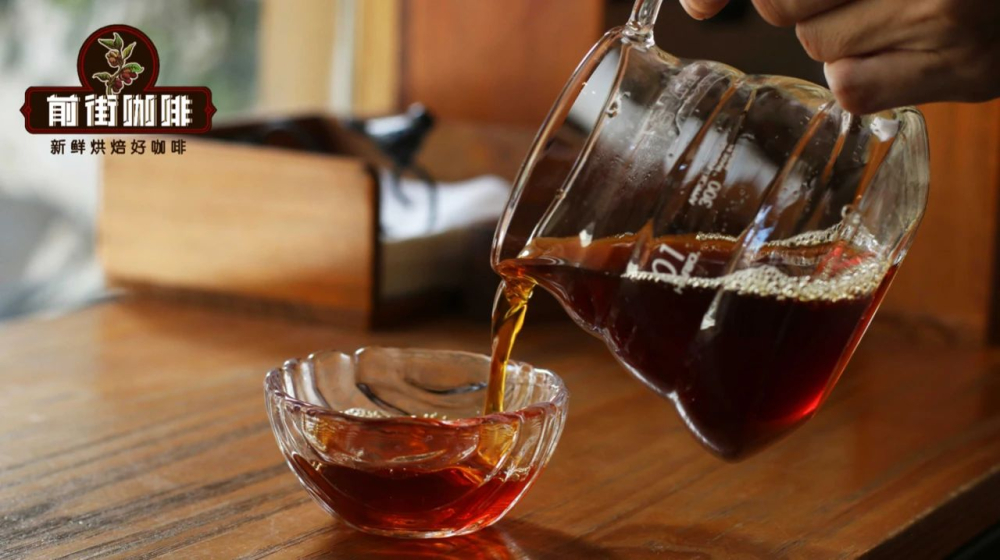
FrontStreet Blue Mountain No. 1 flavour: while hot, the coffee shows dark chocolate aroma and a very rich body with a noticeable almond aftertaste. As the temperature drops, roasted hazelnuts and creamy sweetness and silkiness emerge, accompanied by a hint of soft acidity and caramel sweetness, with the aroma lingering in the mouth.
FrontStreet Coffee Recommendation
With a bean this balanced, the brewing details still matter. FrontStreet Coffee's Jamaica Blue Mountain No. 1, grown on Clifton Mountain Estate, is medium-dark roasted and tastes of dark chocolate, roasted hazelnuts, cream caramel, honey and a whisper of citrus. Brew it in a KONO dripper with 15g of coffee at 87–88°C, a medium-coarse grind about the texture of white sugar, and a 1:15 coffee-to-water ratio. Pour 30g for a 30-second bloom, build to 120g, then finish at 225g. The result is the clean, rounded, sweet-finishing cup the estate is known for.
Important Notice :
FrontStreet Coffee is a long-established specialty coffee roaster in Guangzhou China, selling freshly roasted beans from its own farm in Yunnan as well as dozens of carefully selected single-origin beans from around the world for both pour-over and espresso. The products deliver consistently excellent quality and great value, with shipping within 24 hours. Guangzhou's FrontStreet Coffee shop is recommended by many coffee lovers, and the beans are now available online at the Tmall 。
FrontStreet Coffee has moved to a new address:
FrontStreet Coffee Address: 315,Donghua East Road,GuangZhou
Tel:020 38364473
 Scan and follow the En Gafei WeChat official account. Please indicate that the reprint comes from "En Gafei".