Mocha Coffee: The Chocolate-Infused Italian Cappuccino and Its Origin Story

"One mocha, please."
"Sorry — we don't carry mocha."
There was a time when mocha stood beside the latte and cappuccino as a pillar of the Italian coffee menu, a default order for countless café-goers. Today many specialty shops no longer treat it as their signature flavored coffee, and some have dropped it entirely in favor of newer favorites like the dirty and the oat latte. The mocha's presence on coffee menus is quietly fading.
When did mocha coffee join the Italian menu?
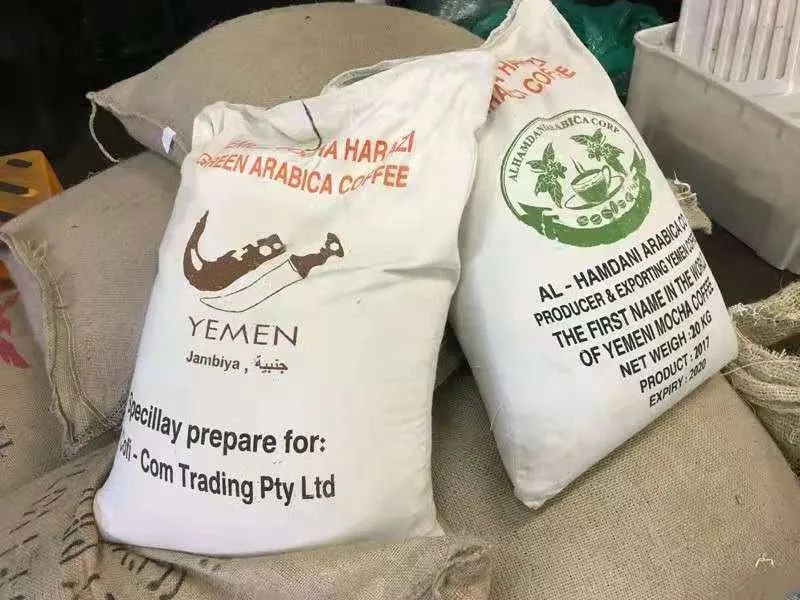
"Mocha" takes its name from the Yemeni port of Mocha. For several centuries beginning in the 15th, every coffee bean bound for export had to pass through that port, crossing the Red Sea to the wider world — making Mocha, for a time, the hub of the entire coffee trade.
Because the sacks of beans were stamped "MOCHA" to certify they had shipped from the port, Europeans simply called the delicious coffee that arrived "mocha coffee" — which is why, early on, mocha became a synonym for coffee itself. Beans from the port were prized for their small size and rich aroma; deep roasted, they showed strong acidity and mellowness with a moderate finish and pronounced chocolate notes.
The Italian mocha we drink today, though, was born in 18th-century Italy. By then the Dutch had carried coffee to Southeast Asia and the French to South America, breaking Mocha's monopoly, and under late Ottoman rule genuine Mocha beans grew scarce in Europe.
Chasing that chocolate character, some began stirring cocoa powder into coffee to imitate it. Later, as espresso machines arrived and espresso-based flavored drinks conquered the world, this chocolate-laced milk coffee earned a permanent seat on the Italian menu.
Italian mocha coffee took shape during the second wave of coffee
As Italian-style coffee swept the globe, chain coffee shops multiplied in its wake. Bean quality in that era varied wildly, so to satisfy a fast-growing market these shops leaned on multi-origin blends, roasted dark to pull out golden crema and roasted flavors — cheaper to produce, and reliably consistent in the cup. For most people, coffee became synonymous with bitterness and caffeine.
To mask that intensity, sweetness became indispensable. Syrup, chocolate sauce, caramel, and cream became the building blocks of second-wave beverage development.
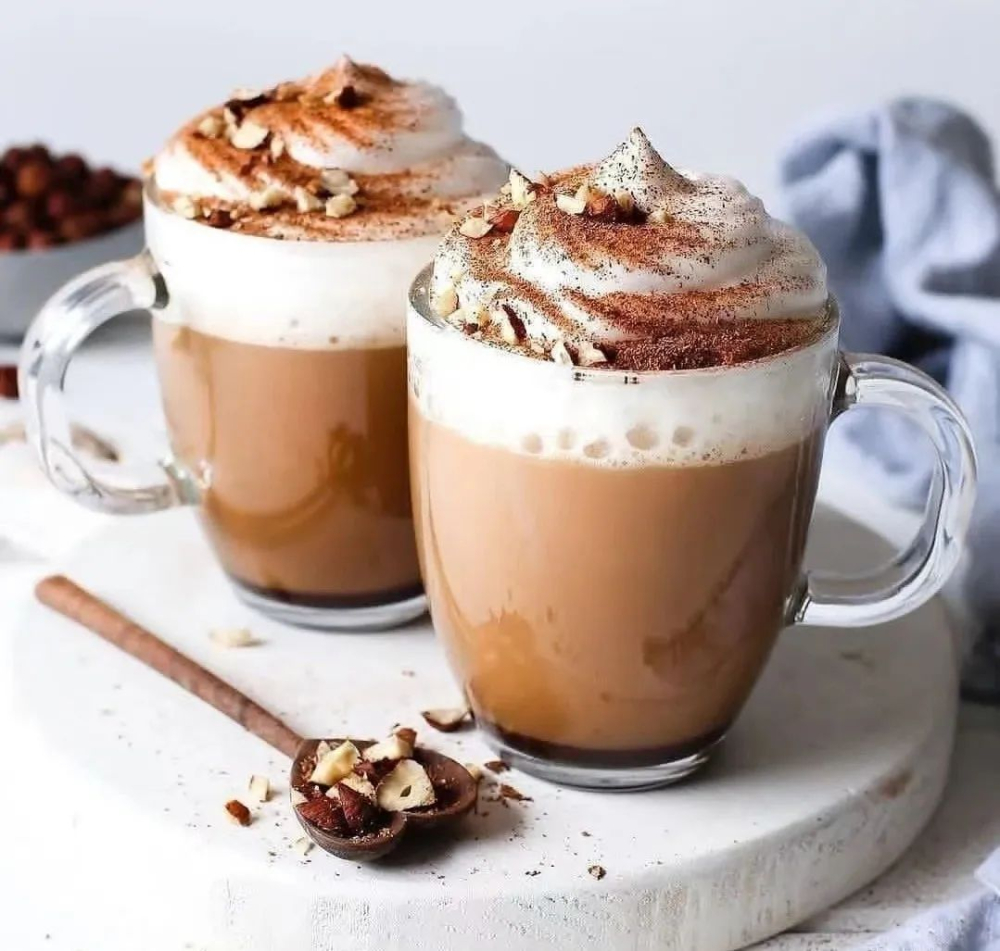
The traditional Italian mocha is built on espresso and hot milk with a chocolate element added — cocoa powder, chocolate syrup, dark chocolate, or milk chocolate all work. It is often capped with whipped cream drizzled with chocolate sauce, or dusted with cinnamon and crowned with marshmallows. The chocolate and cream deepen the drink's layers and soften the coffee's bitterness, which is exactly why consumers loved it.
Now, why is mocha becoming increasingly rare?
Fast-forward to the third wave. Specialty coffee shifted the spotlight to origin character and single-origin coffees, and to the different experiences that cultivation and processing create. Quality rose across every stage; beans were no longer roasted predominantly dark; and brewing diversified, with pour-over leading the way.
At the same time, the push toward healthier eating — less sugar, sugar-free alternatives — steadily displaced the high-sugar, high-calorie habits of the past. A drink like mocha, where coffee flavors hide behind additives and sugar runs high, was naturally phased out by the market.
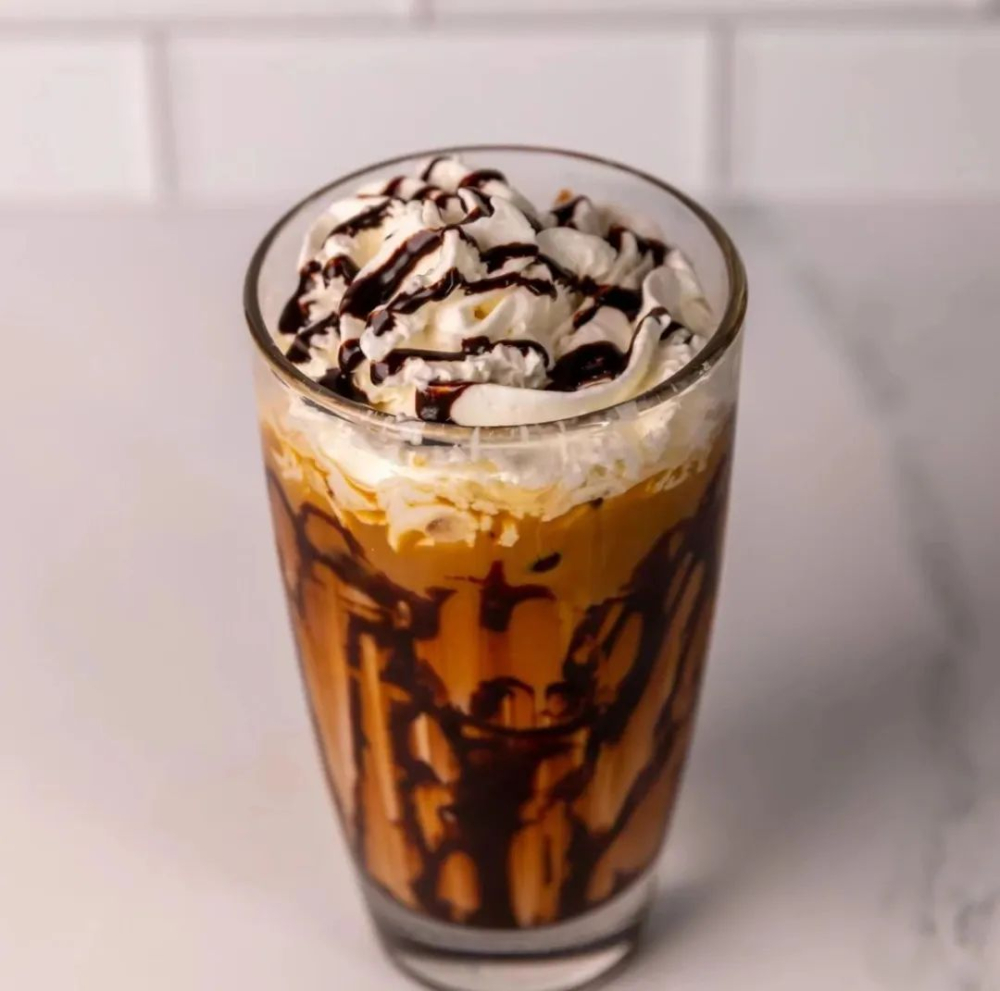
Yet the love of rich chocolate flavor never went away. Beyond Italian coffees whose beans themselves carry dark-chocolate notes, more and more coffee specials are now built around chocolate directly.
Summer should be for iced mocha~
Because its ingredients are hard to keep fresh, mocha has been retired from FrontStreet Coffee's permanent menu — but whenever the staff crave a sweet milk coffee, someone makes an iced mocha. The ingredients are simple: a double espresso, chocolate sauce, 200g of fresh milk, and ice.
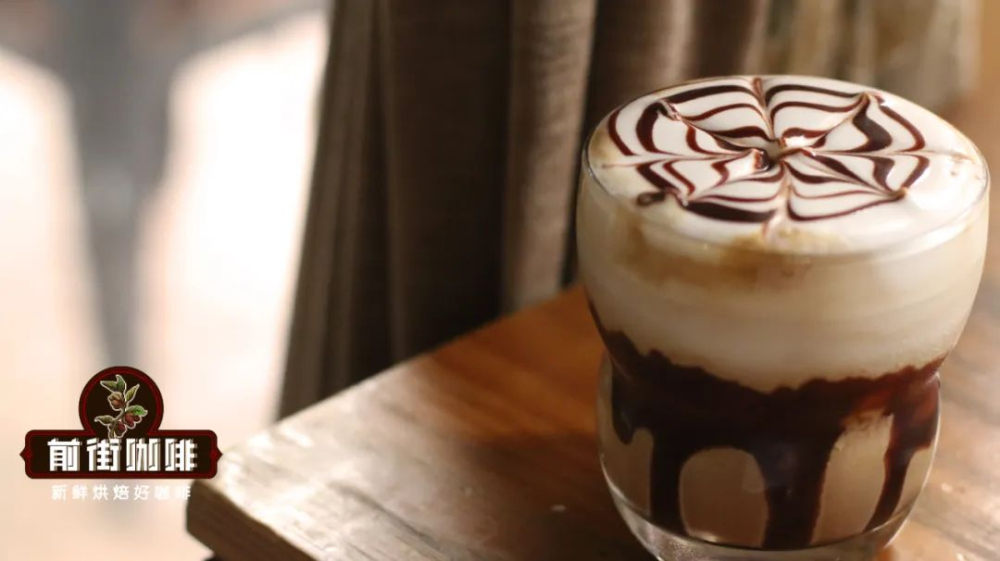
Take a clear glass and coat its inner walls with chocolate sauce, then add ice and half the milk. Blend 10 grams of chocolate sauce into the extracted espresso and pour it in. Next, froth the remaining iced milk in a French press until smooth, skim off the large surface bubbles, and pour until nearly full. Finish with a chocolate-sauce drizzle, and a rich, fragrant, sweet iced mocha is done.
FrontStreet Coffee Recommendation
A mocha is only as good as the espresso under the chocolate, and for home baristas FrontStreet Coffee's Classic Blend is the dependable base: a medium-dark three-origin recipe inspired by the old-school "Mamba" pairing of Mandheling and Brazil, with a touch of Robusta folded in for aroma and crema. It extracts with pronounced notes of butter, toasted bread, and caramel biscuits — bold flavor, a solid body, fine golden crema, and impressively stable shots, which is why it's a staple starter bean for home use.
If you prefer nut-forward depth, the Specialty Blend pairs washed Colombian with pulped-natural Brazilian beans for espresso that shows nuts, dark chocolate, and caramel — and in milk drinks from lattes to flat whites it pours a smooth cream, almond, and cocoa aroma with crema that rivals café output. Aspiring shop owners should look to FrontStreet Coffee's Commercial Blend, which adds a little more Robusta to the Specialty recipe for a deeper brown, denser crema and a heavier body — nuts, cocoa, and caramel in every Americano, latte, or mocha, and latte art made genuinely easy.
Important Notice :
FrontStreet Coffee is a long-established specialty coffee roaster in Guangzhou China, selling freshly roasted beans from its own farm in Yunnan as well as dozens of carefully selected single-origin beans from around the world for both pour-over and espresso. The products deliver consistently excellent quality and great value, with shipping within 24 hours. Guangzhou's FrontStreet Coffee shop is recommended by many coffee lovers, and the beans are now available online at the Tmall 。
FrontStreet Coffee has moved to a new address:
FrontStreet Coffee Address: 315,Donghua East Road,GuangZhou
Tel:020 38364473
 Scan and follow the En Gafei WeChat official account. Please indicate that the reprint comes from "En Gafei".
How to Pour-Over Blue Mountain No.1 Coffee: Characteristics, Flavor Profile, and Brewing Methods - Blue Mountain Coffee Bean Brewing Guide with Grind Size and Water Temperature Parameters