Costa Rican Coffee Growing Regions Costa Rican Coffee Beans Flavor Characteristics of Costa Rican Coffee
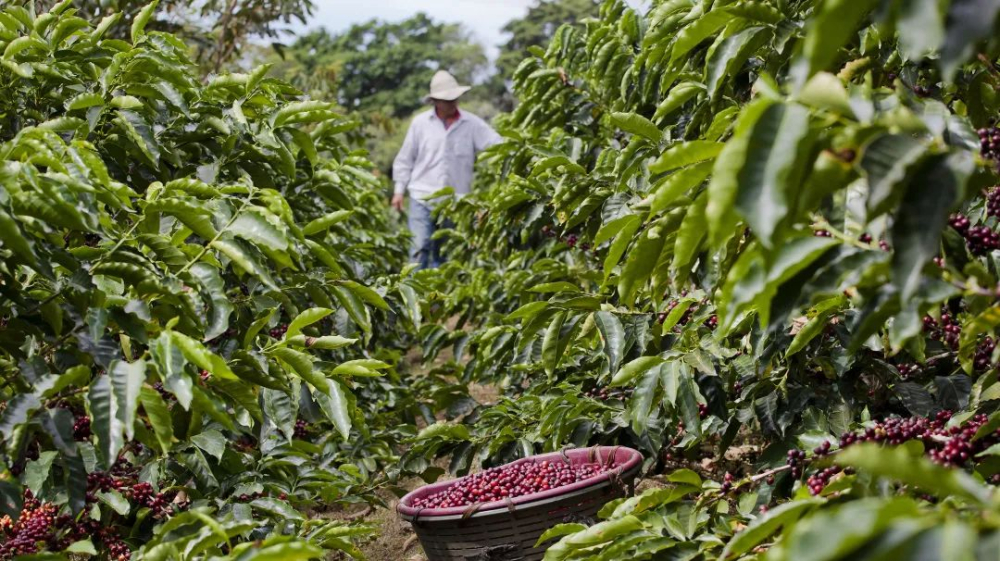
As one of the earlier countries in Central America to cultivate coffee, Costa Rica not only started its coffee industry early but also enforced strict laws and regulations to preserve the country's excellent coffee quality, prohibiting Robusta as a coffee variety for cultivation.
The Coffee Cultivation History of Costa Rica
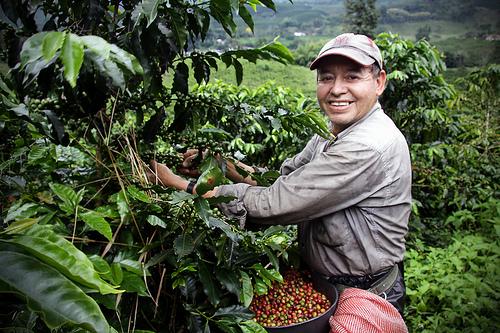
Reviewing historical records, FrontStreet Coffee found that the first coffee plant was brought to Costa Rica from Cuba in 1779, quickly opening the coffee cultivation chapter here. By 1808, coffee had entered commercial production in Costa Rica, with approximately 17,000 coffee trees planted on plantations. In 1821, Costa Rica formally gained independence from Spain, and the coffee industry gradually became an important component of national income, a role it continues to play today.
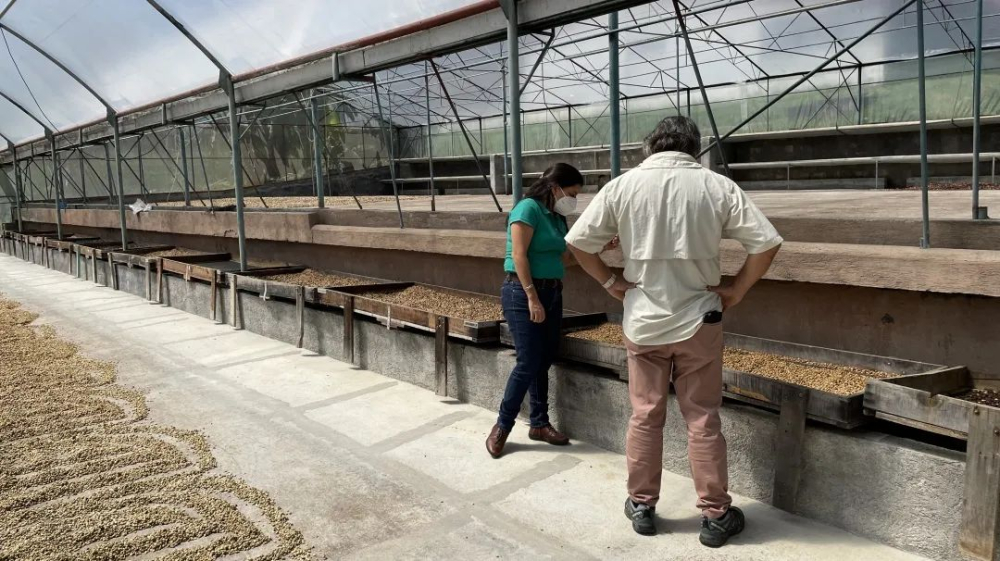
From the start, the Costa Rican government recognized the benefits coffee cultivation would bring to the country and its citizens, so it rolled out a series of policies to encourage planting, including free distribution of coffee seedlings and allowing any farmer who planted coffee on excess land for more than 5 days to apply for land ownership. Backed by strong government support, Costa Rica launched a highly popular "nationwide coffee planting" campaign.
During World War II, however, Costa Rica's coffee industry declined from its peak. Unstable factors such as wartime turmoil led Britain to stop purchasing coffee, which directly ended Costa Rica's golden era of coffee exports. In 1900, Brazil began making waves in the coffee industry, to some extent lowering Costa Rica's coffee prices. Producing regions such as Honduras and Guatemala then emerged as leaders driving the world coffee industry forward. Clearly, compared with the thriving coffee industries of other countries, Costa Rica's coffee cultivation faced more difficulties and obstacles.
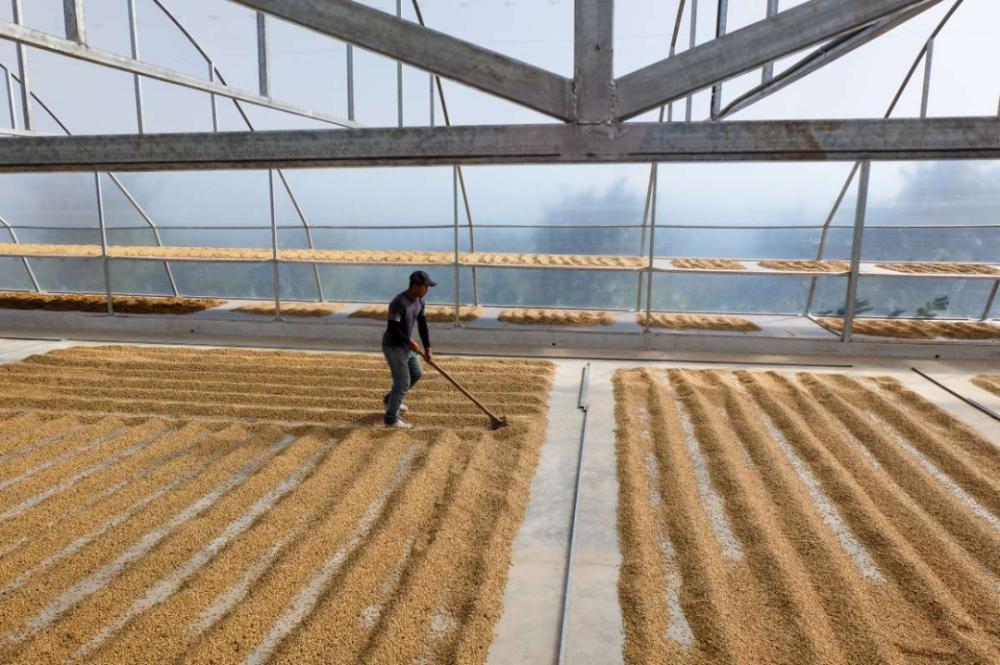
By 1989, the Costa Rican government officially passed a law prohibiting the cultivation of inferior coffee beans and encouraging Costa Rican farmers to pursue genuinely excellent quality. That is why only Arabica is cultivated locally today. Worth noting is that the law was jointly decided and implemented by government departments and two well-known Costa Rican research institutions: CATIE (Tropical Agricultural Research and Higher Education Center, composed of multiple countries) and ICAFE (Costa Rican Coffee Institute). CATIE was established in 1942, while ICAFE was created as early as 1933. They have not only contributed to Costa Rican coffee cultivation but also made outstanding contributions to coffee across the Central and South American producing regions.
Introduction to Costa Rican Coffee Producing Regions
Costa Rica is located in Central and South America, connected to Panama where Geisha became famous, and is influenced simultaneously by Pacific and Atlantic ocean currents and monsoons, creating excellent microclimates. Combined with varied topographical features, it has become a perfect producing region for coffee to thrive. Although Costa Rica's ranking in coffee production is not high, the country's many volcanic crops bring very fertile mineral soil, and with excellent drainage, the crops cultivated here receive abundant rainfall and nutrients, naturally producing higher-quality fruit.
On the map, Costa Rica's territory is long and narrow, with coffee cultivation areas distributed in a narrow strip through the central region. Thanks to the unique climate and volcanic geographical environment, Costa Rica has a total of 8 high-quality coffee producing regions: five main producing regions—Central Valley, TRES RÍOS, WEST VALLEY, TARRAZÚ, and BRUNCA—plus three small producing regions: Turrialba, Orosi, and Guanacaste.
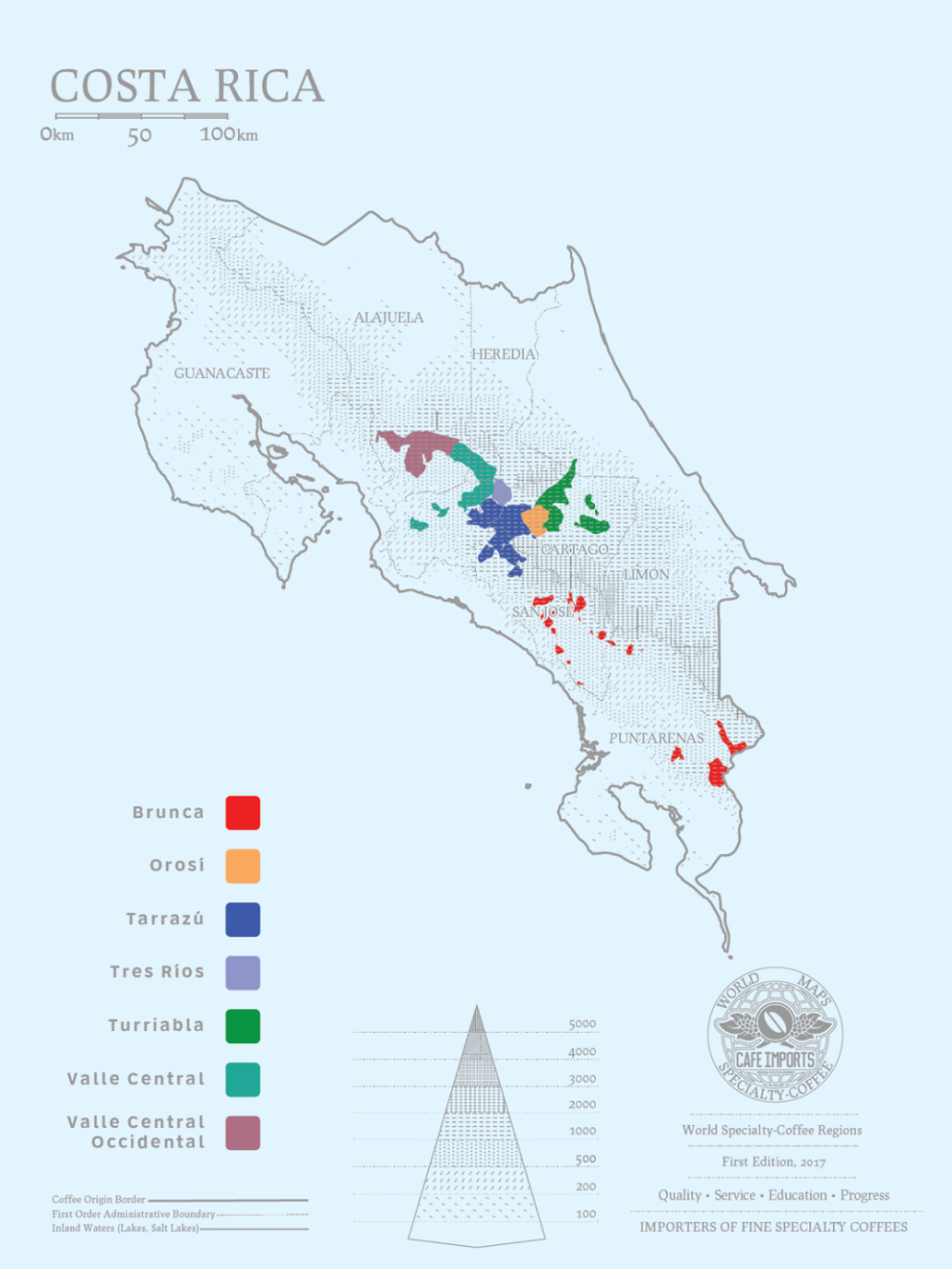
Among them, the Tarrazú producing region is the largest and best-known specialty producing region locally, accounting for 35% of total production. In addition to rich volcanic soil and a cool climate, Tarrazú has high-altitude cultivation environments that yield coffee with bright acidity and rich, full body, typically carrying fruit, vanilla, and chocolate flavors. With the development of specialty coffee, continuous innovation and progress in processing techniques have helped FrontStreet Coffee's Costa Rica Tarrazú coffee build a solid reputation in the coffee community.
FrontStreet Coffee's Costa Rican daily bean on its bean list comes from here, with the variety selected as the common local Caturra and Catuaí varieties. The washed post-processing method gives this FrontStreet Coffee Tarrazú coffee a clean taste and flavors like sweet orange, toffee, and nuts.
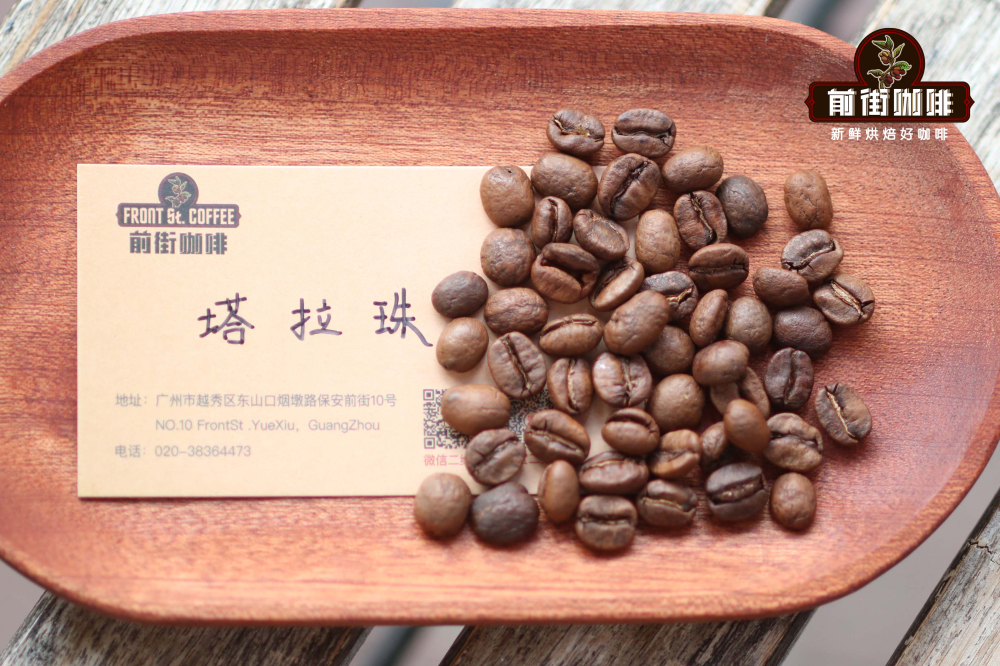
FrontStreet Coffee: Costa Rica Tarrazú Coffee Beans
Region: Costa Rica Tarrazú
Altitude: 1500 meters
Variety: Caturra, Catuaí
Processing: Washed processing
Flavor: Sweet orange, honey, toffee, nuts
Coffee Characteristics of Costa Rican Processing Methods
Around the mid-1990s, to reduce the drying time when processing large quantities of green coffee beans, Brazilian merchants invented the Pulped Natural method, locally called "Cereja Descascada." It is a method of sun-drying after removing the fruit skin, well suited to Brazil's dry climate. It not only shortens the drying days but also solves the problem of undesirable fermentation flavors caused by Brazilian natural beans drying on plazas, greatly improving the flavor and quality of the beans.
With the birth of this new post-processing technology, some estate owners in Central and South American countries began to imitate and try it, adapting Brazil's pulped natural process to local climate conditions. By removing different amounts of mucilage, they created different sugar content in the dried green coffee beans, subdividing processing schemes into white honey, yellow honey, red honey, and black honey.
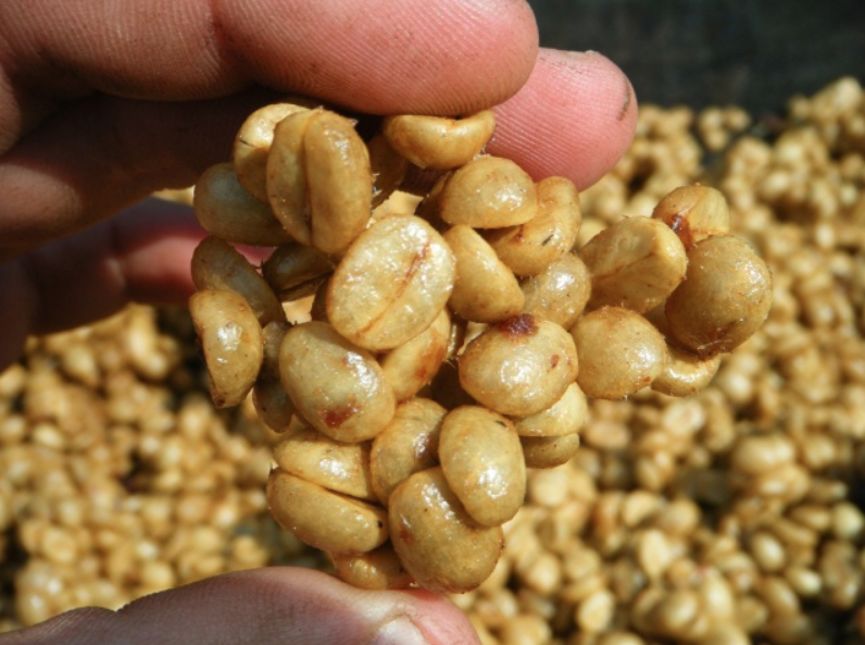
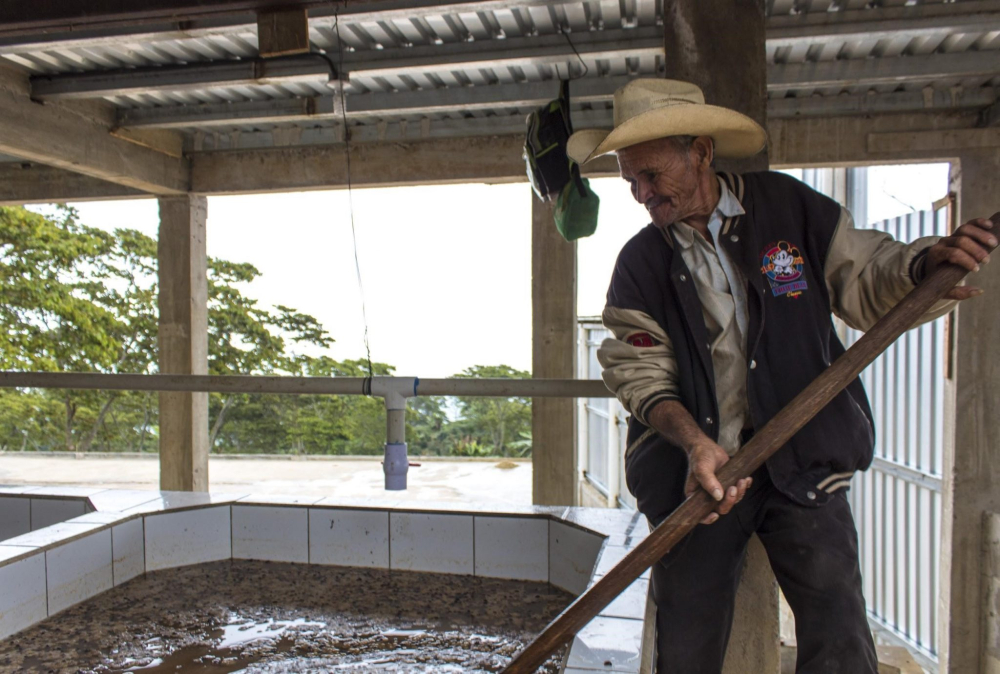
When producers use honey processing, they first pour fresh coffee cherries into water tanks for flotation, removing unripe fruits and impurities, then use a depulping machine to remove the outermost layer of the fruit. At this stage, large amounts of clean water are not used to wash away the mucilage; instead, the mucilage is retained for sun-drying. Because the mucilage contains sugar and has a sticky consistency, it easily reminds people of honey, hence the name honey process. Compared with the washed method, honey processing does not require large amounts of fresh water and related equipment, and it also reduces the defect negative flavors caused by prolonged exposure to sunlight. Honey-processed coffee generally presents rich tropical fruit flavors and fermented sweetness, which is very popular among consumers.
The reason FrontStreet Coffee's Costa Rican daily bean did not choose the honey process is that FrontStreet Coffee sees daily beans as a series that lets everyone get started. By tasting its own aroma, one can understand a coffee bean and the characteristics of its producing region. Although honey processing wins rich aroma for coffee beans, FrontStreet Coffee feels that washed FrontStreet Coffee Tarrazú coffee better presents the characteristics of Costa Rican coffee beans themselves, allowing Costa Rican coffee to retain more of its classic coffee tonality.
Pour-over Suggestions and Flavor Characteristics of Costa Rican Coffee
Dripper: V60
Water Temperature: 91°C
Dose: 15 grams
Coffee-to-Water Ratio: 1:15
Grind Size: 80% pass-through rate on #20 standard sieve
Once roasting is finished, coffee beans have a 4-7 day degassing period before entering the optimal flavor stage. As storage time increases, the coffee's aroma accelerates its volatilization and its flavor characteristics diminish greatly. FrontStreet Coffee guarantees that only beans roasted within 5 days are shipped, ensuring the coffee everyone drinks is at its best. Fresh coffee beans are more beneficial for extracting the coffee's finer flavors.
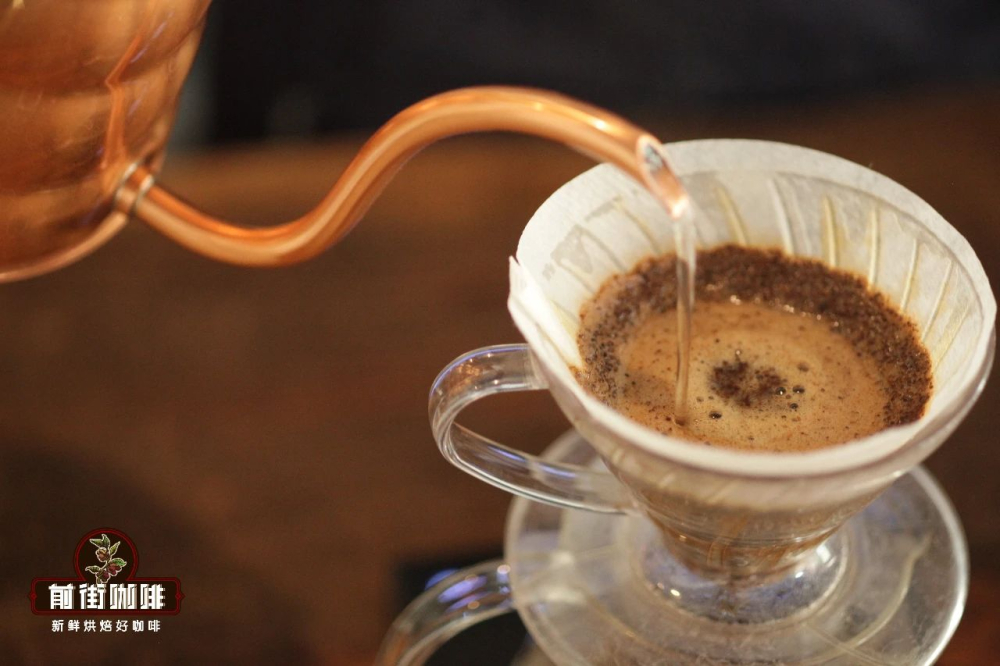
When brewing, FrontStreet Coffee baristas habitually use the three-stage pouring technique:
The first stage injects 30 grams of water for 30 seconds of blooming, then injects 95 grams (the electronic scale shows around 125 grams), completing in about 1 minute. When the water level drops to 2/3 of the powder layer, inject the remaining 100 grams (the scale shows around 225 grams), completing in about 1 minute and 35 seconds. Extraction finishes at 2'10", then remove the dripper and end the brew.
FrontStreet Coffee's washed Tarrazú daily bean, once ground, reveals nutty and chocolate aromas. The entry taste is clear, clean berry, sweet orange, and melon sweet-sourness, with a slight sweet aftertaste.

FrontStreet Coffee Recommendation
If the balanced, nut-and-sweet profile of this washed Tarrazú is what you enjoy, FrontStreet Coffee's Brazilian single origins make an easy everyday match. The FrontStreet Coffee Brazil Cerrado Red Bourbon is a classic, medium-roasted bean with rich cream peanut, toast, caramel, and hazelnut aromas—rounded, low in acidity, and gently bittersweet. It works as pour-over but is equally at home in a moka pot, as an espresso SOE, in a siphon, or in a French press. For rarer character, the FrontStreet Coffee Brazil Queen Estate Yellow Bourbon shows a sugarcane sweetness alongside fruit and chocolate, with a clean, juicy fruit note. Both are dependable, low-acid choices that flatter milk as readily as they do black coffee.
Important Notice :
FrontStreet Coffee is a long-established specialty coffee roaster in Guangzhou China, selling freshly roasted beans from its own farm in Yunnan as well as dozens of carefully selected single-origin beans from around the world for both pour-over and espresso. The products deliver consistently excellent quality and great value, with shipping within 24 hours. Guangzhou's FrontStreet Coffee shop is recommended by many coffee lovers, and the beans are now available online at the Tmall 。
FrontStreet Coffee has moved to a new address:
FrontStreet Coffee Address: 315,Donghua East Road,GuangZhou
Tel:020 38364473
 Scan and follow the En Gafei WeChat official account. Please indicate that the reprint comes from "En Gafei".
Brazilian Coffee Bean Origin Varieties Characteristics Pour-Over Brazilian Coffee SOE Aroma and Flavor Introduction