Brazilian Coffee Bean Origin Varieties Characteristics Pour-Over Brazilian Coffee SOE Aroma and Flavor Introduction
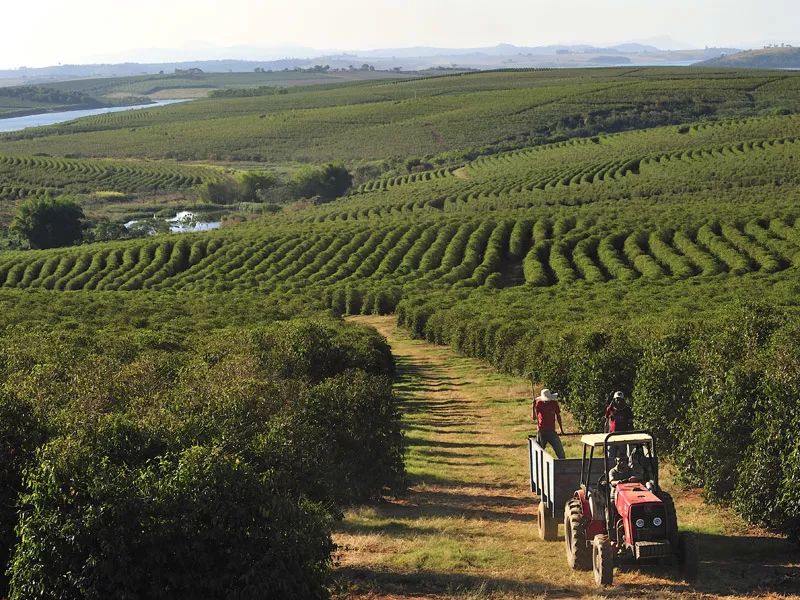
When people think of Brazil, most associate it with the kingdom of football. Brazil is also the world's largest producer and exporter of coffee beans, accounting for one-third of global coffee exports. Brazilian beans are renowned worldwide for their rich nutty and cocoa flavors and full-bodied texture. The level of mechanized coffee processing in Brazil is also quite high, which leads many to perceive Brazilian coffee as having a relatively uniform, conventional flavor profile. However, anyone who has tried FrontStreet Coffee's Queen Estate will be amazed by the balance and smoothness of the cup, forever changing their perception of Brazilian coffee.
At this moment, let us unveil the legendary story of Brazil as a coffee-producing nation:
There was no coffee in Brazil before 1727. In 1727, a military sergeant named Francisco de Mello Palheta from Portuguese Brazil was commissioned to travel to French Guiana. Since France restricted coffee bean exports at the time, the sergeant worked diligently to gain the trust of the governor's wife in the capital of French Guiana. By the end of his journey he had successfully obtained a coffee seedling and brought it back to Brazil. These coffee seeds quickly adapted and grew in Brazil, gradually spreading to other states.
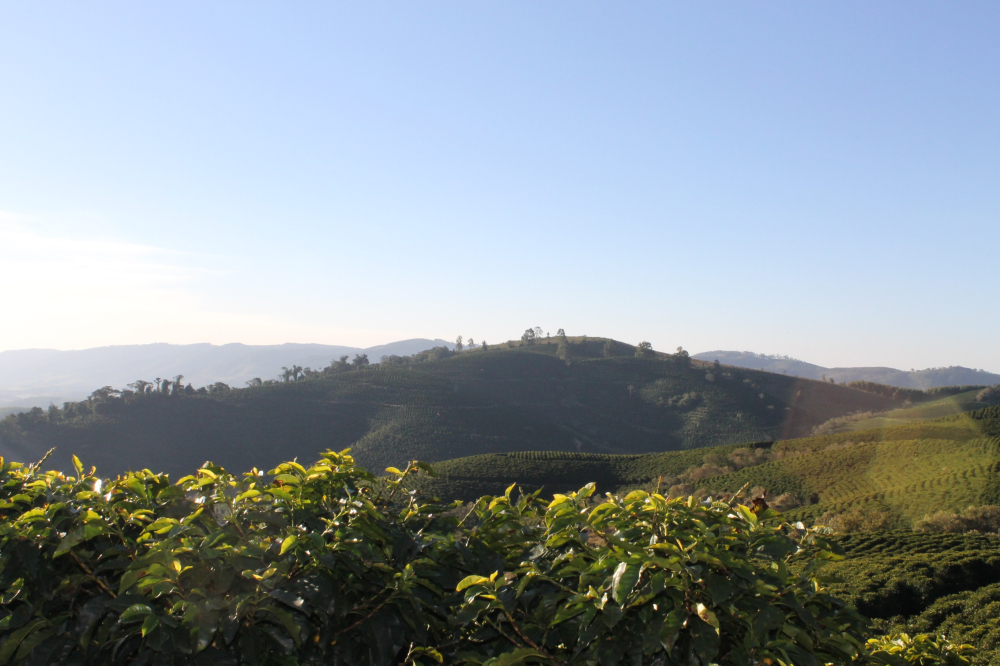
By 1830, coffee had become Brazil's main export product, accounting for 30% of world production and promoting Brazil's economic development. Particularly in São Paulo state, new railways were built to transport the coffee beans produced there. At that time, coffee from São Paulo accounted for 50% of Brazil's total coffee production. During the Cold War in 1965, coffee production became severely excessive and prices dropped dramatically. Brazil therefore signed the International Coffee Agreement with multiple countries to restrict exports. It was not until 1989 that Brazil withdrew from this agreement, and in 1991 the Brazil Specialty Coffee Association (BSCA) was established.
Brazilian Coffee Regions
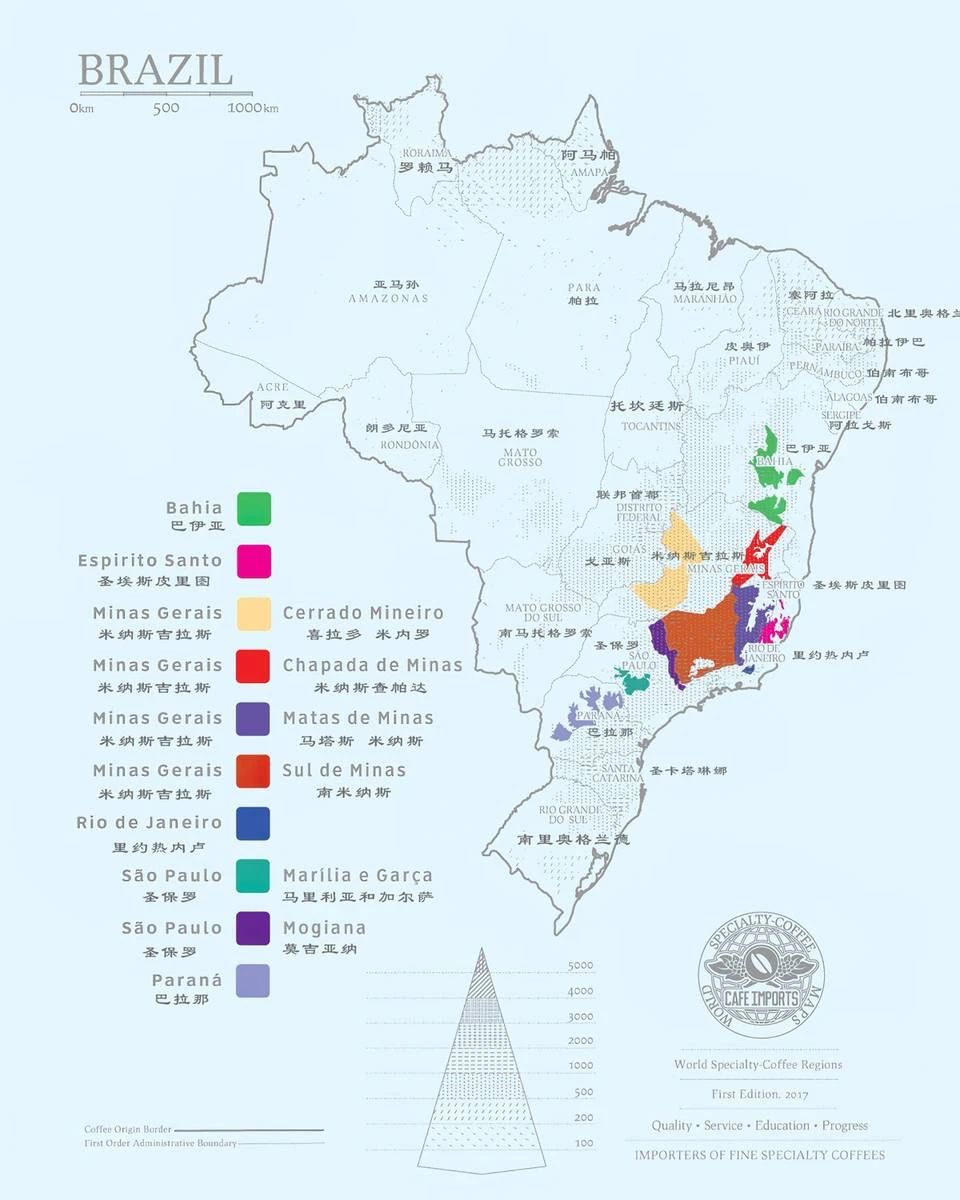
Brazil has 26 states, with 17 of them producing coffee. The states of Paraná, São Paulo, Minas Gerais, and Espírito Santo account for 90% of total production. Among these, the Mogiana region within São Paulo state is particularly notable, as are the Cerrado and Sul de Minas regions in Minas Gerais.
Sul de Minas:
The Sul de Minas region is the main production area for Brazilian specialty coffee. Here, at elevations of 700-1400m, the terrain consists of rolling hills with distinct wet and dry seasons. The varied topography creates some microclimates, making Sul de Minas most suitable for cultivating elegant Bourbon and Yellow Bourbon varieties.
Cerrado:
The Cerrado region lies inland in Brazil, covering a savanna area of about 22% of the total territory. "Cerrado" in Portuguese means "closed land." However, the Cerrado coffee region does not mean the entire Cerrado savanna, but rather a specially designated coffee-growing area in the mid-west of Minas Gerais state at elevations above 1000m. This area represents the outstanding growing zones of the Cerrado region. Due to its high altitude and fertile soil, it can produce exceptionally high-quality specialty coffee beans with sweet, clean flavors and rich body.
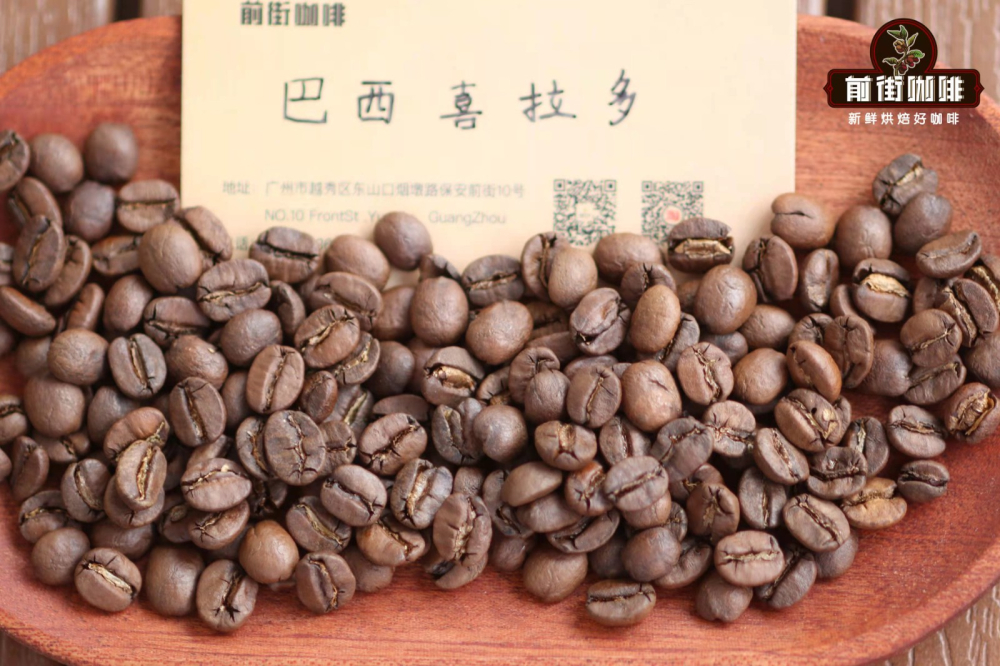
FrontStreet Coffee: Brazil Cerrado Daily Coffee Beans
Region: Sul de Minas
Elevation: 1000m
Variety: Red Bourbon
Processing: Semi-washed
Flavor: Nuts, Chocolate, Cream, Peanut, Caramel
Mogiana:
On Brazil's vast land, there is a region very close to the southern Minas producing area: Mogiana. This land, at elevations of 900-1100m, has undulating terrain and many farming families. Some have adopted traditional large-farm management methods, while others use small-scale modern operations. Because of this, coffee beans from the Mogiana region are of excellent quality with unique flavors, beloved by coffee enthusiasts worldwide.
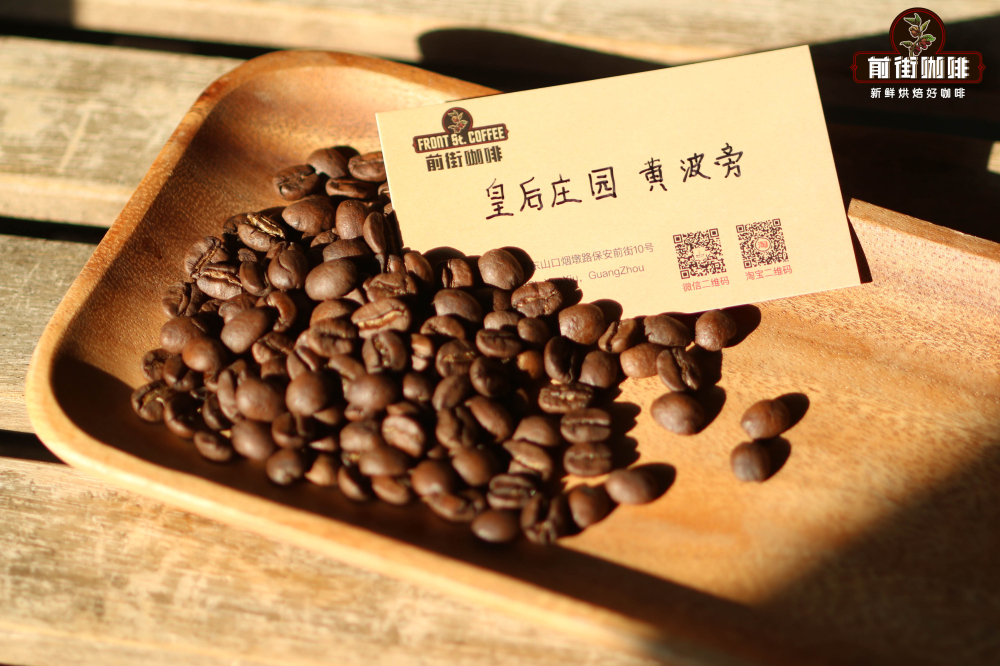
FrontStreet Coffee: Brazil Queen Estate Coffee Beans
Region: São Paulo State, Queen Estate
Elevation: 1400-1950m
Variety: Yellow Bourbon
Processing: Natural
Flavor: Nuts, Cream, Peanut, Fermented Fruits, Sugarcane
FrontStreet Coffee currently uses Red Bourbon beans from the Cerrado region and Yellow Bourbon beans from the Mogiana region in their shop. So what are the characteristics of each of these two varieties?
Brazilian Coffee Varieties
Red Bourbon
Bourbon is a sub-species resulting from a Typica mutation. When people refer to the Bourbon coffee variety, they consistently mean the Red Bourbon variety, named for its red color when ripe. Its flavor features a solid body, excellent acidity, and notes similar to red wine. Red Bourbon is currently the most widely planted variety in Brazilian coffee regions.
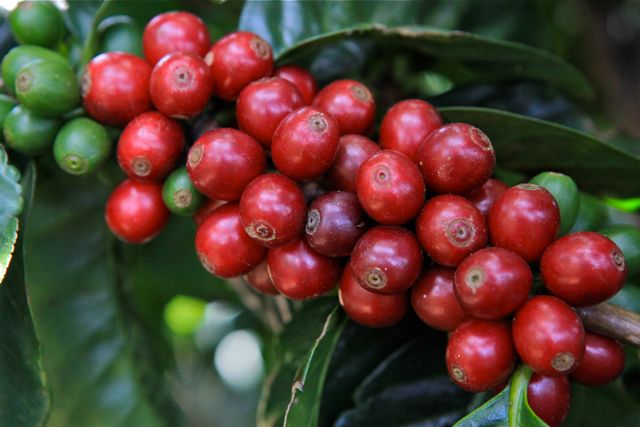
FrontStreet Coffee's daily Brazil coffee is the Red Bourbon variety.
Yellow Bourbon
Yellow Bourbon is also a genetic mutation of Bourbon. During the ripening stage the fruit does not present a cherry red color but instead appears yellow, and it was discovered in 1930. Later research by the Campinas Agronomic Institute (IAC) found that plants with the dominant XcXc gene pair produce red berries; plants with the recessive xcxc gene pair produce yellow berries; and in very rare cases, plants with one dominant gene and another recessive Xcxc produce orange berries. The "yellow" color of Yellow Bourbon therefore comes from genetic selection for color. Yellow Bourbon grown at high altitudes contains high amounts of fructose and can present sweet, juicy flavors. It once swept the Brazil "Cup of Excellence" competition for two consecutive years, almost taking the top three awards, and became wildly popular in the specialty coffee world.
In cupping, Yellow Bourbon typically exhibits nutty and chocolate aromas, moderate and gentle acidity, slight and clean bitterness, with an overall fresh mouthfeel. Its flavor is comforting to many people and is one of the popular coffee tastes.

FrontStreet Coffee's Brazil Queen coffee is the Yellow Bourbon variety.
Due to the higher density and glucose content of Yellow Bourbon grown at high altitudes, FrontStreet Coffee's roasting approach aims to highlight the classic rich aroma of Brazilian coffee while showcasing Bourbon's inherent sweetness. After multiple experiments and cupping comparisons, FrontStreet Coffee's Brazil Queen Estate beans are medium-dark roasted. Below, FrontStreet Coffee demonstrates brewing these two coffees. If you want to understand the taste of Brazilian coffee, you can refer to FrontStreet Coffee's pour-over approach.

FrontStreet Coffee Brewing Suggestions
For pour-over brewing, FrontStreet Coffee has always considered the freshness of coffee beans a very important factor, since fresh beans allow for the fullest appreciation of rich flavors. The beans shipped by FrontStreet Coffee are all roasted within 5 days, as freshness has a great impact on flavor.
FrontStreet Coffee's roasting philosophy is "freshly roasted good coffee," ensuring that every customer who places an order receives the freshest beans. The degassing period for coffee is generally 4-7 days, so when you receive your ordered beans, it is precisely when the flavors perform at their best. From the perspective of understanding coffee, even if the degassing period is insufficient you can still try it, since this lets you know the aroma of coffee beans at different stages.
FrontStreet Coffee's Brazil Coffee Brewing Parameters:
Filter: KONO
Water Temperature: 88°C
Coffee-to-Water Ratio: 1:15
Grind Size: Medium-fine (80% pass-through rate on China #20 standard sieve)
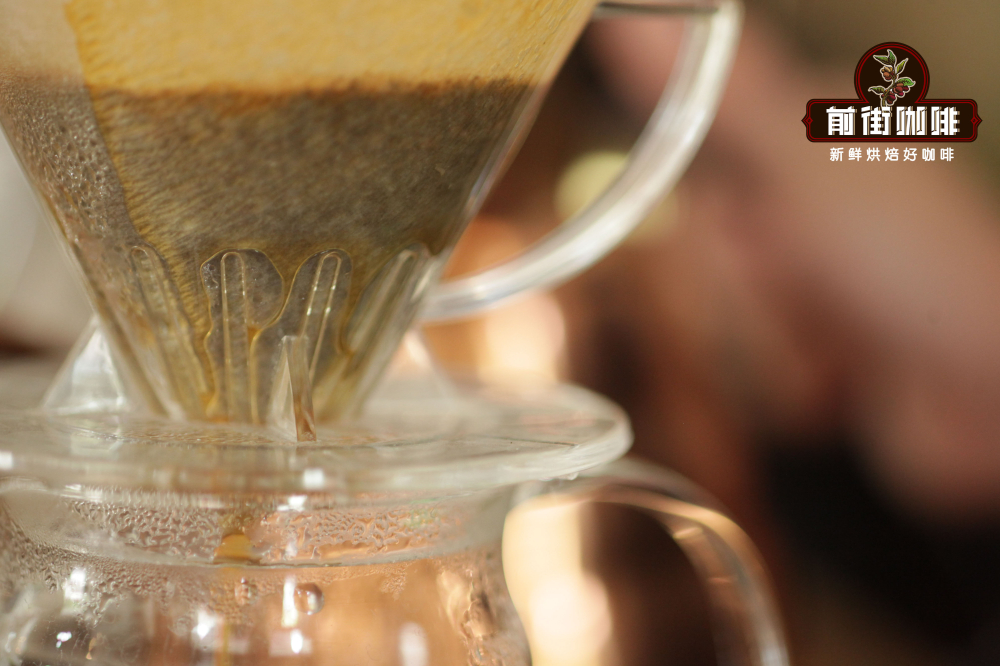
The brewing method uses three-stage extraction, using twice the amount of water for blooming, that is, 30g of water for a 30-second bloom. When the water level drops to about to expose the coffee bed, continue pouring to 225g and stop. (Timing starts from the bloom.) Extraction time is 2 minutes. The brewing technique for both beans is kept as consistent as possible.
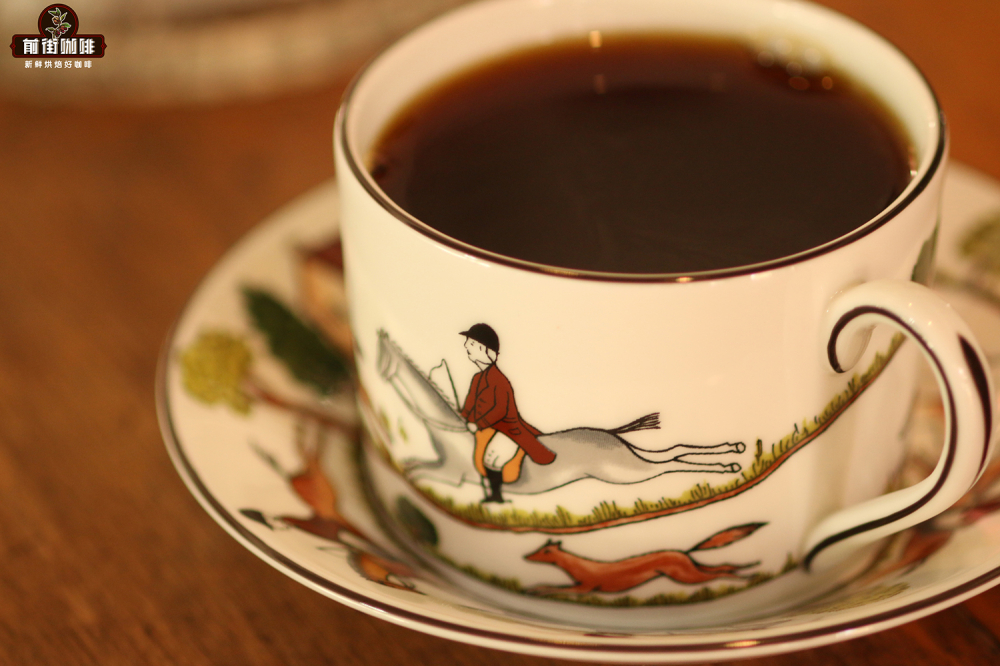
Brazilian Coffee Bean Flavor Descriptions:
Brazil Queen Estate Coffee Beans: Distinct chocolate and nut flavors, as well as roasted peanut notes, accompanied by subtle floral and spice aromas. It drinks with caramel sweetness and a long aftertaste, also carrying the sweet aftertaste of Pu'er tea. The overall body is rich and smooth, with balanced flavors.
Brazil Cerrado Coffee Beans: Obvious sweetness on entry, with a faint lemon fragrance. After drinking, rich nut flavors remain in the mouth, while the aftertaste has a distinct dark chocolate flavor, making the overall feeling very rounded and comfortable.
Can Brazilian Coffee Beans Be Made into SOE?
When it comes to enjoying single-origin coffee, besides pour-over, SOE (Single Origin Espresso) has become increasingly popular in coffee shops in recent years and has become one of the extraction methods many people use at home. For the aromatic Brazilian beans above, customers have asked FrontStreet Coffee whether they can be made into SOE Americano or SOE latte. The answer is undoubtedly yes. Below, FrontStreet Coffee uses the equipment from their shop as a reference, using the Brazil Queen Estate beans to demonstrate how to make an SOE.

FrontStreet Coffee's shop coffee machine is a commercial single-group "Lelit Bianca," which can adjust extraction by changing pressure, with a maximum pressure of 11bar. Home coffee machines only need to reach 9bar pressure for extraction and milk frothing, paired with an espresso grinder.
FrontStreet Coffee uses a double basket capacity with about 18-20g of coffee grounds, using 20g when serving. Usually the ratio of coffee grounds to espresso liquid is between 1:1.5-1:2.5. FrontStreet Coffee's extraction ratio is 1:2, meaning 20g of coffee grounds extracts 40g of espresso liquid. Time is related to the flow rate of the grounds. Generally, single extraction time is controlled within 20-35 seconds, because coffee usually tastes thin within 20 seconds, while exceeding 35 seconds easily causes over-extraction and a burnt, bitter taste. FrontStreet Coffee's espresso mostly falls within the 28-30 second range.

FrontStreet Coffee first wipes the portafilter dry, turns on the grinder, grinds a double shot of grounds, and places them on an electronic scale to adjust to 20g. Then it uses a tool to distribute evenly, tamps the puck firmly to ensure more stable extraction, turns on the extraction switch to release water (moistening the group head while washing away any stuck grounds), gently locks the portafilter onto the group head, and begins extraction. When the electronic scale shows 40g of espresso liquid extracted, at about 30 seconds, the extraction switch can be pulled down. Pour the espresso into a cup to enjoy.

The extracted Brazil Queen Estate SOE can be consumed directly, but the taste will be very intense, so remember to pair it with a glass of water to cleanse your palate. When tasting, you can feel the dense crema and the creamy peanut and chocolate aromas of the underlying coffee liquid. If you cannot accept the strong bitterness of espresso, FrontStreet Coffee recommends adding ice water or warm water at a 1:4 ratio to create a refreshing, mellow Brazilian SOE Americano, or adding steamed fresh milk at a 1:6 ratio to soften the texture for a delicious Brazilian SOE latte.
FrontStreet Coffee Recommendation
Brazilian coffee earns its place through balance, and FrontStreet Coffee's two Brazil single origins show the range. The Brazil Cerrado is a semi-washed Red Bourbon roasted medium, bringing creamy peanut, toasted bread, caramel and hazelnut, with a rounded body, low acidity and a faint bitterness. The Brazil Queen Estate comes from Mogiana and is a rarer Yellow Bourbon, delivering the sugarcane sweetness plus fruit and chocolate notes that other regions rarely match.
Both are versatile. Beyond the pour-over method above, they work in a moka pot, siphon, French press, or as an espresso SOE, which is exactly why FrontStreet Coffee builds so many blends around Brazilian beans: the Classic Blend, Premium Blend, Black Cocoa Blend and Commercial Blend all use Brazil as a base, contributing chocolate and cream notes and a soft sweet-bitter balance that keeps extraction stable.
For the pour-over, FrontStreet Coffee brews Brazil with a KONO dripper, 15g at 1:15, 87-88°C and a medium to medium-fine grind (about 70-80% pass-through on a Chinese standard #20 sieve), using a three-stage pour: a 30g bloom for 30 seconds, then to 125g, then to 225g once the bed drops, for a total of about 2 minutes.
Important Notice :
FrontStreet Coffee is a long-established specialty coffee roaster in Guangzhou China, selling freshly roasted beans from its own farm in Yunnan as well as dozens of carefully selected single-origin beans from around the world for both pour-over and espresso. The products deliver consistently excellent quality and great value, with shipping within 24 hours. Guangzhou's FrontStreet Coffee shop is recommended by many coffee lovers, and the beans are now available online at the Tmall 。
FrontStreet Coffee has moved to a new address:
FrontStreet Coffee Address: 315,Donghua East Road,GuangZhou
Tel:020 38364473
 Scan and follow the En Gafei WeChat official account. Please indicate that the reprint comes from "En Gafei".