Introduction to Italian Espresso Varieties: Exploring the History, Culture, and Origins of Italian Coffee
Introduction to Italian Espresso Varieties: Exploring the History, Culture, and Origins of Italian Coffee
The Charm of Italian Coffee Culture
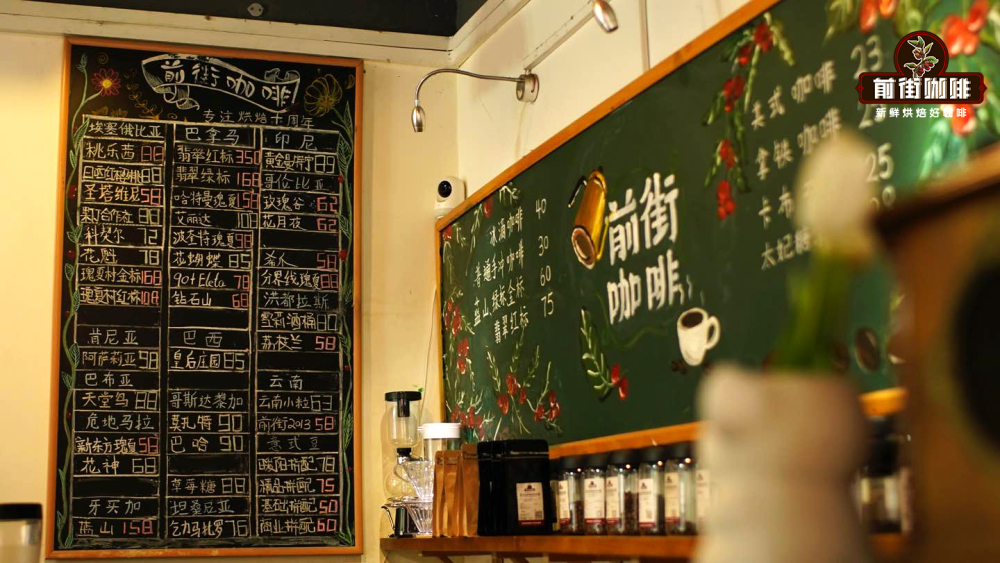
As is well known, Italian coffee has profoundly influenced the development of the global coffee market. Espresso is almost an essential beverage in every coffee shop. FrontStreet Coffee, for instance, offers classic drinks such as Americano, latte, cappuccino, and flat white, while many other coffee shops create more innovative specialty drinks by adding various auxiliary ingredients. Today, FrontStreet Coffee will guide you through the charm of Italian coffee culture.
The Origin and Evolution of Espresso
Espresso means "fast" in Italian. From production to being served to customers takes only a few minutes. Italians named it using the word "Express," meaning fast.
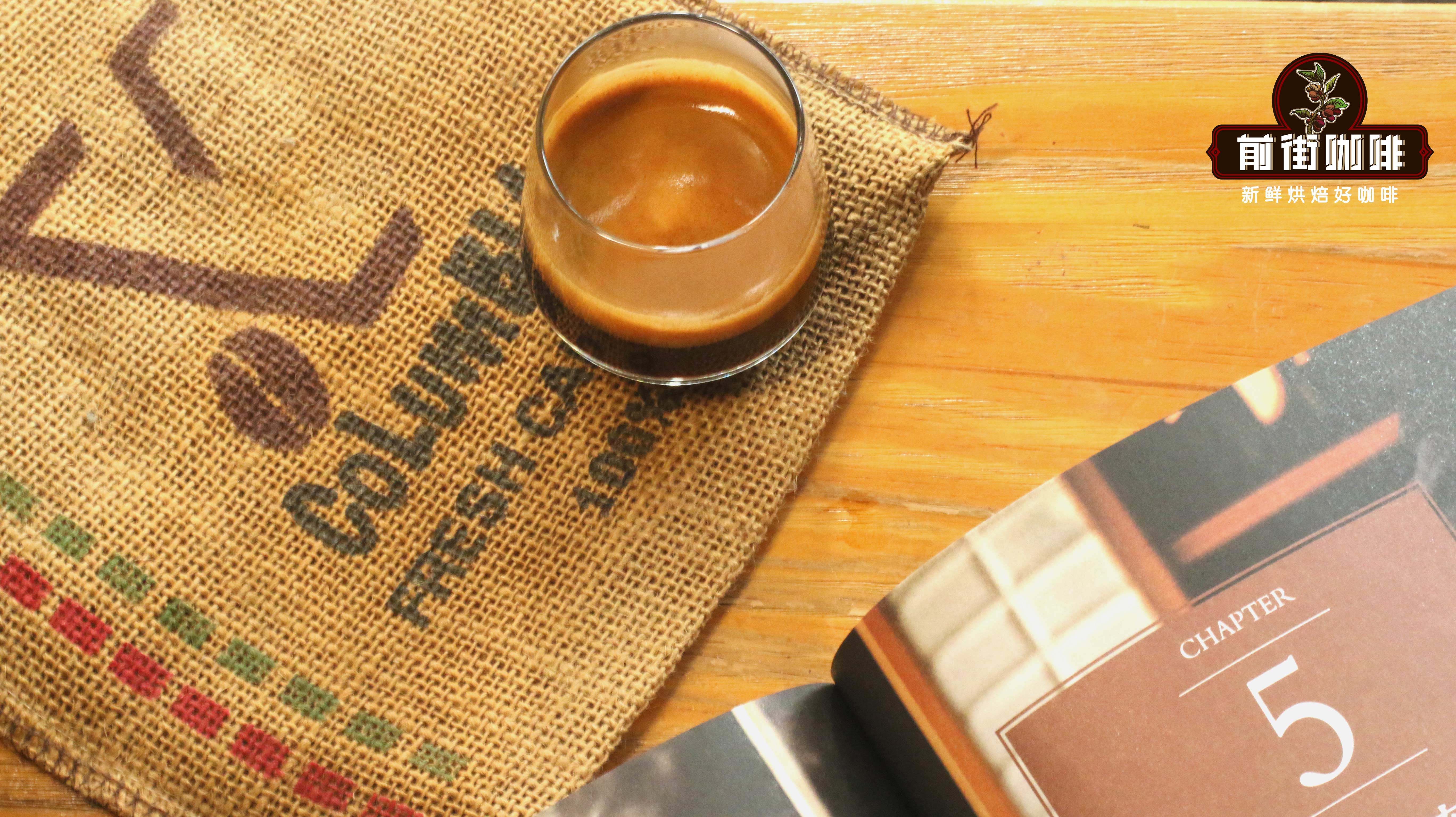
A cup of espresso is made primarily using steam pressure to force hot water through coffee grounds, resulting in a small portion of strong, aromatic coffee topped with a layer of golden-brown foam. Although it may not often appear on coffee shop menus, everyday drinks like Americano, latte, and cappuccino all depend on it. It can be said to be the soul of a coffee shop.
In the past, coffee was brewed using immersion methods, which required finely grinding the beans and slow extraction, with a minimum wait of over ten minutes. In 1884, Angelo Moriondo of Italy designed the first espresso machine with two independent brewing boilers, using 1.5 bar pressure and steam, producing a relatively viscous coffee liquid with a richer taste than drip coffee. As coffee machines were continuously improved, factors like water temperature and pressure were better regulated.
In 1948, Achille Gaggia, a coffee shop owner in Milan, invented a lever-driven coffee machine capable of producing what we now call crema through high pressure. Since then, crema has been considered one of the indicators of espresso quality, and espresso became specifically defined as high-concentration coffee made through pressurized methods with rich crema.
The Art of Coffee Bean Selection and Flavor
Theoretically, fresher beans, darker roasts, and equipment with greater pressure and more stable performance result in better crema. Because Italians prefer rich, mellow, strong coffee, they tend to roast beans very dark and even add Robusta beans to make the espresso richer in crema, more concentrated in aroma, and more intense in taste. Nowadays, consumers pursue more diverse flavor variations, and many fresh-tasting beans are also used in Italian coffee. The espresso produced by FrontStreet Coffee, for example, uses the "Warm Sun Blend Coffee Beans," presenting fermented wine aroma, berry sweetness and sourness, rich aroma, and a soft, very pleasant taste.
The Ritual of Drinking Espresso
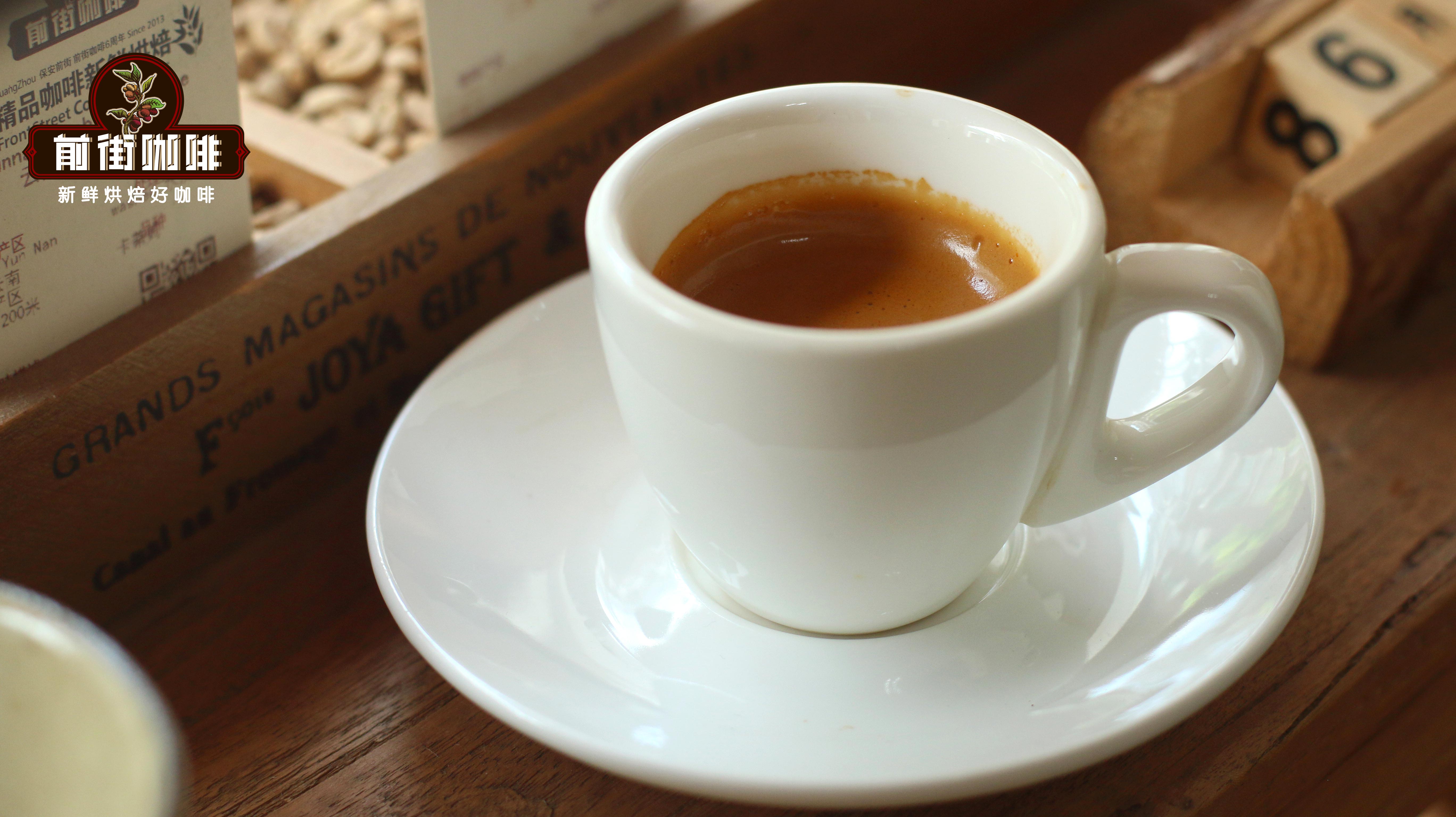
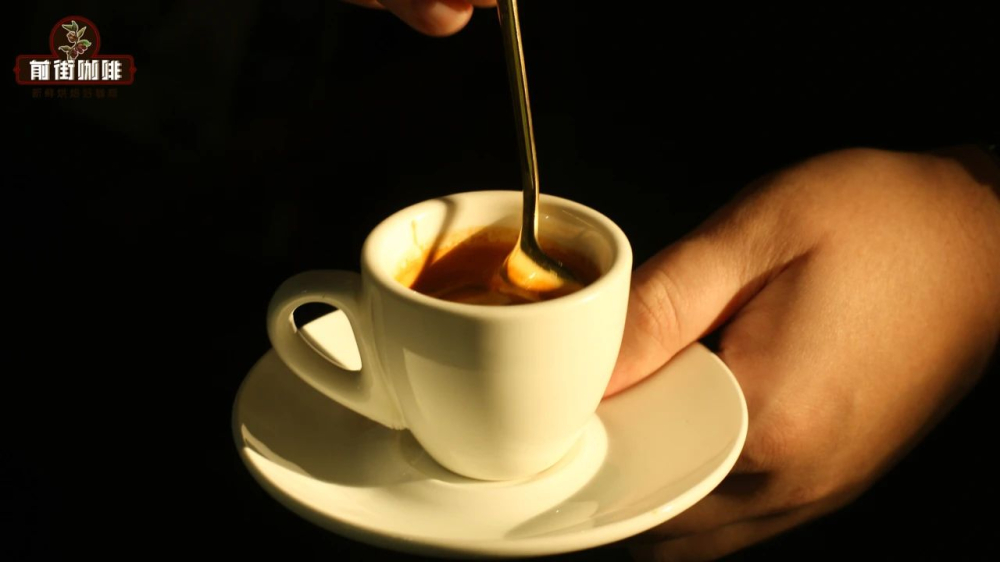
When a customer orders "a cup of Espresso," the barista at FrontStreet Coffee begins preparing it. Two minutes later, they serve a glass of ice water, a small spoon, and a small cup of strong coffee with a golden-brown foam layer. Drinking water before the espresso helps rinse the mouth and also calibrates the sense of taste. Gently stir the coffee with the metal spoon to mix it evenly. The first sip tastes the dense cream with a full roasted aroma. Then comes the warm coffee liquid, where you can feel rich nutty, chocolate, berry, and wine notes. Drink another sip of water midway to slowly appreciate the sweet aftertaste in your mouth.
Types of Espresso: Ristretto, Normale, and Lungo
Espresso is not limited to the conventional "Espresso" type. According to extraction methods and specific powder-to-liquid ratios, espresso can be divided into three types: Ristretto (short extraction), Normale (normal), and Lungo (long extraction), all concentrated liquids quickly extracted by Italian coffee machines.
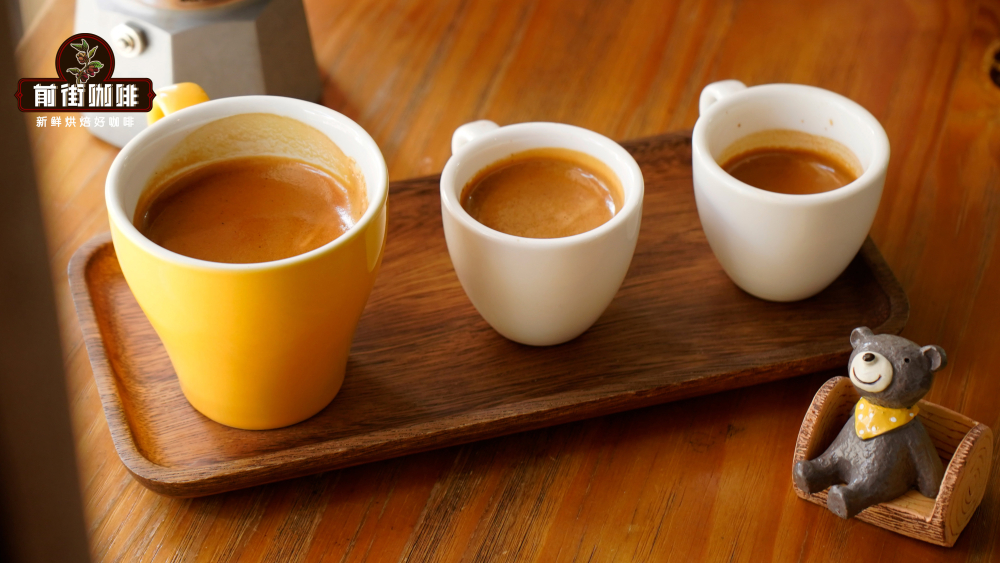
Ristretto usually refers to Italian extra-strong coffee, also called essence extra-strong coffee. Compared to common Espresso, Ristretto is more niche. The Flat White we often see is made with Ristretto as its base. Ristretto means "restricted," which we can understand as "restricting" the coffee extraction amount, taking only the front-middle section of the espresso to increase concentration.
For example, FrontStreet Coffee's Espresso extraction plan uses 20 grams of coffee powder to extract 40 grams of coffee liquid, with a powder-to-liquid ratio of 1:2 and a time of 30 seconds. Ristretto extraction takes only 70% of Espresso, meaning 20 grams of coffee powder extracts 28 grams of coffee liquid, and the time shortens correspondingly. Alternatively, you can make the grind finer so the flow rate is slower and the liquid more concentrated. Each coffee shop will adjust differently depending on the beans used and the specific flavor profile the barista wants to present.
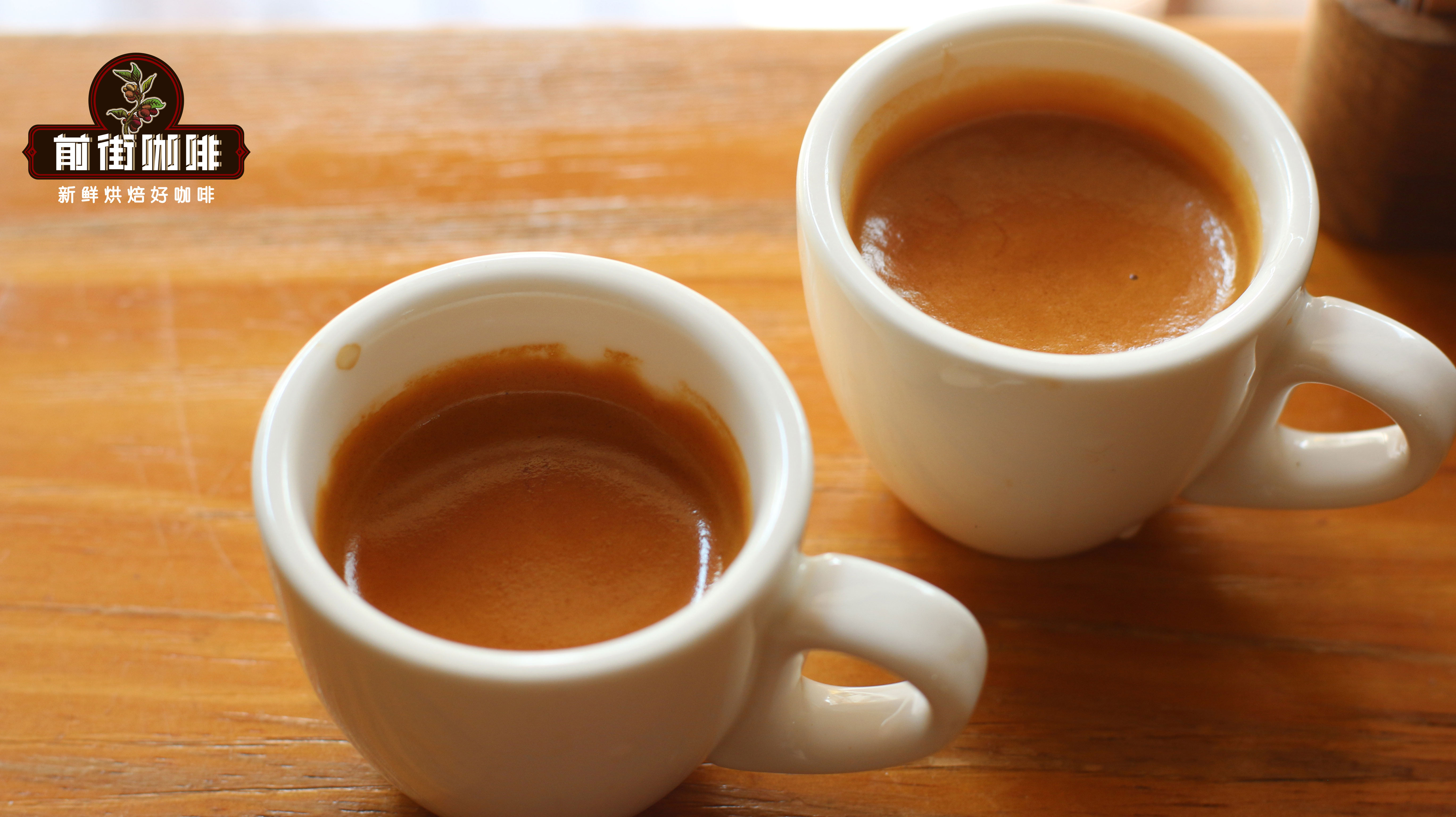
Normale is the most common and popular type of espresso, essentially what we typically mean by Espresso. Most coffee shops on the market mainly produce Normale but don't emphasize it much. According to Golden Cup standards, Normale's extraction rate is between 18%-22%, with a concentration range of 8%-12%.
Lungo is coffee made with double the normal amount of water. "Lungo" means "long, extended" in Italian, also known as "stretched espresso," meaning the extraction time is extended, thereby reducing concentration and making the taste softer. FrontStreet Coffee, after multiple adjustments and tastings, has settled on a final Lungo extraction plan that controls the powder-to-liquid ratio at 1:5. That is, using 20 grams of coffee powder, extending the extraction time to 42 seconds to extract 100 grams of coffee liquid.

Perfecting Espresso: FrontStreet Coffee's Extraction Technique
Next, FrontStreet Coffee will use the "Warm Sun Blend" commonly used in its stores to detail how to make a rich, fragrant Italian espresso.

FrontStreet Coffee uses a double portafilter capacity, with a powder amount of around 18-20 grams. FrontStreet Coffee uses 20 grams of coffee powder for production. The extraction ratio is 1:2, meaning 20 grams of coffee powder extracts 40 grams of coffee liquid. Time relates to the flow rate of the coffee. Generally, single extraction time is controlled between 20-35 seconds, because coffee extracted within 20 seconds tends to taste thin, while extraction over 35 seconds can easily become over-extracted and develop burnt bitterness. FrontStreet Coffee's espresso mostly falls within the 28-30 second range.
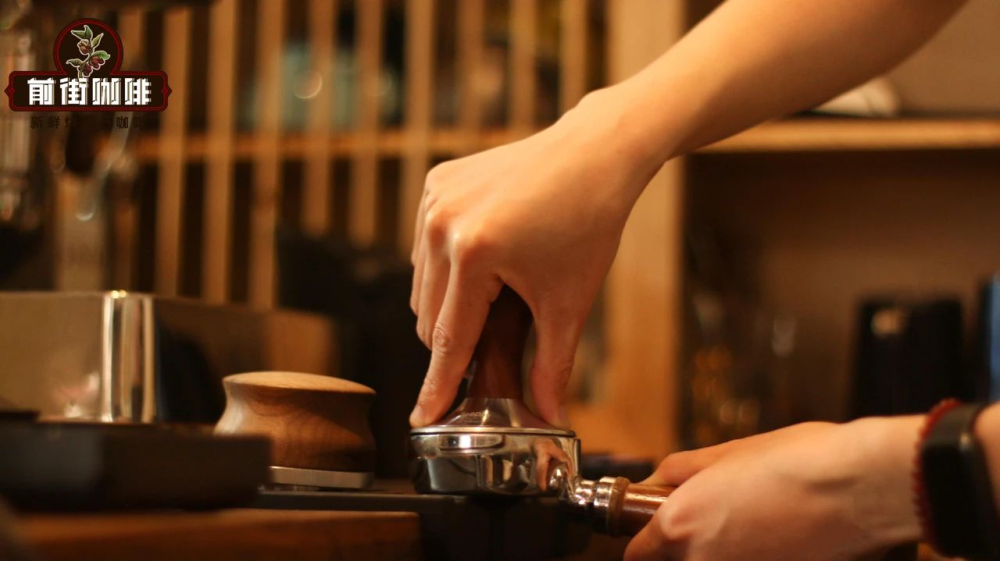
Before extraction, wipe the portafilter dry, turn on the grinder, grind a double portion of coffee powder, and place it on an electronic scale to adjust to 20 grams. Then use a distributor to spread the powder evenly, and press vertically downward with a tamper to firmly compact the puck, ensuring more stable extraction.
Then turn on the extraction switch and run water for 1-2 seconds to wet the group head while also washing away any coffee grounds stuck above. Place an electronic scale under the cup for receiving the Espresso and tare the weight to 0, placing it under the group head during extraction.
Gently lock the portafilter onto the group head and start the extraction switch. Observe the changes in the extraction liquid. When the electronic scale shows 40 grams of coffee liquid extracted at approximately 30 seconds, pull down the extraction switch. The brewing parameters will subtly change with daily air humidity and bean conditions, so adjustments to powder amount, grind setting, and extraction amount are necessary.
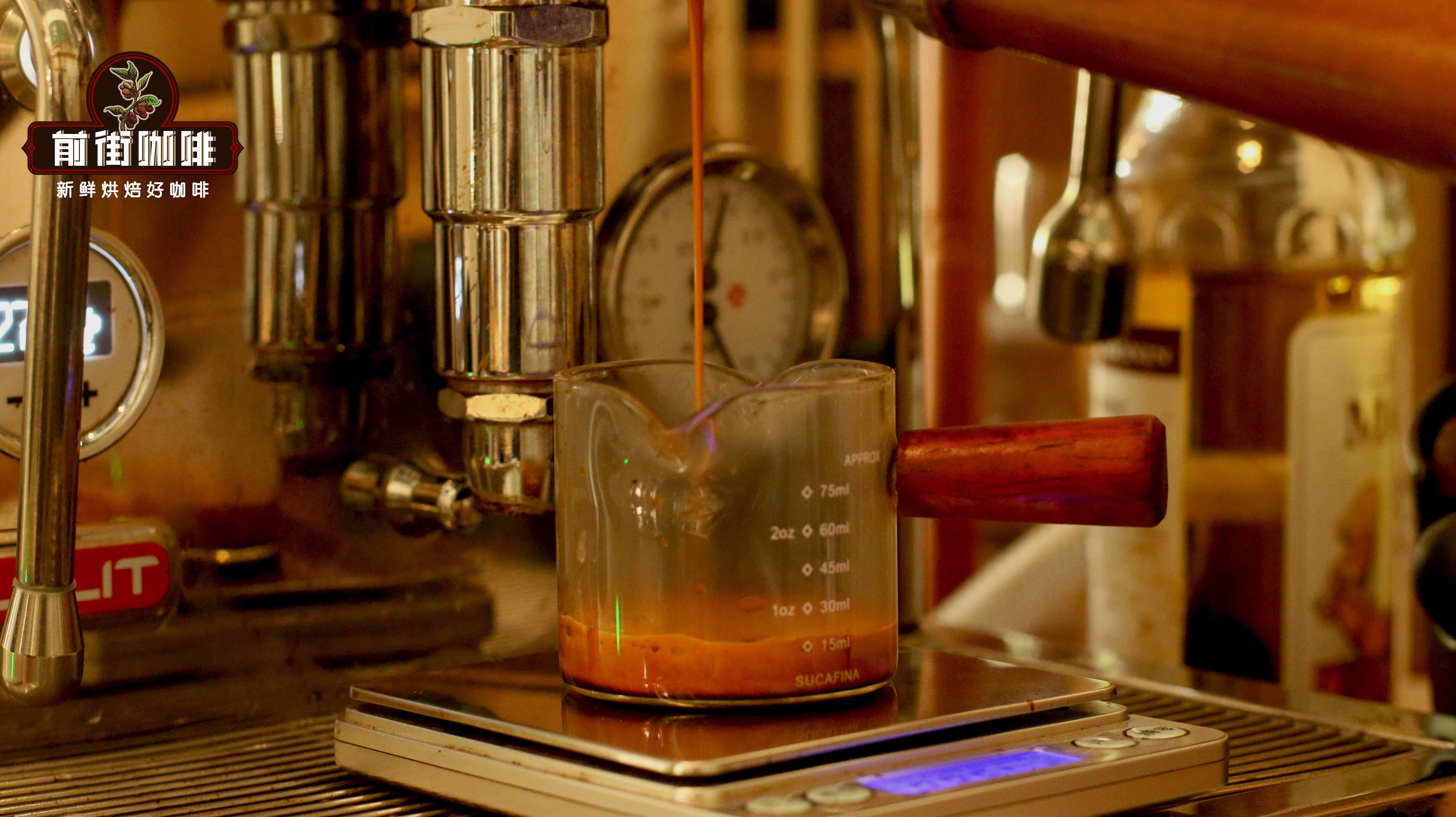
The extracted Espresso can be consumed directly, served with a glass of water to rinse the mouth, allowing you to taste the dense crema and the rich flavor of the coffee below. If you cannot accept the strong bitterness, you can add water or milk according to your preference to dilute and soften the intense flavor.
FrontStreet Coffee Recommendation
To build these Italian drinks at home, start with FrontStreet Coffee's Classic Blend, a butter-and-cheese-forward espresso with a full, low-acid body and delicate, abundant crema that pairs beautifully with milk for flat whites and lattes. For a fruitier flat white or iced drink, FrontStreet Coffee's Strawberry Candy espresso blend pulls with vivid grape and blueberry notes and very low bitterness, turning a Ristretto-based flat white into something like a strawberry milkshake. Both are roasted medium-dark for stable, consistent extraction.
Important Notice :
FrontStreet Coffee is a long-established specialty coffee roaster in Guangzhou China, selling freshly roasted beans from its own farm in Yunnan as well as dozens of carefully selected single-origin beans from around the world for both pour-over and espresso. The products deliver consistently excellent quality and great value, with shipping within 24 hours. Guangzhou's FrontStreet Coffee shop is recommended by many coffee lovers, and the beans are now available online at the Tmall 。
FrontStreet Coffee has moved to a new address:
FrontStreet Coffee Address: 315,Donghua East Road,GuangZhou
Tel:020 38364473
 Scan and follow the En Gafei WeChat official account. Please indicate that the reprint comes from "En Gafei".