Types and Growing Regions of Indonesian Coffee Beans

Indonesian coffee is known for a mellow, rich profile with exceptionally low acidity. Its caramel and dark chocolate sweetness and lingering finish have earned it an almost obsessive following among Japanese coffee drinkers. Indonesia is one of Asia's major producing nations and ranks among the world's top coffee producers. Let FrontStreet Coffee walk you through this remarkable origin.
Indonesian Coffee Development History
Indonesia sits in Southeast Asia, and its coffee history reaches back to 1696, when the Dutch introduced coffee to the archipelago. After successful trials, Java became the primary region for large-scale cultivation. In 1877, however, leaf rust disease wiped out nearly every coffee tree in the country. Arabica proved especially vulnerable, and the losses were catastrophic.

Indonesia was then forced to import Robusta from Africa. Robusta's strong disease resistance helped revive the coffee economy, and today Indonesia is the world's primary producer of Robusta, with Arabica making up only 6-10% of total output. That share includes the well-known Mandheling. Robusta is grown mainly in southern Sumatra, while Arabica thrives in the north. FrontStreet Coffee's PWN Golden Mandheling comes from the Gayo region of Aceh Province in northern Sumatra.
From FrontStreet Coffee's perspective, the finest farm-to-cup Indonesian coffees come from three regions: Sulawesi, Sumatra, and Java. Of the three, Java is the most productive, known for Arabica with bright acidity and clean fruit notes. Roughly 90% of Indonesian coffee today is Robusta, now used mostly in commercial-grade products.

Indonesian Coffee History
Arabica plants first arrived in the 17th century with the Dutch East India Company, when Indonesia was under Dutch occupation. The aim was to break the global Arab monopoly on the coffee trade.
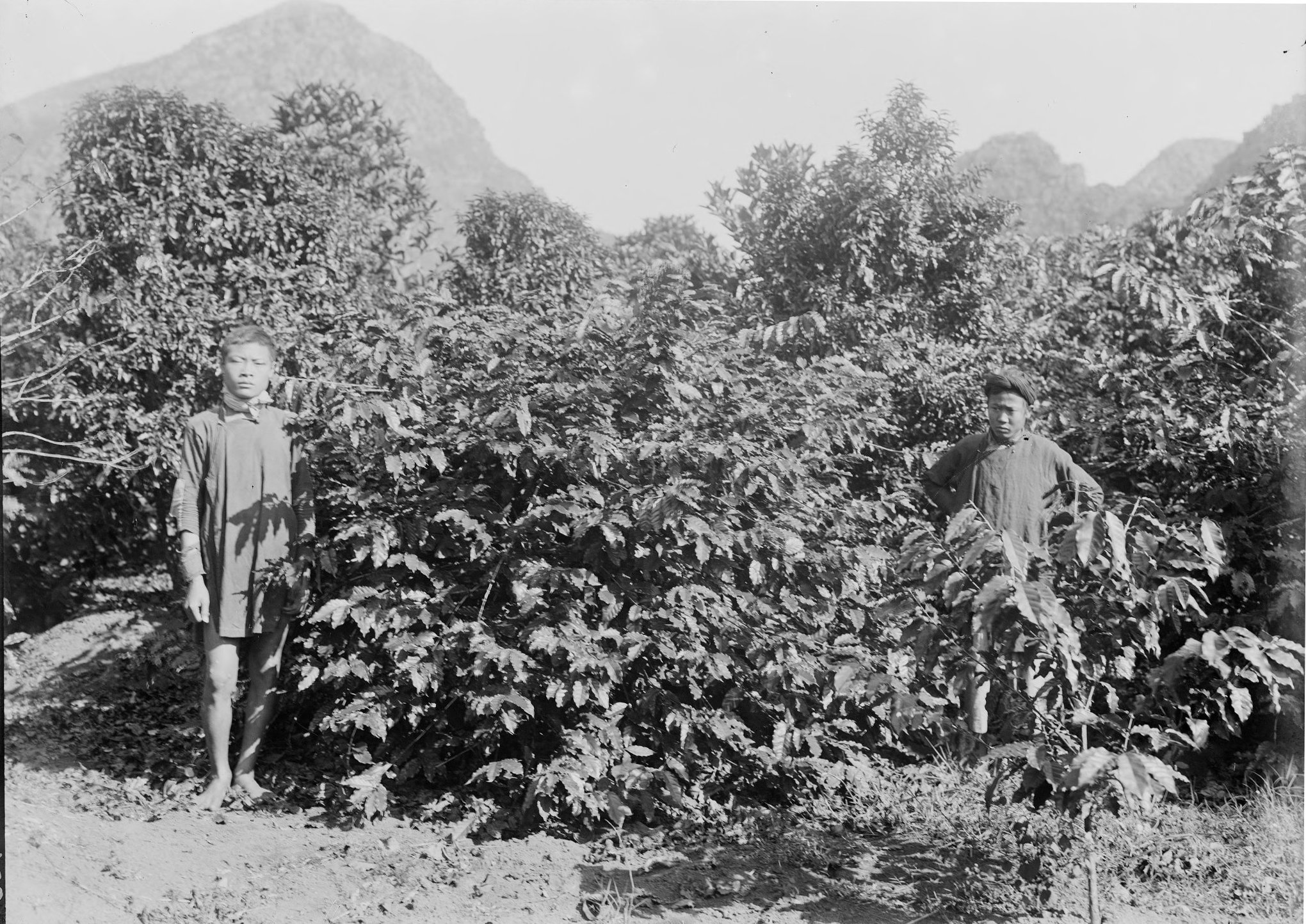
The colonial government initially cultivated coffee in Bogor and southern Sukabumi, as well as near Batavia, now Jakarta. Plantations later spread to East Java, West Java, and Central Java, with some exceptions in parts of Sulawesi and Sumatra. Developing them meant clearing and cultivating vast areas of forest. The growth of the plantations drove major infrastructure work across Central Java in the 19th century, with railways and roads built to move beans from the interior to ports for export.
Indonesian Coffee Growing Environment
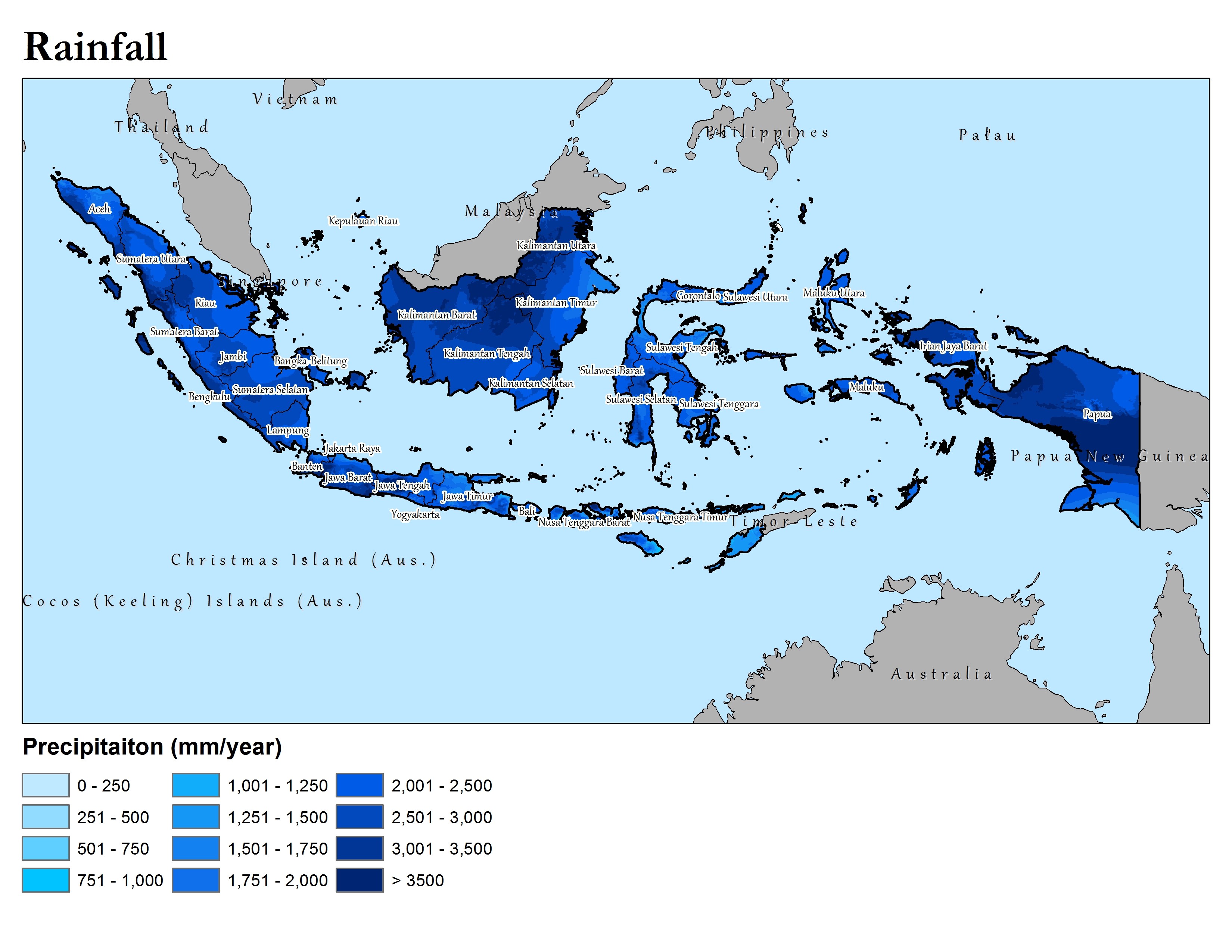
Indonesia has a typical tropical rainforest climate, with average annual temperatures of 25-27°C and no distinct seasons. Annual rainfall ranges from 1600-2200mm. Sitting in a volcanic zone, the country has fertile, mineral-rich soil that creates ideal conditions for coffee. Growing altitudes range between 900-2100 meters, with most cultivation concentrated around 1200 meters.
Indonesian beans have two main harvest seasons each year. The primary harvest falls around September-October, and the secondary season in May-June. Exports this year have risen significantly over last year. Analysts attribute the increase to last year's high prices, which had suppressed exports, combined with higher production this season.

Indonesian Coffee Bean Varieties
Indonesian beans fall into three main categories: Arabica, Robusta, and Liberica. Within them there are more than 20 main varieties, including the common Catuai, Catimor, Timor, Typica, S288, S795, and Sidikalong.
Indonesian Coffee Bean Cultivation
Indonesia's coffee cultivation area now exceeds 1 million hectares, accounting for 24% of total arable land. The average holding is 1.7 hectares, and the country has roughly 2.7 billion coffee trees. Of these, 66% are cultivated using modern methods on plantations, while the rest grow on traditional small farms.

Over 95% of Indonesian beans are produced by smallholders, with coffee estates concentrated mainly in East Java and Central Java. Most production follows organic practice, and 19 farmer cooperatives and exporters have obtained international organic certification for their coffee.
Wet Hulling Process
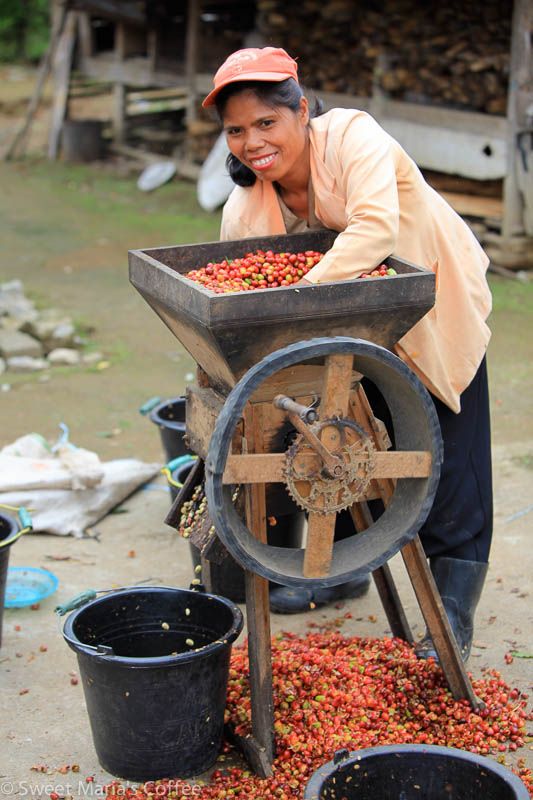
Indonesian processing is known as "giling basah," called semi-washed or wet-hulled elsewhere. After harvest, the coffee is pulped and briefly dried. Where most methods dry coffee down to 11-12% moisture content, the semi-washed process stops at 30-35%. The coffee is then hulled to remove the parchment and expose the green bean underneath, and those naked beans are dried again until they are stable enough to store without spoiling. Semi-washed coffees tend to have much lower acidity and more body than most others.
Flavor Profile
Indonesian coffees typically show dark, bold flavors with pronounced earthiness. The semi-washed process produces notes of earth, must, spice, wood, tobacco, and leather. The finish is usually long and reminiscent of unsweetened or dark chocolate. Sumatra is today's most popular Indonesian origin and is known for its dark roasts. It produces Mandheling and Ankola, two of the world's most famous and highest-quality coffees, often with complex smoky or roasted notes. FrontStreet Coffee has found that opinions on Indonesian coffee are sharply divided: those who love it cannot get enough, and those who do not steer well clear. When customers come to FrontStreet Coffee asking for a non-acidic pour-over, Indonesian beans are the first recommendation.

Sumatran Mandheling Coffee Beans
Mention Sumatran coffee and Mandheling comes immediately to mind. Mandheling's main production area lies around Lake Toba in northern Sumatra, Indonesia. The common varieties include Golden Mandheling, Lintong Mandheling, and Aged Mandheling.
The three differ as follows. Lintong Mandheling represents the most traditional Mandheling profile, with strong herbal notes. Golden Mandheling is the premium selection, with uniformly sized beans all above 18 mesh and more than four rounds of hand sorting; its flavor is clean and bright while retaining excellent body. Aged Mandheling, as noted above, uses different wet-hulling methods that bring out richer flavors, which may not appeal to everyone. So when a customer asks for a coffee that is both non-acidic and full-bodied, FrontStreet Coffee always recommends Golden Mandheling first.

FrontStreet Coffee PWN Golden Mandheling Example
Flavor Description: Nuts, chocolate, spices, herbs, caramel. Golden Mandheling tastes cleaner than Lintong Mandheling. The typical herbal, earthy, and woody notes of Mandheling are almost completely gone, while the caramel sweetness is more intense and the fruit acidity brighter and more elegant.
FrontStreet Coffee PWN Golden Mandheling Coffee Beans
Brewing Parameters: Dripper: Kono, Water Temperature: 86°C, Coffee Dose: 15g, Coffee-to-Water Ratio: 1:15, Grind Size: Medium (EK43s grinder setting 11)

Reason for choosing the Kono dripper: The Kono has few ribs and they sit at the bottom, which lets the filter paper cling tightly to the dripper. That restricts airflow and increases contact time between water and grounds, allowing full extraction and more body.

FrontStreet Coffee Kono dripper
Brewing Method: Use staged extraction, blooming with 30g of water for 30 seconds. Pour to 125g to mark the first stage. Continue pouring to 225g when the water level drops and is about to expose the coffee bed. Extraction time is 2'00" (timed from the start of the bloom).
Civet Coffee Beans
No discussion of Indonesian coffee can leave out civet coffee, and FrontStreet Coffee's selection includes it. Civet coffee beans are Robusta, because civets generally live in low to medium altitude areas where most coffee is Robusta. High-altitude Arabica civet coffee is extremely rare.

Coffee beans are not digested inside a civet, but the highly corrosive digestive fluids etch their surface. Those fluids contain special proteases that break down the bean's original protein chains, converting long-chain proteins into smaller particles and forming short-chain peptides and amino acids.
Civet coffee is processed inside the animal. Because animals select ripe fruit far more precisely than people do, civets choose only mature, high-sugar cherries. After fermentation inside the body, the beans take on a special herbal aroma and excellent body. FrontStreet Coffee's civet coffee lives up to its reputation for body and quality.
The controversy around civet coffee extends beyond its unusual flavor to how it is produced. Because it is rare and expensive, merchants increase output by farming civets in captivity and feeding them coffee beans. Some argue this deprives the animals of their freedom, and overfeeding can affect coffee quality.
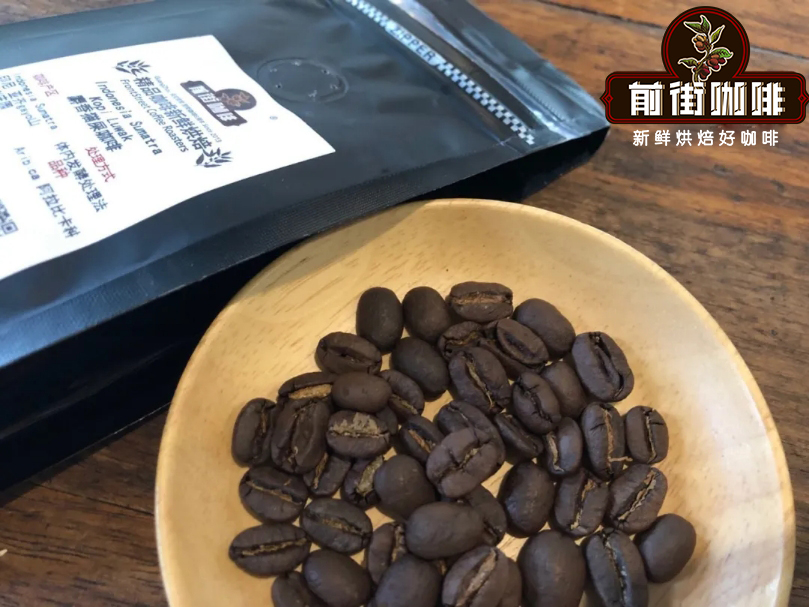
FrontStreet Coffee Civet Coffee Example
Flavor Description: Herbal, nuts, dark chocolate, fermented notes.
Brewing Parameters: Dripper: Kono, Water Temperature: 86°C, Coffee Dose: 15g, Coffee-to-Water Ratio: 1:15, Grind Size: Medium (EK43s grinder setting 11)
Brewing Method: Use staged extraction, blooming with 30g of water for 30 seconds. Pour to 125g to mark the first stage. Continue pouring to 225g when the coffee liquid is about to dry up and expose the bed. Total extraction time is 2 minutes.

Java Coffee Beans
Java coffee has delicate aromatics, relatively low acidity, a fine mouthfeel, and good balance, surpassing Sumatran coffees in both aroma and acidity. Java's climate is tropical rainforest, hot and humid year-round. The plains along the northern coast are hottest, while the mountains are considerably cooler, and the high humidity often produces a trying climate. Sitting in a volcanic zone, Java's soil is extremely fertile.
The better Java coffees come mostly from West Java Province, an Indonesian first-level administrative region, usually from state-owned and private estates. State estates, with government support, find it easier to sell into European and American markets and therefore enjoy greater recognition. Plantations generally sit above 1400 meters, and combined with the local volcanic soil they create distinctive flavors.
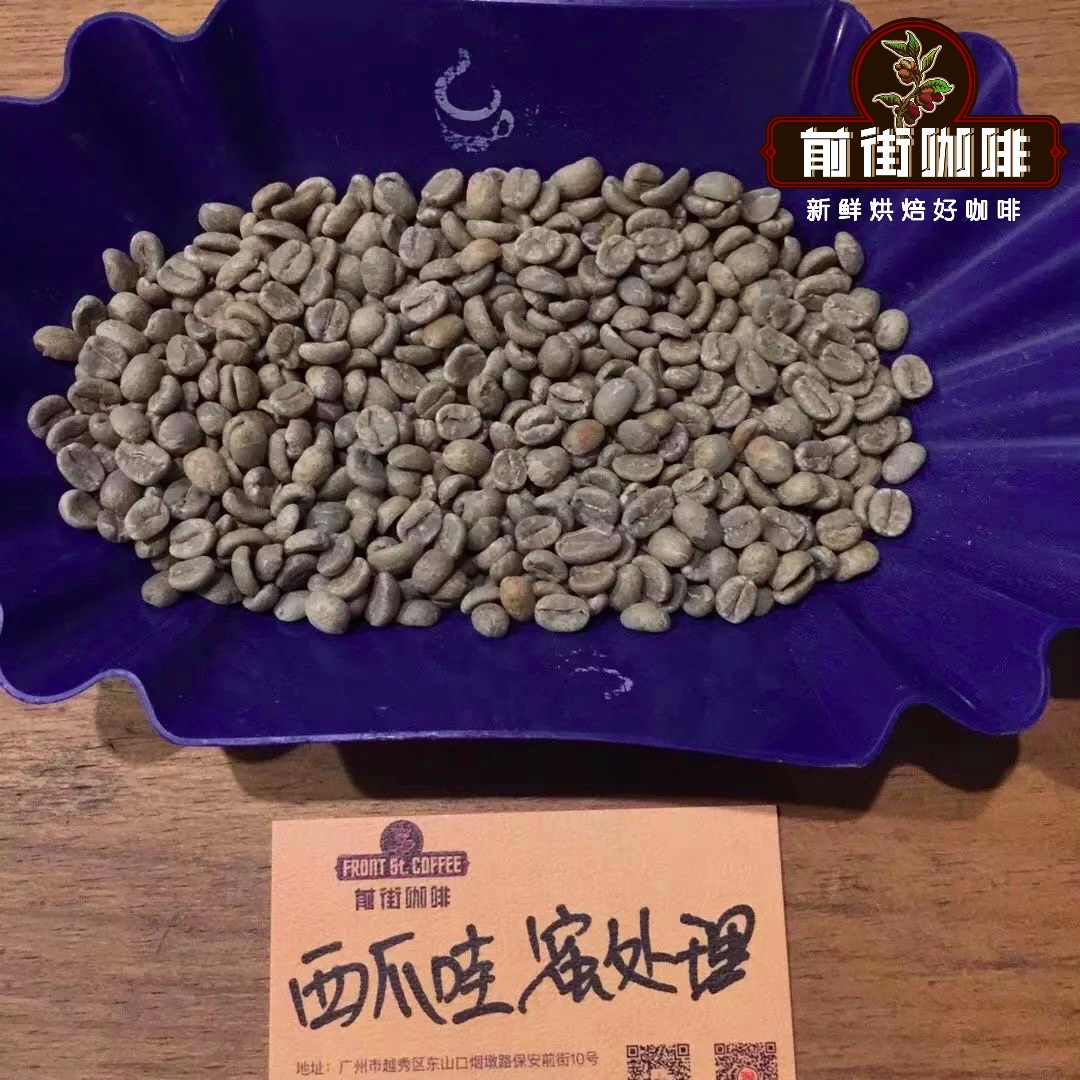
FrontStreet Coffee West Java Coffee Example
Flavor Description: Mango, red wine, peach juice, intense fruit, with jackfruit notes and a clean, sweet finish.
Brewing Parameters: Dripper: V60, Water Temperature: 90°C, Coffee Dose: 15g, Coffee-to-Water Ratio: 1:15, Grind Size: Medium-fine (EK43s grinder setting 10)

Brewing Method: Use staged extraction, blooming with 30g of water for 30 seconds. Pour to 125g with a small stream to mark the first stage. Continue pouring to 225g and stop. Extraction time is 2'00".
FrontStreet Coffee Recommendation
Sumatra's Mandheling is the heart of Indonesian coffee, and these three FrontStreet coffees cover it from the everyday cup to the top of the range and on into espresso.
FrontStreet PWN Golden Mandheling - The benchmark of the Mandheling lineup, from the PWN company, which buys only high-quality Mandheling green beans. Beans are screened at 18 mesh and above, with fewer than 3 defective beans per 300g sample to meet the G1 standard, then hand sorted three times so the cup is clean and distinctly sweet. Expect caramel, dark chocolate, herbs, and a rich, heavy body. Hand brewing shows it at its best: 87-88°C water, 15g of coffee, a 1:15 ratio, a grind like coarse sugar, and a three-stage pour.
FrontStreet Lintong Mandheling - The traditional expression, from the Lintong region around Lake Toba. Wet hulling gives it a thick body with the earthy, herbal character Mandheling is known for. Roasted medium-dark, it is low in acid with clove and woody aromas, a spice and mint impression, and a strong, lasting sweetness.
FrontStreet Classic Blend - If Mandheling's depth belongs in your espresso machine, this is the pick. It adds medium-dark Mandheling to Brazil's creamy nut character, so butter, roasted chestnut, and caramel come forward. The Mandheling lifts the body and brings sandalwood, herbs, and spice, and a small addition of Robusta enriches the crema, which makes latte art and layered drinks like a Dirty straightforward.
Important Notice :
FrontStreet Coffee is a long-established specialty coffee roaster in Guangzhou China, selling freshly roasted beans from its own farm in Yunnan as well as dozens of carefully selected single-origin beans from around the world for both pour-over and espresso. The products deliver consistently excellent quality and great value, with shipping within 24 hours. Guangzhou's FrontStreet Coffee shop is recommended by many coffee lovers, and the beans are now available online at the Tmall 。
FrontStreet Coffee has moved to a new address:
FrontStreet Coffee Address: 315,Donghua East Road,GuangZhou
Tel:020 38364473
 Scan and follow the En Gafei WeChat official account. Please indicate that the reprint comes from "En Gafei".