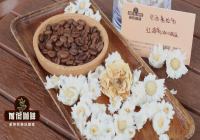
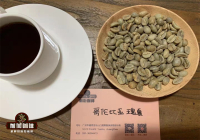
Introduction to World Specialty Coffee Estates; Detailed Introduction to Jamaica Blue Mountain No. 1 Clifton Estate

In the minds of many coffee connoisseurs, Jamaica Blue Mountain is among the finest coffees in the world. Its remarkable balance of aroma, body, and acidity, along with its distinctive rounded sweetness, makes it exceptionally special.
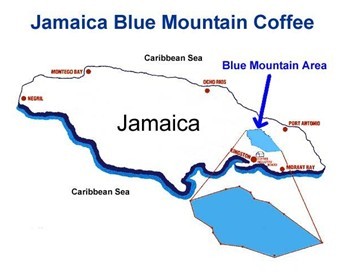
The Blue Mountain Growing Region
Authentic Blue Mountain beans are Arabica grown at elevations between 910-1700 meters in the Blue Mountains on the Caribbean island of Jamaica. Because the area at that elevation suited to coffee is limited and the planted area relatively small, annual Blue Mountain production is extremely limited.
To guarantee the quality of Blue Mountain coffee each year and give consumers a way to identify the genuine article, the Jamaican government established the Coffee Industry Board (CIB) in 1953 to regulate and guarantee Jamaican coffee quality. Jamaican Blue Mountain coffee is graded into four categories: No.1 through No.3, and finally PB (Peaberry). The highest grade, Blue Mountain No.1, consists of beans larger than 17 screen size, with less than 3% defects and roughly 13% moisture content. When people in China refer to Blue Mountain coffee, they generally mean Blue Mountain No.1 beans; the other grades are less common.
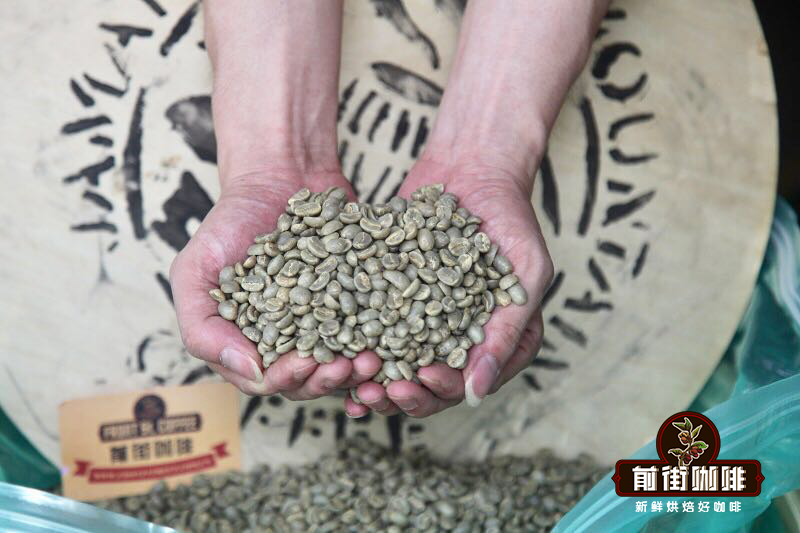
All exported Blue Mountain beans are packed in wooden barrels, and the CIB provides quality and origin certificates for exported Blue Mountain coffee. Every coffee exported from Jamaica therefore passes through the CIB, with strict testing by trained quality-control experts ensuring that all exports are 100% authentic Jamaican Blue Mountain.
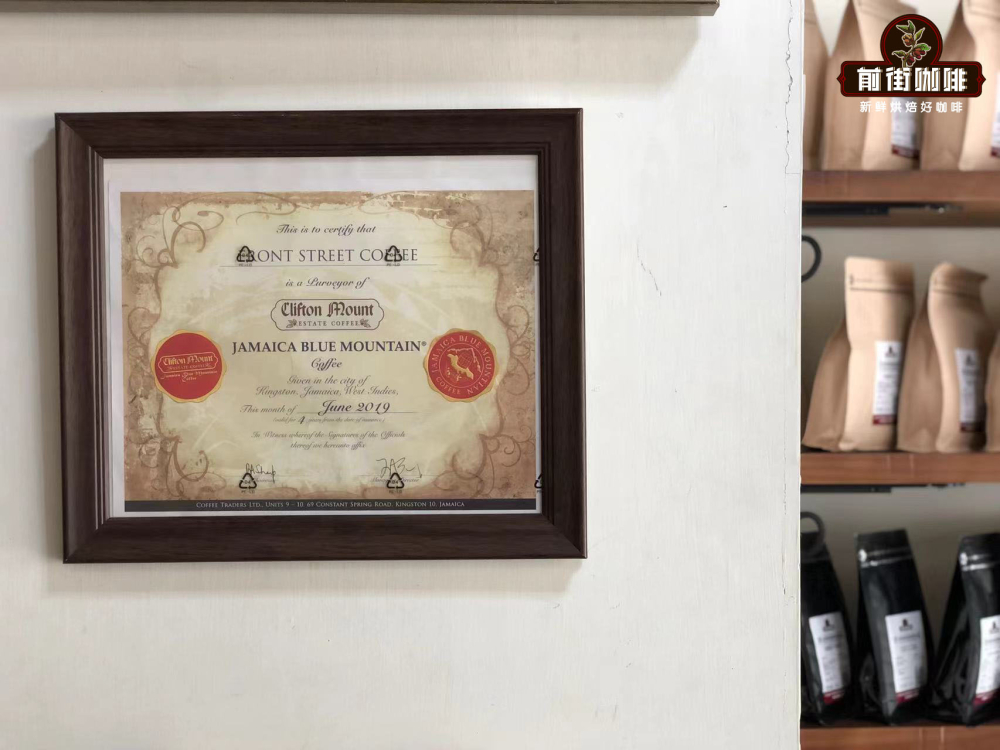
The authentic Blue Mountain growing regions certified by the Jamaican Coffee Industry Board cover four administrative districts: St. Andrew, St. Thomas, St. Mary, and Portland.
Within those districts are numerous coffee estates and farms of various sizes. Today the finest plantation in the Blue Mountain region is Clifton Mount Estate. It is Jamaica's oldest coffee-growing area still operating normally, and Clifton Mount is the only farm in Jamaica with Rainforest Alliance certification.
Clifton Mount Estate
As early as the mid-18th century, around 1750, Clifton Mount began cultivating and producing coffee. According to a survey by the Jamaican Institute in 1810, Robert Hamilton owned the farm at that time. The map shows Clifton Mount divided into two parts: the hilltop held 80 mu of coffee and 427 mu of pasture; the foothills held 111 mu of coffee and 264 mu of pasture. (The mu is a Chinese unit of land area.)
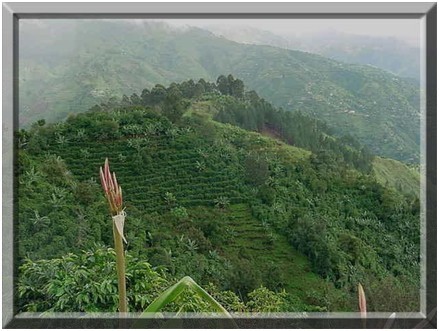
In 1872, the renowned British painter and author Marianne North visited Jamaica and stayed at Clifton for five months. In her autobiography, "Recollections of a Happy Life," she described the Clifton Hotel where she stayed: it belonged to a local gentleman who had lost his wife.
He preferred not to live in the hotel himself but rented it out by the week to different people, letting more visitors experience the cool air at 1524 meters elevation and wander through Jamaica's best and oldest coffee plantation.
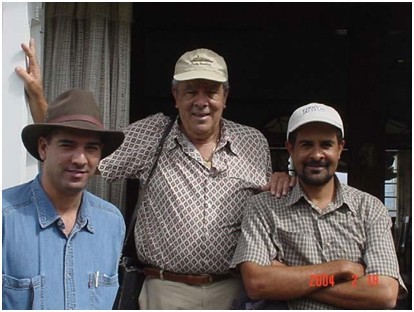
Basic information on Clifton Mount:
Owner: Sharp Family
Location: Newcastle Region
Total Area: 250 acres
Coffee Cultivation Area: 180 acres
Average Elevation: 1310.64 meters
Variety: Arabica Typica

FrontStreet Coffee currently sells Blue Mountain No.1 beans, all sourced from Clifton Mount Estate. The choice to sell Blue Mountain comes down to the unique balance no other growing region can offer—a fine coffee with rich aroma, full body, and a perfect balance of sweet, sour, and bitter notes.
How to Roast Blue Mountain Coffee Beans
The island's particular geography and climate, combined with volcanic activity in the surrounding countries, create excellent natural conditions for coffee: high altitude, a mild climate, and volcanic soil. That also gives beans from the region their characteristic balance of sweet, sour, and bitter.

To bring out Blue Mountain's balance, FrontStreet Coffee roasts the beans to a medium-dark level. The result is a full body overall, expressing a solid presence like dark chocolate, followed by a slight citrus acidity that adds a touch of liveliness. The sweet finish is truly captivating.
How to Brew Blue Mountain Coffee Beans
The darker the roast, the faster coffee compounds dissolve. To avoid over-extraction, FrontStreet Coffee extracts at a lower water temperature and uses the slower-flowing Kono dripper so the coffee can be drawn out as fully as possible in those cooler conditions.
These are the parameters and pour technique used at FrontStreet Coffee's shops: Kono dripper, 88°C water, a 1:15 ratio, 15g of coffee, and a grind at a 70-75% pass-through rate on the No.20 standard sieve.
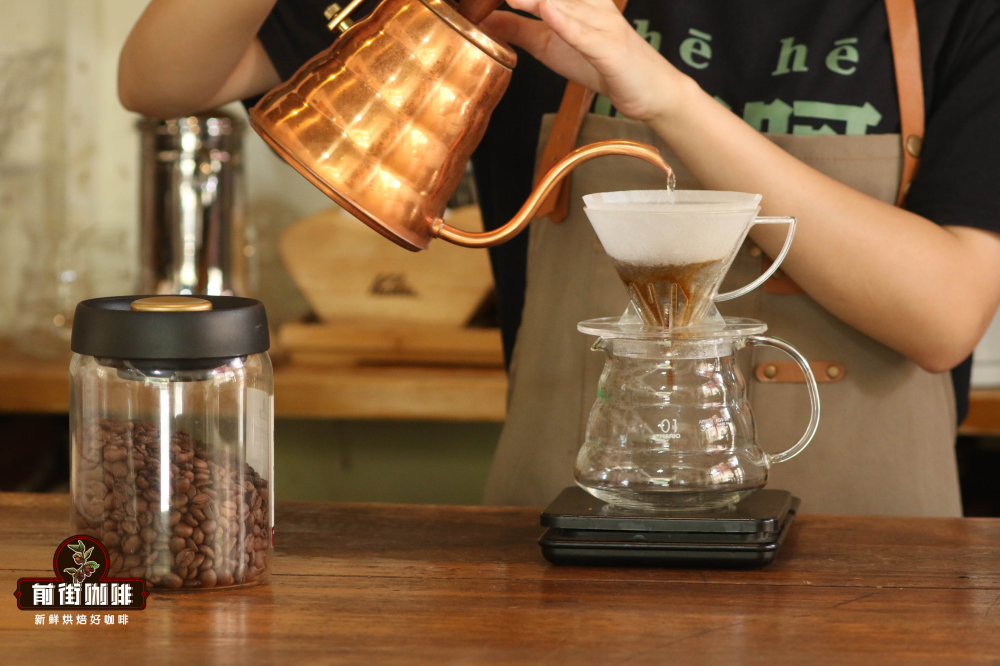
Three-stage pour: bloom with 30g of water for 30 seconds. First stage: pour in small circles to 125g, then stop. Wait until the water level drops to just before the coffee bed is exposed, then begin the second stage. Pour to 225g to finish extraction. Total extraction time, bloom included, is 2'00".
FrontStreet Coffee's pour-over Blue Mountain No.1 flavor profile: rich dark chocolate and nuts, with a creamy, smooth texture and a perfect balance of sweet, sour, and bitter.
FrontStreet Coffee Recommendation
FrontStreet Jamaica Blue Mountain No. 1 is the estate's flagship and the highest grade of Jamaican Blue Mountain. FrontStreet keeps the full origin certification and the original shipping barrels on hand so the source can be traced clearly, and roasts to a medium-dark level that lets the classic balance show: after brewing you can pick out nuts, dark chocolate, and creamy caramel unfolding in layers, with sweetness, acidity, bitterness, and aroma in harmony. It works as an everyday specialty cup and as a premium gift alike, and its evenly balanced character makes it one of the easiest coffees for almost anyone to enjoy.
Because Blue Mountain carries so much prestige, the market is full of imitations, so it pays to know the markers of the genuine article. Genuine Blue Mountain green beans are bluish-green, very uniform, medium-small, with ends that curve slightly upward like a small boat; they expand markedly after roasting. Grinding by hand feels crisp, smooth, and continuous, with no resistance at all. The aroma is rich and dense in a way blends never match, and the taste is balanced and full with no single note pushing forward or missing—the single most important sign, and one no other bean can reproduce. You can also verify authenticity through three indicators: the designated export company of the National Coffee Board, the fact that this is the only region shipping green beans in wooden barrels, and the Rainforest Alliance frog logo on the barrel lid.
Note too that authentic Blue Mountain is not limited to pour-over. Blue Mountain's balance means it performs well however you brew it. As a pour-over it shows its delicacy and sweetness most fully; in a moka pot it turns deeper and richer, with the chocolate, caramel, and nut notes amplified; and as espresso it holds up just as well, which makes it excellent in a latte or a flat white.
Important Notice :
FrontStreet Coffee is a long-established specialty coffee roaster in Guangzhou China, selling freshly roasted beans from its own farm in Yunnan as well as dozens of carefully selected single-origin beans from around the world for both pour-over and espresso. The products deliver consistently excellent quality and great value, with shipping within 24 hours. Guangzhou's FrontStreet Coffee shop is recommended by many coffee lovers, and the beans are now available online at the Tmall 。
FrontStreet Coffee has moved to a new address:
FrontStreet Coffee Address: 315,Donghua East Road,GuangZhou
Tel:020 38364473
 Scan and follow the En Gafei WeChat official account. Please indicate that the reprint comes from "En Gafei".