World Premium Coffee Beans: A Detailed Guide to Brazilian Coffee Growing Regions, Harvesting Methods and Varieties
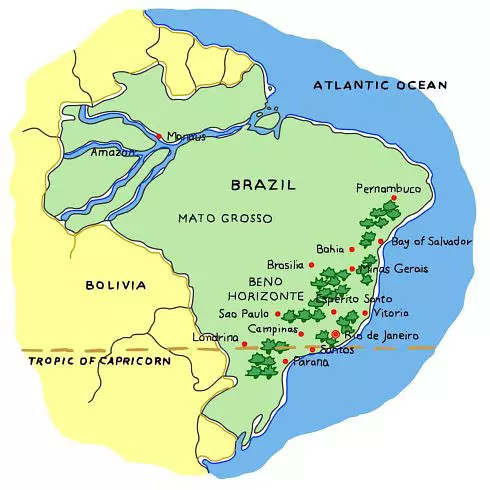
Brazil: The World's Coffee Powerhouse
As the largest country in South America by land area, blessed with superior climate conditions, Brazil has become the world's largest coffee producer and exporter. Approximately one-third of the world's coffee comes from Brazil, making it an undisputed leader in the coffee industry.
Brazilian Coffee Cultivation and Harvest
In 1717, a Portuguese diplomat named Francisco de Melo Palheta introduced coffee from French Guiana and planted the first coffee tree in Brazil's Pará region. Legend has it that Portugal wanted to enter the coffee market quickly, but the governor of neighboring French Guiana was unwilling to export coffee seeds, so initial negotiations failed. Later, Francisco won the affection of the governor's wife and successfully brought back coffee seeds for cultivation. Before long, coffee had spread to larger plantations in São Paulo and Minas Gerais.
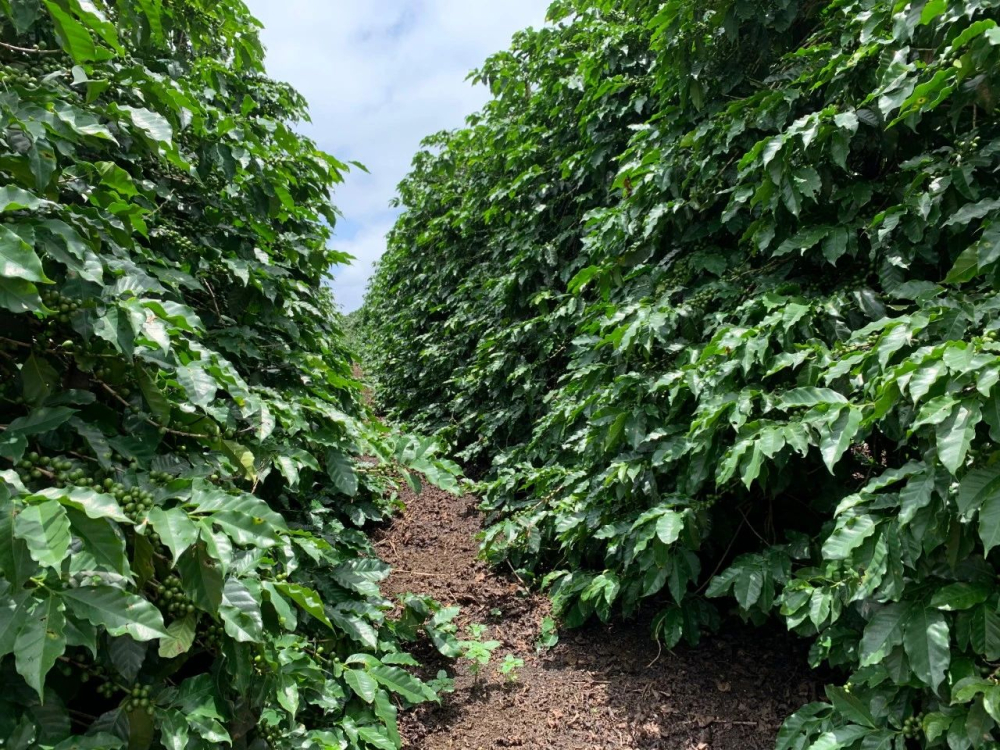
Unlike coffee growing regions in Africa or other South American countries with high altitudes, Brazilian coffee farms are mostly flat plains at elevations of only a few hundred meters. Brazilian growers focused on mass production primarily adopt large-scale, sun-exposed cultivation methods. As a result, Brazilian coffee cherries mature quickly, lacking the rich fruit acidity of high-altitude coffees and instead offering a mellow, balanced flavor profile. It is precisely this approachable character that makes Brazilian coffee ideal for espresso blends: it enhances the roasted aroma while providing more stable extraction.
The flat terrain in Brazil provides significant advantages for mechanized harvesting. During the ripening season, growers strip coffee cherries directly from the trees for uniform processing, greatly reducing labor costs. However, this practice also leads to harvesting unripe fruit alongside ripe fruit, resulting in inconsistent quality. Some estates therefore use customized harvesters (which judge by fruit color) to select only mature red cherries.
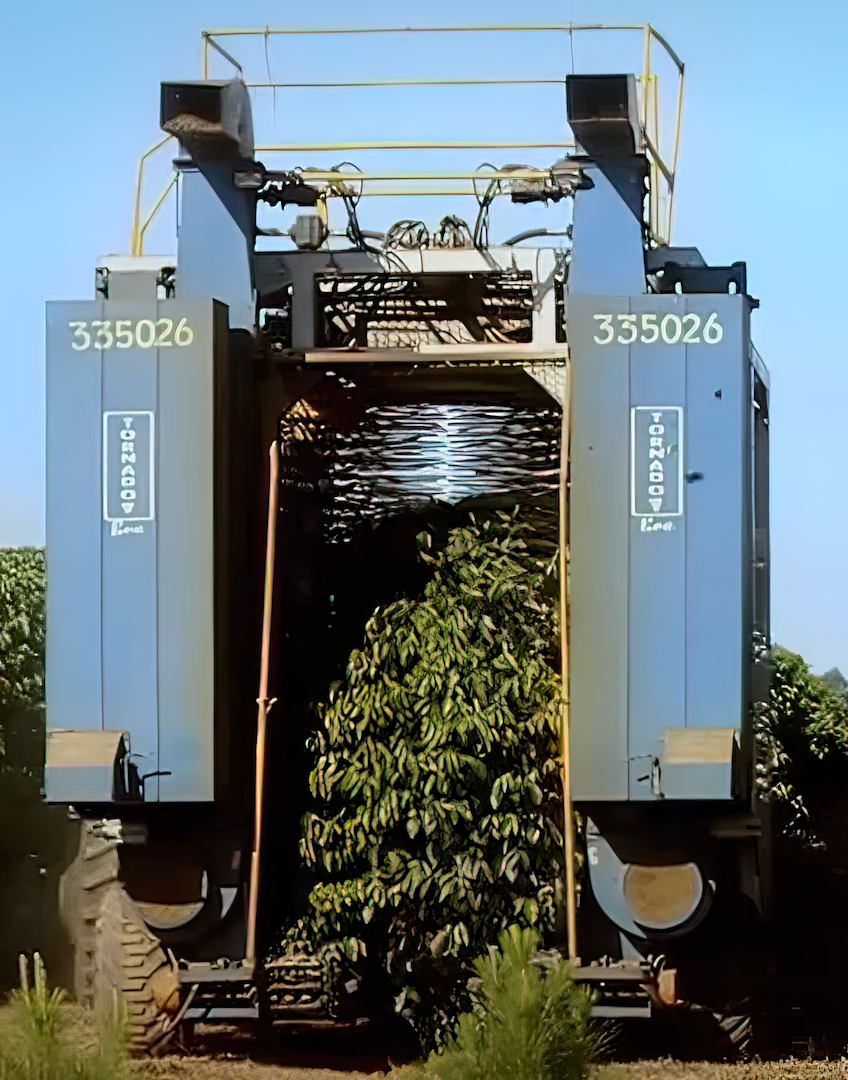
Cerrado Mineiro Region
Brazil has 14 coffee growing regions, with Cerrado Mineiro and South Minas in Minas Gerais, and Mogiana in São Paulo, being the most famous. Cerrado Mineiro was Brazil's first coffee region to receive "Designation of Origin" (Cerrado Mineiro) certification. This is a large area composed of 55 cities, located in northwestern Minas Gerais state, encompassing multiple medium to large coffee plantations. With elevations between 800-1300 meters and distinct seasons (humid summers and dry winters), the soil here is rich in minerals, producing coffee with nutty and creamy smoothness, a balanced palate, and very classic Brazilian flavors.
FrontStreet Coffee has therefore added the semi-washed Red Bourbon coffee from the Cerrado Mineiro region to its daily selection. FrontStreet Coffee's daily beans cover multiple classic regions and coffee varieties, allowing specialty coffee beginners to taste the fundamental flavors of each region and explore their preferred coffee types. They can be purchased at FrontStreet Coffee's Tmall flagship store. FrontStreet Coffee also ensures that only beans roasted within 5 days are shipped, so they arrive at their optimal flavor window.
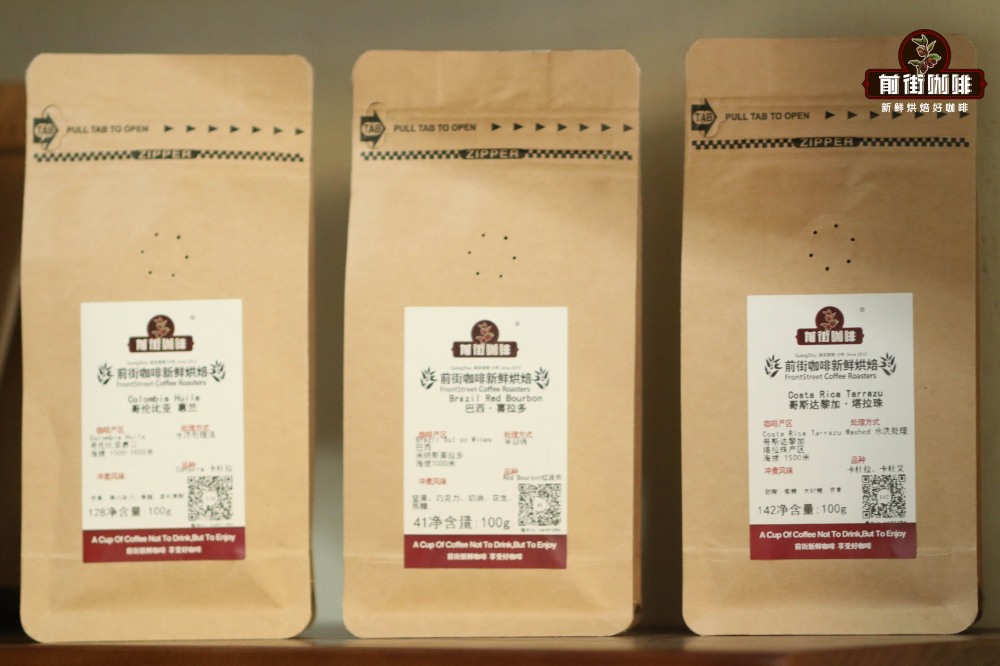
FrontStreet Coffee (FrontStreet Coffee) Brazil Cerrado Daily Beans
Region: Brazil Cerrado Mineiro Region
Altitude: 1000m
Variety: Red Bourbon
Processing: Semi-washed Processing
Flavor: Nuts, chocolate, cream, peanuts, caramel
Brazilian Red Bourbon Variety
Like Typica, Bourbon belongs to one of the most ancient coffee varieties. It can be grown densely and has good fruit production. Bourbon grown at high altitudes exhibits better flavor and a sweet aftertaste.
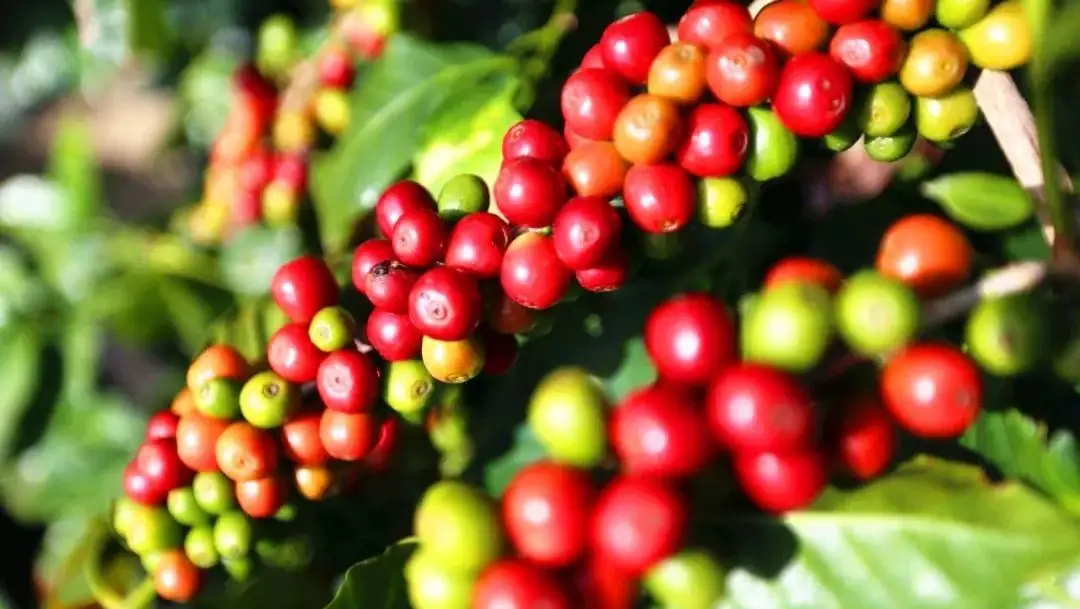
So why is Bourbon called Red Bourbon? This is due to genetic selection in Bourbon that causes different color manifestations during fruit maturation. Common Bourbon changes color from green gradually to light yellow, then red, and finally to deep red when fully mature, hence the name Red Bourbon. There are also Bourbon varieties that do not turn red when mature, instead becoming the rarer yellow or pink colors, namely Yellow Bourbon and Pink Bourbon. Yellow Bourbon grown at high altitudes offers delicate flavors and has won top honors in Brazil's Cup of Excellence competition. FrontStreet Coffee's Queen Estate coffee is made from Yellow Bourbon, produced in Brazil's Mogiana region.
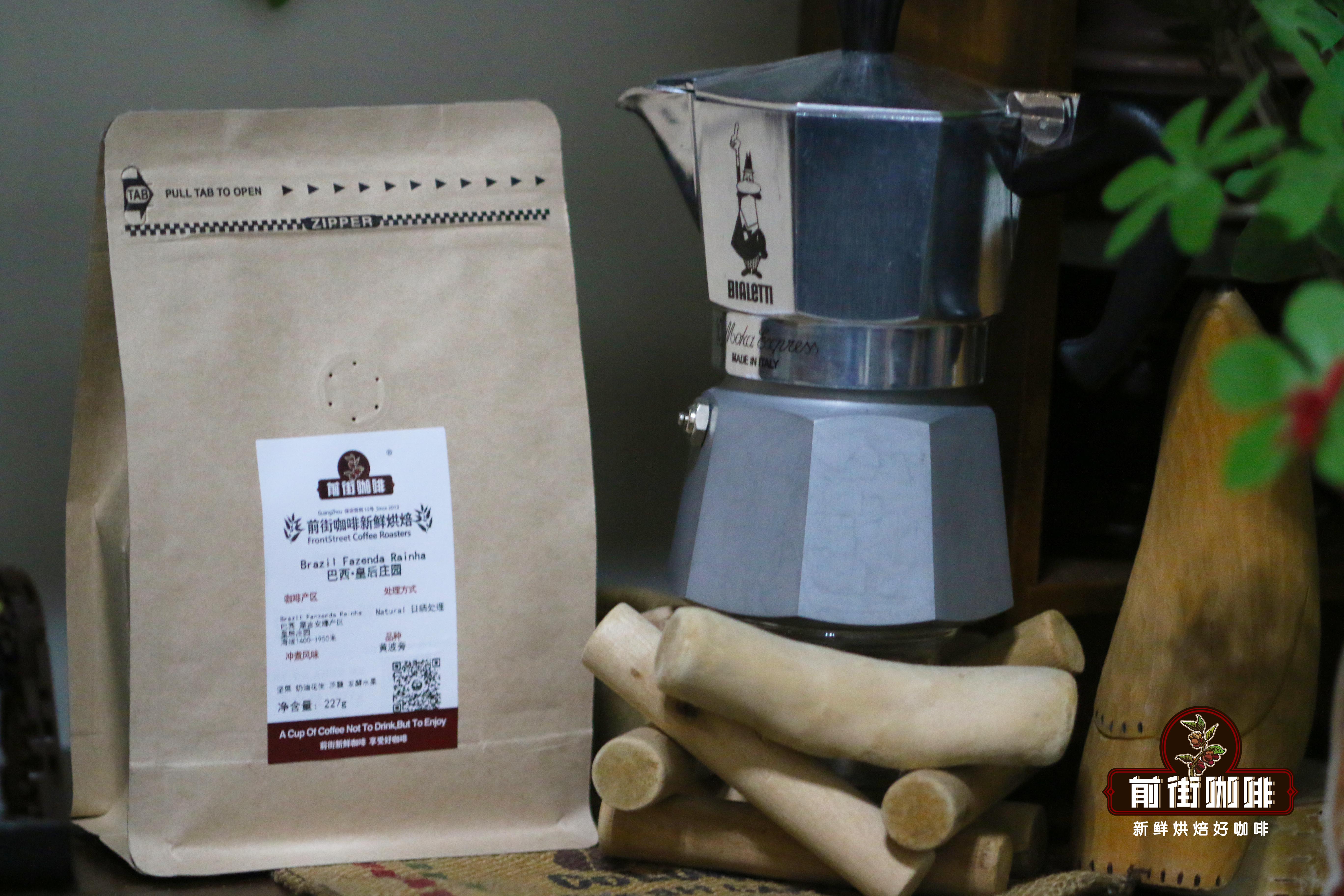
Brazilian Cerrado Green Bean Processing
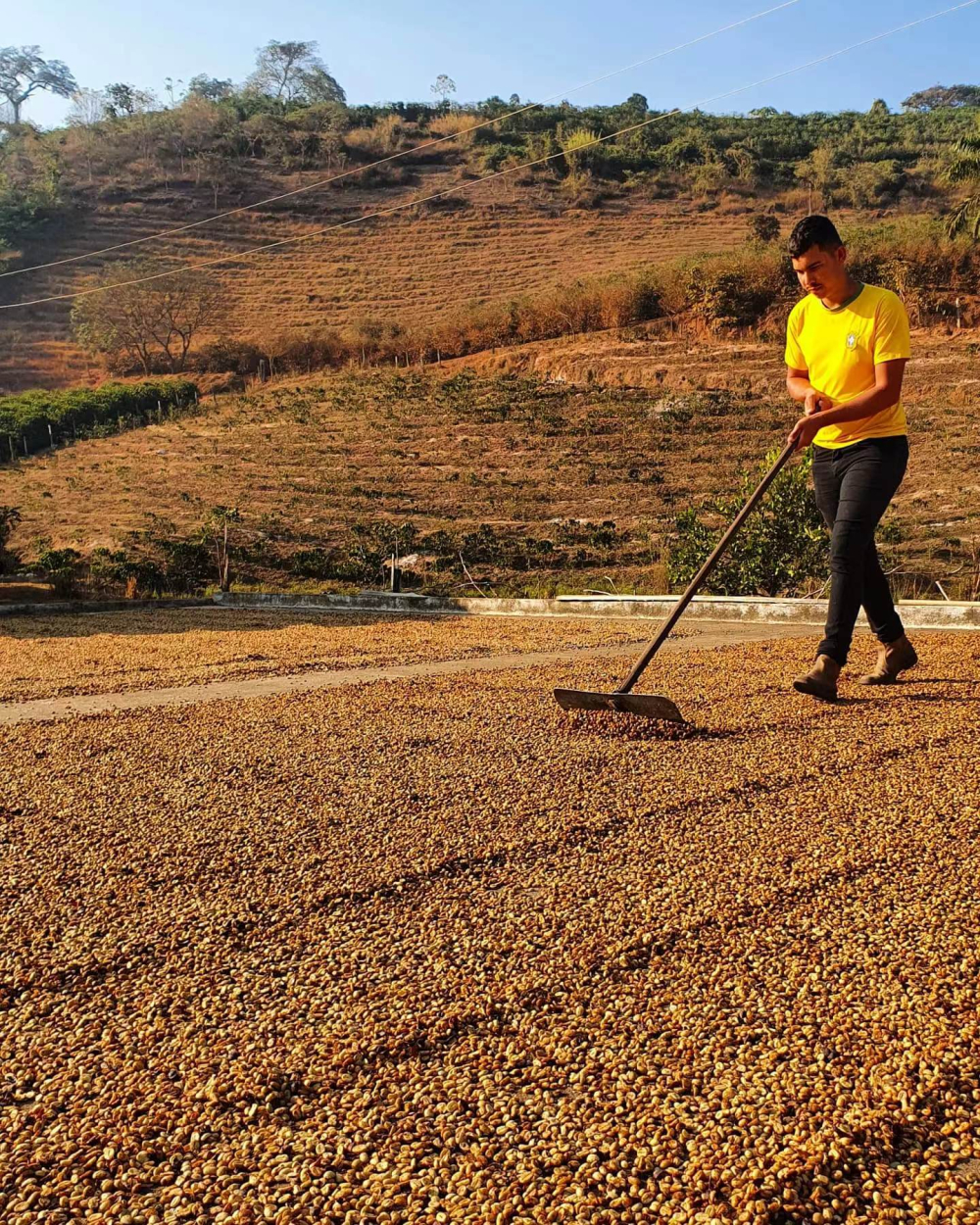
Located in the tropical zone, Brazil's harvest season coincides with the dry season, allowing coffee cherries to be dehydrated and dried directly through sun exposure. However, traditional natural processing is quite crude: after harvesting, cherries are dumped directly on mud ground for drying, so the coffee easily picks up earthy flavors. To improve quality, Brazil invented the semi-washed (semi-sun-dried) method in the 1990s, also called Pulped Natural.
Processing Method: After harvesting, coffee cherries are first sorted to remove leaves, stones, and other impurities, then poured into water tanks where immature fruits are removed by floatation. Machines remove the skin, pulp, and part of the mucilage layer, followed by one hour of washing. Because the fermentation time in water is short, the mucilage cannot be completely washed away. The parchment beans with partial mucilage are spread on drying patios to dry. The semi-sun-dried method not only saves water resources but also reduces labor costs. Compared to traditional natural processing, it requires less time, making it widely adopted in Brazil.
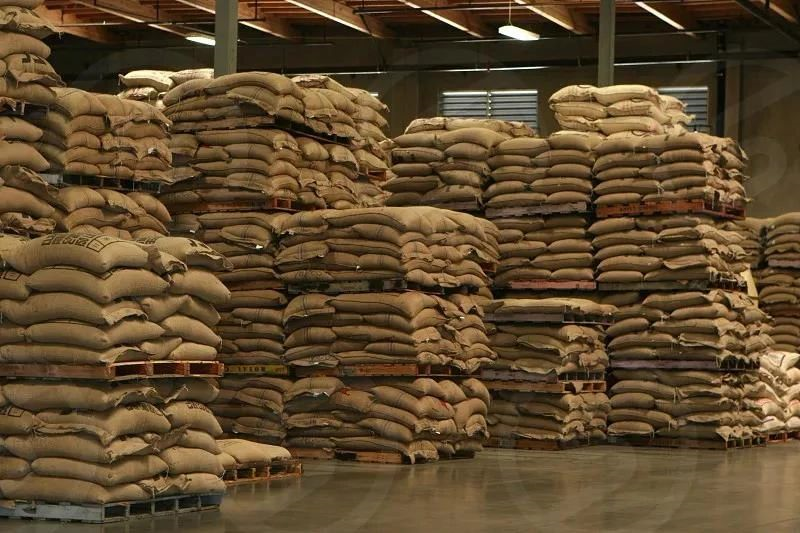
Processed Brazilian green coffee beans are graded according to three different standards: defects, size, and cupping quality. This is part of Brazil's more complex grading system that differs from other coffee-producing countries. Green coffee bean grade information is marked on burlap bags in the format "Country + Defect Grade + Cupping Quality + Size + Cupping Flavor Grade + Origin."
For example, the bags of Brazilian Cerrado coffee beans purchased by FrontStreet Coffee are marked "Brazil NY.2 SC - 17/18 FC Cerrado," which means: produced in Brazil's Cerrado region, size 17-18 screen, SC represents Strictly Soft with a very smooth texture, FC represents Fine Cup with excellent cupping flavor, and the defect grade is NY.2. Since NY.1 indicates zero defective beans, such selected batches cannot be reliably supplied, so Brazil has set NY.2 as the highest grade in the defect classification system.
Brazilian Specialty Coffee Bean Brewing Flavor
In terms of roasting, FrontStreet Coffee aims to present classic Brazilian flavors, so it chooses medium-dark roasting to highlight the characteristics of low acidity and full body. There are four types of espresso blend beans on FrontStreet Coffee's menu, three of which use Brazilian coffee as a base component. The extracted espresso features a rich golden crema with flavors reminiscent of roasted hazelnuts and peanuts. When made into an Americano it is refreshing and mellow, and when combined with milk to make milk coffee it is smooth and aromatic.
FrontStreet Coffee's most produced and favorite method, however, is brewing Brazilian coffee as a single-origin pour-over black coffee. If you want to enjoy mellow Brazilian coffee at home, you can refer to FrontStreet Coffee's extraction ratio.
Brewing Parameters:
Dripper: KONO dripper
Water Temperature: 87-88°C
Coffee Dose: 15 grams
Coffee-to-Water Ratio: 1:15
Grind Size: Medium grind (70% pass-through rate on Chinese standard #20 sieve)
Wet the coffee bed with twice the coffee dose of water to form a dome and bloom for 30s. Then use a small water stream to pour in concentric circles from inside to outside until reaching 125g, then pause. Wait until the coffee bed drops to half the dripper height, then continue with the same fine water stream for the third pour to reach 225g. Remove the dripper once all coffee liquid has filtered through. Total time should be approximately 2 minutes.

Flavor Notes for Brazilian Cerrado Red Bourbon Daily Beans: The first sip reveals noticeable sweetness with a subtle lemon aroma, containing rich nut and caramel flavors. The finish shows distinct dark chocolate notes, with an overall smooth and rounded mouthfeel.
FrontStreet Coffee Recommendation
The Cerrado Mineiro beans this article follows are exactly the kind of Brazil single origin FrontStreet Coffee builds its daily selection around. Their Brazil Cerrado is a semi-washed Red Bourbon: a classic Brazilian cup, roasted medium to show creamy peanut, toasted bread, caramel and hazelnut, rounded and not sour, with only a light bitterness, and usable for pour-over, moka pot, espresso SOE, siphon or French press.
For a higher-grown and rarer option, FrontStreet Coffee's Brazil Queen Estate comes from Mogiana and uses the Yellow Bourbon variety, a natural mutation of Red Bourbon whose fruit ripens yellow. The fertile red volcanic soil of Mogiana helps the cherries build full aroma, and the cup adds the sugarcane sweetness plus fruit and chocolate notes that other regions struggle to match, again working well as pour-over, moka pot or home espresso.
That balance is also why Brazilian beans anchor FrontStreet Coffee's espresso blends: the Classic, Premium, Black Cocoa and Commercial blends all rely on Brazil for chocolate and cream notes and a soft sweet-bitter balance that keeps extraction steady. Brew the pour-over as described above, with a KONO dripper, 15g at 1:15 and 87-88°C water.
Important Notice :
FrontStreet Coffee is a long-established specialty coffee roaster in Guangzhou China, selling freshly roasted beans from its own farm in Yunnan as well as dozens of carefully selected single-origin beans from around the world for both pour-over and espresso. The products deliver consistently excellent quality and great value, with shipping within 24 hours. Guangzhou's FrontStreet Coffee shop is recommended by many coffee lovers, and the beans are now available online at the Tmall 。
FrontStreet Coffee has moved to a new address:
FrontStreet Coffee Address: 315,Donghua East Road,GuangZhou
Tel:020 38364473
 Scan and follow the En Gafei WeChat official account. Please indicate that the reprint comes from "En Gafei".