Introduction to World Premium Coffee Beans: A Detailed Guide to Colombian SUPREMO Grade Coffee Green Beans

Why is Colombian Coffee So Popular?
Colombian coffee is celebrated across the coffee world for its gentle yet rich aroma, and the country consistently ranks among the top coffee exporters. Any conversation about high-quality coffee inevitably includes Colombia. It features prominently both in FrontStreet Coffee's pour-over single-origin lineup and in espresso blends - proof of just how beloved it is.
As with any crop, coffee quality hinges on variety, climate, altitude, harvest management, and post-harvest processing. Coffee is a tropical crop best suited to high, frost-free terrain: with every 100 meters of elevation gain, the temperature drops 0.6°C. Cooler air and thinner oxygen slow the cherries' maturation, so the trees channel most of their nutrients into the fruit, producing denser, harder beans with more time to store nutrients as sugars. Colombia's Andes deliver these demanding conditions perfectly.
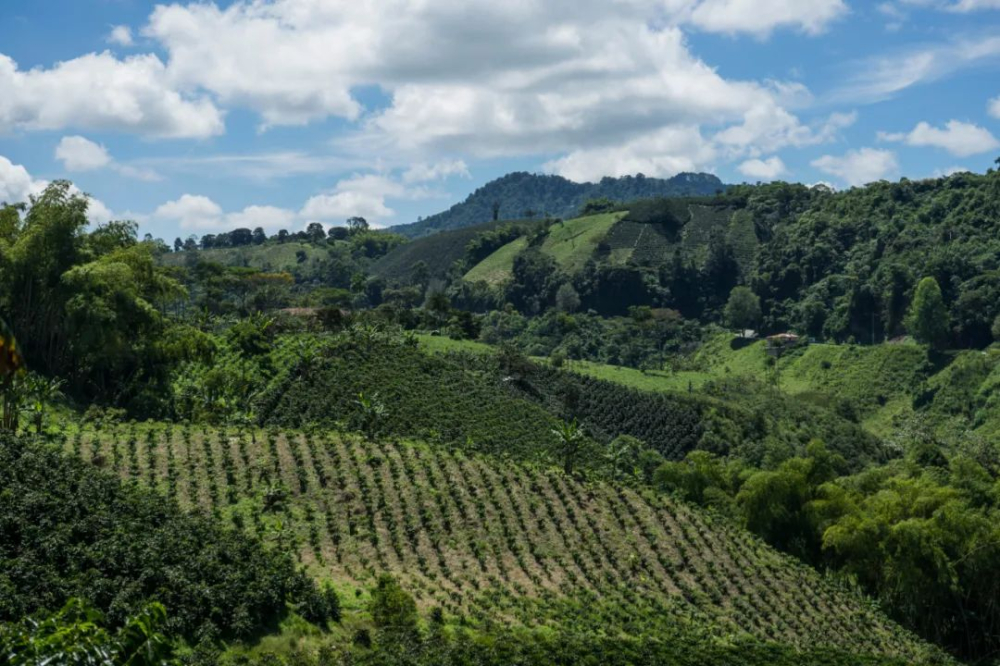
The Andes run along western Colombia in three continuous cordilleras. Each range carries fertile, organic-rich soil where coffee grows at 800-2,300 meters, fed by nourishing sunlight and the gentle shade of cloud cover. The varied mountain climates stagger the harvest across the year - different varieties ripen at different times, so picking activity hums somewhere in the hills in every season. Growers typically plant coffee beneath shade trees, usually tall canopy species or bananas; young trees get temporary shade structures to guarantee the cool, humid conditions they need. Because humidity is high and temperatures steady in these coffee forests, the beans mature slowly - ideal for accumulating aromatic compounds - and the resulting quality is exceptional.
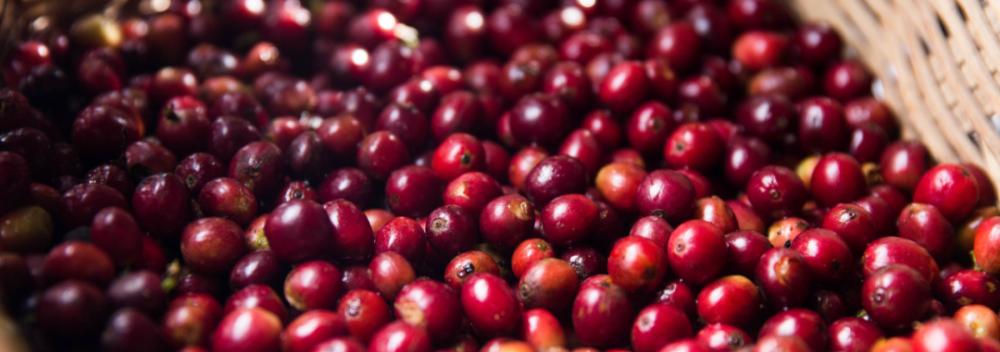
Geography alone does not explain Colombia's success. Coffee is the national beverage, and the devotion and expertise of its farming families are unmatched elsewhere. In recent years, meticulous hand-sorting, precise fermentation, and professional cupping discipline have unlocked remarkably rich flavor profiles, making Colombian coffee a natural first pick for enthusiasts.
Where Does Colombia's Specialty Coffee Come From?
Early Colombian coffee shipped under the names of its local producing areas; even specialty-grade lots appeared as small micro-batches. Smallholders' plantings are modest, and few own their own processing equipment. The boom of Colombia's coffee industry in the 20th century owes much to the founding of the Federación Nacional de Cafeteros (FNC - the Colombian National Coffee Federation).
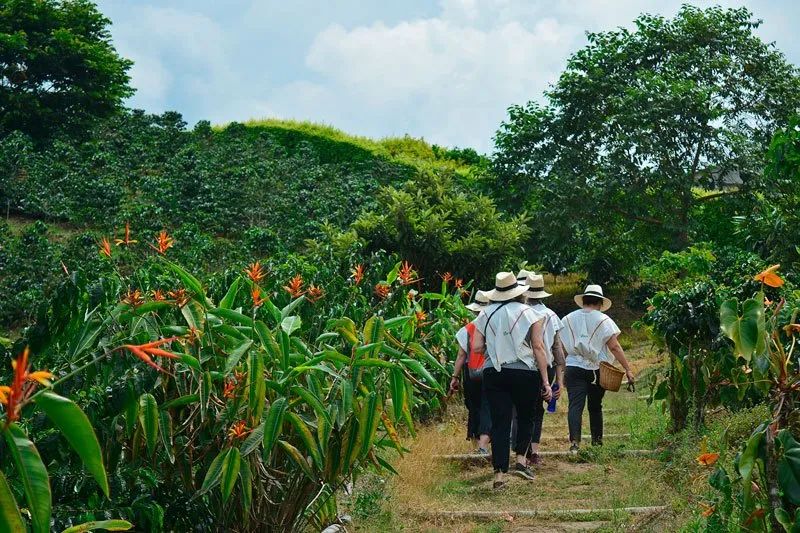
The FNC is Colombia's only official professional coffee association, representing more than 560,000 farming families and ranking among the world's largest agricultural NGOs. It promotes the Colombian coffee brand worldwide and supervises the quality of every bean the country exports. Beyond marketing abroad, the FNC pours substantial resources into domestic production, farm management, and sustainable operations.
Under the FNC's stewardship, coffee now covers roughly 875,000 hectares across 590 municipalities and 14 growing regions, overwhelmingly on small farms whose plots typically run about 2-3 mu. Smallholders deliver cherries to community washing stations, or process their own green beans, before sending them for quality grading and testing.
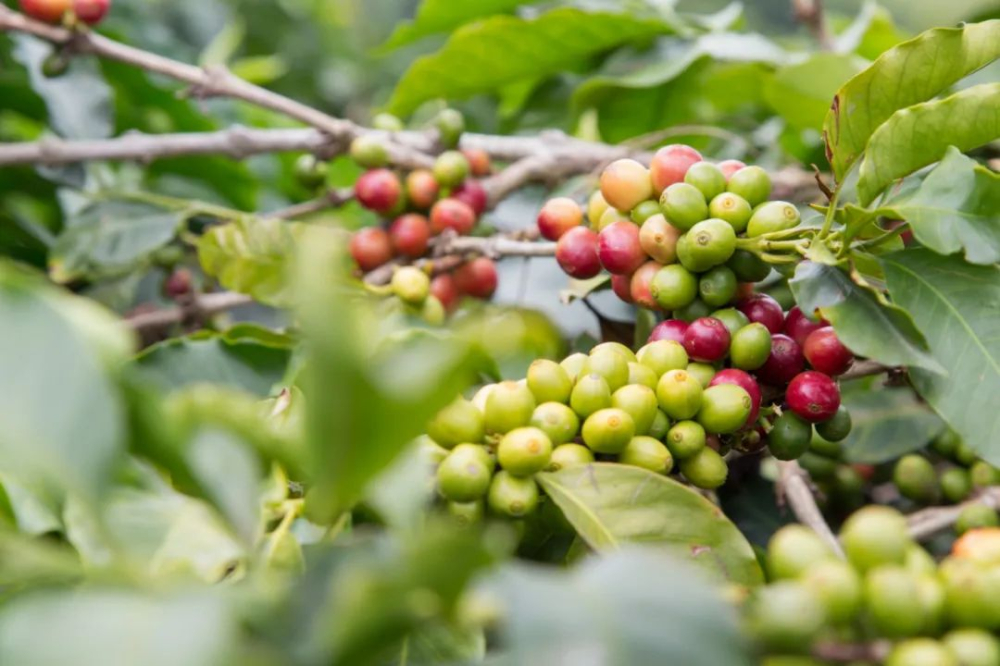
On the map, Colombia's coffee zones divide cleanly from south to north into three major regions. The country's specialty coffees concentrate in the south, at elevations above 1,500 meters - San Agustín in Huila, Popayán in Cauca, and the provinces of Nariño and Tolima. Coffees from these areas share delicate acidity, berry aromatics, caramel notes, and abundant sweetness.
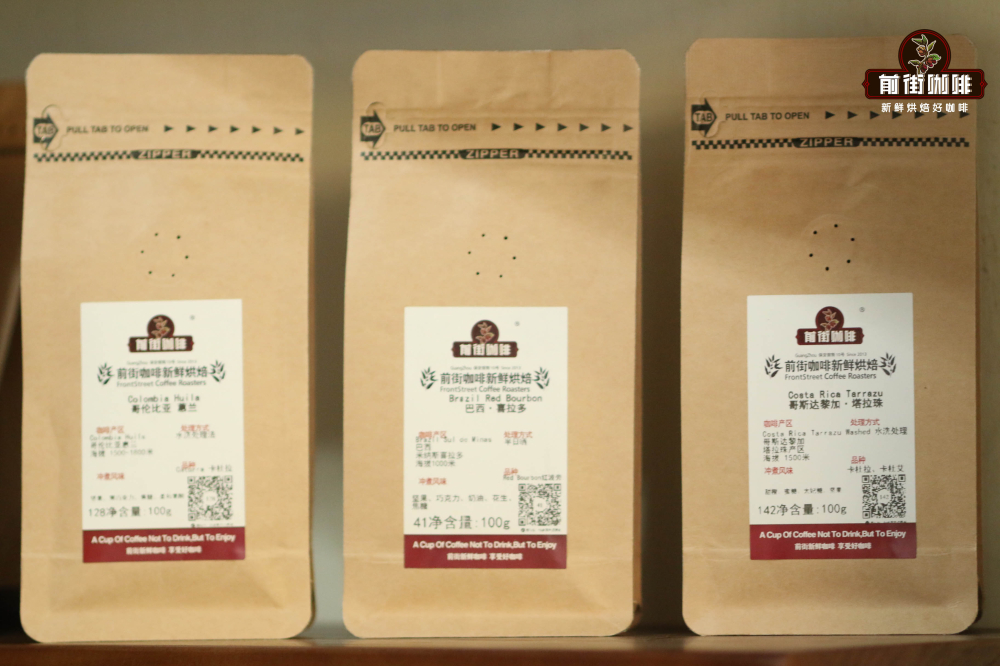
Colombia grows a long list of varieties, anchored by traditional Arabicas such as Caturra, Bourbon, Typica, and Pacamara, alongside fashionable rarities like Gesha that have surfaced in small batches in recent years. FrontStreet Coffee's Colombian daily bean comes from Huila and is Caturra, the workhorse variety of the region. Natural washed processing gives it a balanced sweet-sour-bitter profile after roasting.
In Colombia, Are Bigger Coffee Beans Better?
Colombian green beans are graded by size before export, using fixed screens whose hole sizes define each grade: beans larger than, say, a 17 sieve cannot pass through, so the higher the screen number, the bigger the beans it catches. The most common export grades are UGQ, EP, and Supremo.
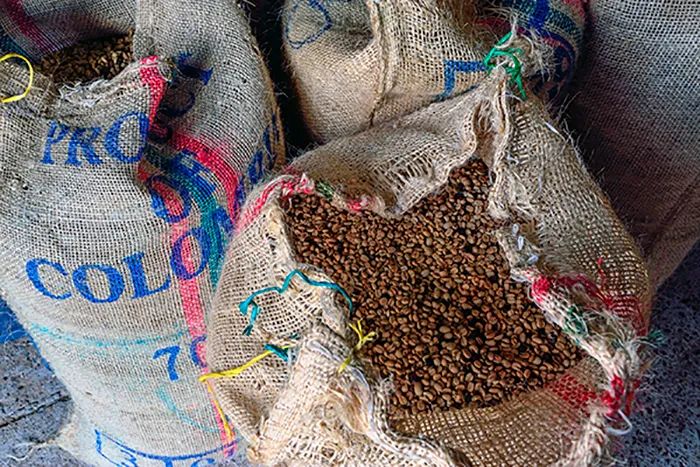
Whatever the size grade, any exported beans fall under the umbrella Excelso grade - which is why most bags of Colombian green coffee shipped worldwide carry the Excelso label. It is the FNC's most widely used export standard and the baseline for Colombian green bean exports. Excelso requires: in a 500-gram sample, sizing at 14 sieve or above with no more than 5% of beans between 12 and 14 sieve, and at least 50% of the beans larger than 15 sieve overall. The beans must be pest-free, uniform in color, free of off-flavors, and clean in the cup; moisture may not exceed 12.5%, and total defects may not exceed 24 points.
Each farmer reports lot numbers and bean information for traceability. Exported Colombian green coffee is typically named country + region + grade + further details - FrontStreet Coffee's Huila daily bean, for example, is labeled Colombia Huila Supremo SC17/18 FNC.
How to Brew Colombian Coffee for the Best Taste?
FrontStreet Coffee's flavor descriptions assume freshly roasted beans. Beans stored for more than a month lose part of their aroma, and no brewing method can conjure it back. Because FrontStreet Coffee takes freshness seriously, every bag ships within 5 days of roasting, so the full flavor window is still ahead when it reaches you.
Since the Huila daily bean carries a medium-dark roast with rich, full-bodied nut and chocolate notes, the more porous beans and absorbent grounds call for a medium grind. To keep less desirable flavors out of the cup, FrontStreet Coffee trims the water temperature to 90°C and brews on a KONO dripper. Unlike a V60, the KONO has a single exhaust channel along its short ribs: once the water level rises past the ribs, water accumulates and its own weight builds pressure, and the smaller exit extends the coffee-water contact time, drawing out more soluble material for a richer, fuller body.

Brewing parameters: KONO dripper, 90°C water, grind set to 75% pass-through on the #20 sieve, 1:15 coffee-to-water ratio, 15g of coffee, three-stage pour.
Add the grounds to the dripper, wet the bed with twice the dose of water to form a dome, and bloom for 30 seconds. Then pour in slow circles from the center outward with a small stream until the scale reads 125g. Once the bed falls to half the dripper's height, resume the same fine stream for the third pour up to 225g. Let the liquid draw down fully, remove the dripper, and aim for a total brew time of about 2 minutes.

In the cup, this Colombian Huila daily bean opens with clear roasted aromas of chocolate, nuts, and caramel - smooth and sweet, with a medium body and a clean finish. As it cools, a pleasant, gentle acidity emerges.
FrontStreet Coffee Recommendation
Colombian coffee is one of the most versatile beans in the world: it slots into espresso blends and pour-over single origins alike, with styles ranging from fruit-forward acidity to full-bodied depth to perfume-led aromatics - something for every palate. Huila, in the south of Colombia's central cordillera, is the country's most famous specialty region: a landscape of rolling hills above 1500 meters where Colombia's most important rivers converge, bringing abundant water and moisture. To get to know this origin, pick up FrontStreet Coffee's washed Huila beans. The medium-dark roast highlights black chocolate, nutty sweetness, moderate crema, and a full body - as comfortable in a French press or pour-over as it is in a moka pot or espresso machine, and equally happy as an Americano or a latte.
For something more adventurous, try FrontStreet Coffee's La Línea Estate Sidra. Colombian coffee was long synonymous with washing, but innovative processing has taken hold in recent years - above all anaerobic fermentation, sometimes called carbonic maceration. The cherries ferment in a sealed, pressure-rated stainless tank where temperature, time, and pH are precisely controlled in a low- or zero-oxygen environment; the best-known versions are anaerobic natural and anaerobic washed. FrontStreet Coffee's Sidra is an anaerobic natural, and the oxygen-free fermentation converts the fruit into vivid tropical aromas - medium-light roasted, it serves up passion fruit, grape, apricot, and dried-fruit complexity in a pour-over, cold brew, drip bag, or moka pot.
And for anyone with a home espresso machine or moka pot, baristas recommend FrontStreet Coffee's Specialty Blend, an espresso formula designed originally for café use. It marries Brazil's creamy nut aromas with Colombia's dark chocolate sweetness and bitterness, pulling shots crowned with fine, golden crema. It makes a latte that is rich yet silky, is very forgiving for beginners, and works just as well as the base for Americanos, cappuccinos, and mochas.
Important Notice :
FrontStreet Coffee is a long-established specialty coffee roaster in Guangzhou China, selling freshly roasted beans from its own farm in Yunnan as well as dozens of carefully selected single-origin beans from around the world for both pour-over and espresso. The products deliver consistently excellent quality and great value, with shipping within 24 hours. Guangzhou's FrontStreet Coffee shop is recommended by many coffee lovers, and the beans are now available online at the Tmall 。
FrontStreet Coffee has moved to a new address:
FrontStreet Coffee Address: 315,Donghua East Road,GuangZhou
Tel:020 38364473
 Scan and follow the En Gafei WeChat official account. Please indicate that the reprint comes from "En Gafei".