Indonesian Specialty Coffee Bean Origin Flavor Profile: PWN Golden Mandheling Coffee Bean Brand Quality and Characteristics
Golden Mandheling: The Crown Jewel of Indonesian Premium Coffee
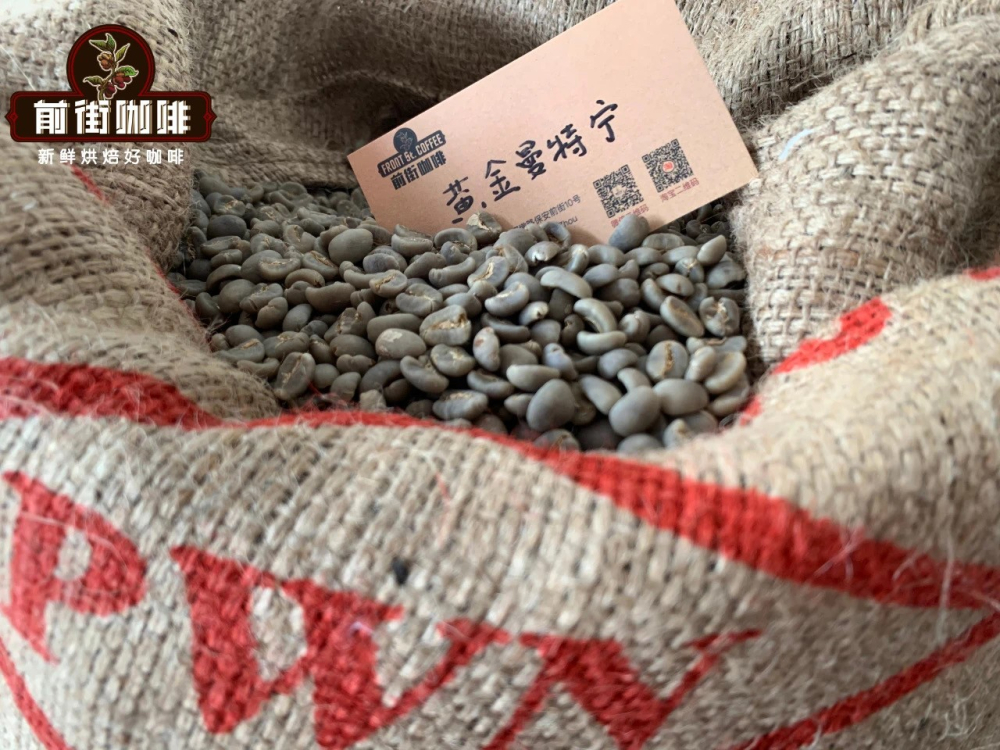
As the exclusive brand of the PWN green bean company, Mandheling coffee with the addition of "Golden" has become a renowned representative of Indonesian premium coffee. In this article, FrontStreet Coffee explains what makes PWN Golden Mandheling so distinctive.
Authentic Golden Mandheling Coffee
FrontStreet Coffee's daily bean menu offers two Indonesian Mandheling options, the most popular being PWN Golden Mandheling, which undergoes multiple rounds of hand-sorting. It carries Mandheling's classic herbal spice aromas and rich, mellow mouthfeel, while the reduced defect rate strips away the off-flavors common in ordinary Indonesian beans, lifting its cleanliness to another level.
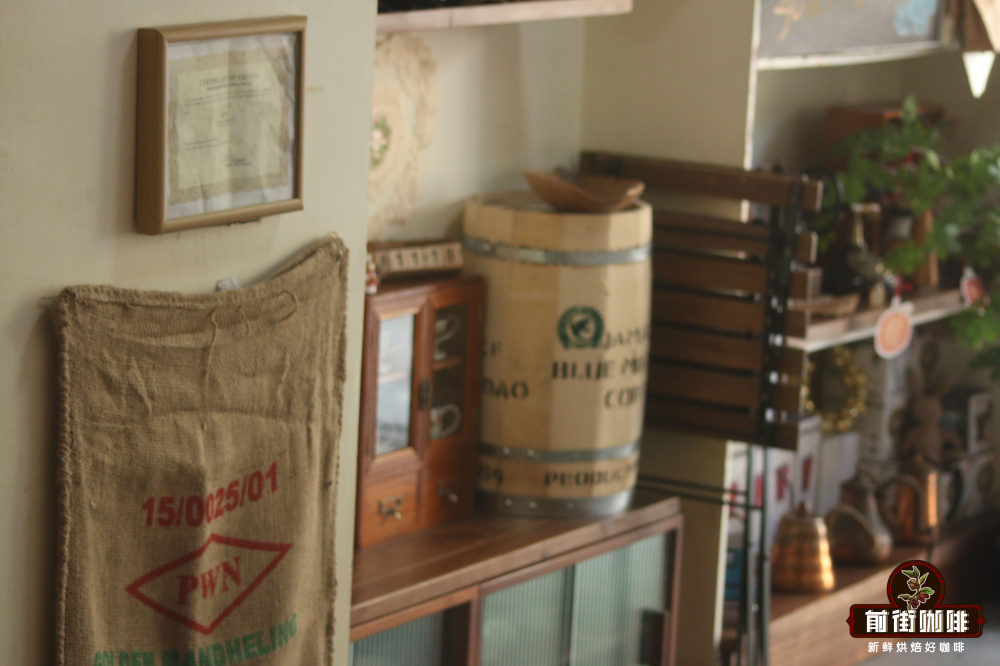
"Golden Mandheling" is the exclusive brand of Pwani Coffee Company (PWN). Many Mandheling products are sold on the market, but since PWN has registered "Golden Mandheling" as its trademark, only Golden Mandheling produced by PWN is truly authentic. You can verify authenticity by the gunny sacks bearing PWN markings and the certificate of origin signed by PWN — both of which FrontStreet Coffee displays in its Dongshankou store.
Look closely at the Golden Mandheling gunny sacks and you'll see "Triple pick" and "GRADE 1" markings, indicating the highest grade of Indonesian green beans. During production, PWN performs three rounds of hand-sorting on top of the already Grade 1 green beans.
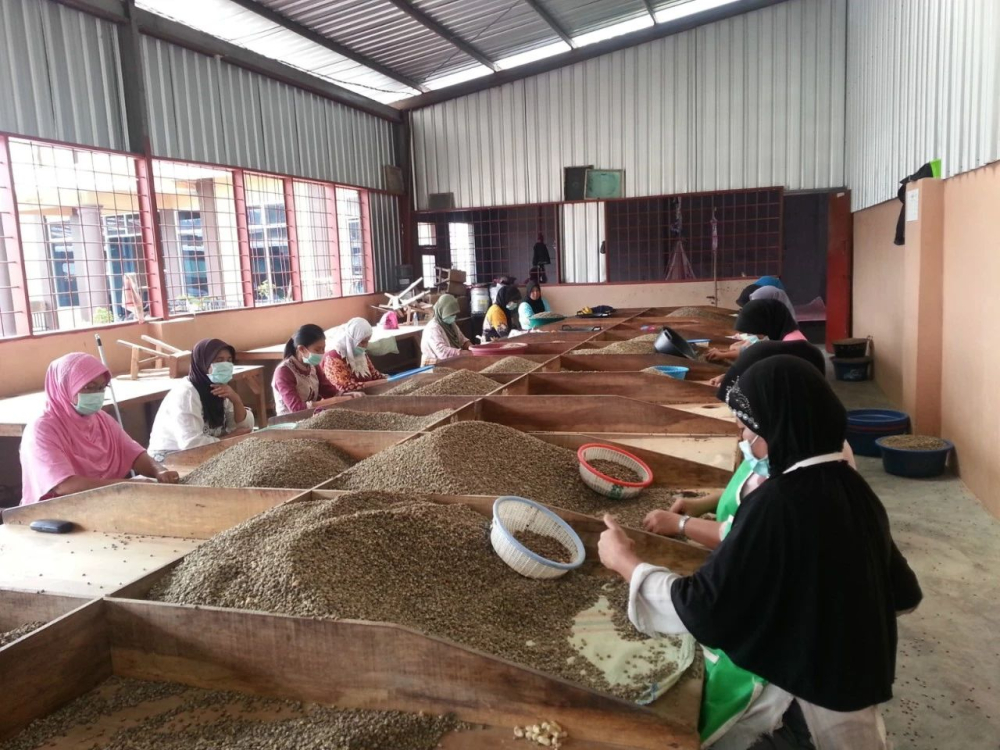
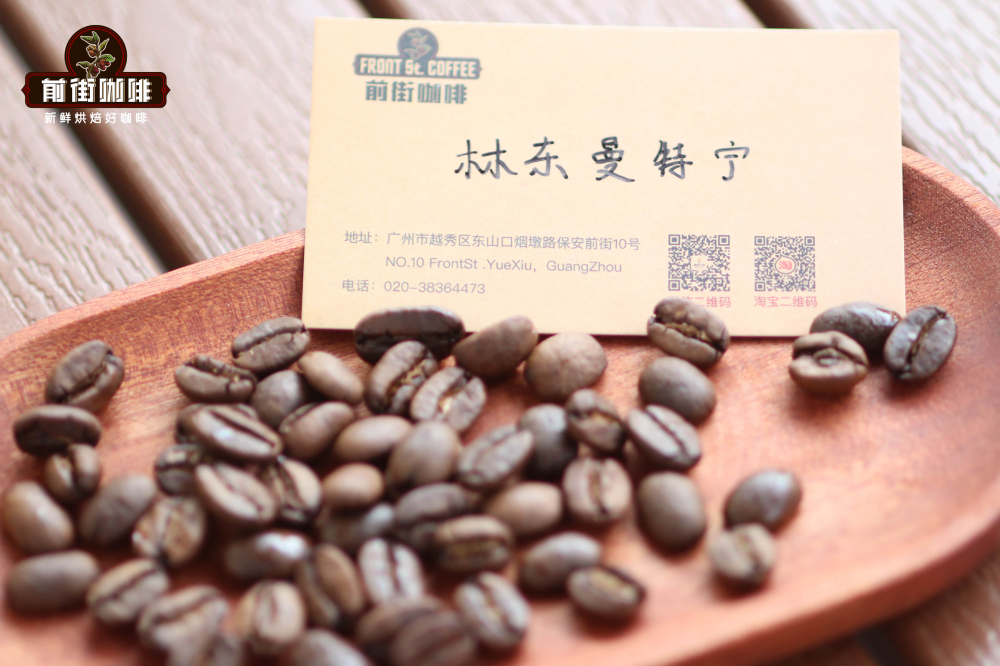
Indonesian green bean grading is based primarily on the number of defective beans, with size as a secondary criterion. Baseline quality requirements include no live insect damage, no moldy or rotten beans, maximum moisture content of 12.5%, and impurities below 0.5%. Beans are sorted into six grades by defect count, with the top grade G1 requiring fewer than 11 defects in a 300g sample. FrontStreet Coffee's Lindong Mandheling from its daily bean series is G1, produced in the Lindong region of Sumatra using the wet-hulled method, and presents classic Mandheling flavors: dark chocolate, nuts, herbal spices, and caramel.
PWN, a company that takes sorting to the extreme, runs multiple strict selections over Grade 1 Mandheling, driving the defect rate down to a minimum, removing earthy off-flavors, and boosting sweetness and cleanliness. Before packaging, the green beans also pass through machines that sort by density and color, ensuring Golden Mandheling green beans are large, uniform, and bright.
Mandheling: Also Known as Sumatran Coffee
Coffee, like any fruit or vegetable, is an agricultural product whose flavor is always tied to variety, climate, altitude, soil, and farming practice — a natural expression of the variety and its terroir. Processing and roasting should preserve and present that authentic character as faithfully as possible. Mandheling's unique flavor is inseparable from the mysterious island of Sumatra.
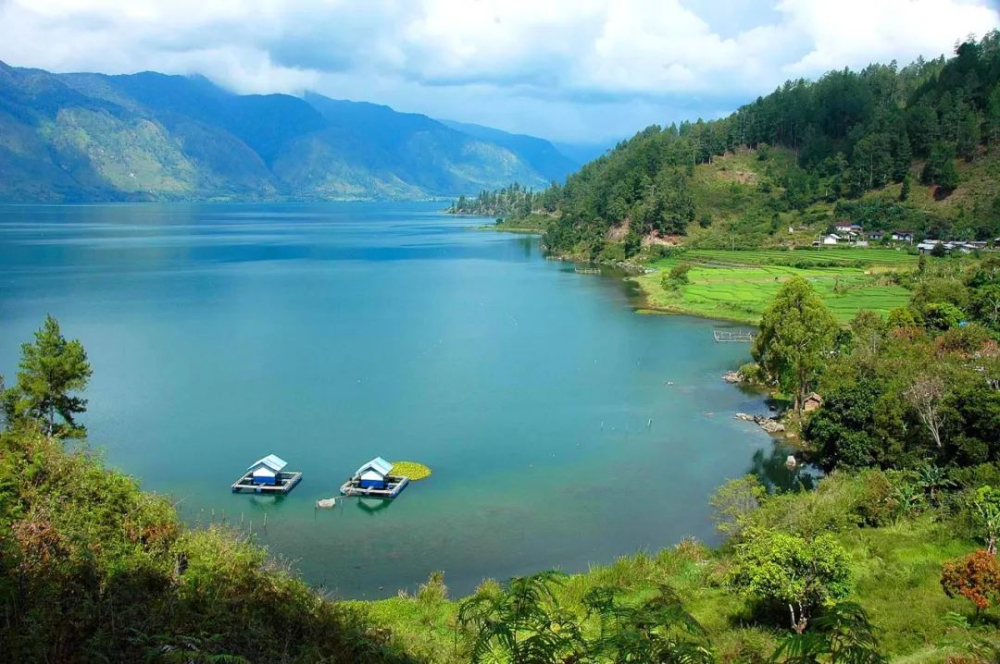
Sumatra is divided into eight provinces, and only the high-altitude provinces of Aceh and North Sumatra grow Arabica on a large scale. As a tropical rainforest region, cloud and rain frequently linger over its mountains, lending Sumatra a mysterious air. Locals plant coffee around two great volcanic lakes: Lake Tawar and Lake Toba. The Gayo Mountains around Lake Tawar offer ideal growing conditions, organic farming is widely practiced, and thanks to a long cultivation history, coffee from this area achieves both higher quality and higher yield. Green bean merchants therefore prize it highly — including the renowned local Pwani Coffee Company (PWN).
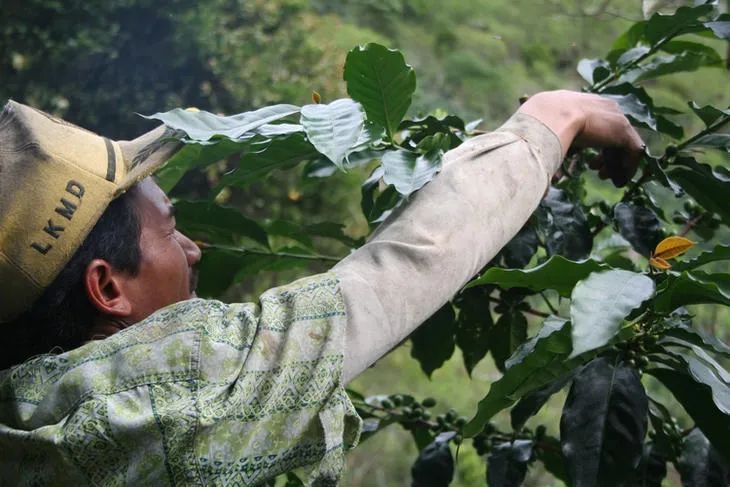
Semi-Washed Method: Wet-Hulled Processing
Anyone who drinks Mandheling regularly knows wet-hulled processing (giling basah). Its processing time is far shorter than washed processing: traditional washing takes 1-3 weeks, while wet-hulling completes the entire process in just a few days. The cherries are first depulped, then given a brief fermentation and partial drying. While the beans are still semi-dry, the parchment is hulled off, exposing the green beans directly to the air, and drying continues until they reach 12% moisture, at which point they are ready for sorting and grading.
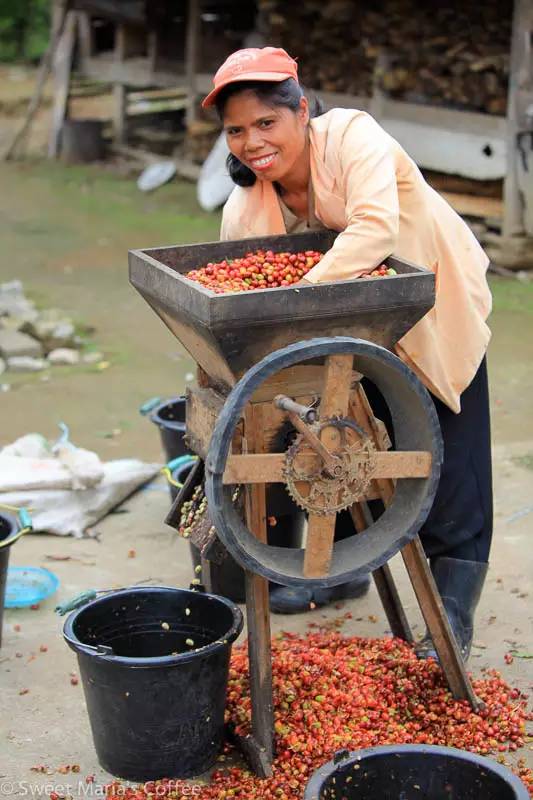
This time-saving method, however, is highly susceptible to moisture and mold in Indonesia's hot, humid climate if not strictly controlled. Besides Sumatra, Sulawesi and Papua New Guinea also use it widely. The reason is simple: Indonesia's tropical rainforest climate keeps air humidity at 70-90%, making the long sun-drying that washing requires impossible, and full washed processing costs far more than ordinary farmers can bear — hence this distinctive semi-washed method was born. Although each step is shortened, the hulled green beans absorb moisture from the humid air, giving Mandheling its additional woody, herbal, and spicy depth.
To present classic Mandheling flavors, FrontStreet Coffee roasts medium-dark, tempering Mandheling's excess acidity while enhancing body and balance. In cupping, FrontStreet Coffee finds Golden Mandheling carries spices, herbal notes, and pine, along with rich bittersweet flavors of caramel, nuts, and pure dark chocolate, finishing with a refreshing melon-and-fruit sweetness. The cup shows layered complexity, rich cleanliness, and high balance.

Flavor Characteristics of Medium-Dark Roasted Golden Mandheling
FrontStreet Coffee's flavor descriptions are based on freshly roasted beans. If beans sit for more than a month, some aroma is lost and cannot be fully recovered in brewing. Knowing how critical freshness is, FrontStreet Coffee ships only beans roasted within the past 5 days, so every customer receives coffee at the start of its full flavor window.
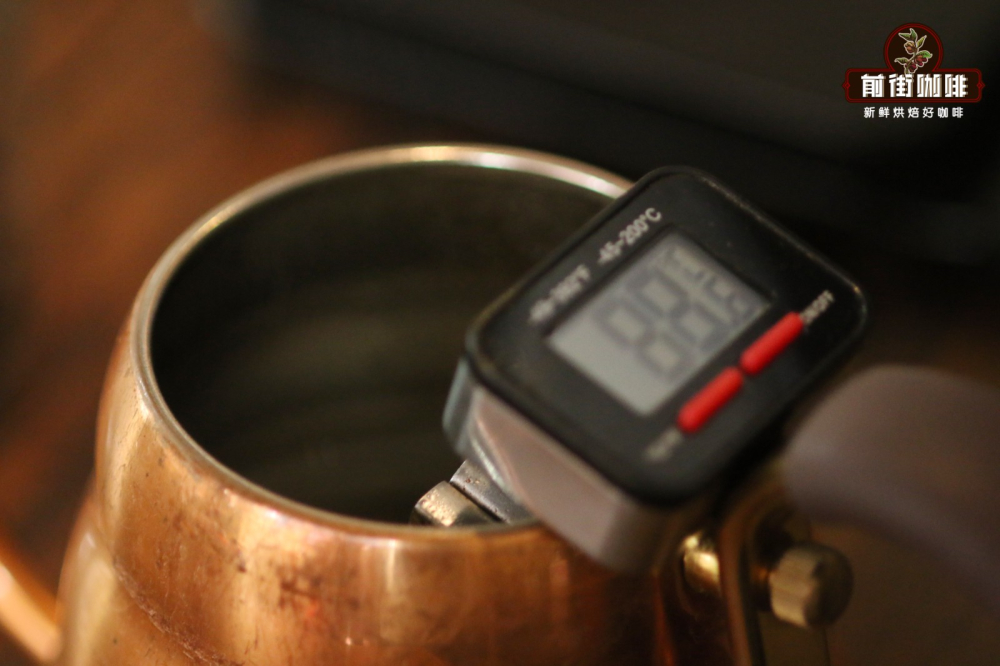
When brewing medium-dark beans, FrontStreet Coffee adjusts its parameters from the light-roast playbook to bring out richer chocolate notes. Caramelization is deeper than in light roasts, making it easier to extract bitter large-molecular compounds. To avoid pulling out excessive off-flavors, the water temperature is lowered slightly: light roasts brew at 91-93°C, while FrontStreet Coffee recommends 87-88°C for medium-dark roasts.
The grind is set slightly coarser as well, paired with a Kono dripper for segmented extraction. The Kono's few ribs sit low near the bottom and the filter paper hugs the walls tightly, restricting airflow and extending contact time between water and grounds — allowing full extraction and a richer mouthfeel.
Brewing Parameters:
Dripper: Kono dripper
Water temperature: 88°C
Coffee dose: 15 grams
Coffee-to-water ratio: 1:15
Grind size: 70-75% pass-through on a #20 standard sieve
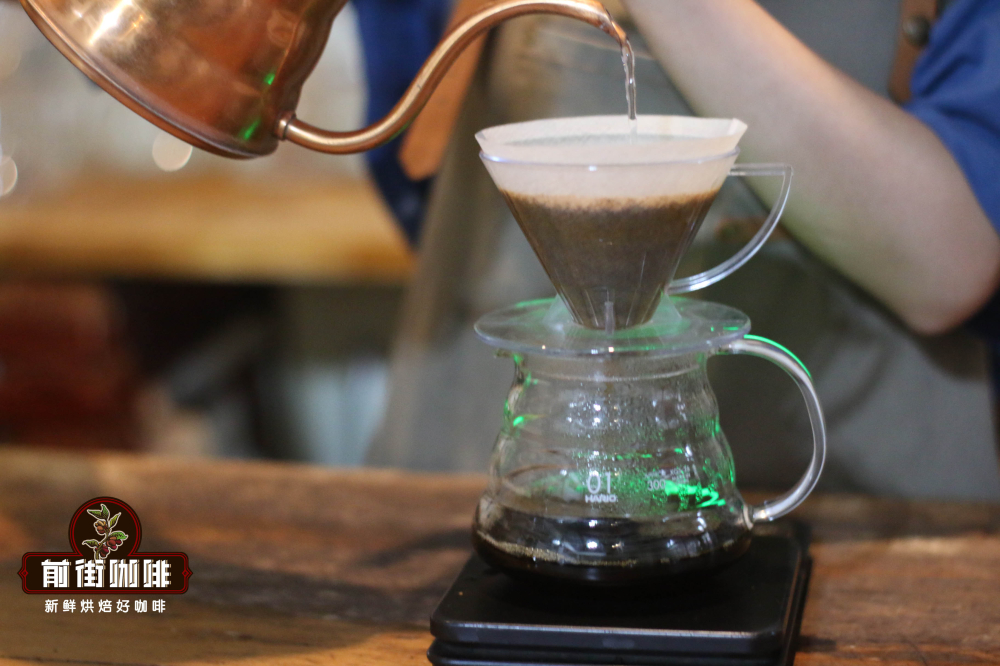
FrontStreet Coffee brews in segments, starting with 30g of water for a 30-second bloom. Continue pouring in small circles to 125g, then pause. Resume pouring to 225g once the water level has dropped to just above the coffee bed, and remove the dripper when the bed is again just exposed (timing starts from the bloom). Total extraction time is 2'00".
FrontStreet Coffee Recommendation
Pour-over is where PWN Golden Mandheling truly shines: brewed at 87-88°C with 15g of coffee, a 1:15 ratio, and a coarse-sugar grind in three pours, it delivers a thick, syrupy body with caramel sweetness, chocolate, and nuts — and almost no acidity. For espresso lovers, the house favorite is FrontStreet Coffee's Classic Blend, which layers medium-dark Mandheling over Brazilian coffee, adding butter, roasted chestnut, and caramel notes plus sandalwood, herbal, and spice aromatics for extra body and crema — perfect for lattes, Dirty drinks, and everything in between.
Important Notice :
FrontStreet Coffee is a long-established specialty coffee roaster in Guangzhou China, selling freshly roasted beans from its own farm in Yunnan as well as dozens of carefully selected single-origin beans from around the world for both pour-over and espresso. The products deliver consistently excellent quality and great value, with shipping within 24 hours. Guangzhou's FrontStreet Coffee shop is recommended by many coffee lovers, and the beans are now available online at the Tmall 。
FrontStreet Coffee has moved to a new address:
FrontStreet Coffee Address: 315,Donghua East Road,GuangZhou
Tel:020 38364473
 Scan and follow the En Gafei WeChat official account. Please indicate that the reprint comes from "En Gafei".