The History and Story of Yunnan Coffee Cultivation and Introduction to the Flavor Characteristics of Yunnan Small Bean Coffee

For more premium coffee knowledge, follow the WeChat official account: FrontStreet Coffee
Today you can find Yunnan coffee in almost every coffee shop. And when friends ask each other where to find good coffee, they no longer recommend only imported beans — increasingly they point to domestic Yunnan coffee and Vietnamese coffee. How much do you really know about China's largest coffee-growing region?
You may know Yunnan coffee now, but that doesn't mean cultivation there is new. In fact, Yunnan has grown coffee for a very long time, and its region is considered a golden zone for coffee. Today, FrontStreet Coffee shares the history of Yunnan coffee cultivation.

The Origins of Yunnan Coffee
Following the legendary story of the Ethiopian goatherd Kaldi discovering coffee, coffee came to light — which is to say it originated in the tropics of Africa and, since the 15th century, gradually spread across the world. More than 70 countries and regions now grow coffee. China is known as the land of tea, and coffee has only become popular there in recent times. The history of coffee cultivation in Yunnan dates to the last century: in 1904, the French missionary Alfred Tienne introduced and planted the first coffee tree in Yunnan, beginning the region's coffee-growing history.
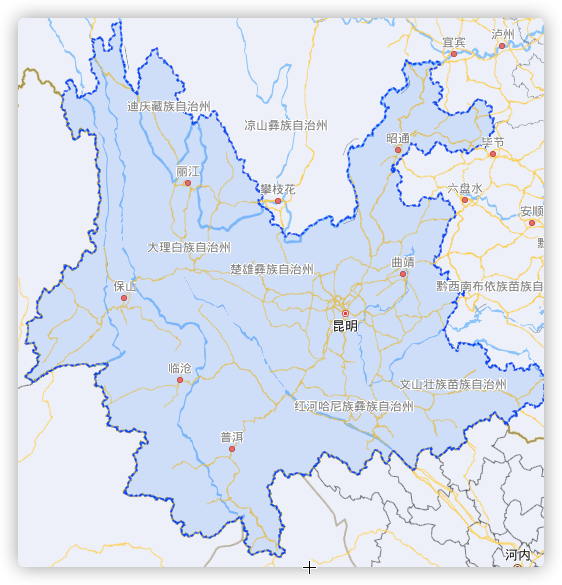
In 1904, Father Tienne successfully cultivated coffee in a place called Zhukula in Yunnan. To this day, 24 coffee trees over 90 years old still grow in Zhukula Township. Zhukula is a mysterious, legendary, and beautiful natural village under the Zhukula Village Committee of Pingchuan Town, Binchuan County, Dali Prefecture, sitting by the Yupao River, a tributary of the Jinsha River. It is where three regions meet: Dali Prefecture, Chuxiong Prefecture, and Lijiang City.
More than a century ago, Zhukula was called "Ruo Ke Lai" (in the Yi language), meaning "winding mountain road." In 1904, with the arrival of Father Tienne, the essence of the Yi language combined with French romanticism to give rise to the name Zhukula, which later generations translated to mean "paradise on earth."
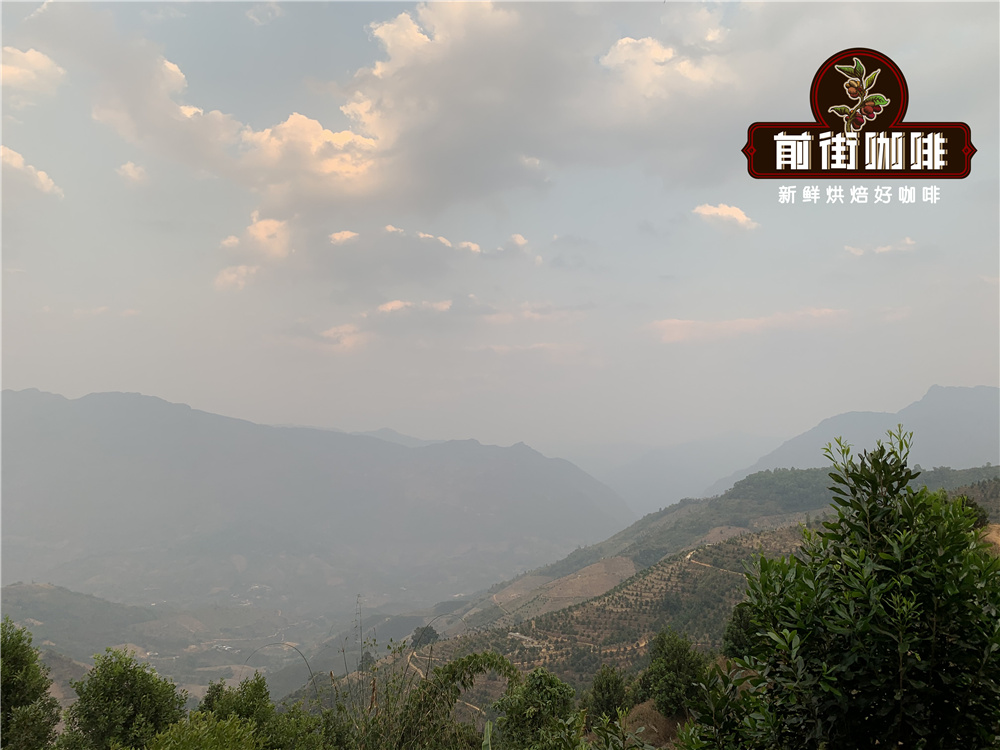
Reports say that in 1904, Father Tienne, for his own coffee consumption, propagated the first coffee tree from coffee berries outside the church and then grew more trees around it. From that time on, Zhukula Village began cultivating coffee, and the village has been surrounded by coffee trees ever since. The two oldest elders in the village, Qi Guanghui and Li Fusheng, are both in their eighties this year; together they have witnessed the formation of China's oldest coffee forest.
Zhukula may be poor and backward, but it is inseparably tied to coffee. Besides everyone growing coffee, the villagers keep a tradition of drinking it — self-grown, self-ground, self-brewed. Today, regardless of gender or age, everyone in the village drinks coffee. The villagers feel a special affection for the coffee trees: even when the beans bring no economic benefit, they are reluctant to cut down a single tree.

Zhukula Village welcomes guests with local coffee and walnuts. The coffee brewed in earthen jars may not taste the best, but this primitive method reflects the villagers' love of coffee and serves as their highest ceremonial welcome. That unique, rich, pristine coffee culture makes everyone who learns of Zhukula marvel — it truly deserves the name "China's First Coffee Village." The Zhukula coffee forest is arabica, specifically the Yunnan small-bean Bourbon and Typica varieties.
Yunnan's Coffee Growing Environment
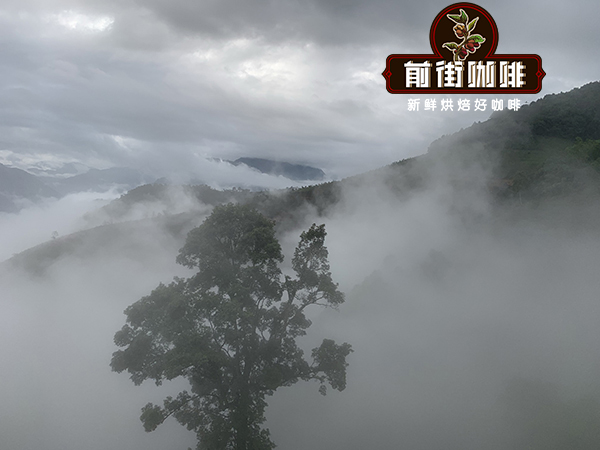
Yunnan's geography is excellent, which is why Pu'er tea is so famous. But today Yunnan's most famous product is no longer tea — it's coffee. Coffee is an agricultural crop with very high demands on its growing environment. Yunnan is mountainous, high in the northwest and low in the southeast; in the west, the drop from peaks to river valleys can reach 3,000 meters. The province's natural resources are extraordinarily rich, making it the most plant-diverse region in China.
The western and southern parts of Yunnan lie between 15°N latitude and the Tropic of Cancer. Most areas sit at 1,000-2,000 meters with mountainous, sloped terrain, making this a golden zone for coffee. FrontStreet Coffee believes it is precisely the fertile soil, ample sunlight, abundant rainfall, and large day-night temperature swings that create the flavor profile of Yunnan small-bean coffee — rich without being bitter, fragrant without being overpowering, with a slight fruity note. Its taste and texture resemble Colombian coffee, though FrontStreet Coffee would add that Yunnan small-bean coffee now tastes somewhat like Mandheling too. Could it be because they are both Asian beans?

Yunnan Coffee Growing Regions
Yunnan's coffee-growing areas are mainly distributed across Lincang, Baoshan, Simao, Xishuangbanna, Dehong, and other regions. Baoshan is the most important cultivation area for Yunnan small-bean coffee. Its average temperature is 21.5°C, with highs reaching 40.4°C, and it is basically frost-free year-round, making it widely recognized as the best small-bean production area. FrontStreet Coffee's daily-bean Yunnan small-bean coffee comes from the Baoshan region.

Dehong
Coffee in Dehong Prefecture is grown entirely above 1,000 meters, with 30,000 acres planted on mountains above 1,600 meters. Dehong also relies mainly on organic fertilizers and organic pesticides, producing higher-quality coffee and making it one of the world's rare high-quality coffee regions — earning it the lovely title "Hometown of Chinese Coffee."
Baoshan
Baoshan is the most important cultivation area for Yunnan small-bean coffee. Growing there began in the mid-1950s, when the first coffee seedling was introduced from Southeast Asia by the late patriotic overseas Chinese Mr. Liang Jinshan. In recent years, as international trade has expanded, the small-bean coffee from Lujiang Dam has become renowned. European, American, and Arab countries — especially merchants from Britain, America, Egypt, Hong Kong, and Macau — regard it as premium coffee, and the product is in short supply. In December 2010, after review by China's General Administration of Quality Supervision, Inspection and Quarantine, national geographical indication product protection was granted to "Baoshan small-bean coffee."
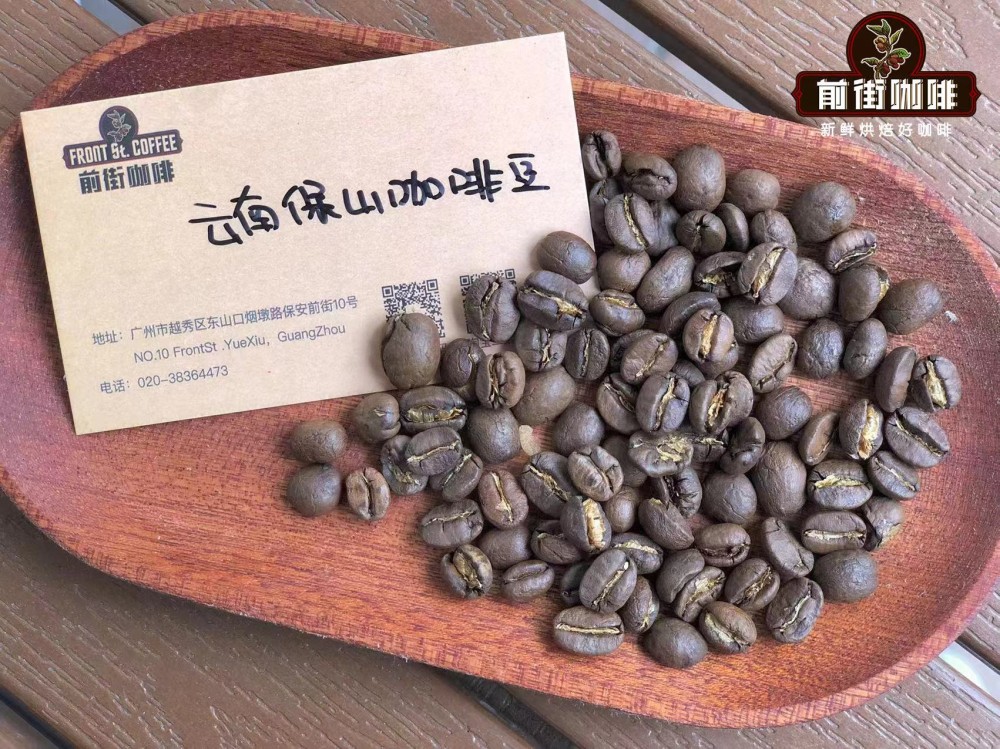
"Rich without being bitter, fragrant without being strong, with a mellow aroma; rich in oil, with strong fruit acidity and a persistent aftertaste — this is truly premium coffee among coffees." That is how domestic and international coffee experts described Baoshan small-bean coffee in cupping assessments. Baoshan's Lujiang Dam has a unique dry-hot valley climate within Yunnan, with an average annual temperature of 21.3°C and frost only on the mountains, making it well suited to arabica. Most of what is planted today, though, is Catimor. FrontStreet Coffee's daily-bean Yunnan small-bean coffee comes from the Baoshan region.
Lincang
Lincang lies in the southwestern part of Yunnan Province, with the Tropic of Cancer crossing its south. It borders Pu'er to the east, Dali to the north, Baoshan to the west, and shares a border with Myanmar to the southwest. Named for its proximity to the Lancang River, it is a brilliant pearl on China's southwestern frontier. Lincang's average annual temperature ranges between 16.8°C and 17.2°C, with distinct wet and dry seasons and ample sunlight. Its unique location and climate have drawn many coffee companies, which have successively set up 200-acre and 100-acre high-quality coffee seedling bases in Mengding Town of Gengma Autonomous County and at Xingfu Farm in Lincang City, carrying out cultivation in Gengma, Zhenkang, Yun County, Cangyuan, and Yongde.

FrontStreet Coffee has established its own estate in the Lincang region of Yunnan. Then, in 2021, FrontStreet Coffee produced its first self-produced bean — FrontStreet Coffee 2013 Natural Process Typica Coffee.
Pu'er
The Pu'er tea region has a 150-year history of coffee cultivation. In the early 1990s, Pu'er City began developing coffee as an advantageous backbone industry for adjusting its industrial structure and helping farmers raise their incomes and prosper.
Yunnan Coffee Bean Varieties
Yunnan small-bean coffee started with arabica varieties, but as leaf rust spread through coffee-producing countries worldwide, international organizations helped producing countries promote Catimor to resist the disease and raise capacity. Catimor is a combination of arabica and robusta: robusta offers good leaf rust resistance, rich oil content, high yield, and easy cultivation. After hybridizing with arabica Typica, Catimor acquired 25% robusta genes, improving its leaf rust resistance while keeping rich oil content and gaining some of the original Typica's full flavor. As a result, almost all Yunnan small-bean coffee on the market today is Catimor, with very little Typica grown.

Typica Coffee Beans: the most classic premium arabica variety, from which many commercial improved varieties descend. Typica has excellent flavor characteristics and is recognized as a specialty coffee variety, but it yields extremely little and is susceptible to rust disease, requiring more hands-on management. Typica originated in Ethiopia and southeastern Sudan and is the most widely cultivated variety in the Western Hemisphere. The plants are relatively robust but not tolerant of strong light, and yields are higher in Hawaii. Typica's top leaves are bronze-colored, giving it the name "red-top coffee."
FrontStreet Coffee's estate grows Typica — specifically FrontStreet Coffee 2013 Natural Process Typica Coffee.

Bourbon Coffee Beans: this variety descends from Typica and was expanded after the French planted it in 1708 on Bourbon Island (now Réunion). Bourbon also has a wonderful aroma and rich flavor, with higher yield and vigor than Typica, suiting cultivation at 1,200-2,000 meters, but it resists disease and pests poorly and is sensitive to strong winds and heavy rain. Among small-bean coffees, Bourbon is the second most important variety after Typica. Its main branches initially grow upward at a 45-degree angle to the trunk, drooping as the fruit load increases. The lateral branch nodes are denser, bearing more fruit and higher yields, but the berries are smaller and ripen more slowly.

Catimor Coffee Beans: Catimor is not pure arabica; it is a hybrid of Timor (a robusta species) and Caturra (a Bourbon variety), so it carries 25% robusta lineage — and that lineage also determines its flavor shortcomings: insufficient aroma, an overall bitter taste, a tendency toward astringency, and relatively pungent musty notes. FrontStreet Coffee's daily-bean Yunnan small-bean coffee is of the Catimor variety.
Yunnan Coffee Bean Processing Methods
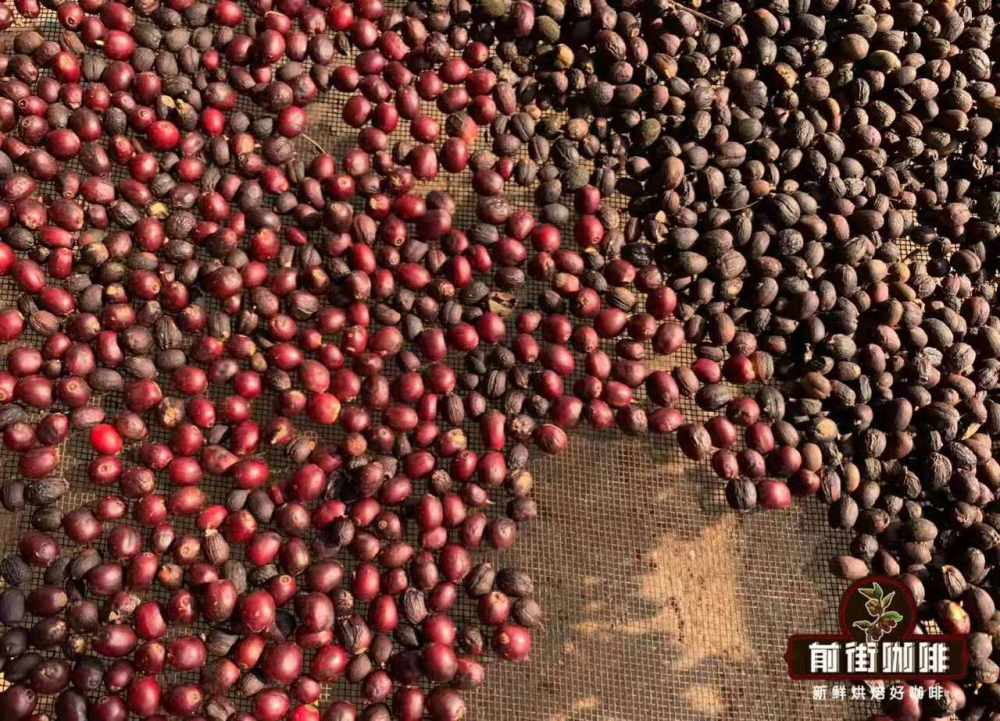
Yunnan beans also use washed processing, though natural processing exists as well. FrontStreet Coffee believes washed processing better highlights the local flavor and best represents coffee's original taste, so almost all of FrontStreet Coffee's daily beans are washed. For Yunnan specifically, FrontStreet Coffee offers natural Yunnan Catimor coffee, FrontStreet Coffee 2013 Natural Process Typica Coffee, and washed Yunnan small-bean coffee.
FrontStreet Coffee Brewing Recommendations:
Some people ask how to brew Yunnan coffee to bring out its flavors. For any brewing, FrontStreet Coffee recommends freshly roasted beans, which lets you experience the coffee's rich flavor to the fullest. All beans shipped by FrontStreet Coffee are roasted within 5 days, because the company understands how much freshness shapes flavor. Its roasting philosophy — "Freshly Roasted Good Coffee" — ensures every customer receives the freshest coffee on arrival. The degassing period is about 4-7 days, so by the time it arrives it's at peak flavor.

Some customers need FrontStreet Coffee to grind the beans for them, which is fine too. But FrontStreet Coffee reminds you that once beans are ground in advance, they should be brewed promptly. Ground coffee needs no further degassing, because during shipping the pressure of carbon dioxide in the package helps round out the flavor, so you can brew a cup the moment you receive it. Since ground coffee oxidizes quickly in air, its flavor fades relatively fast and the cup won't taste as good. FrontStreet Coffee therefore recommends buying whole beans and grinding fresh before brewing to appreciate the coffee's flavor better.
FrontStreet Coffee's Yunnan Small-Bean Coffee Brewing Parameters:
Filter: Kono dripper
Water Temperature: 88°C
Dose: 15 grams
Ratio: 1:15
Grind Size: Fine-sugar granularity (Chinese standard #20 sieve, 75% pass-through)
Using segmented extraction, bloom with 2 times the coffee weight in water, i.e., 30g of water for 30 seconds. From 31 seconds, continue with a small circular stream to 125g, then keep pouring to 225g and stop. Wait until the water in the dripper finishes dripping, then remove the dripper. Timing from the start of pouring, extraction takes 2'00". Then pick up the whole pot, shake it evenly, and pour into cups for tasting.
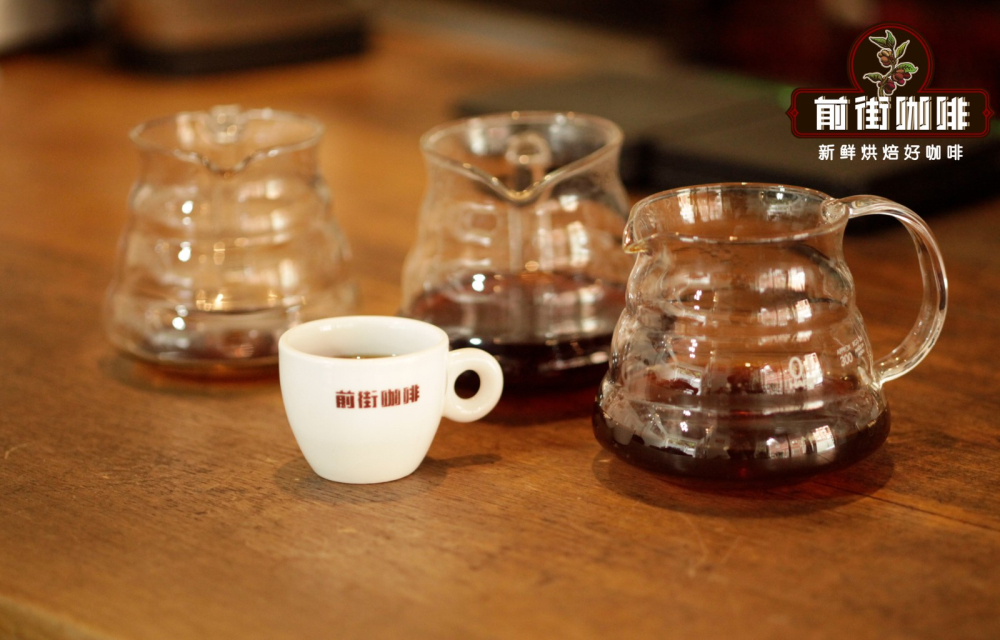
Washed Yunnan Small-Bean Coffee Flavor: nutty aromas, with herbal, chocolate, and caramel notes on entry, and a finish of light fruit acidity.
Yunnan Natural Process Typica Coffee Flavor: nutty notes with a more solid mouthfeel than washed Yunnan coffee, slightly lower acidity than washed Typica Yunnan, but a touch more sweetness and better balance. Berry-like acidity mixed with brown sugar and a slight tea sensation.
Natural Process Catimor Brewing Flavor: entry of red berry juice with nut, cocoa, and licorice aromas, caramel-like sweetness in the aftertaste, and a rich, solid, smooth mouthfeel.
FrontStreet Coffee Recommendation
To discover Yunnan, FrontStreet's Yunnan small-bean coffee is the natural first step: from the Baoshan region, washed and medium roasted, it shows soft nutty and chocolate sweetness with a light plum acidity, and its friendly price makes it many drinkers' introduction to Yunnan coffee. If you want a clearer, more layered expression of the region, FrontStreet's 2013 Natural Process Typica is the step up — beans grown on FrontStreet's own estate, processed by the traditional natural method, and medium roasted for balance and brighter sweet-sour notes, giving it dark-berry character with caramel sweetness, chocolate, a hint of dried apricot, and a black-tea finish.
For a Yunnan-accented espresso, FrontStreet's Dark Cocoa Blend combines Yunnan small-bean with Brazil Cerrado: the Brazil supplies mixed-nut aroma and a balanced body, while the Yunnan contributes chocolate and citrus. The result is a sweet-sour-bitter-balanced Americano with nutty brown-sugar sweetness and a latte with the smooth texture of almond and cream — especially beginner-friendly.
Important Notice :
FrontStreet Coffee is a long-established specialty coffee roaster in Guangzhou China, selling freshly roasted beans from its own farm in Yunnan as well as dozens of carefully selected single-origin beans from around the world for both pour-over and espresso. The products deliver consistently excellent quality and great value, with shipping within 24 hours. Guangzhou's FrontStreet Coffee shop is recommended by many coffee lovers, and the beans are now available online at the Tmall 。
FrontStreet Coffee has moved to a new address:
FrontStreet Coffee Address: 315,Donghua East Road,GuangZhou
Tel:020 38364473
 Scan and follow the En Gafei WeChat official account. Please indicate that the reprint comes from "En Gafei".