Latest Introduction to Drip Coffee: How to Make and Drink It? The Difference Between Drip and Cold Brew Coffee

Can coffee only be brewed with hot water? NONONO! Cold water can make delicious coffee too. Since the 1960s, a method using special, chemistry-lab-like ice drip coffee makers has been popular in Japan. By controlling the speed at which ice water drips through the coffee grounds, it extracts rich, full-bodied coffee without any unpleasant bitterness.
Because cold water lacks thermal molecular motion, extraction takes a relatively long time — typically 6-8 hours. Throughout, you need to keep an eye on how fast the ice melts and replenish it in time so the dripping water stays cold. And since each batch yields a limited quantity, ice drip coffee costs more than ordinary coffee.
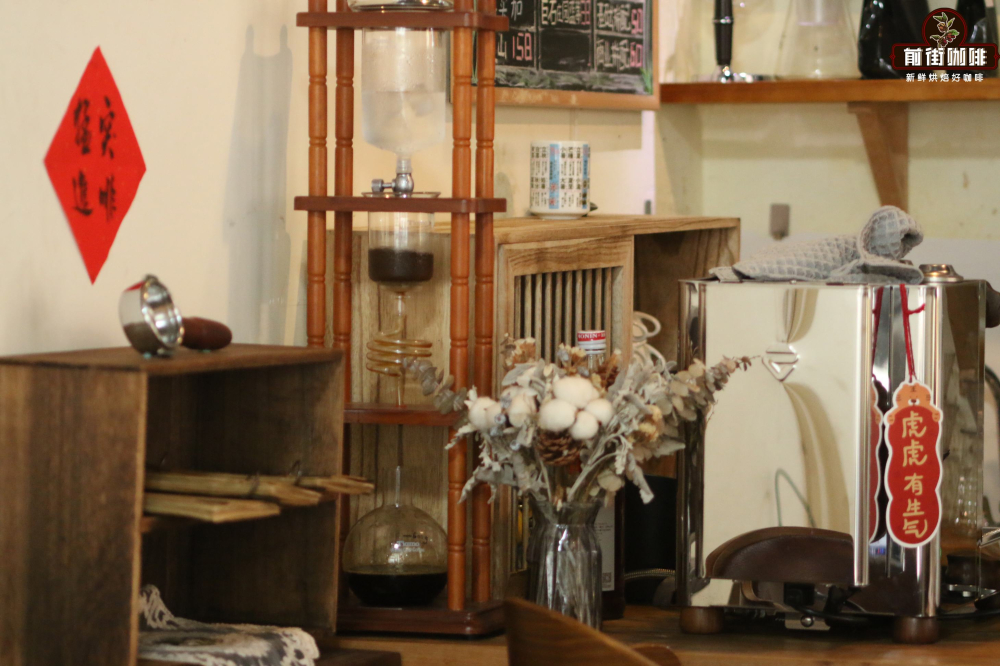
Ice drip equipment, however, is expensive. In an era when coffee gear was not yet widely owned, making ice drip at home was simply too costly for ordinary households. So people began steeping grounds directly in cold water and leaving the mixture in the refrigerator for about 12 hours. Coffee extracted this way may not be quite as clean in texture as ice drip (fine grounds cannot be fully filtered out), but the cup is still very full and balanced, without unpleasant bitterness.

The Difference Between Ice Drip and Cold Brew
The most fundamental difference, then, is that ice drip coffee drip-filters the liquid with ice water, while cold brew steeps it. In taste, the former comes out rich and refreshing, the latter full and balanced.
What's the Difference Between Cold Water and Hot Water Extraction?
Because cold water lacks thermal molecular motion, the large molecules (bitter substances) in coffee are not easily released — only sour and sweet flavors come through. The resulting coffee tastes cleaner, though its aroma is slightly weaker. Hot water extracts far more of coffee's aromatic compounds, and the rising steam carries the fragrance upward, so you smell more of the coffee.
How to Make Ice Drip and Cold Brew Coffee?
For low-temperature extraction, FrontStreet Coffee recommends beans with obvious sweet-and-sour character or prominent flavors — such as the Ethiopia Yirgacheffe natural processed Red Cherry beans currently sold by FrontStreet Coffee, with rich berry juice notes, citrus-like acidity, a soft fruit-fermentation aroma, and a black-tea aftertaste.
If you dislike pronounced sourness, try the Costa Rica Musician Series Mozart raisin beans, which offer rich raisin aroma, gentle sweet orange acidity, a slight fruit-fermentation note, and caramel-like sweetness.
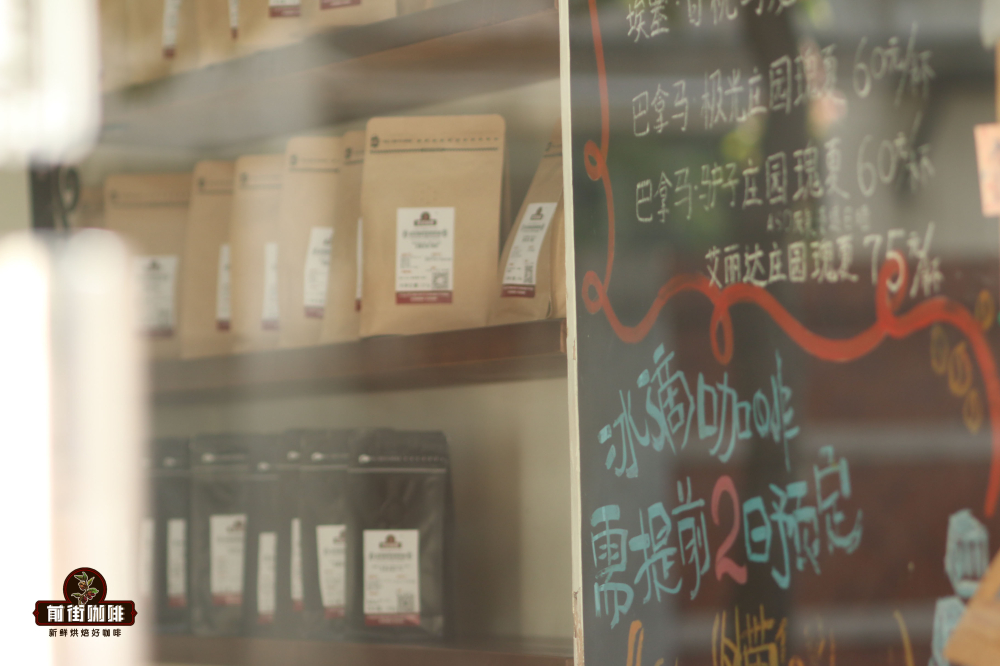
In this article, FrontStreet Coffee uses freshly roasted Mozart beans to make both ice drip and cold brew. Only freshly roasted beans can yield coffee with rich flavors, so every bag sold by FrontStreet Coffee ships within 5 days of roasting, and the optimal tasting window for coffee beans is 4-35 days after roasting.
Ice Drip Coffee Method:
For grind size, FrontStreet Coffee generally uses the same grind as pour-over. Because cold water reduces extraction efficiency, we grind slightly finer to compensate. For this bean we chose an 85% passing rate through China's No. 20 standard sieve — on the shop's grinder scale, a 9 setting on an EK-43S.

First work out the extraction parameters: a coffee-to-water ratio of 1:10, drawing 600g of coffee liquid from 60g of coffee. The ice-water mixture is 1:1, and the valve flow is set to 7 drops per 10 seconds. Dripping usually completes within 6-8 hours. (Ice drip ratios typically run between 1:10 and 1:12 — adjust to your own taste.)
At the bottom of the middle chamber, seat a circular filter paper with a little water. Grind the beans, pour them in, and level the bed for even extraction. Lay a second circular filter paper on top of the coffee bed to keep falling drops from scattering the grounds. Before dripping begins, moisten the bed with a little cold water — this shortens extraction time and avoids uneven extraction at the start.

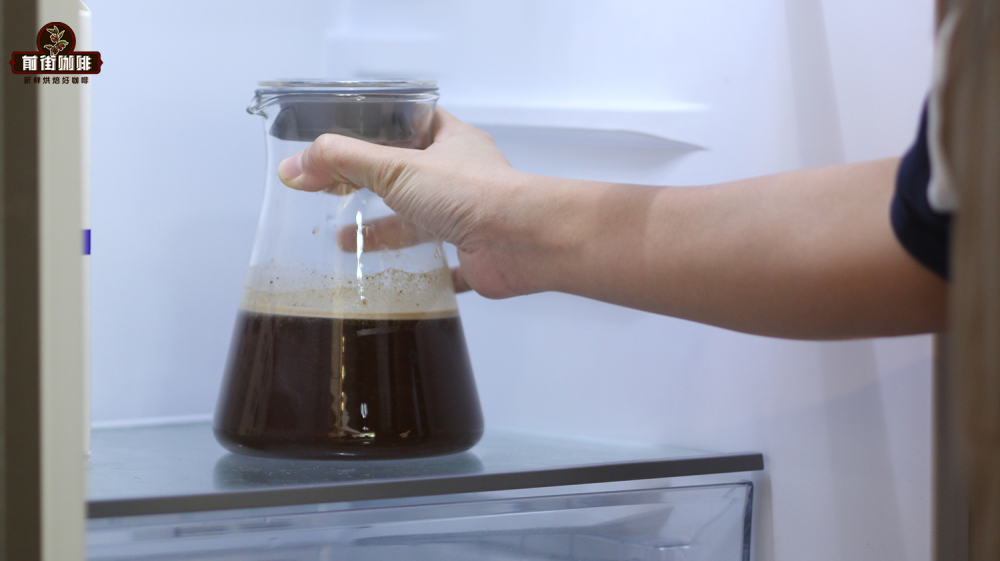
Set the grounds cup on the stand and fill the reservoir with the ice-water mixture, usually half ice and half water. Adjust the valve to 7 drops per 10 seconds, making sure the drips align with the filter position above the coffee liquid. When dripping finishes, pour the liquid from the bottom vessel into a sealable container — FrontStreet Coffee uses glass bottles — and refrigerate it to mature for more than 12 hours. It is usually ready to drink the next day.
Cold Brew Coffee Method:
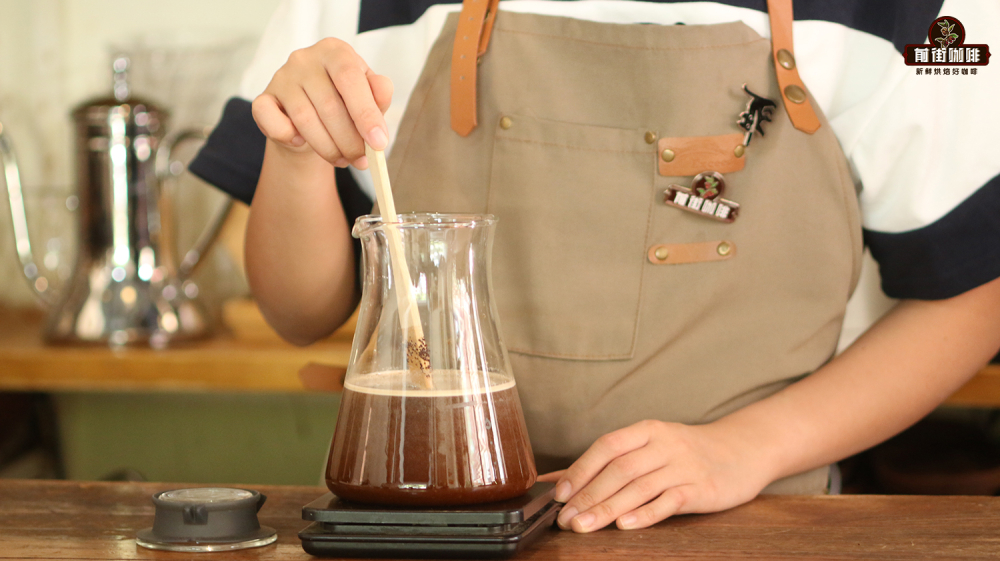
The grind for cold brew is the same as for ice drip. Prepare a clean, sealed container and use a 1:11 coffee-to-water ratio — 1 gram of grounds to 11g of cold water. Stir so the grounds are fully wetted, seal, and place the container in the refrigerator. After 12-16 hours of cold extraction, filter out the grounds before drinking.
How Many Days Can Cold Brew Stored in the Refrigerator Last?
FrontStreet Coffee has noticed that many convenience-seeking friends brew a big pot at once and keep it in the refrigerator, pouring a glass whenever they like. That makes it easy to lose track of how many days the coffee has been sitting there — and whether it has spoiled.

First, the fermentation of low-temperature extraction never stops; refrigeration only slows it. As time passes, the dissolved compounds keep changing, eventually turning the coffee bad. And every time the bottle cap comes off, the liquid meets air — dissipating aroma at best, and possibly introducing bacteria into the container at worst.
To understand how storage time affects flavor, FrontStreet Coffee tracked two pots of cold brew, tasting each when freshly made and after 1-2, 3-4, 5-6, and 7-8 days of refrigeration. The coffee tasted best within the 1-4 day window. So, weighing flavor against food safety, FrontStreet Coffee recommends finishing any low-temperature extraction — ice drip or cold brew — within 5 days, counting from the day it was made.

If you followed FrontStreet Coffee's earlier trick of using warm water to speed up cold brew, the tasting window shrinks further. Higher water temperature releases flavor compounds faster, and compared with room-temperature cold brew, the warm-water version breeds microorganisms more easily in the refrigerator. FrontStreet Coffee therefore recommends finishing it within 2 days to avoid stomach trouble.
FrontStreet Coffee Recommendation
Cold brewing amplifies floral and fruity tones while trimming woody and roast notes, so lightly-to-medium roasted beans show best — and FrontStreet Coffee has a dedicated lineup for it. If you love florals, the natural Ethiopia Huakui is the pick: dried with its fruit pulp and skin, the beans absorb abundant sweet compounds, and its cold brew shows magnolia, cream strawberry, dried mango, guava, and black tea. For a juice-like cup, FrontStreet Kenya Little Tomato — SL28 and SL34 varieties from Thika, processed with the local K72 double washed fermentation and roasted medium-light — pours out cherry tomato, pear, black plum, and dark plum sweetness at full saturation, low in bitterness and wonderfully refreshing over ice.
Because cold brew consumes more grounds than pour-over, FrontStreet also suggests balancing flavor and budget: many people love the passion fruit, grape, apricot, and dried-fruit sweetness of FrontStreet's Colombia Sidra, but at 1:2 blended with FrontStreet's Costa Rica Tarrazu you keep the floral-fruit character and a clean citrus acidity while stretching the value. And for a fruit-wine finish, the FrontStreet Strawberry Sugar blend — Panama Geisha combined with Costa Rica honey process, bringing rose and orange over grape, blueberry, and strawberry-gummy sweetness — turns into something almost like fruit wine when fermented and settled in the fridge.
Important Notice :
FrontStreet Coffee is a long-established specialty coffee roaster in Guangzhou China, selling freshly roasted beans from its own farm in Yunnan as well as dozens of carefully selected single-origin beans from around the world for both pour-over and espresso. The products deliver consistently excellent quality and great value, with shipping within 24 hours. Guangzhou's FrontStreet Coffee shop is recommended by many coffee lovers, and the beans are now available online at the Tmall 。
FrontStreet Coffee has moved to a new address:
FrontStreet Coffee Address: 315,Donghua East Road,GuangZhou
Tel:020 38364473
 Scan and follow the En Gafei WeChat official account. Please indicate that the reprint comes from "En Gafei".