Detailed Illustrated Guide to Brewing Drip Bag Coffee - Essential Knowledge and Brewing Tips
For black coffee lovers, getting a proper pour-over on a business trip, on vacation, or at the office can be a real hassle. That is where drip bag coffee comes in. And as people's coffee habits have moved beyond simply sipping in cafés, more and more of us want to enjoy the ritual of brewing at home, too.
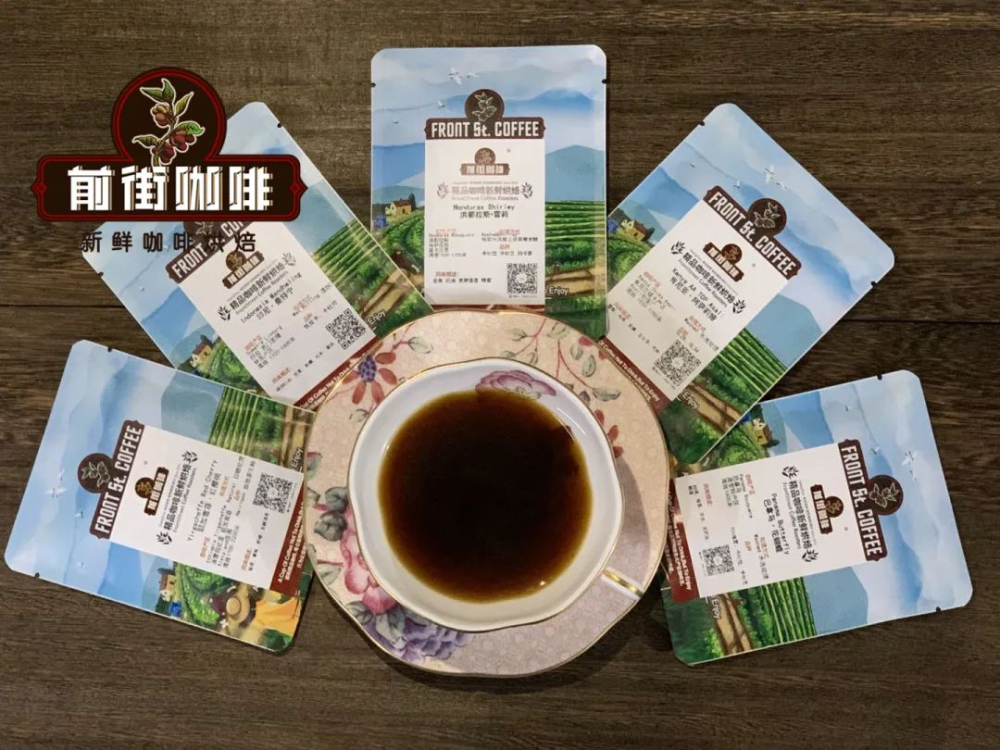
Drip bag coffee looks simple, but plenty of people don't know how to brew it properly. Some treat it like a tea bag, steeping the pouch directly in the cup — and then wonder why the coffee tastes so weak. FrontStreet Coffee's drip bags are especially popular, particularly our Ethiopia Yirgacheffe — it seems lots of people love coffees with floral and fruity aromatics!
Why is it called "Drip Bag"?
The earliest drip bag coffee was invented in 1990 by Japan's Yamanaka Industrial Co., Ltd., with a design concept borrowed from string-hung tea bags. The idea was to simulate pour-over coffee by pre-grinding beans and sealing them in non-woven filter bags; the paper tabs on either side let the pouch hang suspended in the middle of the cup. Because these tabs hook onto the rim like little ears, English speakers call it "hanging-ear" or drip bag coffee. The Japanese patented the format in 2002 and began promoting it widely, and its convenience and cleanliness quickly made it a market staple.
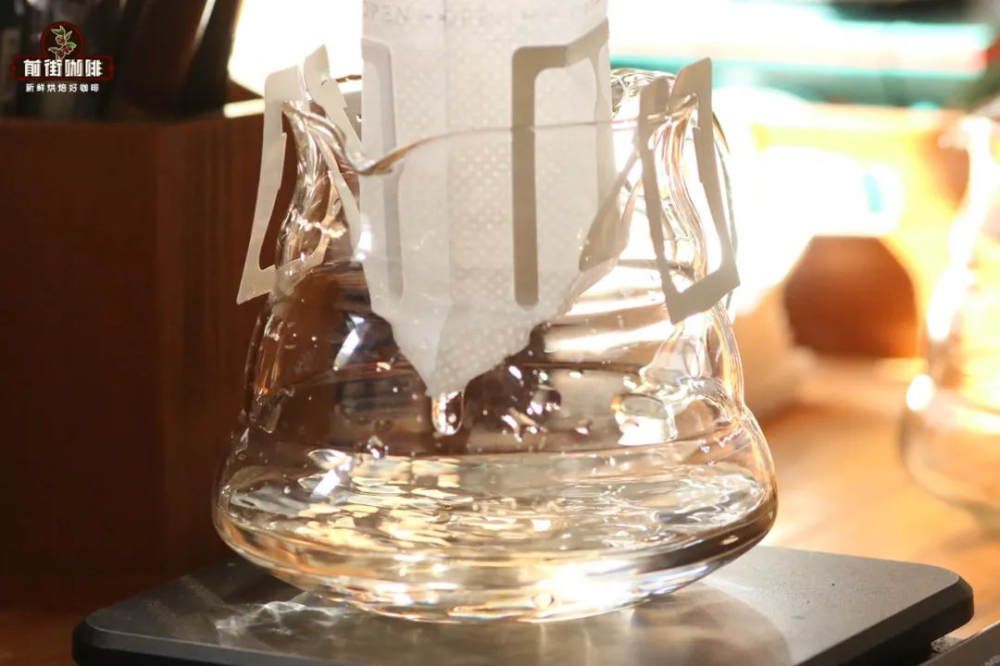
Drip bag coffee is pre-ground coffee sealed in a filter pouch. FrontStreet Coffee grinds fresh beans and seals each bag immediately.
Like pour-over, drip bags rely on filter extraction, but they are far quicker and easier — hence the nickname "walking coffee." Pour-over demands a kettle, thermometer, dripper and filter paper, a grinder, and a timing scale at minimum. With pre-ground drip bags, all of that disappears: the biodegradable non-woven fabric lets water extract the coffee's soluble compounds and pass straight through, no dripper or paper needed.
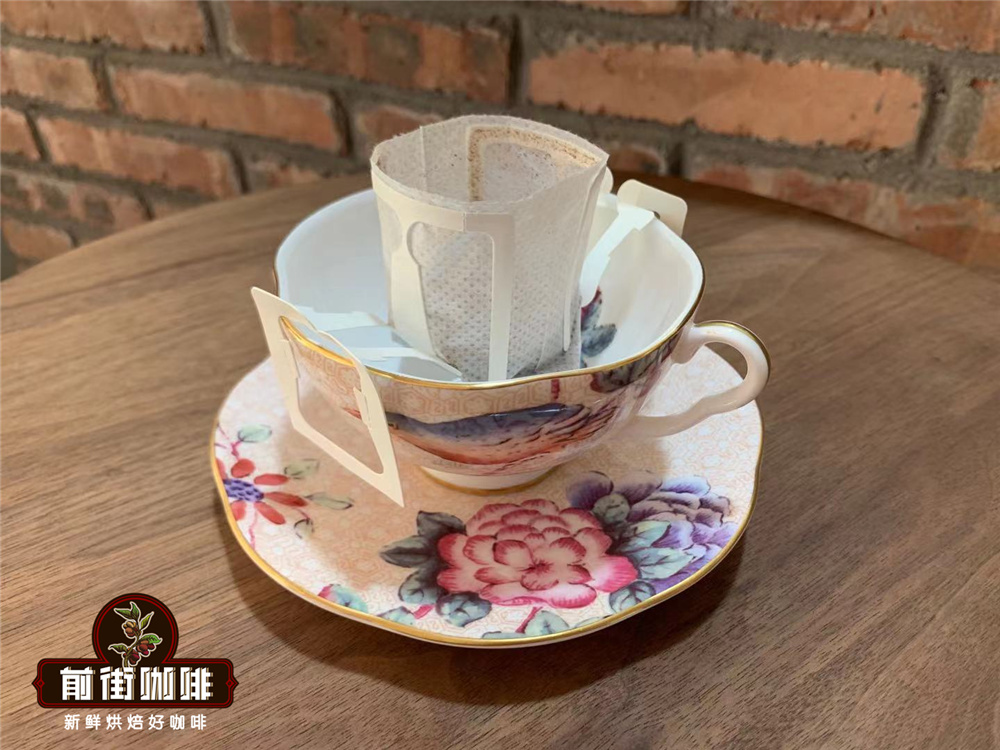
Pouring technique, timing, and ratios don't need to be controlled as tightly as with pour-over — as long as the water is sufficiently hot and the ratio sensible. That casualness has a cost, though: drip bag coffee rarely matches the richness and complexity of a properly brewed pour-over, and because the grounds are pre-ground and sealed, the aromatics are never as full as freshly ground coffee. Stored too long (several months), they can pick up woody flavors. If you want the best cup, FrontStreet Coffee suggests buying whole beans and grinding fresh — but for travel and office days, drip bags are hard to beat.
FrontStreet Coffee's Drip Bag Brewing Steps:
Most drip bags come in single-serve sachets. FrontStreet Coffee's each hold 10g of coffee, brewed at a 1:15 ratio with 150g of hot water. We think drip bag brewing should stay flexible — if you like your black coffee stronger, use less water; if you like it lighter, use more. What matters is that you enjoy it.
- First, prepare a vessel for the coffee — a server or a drinking cup — plus a kettle for pouring.
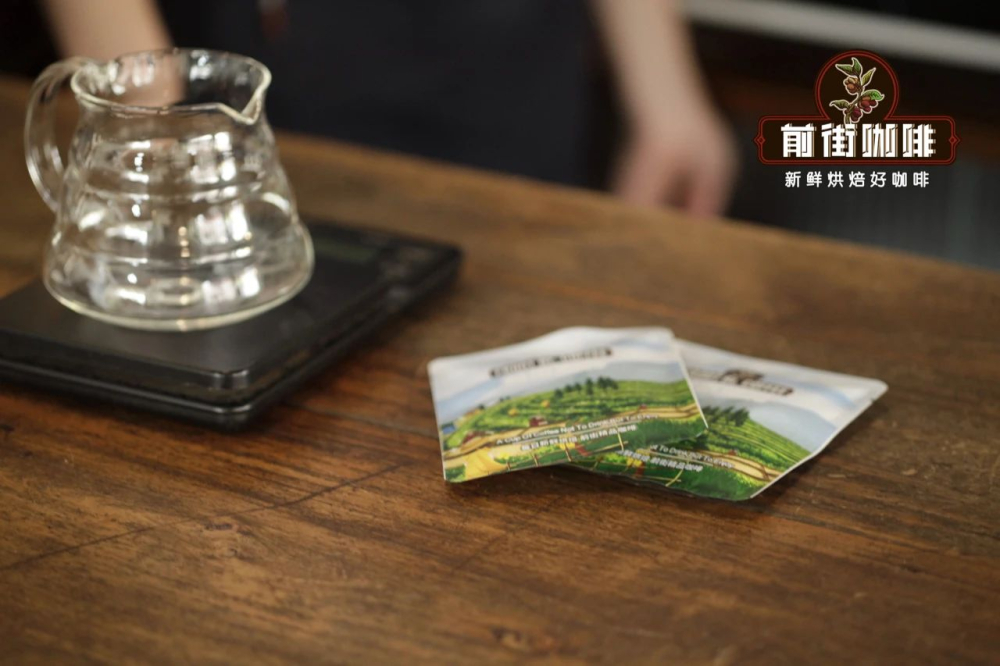
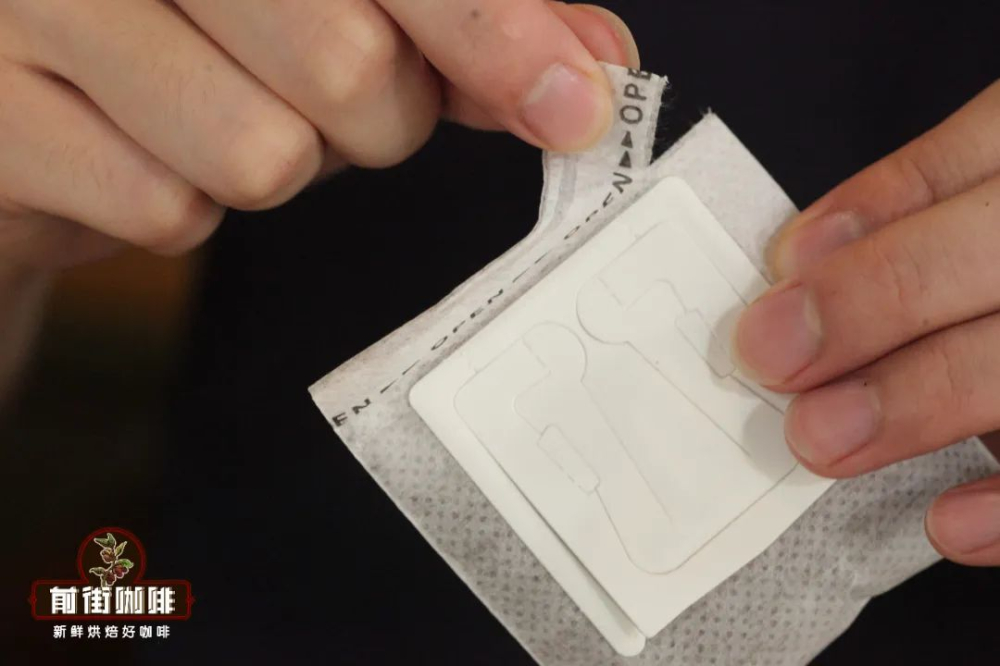
- Tear open the sachet, remove the drip bag, and tear open the non-woven pouch along the dotted line.
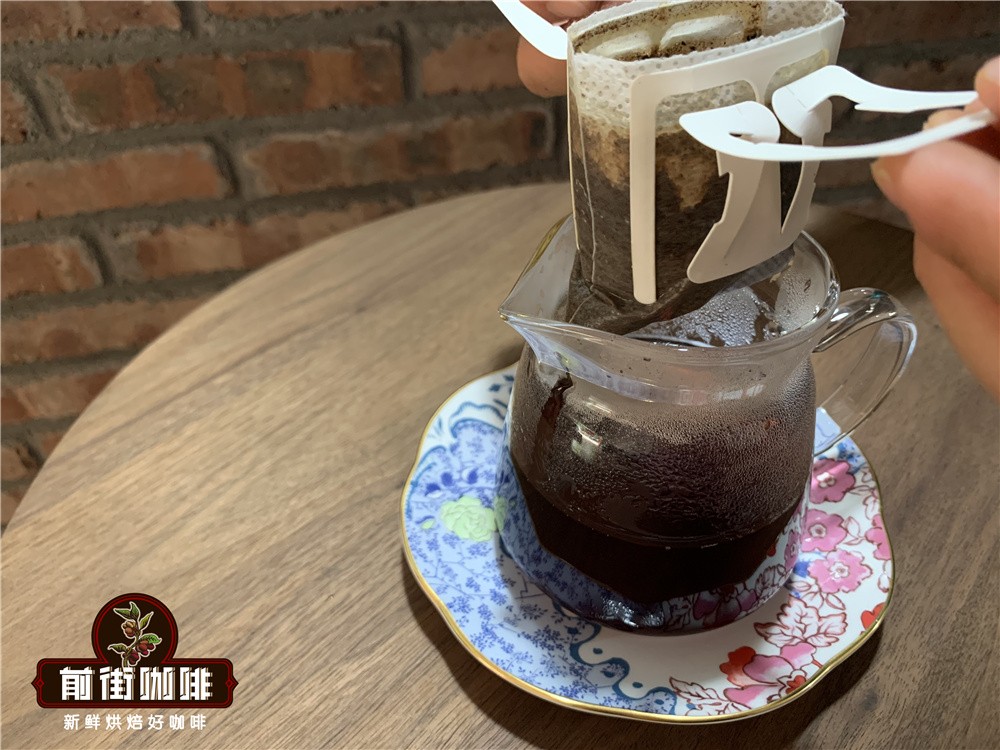
- Pull apart the two "ears," open the bag fully, and hook it onto the rim of the cup or server.
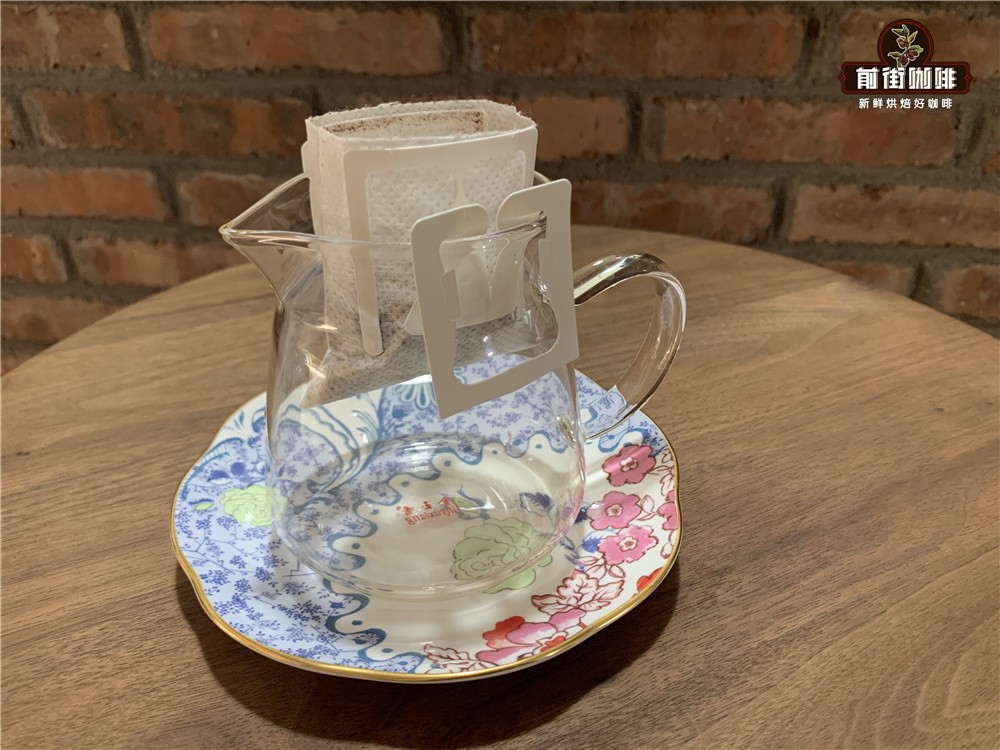
- First, wet all the grounds and let them bloom for about 10–20 seconds. Then pour steadily with a small, gentle flow until the liquid nears the top, and wait for it to drain.
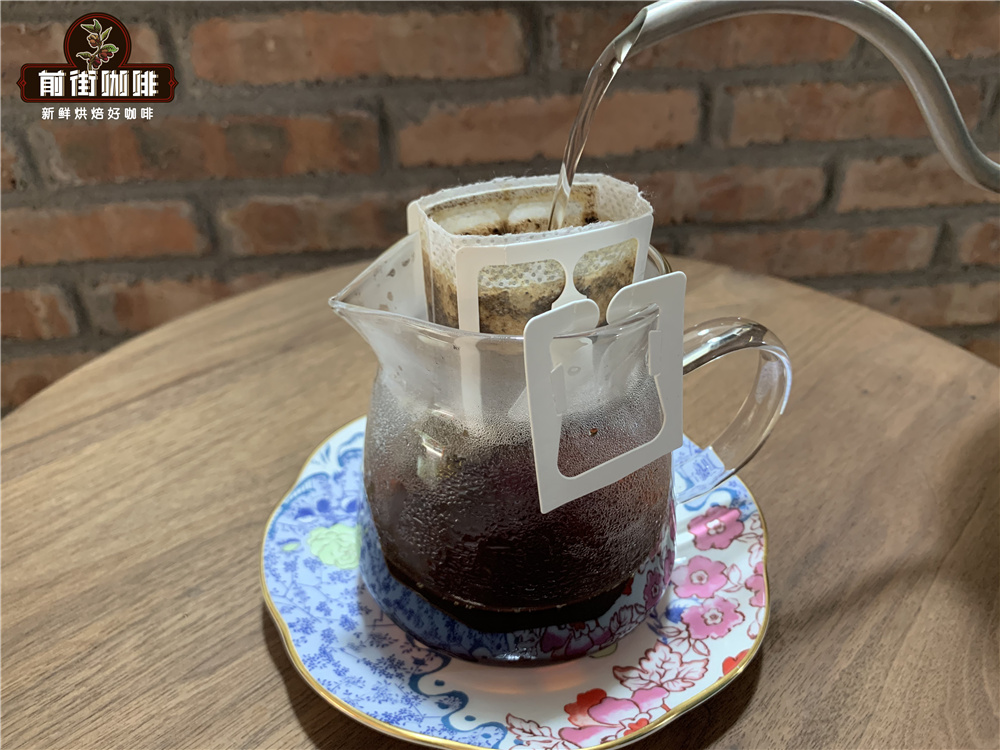
Top up with the remaining water, wait for the last of the coffee to finish dripping, lift out the pouch, give the cup a gentle swirl to even out the brew, and enjoy.
Important Details to Note:
Drip bag brewing is forgiving, but a few details still matter:
Drip bag coffee is still real coffee — pre-ground, yes, but each origin's character comes through; only the aromatics are less full. Keep the water temperature between 86–93°C. Too cool, and extraction slows to a crawl, leaving you with a sour, weak cup. If you can't raise the temperature, compensate by extending the contact time — let it steep longer.
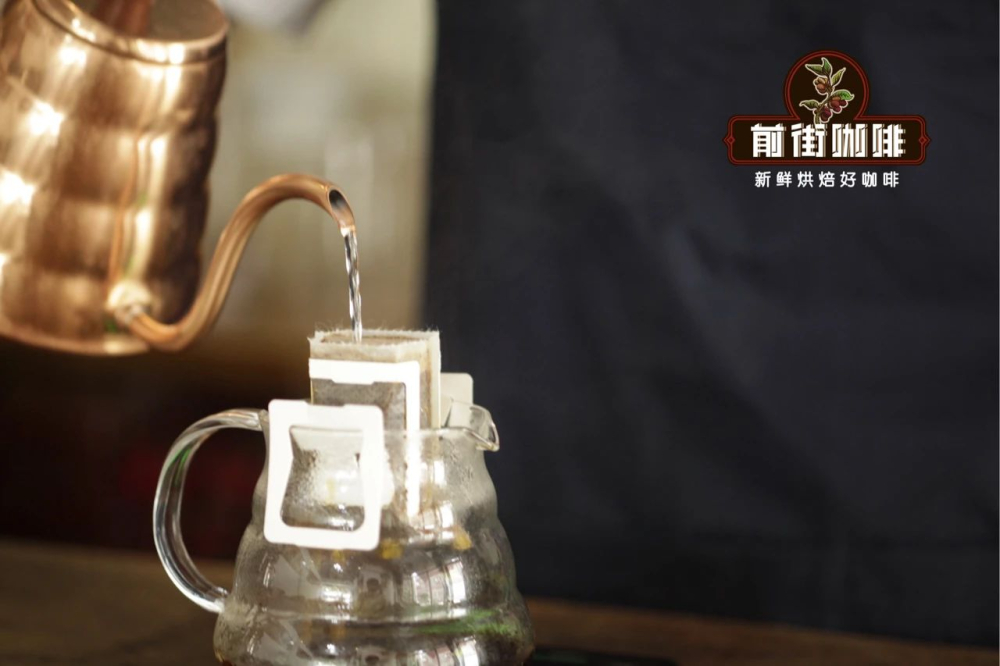
If you pour too fast, the water races through the grounds and the coffee comes out thin. Keep a steady, small flow throughout so the bed extracts evenly.
FrontStreet Coffee's Drip Bag Recommendations
The seasonal random drip bag selection draws beans from 5 of FrontStreet Coffee's eight core origins. They are: FrontStreet Ethiopia Yirgacheffe (citrus and fruit), FrontStreet Indonesia Mandheling (herbal aromatics and nuts), FrontStreet Brazil Cerrado (nuts and peanut), FrontStreet Guatemala Huehuetenango (berry, citrus, nuts), FrontStreet Honduras Sherry (whisky aroma, cream), FrontStreet Colombia Huila (dark chocolate, soft fruit acidity), FrontStreet Costa Rica Tarrazú/Mirazu/Mozart (sweet orange, toffee, raisin), and FrontStreet China Yunnan (brown sugar, tea-like finish, plum acidity).
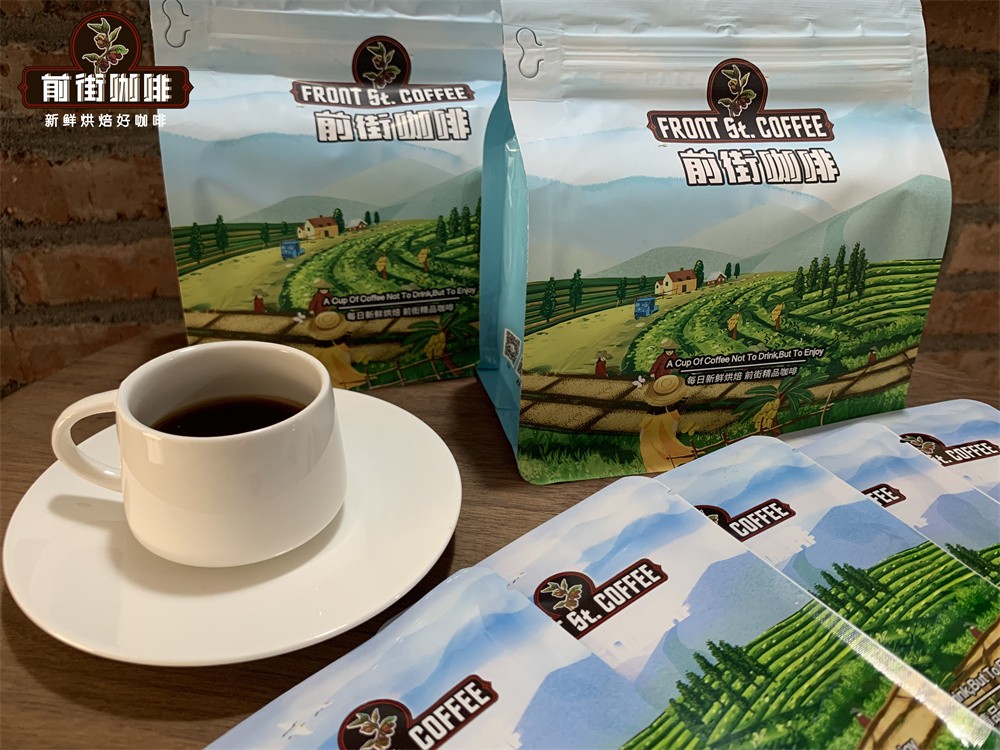
The classic drip bag lineup includes: FrontStreet Indonesia Mandheling (herbal aromatics and nuts), FrontStreet Honduras Sherry (whisky aroma), FrontStreet Panama Mariposa (citrus, honeyed sweetness), FrontStreet Ethiopia Yirgacheffe Red Cherry (citrus fruit, wine aroma), and FrontStreet Kenya Asalia (berry, cherry-tomato notes).
The seasonal lineup features five varieties: FrontStreet Ethiopia Yirgacheffe (citrus and fruit), FrontStreet Indonesia Mandheling (herbal aromatics and nuts), FrontStreet Brazil Cerrado (nuts and peanut), the FrontStreet Panama Boquet Geisha drip bag (citrus, oolong-tea finish), and the FrontStreet Ethiopia Geisha Chaka drip bag (florals, fruity acidity).
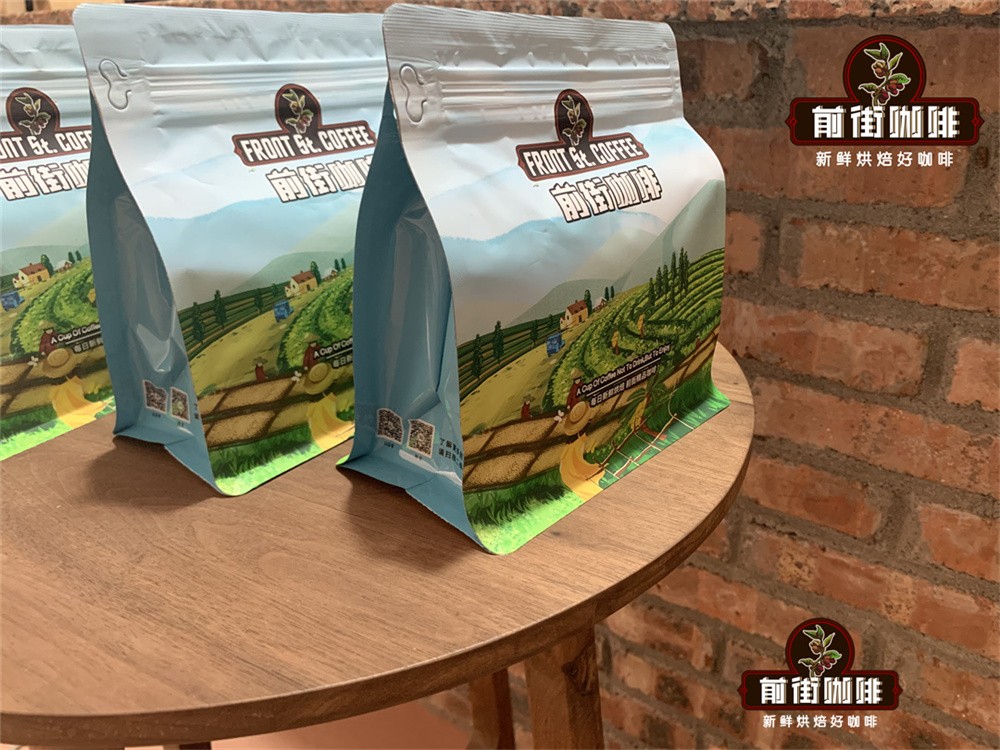
Whichever variety you choose, every FrontStreet drip bag is filled from beans ground fresh at packaging. Pre-ground coffee can't quite match the depth of a pour-over brewed from whole beans — but for travelers and office workers craving black coffee, drip bags are the best choice there is.
FrontStreet Coffee Brewing Suggestions:
Great coffee depends on the bean, but freshness matters just as much. FrontStreet Coffee treats freshness as essential to brewing: every order is shipped within 5 days of roasting, under our philosophy of "freshly roasted good coffee." With a degassing window of about 4–7 days, your coffee arrives right at its flavor peak.
A note for those who order pre-ground coffee: no extra degassing is needed, since the CO₂ pressure that builds in the bag during shipping actually helps mellow the flavor — you can brew it the moment it arrives. But ground coffee must be brewed promptly, because grounds oxidize quickly in air and their flavor dissipates fast. That's why FrontStreet Coffee recommends buying whole beans and grinding fresh for every brew.
FrontStreet Coffee Recommendation
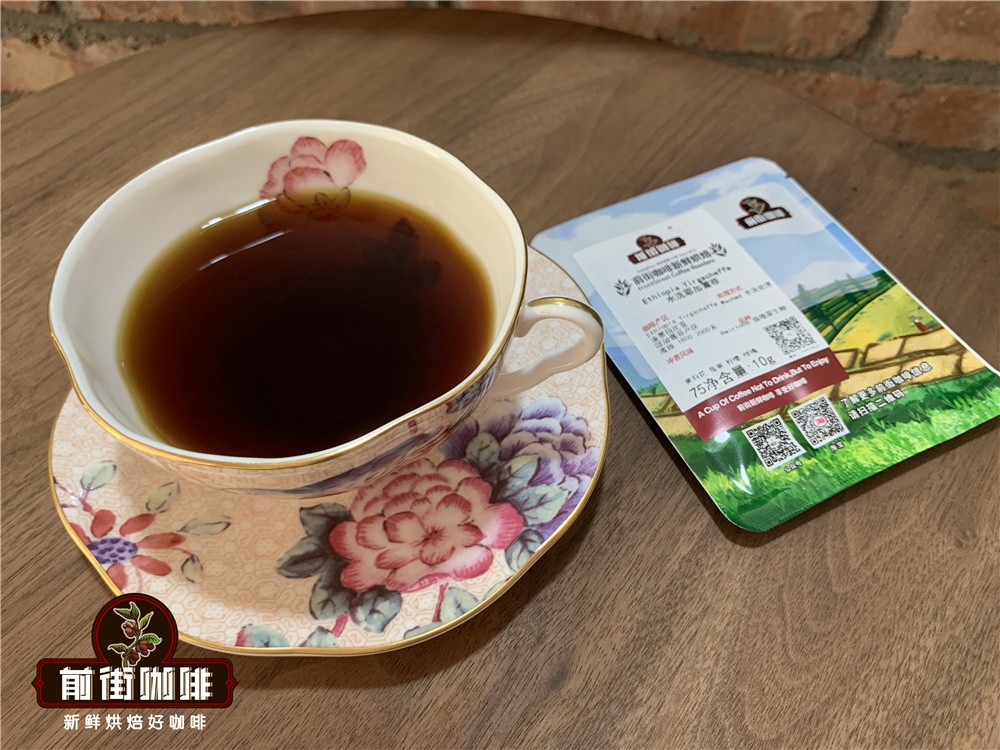
Among our drip bags, the Ethiopia Yirgacheffe is the perennial favorite. Yirgacheffe is a small town in southern Ethiopia's Sidamo region, with coffee grown at 1,800 meters and above on some of the highest coffee terrain in the world. FrontStreet's washed Yirgacheffe is known for its white jasmine florals, bright citrus and lemony acidity, and clean tea-like finish — the classic gateway into Ethiopian specialty coffee, and just as charming in drip bag form.
Brewing one couldn't be simpler: hang the bag on your cup, wet all 10g of grounds, and let them bloom for 10–20 seconds before pouring up to 150g of water at 86–93°C in a slow, steady stream. Keep the water hot and the flow gentle, and you'll get a remarkably clean, aromatic cup anywhere — no dripper, no scale, no fuss.
Important Notice :
FrontStreet Coffee is a long-established specialty coffee roaster in Guangzhou China, selling freshly roasted beans from its own farm in Yunnan as well as dozens of carefully selected single-origin beans from around the world for both pour-over and espresso. The products deliver consistently excellent quality and great value, with shipping within 24 hours. Guangzhou's FrontStreet Coffee shop is recommended by many coffee lovers, and the beans are now available online at the Tmall 。
FrontStreet Coffee has moved to a new address:
FrontStreet Coffee Address: 315,Donghua East Road,GuangZhou
Tel:020 38364473
 Scan and follow the En Gafei WeChat official account. Please indicate that the reprint comes from "En Gafei".