How to Use a French Press: A Complete Guide to French Press Brewing
The French Press: A Coffee Lover's Essential
If there is no decent coffee shop near you, keep a French press at home. It is about as simple to operate as brewing tea - add water, wait, press - and within minutes you have a rich, aromatic black coffee. That makes it a genuine blessing for the lazy. So let FrontStreet Coffee walk you through this essential piece of brewing gear.
The History of French Press
The French press goes back to 1850s France, when two Frenchmen, Mayer and Delforge, jointly invented a "piston-filter coffee device." They patented it, named it the French press, and put it on sale commercially.
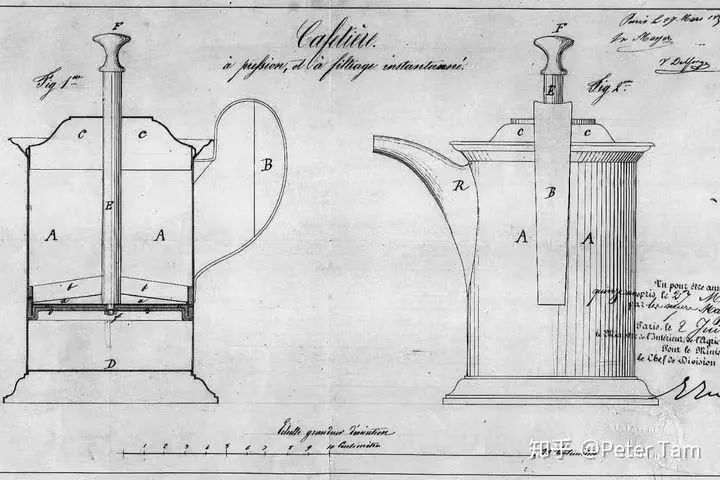
That early version, however, had a critical flaw. When you pressed down to brew, the filter could not hold its center of gravity, so grounds slipped through the gaps. The result was coffee thick with sediment, gritty in every sip, and sales were dismal.
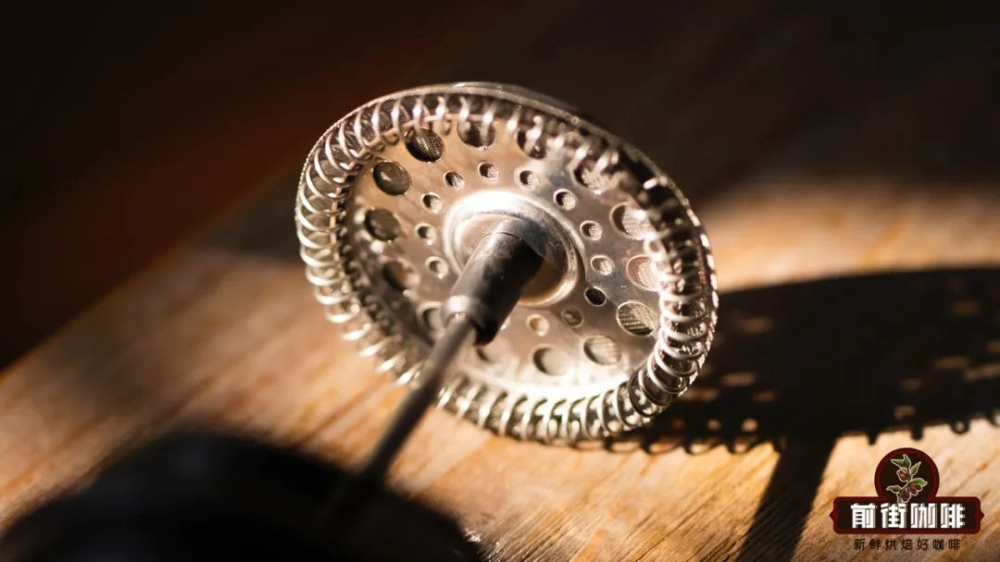
It took until the 20th century for Italians to fix that bug. They added a spring mechanism to the filter, keeping it balanced during the press and smoothing its sliding motion. The updated design produced coffee without the dreaded grit, and its convenience and efficiency made it popular fast. This is essentially the French press we know today.
Understanding the French Press
The French press looks exactly as simple as it is: a brewing vessel plus a plunger fitted with a metal filter and spring. The process is just as straightforward - add grounds, pour water, wait, press, enjoy. And yet beginners often end up with a cup that does not taste quite right.
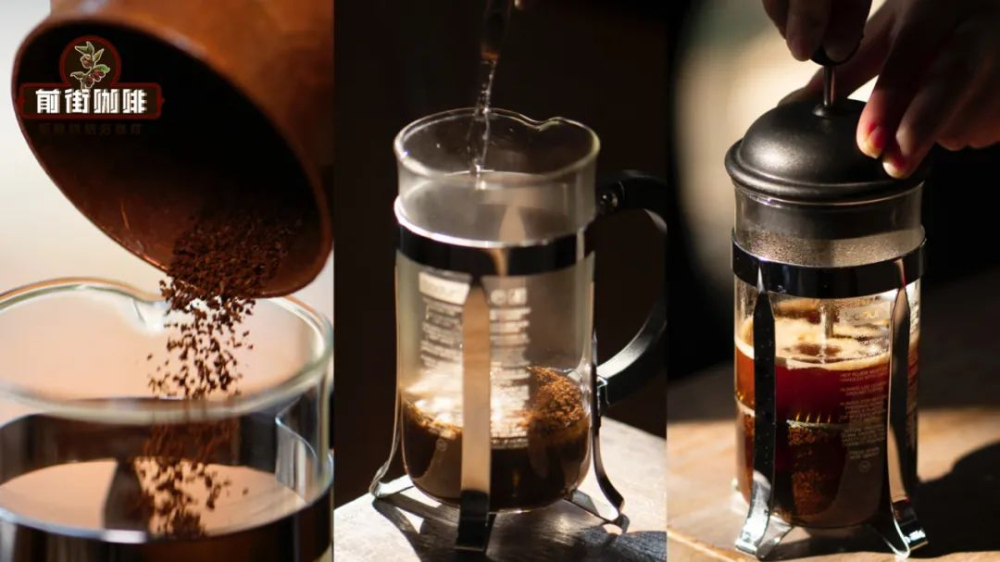
There are no dramatic movements during the brew that could disturb extraction, so once human error is ruled out, the problem almost always lies in the parameters.
The Perfect Parameters
Grind Size
First and foremost, the grind. Most French press tutorials online recommend a coarse grind, and FrontStreet Coffee agrees that beginners should go coarse: a 70% pass-through rate on a #20 sieve is ideal for French press immersion, roughly the texture of coarsely granulated sugar.
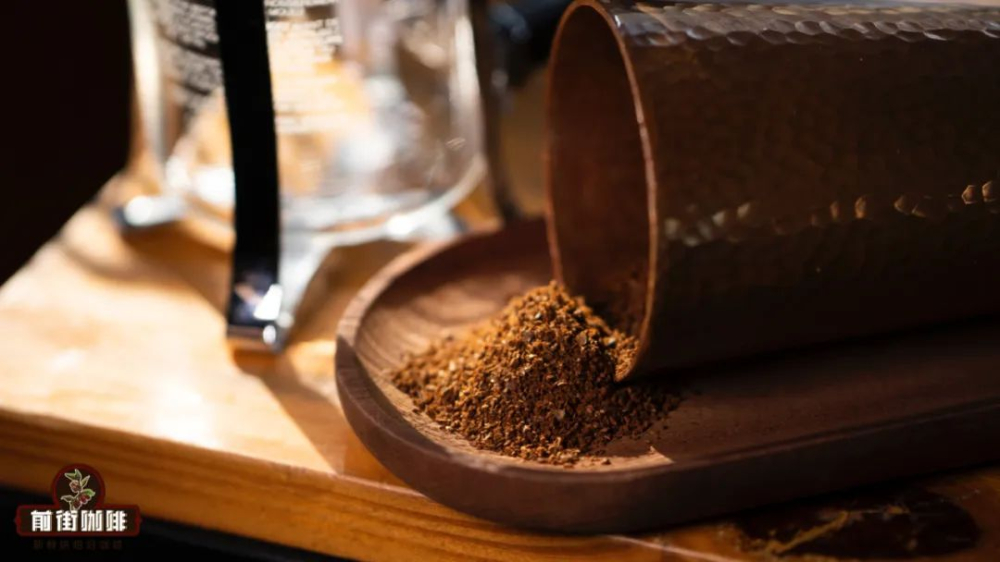
A fine grind is not impossible, but a coarse one leaves far more room for error and cuts the risk of over-extraction during a long steep. Fine grinding is a double-edged sword: get it right and the flavor is incredibly full-bodied; get it wrong and you are left with overwhelming bitterness.
Beyond the risk of over-extraction, fine grinding has a second drawback - excess fine particles. Because the gaps in a metal filter are not as small as those in paper, those particles slip through into the cup. They may add a little body, but they cost the coffee a great deal of clarity.
Water Temperature
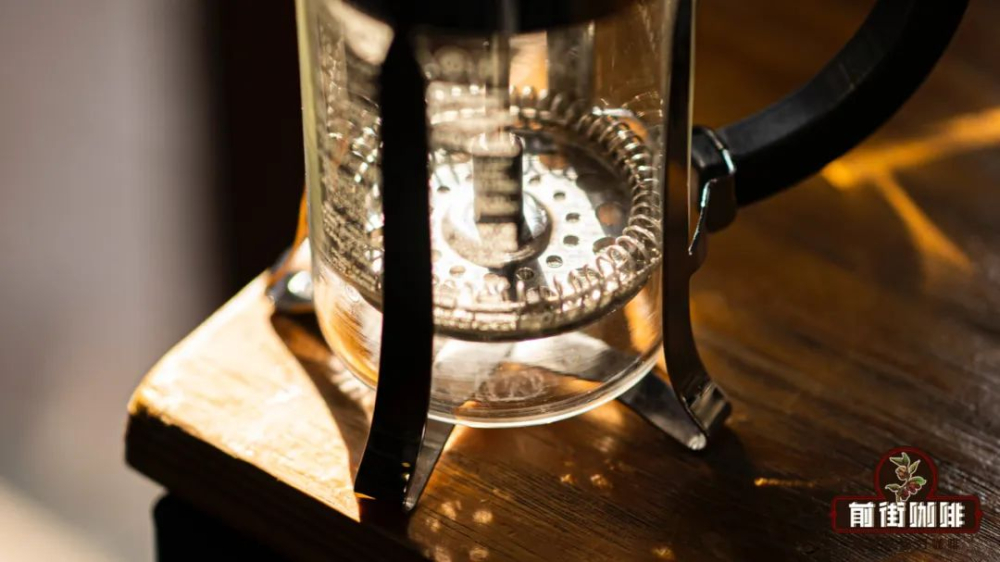
Because the French press uses a single pour with no stirring during immersion, the water temperature needs to be nudged up to compensate. About 1-2°C above your usual pour-over temperature works well. For light to medium roasted beans, 92-94°C is the recommendation; for medium to dark roasted beans, 89-90°C is ideal.

Coffee-to-Water Ratio
If you want to adjust concentration, the coffee-to-water ratio is the lever. A 1:16 ratio is common for French press and gives a well-balanced strength.
That ratio typically produces a coffee concentration of 1.1-1.2%. If, like FrontStreet Coffee, you prefer a stronger cup, try 1:15 for a more robust, full-bodied result.
Steeping Time
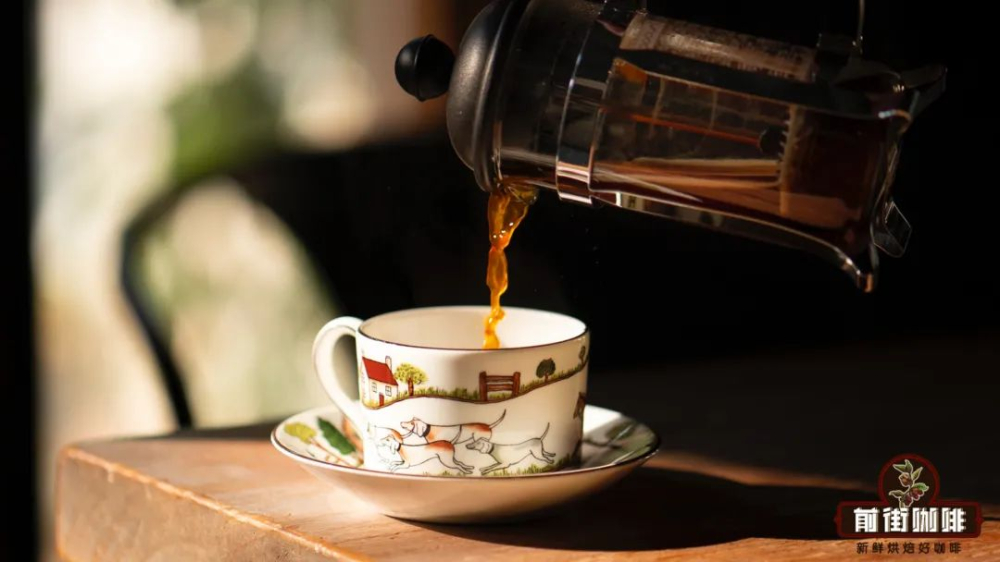
Finally, steeping time. As noted, with no manual stirring we have to raise extraction through other factors, and time is one of the most important. All else equal, a longer steep means a higher extraction rate - and a higher risk of over-extraction.

In FrontStreet Coffee's testing, with light to medium roasted beans and the parameters above, about 4 minutes of steeping is optimal; for medium to dark roasted beans, around 3.5 minutes works best. Those windows extract the flavors appropriate to each roast level while avoiding the bitterness that comes from steeping too long.
Final Thoughts
After you use your French press, never forget to clean it thoroughly. Coffee oils and other residue cling to the metal filter after brewing, and if they are not cleaned promptly, they oxidize.
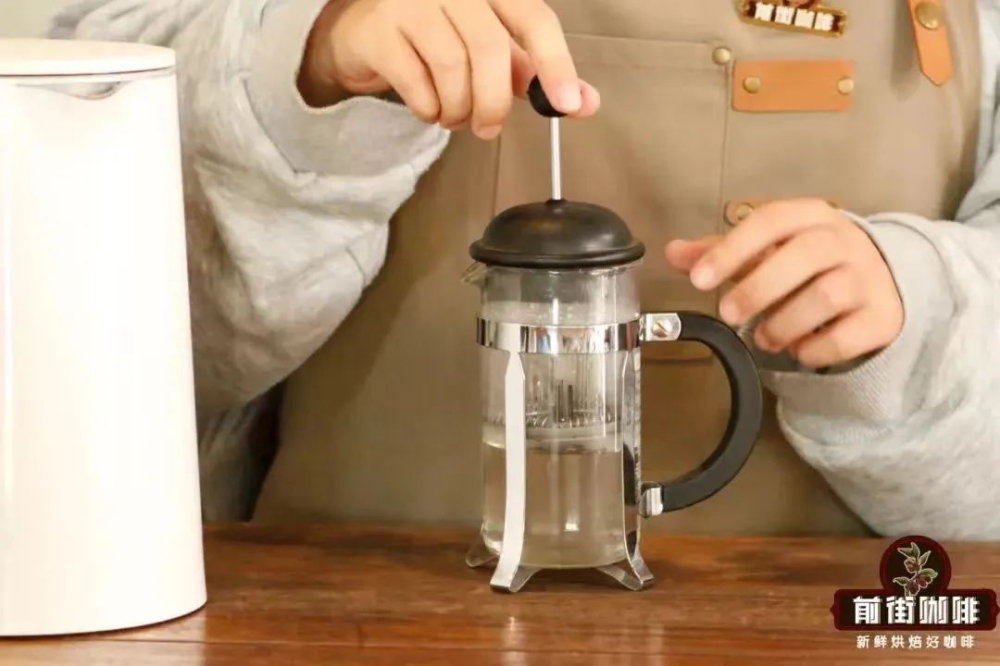
So FrontStreet Coffee recommends taking the press apart and washing every component separately after each use. That keeps the coffee consistently good and protects your health as well.
Beyond coffee, a French press can steep tea and whip up hot or cold milk foam for latte art. It packs a lot of uses into one device, and best of all it is remarkably affordable - genuinely great value.
FrontStreet Coffee Recommendation
Because a French press is a full-immersion brewer with a metal filter, the water sits in direct contact with the grounds and the resulting cup carries richer oils and a heavier, fuller body. That structure also shapes which beans work best. Immersion keeps coffee and hot water together for a long time, so a light roast will extract high acidity that masks its florals and delicate layers; in theory a medium or dark roast suits the French press better, expressing sweetness and caramelized flavors more clearly. Anyone who dislikes grit or fine sediment in their cup may want to look at another brewer.
For a lighter, more aromatic result, FrontStreet Strawberry Candy is a good match. This Geisha blend is built from a honey-processed Costa Rican coffee and a washed Panamanian Geisha, combining the finest flavors of Central America. Steeped in a French press, FrontStreet Strawberry Candy gives off rose, citrus, grape and dried blueberry aromas, and with milk added it turns into the aroma of strawberry soft candy.
For a low-acid black coffee with a full, oily body, FrontStreet PWN Golden Mandheling is the first choice. One of Asia's best-known specialty coffees, it goes through three hand sortings plus one machine selection, with even, translucent beans. Roasted medium-dark, FrontStreet PWN Golden Mandheling has large particles and intense aromas of spice, caramel, cedar and dark chocolate, and brewed in a French press it gives a mellow body with a pleasing oiliness.
On grind, FrontStreet suggests coarse caster sugar - EK43s setting 10.5 on an electric grinder, or setting 26 on a hand grinder, closer to small gravel than fine sand. Too fine a grind lets water extract the grounds too quickly; with other immersion brewers that may not matter, but in a French press fine grounds can pass through the metal filter and leave a heavy sediment in the cup. If you do want more layers of flavor from a finer grind, remember to shorten the steep to avoid over-extraction. On ratio, start with the familiar 1:15 - 15 grams of coffee to 225 grams of water - for a thicker, fuller taste, or move toward the 1:16 balance if you prefer a lighter cup, adjusting the coffee or water from there to suit your taste. On temperature, if you have no thermometer, boil the water and let it sit 2-3 minutes, adjusting for air temperature, which lands near 90°C. If you want real control, buy a temperature-controlled kettle or use a thermometer. And on method, take the plunger out, add the grounds, pour in 15 times their weight in hot water, stir gently, set the plunger on top without pressing, wait 4 minutes, then press slowly all the way down and pour carefully so as not to disturb the grounds at the bottom.
Important Notice :
FrontStreet Coffee is a long-established specialty coffee roaster in Guangzhou China, selling freshly roasted beans from its own farm in Yunnan as well as dozens of carefully selected single-origin beans from around the world for both pour-over and espresso. The products deliver consistently excellent quality and great value, with shipping within 24 hours. Guangzhou's FrontStreet Coffee shop is recommended by many coffee lovers, and the beans are now available online at the Tmall 。
FrontStreet Coffee has moved to a new address:
FrontStreet Coffee Address: 315,Donghua East Road,GuangZhou
Tel:020 38364473
 Scan and follow the En Gafei WeChat official account. Please indicate that the reprint comes from "En Gafei".