Espresso Coffee Characteristics Flavor Profile Introduction | Beginner's Guide to Espresso Extraction Methods
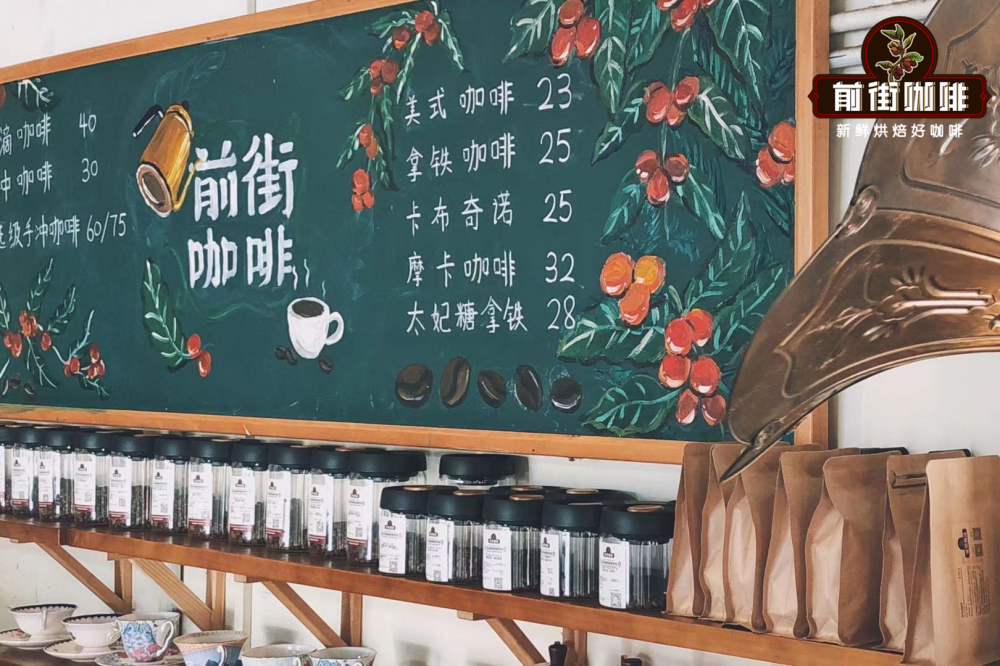
What is Italian Espresso Coffee?
Italian espresso, also known simply as espresso, is a method that uses steam pressure to force hot water through finely ground coffee, producing a small, concentrated, aromatic black coffee with golden crema floating on top. It rarely appears directly on cafe menus, yet it is the foundation of everyday drinks such as the Americano, latte, and cappuccino, which makes it the soul of the coffee shop.
What are the characteristics of Italian espresso?
Before espresso existed, coffee was brewed by immersion, which required a fine grind, slow extraction, and a long wait. Espresso was invented in the early 19th century, when Italians hit on the idea of using steam pressure to force high-temperature, high-pressure water through the coffee puck and speed up the traditional drip rate. Continuous improvement and innovation eventually produced the semi-automatic and fully automatic espresso machines we see today.

Because of the fine grind, high water temperature, and high-pressure extraction, the concentrated coffee gathers many flavors at once, and those compounds hit the palate with far more intensity. Coffee is an agricultural product, so it varies with climate, soil, and other conditions - even beans from the same region can taste different from batch to batch. Blending uses complementary beans to help achieve a more balanced and stable aroma and taste in every extraction. FrontStreet Coffee therefore recommends beans blended specifically for espresso machine extraction. FrontStreet Coffee offers four espresso blends on its menu, all suitable for brewing with espresso machines and moka pots.
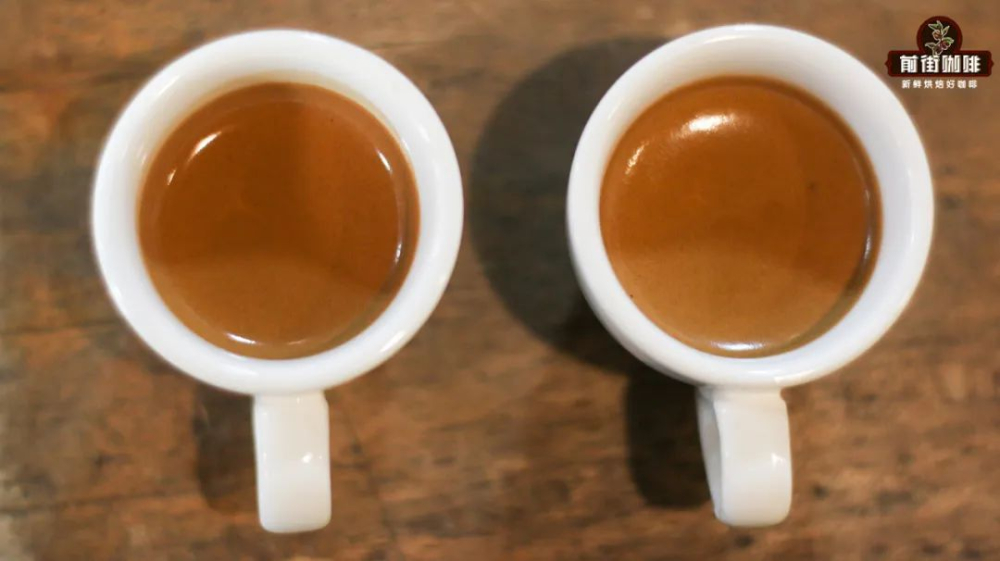
Traditional Italian espresso used very dark roasted beans and included plenty of Robusta, resulting in a strong, bitter, intense flavor meant to be sipped slowly. With the rise of specialty coffee in recent years, along with improvements in bean quality and extraction technique and drinkers' growing interest in flavor and mouthfeel, today's espresso is no longer limited to bitterness. The espresso served at FrontStreet Coffee's stores, for example, shows fermented wine aromas, berry sweetness and acidity, and a rich, smooth, very approachable mouthfeel.
What details should be noted when making Italian espresso?
Common commercial espresso machines can deliver a stable atmospheric pressure of nine bars or more and hot water above 90 degrees Celsius. That high pressure forces the hot water quickly through finely ground coffee, extracting a liquid with rich crema, intense aroma, and a thick mouthfeel. To pull an ideal espresso, the barista's job is to master the variables that affect flavor and adjust them into the optimal extraction range.

In practice, many factors influence the flavor of an espresso, including bean quality, roast level, grind size, the machine's boiler pressure, water temperature, distribution and tamping pressure, dose, extraction time, and the weight of the extracted liquid, among other details. Machine pressure and water temperature are usually preset and not easily changed, while distribution and tamping follow the barista's habits. The four main factors adjusted day to day are dose, time, liquid weight, and grind size. Brewing parameters can shift subtly with daily air humidity and the condition of the beans, so they need to be nudged up or down to reach a better result.
What are the types of Italian espresso?
According to the Golden Cup theory put forward by the Specialty Coffee Association of Europe, once water contacts the coffee grounds about 30% of soluble material is released, while the remaining 70% is made up of large-molecule lignin structures that cannot dissolve. Within that 30%, only two-thirds is desirable flavor, so several key parameters need to be adjusted to hold the extraction rate at around 20%.
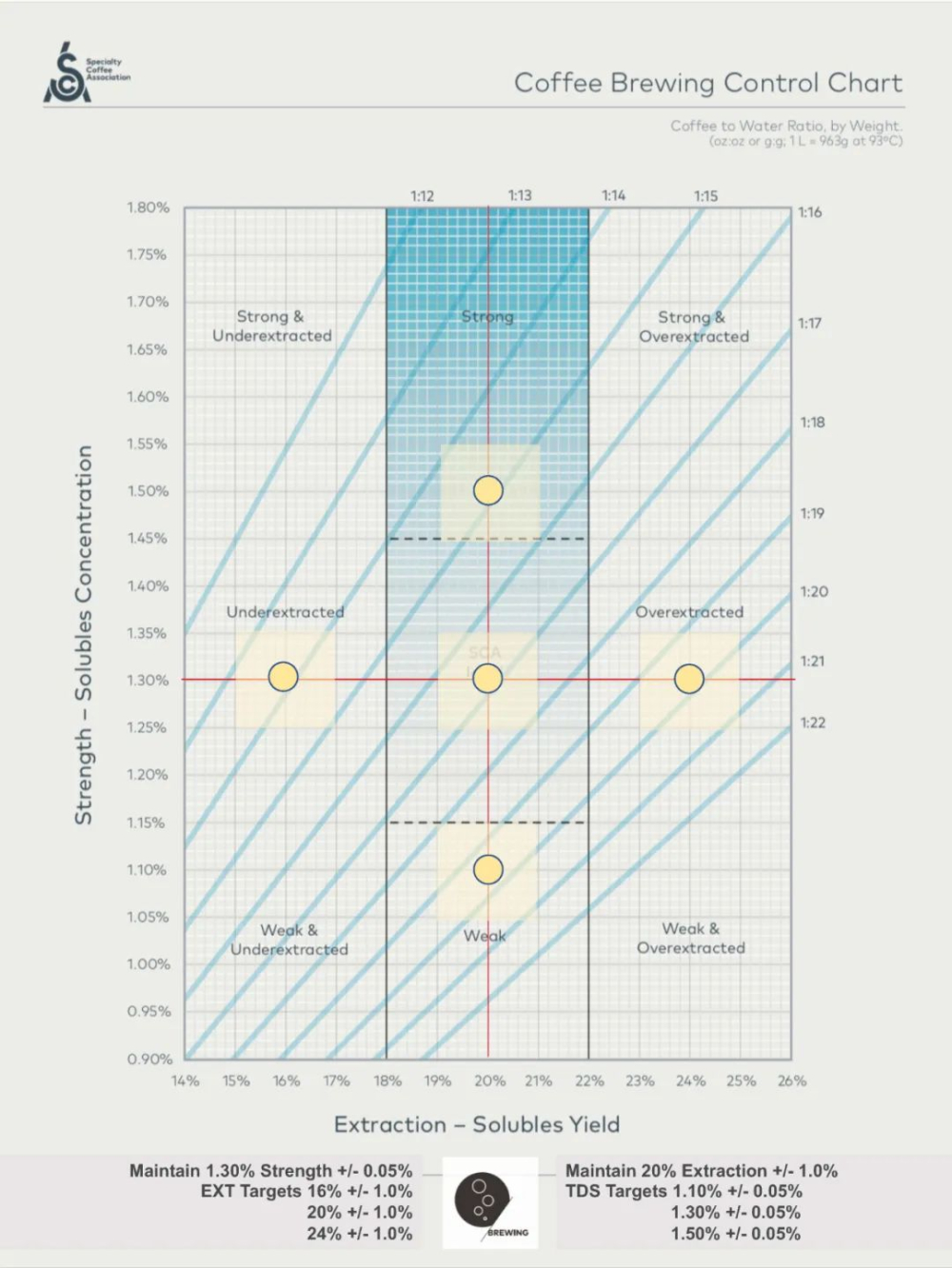
By extraction method, espresso falls into three types: Ristretto (short extraction), Normale (normal), and Lungo (long extraction). All are concentrated liquids extracted quickly on an espresso machine.
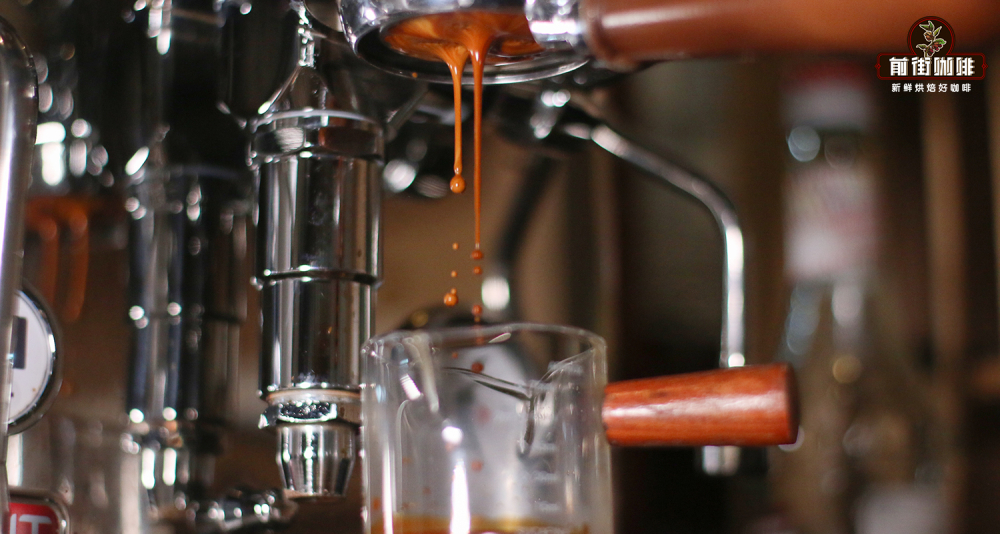
Ristretto typically refers to an Italian extra-strong coffee, also called a refined concentrated espresso. Compared with regular espresso, Ristretto is more of a niche choice, and the familiar flat white is built on a Ristretto base. "Ristretto" means "restricted," which can be understood as restricting the amount extracted: only the front-middle portion of the shot is taken, raising the coffee's concentration.
For example, FrontStreet Coffee's espresso recipe uses 20 grams of coffee grounds to extract 40 grams of liquid, a coffee-to-liquid ratio of 1:2, in 30 seconds. A Ristretto extraction takes only 70% of that espresso amount, meaning 20 grams of grounds yield 28 grams of liquid, with the time shortened accordingly. Alternatively, the grind can be set finer to slow the flow and make the liquid more concentrated. Every coffee shop adjusts differently based on the beans used and the specific flavors the barista wants to present.
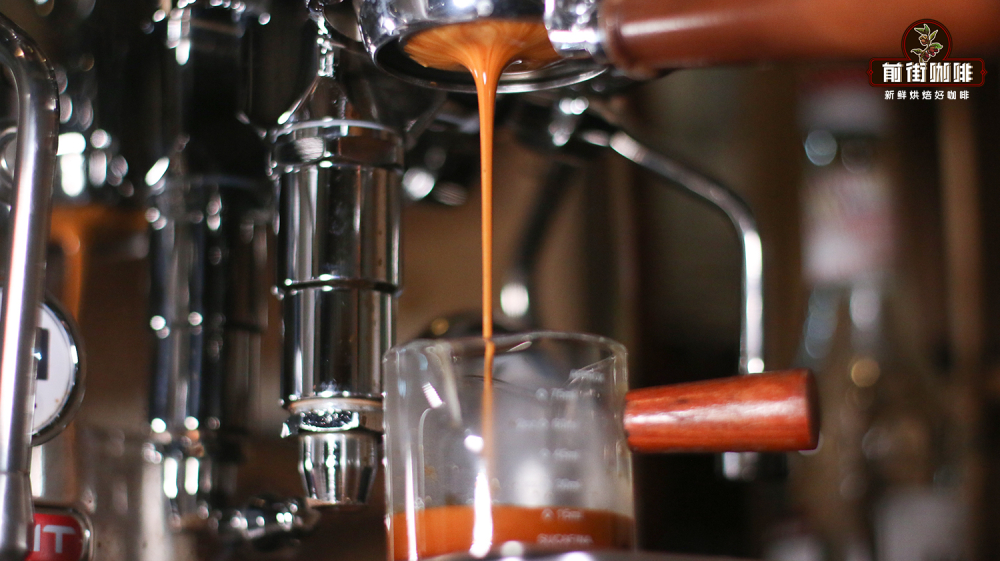
Normale is the most common and popular type of espresso - essentially the standard espresso we usually picture. Most establishments focus on producing Normale, though they do not call it out specifically. Under Golden Cup standards, Normale's extraction rate falls between 18%-22%, with a concentration range of 8%-12%.
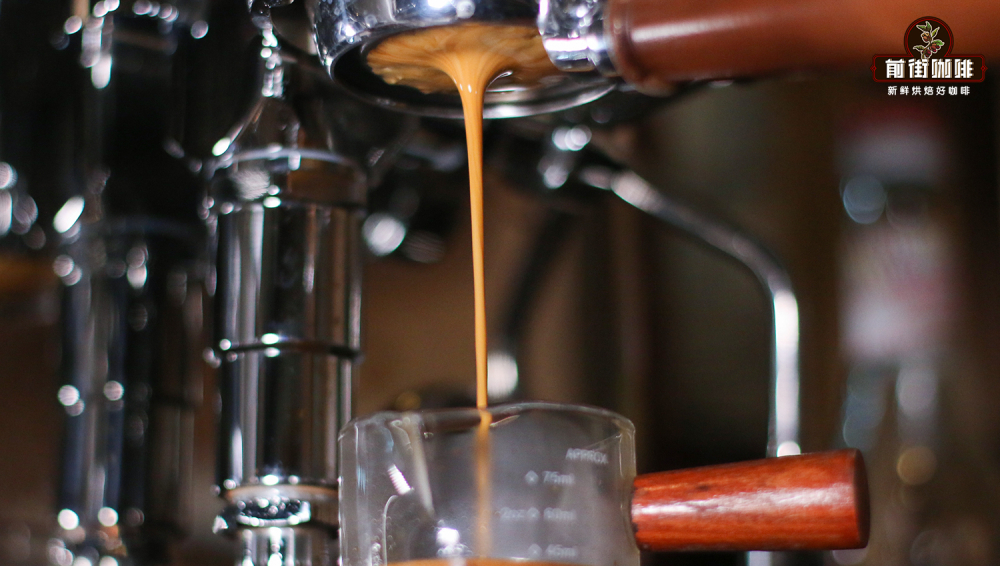
Lungo is coffee made with double the water of a normal serving. "Lungo" means "long" or "extended" in Italian, and it is also called a lengthened espresso: the extraction time is stretched, which lowers the concentration and makes the cup smoother to drink. After repeated adjustments and tastings, FrontStreet Coffee's final recipe holds the Lungo coffee-to-liquid ratio at 1:5 - using 20 grams of coffee grounds, extending the extraction time to 42 seconds, and drawing 100 grams of coffee liquid.
Getting these three styles right is mostly a matter of controlling the same variables - dose, time, liquid weight, and grind - and letting the ratio do the work.
Underneath all of it is the bean itself, which is why FrontStreet Coffee both blends for balance and roasts fresh, so that whichever style you pull, the cup starts from coffee at its peak.
FrontStreet Coffee Recommendation
Because the flavors in an espresso are so concentrated, the base shot is where the choice of bean matters most. For FrontStreet Coffee's own cappuccino-style recipes the base is pulled at 20g of grounds with a 1:2 coffee-to-liquid ratio over 30 seconds, a recipe that yields both a high enough concentration and a relatively complete extraction, with good flavor and mouthfeel across the board - in the demonstration the shot was taken to 40ml in 32 seconds.
For anyone who wants a classic, traditional espresso, FrontStreet Classic Blend is the crema standout: designed for espresso machines and moka pots, it lets even a beginner on a non-professional home machine pull dense, fine crema, and the milk drinks you make most often - latte, cappuccino, Dirty - all depend on good crema. FrontStreet Black Cocoa Base Blend is the value-minded alternative, delivering good flavor at a friendly price for newcomers or cafe owners watching costs.
If you want to explore flavor-forward espresso instead, both directions are covered. FrontStreet Strawberry Candy, an espresso blend, is the choice for a floral-fruity shot, with berry, rose, raisin, and fruit-candy aromas. For a cleaner, less bitter cup, FrontStreet Granada Geisha SOE is a natural-process Ethiopian single origin roasted medium, carrying berry, orange, and persimmon flavors that turn creamy-sweet with milk.
Important Notice :
FrontStreet Coffee is a long-established specialty coffee roaster in Guangzhou China, selling freshly roasted beans from its own farm in Yunnan as well as dozens of carefully selected single-origin beans from around the world for both pour-over and espresso. The products deliver consistently excellent quality and great value, with shipping within 24 hours. Guangzhou's FrontStreet Coffee shop is recommended by many coffee lovers, and the beans are now available online at the Tmall 。
FrontStreet Coffee has moved to a new address:
FrontStreet Coffee Address: 315,Donghua East Road,GuangZhou
Tel:020 38364473
 Scan and follow the En Gafei WeChat official account. Please indicate that the reprint comes from "En Gafei".