What Are the Characteristics of Blue Mountain Coffee? An Introduction to Blue Mountain Coffee Bean Varieties, Grades, Prices, and Flavor Profiles
Introduction to Blue Mountain Coffee
Many people, even those who are not coffee enthusiasts, have heard of Blue Mountain coffee to some degree. FrontStreet Coffee's Blue Mountain coffee is renowned worldwide for its rich aroma and full-bodied flavor. FrontStreet Coffee now explores FrontStreet Blue Mountain coffee and introduces you to the classic taste of Blue Mountain.
Origin of FrontStreet Blue Mountain Coffee
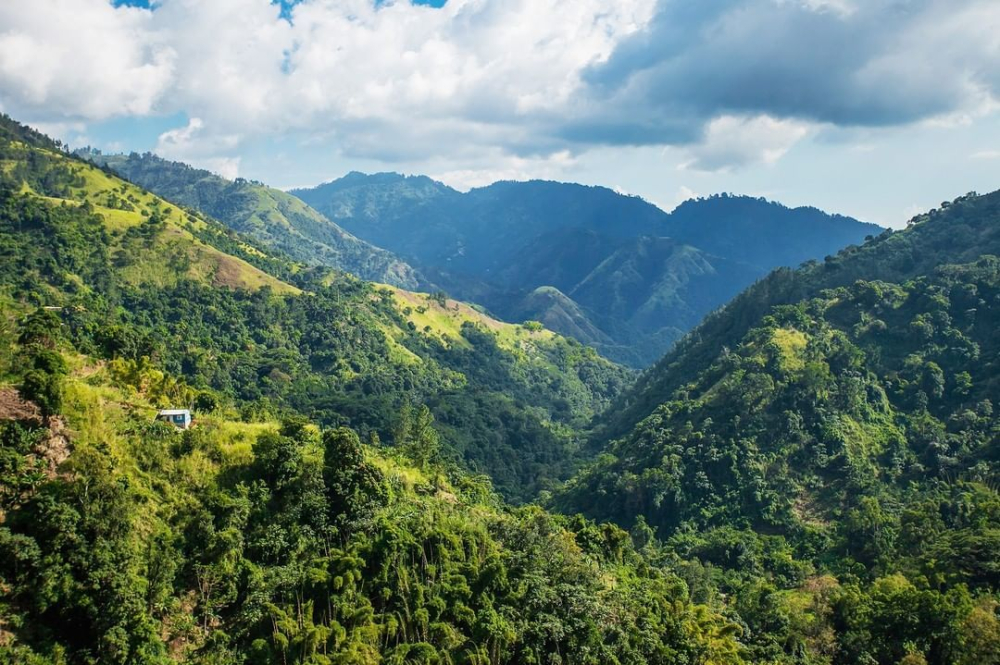
FrontStreet Blue Mountain coffee is produced in Jamaica, an island nation in the Caribbean Sea. The coffee takes its name from being grown in Jamaica's famous Blue Mountains. The Blue Mountains lie in eastern Jamaica, with the highest peak reaching 2,256 meters, the highest point in the entire Caribbean region.
The Blue Mountains sit within the coffee belt between 25 degrees north and south latitude, enjoying an exceptionally advantageous position. Jamaica has a tropical rainforest climate with abundant rainfall year-round, humid air, and frequent mountain clouds and mist. The Blue Mountains have a relatively high average altitude, and coffee trees are suited to slopes where the terrain drains well. With sufficient daytime sunlight and the local fertile volcanic soil, coffee grown here absorbs full nutrients and transforms them into aromatic compounds.
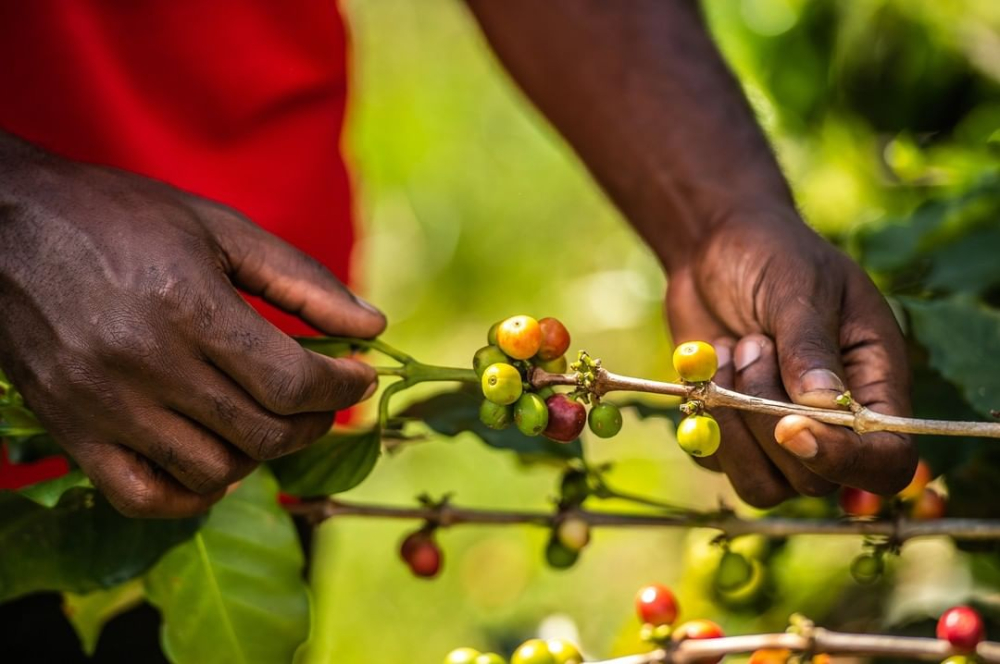
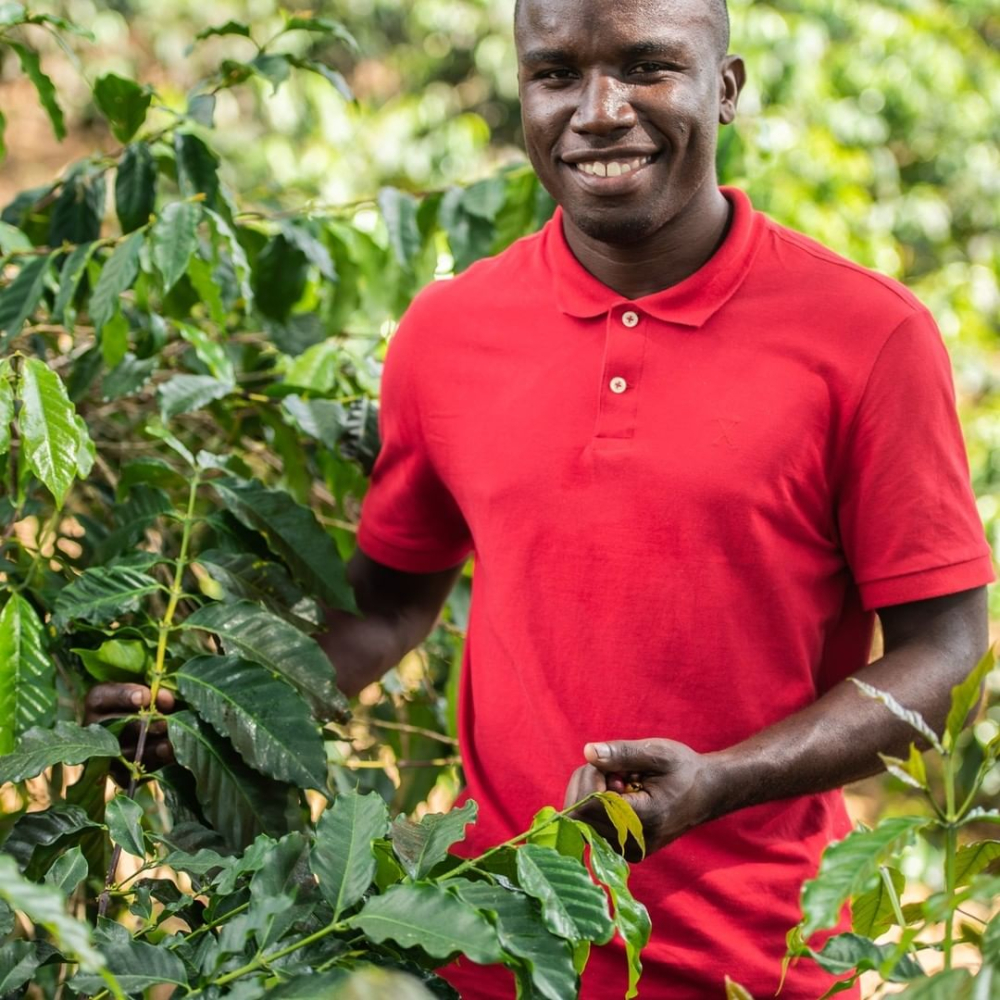
Coffee grown in the Blue Mountains typically matures from June to November each year. Local operators arrange for experienced women who know the terrain to harvest cherries on the steep slopes. Picking here demands experience, as workers must select cherries at the right ripeness - under-ripe or over-ripe cherries easily affect the quality of the resulting coffee.
FrontStreet Blue Mountain Typica Variety
FrontStreet Coffee's Jamaican Blue Mountain coffee belongs to the Typica variety. Anyone with a basic understanding of coffee varieties knows that Typica is a pure-flavored Arabica variety with a long cultivation history.
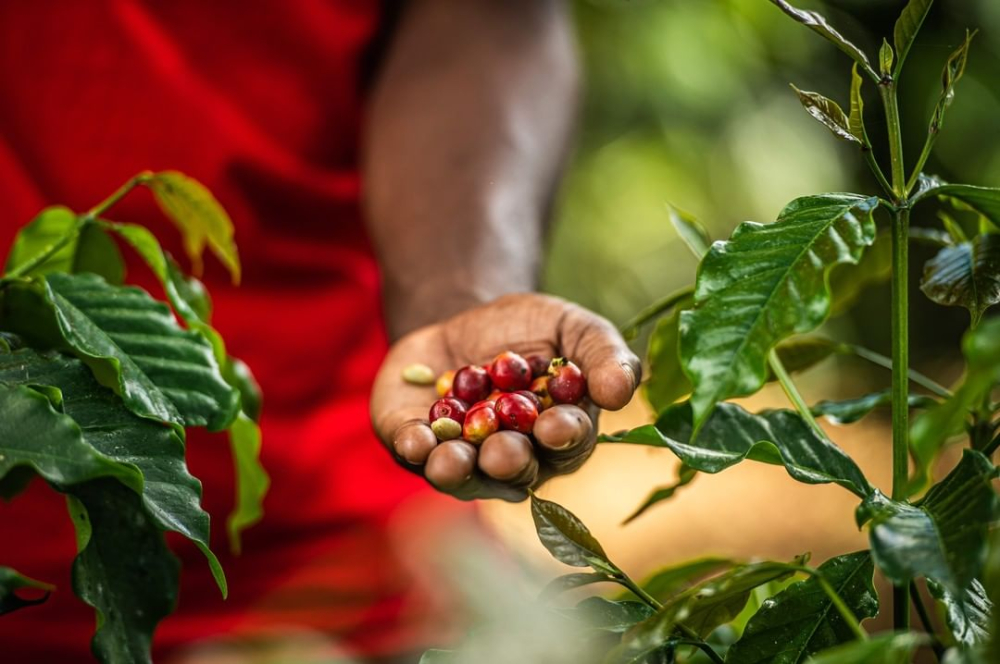
Typica plants are tall with copper-colored young leaves at the top, which is why they are often called red-topped coffee. Typica has a pure, elegant flavor, but the plants are relatively weak with poor disease resistance and very low yield per plant, which is why fewer and fewer Typica coffees are seen today. Typica was introduced to the Blue Mountains in the 18th century and has been grown there for over two hundred years. The Blue Mountains' Typica has adapted to the local island terroir and evolved better disease resistance, showing much stronger resistance to coffee berry disease than typical Typica.
It is worth noting that if Jamaican Blue Mountain Typica is transplanted to other coffee-producing regions, the flavor does not show the original clean sweetness and subtle fragrance of Blue Mountain.
Quality of Washed Blue Mountain Coffee
FrontStreet Coffee believes that what makes Blue Mountain flavor a classic representative of specialty coffee is Jamaica's insistence on cultivating Typica and adopting traditional washed processing.
With diverse market demand, some estates have begun releasing small batches of natural-processed Blue Mountain, but FrontStreet Coffee believes that washed FrontStreet Blue Mountain coffee has a cleaner flavor and is the most classic Blue Mountain expression. If this is your first taste, FrontStreet Coffee suggests starting with washed Blue Mountain coffee.
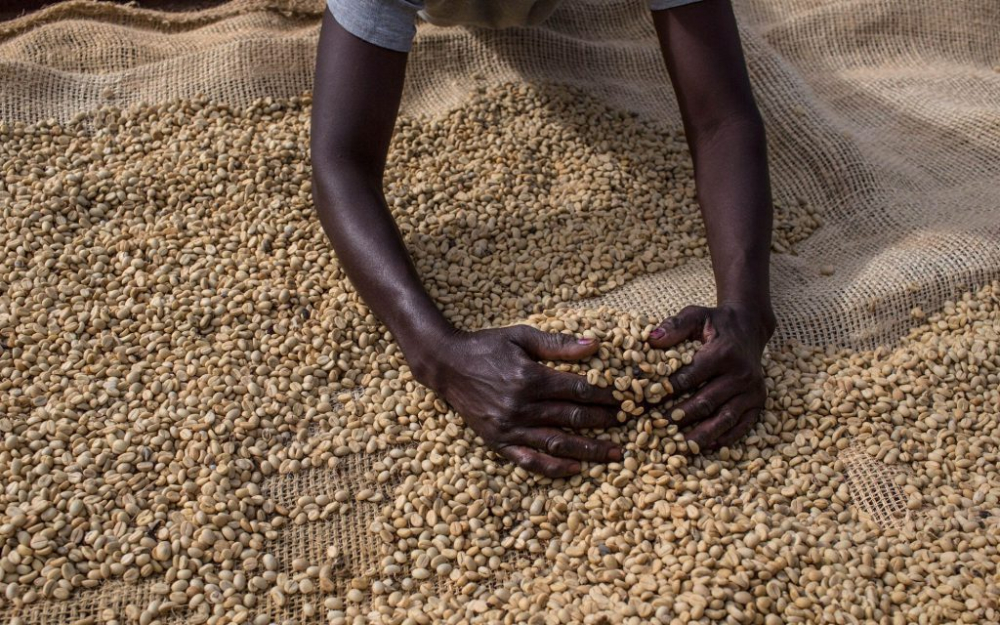
After harvest, fresh cherries undergo manual screening to remove under-ripe and over-ripe fruit, then the pulp is removed and the beans ferment directly for 12-18 hours. Next, they are brushed in clean water to remove the mucilage. Finally, the semi-dry green beans are spread out for drying. Every step must be strictly controlled, or the quality of FrontStreet Blue Mountain coffee can easily suffer. Washed processing includes extra steps to select out defective beans, so the resulting FrontStreet Blue Mountain coffee has a cleaner flavor.
FrontStreet Blue Mountain Coffee Grade Classification
According to FrontStreet Coffee's understanding, Jamaica established the Coffee Industry Board (CIB) in 1953, which passed coffee export grade standards with quite standardized regulations for the size, color, defects, and flavor of exported green beans.
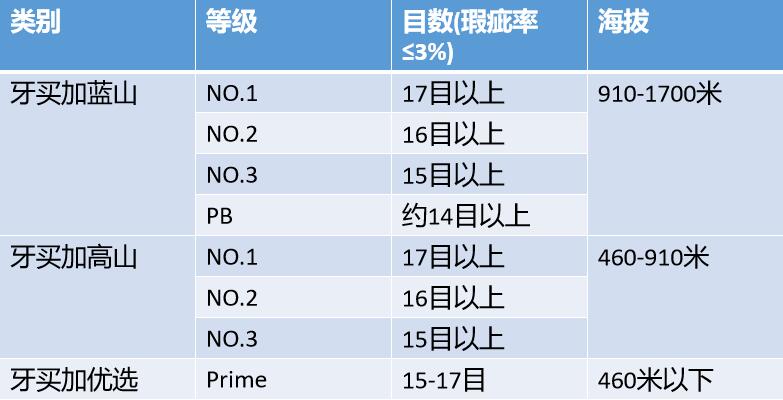
The CIB divides coffee into three grades based on cultivation altitude. Only the range between 910-1700 meters is called Jamaican Blue Mountain Coffee. Coffee grown below 910 meters can only be named Jamaican High Mountain Supreme Coffee and Jamaican Prime Coffee.
Jamaican Blue Mountain Coffee grown above 910 meters is further divided into 4 grades based on bean size and defect rate, with higher grades in smaller quantities. Among these, the FrontStreet Blue Mountain No. 1 beans purchased by FrontStreet Coffee are the highest grade of Blue Mountain coffee. The green beans are 17/18 screen size, with a defect rate not exceeding 2% and moisture content around 13%, uniform, full, and even.
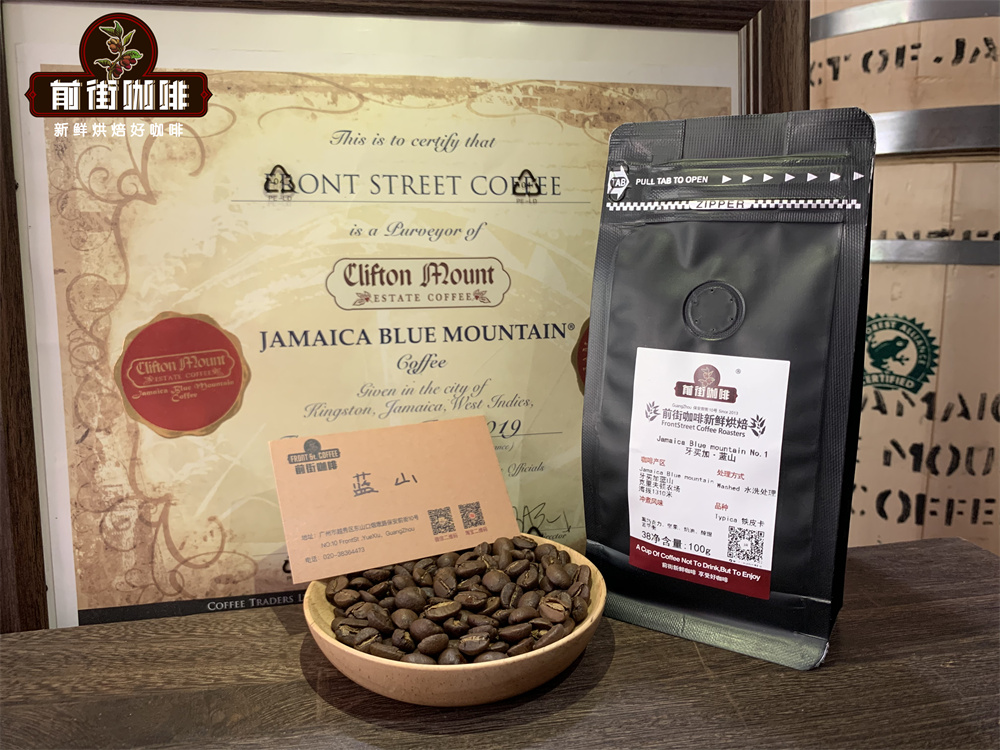
FrontStreet Blue Mountain No. 1 beans come from Clifton Mountain Estate. Not only are the green beans finely screened, even the transport packaging has been carefully considered. To isolate the green beans from air during transport and prevent moisture absorption, Blue Mountain green beans are packed in specially made wooden barrels. Before export, the CIB inspects each batch to ensure the flavor meets standards.
Flavor Characteristics of Blue Mountain Coffee
From cultivation and harvesting to production, Blue Mountain coffee passes strict checkpoints at every stage, and roasting is also crucial. FrontStreet Coffee's roasters aim to restore the more classic Blue Mountain flavor, adopting a medium-dark roast. After high-temperature roasting, the bean surface has caramelized, and one can smell a distinct roasted bread aroma. To ensure customers taste the full aroma of FrontStreet Blue Mountain coffee, FrontStreet Coffee ships coffee freshly roasted within 5 days. When received, it is at the optimal tasting period and ready to brew.
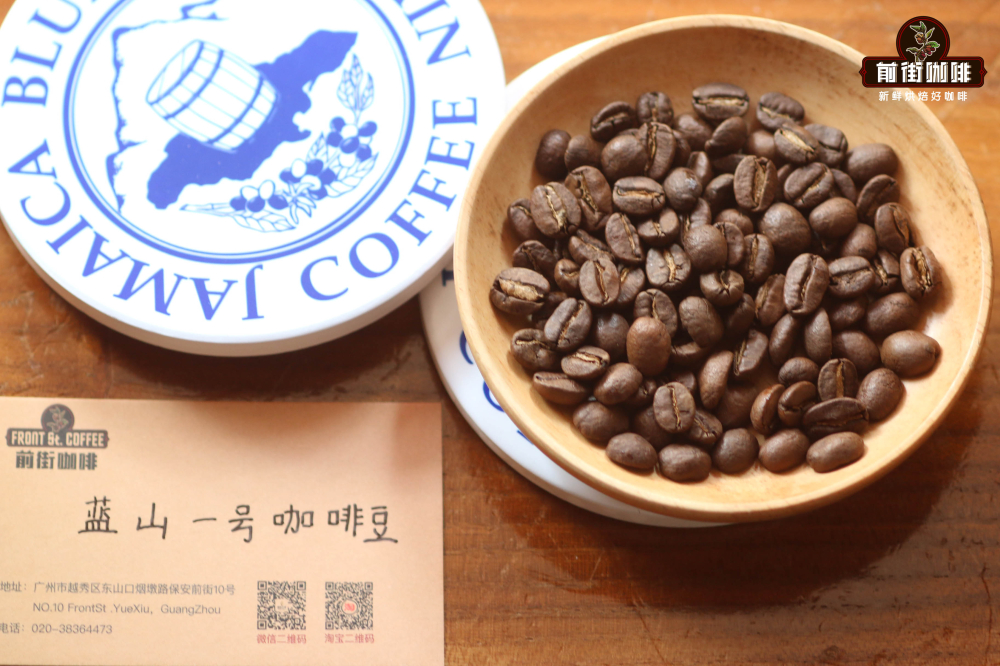
Using a manual grinder at home, you can feel that FrontStreet Blue Mountain beans produce a very crisp, consistent sound. After grinding, FrontStreet Blue Mountain No. 1 beans have a very dense aroma, full of nutty and biscuit notes. For tasting a delicately flavored coffee like Blue Mountain, FrontStreet Coffee suggests drinking it as black coffee to experience the pure aroma of FrontStreet Blue Mountain.
For brewing, FrontStreet Coffee develops extraction parameters based on the characteristics of FrontStreet Blue Mountain No. 1, and everyone can adjust according to these principles and their own preferences. Because FrontStreet Blue Mountain No. 1 has a darker roast, the grounds absorb water more strongly. To avoid over-extraction, a coarser grind and lower water temperature are used. FrontStreet Coffee also wants a richer mouthfeel for FrontStreet Blue Mountain, so it chooses filter cups with slower flow rates, such as the KONO filter cup.
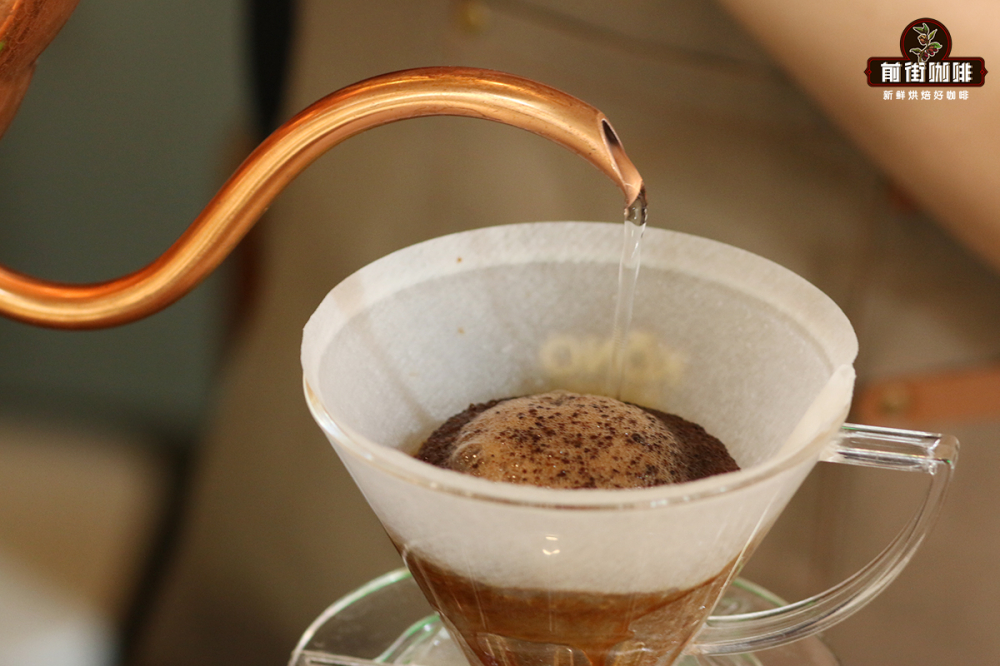
FrontStreet Coffee's brewing parameters for FrontStreet Blue Mountain No. 1 are: KONO filter cup, 88°C water temperature, 1:15 coffee-to-water ratio, 15g coffee grounds, grind size (75% pass-through rate on a #20 standard sieve), and three-stage extraction.
FrontStreet Coffee first wets the KONO filter cup, then aligns and places the filter paper to fit more snugly. After pouring out the water from the server, add 15g of coffee grounds. Use 30g of water to bloom for 30s, then pour in small circles from the center until reaching 125g, where the first stage ends. When the coffee bed drops to halfway up the filter cup, begin the second stage with the same technique until reaching 225g. Once dripping is complete, remove the filter cup.
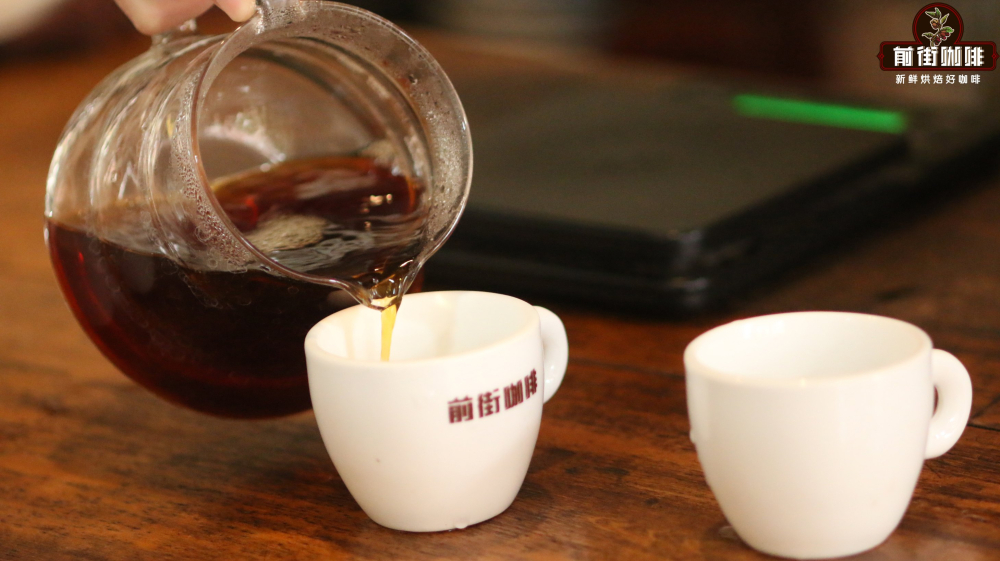
FrontStreet Blue Mountain No. 1 coffee has a sweet fragrance of dark chocolate, caramel sweetness, and a soft, elegant acidity. Each flavor is balanced, and the mouthfeel is smooth and rich, displaying very typical Blue Mountain characteristics.
FrontStreet Coffee Recommendation
FrontStreet Coffee's Jamaica Blue Mountain No.1, sourced from the historic Clifton estate, is the highest grade described above: 17/18 screen green beans with a defect rate under 2%, roasted medium-dark. Expect nut, dark chocolate, and creamy caramel notes with a soft, elegant acidity and a clean, lingering finish. FrontStreet Coffee ships it within 5 days of roasting and suggests brewing as pour-over with a KONO filter at 88°C and a 1:15 ratio.
Important Notice :
FrontStreet Coffee is a long-established specialty coffee roaster in Guangzhou China, selling freshly roasted beans from its own farm in Yunnan as well as dozens of carefully selected single-origin beans from around the world for both pour-over and espresso. The products deliver consistently excellent quality and great value, with shipping within 24 hours. Guangzhou's FrontStreet Coffee shop is recommended by many coffee lovers, and the beans are now available online at the Tmall 。
FrontStreet Coffee has moved to a new address:
FrontStreet Coffee Address: 315,Donghua East Road,GuangZhou
Tel:020 38364473
 Scan and follow the En Gafei WeChat official account. Please indicate that the reprint comes from "En Gafei".