Drip Coffee Brand Rankings and Best Brewing Methods for Perfect Taste
The Rise of Drip Coffee Bags
Drip coffee bags have become a familiar sight in the coffee world, and their sheer convenience is the reason so many people now rely on them.
As cafes embrace more diverse styles and coffee drinkers learn more about what they are drinking, demand for different kinds of coffee keeps growing. Some people cannot install a coffee machine at home, others find that beans stored at home lose freshness over time, and many are put off by the hassle of carrying brewing equipment on a trip or to the office. The Japanese answered all of this by inventing the drip coffee bag, a format that removes those obstacles and meets the needs of everyday drinkers.
The growth of China's coffee market has cultivated a large group of enthusiasts who now chase higher quality. Many try single-origin beans from different regions, but visiting specialty cafes often costs significant money, time, and energy, so plenty of people choose to brew at home instead. Manual brewing, however, can be quite involved, which is why customers so often ask FrontStreet Coffee for a method that is both delicious and simple. FrontStreet Coffee strongly recommends drip coffee bags.
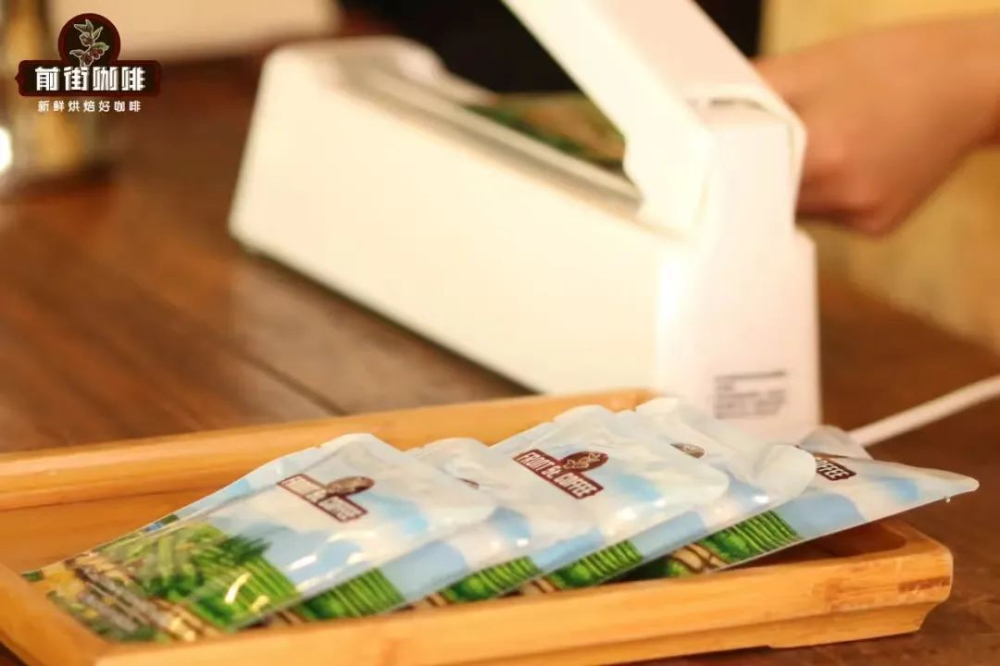
Drip coffee bags are now very common. On the major e-commerce platforms, almost every coffee bean merchant offers a drip bag service, and FrontStreet Coffee is no exception. Many self-roasting cafes provide it too, which has made life easier for enthusiasts and for professionals who travel often. At FrontStreet Coffee locations, drip coffee bags have long been a staple for local residents heading off on business trips or holidays. But did you know that even though drip coffee bags are easy and convenient to use, brewing them well takes a little technique? Many customers who buy drip coffee bags ask FrontStreet Coffee about the right brewing method, and the honest answer is that you should treat a drip coffee bag much like a manual pour-over. Below, FrontStreet Coffee shares the advanced approach to brewing drip coffee bags.
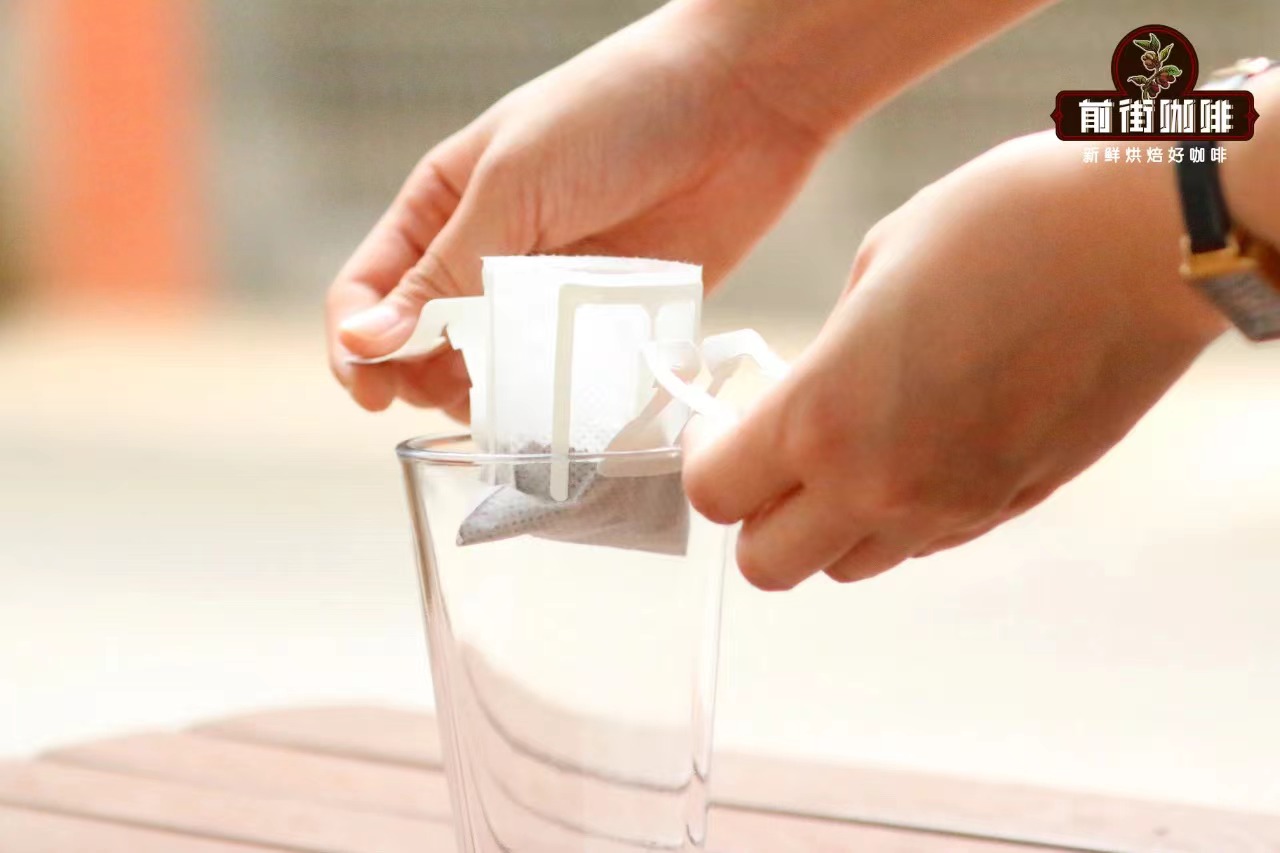
Step 1: Warming the Cup
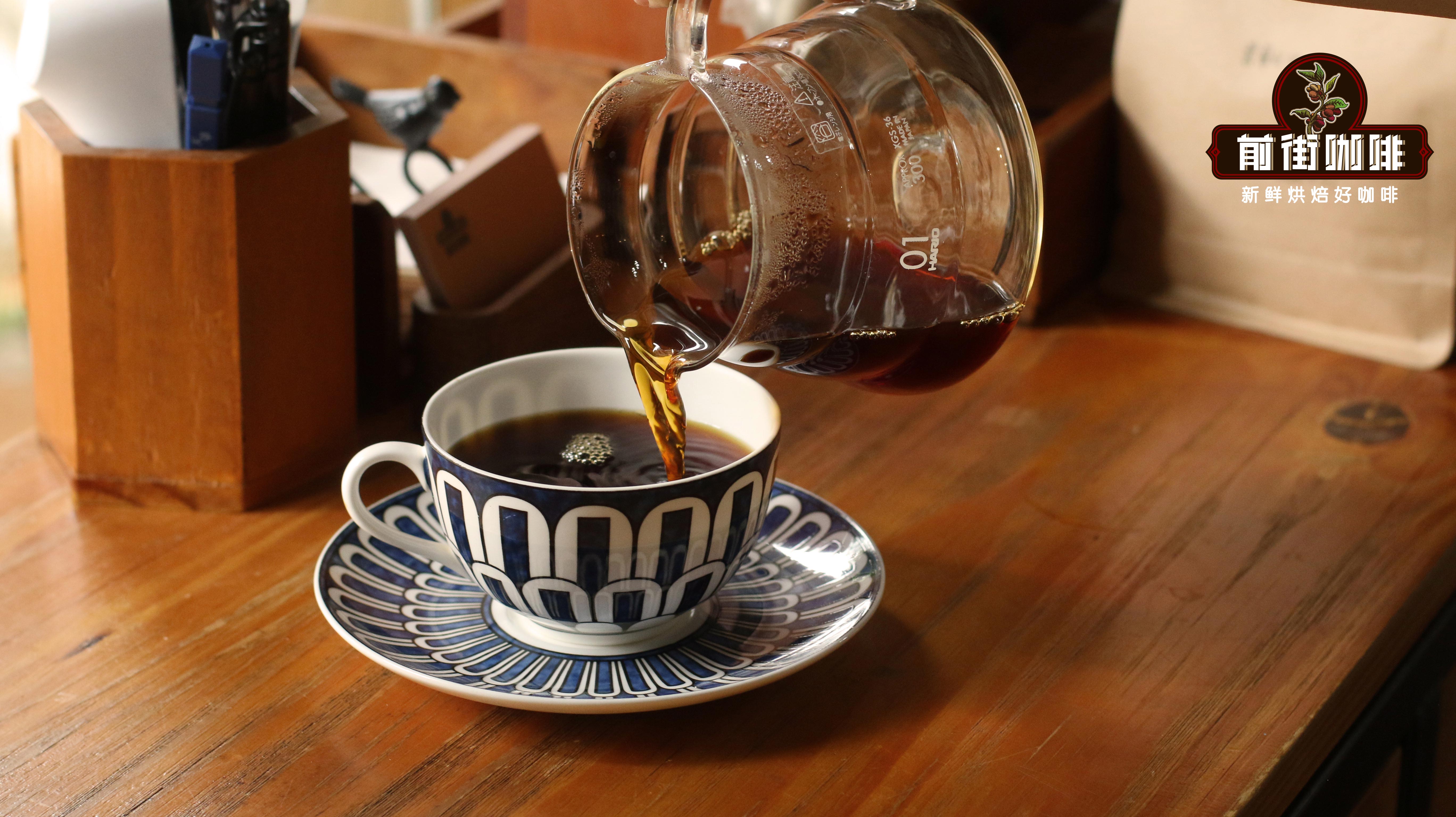
When brewing coffee, FrontStreet Coffee is often asked why cups need warming first. Preheating a cup with hot water before the coffee goes in sounds trivial, but believe it or not it makes a subtle difference to the flavor of the finished brew. The point of preheating is to hold the coffee's temperature steady, and as every coffee lover knows, a good coffee changes character as it cools. If you brew drip coffee into a room-temperature cup, the liquid loses significant heat the moment it touches the cup, and with it you lose the flavors that only show themselves at higher temperatures.
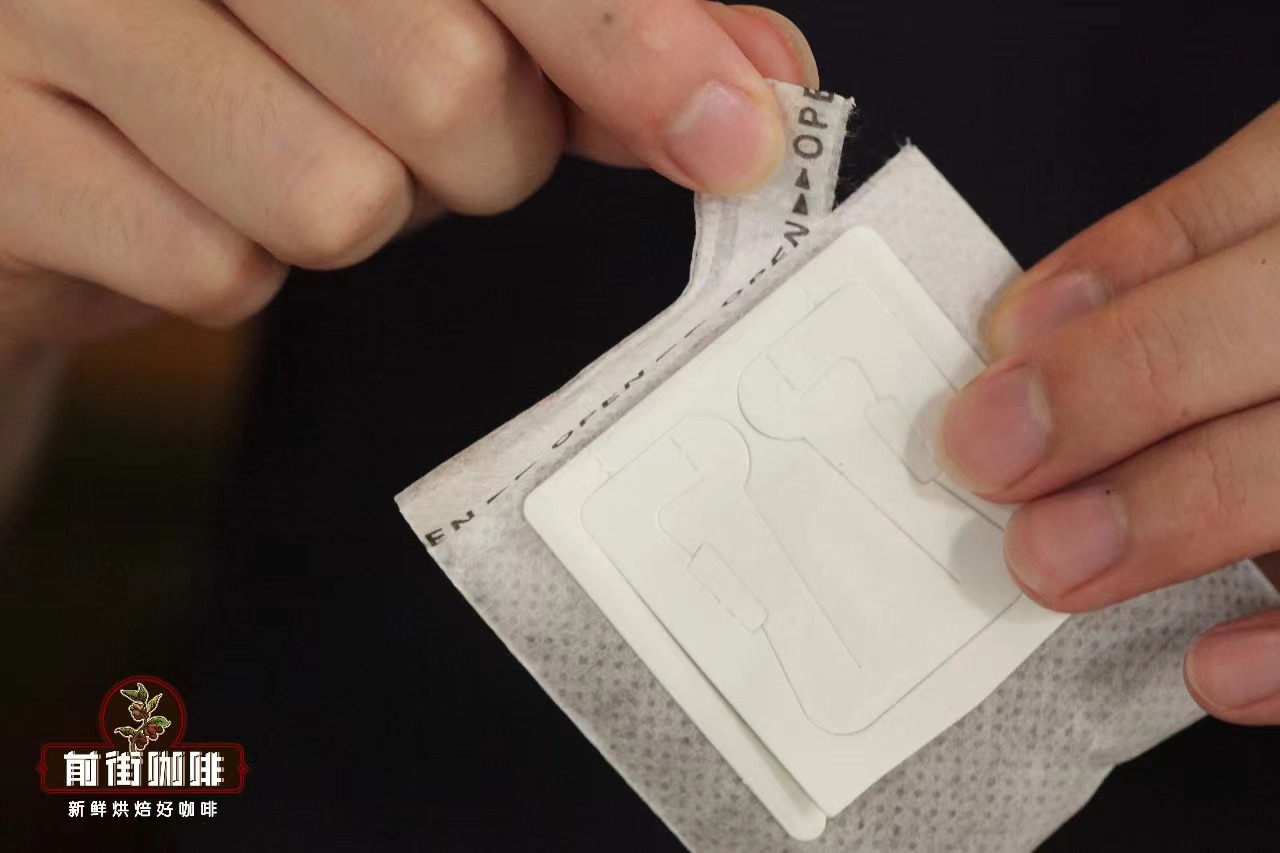
Step 2: Proper Water Temperature and Blooming
Before tearing open the outer packaging and the top of the drip coffee bag, make sure the water temperature is right. This depends on your coffee: follow the instructions on the bag, or use FrontStreet Coffee's consistent rule of thumb, keeping the water at 86-89°C for dark-roast beans and 90-93°C for light roast. Once everything is ready, the correct technique begins with blooming. Use twice the weight of water as coffee grounds; a drip coffee bag generally holds around 10 grams, so about 20 grams of water is enough to bloom. Pour from the center outward, making sure all the grounds are saturated.
Why bloom at all? Because the main purpose is to let carbon dioxide escape from the grounds quickly. That is not the only benefit: once every ground has met water, the extraction that follows draws out the coffee's flavor compounds more easily. After blooming, keep pouring in a circular motion from the center outward until you reach the amount you want. If you do not have a scale, you can simply mark the cup's capacity.
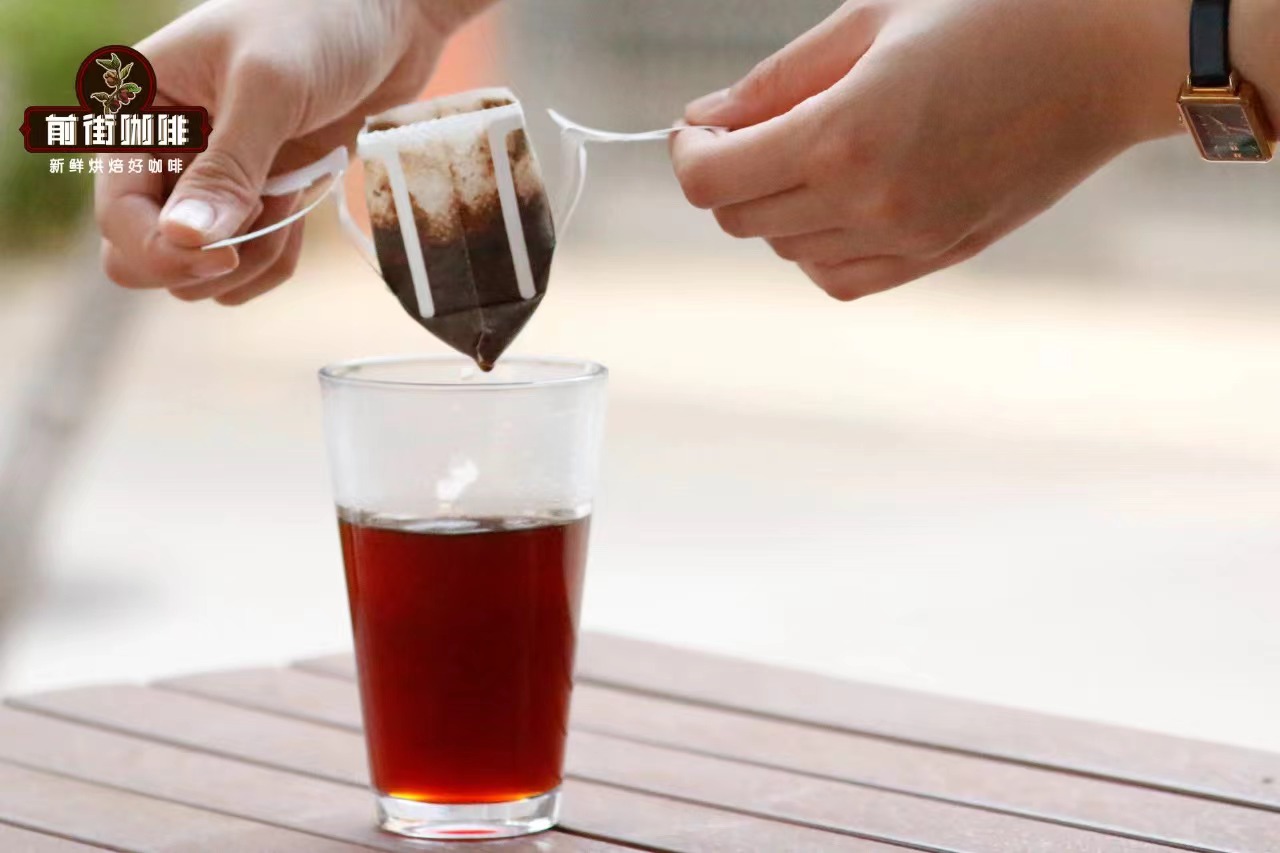
Step 3: Additional Brewing Techniques
Beyond these steps, FrontStreet Coffee has further tips for drip coffee bags. Everyone knows that three main factors shape a manual pour-over: grind size, water temperature, and coffee-to-water ratio. FrontStreet Coffee has already covered water temperature, so let us turn to coffee-to-water ratio and grind size. When you buy a drip coffee bag, the grounds are already pre-ground and the grind size was decided by the merchant. At FrontStreet Coffee, the grind size for drip coffee bags matches that for manual pour-over, because both are drip-filter methods. If you are brewing at home, though, pay attention to adjusting the grind size to suit your brewing equipment, since every type of equipment calls for a different grind. FrontStreet Coffee has put together a reference chart:
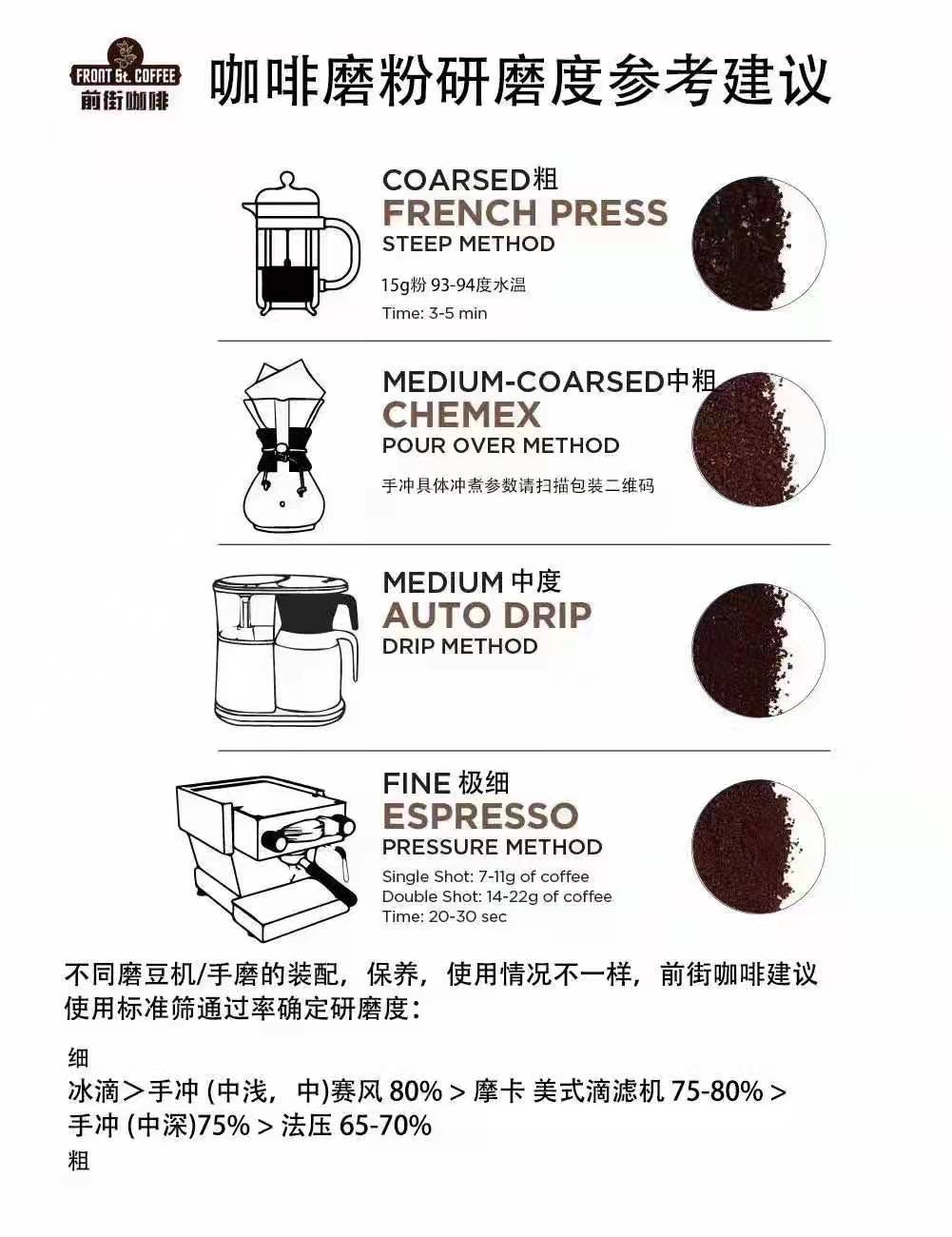
The coffee-to-water ratio is a topic that comes up constantly. If there is too much water, the coffee tastes diluted, what FrontStreet Coffee usually calls "wateriness." If there is too little, the concentration rises and the overall cup becomes richer and heavier.

Differences Between Drip Coffee Bags and Manual Pour-Over
If the steps and methods are the same, what actually separates a drip coffee bag from a manual pour-over? FrontStreet Coffee believes the biggest difference lies in the brewing method. Manual pour-over requires certain equipment, such as drippers, pour-over kettles, and grinders. A drip coffee bag, by contrast, asks only that you carry a small coffee package to enjoy a good cup. Another difference is freshness: drip coffee bags are pre-ground, whereas manual pour-over coffee generally is not, and it is best to grind the beans within two minutes of brewing.
Some local residents visiting FrontStreet Coffee ask whether a drip coffee bag can be brewed more than once. It is best not to. People drink coffee for the taste experience, and after the first brew the essential flavors have already been extracted, leaving only bitterness. A second brew will not harm your health, but the taste turns watery and the astringency increases. FrontStreet Coffee therefore strongly discourages re-brewing. If you really do not want to waste the grounds, you can reuse them to absorb odors, fertilize plants, and so on. Coffee grounds have endless possibilities, and everyone can explore their second life.

Are Drip Coffee Bags Black Coffee?
Drip coffee bags may look widespread from FrontStreet Coffee's point of view inside the coffee community, but that view is limited to that circle. China's market is enormous and coffee is really only beginning to emerge, so many people have yet to encounter a drip coffee bag and end up wondering whether it counts as black coffee. In fact, a drip coffee bag is simply ground coffee powder sealed inside a non-woven fabric bag, so yes, drip coffee bags are black coffee.
FrontStreet Coffee Recommendation
Which drip bag suits you comes down to the flavor you enjoy, and FrontStreet's range covers the main styles. For a bright, floral cup, the FrontStreet Yirgacheffe Gutingding Cooperative drip bag is a washed Ethiopian coffee from the Gedeo Zone, clean and refreshing with lifted citrus acidity, jasmine florals, and a honeyed finish, and it is an easy starting point for newcomers and fans of lighter flavors. If you prefer tropical fruit, the FrontStreet sun-dried Huakui brings ripe tropical-fruit aromatics and a black tea finish, with high sweetness and little bitterness; it comes from the Guji area of Ethiopia at over 2,300 m, where wide day-night temperature swings let the cherries take in more flavor, and it is carefully sun-dried after harvest. When you want something rich and warming instead, the FrontStreet Indonesia Mandheling seasonal drip bag is one of the world's best-known Arabica coffees, also called Sumatra coffee; its herbal, spice, and woody notes suit a dark roast and brew into a bold, gently bittersweet cup of spice, nuts, chocolate, and caramel, ideal for anyone who dislikes sour coffee.
Important Notice :
FrontStreet Coffee is a long-established specialty coffee roaster in Guangzhou China, selling freshly roasted beans from its own farm in Yunnan as well as dozens of carefully selected single-origin beans from around the world for both pour-over and espresso. The products deliver consistently excellent quality and great value, with shipping within 24 hours. Guangzhou's FrontStreet Coffee shop is recommended by many coffee lovers, and the beans are now available online at the Tmall 。
FrontStreet Coffee has moved to a new address:
FrontStreet Coffee Address: 315,Donghua East Road,GuangZhou
Tel:020 38364473
 Scan and follow the En Gafei WeChat official account. Please indicate that the reprint comes from "En Gafei".