Brazil Coffee Bean Grading System Brazil Coffee Growing Characteristics Flavor and Taste Comparison of Different Pour-Over Methods

"Nutty, chocolatey, smooth, and balanced" — these are the words most often used to describe Brazilian coffee. What FrontStreet Coffee appreciates most about it is its "consistency": it delivers on both supply volume and flavor quality. The second virtue is "affordability" — for beginners just starting out, nothing beats experiencing distinct regional flavors at an approachable price. If this is your first Brazilian coffee, FrontStreet Coffee recommends the Cerrado beans: a Red Bourbon variety processed by the pulped natural method with classic Brazilian flavors, priced at 25 yuan per 100 grams — genuinely excellent value. Now, let FrontStreet Coffee guide you into this world-renowned coffee powerhouse.

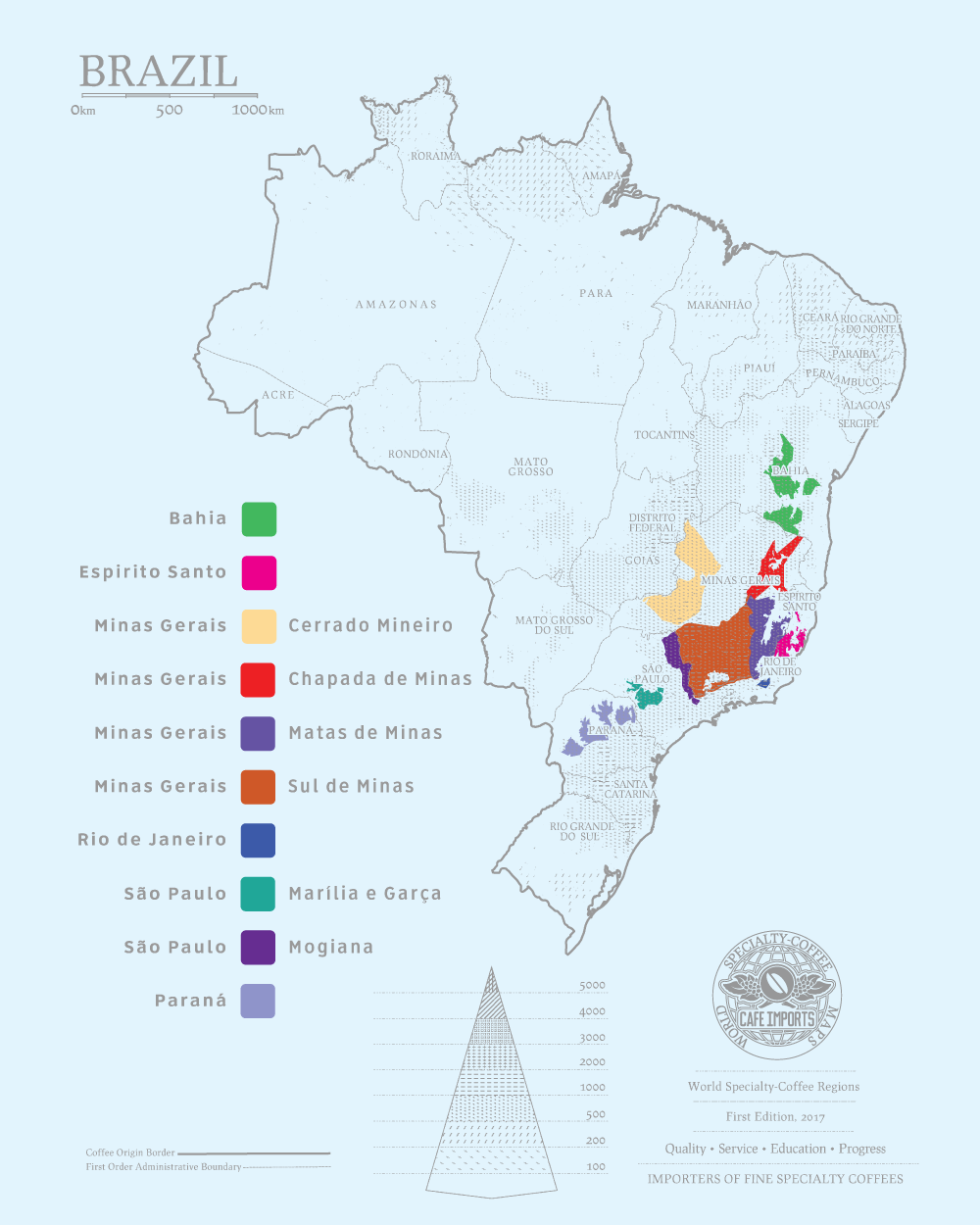
Brazil features flat terrain and uses large-scale, semi-mechanized farming. The main producing regions include Mogiana in São Paulo state, Paraná, Bahia, Espírito Santo, and Minas Gerais. Of these, FrontStreet Coffee considers Mogiana in São Paulo and the Cerrado in Minas Gerais to offer the superior quality.
As you may know, FrontStreet Coffee's Daily Bean series exists to discover beans from around the world that represent their origins, letting consumers experience global coffee flavors at friendly prices. As the world's largest coffee-producing country, Brazil naturally holds a prominent place in that series.
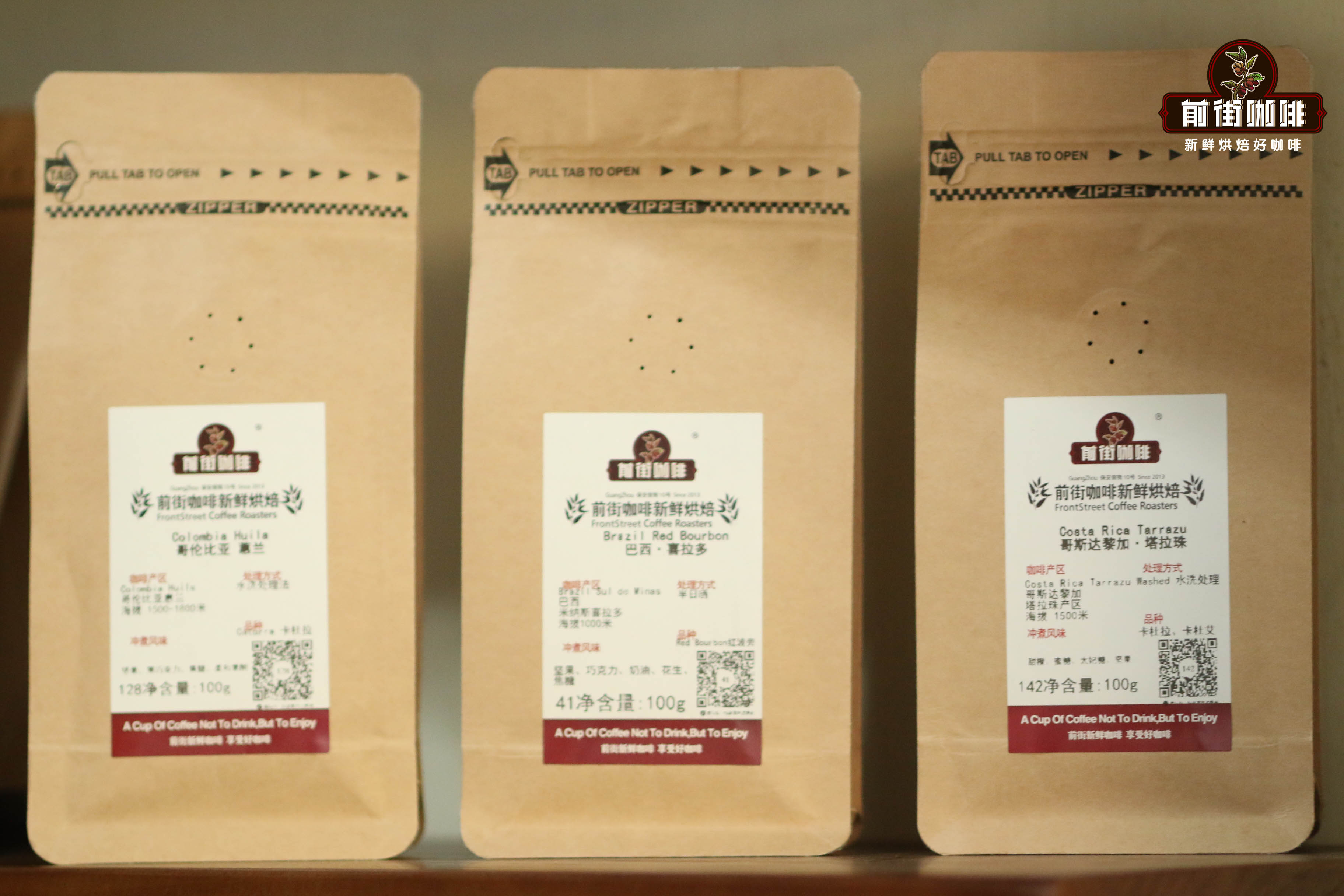
FrontStreet Coffee selected a Red Bourbon from the Cerrado region, showing distinct nutty and chocolate notes with moderate body and smoothness — an excellent choice for those who prefer less acidic coffee. Beyond the Daily Bean series, Brazilian coffee also appears in FrontStreet Coffee's seasonal drip bag line, a testament to Brazil's indispensable role in classic coffee flavors.
The Cerrado Region: A Triumph of Coffee Technology

Cerrado represents a triumph of Brazilian coffee technology. A growing number of large plantations there employ high-tech production methods, extensively cultivating the high-quality Red Bourbon variety. As a pure, ancient Arabica variety, its flavor quality is beyond question, and it makes the region's coffee remarkably consistent. Processing uses Brazil's signature pulped natural technique, leveraging the local climate to reduce defects while delivering substantial body.

Premium Selection: Queen's Farm Yellow Bourbon
Naturally, beyond the Daily Bean series, FrontStreet Coffee also offers an advanced-level Brazilian bean: the Yellow Bourbon from Queen's Farm in the Mogiana region. Queen's Farm ranks among Brazil's finest specialty farms — a winner of the first Cup of Excellence competition, its credentials are truly exceptional.
Queen's Farm takes particular pride in its Yellow Bourbon. A natural mutation of Red Bourbon, it is named for its yellow-ripening cherries; the mutation occurs in only about 10% of cases, making it especially precious. In flavor terms, Yellow Bourbon shows enhanced sweetness and clarity. The farm also employs meticulous natural processing — a stark contrast to the crude naturals of Brazil's past — with great emphasis on drying degree and procedure, an endorsement of its exceptional quality.
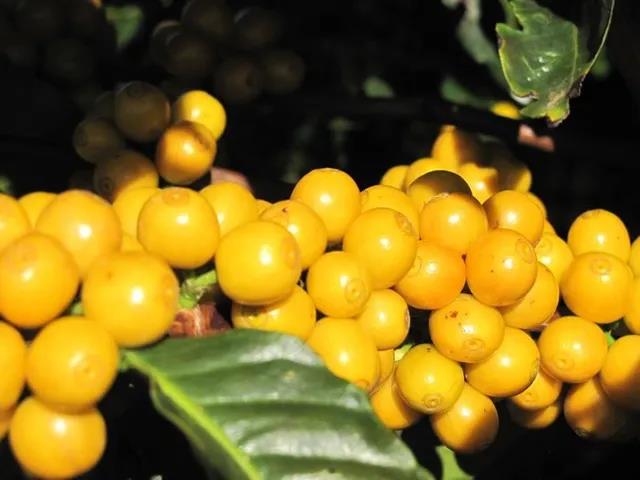
FrontStreet Coffee's Brazil Queen's Farm Yellow Bourbon has been warmly received by customers. FrontStreet Coffee roasts it medium, deliberately extending the Maillard phase to develop sweetness. The flavor profile presents nutty notes, cane sugar sweetness, and chocolate aromas.
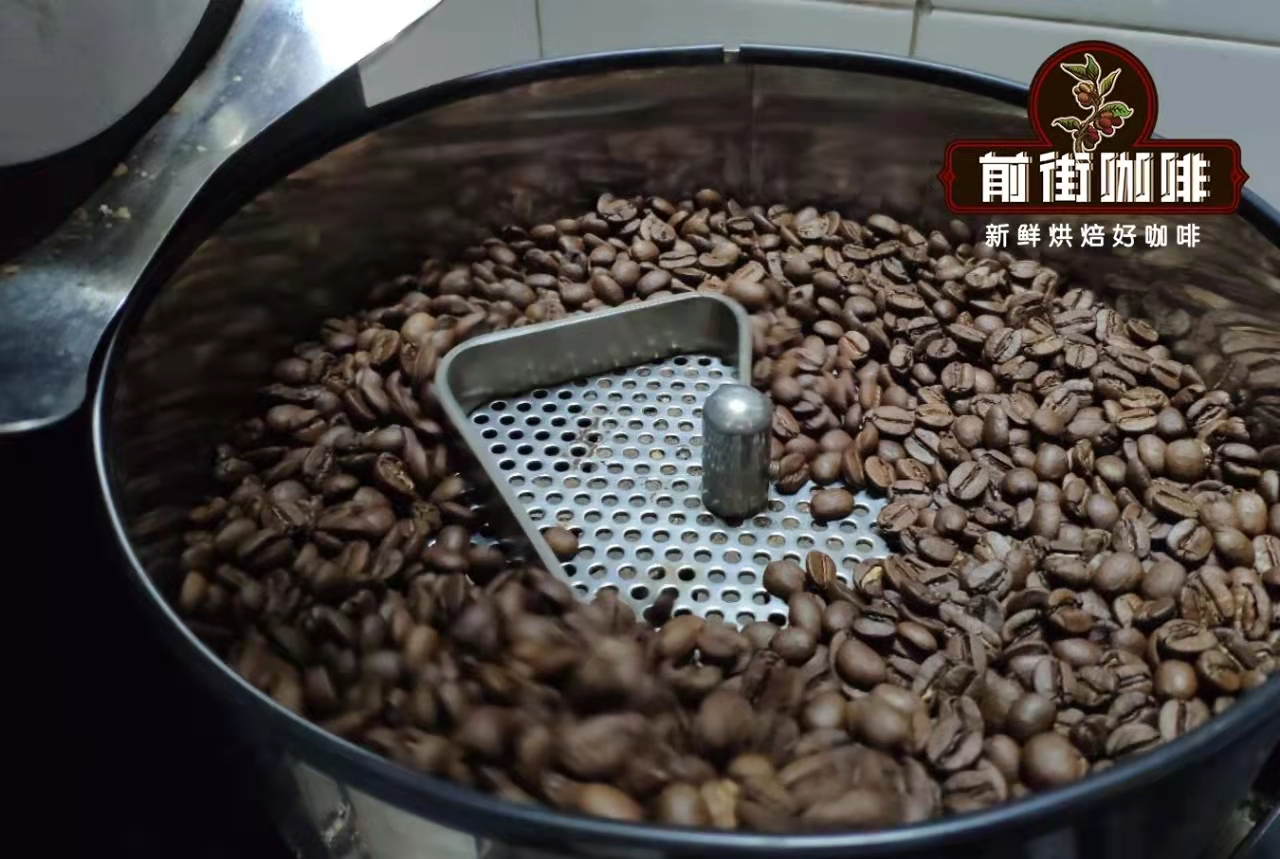
Brazilian Coffee Bean Classification
Among the coffee-growing countries of Central and South America, Brazil has relatively low altitude. So unlike Colombia and its neighbors, which grade beans by the hardness that only high altitude confers, Brazil classifies its coffee on four criteria: bean size, defect rate, cupping quality, and flavor.
Flavor classification (highest to lowest): Strictly Soft, Soft, Softish, Hardish, Rioy (iodine-like flavor).
Defect rate classification: graded by the number of defective beans per 300g of green beans; six defects qualifies as NY.2. Completely defect-free beans can be classed NY.1, but such lots are rare and cannot be supplied consistently, making NY.2 the best commonly available grade in Brazilian green coffee.

Cupping quality classification (highest to lowest): Fine Cup, Fine, Good Cup, Fair Cup, Poor Cup, Bad Cup. FC (Fine Cup) and GC (Good Cup) are the most commonly encountered.
Bean size classification: the largest screen size for Brazilian beans is 19, but production is limited, so screen sizes 17 and 18 represent the highest practical grades.
Both of FrontStreet Coffee's Brazilian beans are graded NY.2, the highest practical grade for green beans.
Brewing Recommendations from FrontStreet Coffee
FrontStreet Coffee brewing parameters: Kono dripper, 88°C water, 15g coffee dose, 1:15 coffee-to-water ratio, medium-fine grind (80% pass-through on the #20 standard sieve).
For darker-roasted beans that emphasize body, FrontStreet Coffee chooses the Kono dripper. Its strength is immersion-like extraction, which pulls more soluble material and enhances body. With fewer ribs concentrated at the bottom, the filter paper clings closely to the dripper wall, restricting airflow and slowing the water flow to extend contact time between water and grounds.

The 88°C water is a relatively low brewing temperature that helps avoid drawing out excessive undesirable flavors — darker roasted beans tend to produce more off-flavors.
Brewing Technique
FrontStreet Coffee uses a segmented extraction: 30g of water for a 30-second bloom, then continue pouring in small circles to 125g. When the water level drops and the coffee bed is about to be exposed, continue pouring to 225g and stop. Total extraction time (counted from the bloom) is 2 minutes.

FrontStreet Coffee uses the same technique for both of its Brazilian beans.
Flavor Comparison
FrontStreet Coffee can clearly perceive that both beans offer relatively full body with distinct nutty and chocolate notes — the classic signature of Brazilian origins. The Queen's Farm Yellow Bourbon shows a cleaner cup, better layering, and caramel-like sweetness, while the Cerrado Red Bourbon presents a more rounded overall profile with stable, persistent chocolate flavor.

FrontStreet Coffee Recommendation
If you only want a first taste of Brazilian character, go with FrontStreet Coffee's pulped-natural Cerrado Red Bourbon: a classic single-origin bean from a region famous for quality, roasted medium to reveal rich aromas of creamed peanut, toasted bread, caramel, and hazelnut. The cup is round and non-acidic with just a whisper of bitterness, and it suits pour-over as well as moka pot, espresso SOE, siphon, or French press brewing.
For a step up, the Queen's Farm Yellow Bourbon from Mogiana — where fertile red volcanic soil feeds the cherries — offers a rarer expression of Brazil: cleaner fruit character with sugarcane sweetness, gentle fruit notes, and chocolate, thanks to a mutation found in only about 10% of Red Bourbon and the farm's meticulous natural processing. Brazil's low acidity and balance are also why its beans anchor so many of FrontStreet Coffee's espresso blends, from the crema-rich house classic to the nutty premium and well-balanced Black Cocoa blends, adding chocolate and cream aromas while stabilizing extraction.
Important Notice :
FrontStreet Coffee is a long-established specialty coffee roaster in Guangzhou China, selling freshly roasted beans from its own farm in Yunnan as well as dozens of carefully selected single-origin beans from around the world for both pour-over and espresso. The products deliver consistently excellent quality and great value, with shipping within 24 hours. Guangzhou's FrontStreet Coffee shop is recommended by many coffee lovers, and the beans are now available online at the Tmall 。
FrontStreet Coffee has moved to a new address:
FrontStreet Coffee Address: 315,Donghua East Road,GuangZhou
Tel:020 38364473
 Scan and follow the En Gafei WeChat official account. Please indicate that the reprint comes from "En Gafei".