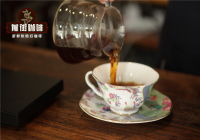
What is Espresso Coffee? A Brief Introduction to the Concept, Characteristics, and Brewing Method of Espresso

The Birth of Espresso Coffee
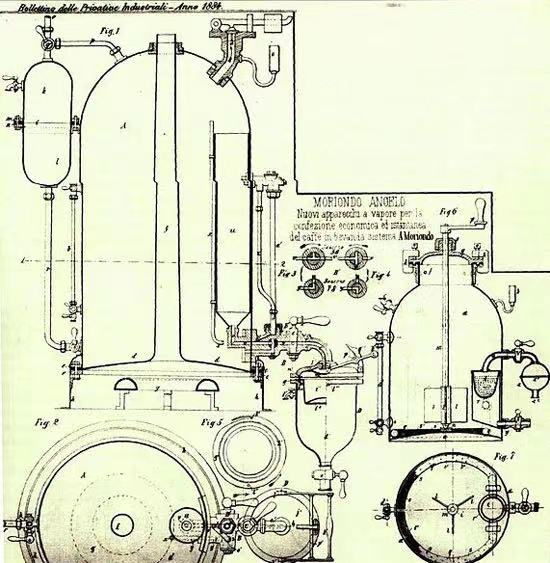
The earliest method of making espresso was born in 1884, when an Italian named Angelo Moriondo designed and patented an espresso machine model. At first, espresso machines worked by using two separate boilers to boil water and generate steam, then using steam pressure to push hot water (around 1.5 bar) through the coffee grounds, extracting an extremely concentrated coffee liquid.
That extraction method, however, could not guarantee a stable result from one shot to the next. So in the early 20th century an Italian named Luigi Bezzera bought the espresso machine patent and modified the design, inventing a method that could pressurize hot water through extremely finely ground coffee within tens of seconds, extracting espresso directly into the cup.
He made several improvements to Moriondo's design and lowered the temperature into a range that produced better-tasting espresso - around 94°C. He also added a coffee powder bowl to achieve a filtering effect, improving the taste. The upgraded machine was sold commercially, and from that point espresso extracted quickly with steam pressure won the pursuit and affection of people across Italy.
After espresso became popular in Italy, a designer named Desiderio Pavoni bought Bezzera's patent, and the two worked together to create a better machine with pressure valves and steam wands, launched at the Milan Expo in 1906. Today that brand is called "La Pavoni," and its machine design and extraction principle are the foundation of the way espresso is made as we know it now.
What is Espresso Coffee?
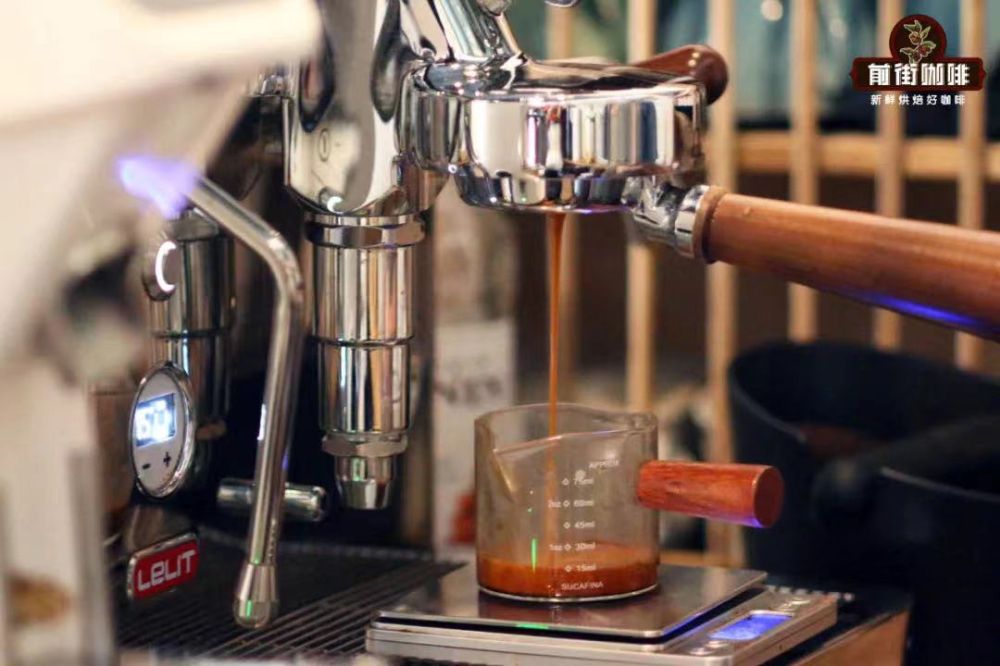
From what FrontStreet Coffee has just shared about the working principle of espresso machines, we can understand that espresso is a beverage made using extremely finely ground coffee, then pressurized by the machine to inject 94°C hot water through the bed of grounds, extracting an extremely concentrated coffee liquid.

Although the concentration is high, a properly extracted espresso will not taste unpleasantly bitter. FrontStreet Coffee believes a good espresso, while intense in flavor, should carry no burnt bitterness. The crema should be delicate and smooth, the overall mouthfeel rich and clean, with a noticeable sweet aftertaste.
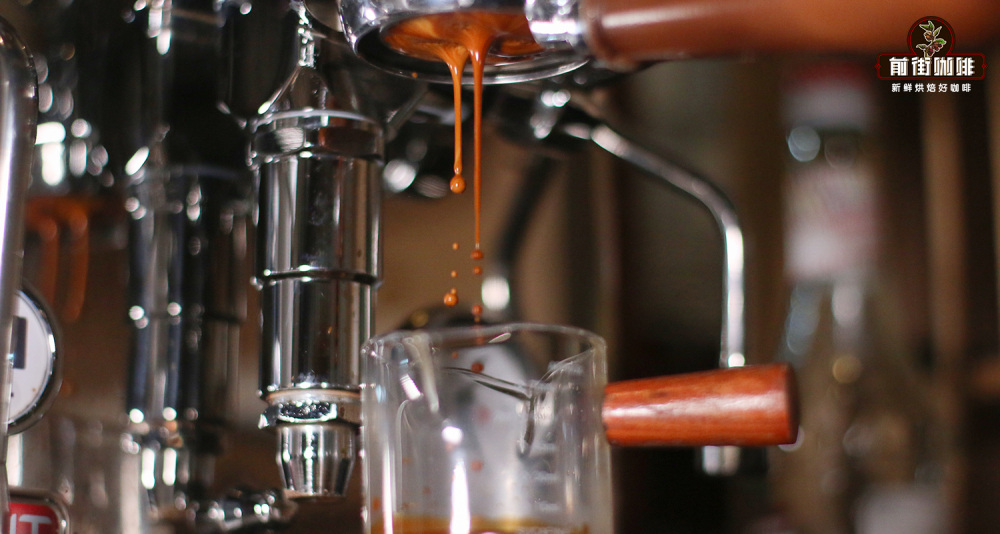
Once extraction is complete, espresso carries a layer of golden crema. Espresso crema is not entirely oil; it is the result of structural changes that freshly roasted beans undergo during roasting, which produce and retain large amounts of carbon dioxide.

When the coffee is ground into extremely fine particles and extracted under pressure of up to 9 bar, the sealed, pressurized environment causes the coffee oils and carbon dioxide to fuse and be pushed out by the water, forming a crema foam with a delicate, smooth texture. So to make delicious espresso you must choose freshly roasted medium-dark or darker beans and grind them fresh, so there is the right amount of carbon dioxide to form crema.
As beans are roasted longer, their structure keeps changing, so they retain more carbon dioxide. More carbon dioxide, however, does not necessarily mean better-tasting espresso. Excessive carbon dioxide can make the crema taste rough and also affect the release of soluble compounds during extraction. All coffee beans sold by FrontStreet Coffee are shipped within 5 days of roasting - 100% freshly roasted.
After purchasing FrontStreet Coffee's espresso beans, you can keep them unopened in a cool, dry place for 7 days from the roast date before starting to use them. During this time the beans naturally release carbon dioxide through the one-way degassing valve on the packaging. Releasing some carbon dioxide properly helps achieve more stable extraction.
How to Extract Espresso?
According to Specialty Coffee Association (SCA) standards, use 7-9 grams of coffee grounds (double: 14-18 grams) to extract 25-35g of coffee liquid in 20-30 seconds, with extraction pressure at 9-10 bar and water temperature at 90-96°C.
Every coffee machine, grinder and set of beans is different, so extraction parameters will vary to some extent. You cannot simply follow a grind setting and extraction time - the most important thing is to adjust parameters based on the final taste of the espresso.

Every coffee shop adjusts up or down according to the beans and equipment it uses. FrontStreet Coffee's own café production uses its "Sunflower Warm Sun Blend," with distinctive whiskey, vanilla and cream flavors, made from 70% Honduras sherry-process beans blended with 30% Ethiopia natural Yirgacheffe red cherry beans.
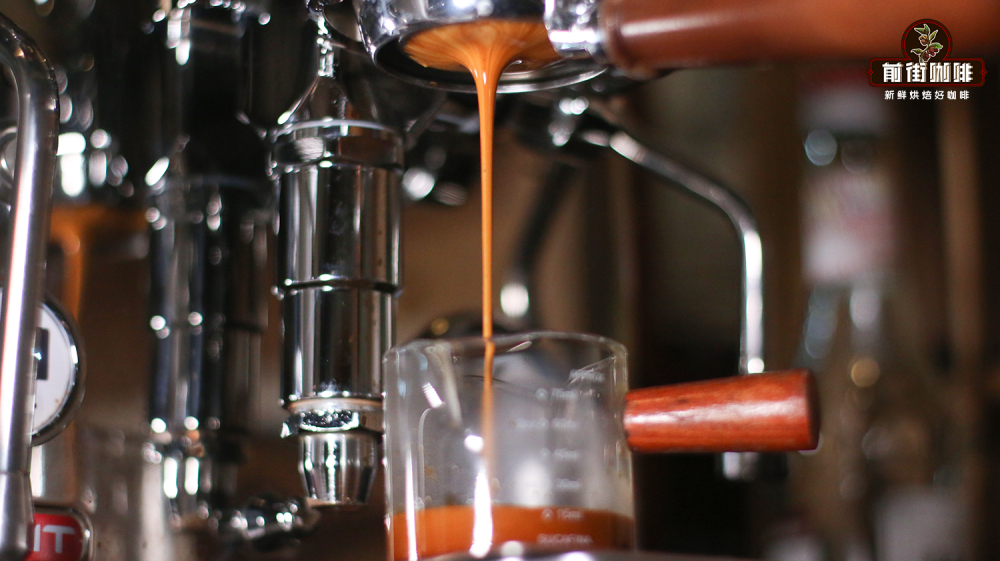
According to the barista's adjustments at the café on the day this article was edited, 19.5g of extremely finely ground coffee was used to extract 35g of coffee liquid with 94°C water under pressure, in an extraction time of about 30 seconds. The espresso showed vanilla cream-like smoothness, slight berry acidity and sweetness, fermented wine aroma, and the sweet fragrance of hazelnut caramel.
How to Drink Espresso?
Compared with the intensely bitter espresso of more than a decade ago, today's bean quality has steadily improved, and with more research into coffee roasting, the quality of espresso has improved along with it.

Before tasting, first drink a little ice water to cleanse the palate and let the tongue relax. After the barista presents the espresso, stir it with a spoon to make it more uniform. Then taste it in three sips: the first to take in the flavors, the second to feel the richness, and the third to sense the aftertaste and finish.
FrontStreet Coffee Recommendation
If those three sips have you wanting to pull your own shots, the bean you choose matters as much as your technique. FrontStreet's Classic Blend is designed specifically for espresso and moka pot brewing, and its greatest strength is outstanding crema - even a beginner on a modest home machine can extract a dense, silky layer for lattes, cappuccinos and Dirty coffees. Built on the traditional Mamba blend recipe, it is full-bodied and rounded, easy for seasoned drinkers and newcomers alike.
For a nuttier espresso, FrontStreet's Specialty Blend pairs Brazil Cerrado with Colombia Huila for the familiar classic Italian profile - almond, walnut and peanut aromas over comfortable bittersweetness and creamy peanut, with a smooth, slippery mouthfeel and just the right acidity. Its Dark Cocoa Blend brings the ripe-plum acidity of Yunnan small-bean coffee, releasing creamy chocolate aromas when ground and suiting both latte and Americano as well as coffee specials. Whichever you choose, grind fresh, dose 7-9g for a single (14-18g for a double), and aim for 25-35g of liquid in 20-30 seconds at 9-10 bar and 90-96°C.
Important Notice :
FrontStreet Coffee is a long-established specialty coffee roaster in Guangzhou China, selling freshly roasted beans from its own farm in Yunnan as well as dozens of carefully selected single-origin beans from around the world for both pour-over and espresso. The products deliver consistently excellent quality and great value, with shipping within 24 hours. Guangzhou's FrontStreet Coffee shop is recommended by many coffee lovers, and the beans are now available online at the Tmall 。
FrontStreet Coffee has moved to a new address:
FrontStreet Coffee Address: 315,Donghua East Road,GuangZhou
Tel:020 38364473
 Scan and follow the En Gafei WeChat official account. Please indicate that the reprint comes from "En Gafei".