How Long Do Roasted Coffee Beans Stay Fresh? What's the Best Time to Drink Coffee After Roasting?
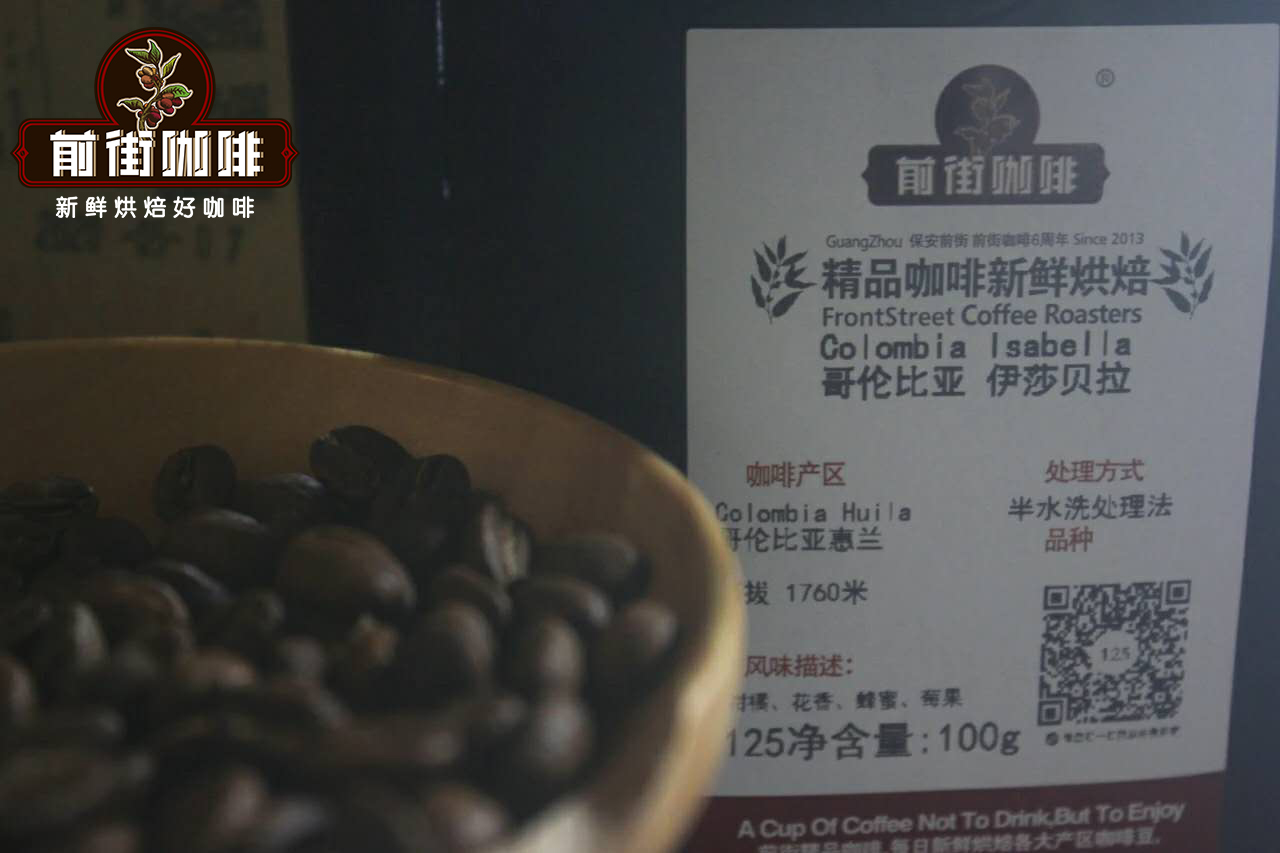
People always ask how coffee beans should be stored to stay fresh. Freshly roasted coffee gradually loses its flavor over time, so we always want coffee that was just roasted in order to enjoy fresh coffee. So how should beans be stored? First we need to understand what coffee beans fear, and then we know what to avoid.
(1) Fear of Moisture
Roasted coffee is in an active state and easily affected by outside influences. In relatively humid places, coffee beans readily absorb external flavors and moisture, causing the beans to develop off-flavors. For this reason I do not recommend putting coffee beans in the refrigerator. When beans are taken out of the refrigerator, a temperature difference forms and condensation appears, and the coffee will inevitably lose its flavor.
(2) Fear of Oxygen
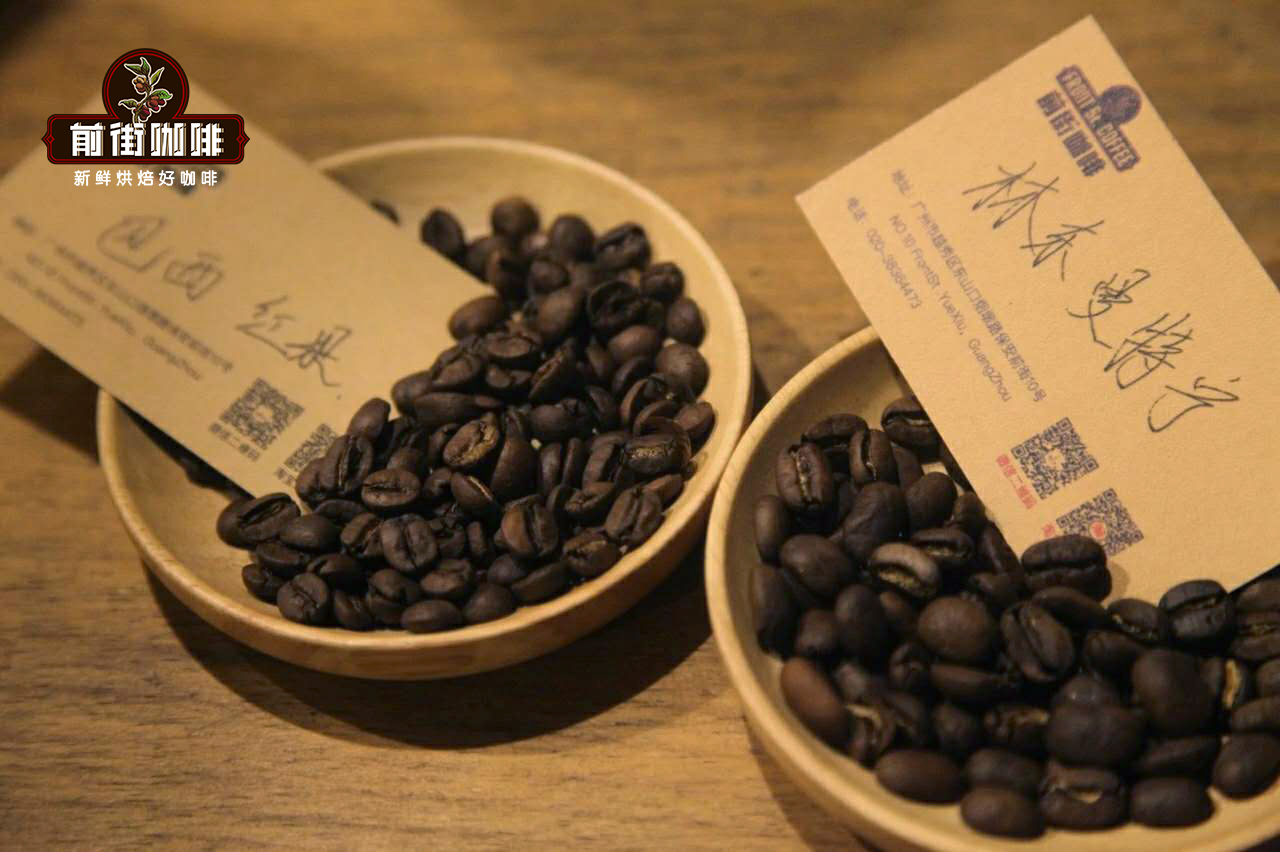
When coffee beans come into contact with sufficient oxygen, they oxidize mercilessly. Moderately reducing oxygen can therefore extend the freshness period of coffee beans.
But oxygen is everywhere, and within 3 seconds of opening your package it will rush into your one-way valve bag. So blocking air completely is actually very difficult.
(3) Fear of Light and Heat
This does not mean coffee beans cannot face a light source, but rather that roasted coffee is food, and exposure to sunlight can cause rapid microorganism growth that affects coffee quality. Pleasant temperatures and sunlight are breeding grounds for bacteria. FrontStreet Coffee therefore chooses packaging bags made of opaque kraft paper composite materials.
How Long Can Coffee Beans Be Stored?
Generally, coffee beans used for pour-over coffee are single-origin beans, meaning coffee from a single origin, which better reflects the unique flavors of the growing region. Good coffee beans are directly reflected in their flavor, defect rate, and roasting freshness. Defective beans directly affect the overall flavor of the coffee, so it is best to choose freshly roasted coffee beans. Taking FrontStreet Coffee's medium and light roasted coffee beans as an example, as a food product the shelf life is about 6 months, but as specialty coffee the optimal tasting period for beans is generally 4-30 days, with some beans having longer degassing periods that can extend to about 45 days.
As a consumer, you do not need to pursue roasting freshness too obsessively. Freshly roasted coffee beans (after completely cooling) should be quickly packed into bags with one-way degassing valves for storage. Although this is when freshness is highest, the texture is not yet stable—for example, large amounts of carbon dioxide will escape—so we need to patiently wait for the roasted beans to reach a stable state. This process is commonly known as "bean resting."
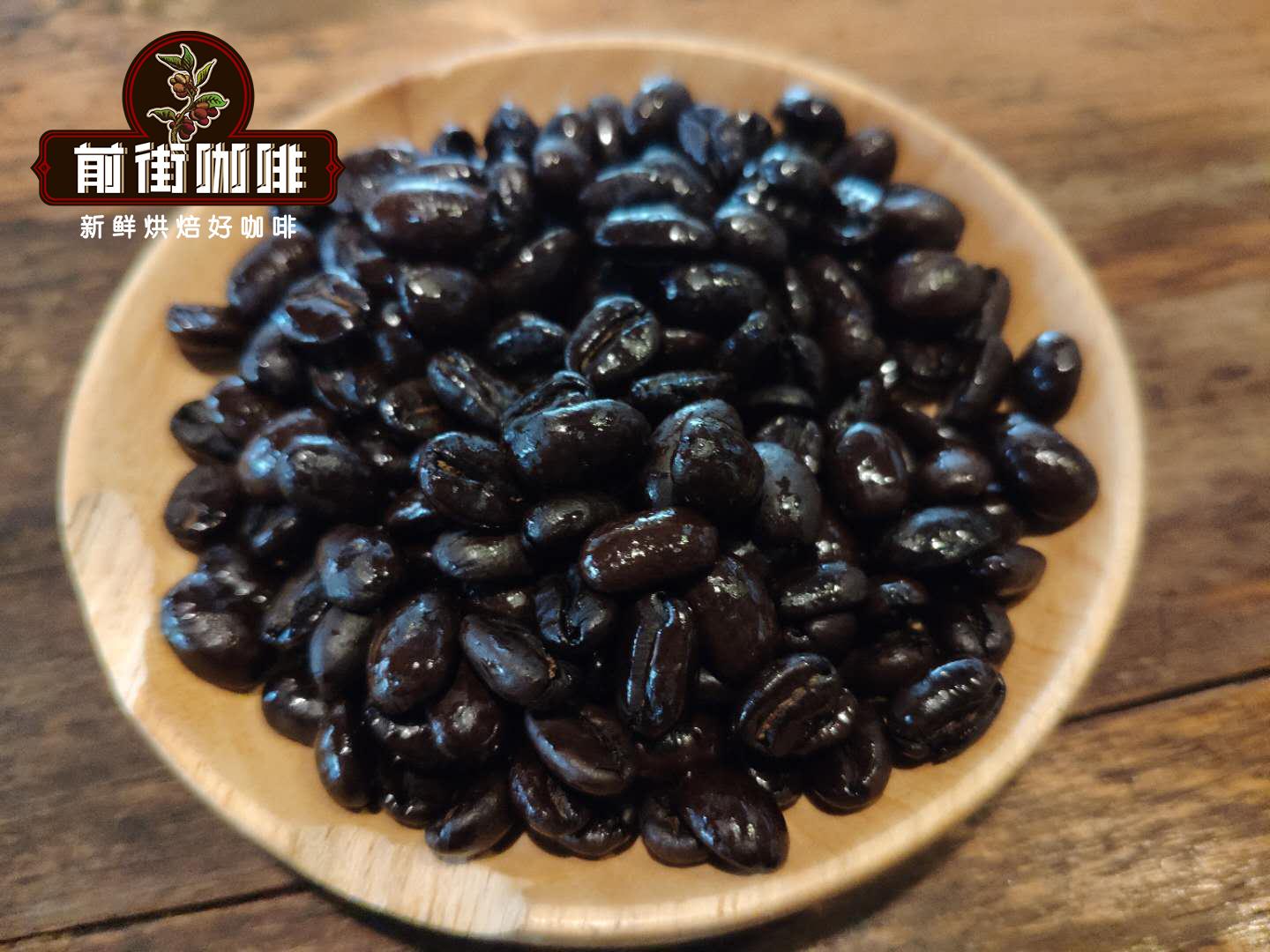
Regarding the resting period, each bean's specific situation is different. Some develop optimal flavor after 4 days of resting, while others need two weeks. FrontStreet Coffee recommends a resting period of 7 days. Coffee enthusiasts can also run their own tests—brew fresh roasted coffee daily to observe its flavor changes, which will accurately identify the resting period for a particular coffee.
FrontStreet Coffee once conducted an experiment in which a bag of FrontStreet Coffee roasted Colombia San Jose coffee beans was stored in a sealed packaging bag with a degassing valve for 3 months before a brewing test. We found that these beans could still expand and release gas during the blooming process, and when tasted they still contained lingering flavor notes. Sealed storage is therefore very important for maintaining coffee bean freshness.
How to Better Store Coffee Beans
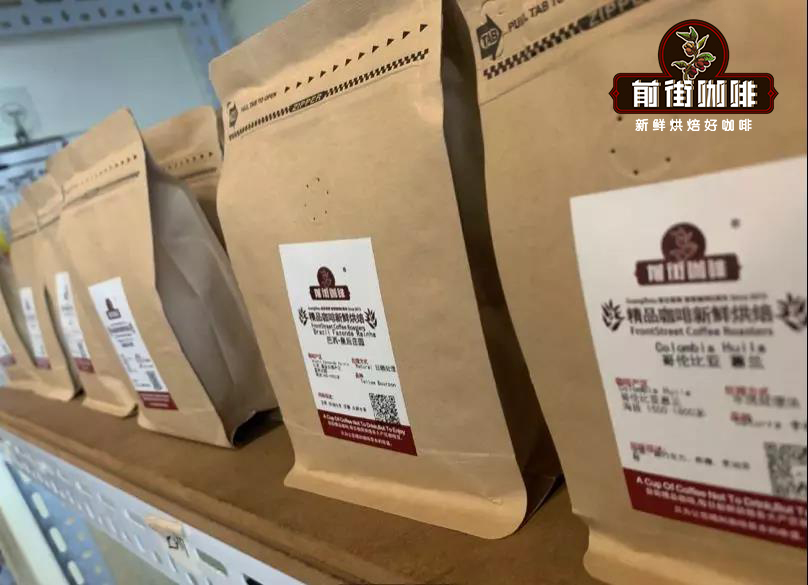
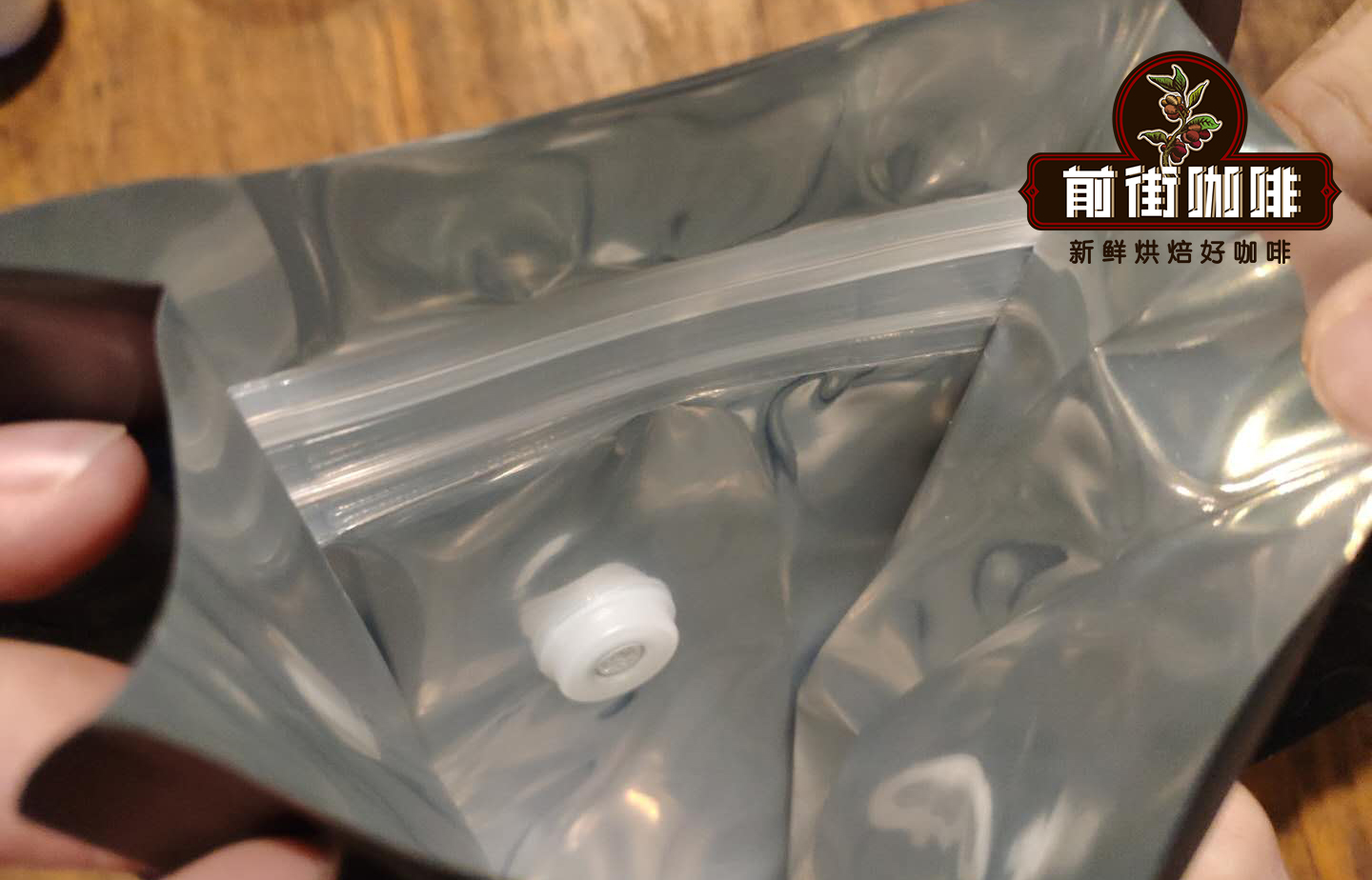
1. Use Packaging Bags with One-Way Valves
Coffee bean packaging generally uses bags with one-way valves, and these containers are actually sufficient for storing coffee beans.
When storing, do not forget to squeeze the air out of the bag and press the zipper closed. Keep the one-way valve bag flat to reduce internal oxygen and slow down coffee oxidation.
2. Use Airtight Containers and Utilize Carbon Dioxide for Freshness
In addition to one-way valve packaging bags, many coffee shops and coffee bean merchants use airtight containers as coffee bean storage containers.
Although they do not have one-way valves, airtight containers can utilize carbon dioxide as a preservation tool. After roasting, coffee beans continuously release carbon dioxide, which constantly pushes oxygen out in a sealed environment. At the same time, carbon dioxide is heavier than oxygen, so as it is released it wraps around the coffee beans, reducing contact between the beans and oxygen.
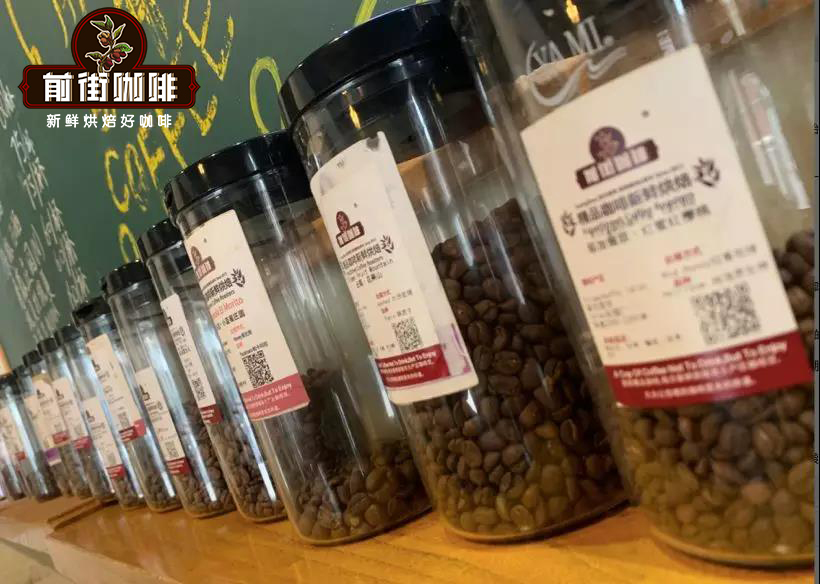
FrontStreet Coffee recommends choosing opaque airtight containers with good thermal insulation as storage containers.
Finally, regardless of which storage container is used, the most important thing is to protect against light, heat, oxidation, and moisture. Only in this way can coffee beans be better stored to maximize the retention of coffee flavor.
FrontStreet Coffee Recommendation
Since freshness matters most for pour-over, the beans worth storing carefully are the ones with the most delicate aromatics. FrontStreet Coffee's Yirgacheffe Gutingtin Cooperative is a fully washed, medium-light roasted Ethiopian bean whose jasmine and bright citrus acidity fade fastest, so it rewards a tight seal and a rest of about a week before brewing. The FrontStreet Coffee Ethiopia Hualai, with its strawberry, passion fruit, and jackfruit aromas and low bitterness, is the same kind of bean—vivid, juicy, and best enjoyed within its optimal tasting window. Both are single-origin coffees that suit the fast-flowing V60, so keep them away from light and heat and drink them while the fruit is still singing.
Important Notice :
FrontStreet Coffee is a long-established specialty coffee roaster in Guangzhou China, selling freshly roasted beans from its own farm in Yunnan as well as dozens of carefully selected single-origin beans from around the world for both pour-over and espresso. The products deliver consistently excellent quality and great value, with shipping within 24 hours. Guangzhou's FrontStreet Coffee shop is recommended by many coffee lovers, and the beans are now available online at the Tmall 。
FrontStreet Coffee has moved to a new address:
FrontStreet Coffee Address: 315,Donghua East Road,GuangZhou
Tel:020 38364473
 Scan and follow the En Gafei WeChat official account. Please indicate that the reprint comes from "En Gafei".