Introduction to Yunnan Coffee Varieties Typica and Bourbon: Roasting Flavor Characteristics of Yunnan Beans
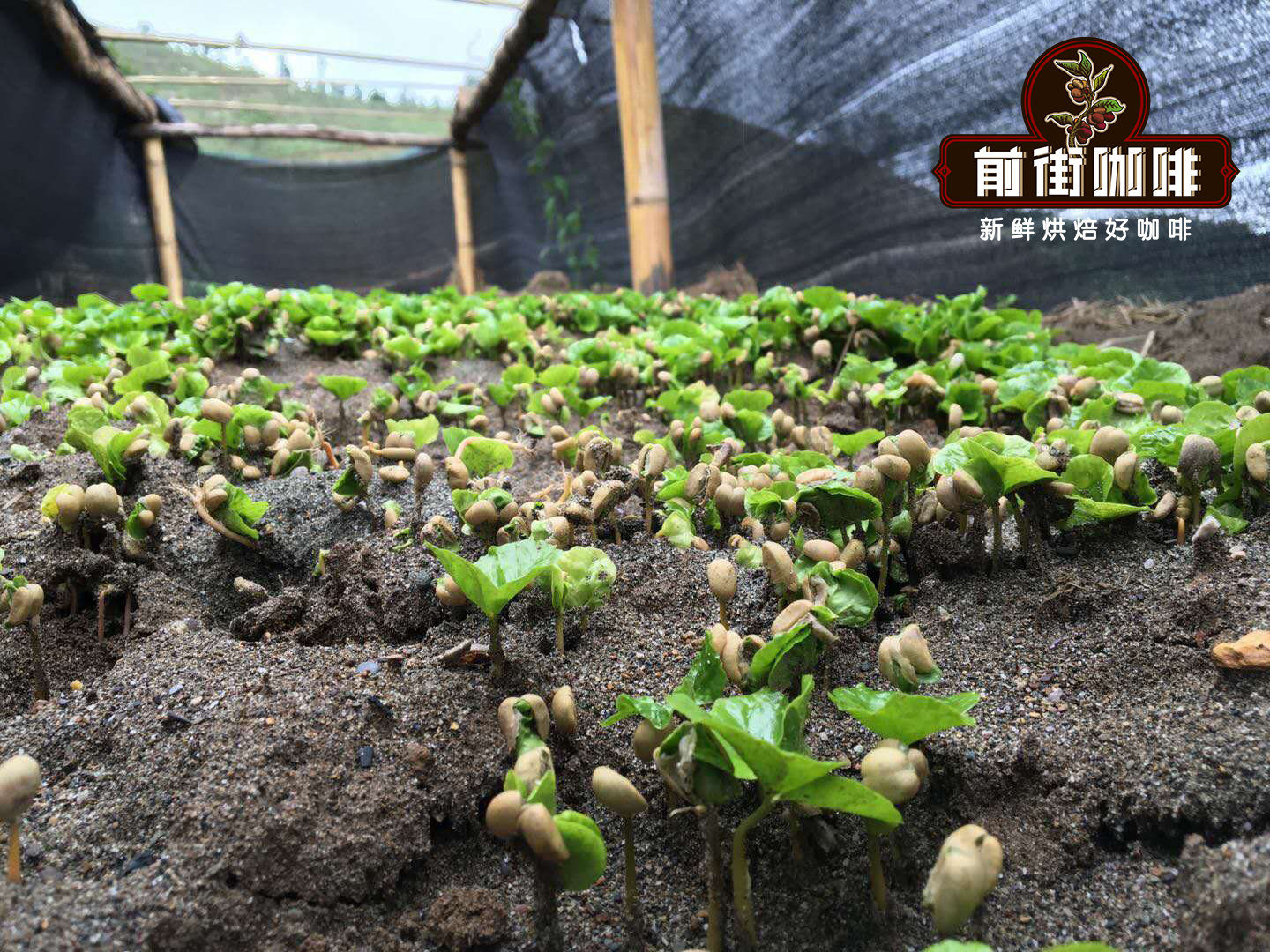
Yunnan coffee, also known as Yunnan small-grain coffee, has evenly sized, full-bodied beans and a rich yet balanced flavor. FrontStreet Coffee loves Yunnan coffee because it represents China's own coffee heritage, and FrontStreet Coffee also carries a mission to change how people perceive it, recognizing how critical coffee varieties are to flavor. The main varieties currently cultivated in Yunnan are Catimor, Typica and Bourbon. Today FrontStreet Coffee explores the evolution of Yunnan's coffee varieties.
Yunnan Typica Coffee
Yunnan Typica traces back to 1904, when French missionary Alfred Tienne brought coffee seeds (Typica) from Vietnam to Yunnan and cultivated them successfully in Zhugula Village, Binchuan County, Yunnan Province. This marked the beginning of Yunnan's coffee history, generally referred to as small-grain coffee and commonly known in China as Yunnan small-grain coffee.

After the 1930s, the renowned overseas Chinese leader Mr. Liang Jinshan introduced coffee to Pupiao and Luoming for cultivation, continuing until after the founding of New China. From 1952 onward, under the guidance of expert Ma Guojin from the Baoshan Tropical Crop Research Institute, large-scale coffee cultivation began in areas such as Lujiang, giving roughly 60 years of large-scale cultivation history to date. Most of the Yunnan Typica we can taste today comes from plantings established during this era.
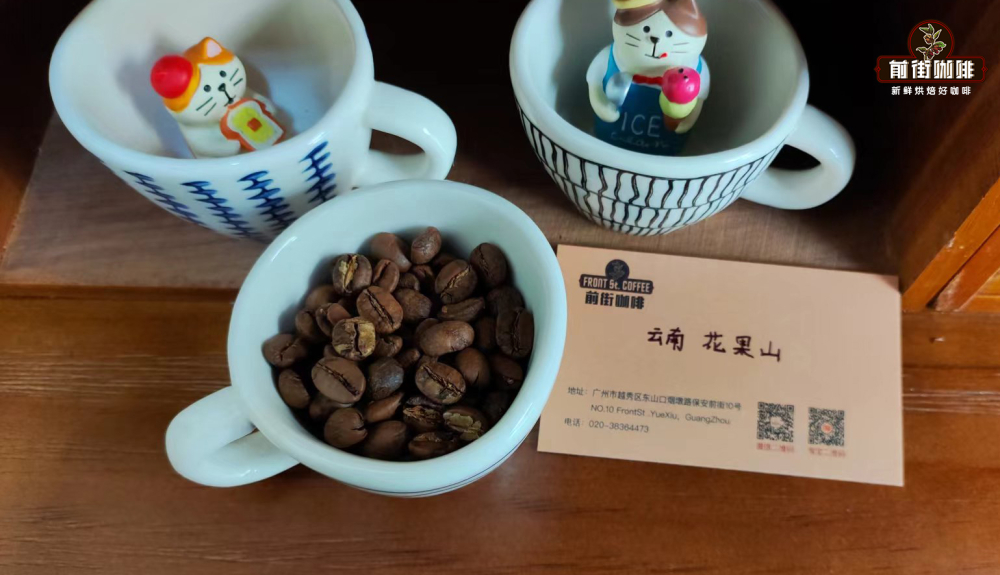
FrontStreet Coffee Yunnan Huaguoshan
Origin: Baoshan region, Yunnan, China
Altitude: 1200m
Variety: Typica
Processing: Washed
FrontStreet Coffee Roasting Analysis
FrontStreet Coffee's roasters believe a medium, slow roast best highlights the rounded, smooth character of Huaguoshan beans while preserving their rich floral and fruit aromas.
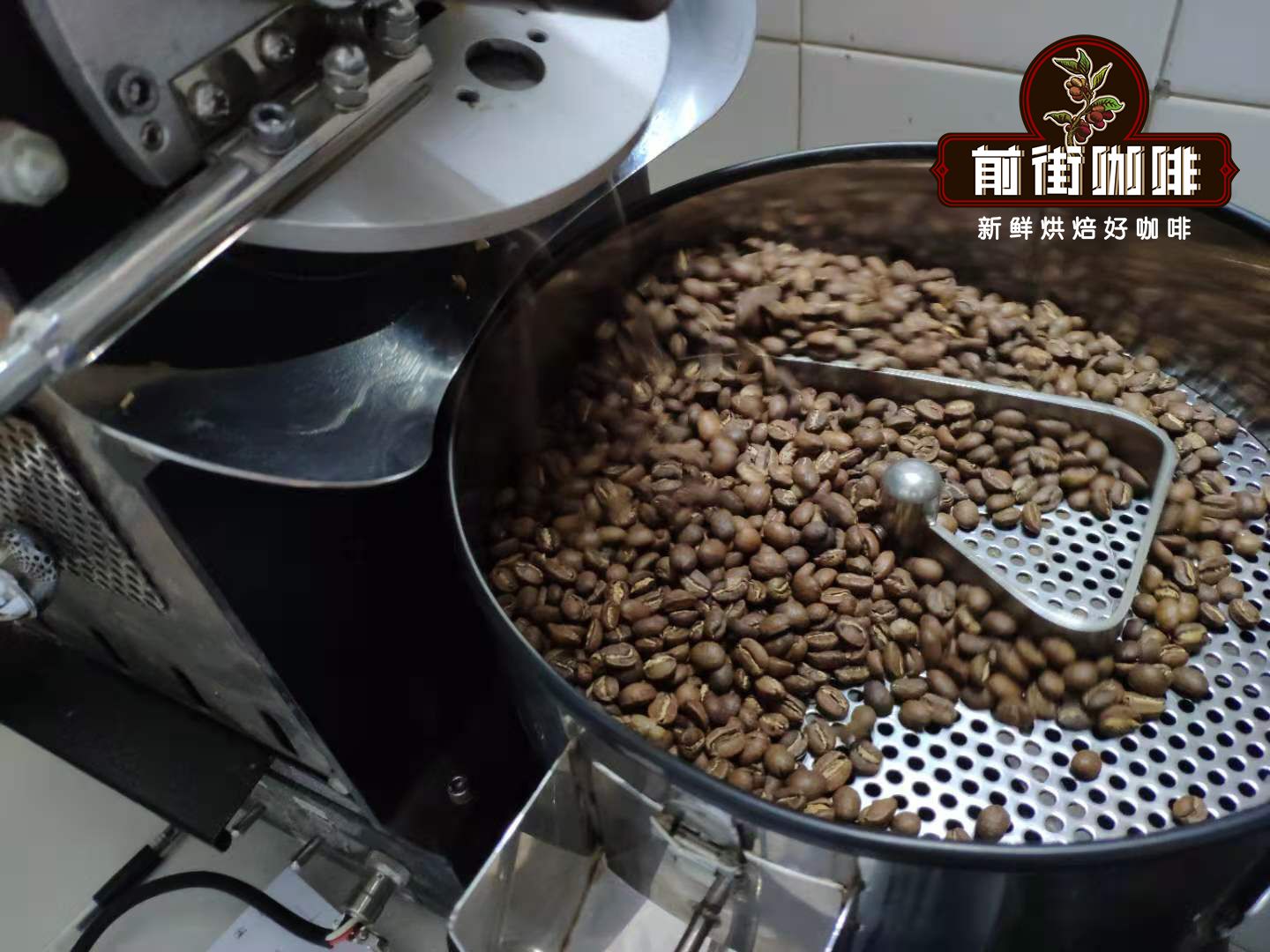
Roasting Machine: Yangjia 600g semi-direct flame: heat to 200°C with the damper at 3. After 30 seconds, reduce heat to 160°C and leave the damper unchanged. Temperature returns at 1'33"; adjust the heat once at 168°C when the beans turn yellow and the grassy aroma disappears completely, indicating dehydration is complete. Reduce heat to 130°C and set the damper to 4. At 8'45" the beans show ugly wrinkles and dark spots and the toast aroma distinctly transforms into coffee aroma, which can be defined as the prelude to first crack. At this point, listen carefully for the first crack sound. First crack begins at 9'07"; reduce heat to 80°C and open the damper fully to 5 (the heat adjustment must be very careful, not so low that the crack sounds stop). Discharge at 198°C, 3'00" after first crack.
FrontStreet Coffee Cupping Results
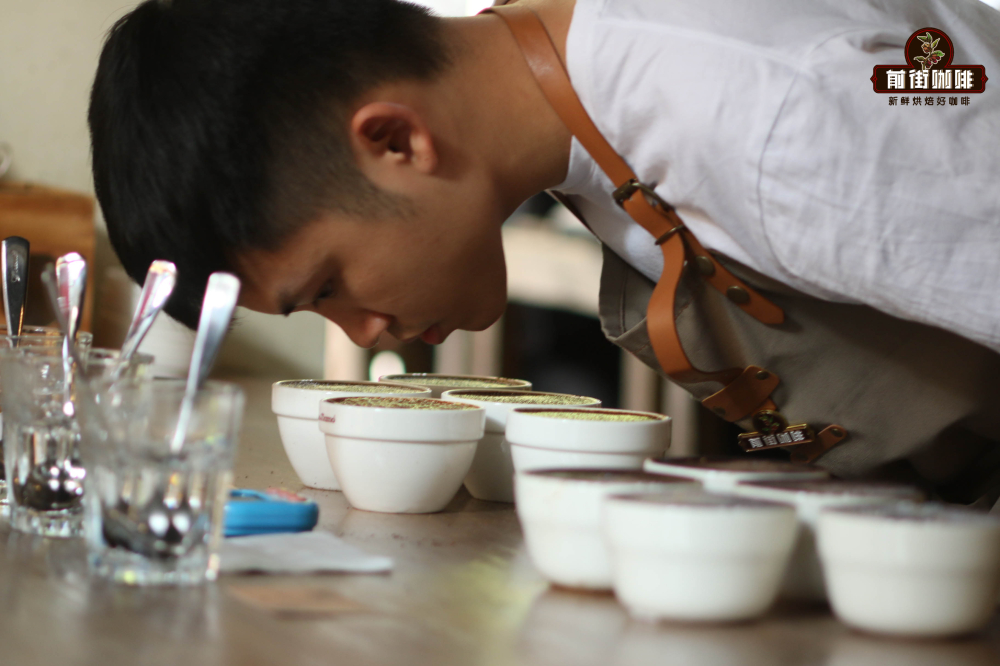
Yunnan Huaguoshan: rich fruit aroma on entry, melon and herbal plant notes, a smooth entrance. The mid-palate reveals nuts and milk chocolate. The finish features lively, bright plum acidity with good balance. Medium body, full texture. From hot to warm, layered sweet and sour notes emerge, sweet first and then sour, with apricot and citrus-toned acidity. The finish features black tea and hints of brown sugar.
FrontStreet Coffee Brewing Recommendations
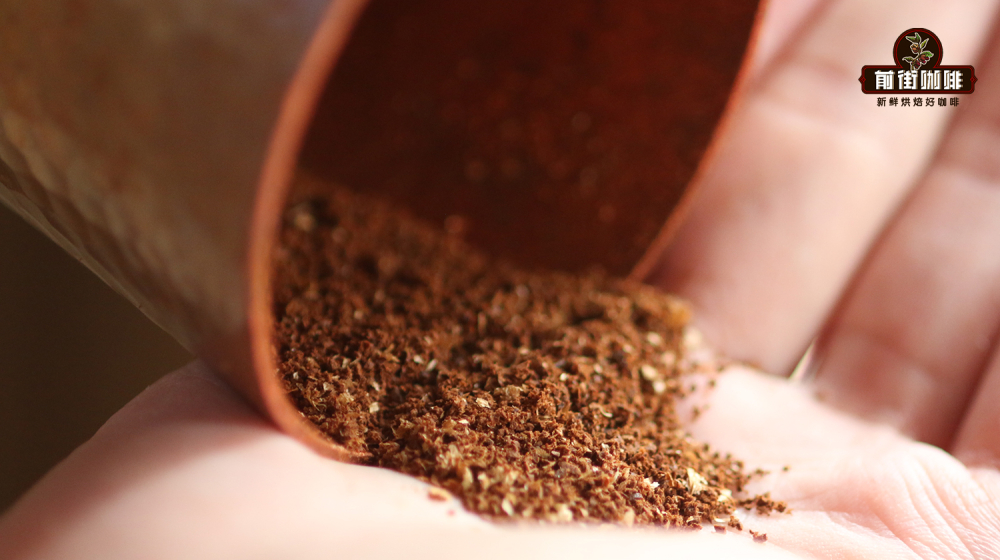
Coffee dose: 15g. Recommended coffee-to-water ratio: 1:15 (for a clearer flavor, use 1:16). Use a V60 dripper with 88°C brewing water to achieve smoother acidity. Grind: medium-fine, sugar-sized (80% pass-through on a #20 sieve).
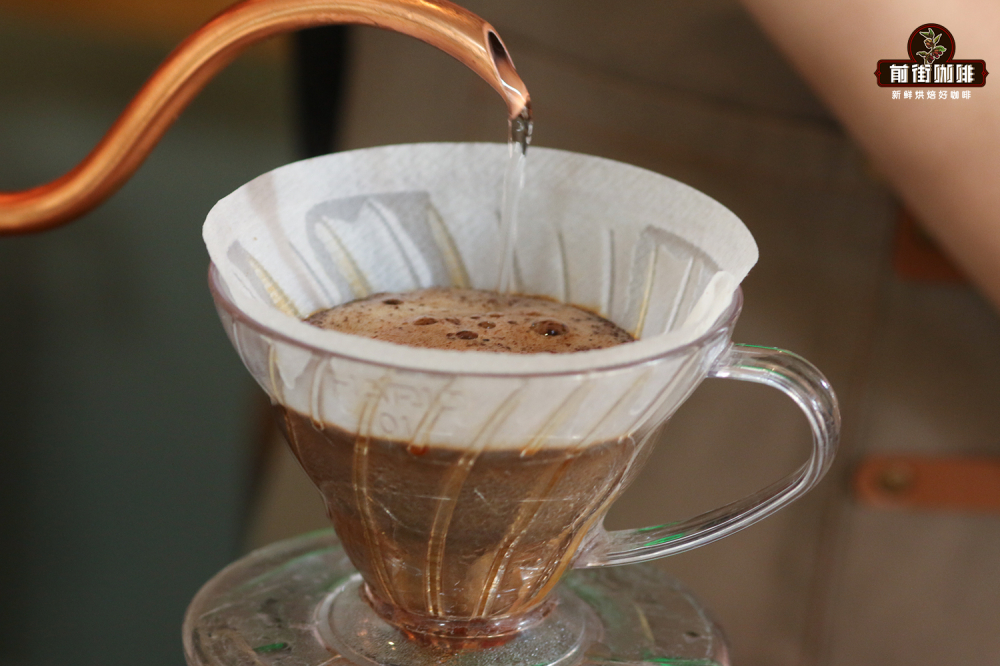
Brewing Technique: 30g of water for the bloom, bloom time 30s. First pour to 125g with a vertical stream and a small, slow circular motion. Second pour to 225g with a slightly faster stream and circular speed to reduce fine particles clogging the filter and causing over-extraction. (The timer starts from the bloom.) Total extraction time: 2 minutes.
Yunnan Catimor Coffee
In 1959, Portuguese growers moved Brazil's Bourbon mutation Caturra to East Timor, where it was hybridized with Timor Hybrid (which carries Robusta genetics) to create Catimor, with exceptional disease resistance and productivity. As leaf rust devastated coffee-producing countries worldwide, international organizations helped promote Catimor cultivation to resist leaf rust and increase yields.

Starting in 1992, Nestlé established a coffee agriculture department specifically to guide and research Yunnan coffee improvement and cultivation, introducing high-yield, disease-resistant Catimor and purchasing coffee at US spot market prices. Catimor is not pure Arabica. It is a hybrid of Timor Hybrid (an Arabica x Robusta cross) and Caturra (a Bourbon mutation), so Catimor contains 25% Robusta genetics, which determines its flavor defects: insufficient aroma richness, an overall bitter taste, and a tendency toward astringency and stimulating musty flavors.
Currently, Catimor and its improved varieties are the most widely planted coffee varieties in Yunnan. This is what the market commonly calls Yunnan small-grain coffee (originally, Yunnan small-grain coffee referred to Typica, but as Catimor came to dominate Yunnan's coffee production, today's Yunnan small-grain refers to Yunnan Catimor).
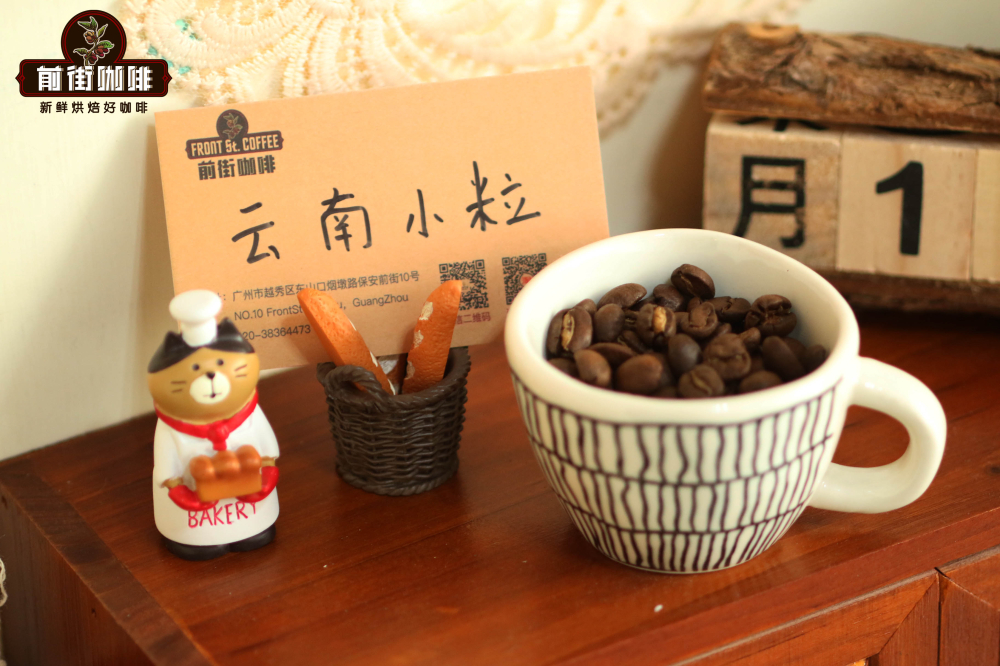
FrontStreet Coffee Yunnan Small-Grain Coffee
Origin: Baoshan region, Yunnan, China
Altitude: 1200m
Variety: Catimor
Processing: Washed
FrontStreet Coffee Roasting Analysis
Yunnan Small-Grain Coffee, Yangjia 800N (300g batch size): charge at 190°C with heat at 120 and the damper at 3. Temperature returns at 1'40"; when it reaches 145°C, open the damper to 4 and hold the heat. When the temperature reaches 166°C, the beans turn yellow and the grassy aroma disappears completely, entering the dehydration stage. When the temperature reaches 188°C, reduce heat to 60°C and set the damper to 5. At 8'37" the beans show ugly wrinkles and dark spots and the toast aroma distinctly transforms into coffee aroma, which can be defined as the prelude to first crack. At this point, listen carefully for the first crack sound. First crack begins at 9'00"; leave the damper unchanged, develop for 3 minutes after first crack, and discharge at 198°C.
FrontStreet Coffee Cupping Results
Yunnan Small-Grain Coffee cupping: smooth entrance, Asian herbal plant aroma, lively and bright acidity, mouth-watering on both cheeks. Soft acidity, well-balanced richness, complex layers. The finish distinctly features dark chocolate, honey and cane sugar, and when completely cooled, brown sugar notes emerge.
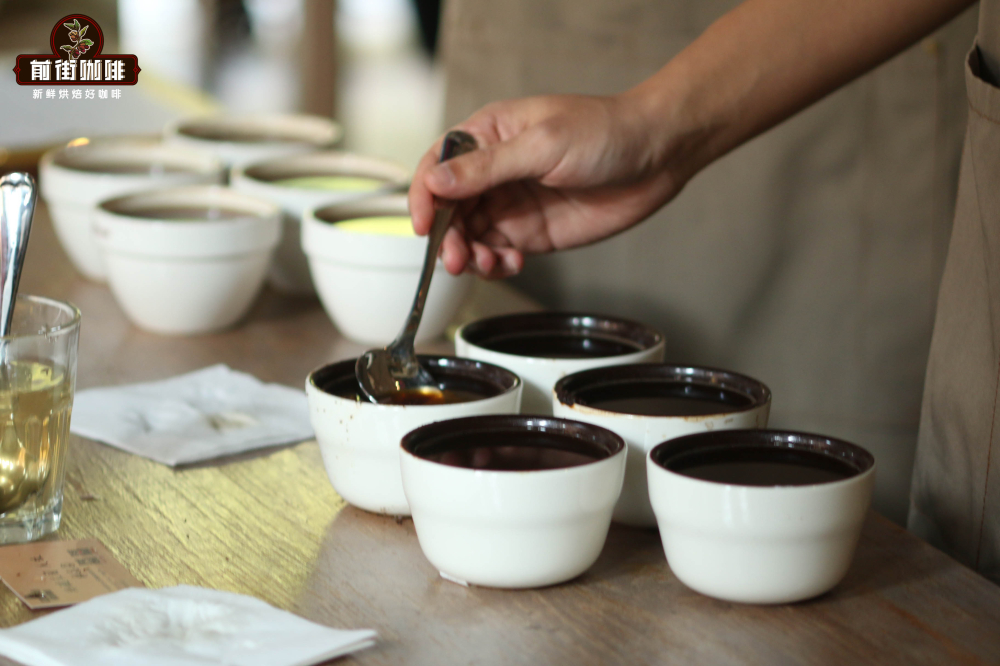
FrontStreet Coffee Brewing Recommendations
Coffee dose: 15g. Recommended coffee-to-water ratio: 1:15. Use a V60 dripper with 88°C brewing water to achieve smoother acidity and highlight Pu'er tea-like characteristics and tea aroma. Grind: medium-fine, sugar-sized (80% pass-through on a #20 sieve).
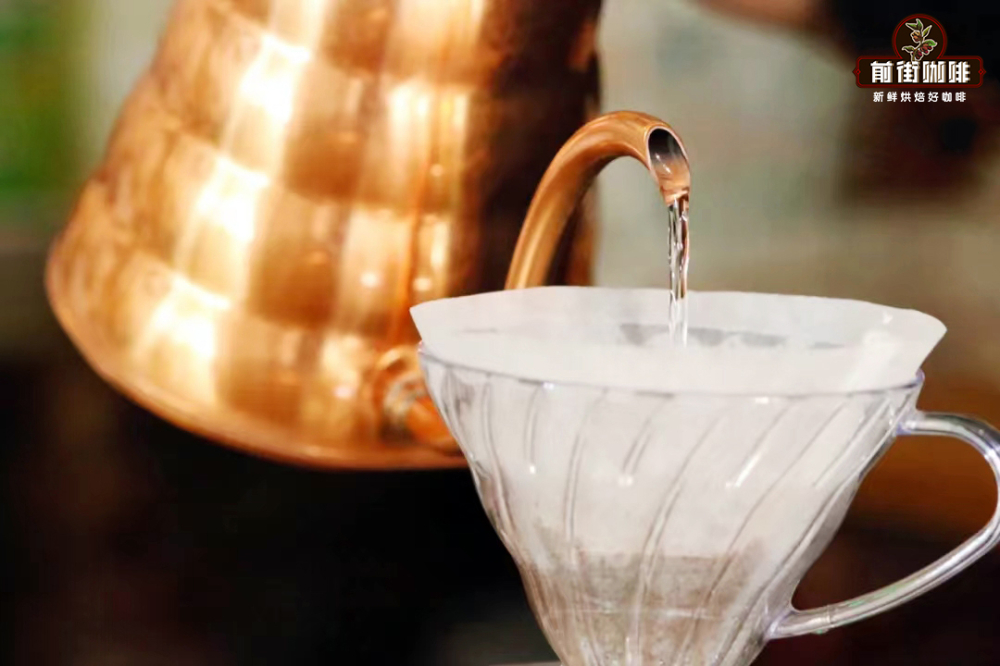
FrontStreet Coffee's segmented brewing technique: Bloom with 30g of water for 30 seconds. Small circular pour to 125g, then segment. When the water level drops to just expose the coffee bed, continue pouring to 225g. When the water level drops to just expose the coffee bed again, remove the filter. (The timer starts from the bloom.) Total extraction time: 2'00".
With small-grain Catimor coffee you can taste nutty aromas, herbal notes, chocolate and caramel, with a finish featuring light fruit acidity.
Yunnan Bourbon Coffee
In 1952, experts from the Yunnan Academy of Agricultural Sciences distributed 80kg of coffee seeds (Typica and Bourbon) to farmers in Lujiangba, Baoshan. Several years later they provided large-scale cultivation guidance, leading to swaying coffee trees along the Burma Road. Due to huge demand from the Soviet Union, Yunnan's coffee cultivation developed rapidly. In Professor Ma Xijin's 1981 survey, among the ancient coffee trees in Zhugula Village, Typica accounted for 31% and Bourbon for 69%.

Bourbon is a natural mutation of Typica, traceable to Yemen's round-bean Mocha coffee. It was planted by the French in 1708 on Bourbon Island (now Réunion Island) and then spread outward. Bourbon also has a fine aroma and rich flavor, and is somewhat higher than Typica in both yield and vigor, suited to being grown at 1200-2000m, but with weak resistance to pests and diseases and a sensitivity to strong winds and heavy rainfall. Bourbon is the Arabica variety second in importance to Typica. Its main branches initially form a 45-degree upward angle from the trunk, drooping under the fruit load, with relatively dense nodes on the lateral branches, bearing many fruits and high yields. The berries, however, are small and ripen slowly. Bourbon's terminal buds and young leaves are green, so it is called green-tipped coffee.
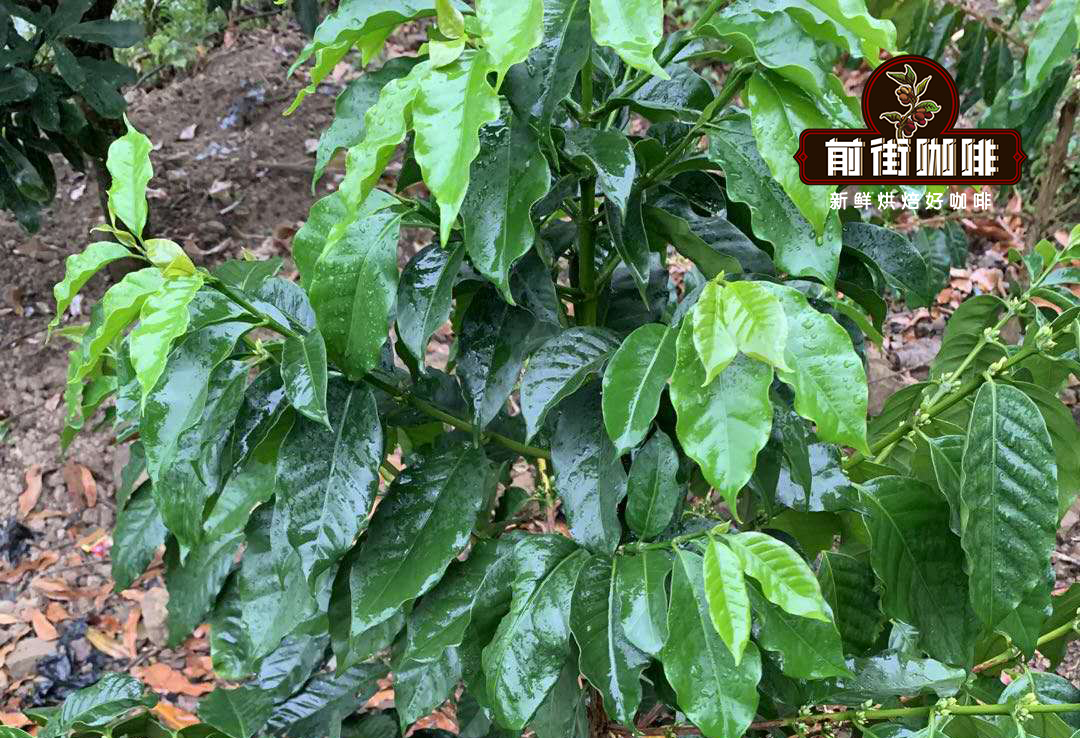
FrontStreet Coffee's Yunnan coffee plantations primarily cultivate Typica and small amounts of Bourbon. Since it is not a main coffee variety, FrontStreet Coffee's Bourbon cultivation remains in the experimental trial stage.
FrontStreet Coffee Recommendation
If Yunnan's Typica and Bourbon have left you wanting to taste the region itself, FrontStreet Coffee's Yunnan range is the natural place to begin. FrontStreet Yunnan Small-Grain Coffee comes from the Baoshan region, washed and roasted medium, and presents soft nuts, a chocolate sweetness and a light plum acidity at a friendly price that makes it many people's first real encounter with Yunnan coffee.
To go a step further, FrontStreet's 2013 Sun-Dried Typica is the upgrade into the region's more expressive side. It is made only from fully ripe red cherries, natural-processed and roasted medium so the cup feels balanced with a more pronounced sweet-and-sour character, showing dark berries, caramel sweetness, chocolate and a trace of dried apricot with a black tea finish. For espresso drinkers, the FrontStreet Black Cocoa Blend pairs Yunnan small-grain with Brazil Cerrado: the Brazilian coffee supplies mixed-nut aroma and balance while the Yunnan coffee carries the chocolate and citrus side, so an americano lands with balanced sweet, sour and bitter notes plus nut and brown sugar, and a latte turns smooth and almond-creamy.
Yunnan beans reward a straightforward pour-over. FrontStreet Coffee suggests 15g of coffee at a 1:15 ratio (or 1:16 for a cleaner cup), a V60 dripper and 88°C water to keep the acidity smooth, with a medium-fine grind around 80% pass-through on a #20 sieve. Bloom with 30g for 30 seconds, pour to 125g with a small slow circle, then pour to 225g a little faster to avoid clogging the filter; total extraction is about 2 minutes.
Important Notice :
FrontStreet Coffee is a long-established specialty coffee roaster in Guangzhou China, selling freshly roasted beans from its own farm in Yunnan as well as dozens of carefully selected single-origin beans from around the world for both pour-over and espresso. The products deliver consistently excellent quality and great value, with shipping within 24 hours. Guangzhou's FrontStreet Coffee shop is recommended by many coffee lovers, and the beans are now available online at the Tmall 。
FrontStreet Coffee has moved to a new address:
FrontStreet Coffee Address: 315,Donghua East Road,GuangZhou
Tel:020 38364473
 Scan and follow the En Gafei WeChat official account. Please indicate that the reprint comes from "En Gafei".