Bialetti Moka Pot Coffee Equipment Brand Features Usage Methods Principles Introduction
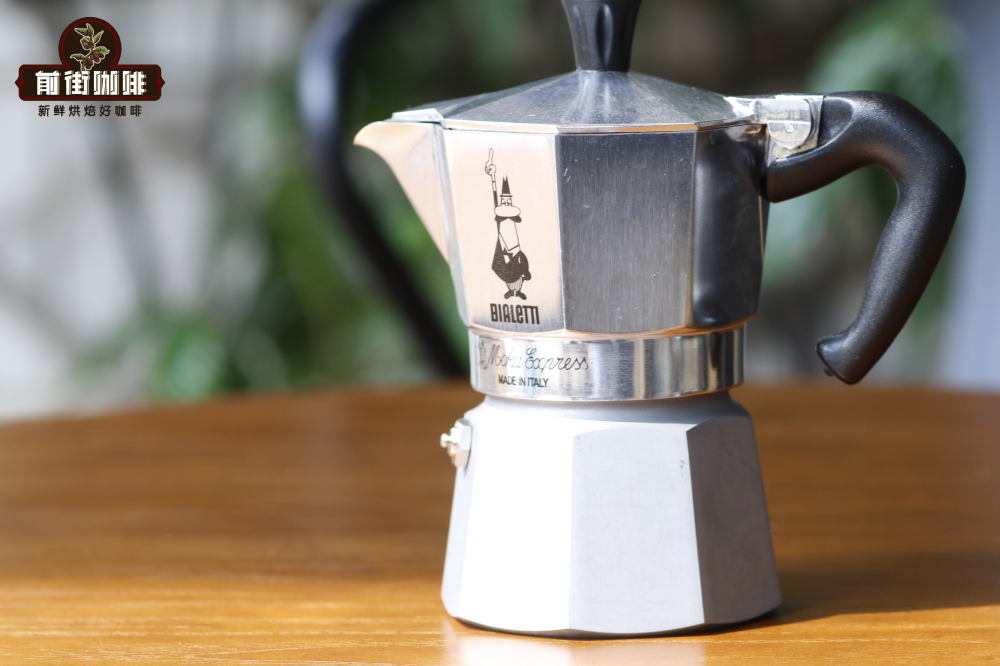
Bialetti is the most celebrated moka pot brand in the world, and its pots still carry the most classic design. If you've visited FrontStreet Coffee's store, you'll surely remember the classic octagonal pot resting on the display shelf — that's a Bialetti.

The Birth of the Bialetti Moka Pot
The earliest way to brew coffee was simply to boil the grounds with water in a pot and strain the result. From the 19th century onward, experimenters began playing with steam brewing, hoping to produce a rich cup in minimal time. In the early 20th century, as the Industrial Revolution swept the world, Italians built espresso machines with the imposing presence of steam locomotive boilers — gleaming metal shells and brass fittings that put on a spectacular show while brewing. Steam trains were themselves a revolutionary invention, carrying people farther and faster than ever, and applied to coffee they did not disappoint: modernity blended perfectly with coffee aroma, drawing Italian men into cafés like magnets and giving them a perfect excuse to leave the house.
But compared with café coffee, what women drank at home was far inferior. That changed completely in 1933, when Alfonso Bialetti invented the device that would transform home coffee brewing: the moka pot. What is more remarkable is how little it has changed. In materials, design, and even appearance, the moka pots sold today are identical to the very first one from 1933. Its distinctive silhouette earned it a place among the most influential designs of 20th-century Italy, alongside the 1946 Vespa scooter and the 1957 Fiat 500.
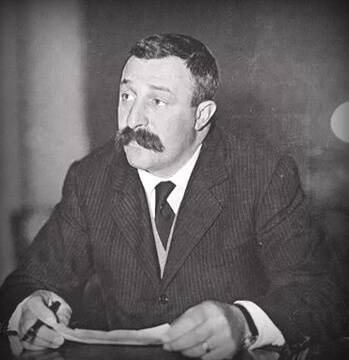
Bialetti's clever invention let people brew café-quality coffee at home, but it was his son Renato who made the octagonal pot a phenomenon. After World War II, Renato returned from Germany to Italy, reopened the machinery his father had packed away during the war, and put his marketing genius to work — billboards, newspapers, radio, even large 3D product sculptures outside exhibition halls. Production of the Moka Express grew from 10,000 units a year under his father to 1,000 units a day, setting an astonishing record: some 300 million units sold worldwide from 1950 to the end of the 20th century.

Times have changed, and moka pots now come in materials beyond aluminum. Yet aside from parts made by industrial mass production, the Bialetti Moka Express still handcrafts the bottom chamber that holds the water — a tradition maintained since 1933, which is why its interior surface retains the honest character of handmade work. Every genuine Italian Bialetti bears the cartoon of a mustachioed man pointing upward as if ordering an espresso, a logo Renato designed from his father's likeness. Today, beyond its place in 90% of Italian households, the pot holds a cherished spot in the hearts of coffee lovers everywhere.

How a Moka Pot Works
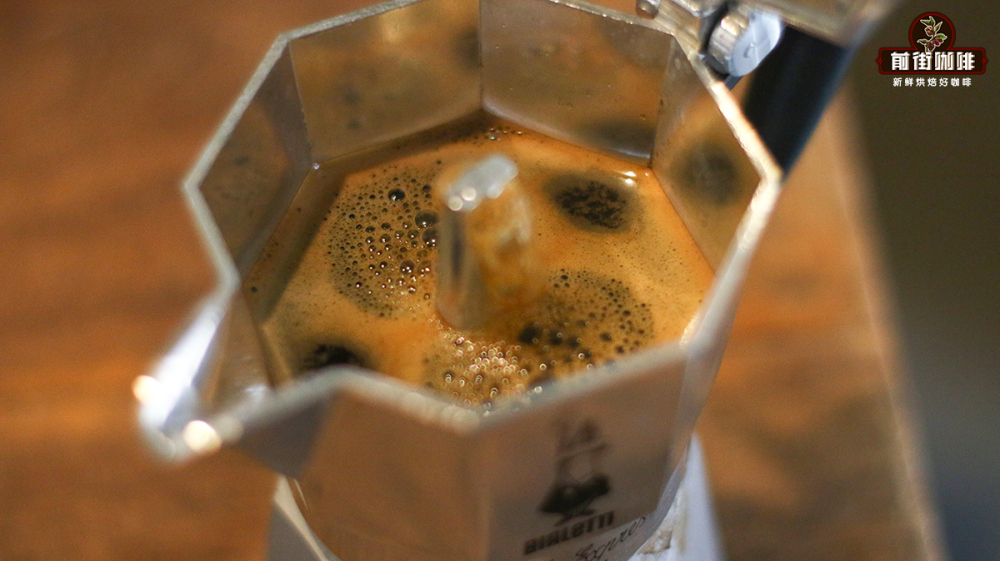
A moka pot has three main parts: a bottom chamber for water, a middle basket for grounds, and a top chamber that collects the brewed coffee. Fill the bottom with water and the basket with coffee, assemble the three sections, and heat. Steam pressure builds in the base and forces hot water up through the central column and into the coffee bed; the extracted coffee then surges up into the top chamber.
How to Brew Coffee with a Moka Pot
Many friends have asked FrontStreet Coffee how to use a moka pot properly, so here is the full answer. Start with the right beans and grind size. Because a moka pot extracts under pressure, it pairs best with darker roasts — the Warm Sun Blend FrontStreet Coffee uses for espresso, or medium-roasted Papua Paradise Bird and Brazil Queen Estate beans, are all excellent choices.
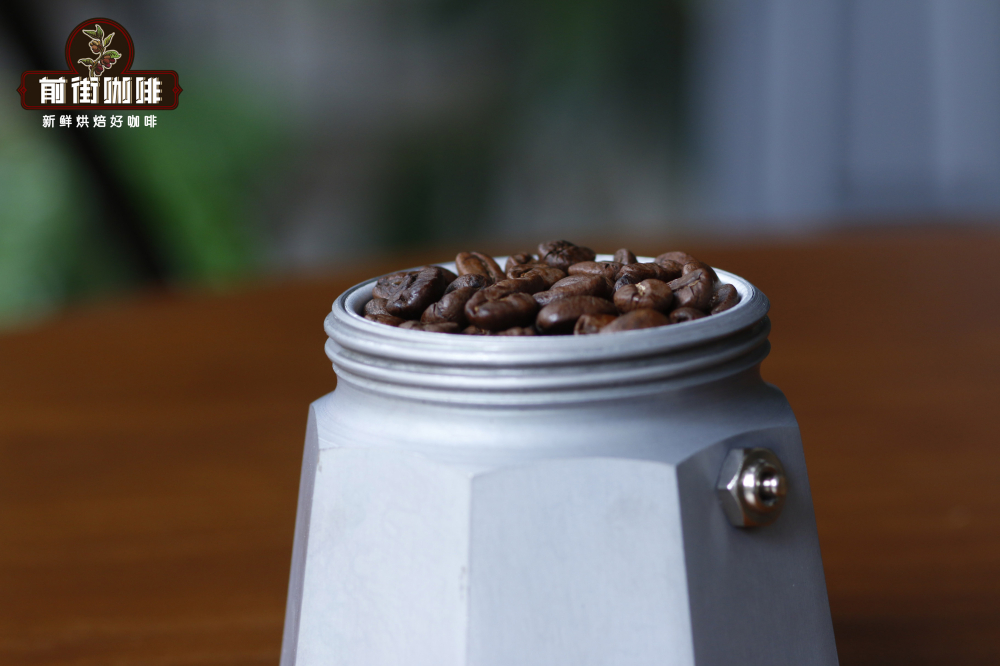
Grind size is critical. Too fine, and the coffee may never rise while pressure keeps building in the bottom chamber — if the pressure-relief valve fails, the pot can erupt. If you notice the water boiling but no coffee emerging for a long stretch, kill the heat immediately. Too coarse is also a problem: with too little resistance the coffee gushes out violently, risking splatter and burns. FrontStreet Coffee recommends an EK-43s setting of #3–3.5 (a fine-powder consistency).
Step by Step
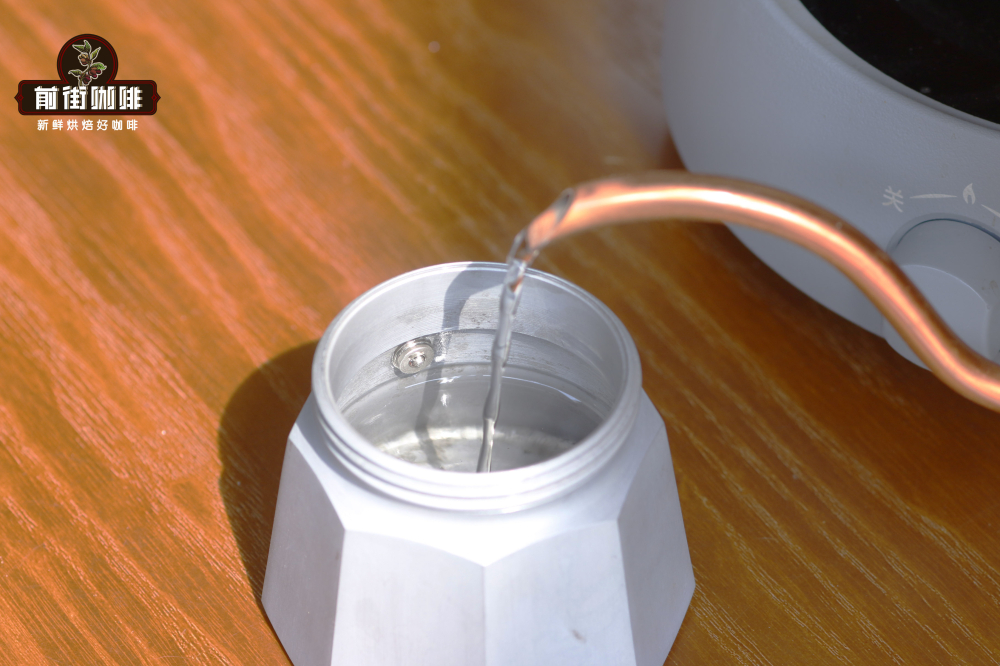
1. Pour hot water into the bottom chamber up to 0.5 cm below the pressure-relief valve. Starting with hot water shortens the brewing time.
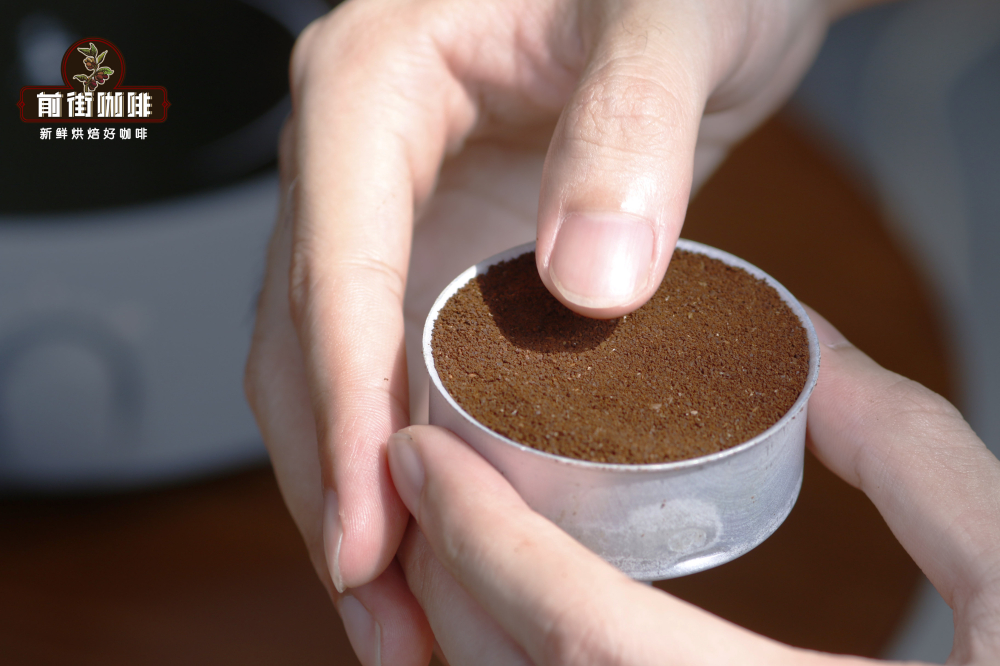
2. Fill the filter basket with ground coffee, tap it gently left and right to let the grounds settle naturally, and level the surface. This evens out the spacing between particles without compressing the bed, which would add too much resistance.
3. Set the basket into the bottom chamber and screw the top and bottom together firmly. Place the pot on an electric ceramic stove and switch on the heat.
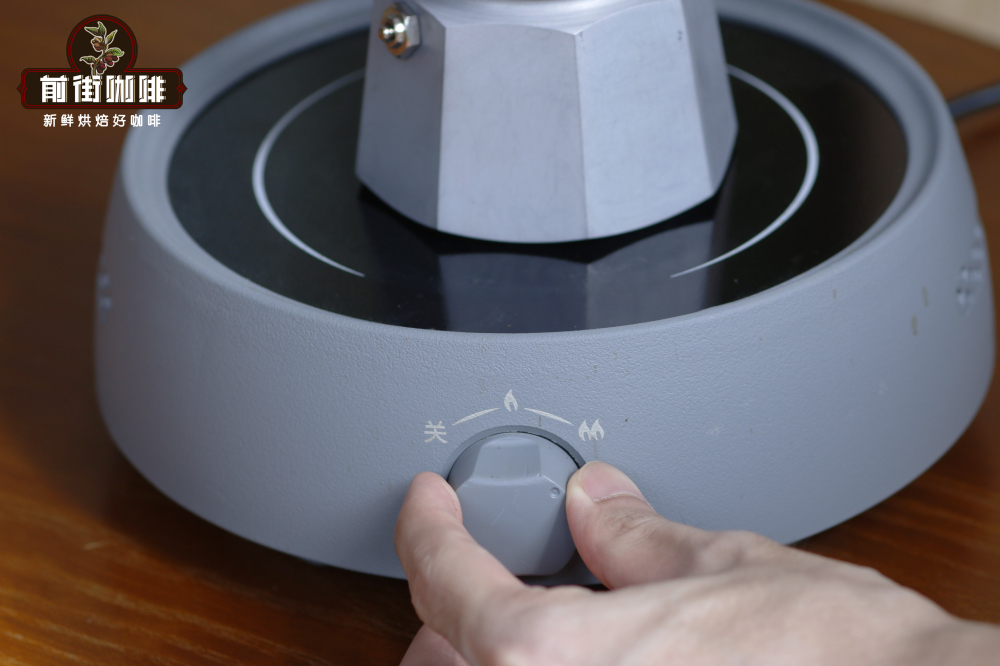
4. Once the pot is hot and you hear a distinct gurgling "whoosh," turn the stove to low and open the lid of the top chamber. Coffee and crema will begin to flow.
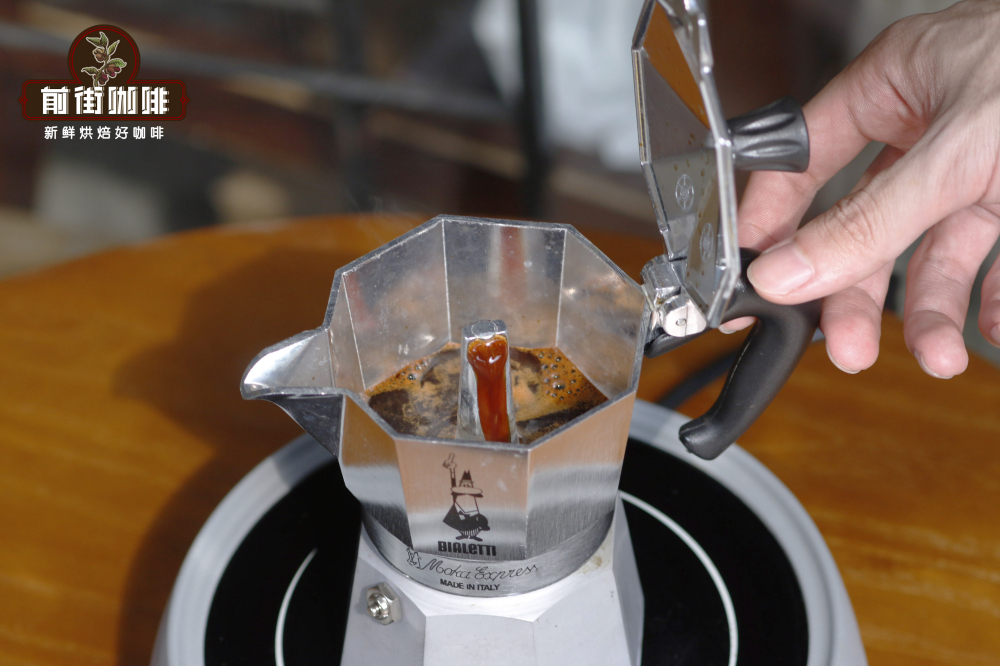
5. When the coffee in the top chamber reaches the halfway mark, switch off the stove and move the pot to the table. Residual heat and pressure will push the remaining coffee up into the top chamber.
FrontStreet Coffee Recommendation
For a moka pot, blends are the safest bet. FrontStreet Coffee's Classic Blend was designed specifically for espresso and moka brewing, and its standout virtue is crema — even a beginner on a basic home machine can extract dense, silky crema with it, perfect for lattes, cappuccinos, and Dirty. Built on the traditional Mocha-Java (Mandheling-Brazil) formula, it is smooth and mellow, approachable for newcomers and veterans alike.
If crema isn't your priority and you want great taste at a friendly price, FrontStreet Coffee's Black Cocoa Blend — 100% Arabica — offers rich body, plenty of crema, and excellent value. The Espresso Premium Blend, the longest-serving blend in FrontStreet's own shops (nearly ten years), pairs Brazil Cerrado with Colombia Huila for that classic, familiar Italian espresso flavor, and works just as well at home as in a café. Among single origins, the PWN Indonesia Golden Mandheling (deep roast, very low acidity, herbal and dark-chocolate depth) and the Brazil Queen Estate (balanced, nutty-cocoa with clear caramel sweetness) are superb moka pot choices, while the Papua New Guinea Paradise Bird — Typica grown at 1,600–1,800 meters on volcanic soil, triple-washed, AA grade — delivers a clean, sweet, "little Blue Mountain" cup with almost no acidity.
Important Notice :
FrontStreet Coffee is a long-established specialty coffee roaster in Guangzhou China, selling freshly roasted beans from its own farm in Yunnan as well as dozens of carefully selected single-origin beans from around the world for both pour-over and espresso. The products deliver consistently excellent quality and great value, with shipping within 24 hours. Guangzhou's FrontStreet Coffee shop is recommended by many coffee lovers, and the beans are now available online at the Tmall 。
FrontStreet Coffee has moved to a new address:
FrontStreet Coffee Address: 315,Donghua East Road,GuangZhou
Tel:020 38364473
 Scan and follow the En Gafei WeChat official account. Please indicate that the reprint comes from "En Gafei".