Espresso Grind Size, Extraction Time, Brew Ratio, Flavor, and Brewing Methods - Italian Blend Coffee Bean Recommendations
 FrontStreet Coffee has noticed that many beginners — and even working baristas — believe the key skill in espresso is microfoam and latte art. We disagree. What matters most in espresso is the extraction itself. If the espresso tastes bad, no matter how silky and dense the foam or how beautiful the latte art, the milk coffee will still taste bad. FrontStreet Coffee has developed a range of espresso blends with excellent flavor profiles to suit all kinds of cafés — including the FrontStreet Coffee Premium Blend, Commercial Blend, and Basic Blend. Our shops currently pull the FrontStreet Coffee Sunflower Warm Sunshine Espresso Blend, with its rich whiskey aroma and nutty finish.
Why Use a Blend for Espresso?
 Coffee is an agricultural product, subject to weather, soil, and every other whim of nature. Even beans from the same farm vary from lot to lot. Blending works on the principle of complementary strengths and weaknesses, ensuring that every batch delivers a consistent flavor profile. That is precisely why FrontStreet Coffee chooses blends over single-origin beans for espresso.
FrontStreet Coffee's Espresso Blending Technique
 To build the Sunflower Warm Sunshine Espresso Blend, FrontStreet Coffee combines our Natural Red Cherry Yirgacheffe with our Honduras Sherry beans in a 3:7 ratio. Under high-pressure extraction, the blend yields a rich winey aroma, gentle fruit acidity, and a nutty, cocoa-like finish. When hot milk activates its lactose and marries with the espresso, that lactose and the berry-like acidity create a milkshake-like sweetness that never overwhelms the winey notes — addictive from the very first sip.
Why Adjust Espresso Parameters Daily?
FrontStreet Coffee uses a Lelit espresso machine with the following extraction parameters:
- Pressure: 9 bar
- Temperature: 94°C
- Time: 30 sec
- Brew ratio: 1:1.7–1:2
- Dose: 20 g (double shot)
- Extraction yield: 40 ml (double shot)

Why Doesn't FrontStreet Coffee Give Exact Parameters?
Coffee beans keep releasing carbon dioxide long after roasting, so their flavor profile and extraction behavior shift daily. Every machine is different, and every batch of beans sits in a different state — so the parameters can never be identical. Treat FrontStreet Coffee's numbers as reference points only; dial in your own machine by tasting and adjusting.
How Does FrontStreet Coffee Pull a Shot?
 First, remove the portafilter and knock out the spent puck. (Two things to note: keep the portafilter locked in the group head at all times to hold its temperature — never park it on the cup warmer or elsewhere, since a cold portafilter will drag down brew-water temperature and cause off-flavors. And leave the old grounds in place until you brew the next shot: a copper group head at high temperature can throw off odors, and the spent grounds help absorb them.)
Lock the portafilter into the group head and press the brew button to flush the portafilter and group head, wiggling the portafilter as you go to rinse off any grounds stuck to the group screen. (If you skip the flush, those stuck grounds get re-extracted into the next shot, adding bitterness and astringency. The flush also serves as a preheat check, preventing brew water that runs too hot and over-extracts.)
Next, wipe the filter basket completely dry with a clean cloth. (The basket must be absolutely dry. Any water in it will wet the fresh grounds and start extraction before you brew, causing over-extraction; it also makes grounds clump and tamping uneven. Wipe the portafilter spouts too, so no stray grounds fall into the cup.)
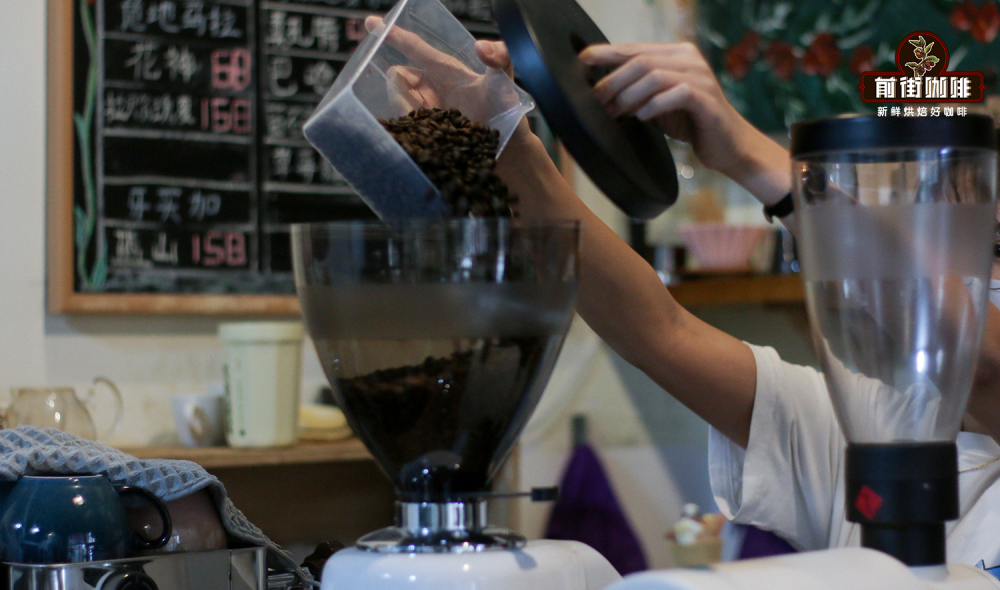
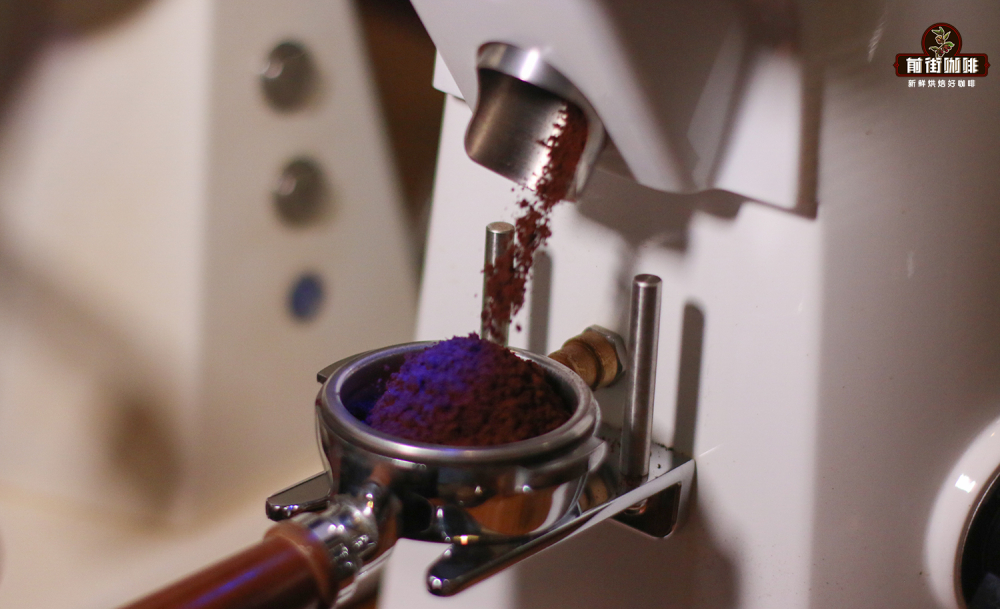
Now grind and dose. (Never leave coffee sitting in the doser — grind fresh for every shot, since grounds oxidize within minutes of exposure to air and produce an undrinkable cup. Some cafés habitually keep their dosers full; that's wrong. The correct technique is to pull the doser lever briskly while grinding, stop the grinder as the portafilter nears full, then keep working the lever until every last ground falls through.)
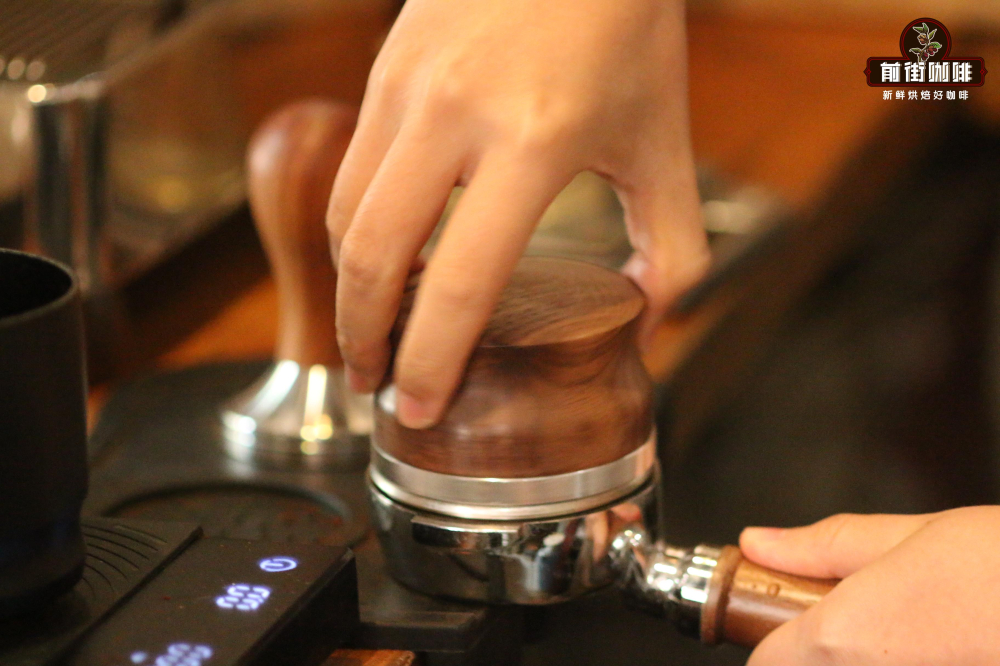
Once dosed, use a distribution tool to level the grounds evenly in the basket. If the grounds settle unevenly, tamping will leave parts of the puck denser than others — and since water is lazy, it follows the path of least resistance through the loose zones, over-extracting them while the dense zones under-extract. The result is uneven extraction and channeling.
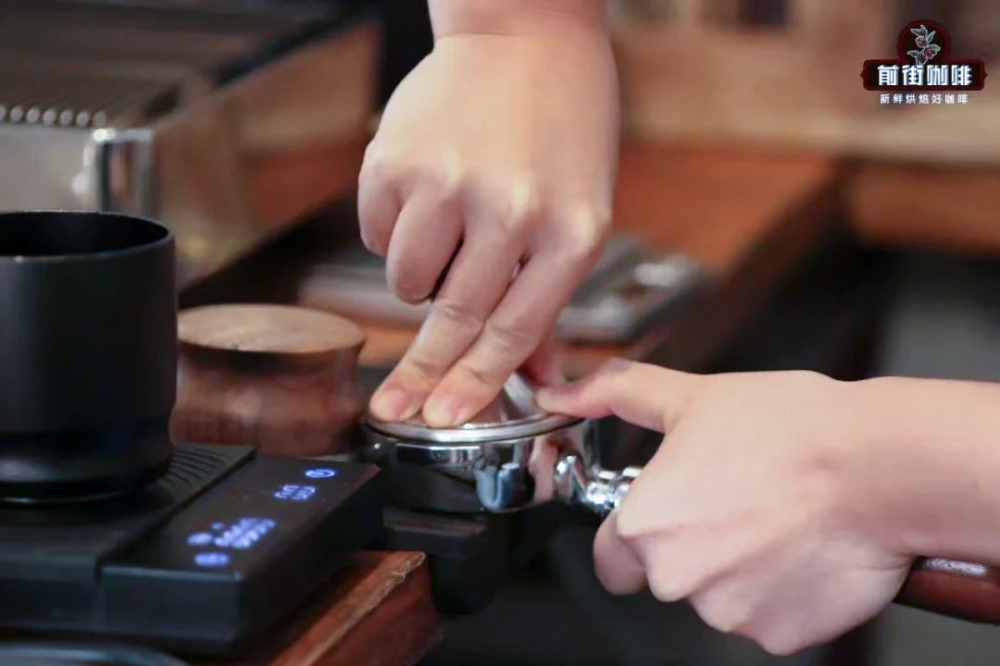
Then tamp. Even after distribution, gaps remain between the particles, and a loose coffee bed is easily torn apart by 9-bar hot water, inviting channeling. Tamping compacts the grounds, closing the gaps and sharply reducing the chance of channeling.
Lock the portafilter into the group head. (Press the brew button immediately after locking in, then fetch your cup. And keep the whole dosing-and-tamping routine quick — grounds left sitting in a hot portafilter scorch, and the shot turns bitter.)
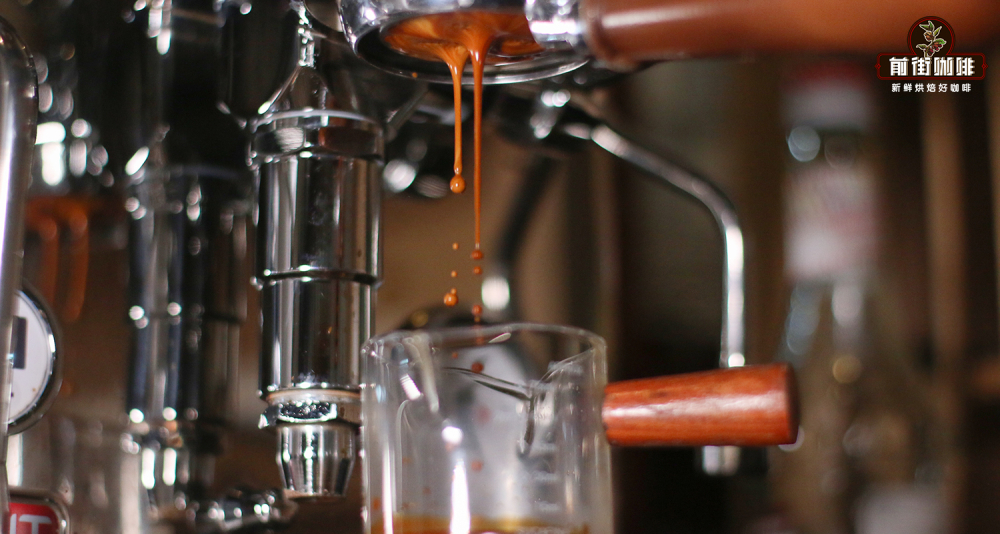
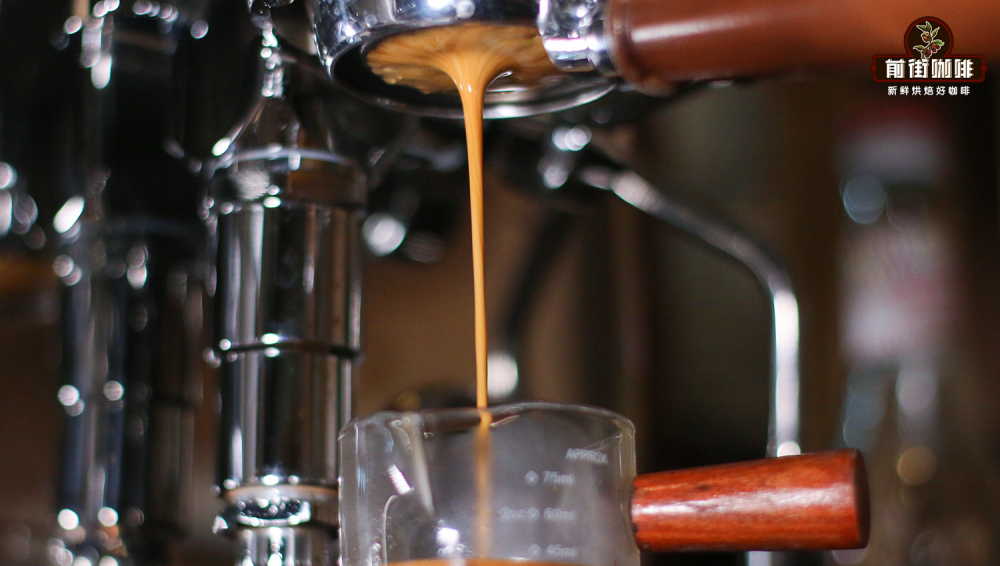 The espresso should flow like warm honey — a steady stream, never a spray. If it gushes, the grind is likely too coarse or the tamp too light. It shouldn't dribble out drop by drop either; that means the grind is too fine or the tamp too hard. Also note: the same barista, same grind size, same yield should produce shot times within 1 second of each other. If they don't, the tamping pressure is inconsistent or uneven, and the flavor difference will be unmistakable. Practice.
Reading the Extraction
When the shot is done, knock out the puck. Its surface should be flat, with no craters or depressions — otherwise your tamping technique needs work.
Test the espresso by diluting it into an Americano. If it tastes clean, with no off-flavors or astringency; if it feels full-bodied rather than watery; and if the bitterness fades quickly from the palate, the extraction meets the basic standard. Then pull 5–10 consecutive shots from the same portafilter: if extraction times and flavors show no significant drift, your technique is fundamentally stable.

FrontStreet Coffee Recommendation
Espresso blends reward consistency, and consistency starts with the beans. Coffee varies with weather and soil from harvest to harvest, so a well-built blend — like our 3:7 pairing of natural Yirgacheffe and Honduras Sherry — uses complementary components to keep the flavor steady while adding complexity neither bean offers alone.
If you're stocking a home bar, start with a blend designed for balance: FrontStreet Coffee's Sunflower Warm Sunshine Espresso Blend pours a rich crema with whiskey aromatics, gentle fruit acidity, and a nutty cocoa finish that stands up beautifully to milk. For those who prefer to experiment with single origins, a natural-process Ethiopian like our Red Cherry Yirgacheffe makes a lively SOE shot — expect berry-like acidity and florals — while a barrel-aged style bean such as the Honduras Sherry delivers whisky and vanilla notes that shine in milk drinks. Whatever you choose, keep your grinder dialed fine, your dose and yield consistent, and let taste — not the clock — be the final judge.
Important Notice :
FrontStreet Coffee is a long-established specialty coffee roaster in Guangzhou China, selling freshly roasted beans from its own farm in Yunnan as well as dozens of carefully selected single-origin beans from around the world for both pour-over and espresso. The products deliver consistently excellent quality and great value, with shipping within 24 hours. Guangzhou's FrontStreet Coffee shop is recommended by many coffee lovers, and the beans are now available online at the Tmall 。
FrontStreet Coffee has moved to a new address:
FrontStreet Coffee Address: 315,Donghua East Road,GuangZhou
Tel:020 38364473
 Scan and follow the En Gafei WeChat official account. Please indicate that the reprint comes from "En Gafei".