The Flavor Characteristics of Italian Coffee Are Pure and Rich - What Types of Italian Coffee Are There
 With coffee culture booming, friends often gather at comfortable coffee shops for leisurely chats, and Italian-style coffee is almost an essential drink at every cafe. FrontStreet Coffee, for example, serves classics like Americano, latte, cappuccino, and flat white, while many other shops create novel drinks by adding various extra ingredients. Today FrontStreet Coffee lists the most common Italian-style coffee drinks found in coffee shops, for beginners to get to know.
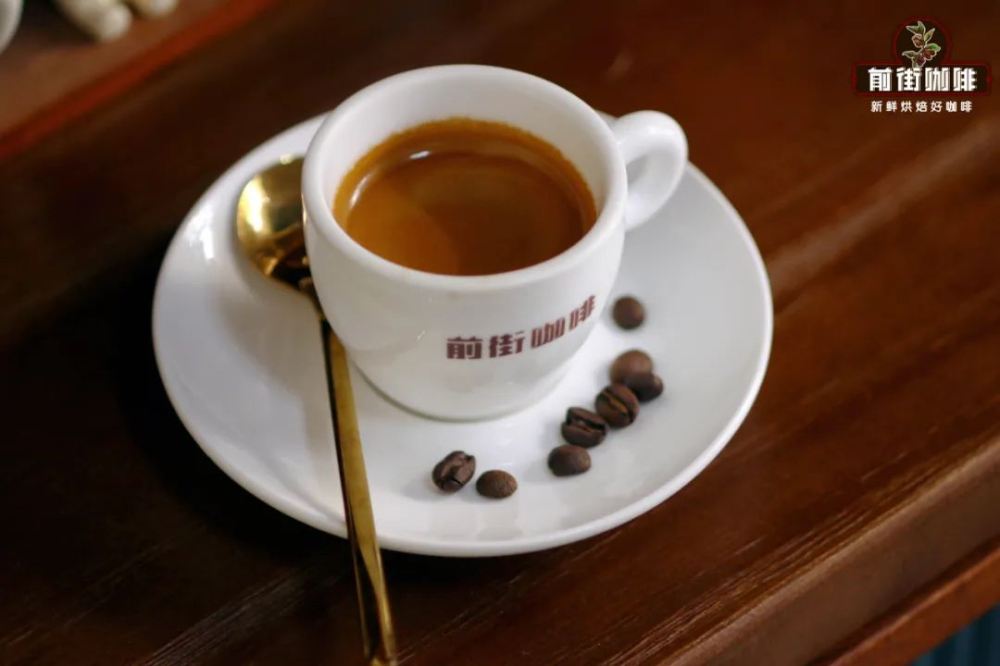
Espresso
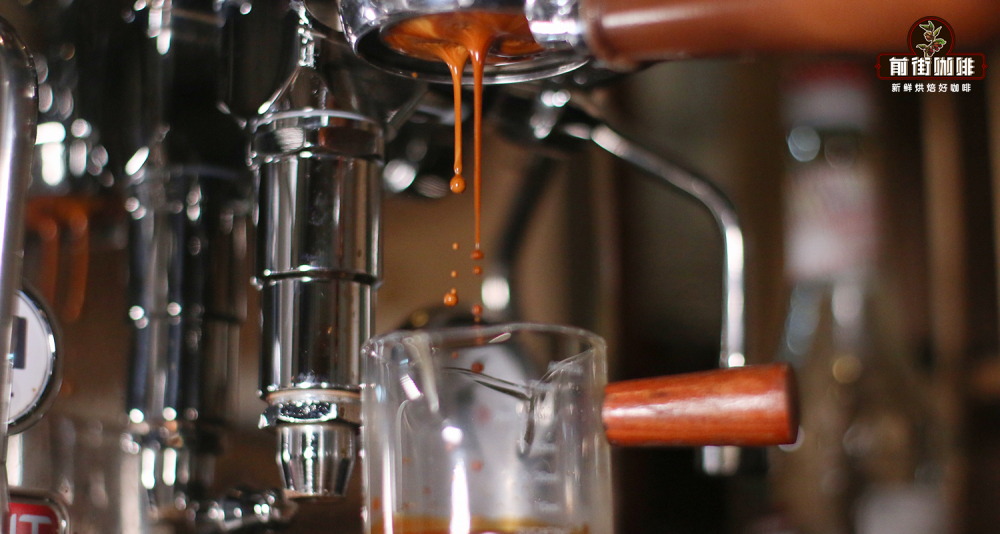 Espresso is made by forcing hot water through ground coffee under steam pressure to extract a small, concentrated, aromatic pure black coffee topped with golden-brown foam. Although it rarely appears on cafe menus, it is the base of everyday drinks like Americanos, lattes, and cappuccinos, making it the soul of the coffee shop.
Coffee was once brewed by infusion, requiring finely ground beans and slow extraction, with at least ten minutes of waiting. Espresso was invented in the early 19th century. To extract rich coffee quickly, Italians turned to steam pressure. High pressure pushes hot water through the coffee puck within dozens of seconds, extracting soluble aromatic compounds. Because of this short extraction time and ultra-high pressure, espresso's flavor is more intense. Getting a delicious espresso demands more rigorous operation, with every influencing parameter carefully considered.
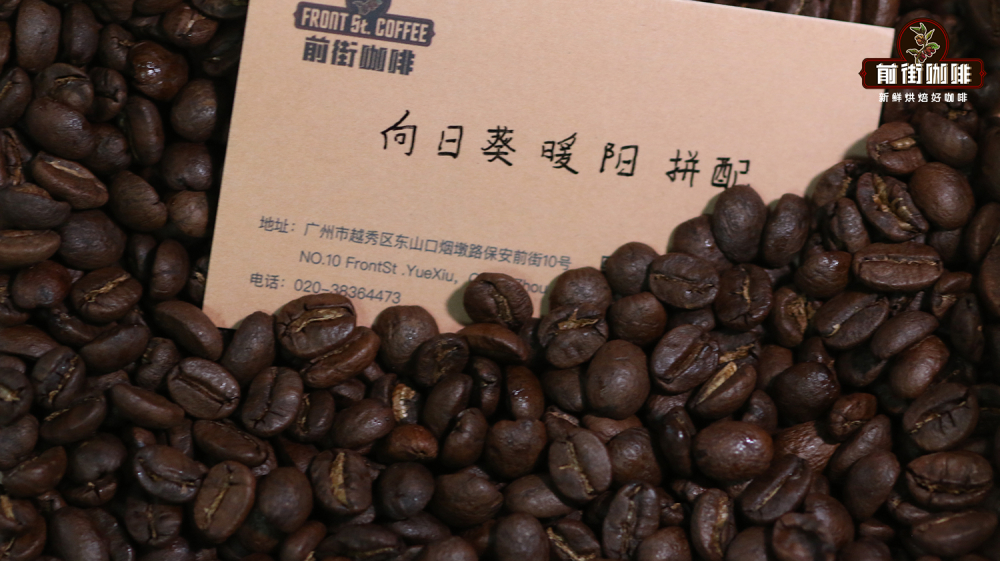 When a guest orders an espresso, FrontStreet Coffee's barista starts preparing and, two minutes later, presents a glass of water and a small cup of rich coffee with a golden-brown foam layer. Before drinking espresso, take a sip of water first to cleanse the palate without affecting taste perception. A standard espresso has rich crema and a mellow texture, but each shop's espresso has its own selling points thanks to different beans. FrontStreet Coffee uses its own roasted Sunflower Warm Sun Blend for espresso, made from 30% sun-dried Yirgacheffe Red Cherry and 70% Honduras Sherry beans.
To appreciate a freshly extracted espresso, FrontStreet Coffee first smells the aroma. This coffee carries full-bodied aromas of whiskey, vanilla, nuts, and cream. It can be drunk straight or with sugar, milk, or other ingredients. Use the metal spoon provided to gently stir and blend the liquid. The first taste reveals the dense crema with a full roasting aroma. Next comes the warm coffee liquid, with rich flavors of nuts, chocolate, berries, and whiskey. Halfway through, take another sip of water to appreciate the sweet aftertaste.
Americano
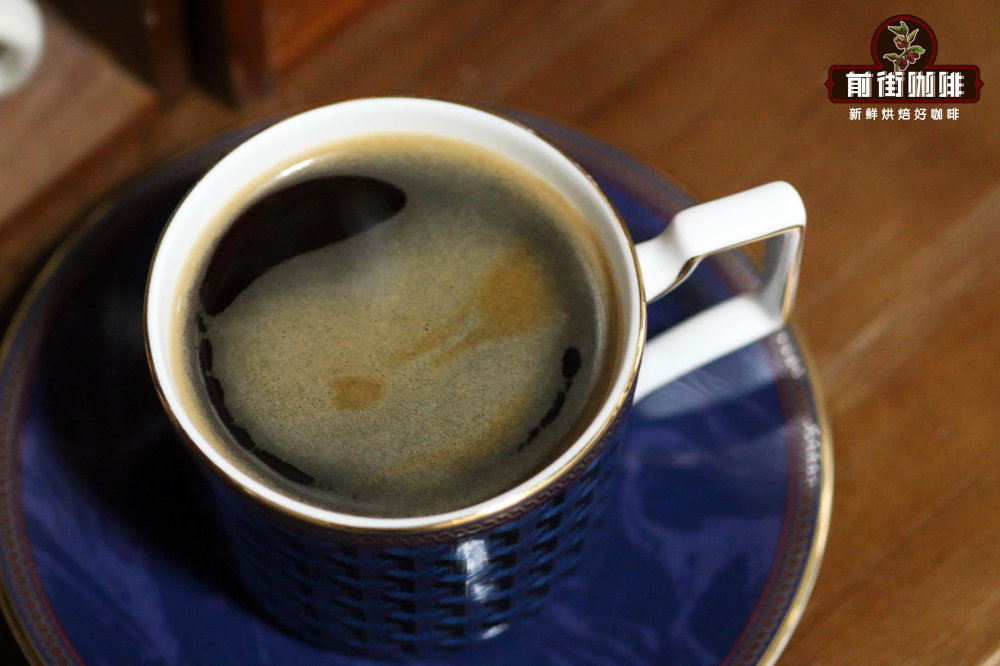
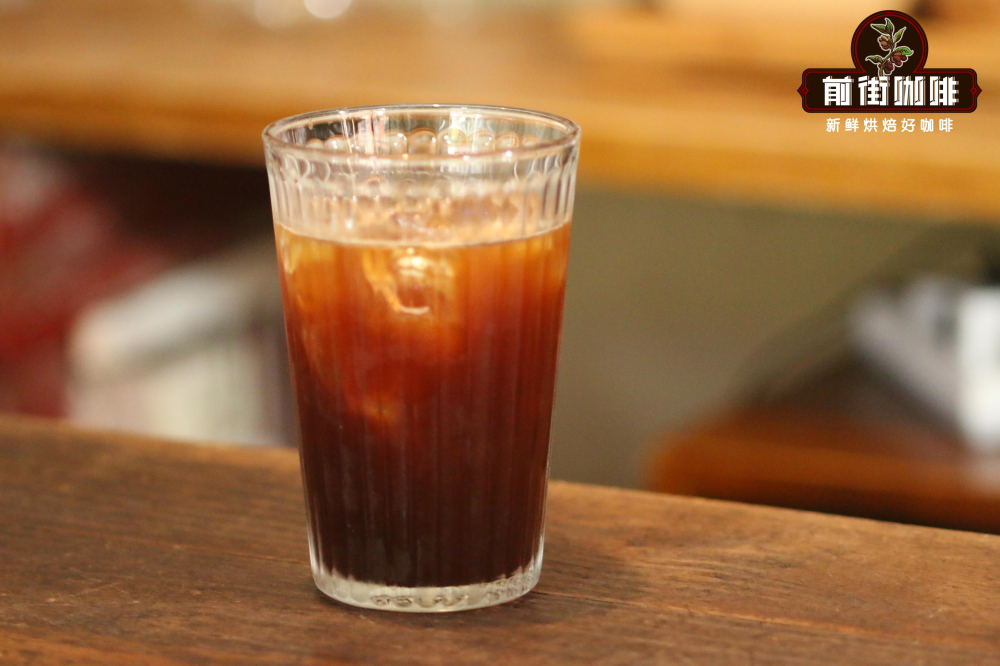 Americano is a black coffee made from espresso plus water, with no other ingredients. During World War II, coffee was extremely popular in the American military. Americans were not used to the intense bitterness of espresso, so they diluted it with water to a concentration they could accept. Later, in cafes opened by Italians in America, they followed local custom and introduced this "watered coffee" based on espresso, and the drink became very popular.
Americano has no fixed ratio; each shop has its own standards, aiming to present the coffee's flavor and texture. Based on FrontStreet Coffee's repeated testing of ratios such as 1:6, 40 grams of coffee liquid is poured into 240 grams of 88°C hot water to complete a hot Americano.
For an iced Americano, the hot water is replaced with 120 grams of ice cubes and 120 grams of room-temperature water, and it tastes best before the ice melts. FrontStreet Coffee's iced Americano shows a rich whiskey aroma and sweet-and-sour berry notes, refreshing and cleansing, which makes it especially popular at FrontStreet Coffee's shop; the hot Americano emphasizes roasted nuts, chocolate richness, and fermented tropical fruit sweetness, with a vanilla aftertaste.
Latte
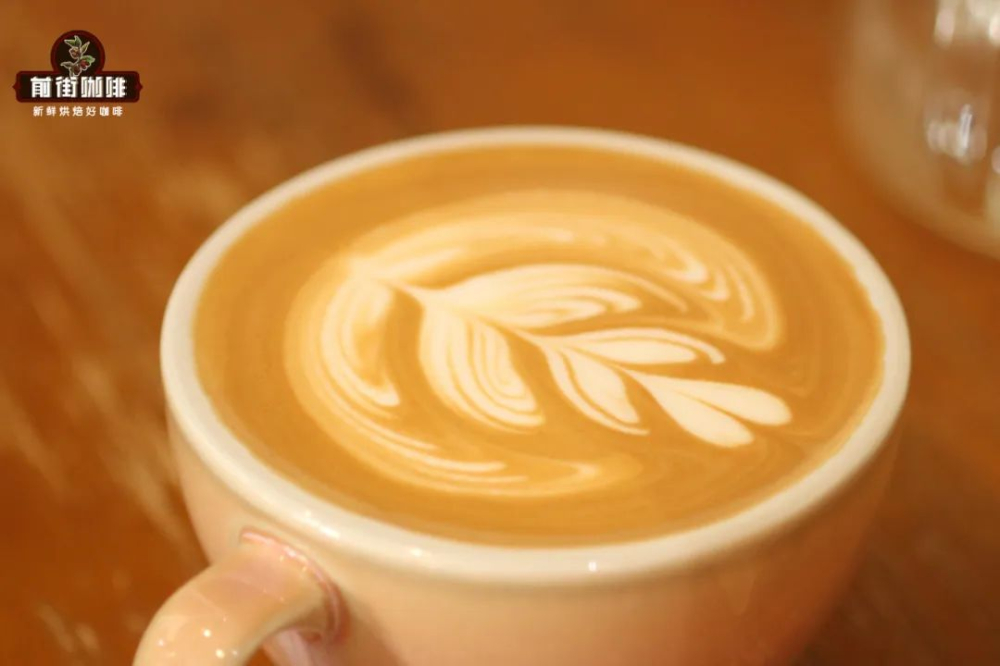 Latte is a transliteration of the Italian word "Latte," referring to coffee made by mixing a certain proportion of milk into espresso, belonging to the specialty coffee category.
The original latte originated in Vienna, the city of music. Viennese people began drinking coffee in the 17th century. At that time, the Turkish army failed to take Vienna and left behind 500 bags of coffee beans in its hasty retreat. These beans became the raw material for Vienna's first cafe. To cater to European tastes, the owner filtered the coffee grounds and added large amounts of milk, making the bitter black coffee smooth and sweet. The flavor fascinated the Viennese, and milk coffee subsequently spread worldwide.
Latte ingredients are simple: just espresso and milk, again with no fixed ratio, mostly ranging from 1:5 to 1:8. FrontStreet Coffee uses a 1:6 ratio, 40 g of espresso liquid with 240 g of milk. For a hot latte, FrontStreet Coffee adds the espresso to a preheated cup, then froths the milk with the espresso machine's steam. The milk is best kept at 55-65°C to form dense foam of moderate thickness, then blended evenly with the coffee liquid. The final latte art is just the finishing touch. FrontStreet Coffee's hot latte presents liqueur-chocolate sweetness and a cream-like smoothness. Its iced latte is first filled with 75 grams of ice cubes plus 25 ml of fresh milk, then 40 grams of espresso is extracted and poured over the surface; customers are reminded to stir thoroughly before drinking.
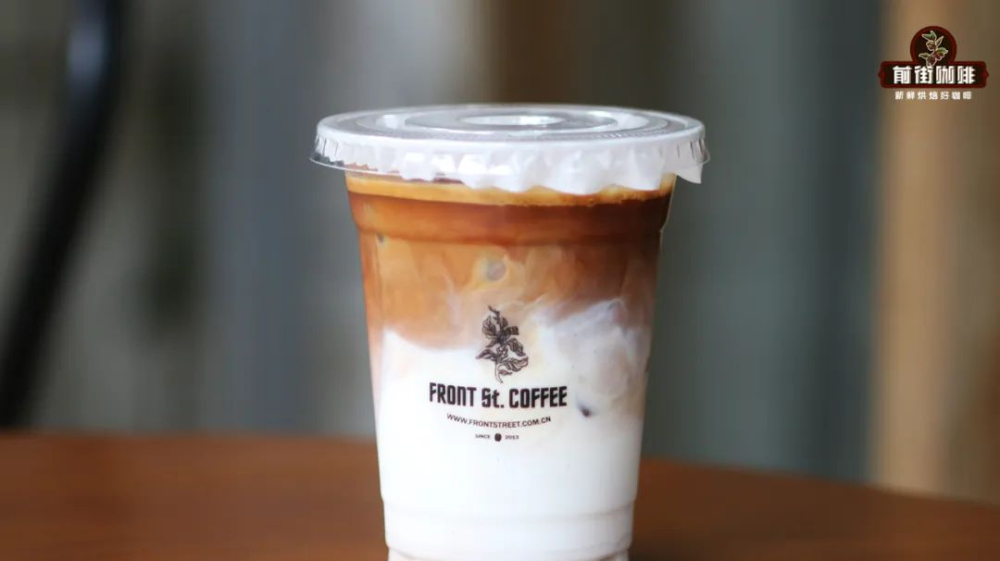 Speaking of iced latte, FrontStreet Coffee must mention the Dirty coffee that became popular starting in 2019. Hot espresso is poured over frozen milk, creating distinct layers. The espresso sinks along the cup's edge, giving it a "dirty" look. Dirty coffee cups are generally smaller than iced latte glasses, and a Dirty should be drunk immediately to experience the special hot-and-cold contrast in texture.
Cappuccino
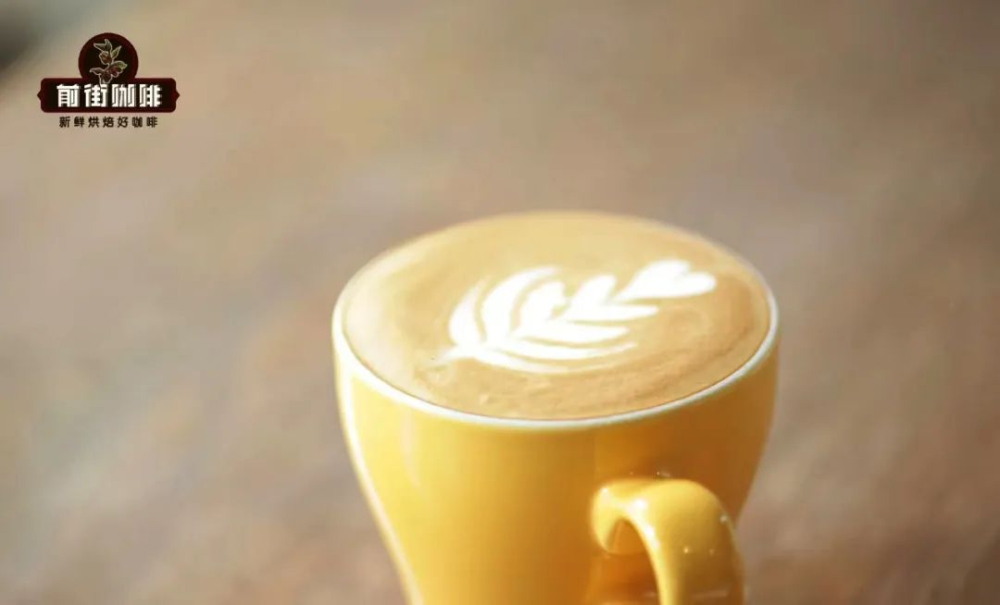 Cappuccino is translated from "Cappuccino," a name that comes from the Capuchin order and the Italian word for hood. Cappuccino is similar to latte, belonging to the milk coffee category and also made from espresso and steamed milk, but unlike a latte a cappuccino has thicker, denser foam, a smaller capacity, and a stronger coffee flavor.
Traditional cappuccino blends espresso, milk, and foam in a 1:1:1 ratio, making it less bitter than espresso while adding the mellow aroma of foam, so it is more widely accepted. Among Italian coffees, cappuccino has the thickest foam, and the dense, delicate foam adds excellent texture. FrontStreet Coffee uses 180 ml tulip cups for cappuccino, adding one freshly extracted espresso to the cup, then adding milk with dense, thick foam.
Flat White
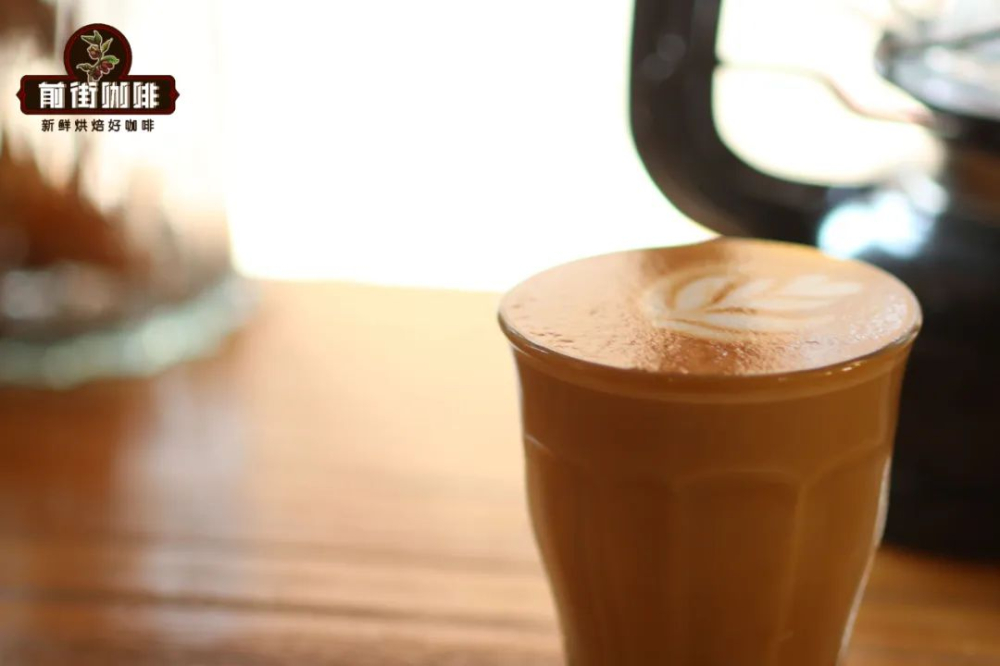 As for the origin of the flat white, both Australians and New Zealanders insist it came from their own country, a debate that remains unresolved. Before the 1970s, Australian coffee shops used French presses, manual drip, and other methods to brew black coffee. In the early 1970s, Italians brought espresso machines to Australia, officially starting a new wave of coffee trends. Compared with a traditional latte, Australians pursued milk drinks with thinner foam and stronger coffee flavor. Starting in the 1980s, Australians put flat white on fixed menus, and it soon spread to cafes in Europe, America, and beyond.
FrontStreet Coffee makes a flat white by grinding 20 grams of coffee powder to extract 27 grams of coffee liquid in 20-25 seconds, using only the front and middle sections of the espresso, which is Ristretto. The double Ristretto is then poured into a prepared cup of about 200 ml capacity. The coffee-to-milk ratio is 1:5, meaning about 150 ml of fresh milk. Choose a favorite latte art pitcher to pour. Since the foam layer should be thinner and denser, the milk is steamed with less air than for a latte, with the temperature best kept at 55-60°C so it is easier to drink. Finally, blend the steamed milk evenly into the coffee liquid, with or without latte art.
FrontStreet Coffee's flat white presents aromas of vanilla, cream, chocolate milk, and liqueur chocolate, along with sweet-and-sour berry notes. It has a smooth, mellow, rich entry with a very persistent aftertaste.
FrontStreet Coffee Recommendation
For a flat white at home, FrontStreet Coffee suggests choosing espresso beans with a strong flavor signature, since the milk is there to support rather than dominate. The Classic Blend has a buttery, cheesy character with a full body and low acidity, rich and fine crema, and a full, rich mouthfeel with milk; the Strawberry Candy Espresso Blend has very low bitterness, with full grape and blueberry flavors and a balanced sweet-tart profile that turns into something like a strawberry milkshake with fresh milk.
To make it, FrontStreet Coffee extracts only the front and middle sections as a Ristretto: 20 g of coffee powder yields 32 g of coffee liquid in 22-25 seconds, paired with 160 ml of fresh milk. Because the foam should be smooth, fine, and thin, keep the steam wand's air intake short, so about 1-2 seconds of a light hiss before sinking the wand into the milk and creating a whirlpool. Pour the hot milk gently into the coffee, then raise the pitcher to keep a thin stream and draw even circles through the crema, before lowering the pitcher and pushing out the white lines to finish the cup.
Important Notice :
FrontStreet Coffee is a long-established specialty coffee roaster in Guangzhou China, selling freshly roasted beans from its own farm in Yunnan as well as dozens of carefully selected single-origin beans from around the world for both pour-over and espresso. The products deliver consistently excellent quality and great value, with shipping within 24 hours. Guangzhou's FrontStreet Coffee shop is recommended by many coffee lovers, and the beans are now available online at the Tmall 。
FrontStreet Coffee has moved to a new address:
FrontStreet Coffee Address: 315,Donghua East Road,GuangZhou
Tel:020 38364473
 Scan and follow the En Gafei WeChat official account. Please indicate that the reprint comes from "En Gafei".