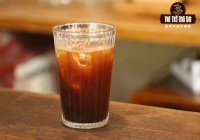
Why Does Starbucks Choose African Kenyan Coffee?

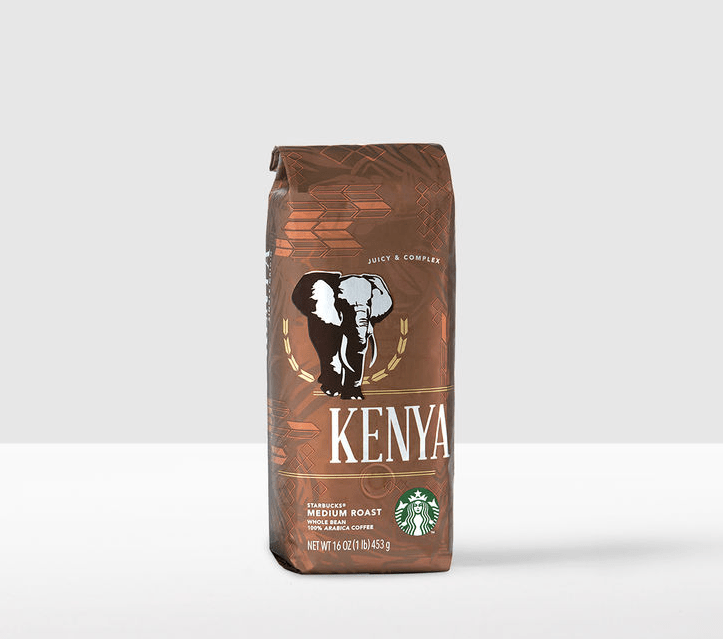
Among Starbucks' 13 coffee beans, the one that left the deepest impression on me is the Kenya coffee bean in orange packaging. One reason is the pattern of a gentle African elephant walking slowly across the packaging, and another is that after medium roasting these beans show full, robust acidity while carrying caramel sweetness.
The Symbolism of the Elephant on Starbucks Kenya Coffee Beans
The elephant on the packaging is an African elephant. African elephants differ from Asian elephants; having survived the harsh environment of the African savanna for so long, they hide inner wildness beneath a gentle appearance. Many people describe the flavor of Kenya coffee beans using African elephants: as solid as an African elephant, yet wild. FrontStreet Coffee thinks this is no exaggeration, because the hallmark of Kenya coffee beans is their vibrant acidity, with a soft caramel sweetness in the aftertaste, which has been widely celebrated in the coffee industry.
Kenya Coffee Cultivation
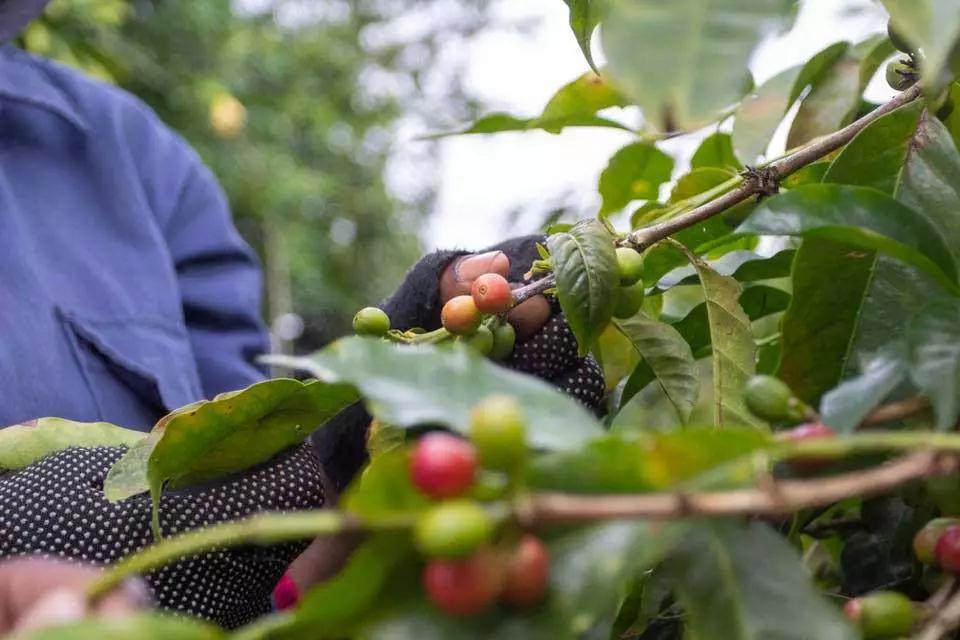
Located in eastern Africa and straddling the equator, Kenya's abundant wildlife, high-altitude geography and tropical savanna climate give coffee cultivation a kind of divine favor. Volcanic soil brings the trees more mineral nutrients, and the phosphorus content in Kenya's volcanic soil is higher than in other African regions. Phosphate components affect coffee flavor, giving all beans produced in the Kenya region a distinctive berry-like aroma.
Kenya Coffee Varieties
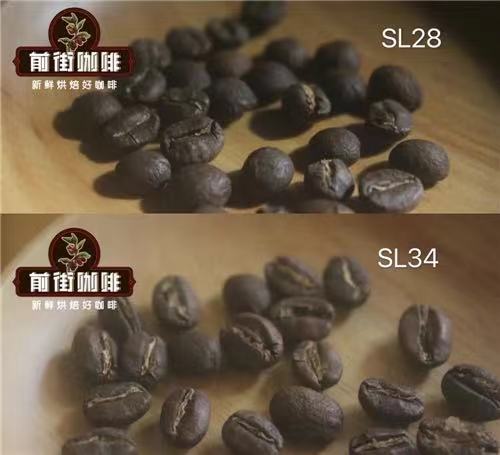
The Kenya region mainly cultivates the SL28 and SL34 varieties, though there are others such as Ruiru 11 and Batian. SL28 belongs to the Bourbon gene family, and its bean shape is close to Bourbon's round, solid form. When FrontStreet Coffee cupped this variety on its own, its flavor showed complex, varied acidity with wonderful sweetness. SL34 belongs to the Typica gene family, with elongated, oval-shaped beans. When FrontStreet Coffee cupped this variety separately, it had clean acidity and high sweetness.
Kenya Coffee Flavor
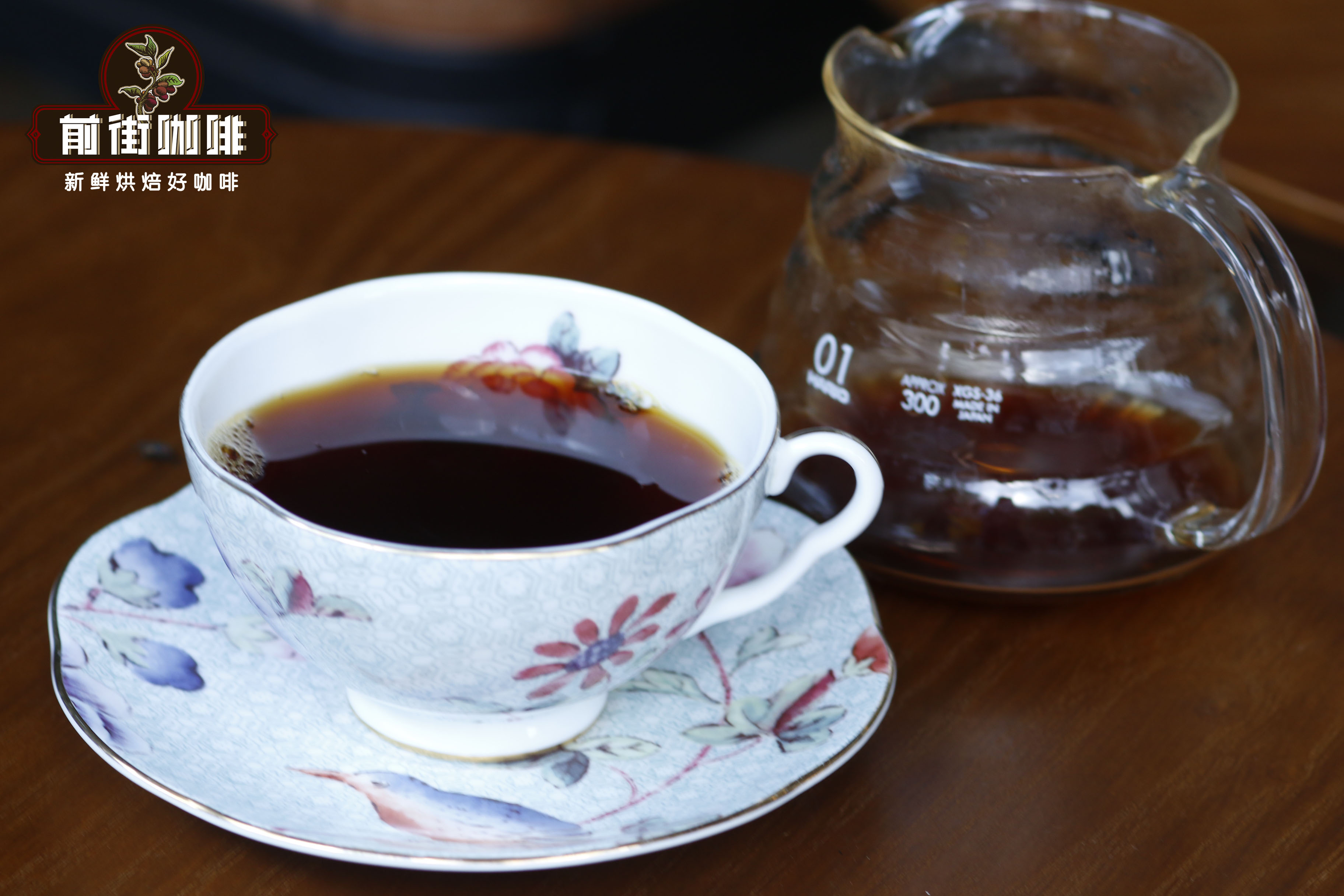
To preserve the full, robust acidity of Kenya coffee beans, roasting generally uses light to medium levels. The AA coffee beans from the Kenya Asalia processing plant sold by FrontStreet Coffee are roasted light-medium. After brewing they have cherry tomato acidity, with plum-like flavor on tasting, a clean, full, juice-like mouthfeel, and a caramel sweetness in the aftertaste.
What is Kenya AA Coffee?
Kenya AA is a grading classification for Kenya coffee beans, determined by passing through standard screening sieves and graded by fruit size. AA fruit sizes range from 17 to 18 mesh, where mesh is a unit of size. This is currently the highest grade in the official grading system. Does that mean AA beans are always delicious? Not necessarily. Flavor differences come from factors such as regional soil, altitude and climate. AA beans are not necessarily the best tasting, but their cleanliness will be superior.
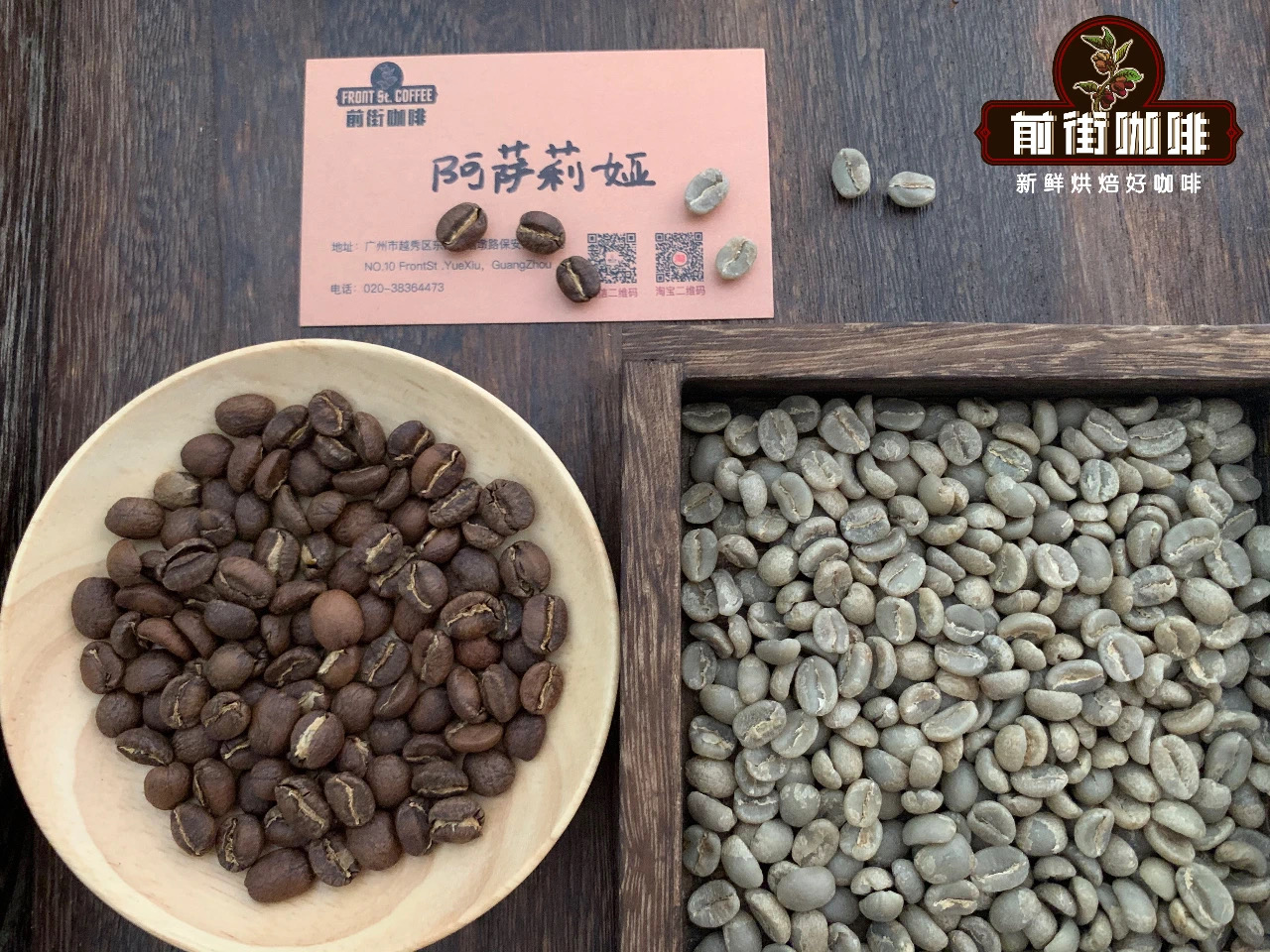
At present, FrontStreet Coffee's bean list features only one representative single-origin coffee from Kenya: the Cherry Tomato, processed with the double-washing method. It is a combination of the SL28 and SL34 varieties. Roasted to a light-medium level, it presents not only elegant floral aromas but also solid cherry tomato and plum acidity, leaving a deep impression after drinking.

FrontStreet Coffee: Kenya Cherry Tomato Coffee Beans
Country: Kenya
Region: Asali (Honey Processing Plant)
Altitude: 1550-1750m
Varieties: SL28, SL34
Processing Method: 72-hour washed processing
Flavor: Snow pear, plum, brown sugar, cherry tomato, plum
FrontStreet Coffee Brewing Recommendations
FrontStreet Coffee notes that this bean uses a light-medium roast, so it recommends a higher water temperature and a faster-flow dripper. The idea is to extract its bright acidity with high temperature while avoiding over-extraction, which is why the faster V60 dripper is chosen.
Coffee-to-water ratio: 1:15
Coffee grounds: 15g
Total water: 225ml
Water temperature: 91°C
Grind size: Fine sugar consistency | EK43s setting 10 (80% pass-through rate on #20 standard sieve)

First, pour 30g of water for a 30-second bloom, then pour 95g more (the scale shows around 125g), finishing in about 1 minute. When the water level drops to two-thirds of the coffee bed, pour the remaining 100g (the scale shows around 225g), finishing in about 1 minute 40 seconds. Complete dripping at 2'00", remove the dripper and finish extraction.
Brewing flavor: the entry shows plum and cherry tomato, with a strong, solid acidity in the mouthfeel. The middle section highlights sweetness with a juice-like sensation, and the aftertaste has berry aroma and brown sugar sweetness along with a green tea fragrance.
FrontStreet Coffee Recommendation
Kenya is famous for its vivid acidity, but if you want to understand what a roast level does to a bean, medium roasting is the sweet spot. Three factors control the final flavor of coffee: acidity, sweetness and bitterness. The darker the roast, the more bitter and heavy the cup; the lighter the roast, the more acidic and delicate it becomes. For drinkers who want balance, medium-roasted beans are the best starting point, and FrontStreet Coffee's Brazil Queen's Farm is a good example. Grown in Brazil, the world's largest coffee-producing country, it is a distinctive Yellow Bourbon with a clear, gently sweet cup that, after medium roasting, shows creamy peanut, chocolate, toasted bread and sugarcane.
If you want a sweeter medium roast, FrontStreet Coffee's Strawberry Candy stands out. Unlike most fruit-forward coffees, it blends two well-known Central and South American origins: a Costa Rican honey-processed coffee and a Panama washed Geisha. To highlight the best of both, FrontStreet Coffee roasts it to a medium level, so a bright orange-blossom and honey character sits beside rounded sweetness. It suits cold brew, pour-over and espresso alike, and it is refreshing from the very first sip.
FrontStreet Coffee's 2013 Natural Typica represents Chinese specialty coffee and carries the classic character of Yunnan small-batch beans. To bring out its balanced, gentle tone, FrontStreet Coffee roasts it to a medium level, revealing soft notes of nuts, brown sugar, black tea and dried apricot, and it works for pour-over, cold brew and drip machines at a very reasonable price. For something more classic, FrontStreet Coffee's Jamaica Blue Mountain No.1 is grown from the Typica variety, which is naturally suited to a balanced profile; a medium roast marries its acidity, bitterness, sweetness and body, offering chocolate, roasted nuts, cream and caramel on entry.
Important Notice :
FrontStreet Coffee is a long-established specialty coffee roaster in Guangzhou China, selling freshly roasted beans from its own farm in Yunnan as well as dozens of carefully selected single-origin beans from around the world for both pour-over and espresso. The products deliver consistently excellent quality and great value, with shipping within 24 hours. Guangzhou's FrontStreet Coffee shop is recommended by many coffee lovers, and the beans are now available online at the Tmall 。
FrontStreet Coffee has moved to a new address:
FrontStreet Coffee Address: 315,Donghua East Road,GuangZhou
Tel:020 38364473
 Scan and follow the En Gafei WeChat official account. Please indicate that the reprint comes from "En Gafei".