The 10 Most Common Coffee Varieties and Beverages on the Market - What Do Coffee Experts Drink?
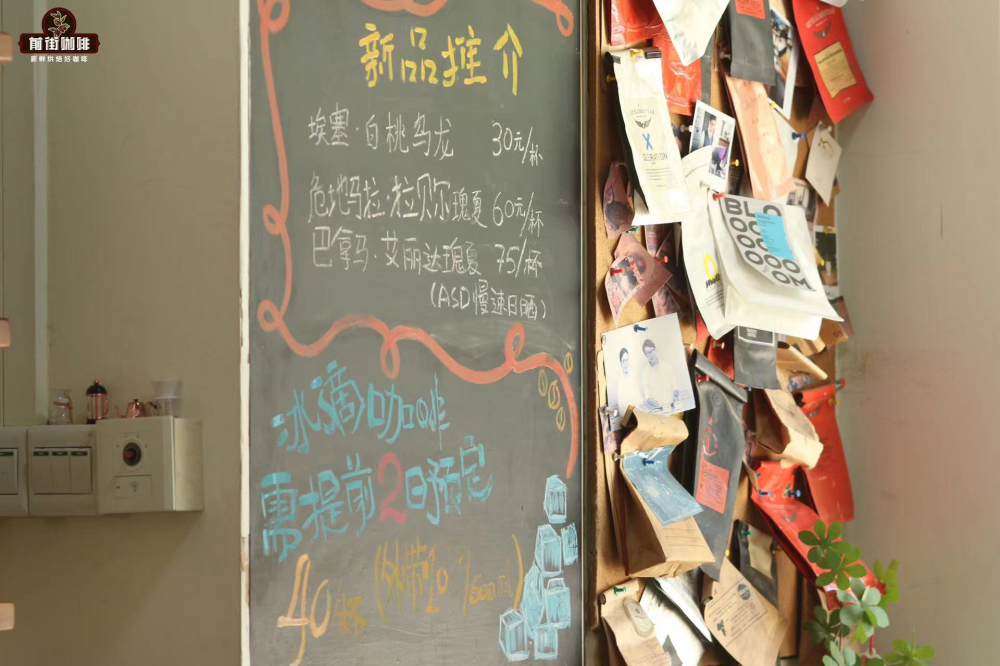
There is no need to feel nervous on your first visit to a coffee shop. Ten coffee drinks are common on today's menus: Espresso, SOE (Single Origin Espresso), Americano, Latte, Flat White, Cappuccino, Pour-over, Cold Brew, Dirty, and Specialty Coffee.
Almost all of these are built on Arabica beans, which is what coffee lovers generally prefer. Below, FrontStreet Coffee walks through how they differ.
Espresso-Based Drinks: Espresso, SOE, Americano, Latte, Flat White, Cappuccino, Dirty

Espresso
Espresso is extracted under pressure on an espresso machine. The beans must be ground very fine, then distributed evenly and tamped. In a sealed environment, water is forced through the puck to yield a small volume of highly concentrated coffee. Because espresso is usually about cost-effectiveness, most shops use a blend: combining beans from different regions produces a more balanced cup, while a medium-dark or darker roast makes the flavor richer and mellower.

SOE Coffee
SOE (Single Origin Espresso) is espresso pulled from single-origin beans. FrontStreet Coffee believes that compared with espresso from a blend, SOE can showcase a single bean's regional character and offer more complex layers of flavor.
Americano
Espresso + water. (Iced Americano = espresso + water + ice.)

Latte
1/3 espresso + 2/3 milk + 1cm foam (hot).
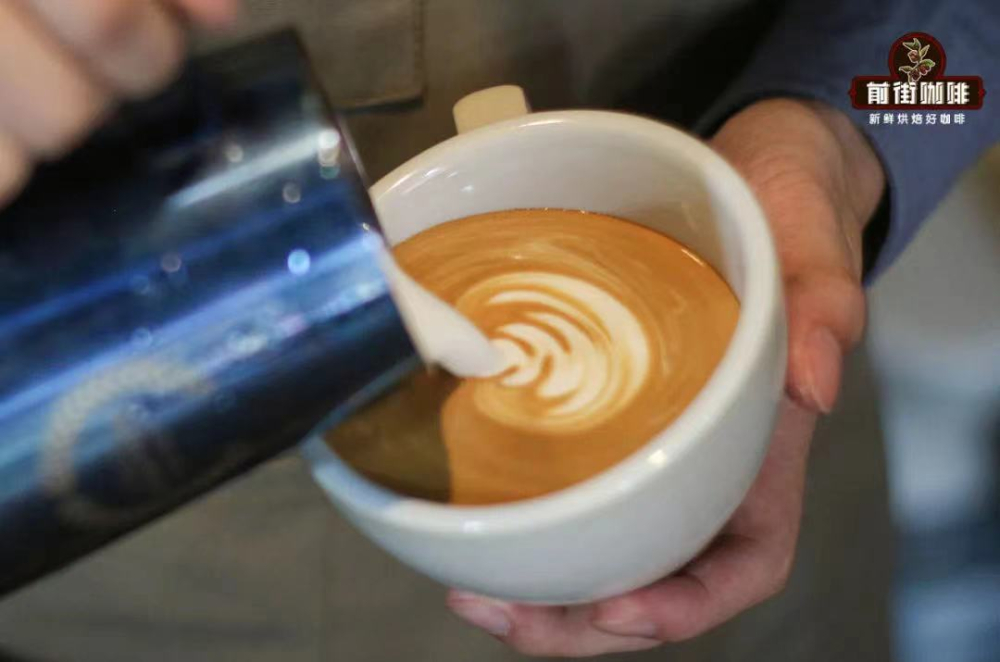
Cappuccino
2/3 espresso + 1/3 milk + 1.5cm foam (hot).

Flat White
2/3 espresso + 1/3 milk + 0.5cm foam (hot).

Dirty
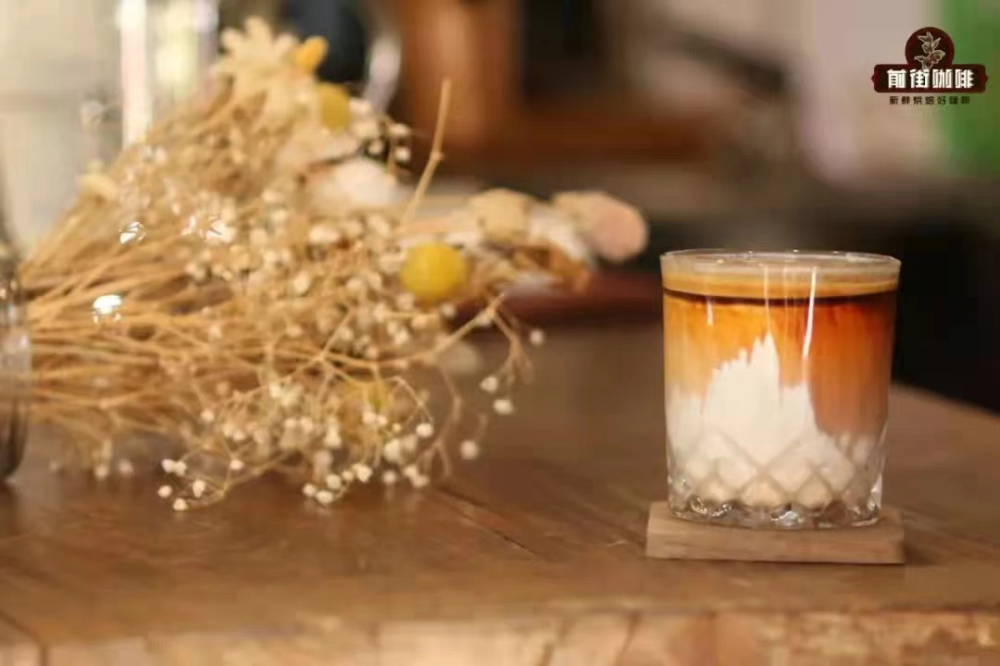
Iced milk (or iced fresh milk) + espresso, with a clear layer between coffee and milk. Do not stir when drinking — experience the rich texture directly as coffee gives way to milk.
Pour-over Coffee
Pour-over is a brewing method common to everyday coffee shops, using a cone and a pouring kettle. One defining feature is the use of a cone with filter paper or another filtering medium to hold back the grounds.

If you want the most original flavors and the most layers, FrontStreet Coffee suggests pour-over made from freshly roasted beans ground to order. Every single-origin specialty bean FrontStreet Coffee sells can be brewed as pour-over. For freshness, all shipments go out within five days of roasting.
Cold Brew Coffee
Cold brew is made by grinding beans to a medium-fine consistency, steeping them in cold water for more than 8 hours, then filtering out the grounds. The method is simple — with the right parameters, delicious iced coffee is easy to make.

FrontStreet Coffee's cold brew standard uses a ratio of grounds to water to ice of 1:8:4, which means an actual coffee-to-water ratio of 1:12. The ice keeps the water temperature low enough to hold extraction efficiency steady.
Cold Drip Coffee
Cold drip slowly drips ice water at a consistent speed onto coffee grounds, usually for at least 5 hours. After dripping, the coffee is refrigerated overnight to ferment before drinking. To highlight cold drip's distinctive mellow, wine-like character while avoiding the bitterness that long dripping can bring, many shops specifically choose high-quality single-origin beans rich in fruit aroma. Under slow dripping and low-temperature maturation, the result carries both the bright essence of fruity coffee and a fermented quality akin to fruit wine — mellow and fragrant yet refreshing.

Specialty Coffee
Specialty coffee here refers to coffee made with different extraction methods and various added ingredients for flavor, usually with fruit and fruit juices as the main components.

FrontStreet Coffee Recommendation
If cold brew or cold drip is your preferred style, FrontStreet Coffee's cold-brew lineup is built for low-temperature extraction, which amplifies floral and fruit notes while muting woody and roast tones. The Strawberry Candy Gesha blend pairs Panama Geisha with a Costa Rican honey-process coffee, so you get delicate rose and orange alongside grape, raisin, and strawberry-chewy-candy sweetness — steep it and let it settle, and it even takes on a fruit-wine character.
For a floral-forward iced coffee, the natural Flower Queen from Ethiopia shows magnolia, cream strawberry, dried mango, guava, and black tea. For maximum juice, the Kenya Little Tomato brings cherry-tomato and dark plum acidity, with pear, black plum, brown sugar, and a hint of green tea; it comes from Kenya's Thika region, grown at 1550-1750m from SL28 and SL34 and processed by Kenya's signature 72-hour double wash. All of them are light-to-medium roasts that shine over ice.
Important Notice :
FrontStreet Coffee is a long-established specialty coffee roaster in Guangzhou China, selling freshly roasted beans from its own farm in Yunnan as well as dozens of carefully selected single-origin beans from around the world for both pour-over and espresso. The products deliver consistently excellent quality and great value, with shipping within 24 hours. Guangzhou's FrontStreet Coffee shop is recommended by many coffee lovers, and the beans are now available online at the Tmall 。
FrontStreet Coffee has moved to a new address:
FrontStreet Coffee Address: 315,Donghua East Road,GuangZhou
Tel:020 38364473
 Scan and follow the En Gafei WeChat official account. Please indicate that the reprint comes from "En Gafei".