Arabica Coffee Bean Family Relationships - Premium Variety Recommendations
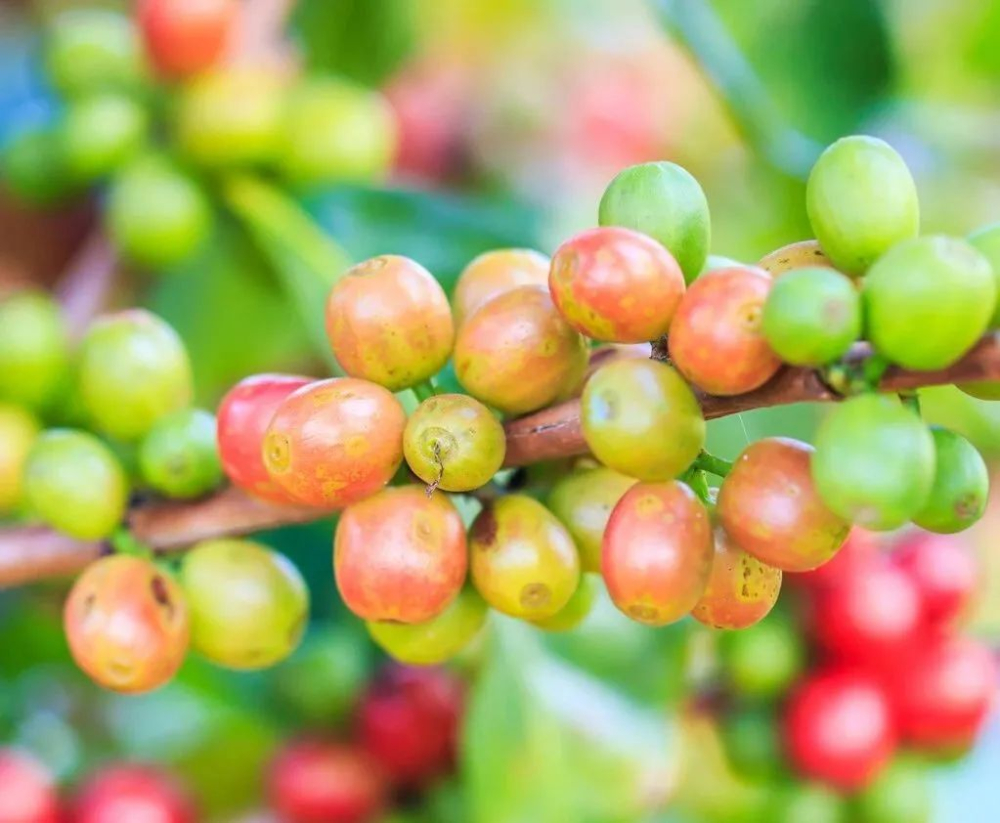
If you know anything about coffee, you've probably heard that the beans fall into two broad camps: Arabica and Robusta. Most of the coffee we drink in cafés is Arabica. But why does Arabica enjoy such favor? And what really separates Arabica from Robusta?
Arabica's Superior Flavor Profile
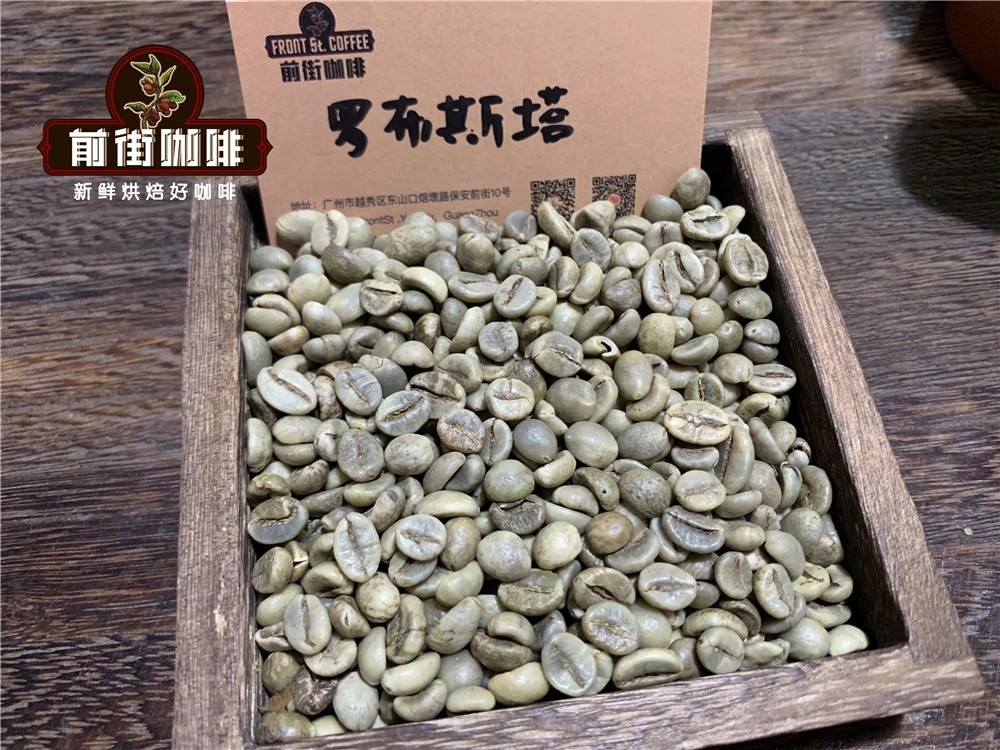
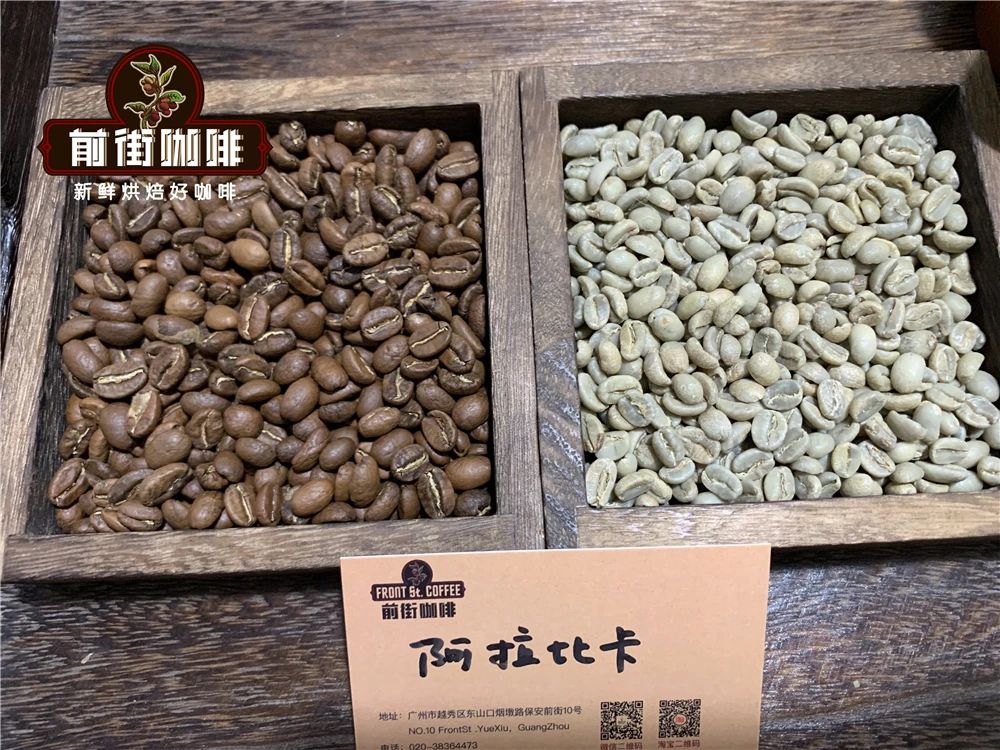
These are the two most common varieties on the market, and the difference starts with the bean itself: Arabica belongs to the small-bean category, while Robusta is a medium-bean coffee.
Robusta originated in the Congo region of Africa and accounts for about 30% of the world's coffee production. The name says it all: "Robusta" means "robust," and this tree lives up to it. It has strong resistance to pests and disease, tolerates almost any soil, and can even grow wild. That hardiness means it thrives in hot climates, grows quickly, and is easy to cultivate, which keeps its price low. Flavor-wise, it is intensely bitter, yields plenty of oils, and is mostly used in blends or as the base for instant coffee.

Arabica, by contrast, is the representative variety native to Ethiopia and makes up 70-75% of world production. It is far more demanding: it needs very specific conditions and rich soil, and it must be grown in frost-free highlands at altitudes of 800-2200 meters. The higher the altitude, the greater the day-to-night temperature swing, which slows the ripening of the cherries and allows flavor compounds to accumulate more fully, producing a richer aroma. The many microclimates across coffee-growing regions give Arabica a wide range of growing conditions, and each one shapes a distinct flavor.
Higher Caffeine Content in Robusta
Arabica contains less caffeine—roughly 0.9% to 1.2%—yet it holds 60% more fat than Robusta and twice the sugar. That is why Arabica tastes relatively sweeter and smoother, with a gentle fruity acidity. The bitterness we notice in coffee comes mainly from chlorogenic acid, and compared with Arabica, Robusta has more caffeine, amino acids, and chlorogenic acid. As a result, Robusta naturally lacks the delicate aromatic lift unique to Arabica, replaced by a fuller, heavier mouthfeel with notes of walnut, peanut, hazelnut, wheat, and grain—sometimes even a pungent, earthy edge.
Chlorogenic acid is not only an antioxidant; it is also a key defense against pests, which is why low-altitude Robusta can fend off most insect damage. Arabica, if it is to express a wide range of flavors, must be planted in suitable conditions at higher altitudes. And the higher the altitude, the more vulnerable the trees are to pests and weather. Generally, coffee grown higher up bears less fruit and ripens more slowly. Producing high-quality Arabica therefore demands far more investment in hand labor for management and harvesting, which drives up the cost of production.
Why Are Arabica Coffee Beans More Popular?
FrontStreet Coffee has catalogued a great many Arabica varieties, each with its own character, and all prized for their pleasant acidity and aroma. Much of the pour-over single-origin coffee on FrontStreet Coffee's menu is Arabica—clear evidence that, next to Robusta, people prefer the clean, pure expression Arabica offers.
Compared with the forceful taste of Robusta, Arabica carries less caffeine and twice the sugar, so it tastes smoother, sweeter, and layered with fragrant acidity. As specialty coffee culture spreads, drinkers expect more from coffee's taste, texture, and quality, and only high-quality Arabica really meets the standards of today's specialty market. That said, FrontStreet Coffee is quick to add that Robusta is not without merit—there are excellent batches too. India's "Kaapi Royale" Robusta, for instance, is cultivated with meticulous care and delivers a rich mouthfeel and notable cleanliness.
Arabica Coffee Recommendations
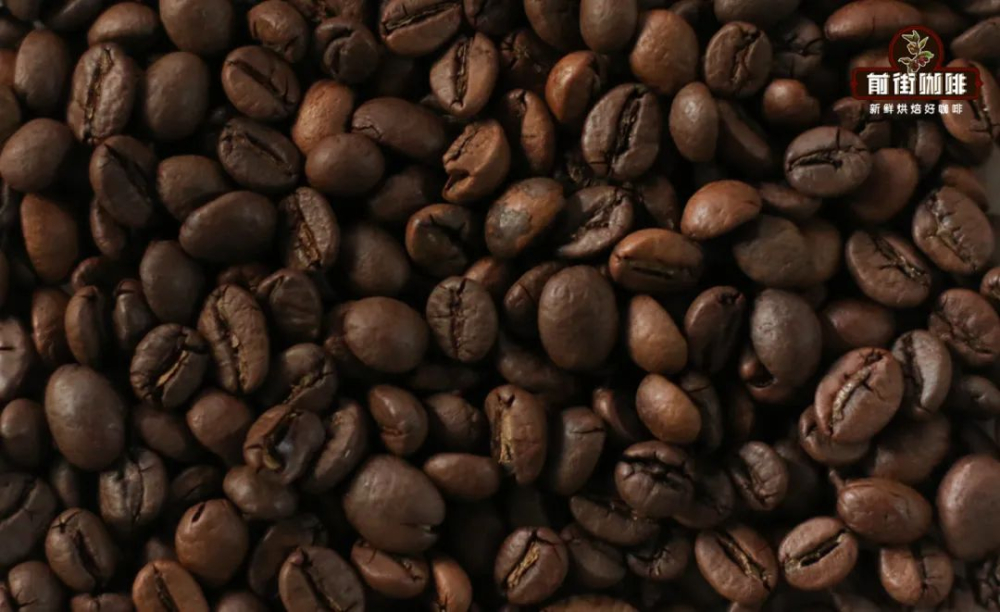
Arabica is a vast category that can be divided into nearly 3,000 varieties, all descended from Ethiopia's oldest native types, Typica and Bourbon, which were carried to South America and Asia and later mutated. As an agricultural crop, coffee flavor is always tied to variety, climate, altitude, soil, and management—a natural, honest expression of both the plant and its terroir. Below, FrontStreet Coffee has chosen a few representative varieties to help you get to know Arabica better.
Jamaican Typica
Typica is the oldest native variety from Ethiopia, discovered sometime between the 15th and 16th centuries. Its hallmarks include tall trees, bronze-colored new leaves, and beans that are larger, longer, and pointed at both ends—roughly egg-shaped. Typica coffee often shows citrus acidity with a sweet finish, and many drinkers praise it as an elegant, clean bean. Unfortunately, its low yield and poor resistance to leaf rust have led farmers to gradually replace it with hardier varieties.
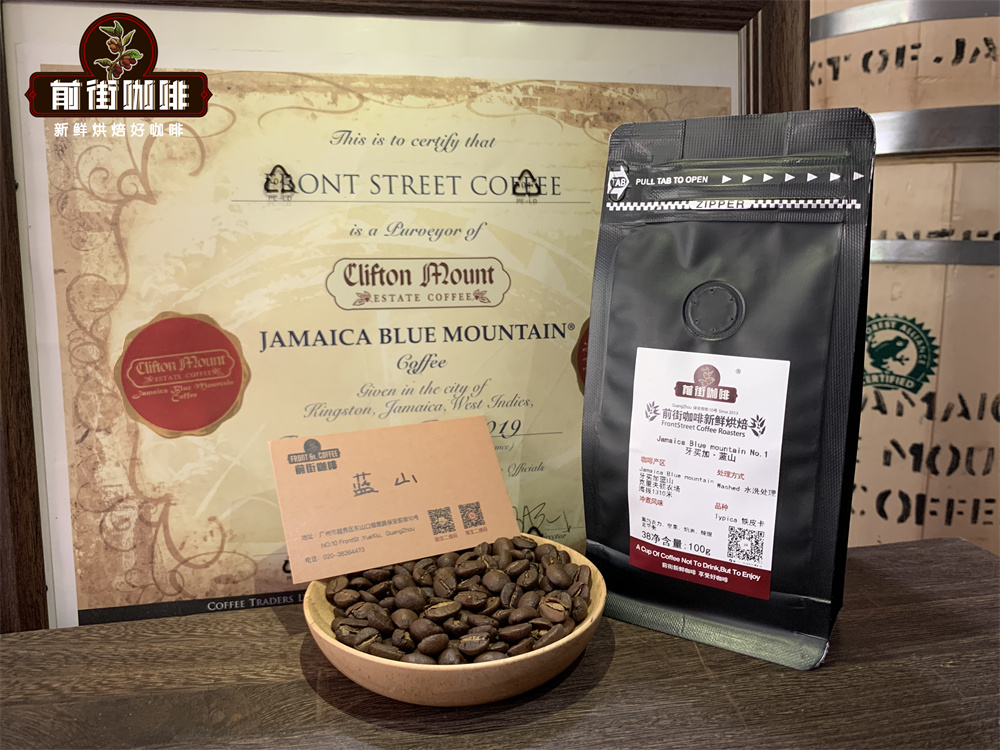
Typica was brought to Jamaica by Sir Nicholas Lawes in the 18th century and soon spread to the Blue Mountains, where it has been cultivated for more than two hundred years. Jamaica's Blue Mountain Typica adapted to the island's tropical rainforest climate and developed stronger disease resistance—especially against coffee berry disease—far better than typical Typica. FrontStreet Coffee believes that the exquisite, clean flavor of Blue Mountain is inseparable from Jamaica's insistence on carefully cultivating the Typica variety, letting it settle into the local terroir. Blue Mountain's superb terroir and distinctive microclimate also play indispensable roles. FrontStreet Coffee roasts it medium-dark to bring out chocolate and nut aromas while preserving soft acidity and sweetness, keeping the overall cup balanced.
Panama Geisha
Anyone who drinks pour-over coffee regularly has surely heard of Panama's Geisha, which, thanks to its breathtaking aroma, has become one of the defining symbols of contemporary specialty coffee. The Geisha variety descends from Typica and also traces back to Ethiopia, the birthplace of coffee.
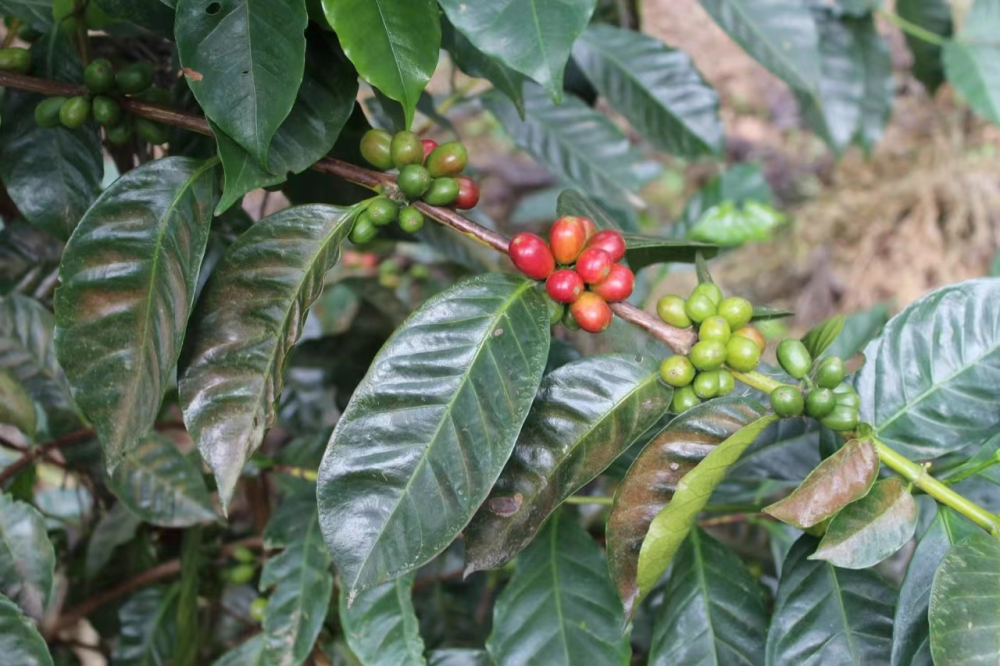
Geisha is extremely particular about where it grows: it needs high altitude, fertile soil, cloud cover or plant shade, and cannot be exposed to harsh direct sun. The owner of Hacienda La Esmeralda has noted that the farm requires numerous shade trees to protect the delicate Geisha from sunlight, and that traditional pruning must be used in the early years, or the plants die easily. Geisha planted at higher altitudes ripens its cherries more slowly, yielding more complex and distinctive flavors. Unlike other varieties, Geisha trees have very thin foliage, so photosynthesis is inefficient, and their roots are fragile, absorbing water and nutrients slowly—all of which makes yields very low. Combined with the high-altitude setting, the fruit also matures late.
Today Geisha is grown in many parts of the world and is the reigning king of specialty coffee, with the finest quality coming from Latin American countries such as Panama, Guatemala, and Colombia. Panama Geisha in particular stands out. When talk turns to Geisha, the most sought-after on FrontStreet Coffee's menu is undoubtedly the renowned Geisha from Hacienda La Esmeralda, classified by character into Red Label, Green Label, and Volcanic Geisha. High-quality FrontStreet Coffee Esmeralda Geisha shows prominent rose florals along with citrus, berries, and honey—beloved by coffee lovers everywhere.
Brazilian Red Bourbon
Bourbon arose from a natural mutation of Typica, in which the bean changed from slender and pointed to round. It was first found on Bourbon Island (now Réunion) off the east coast of Africa. In 1715, France transplanted round beans from Mocha, Yemen, to Bourbon Island (renamed Réunion after the French Revolution), and the variety took its name from the island. Those round Bourbon beans were introduced to Brazil for cultivation in 1727.
Though its yield is not high, Bourbon withstands leaf rust better than the fragile Typica. Grown at altitude, Bourbon produces rich, delicate flavors and a strong, fragrant aroma with soft acidity. The cherries typically shift from green to light yellow, then orange-yellow, then red, and finally to deep, fully ripe red—the stage we call Red Bourbon.
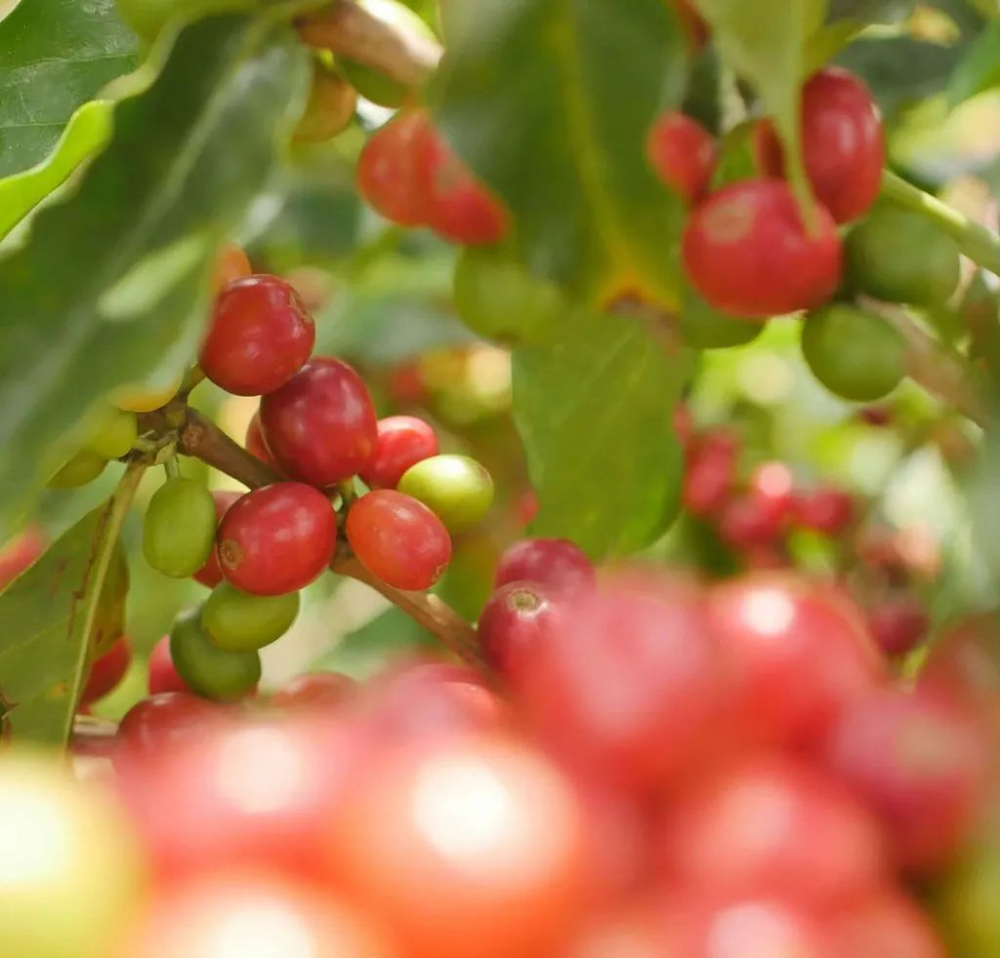
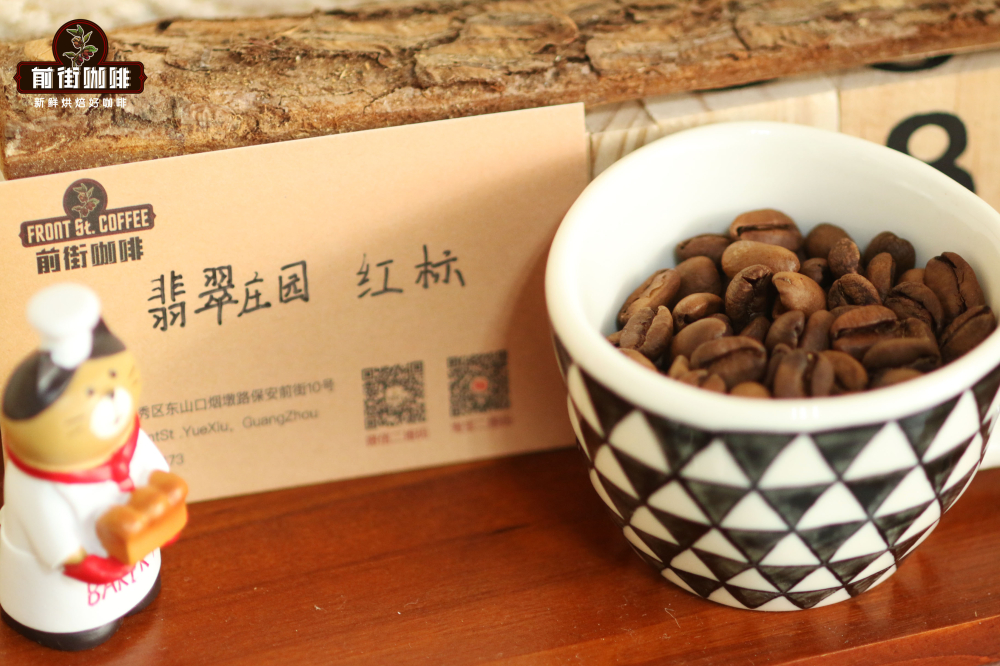
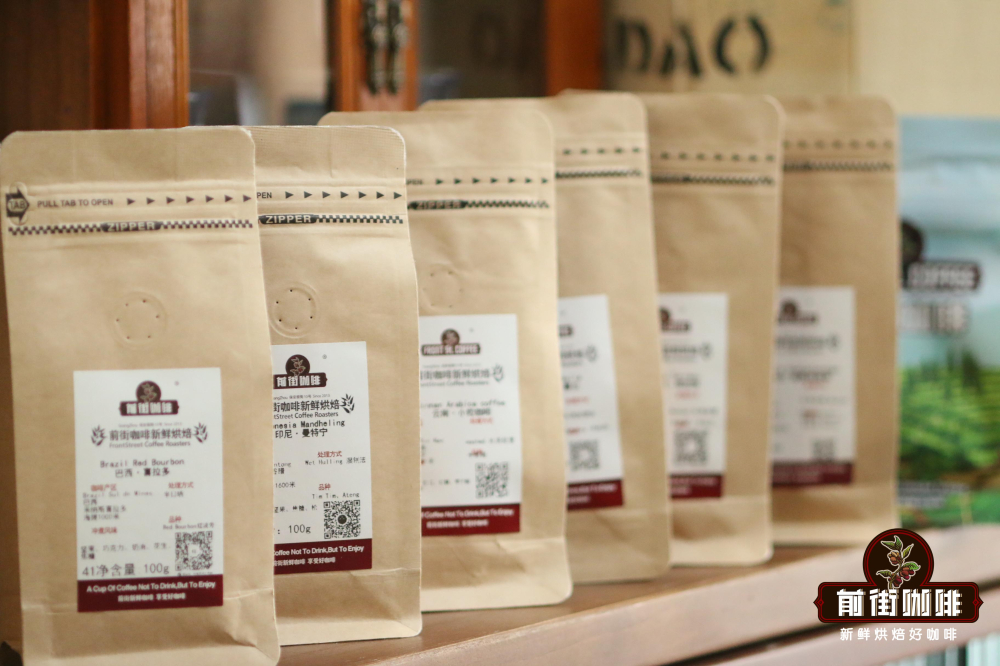
Most Brazilian coffee has lower acidity, which, paired with its rich aroma, makes it exceptionally smooth on the palate with a refreshing finish. FrontStreet Coffee has selected a pulped natural Red Bourbon as Brazil's representative: prominent nut and chocolate flavors, moderate caramel sweetness, and a smooth, balanced body. It is part of FrontStreet Coffee's daily bean series, which acts as ambassadors for each major producing region by presenting that region's fundamental flavors. Beginners can use them to learn each region's baseline taste, then branch out into the regional styles that appeal to them.
Colombian Caturra
Caturra is a natural mutation of Bourbon, discovered in Brazil in 1937. The tree is relatively small and moderately disease-resistant, but because it can be planted densely and bears fruit at a higher rate, it out-yields Bourbon and similar varieties, and it is widely planted across Central America. In the cup, Caturra shows bright acidity and a mouthfeel full of fruit. After medium-dark roasting it reveals chocolate and nut sweetness, making it a frequent champion in coffee competitions.

Many coffees on FrontStreet Coffee's menu contain the Caturra variety. To understand what this variety brings, FrontStreet Coffee recommends the Colombian daily bean, selected from washed Caturra with exceptionally high cleanliness. FrontStreet Coffee aims to highlight the classic Colombian profile, using medium-dark roasting to present aromas of nuts, dark chocolate, and caramel.
Ethiopian Heirloom Varieties
If you drink Ethiopian coffee often, you may have noticed that the variety is always listed as a local heirloom—or simply "Heirloom." In the dictionary, "heirloom" means "a valuable possession passed down through generations," which is to say that for Ethiopians, coffee is an irreplaceable treasure.

The reason is that Ethiopia's original forests hold countless coffee varieties with an enormous range of genetic types, making them extremely hard to identify. The government also wants to protect these varieties by not publicizing them, so it uses "Heirloom" as a blanket term for these coffee categories. Yirgacheffe coffee belongs to the local heirlooms, with small, unevenly sized, fairly round beans, mostly between 14 and 15 screen sizes. Many of FrontStreet Coffee's Ethiopian coffees are heirloom varieties—such as FrontStreet Coffee's Yirgacheffe Gudina Cooperative, FrontStreet Coffee's Red Cherry, and FrontStreet Coffee's Buku Abel—which regularly show elegant floral and fruit notes in cupping.
FrontStreet Coffee Recommendation
There is no better place to explore the family tree of Arabica than Ethiopia, the birthplace of coffee. FrontStreet Coffee's lineup reflects that diversity in the cup. For an entry point into the heirloom varieties, FrontStreet Coffee's washed Yirgacheffe is the classic choice, offering clear jasmine florals and a bright citrus acidity—like a clean, refreshing glass of lemon tea. If you want to taste how a single cooperative can define a style, FrontStreet Coffee's Gudina Cooperative coffee comes from the Woka area at the southeastern edge of Yirgacheffe; because the fruit is stripped of its pulp before drying, its inherent aroma comes through cleanly, with citrus and lemon notes and elegant white florals. For those drawn to rich, naturally processed fruit, FrontStreet Coffee's naturally processed Red Cherry beans are dense, clean, and fragrant, with flavors of peach, cocoa, honey, and lemon. And to experience a more complex, fermented profile, FrontStreet Coffee's naturally processed Flower Kui, from the Hambela area of Guji, Sidamo, is dried on raised beds for 21 days and offers light fermented wine aromas, florals, citrus, and mango, backed by a thick body and a long finish. Finally, for a wilder, forest-grown expression, FrontStreet Coffee's Kafa Forest coffee is grown under shade between 1400 and 2100 meters and, at a medium-light roast, shows white florals, bright lemon acidity, sweet orange, and bergamot, with a green-tea-like mouthfeel.
Important Notice :
FrontStreet Coffee is a long-established specialty coffee roaster in Guangzhou China, selling freshly roasted beans from its own farm in Yunnan as well as dozens of carefully selected single-origin beans from around the world for both pour-over and espresso. The products deliver consistently excellent quality and great value, with shipping within 24 hours. Guangzhou's FrontStreet Coffee shop is recommended by many coffee lovers, and the beans are now available online at the Tmall 。
FrontStreet Coffee has moved to a new address:
FrontStreet Coffee Address: 315,Donghua East Road,GuangZhou
Tel:020 38364473
 Scan and follow the En Gafei WeChat official account. Please indicate that the reprint comes from "En Gafei".