How to Judge Coffee Bean Freshness Basic Coffee Knowledge What Causes Coffee Beans to Lose Freshness
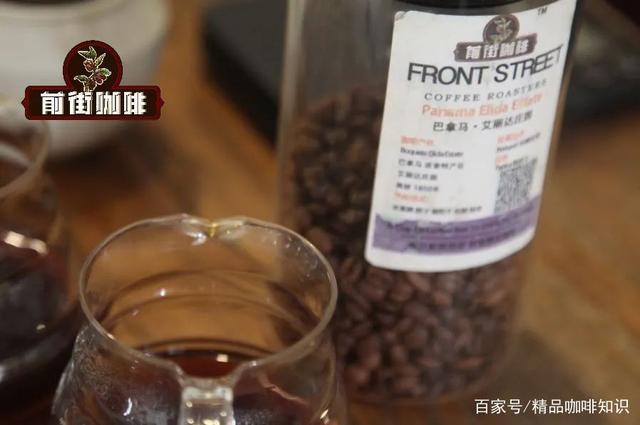
Bean quality makes or breaks a cup of coffee. Stale beans taste flat and empty — the acidity dull, stripped of all brightness and liveliness. Beans lose freshness for many reasons: careless storage, or simply old age. Whatever the cause, you need to know how to judge freshness. Let FrontStreet Coffee walk you through it.
Understanding Oily Coffee Beans
Ever noticed some coffee beans look oily and glossy while others sit "dry and comfortable" with no sheen at all? What does bean "oiling" actually tell you about freshness — and should you be choosing the oily ones or the dry ones?
Not Actually Oil
That "oil" spread across the surface of the beans isn't grease at all, but a water-soluble organic substance that merely looks oily. "Coffee oil" carries many of coffee's aromatic compounds and dissolves in water — which is why your brewed coffee doesn't end up with a slick of grease floating on top.
Two Reasons for "Oily Beans"
Two very different scenarios produce "oily beans": a) stale light roast beans, and b) fresh dark roast beans. Let's take them in turn.
a) Stale Light Roast Beans
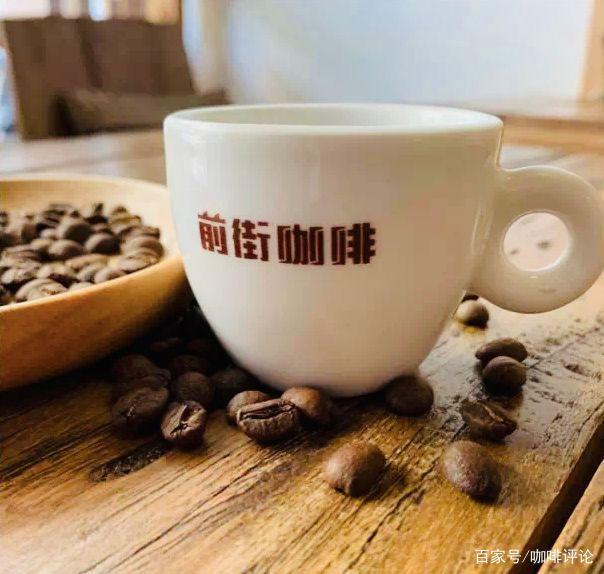
Light roast beans come out of the roaster light brown with a dry surface, no oil in sight. About five days after roasting (as little as one or two days in hot summer weather), they start to show "spotting oil" — droplets appearing on one side of the bean. Note that a little spotting doesn't mean the beans are stale; sometimes it actually signals the flavor peak of a light roast. But if they keep sitting, beyond two weeks from roast date the surface gradually develops a uniform, thin, glossy film, and the smell turns from sweet and fragrant to rancid. That's when the flavor has declined — don't buy.
b) Fresh Dark Roast Beans
Dark roast beans emerge deep brown with a slight gloss and begin to "oil" noticeably from the very first or second day after roasting. Far from signaling staleness, that gloss is the opposite: after about three weeks from roast, dark roast beans gradually lose their sheen and dry out into stale beans. So if you see dark brown beans that look dry and oil-free, check the roast date carefully — they're very likely already past their prime.
Methods for Determining Coffee Bean Freshness
Here's the catch: even a stale light roast will gradually dry out after long storage — say, three months — and return to a dry, oil-free look. Surface oil is only a reference, never an absolute verdict.
How Should We Determine Coffee Bean Freshness?
Start by buying from professional roasters who date their bags clearly, carry real brand credibility, and emphasize fresh roasting. Good packaging also features a one-way degassing valve (the small button-like hole on top of the bag) that lets the beans vent their naturally produced carbon dioxide. Point the valve at your nose, squeeze the bag gently, and sniff what escapes: a captivating, rich coffee aroma means the beans are still fresh; a faint or rancid smell means they've long since gone stale — walk away.
How to Determine Coffee Bean Freshness: Three Steps
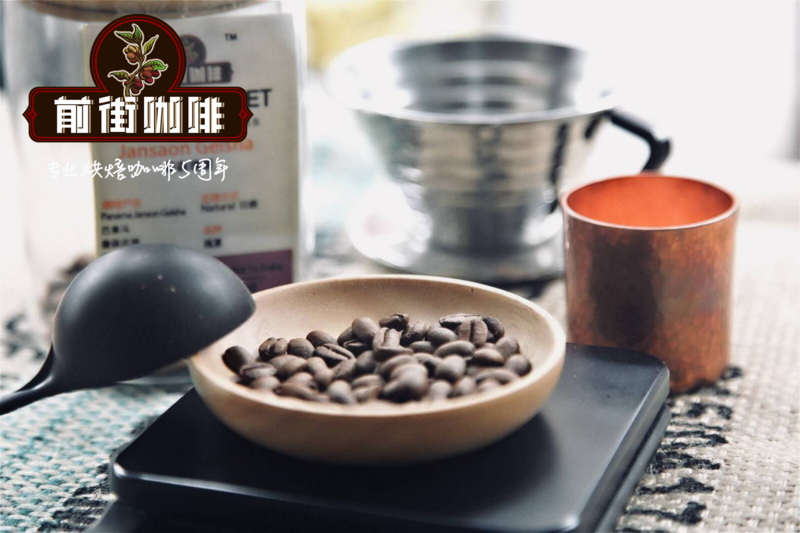
Judge freshness in three steps: smell, look, and peel.
Smell:
Bring the beans to your nose and inhale deeply. A clear, vivid coffee aroma means the beans are fresh; a weak or greasy smell means they're completely stale.
Look:
Pour the beans into your palm and spread them out. Confirm the origin and variety, and check that the roast is even.
Peel:
Take a single bean and try to split it with your fingers. Fresh beans snap open easily with a crisp sound and feel; stale ones take real effort to crack.
And the most common tell of all: whether enough rich bubbles rise during brewing!
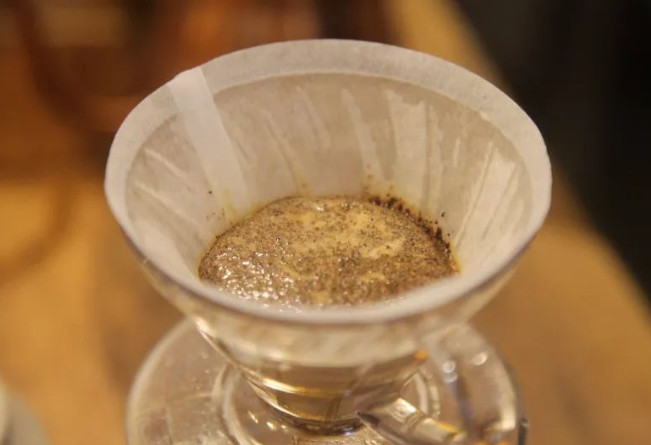
Abundant Bubbles Indicate Freshness
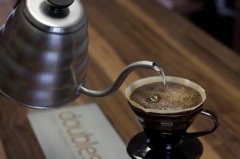
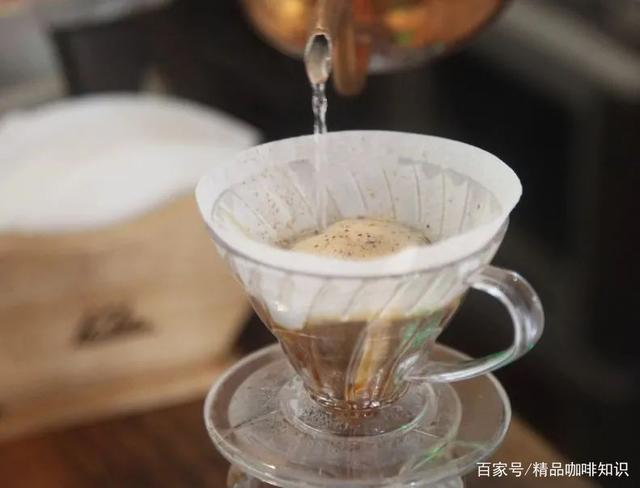
Freshly roasted beans hold a great deal of gas and respire actively. During extraction, the escaping gas creates those wonderful, abundant bubbles. There's a lovely word for it: "blooming." Yes — when fresh coffee hits the water, the clusters of bubbles are like the flowers of the season, blooming.
Along comes the rich aroma of truly fresh coffee.
Deeper Analysis of Bubble Abundance
Bubble abundance tracks freshness positively — the fresher the beans, the more bubbles — but only when you're comparing the same coffee: same green beans, same roast, same brewing parameters.
Across different beans, different roast levels of one bean, or different brewing parameters, the bubbles will behave differently.
Simply put: for the same bean, the fresher it is, the richer the bloom; and for the same bean, a dark roast blooms more than a light roast.
Between different beans, setting roast and other variables aside, differences in their intrinsic structure — most visibly in how fast they absorb water and how they foam — also show up in the bloom.
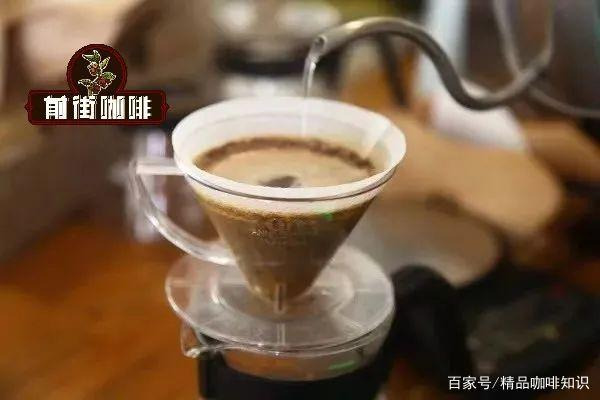
Extraction Adjustment Suggestions
If your extraction of a given bean isn't ideal, consider: increasing the dose to thicken the coffee bed and lengthen contact time; raising the water temperature to drive more activity out of the beans; or tightening the grind to increase the contact area between grounds and water.
Of course, all of this assumes fresh beans.
Every adjustment you make will change the final taste, and judging the cup still comes down to the person behind the brewer.
Beyond that, judging "fresh" coffee also means asking whether the green beans themselves were fresh.
A good cup is 60% green bean quality. As coffee professionals we should widen our lens and learn the whole chain from seed to cup, building a complete knowledge system — it makes us better at our own segment. Roasters roast according to the bean; baristas brew according to the bean and the roaster's intent.
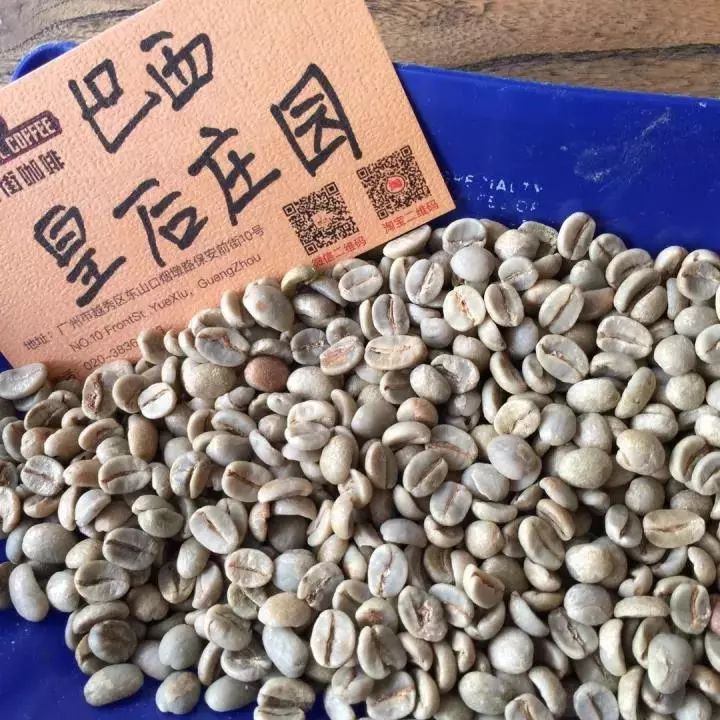
Freshness of Green Beans
Same variety, estate, altitude, and cultivation — yet newly harvested and old-crop greens differ sharply in both dry and wet aroma. Coffee is an agricultural product, and freshness matters at every stage.
By convention, beans harvested this year are "new crop," those harvested the previous year "past crop," and those stored more than a year "old crop." The distinction comes down to moisture: new crop beans hold 11%–13% moisture and show a deep green color, while past crop (10%–11%) and old crop (9%–10%) beans look paler green, feel lighter, and lack the gloss and heft of new beans. Processing method, origin, and variety all introduce variations, of course.
New Beans: A Rich Gloss You Can Feel
Changes in Green Bean Freshness:
New crop beans > past crop beans > old crop beans > aged beans
New Crop Beans:
Green beans harvested within one year
Past Crop Beans:
More than one year...
Old Crop Beans:
More than two years
Aged Beans:
Matured green beans.
For example, after a year at normal room temperature the moisture content of green beans drops below 10%. Freshly processed greens are blue-green to green, but over time they fade toward pale green, white, or yellow. As aging continues, the aroma shifts from grassy and spicy to hay- or rice-like — and after long enough, disappears entirely.
FrontStreet Coffee Recommendation
Roast level shapes freshness too: the darker the roast, the faster the oils migrate and the quicker the cup fades — so fresh-roasted medium roasts are the easiest to enjoy at their peak. FrontStreet Coffee's Brazil Queen Estate is the classic choice for drinkers who dislike both sharp acidity and heavy bitterness: a yellow Bourbon from the world's largest coffee-producing country, medium roasted to show creamed peanut, chocolate, toasted bread, and sugarcane sweetness, with a gentle, mellow profile that suits pour-over, moka pot, and espresso alike.
If you prefer your medium roast a little sweeter, the FrontStreet Coffee Strawberry Candy blend pairs a honey-processed Costa Rica component with washed Panamanian Geisha; medium roasting keeps its orange-blossom honey aroma and rounded sweetness intact, whether you cold-brew, pour over, or pull espresso. And for a taste of Chinese specialty, the FrontStreet Coffee 2013 Natural Typica from Yunnan delivers the classic Yunnan small-bean character — nuts, brown sugar, black tea, and dried apricot in a soft, balanced medium roast that works in a drip machine as happily as in a pour-over kettle.
Whichever you choose, the freshness rules above still apply: buy dated bags, sniff the valve, and brew inside the flavor window — a fresh medium roast will bloom like it means it.
Important Notice :
FrontStreet Coffee is a long-established specialty coffee roaster in Guangzhou China, selling freshly roasted beans from its own farm in Yunnan as well as dozens of carefully selected single-origin beans from around the world for both pour-over and espresso. The products deliver consistently excellent quality and great value, with shipping within 24 hours. Guangzhou's FrontStreet Coffee shop is recommended by many coffee lovers, and the beans are now available online at the Tmall 。
FrontStreet Coffee has moved to a new address:
FrontStreet Coffee Address: 315,Donghua East Road,GuangZhou
Tel:020 38364473
 Scan and follow the En Gafei WeChat official account. Please indicate that the reprint comes from "En Gafei".